
Cat Breeds, Described by What Living With Them Involves
A breed tells you about coat, build, and tendency, not about an individual cat. What it does predict is the daily work: how much grooming, how much company, and which inherited problems to screen for.
Ask a breeder to show the screening results for both parents rather than accepting an assurance that the line is healthy. A result names the disease and the date it was tested. An assurance names neither.
Every Breed, One Profile at a Time
A
-
Abyssinian Medium, long and lithe on fine bone, and denser in the hand than it looks

-
Abyssinian Maine Coon Mix Unpredictable; the Abyssinian is medium and fine-boned, the Maine Coon is…

-
Abyssinian Siamese Mix Medium; both parent breeds are medium-sized and fine-to-moderate boned

-
Aegean Medium and muscular with a working build, a broad-based head and a long…

-
American Bobtail Medium to large, moderately long and substantial, with a rectangular stance

-
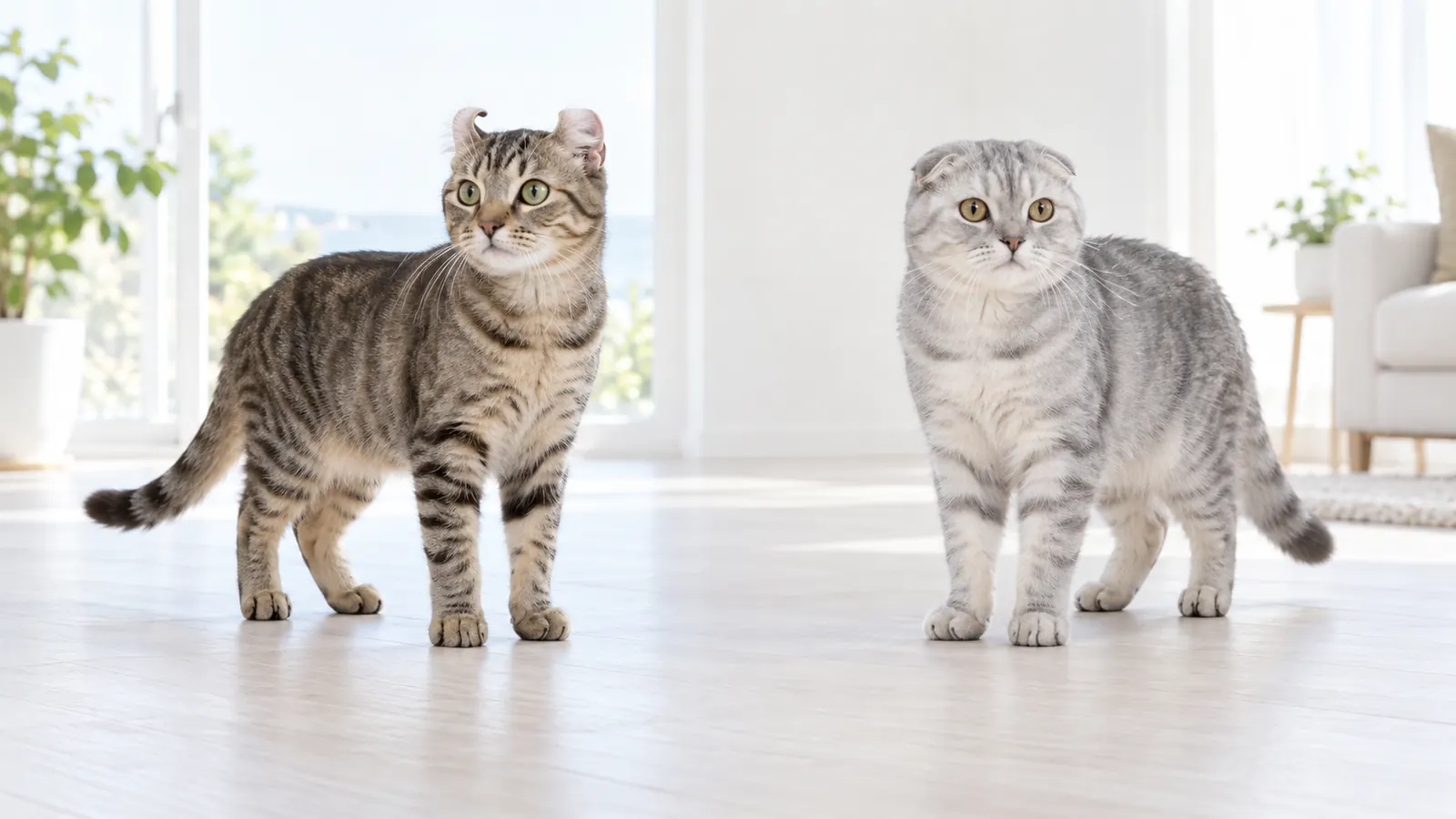
American Curl Medium, with a semi-foreign rectangular body and a modified wedge head

-
American Curl Scottish Fold Cross Medium; both parent breeds are medium-sized
-
American Keuda Moderate and balanced, with nothing extreme; variable because no body…
-
American Longhair Variable; no standard controls the body type
-
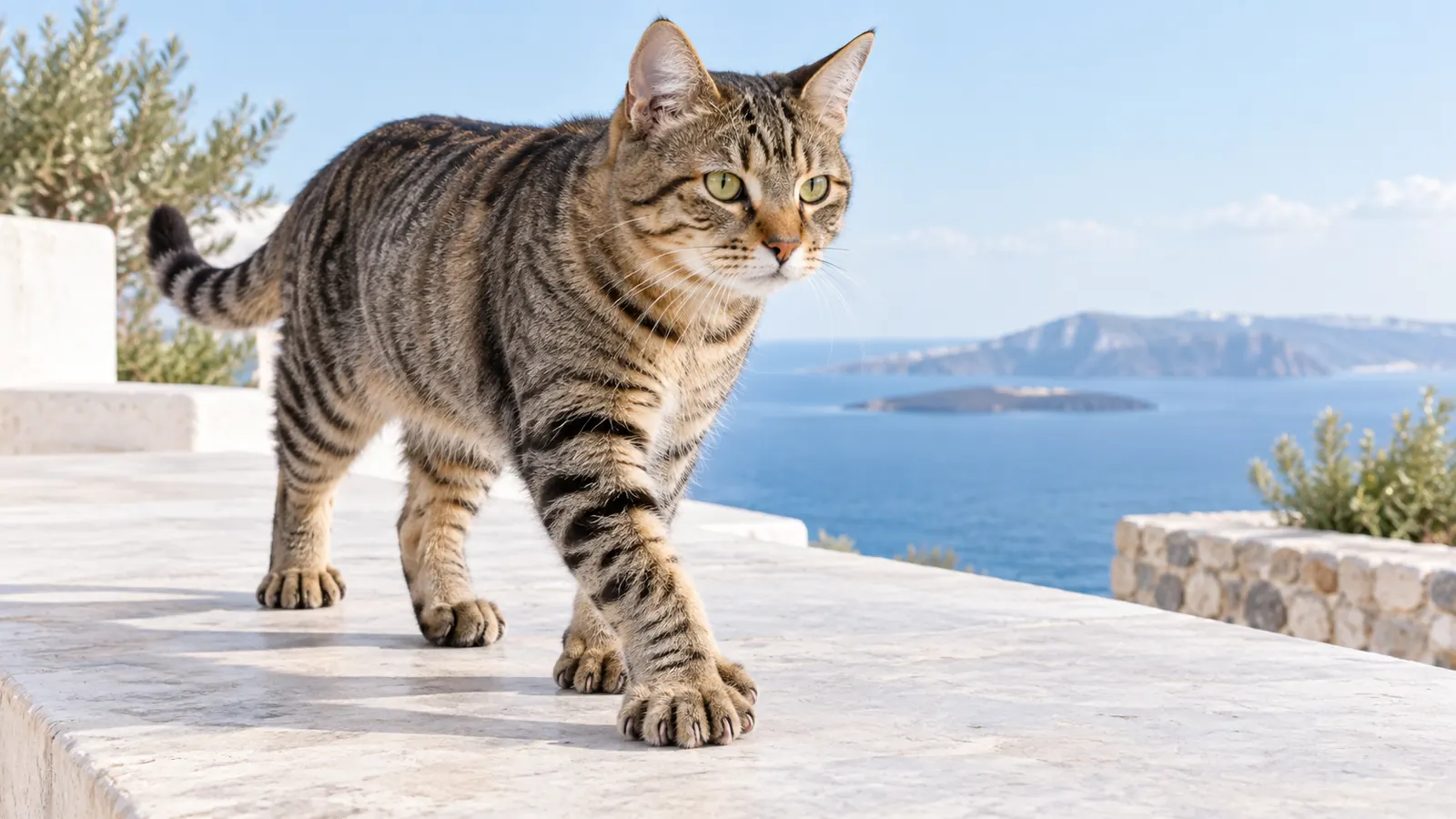
American Polydactyl Any; polydactyly does not affect body size
-
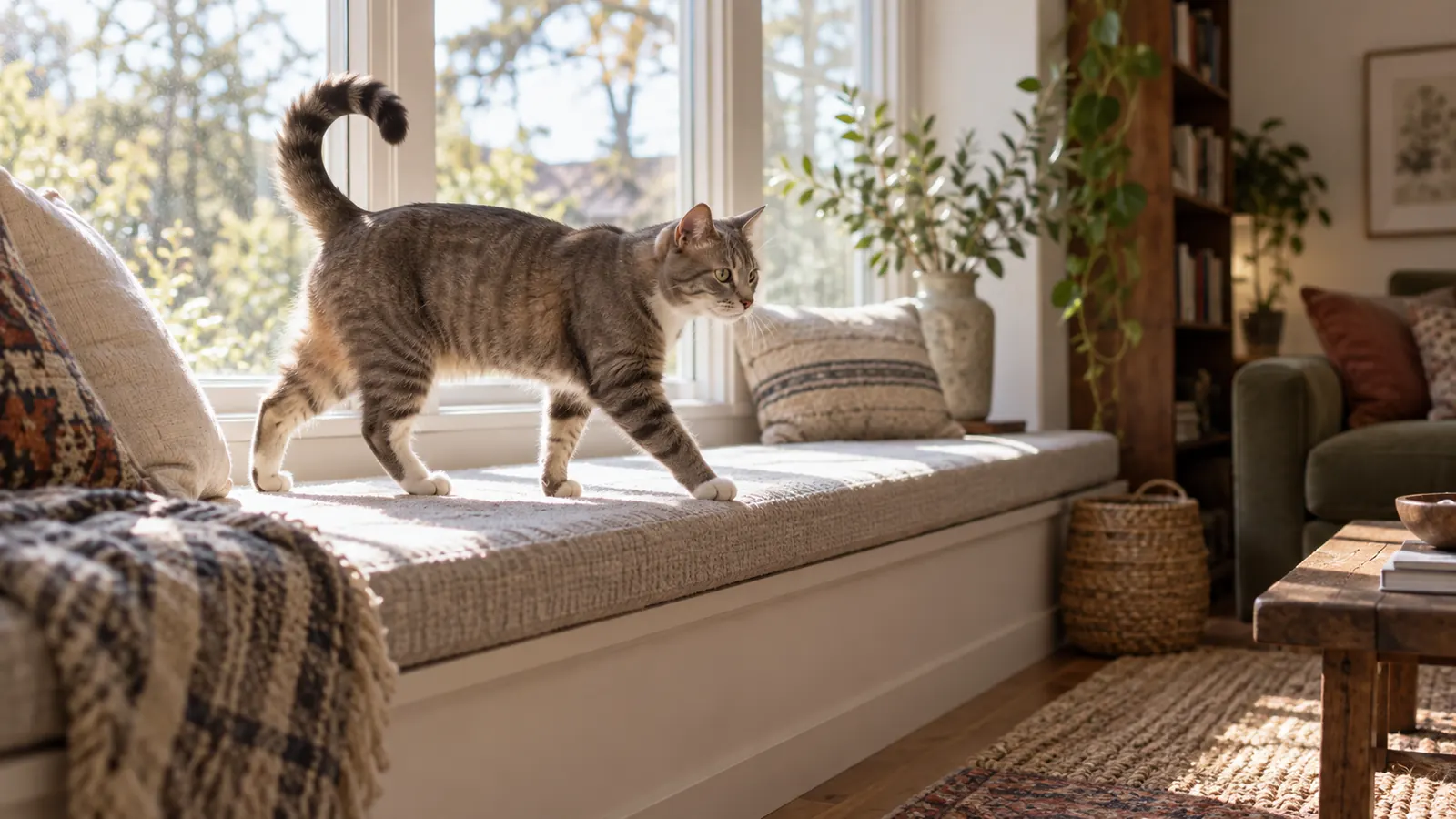
American Ringtail Medium to medium-large and muscular, with a long, flexible, full-length tail
-
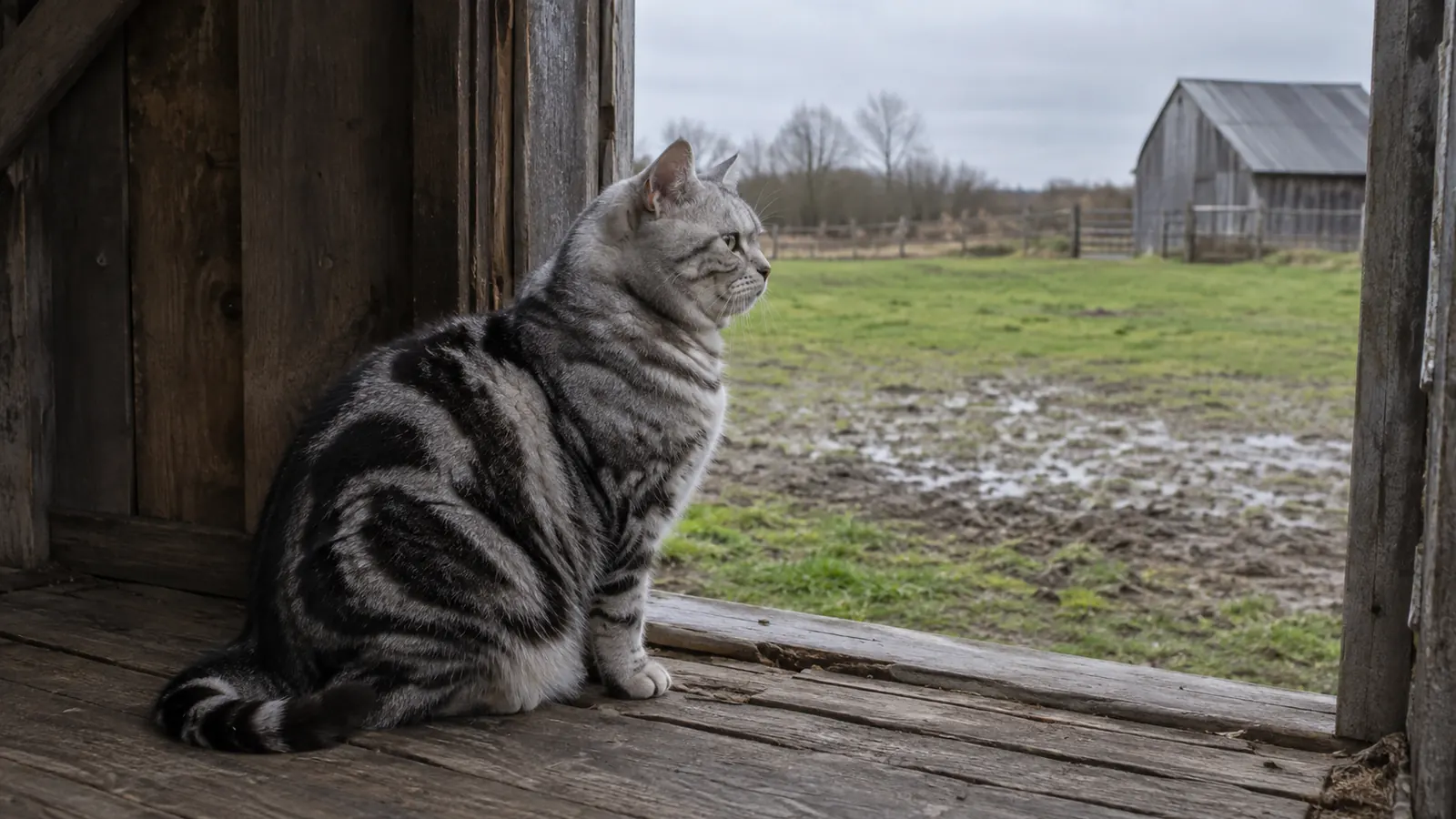
American Shorthair Medium to large, strongly built and slightly longer than tall
-
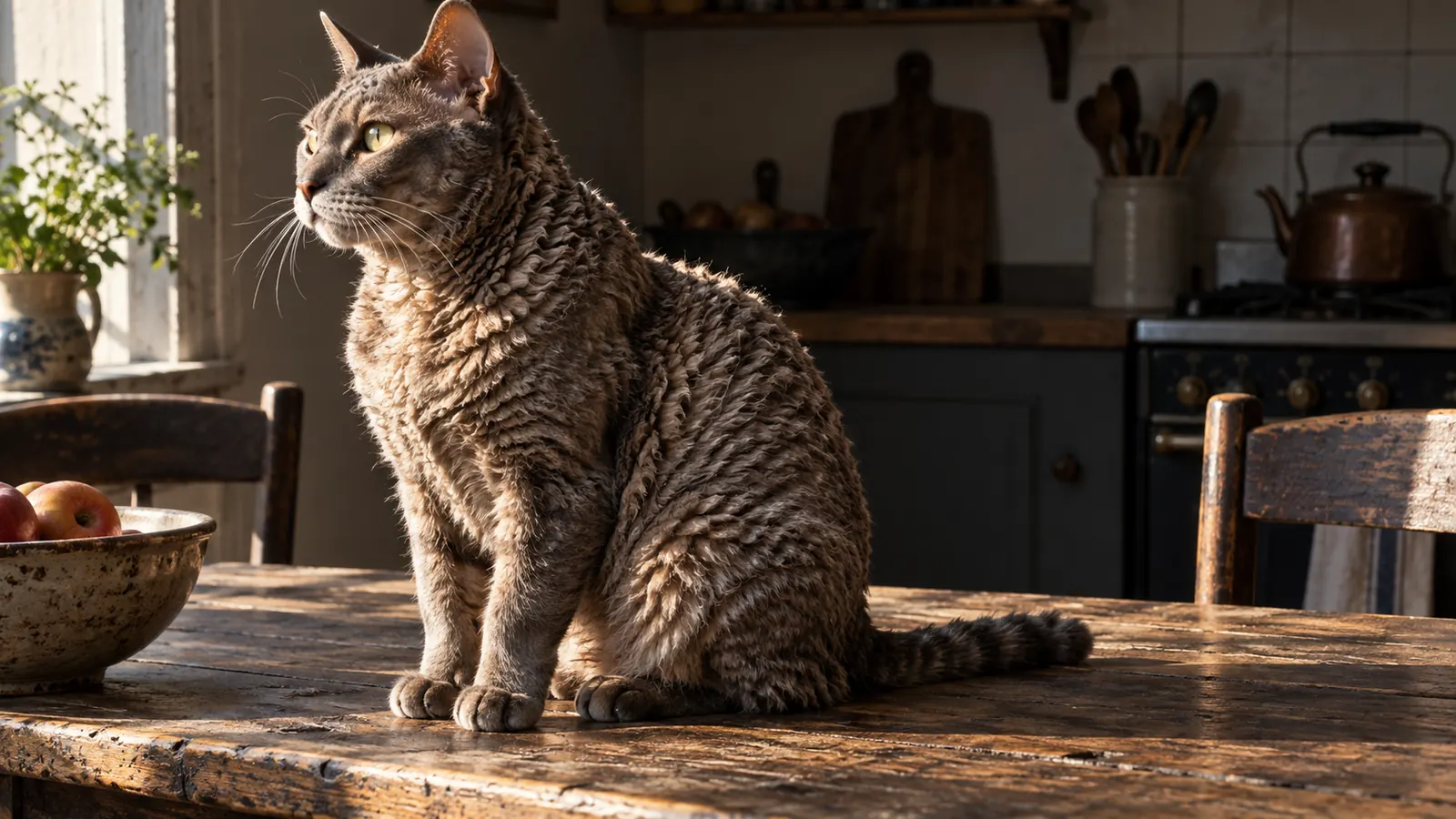
American Wirehair Medium to large and muscular, built on the American Shorthair pattern
-
Anatolian Medium to large, muscular and well-boned, with the robust build typical of…
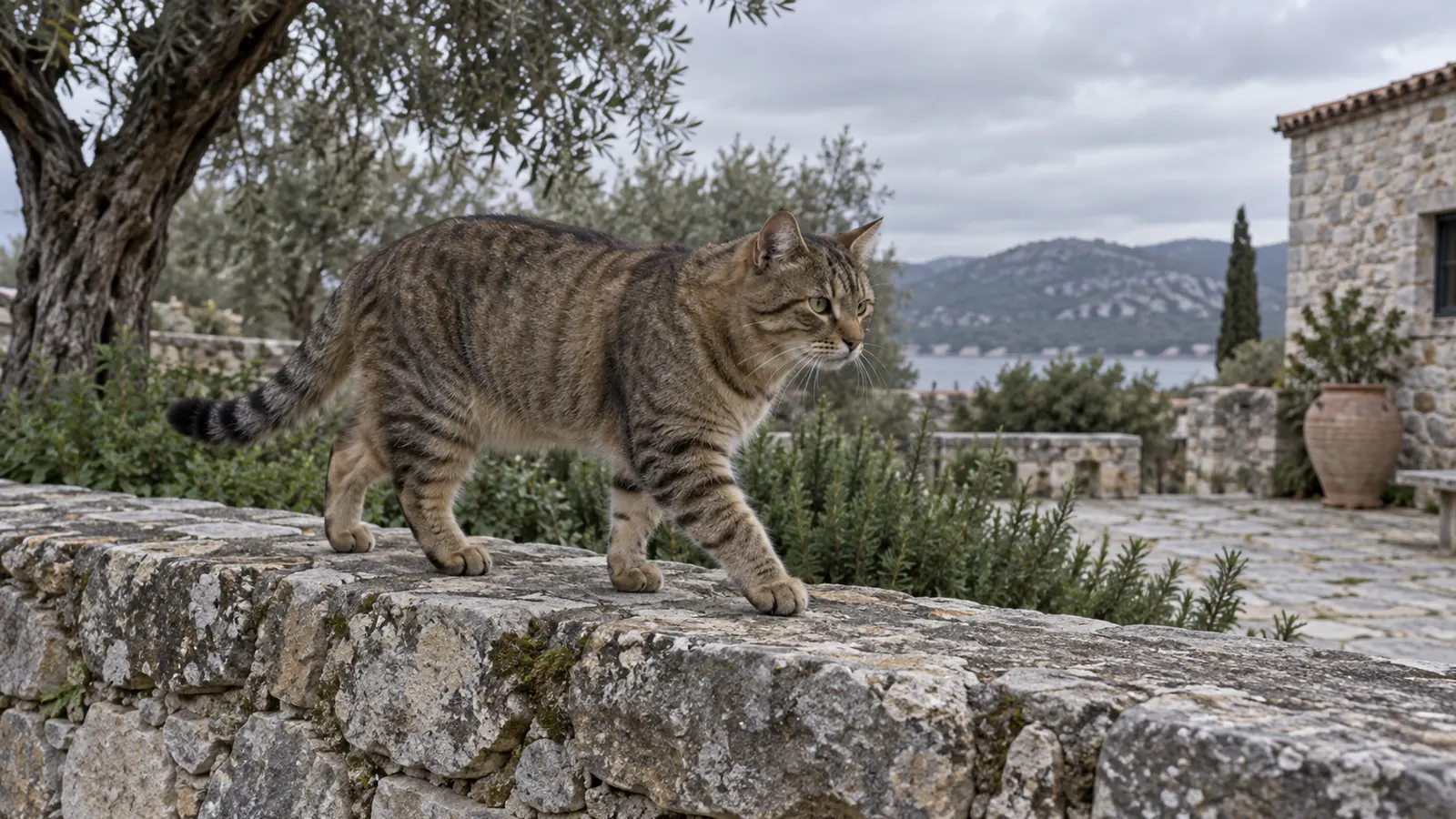
-
Arabian Mau A shorthair whose proportions are set by the WCF breed standard
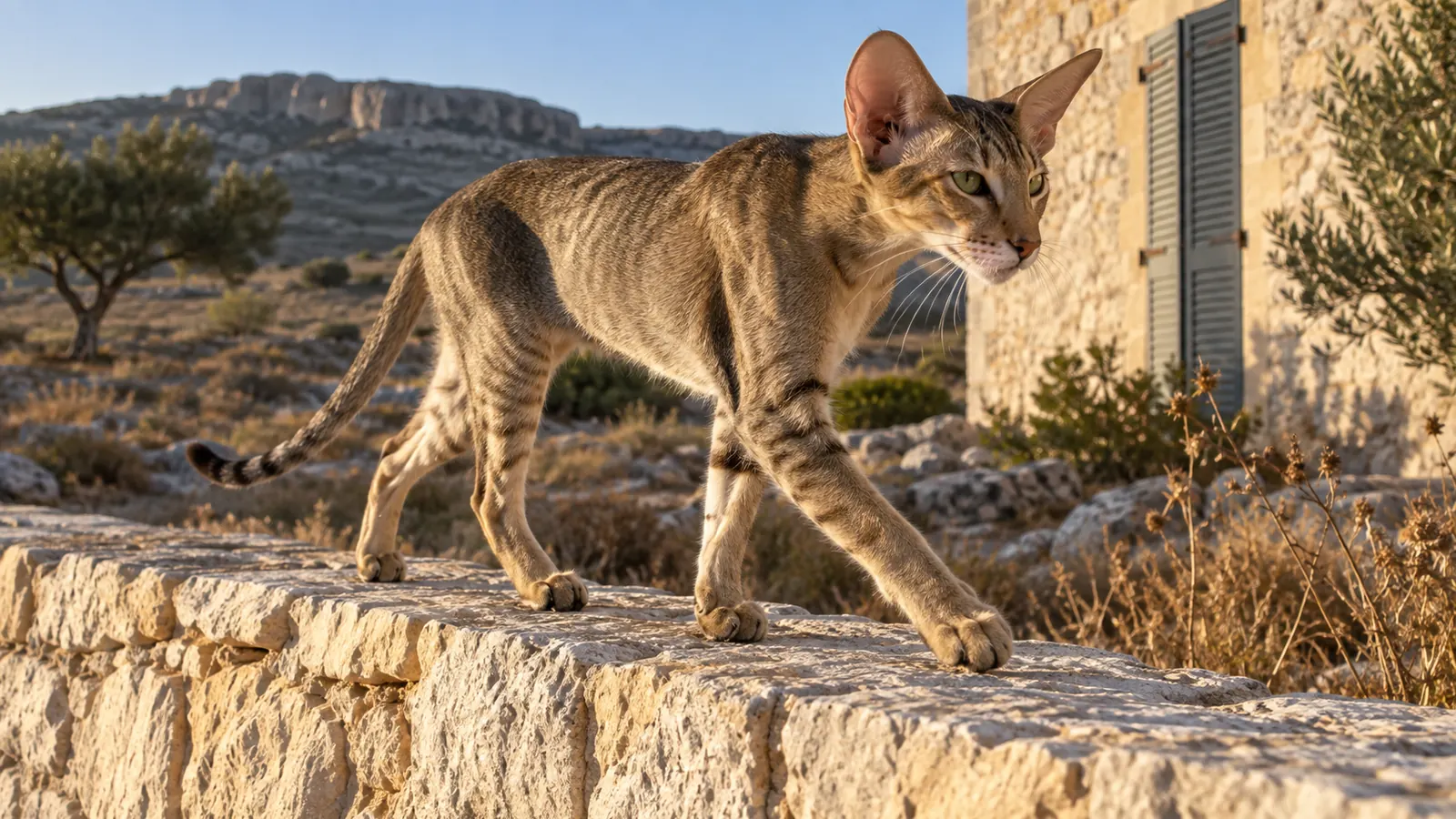
-
Asian Medium, muscular and compact, following the Burmese body type
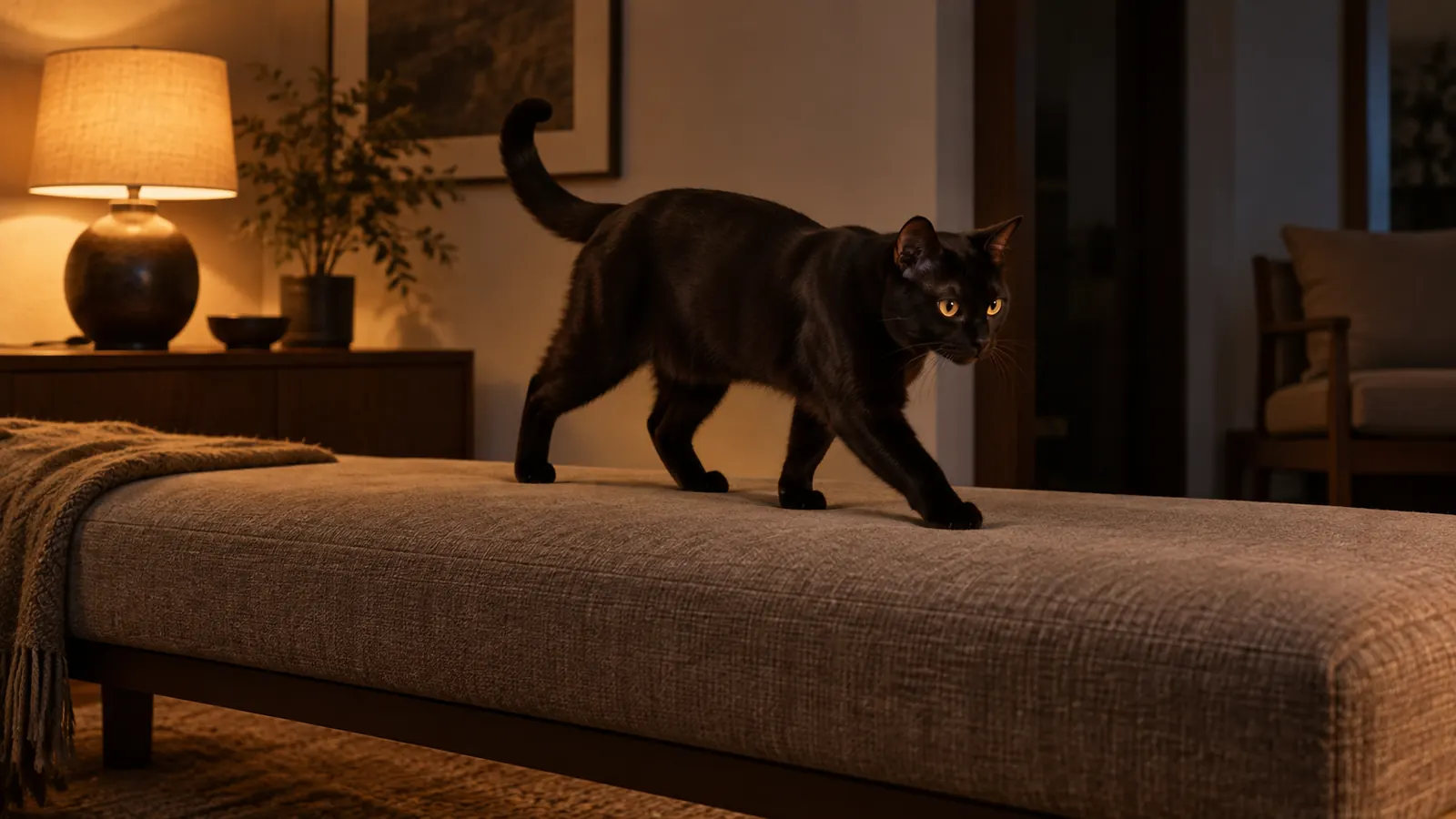
-
Asian Semi-Longhair Medium, muscular and compact, following the Burmese body type
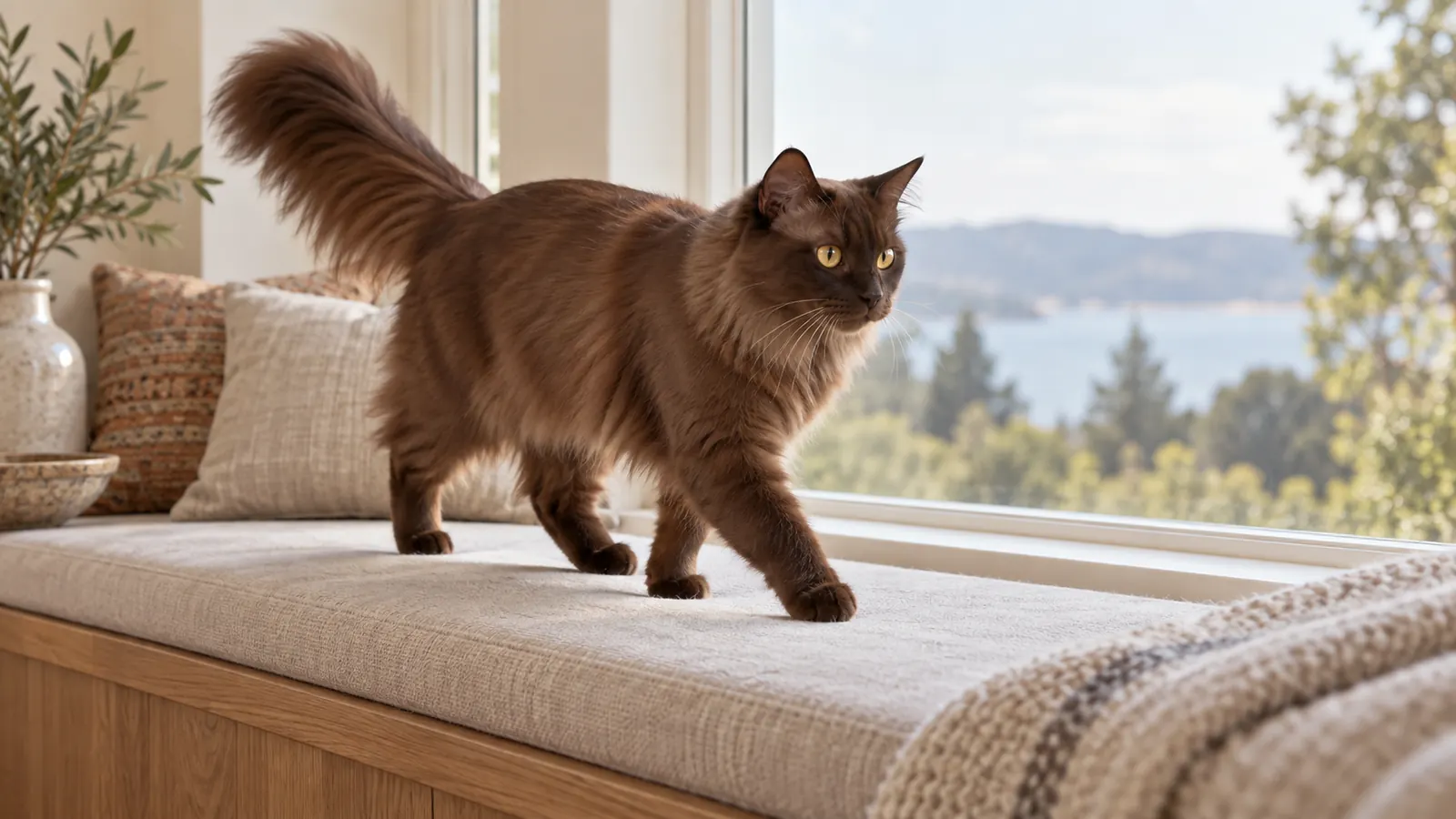
-
Australian Mist Medium, moderate and rounded, with no exaggeration in any direction
B
-
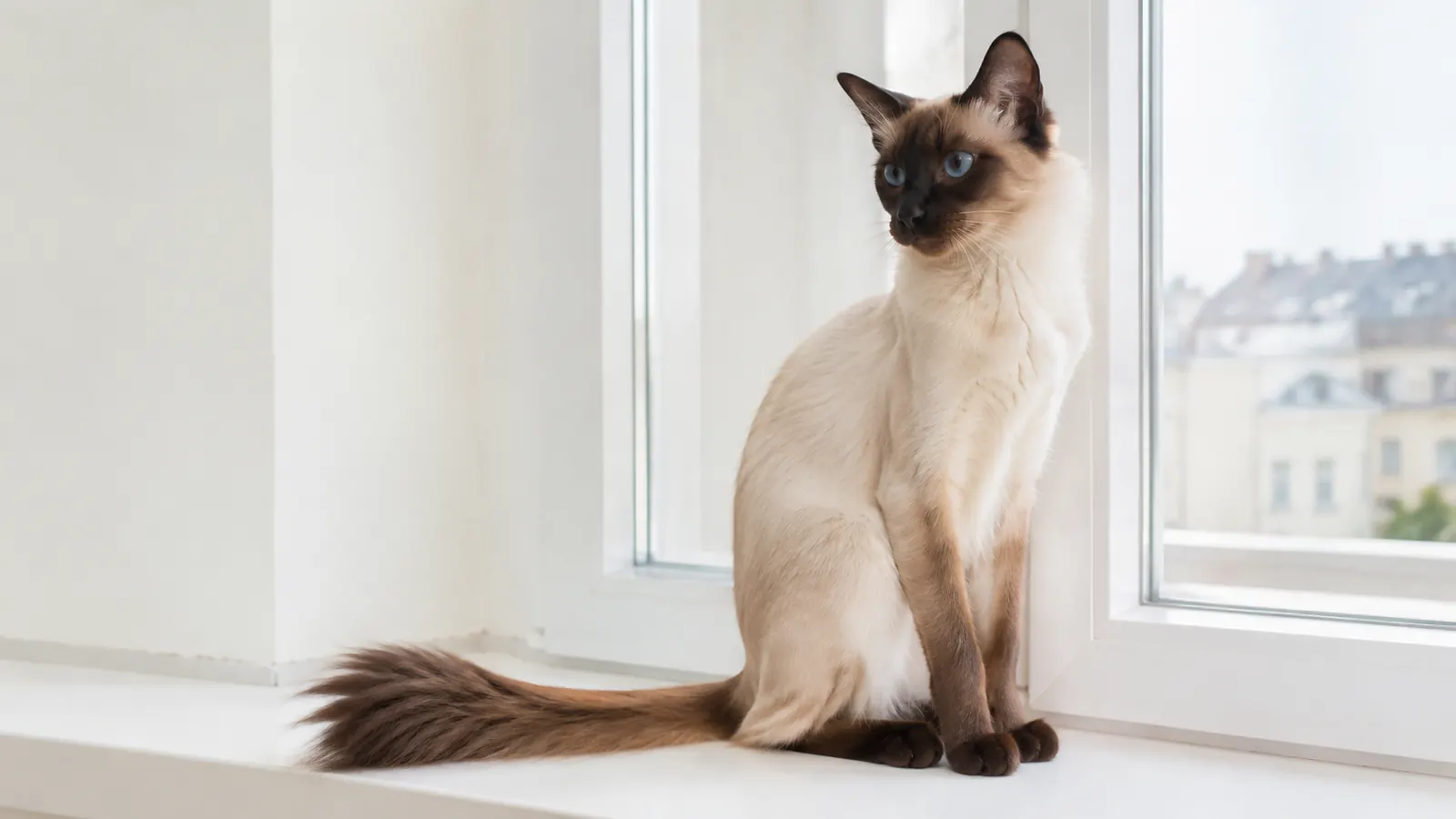
Balinese The long tubular Siamese body on fine legs, which reads longer than it…
-
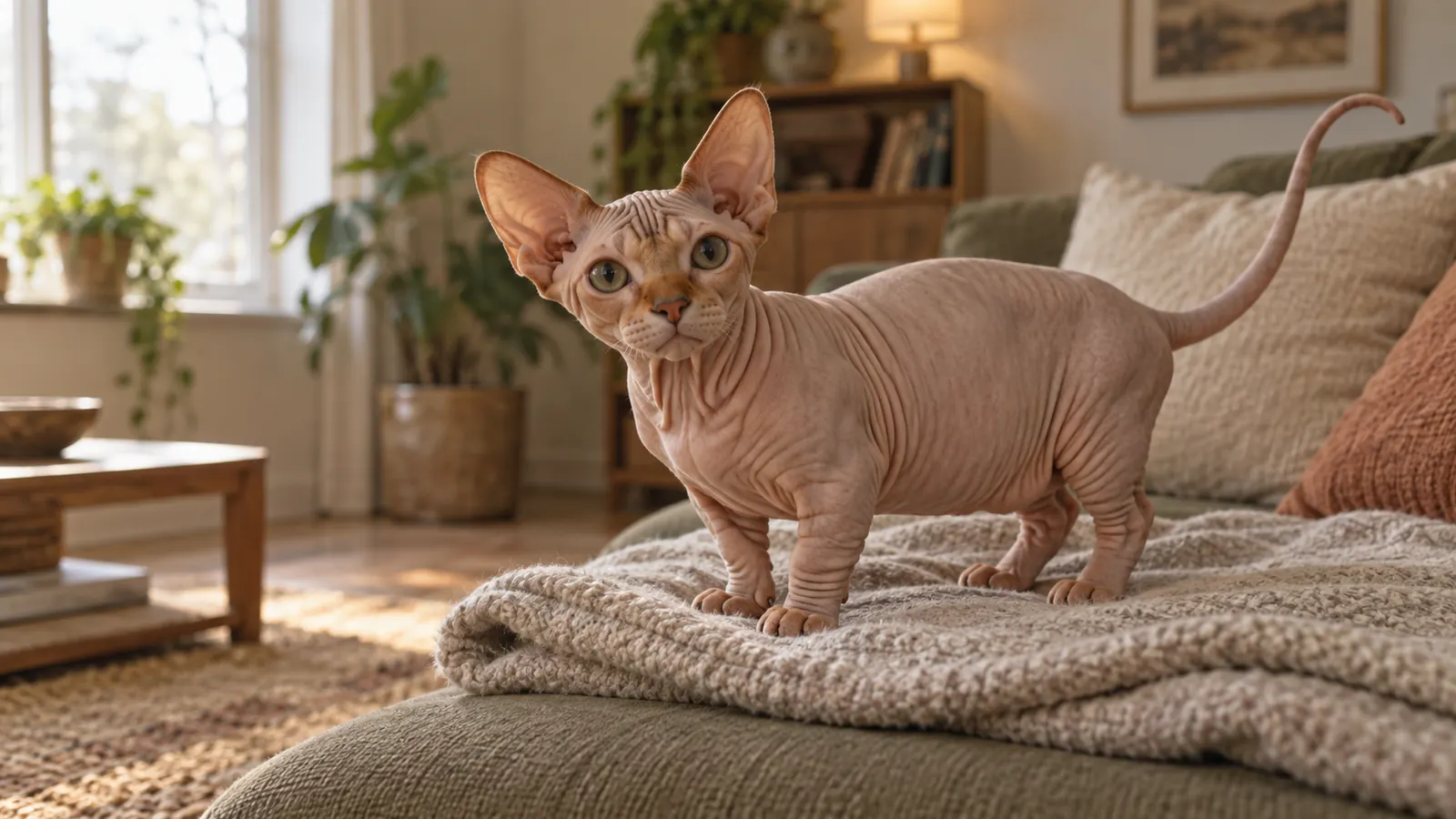
Bambino Small, with markedly shortened legs on a normal-length body and a long tail
-
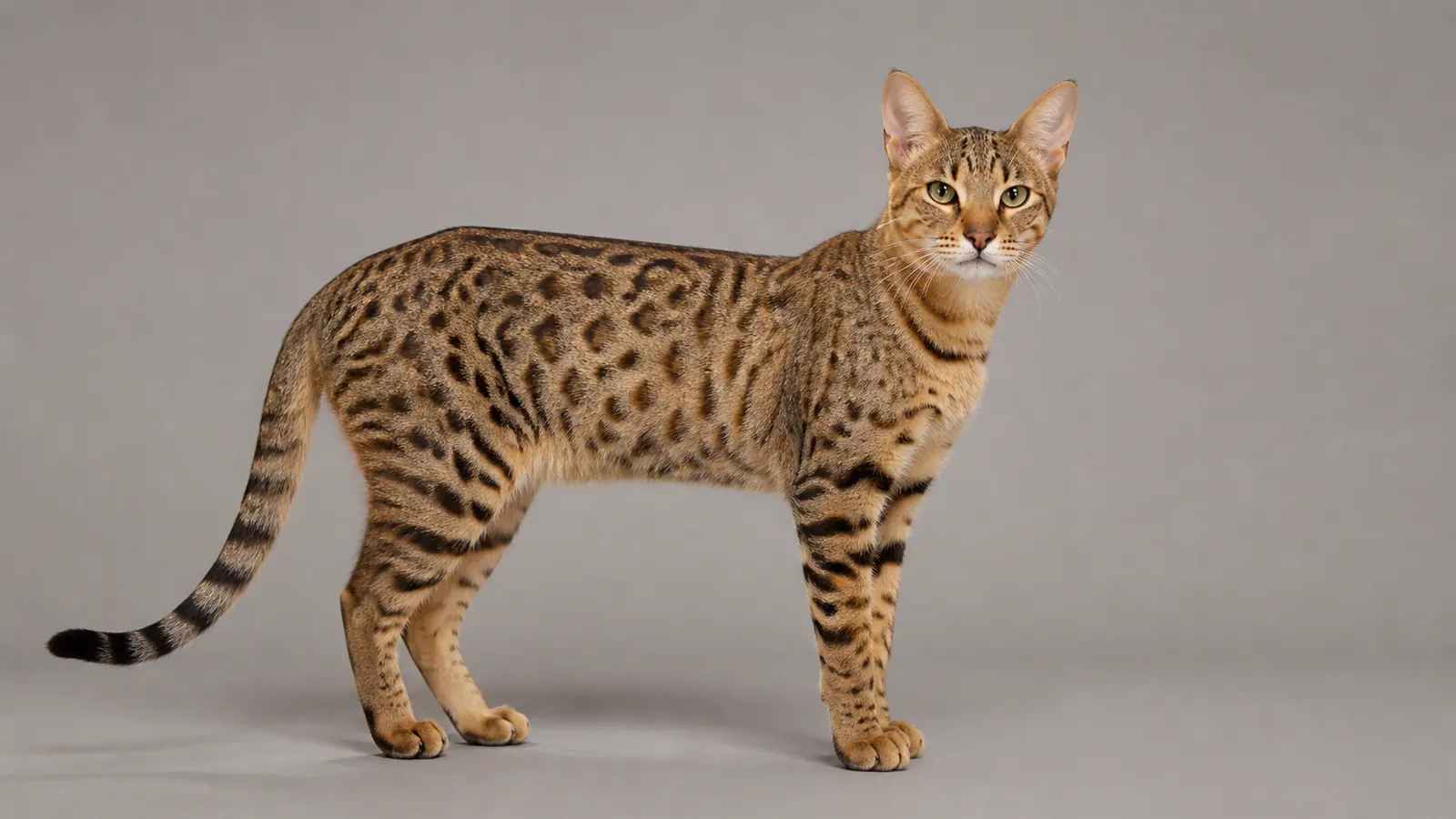
Bengal Medium to large, long and muscular
-
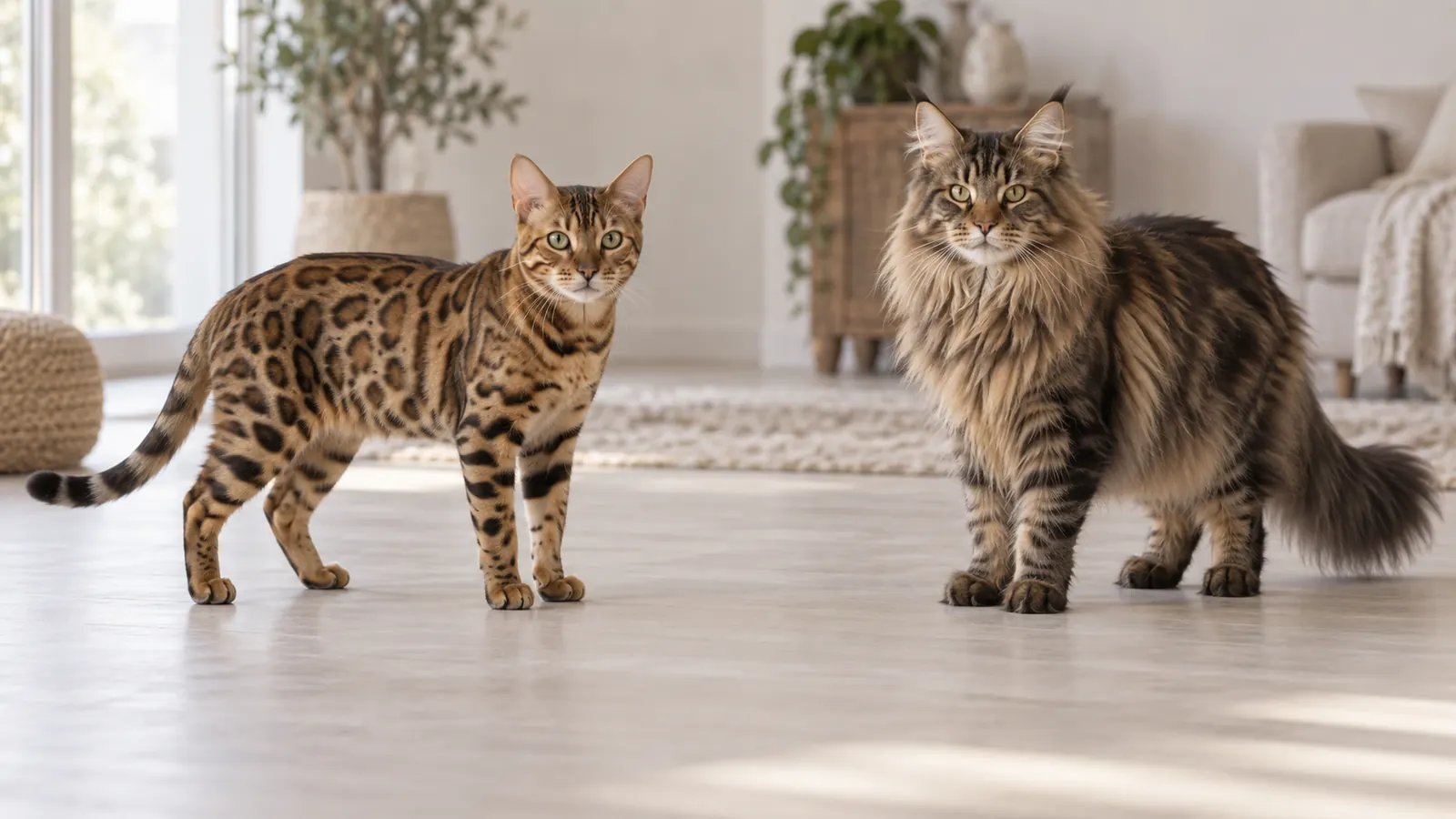
Bengal Maine Coon Mix Likely medium to very large; both parent breeds are above average in size
-
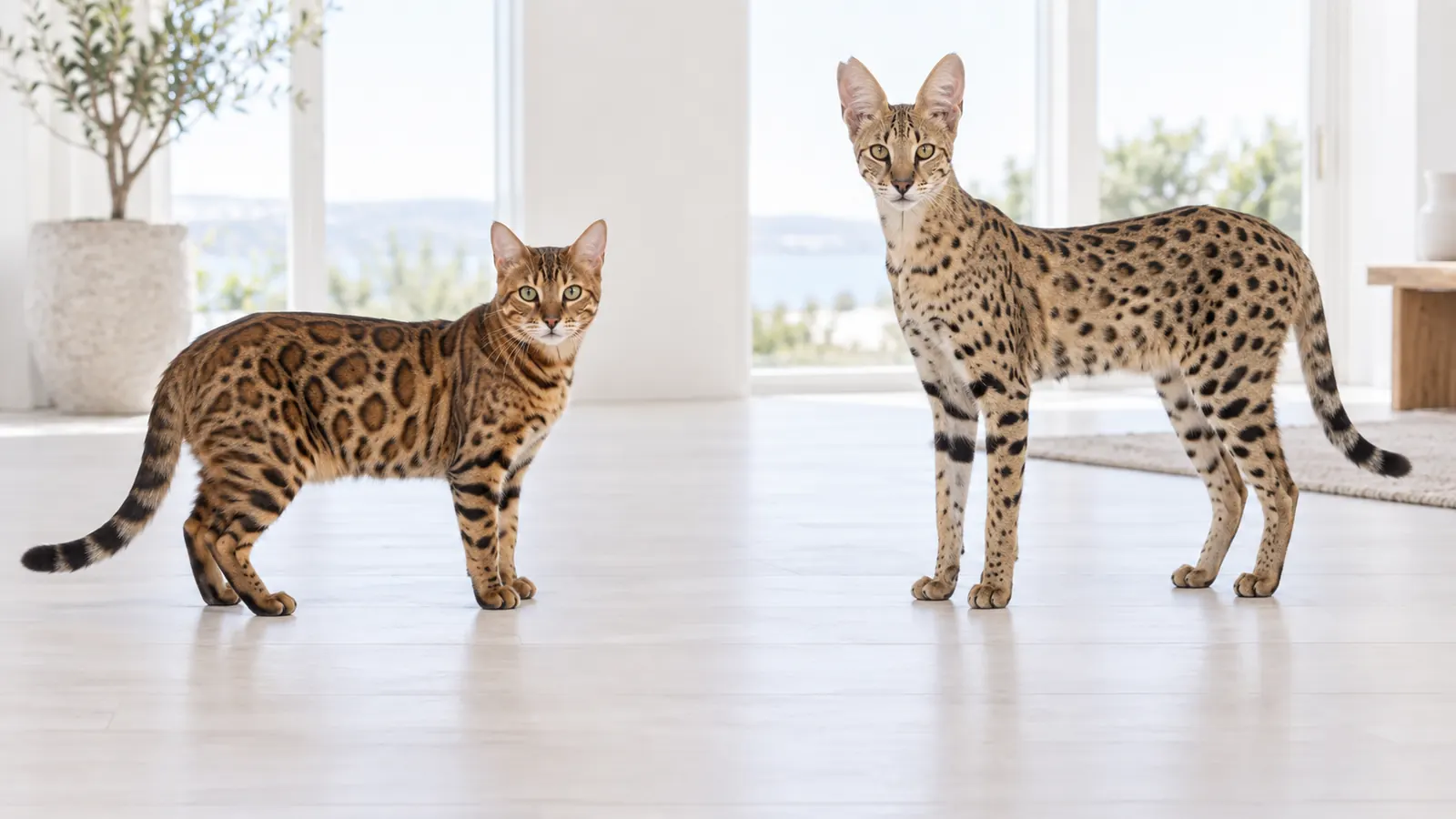
Bengal Savannah Cross Variable; Bengals are medium-large, Savannahs range from medium to very…
-
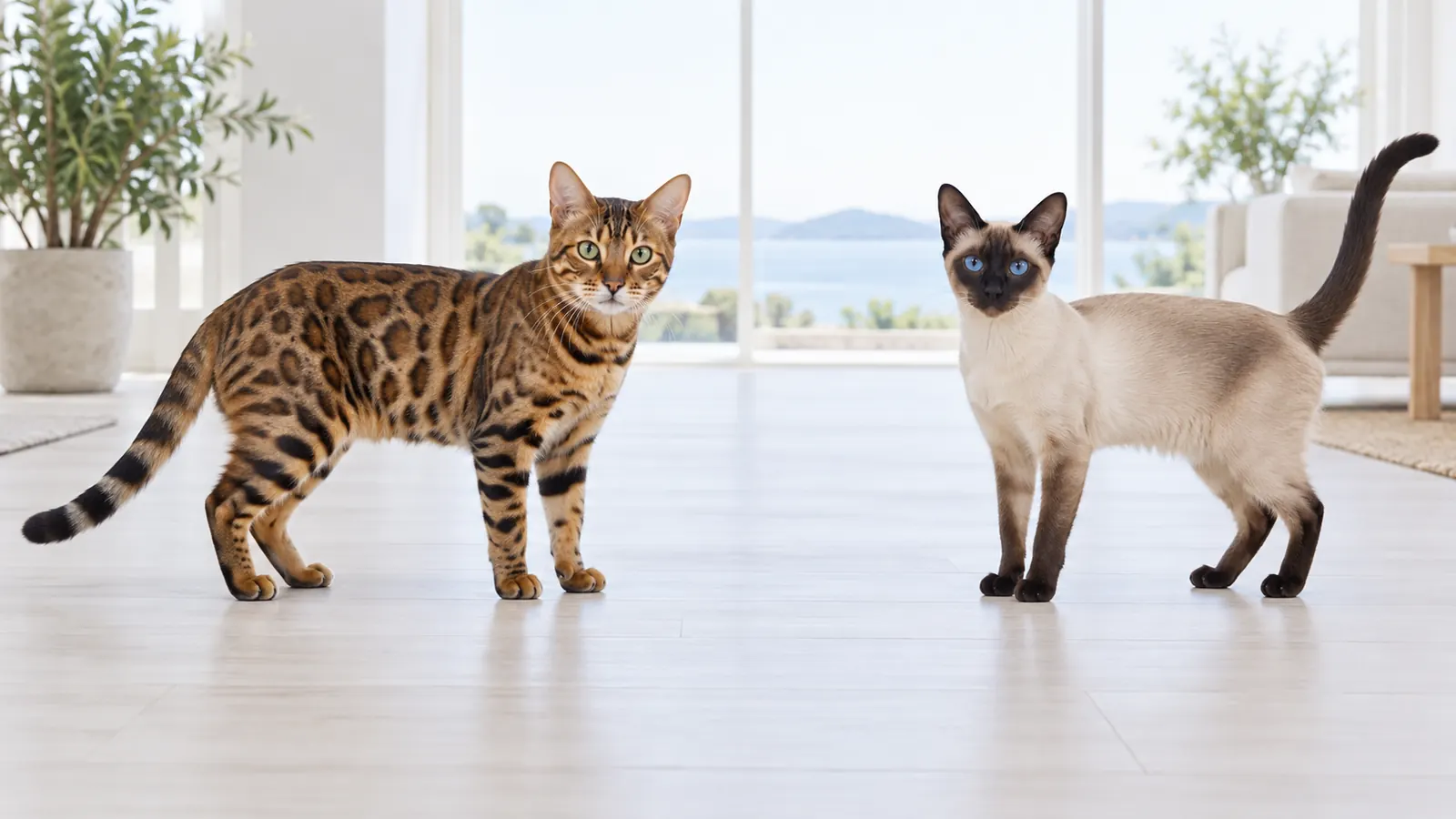
Bengal Siamese Mix Likely medium; both parent breeds are medium-sized, though Bengals are more…
-
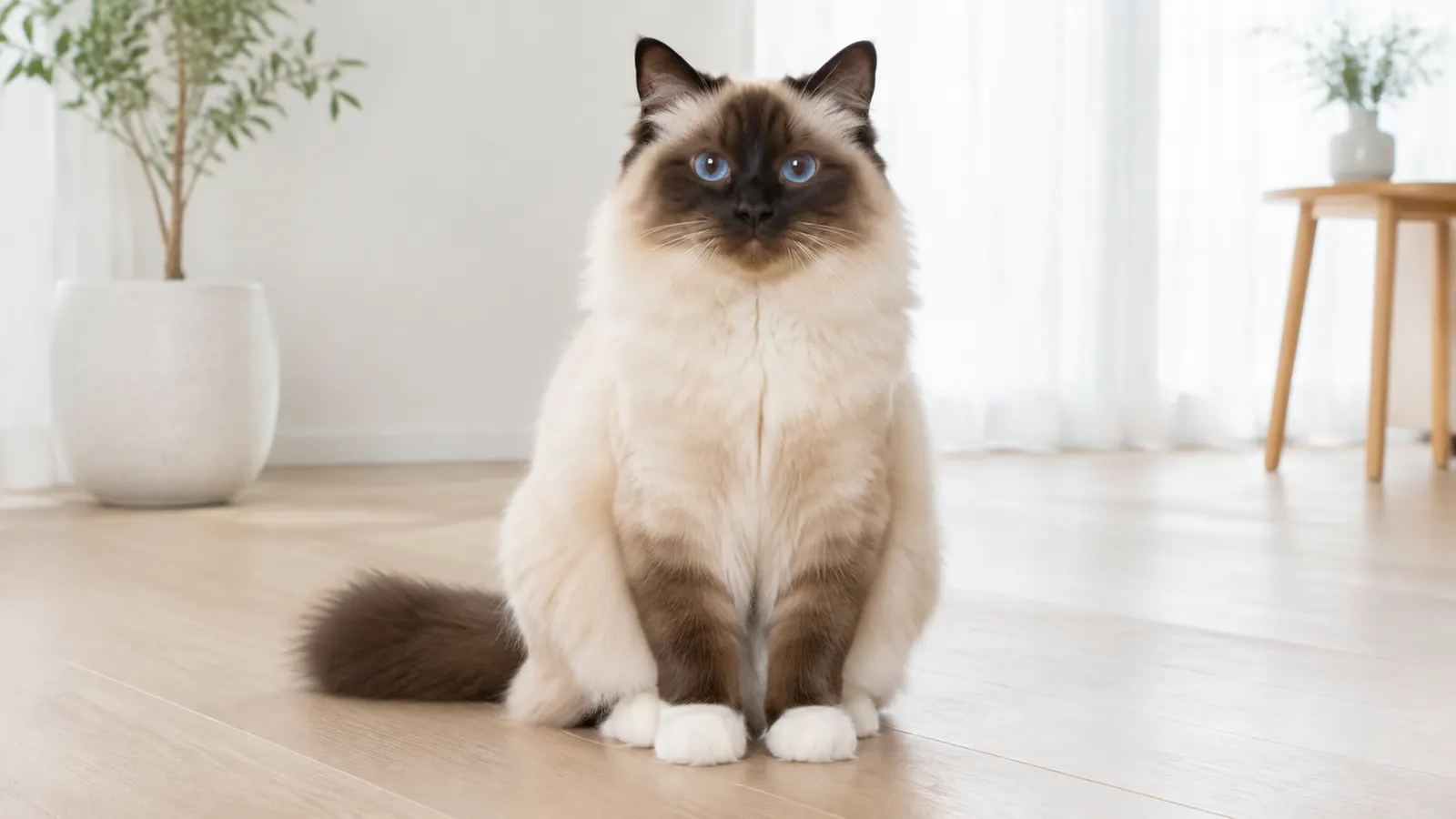
Birman A substantial cat on a medium frame, noticeably smaller than the Ragdoll it…
-
Black American Shorthair Same as the American Shorthair: medium to large, muscular, broad-chested
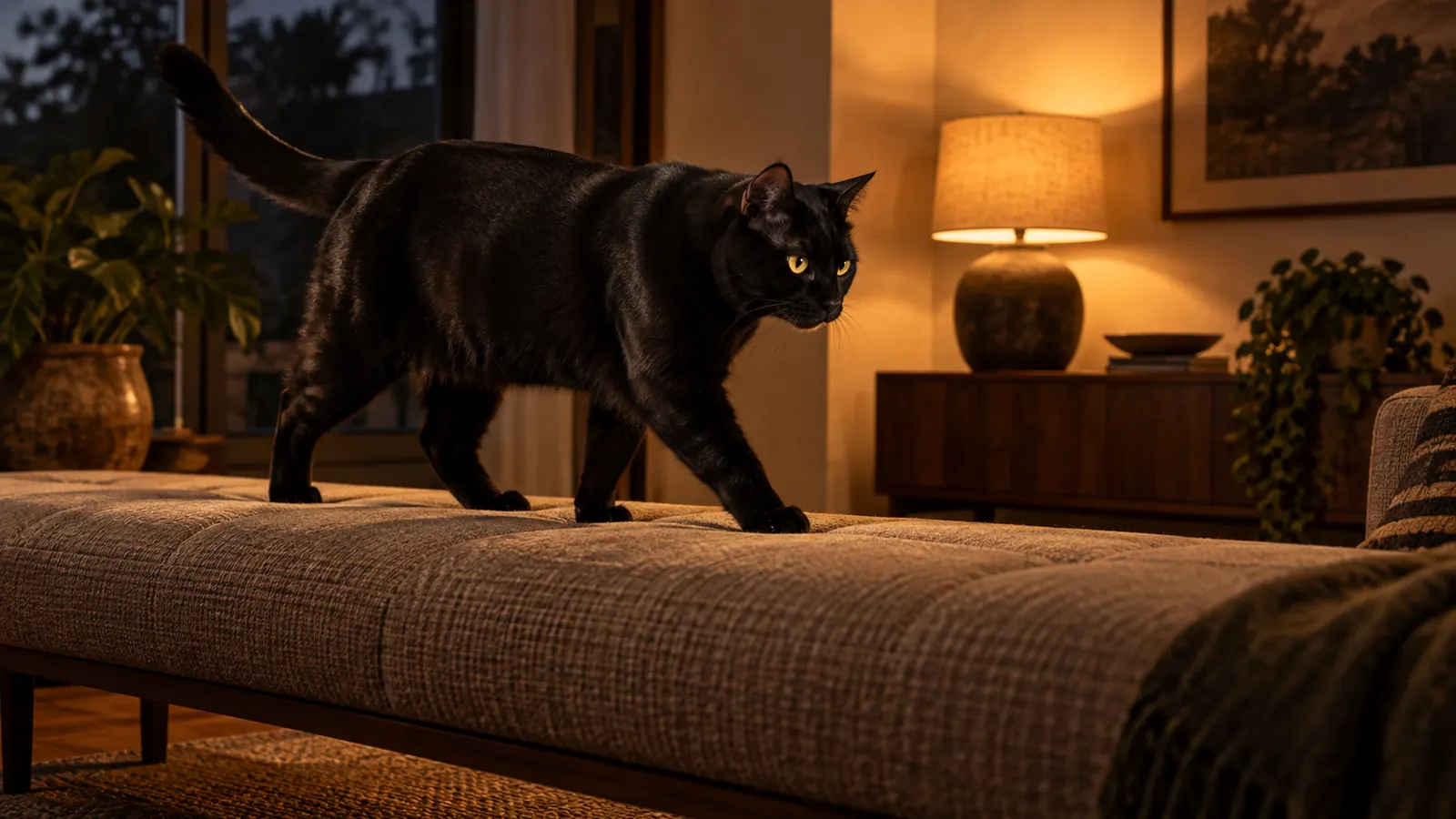
-
Black Burmese Same as the Burmese: medium, muscular, compact
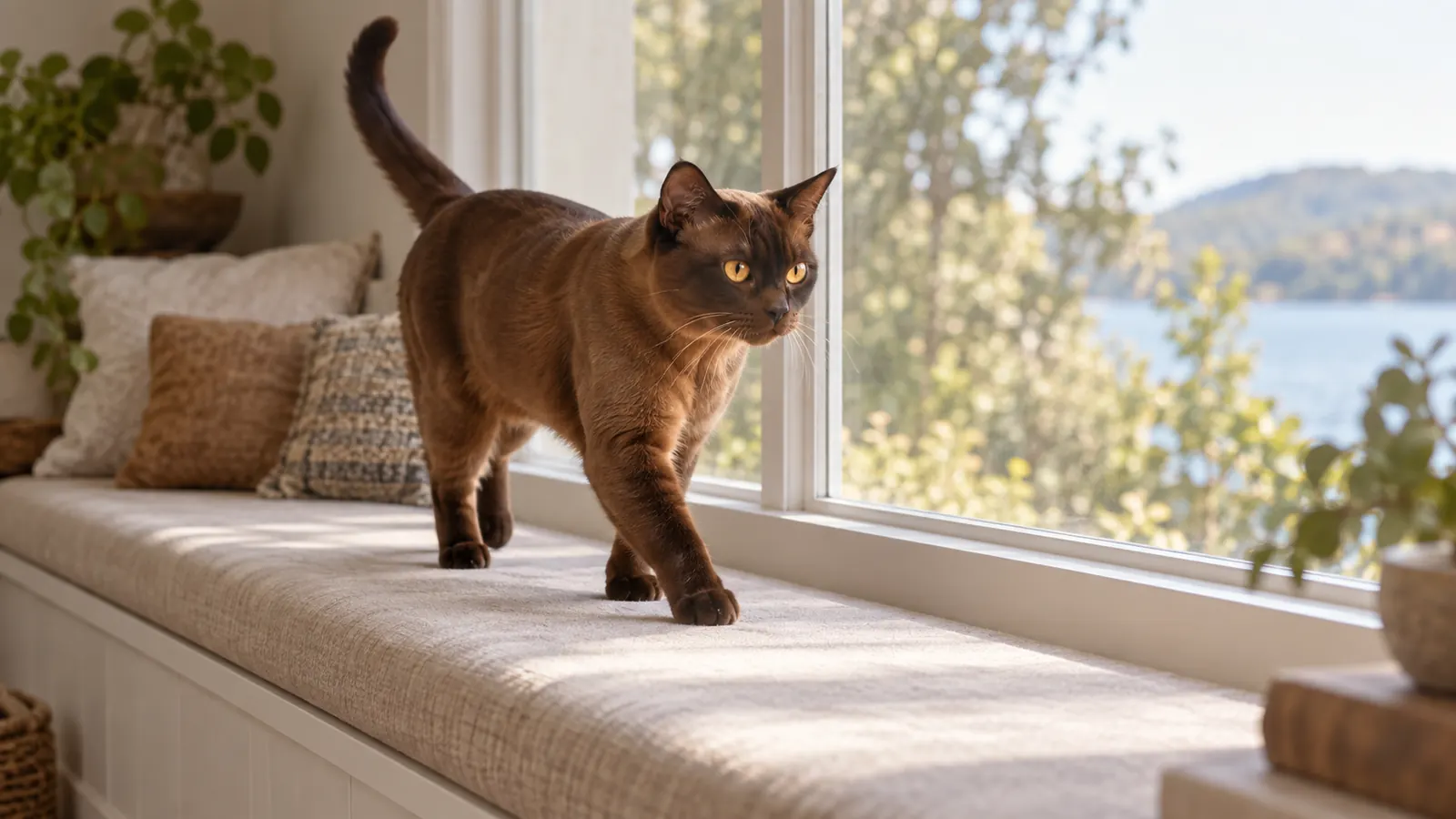
-
Black Persian Same as the Persian: medium to large, cobby, heavy-boned
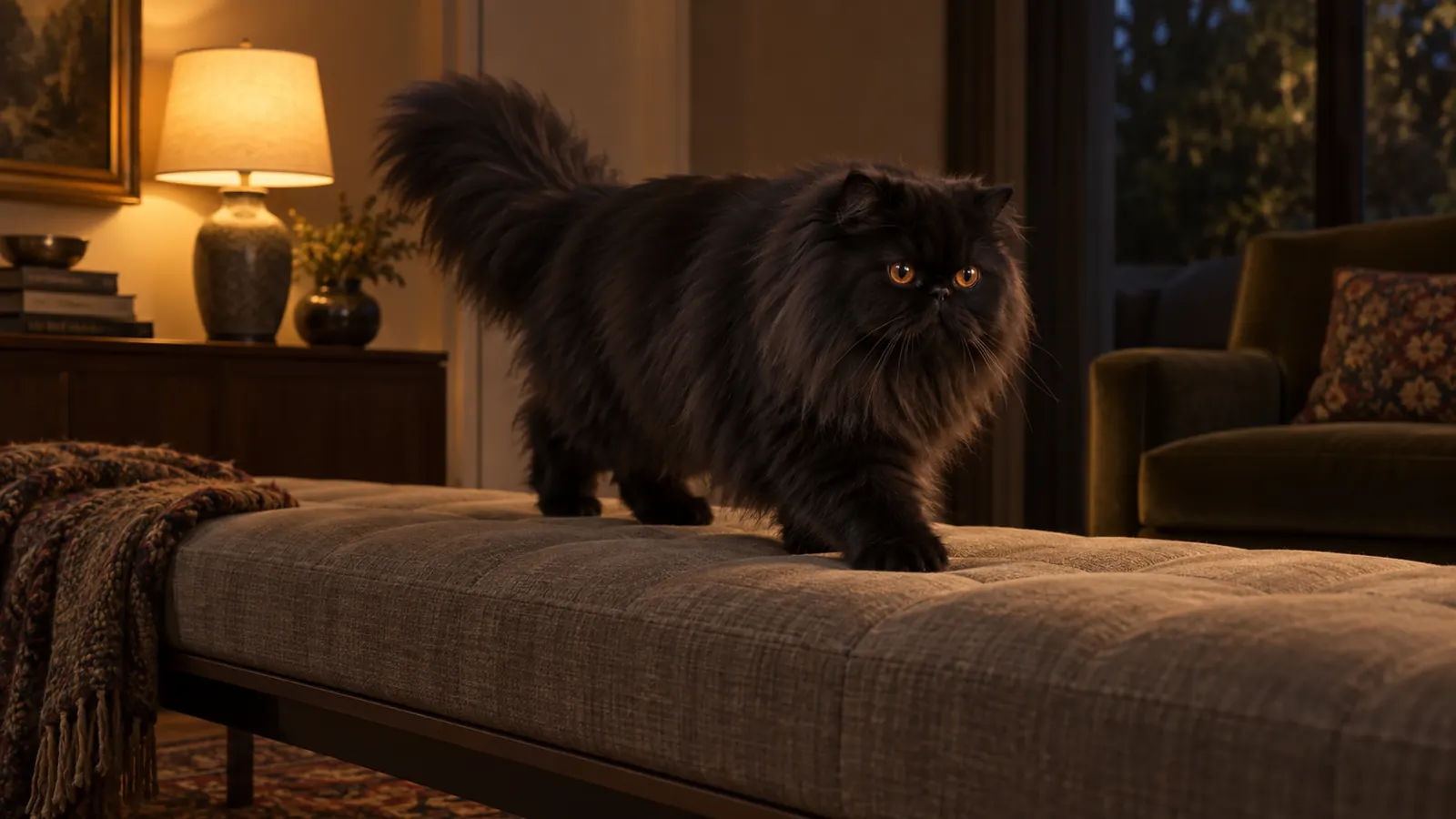
-
Black Ragdoll Same body type as a Ragdoll if the ancestry is genuine: large, muscular…
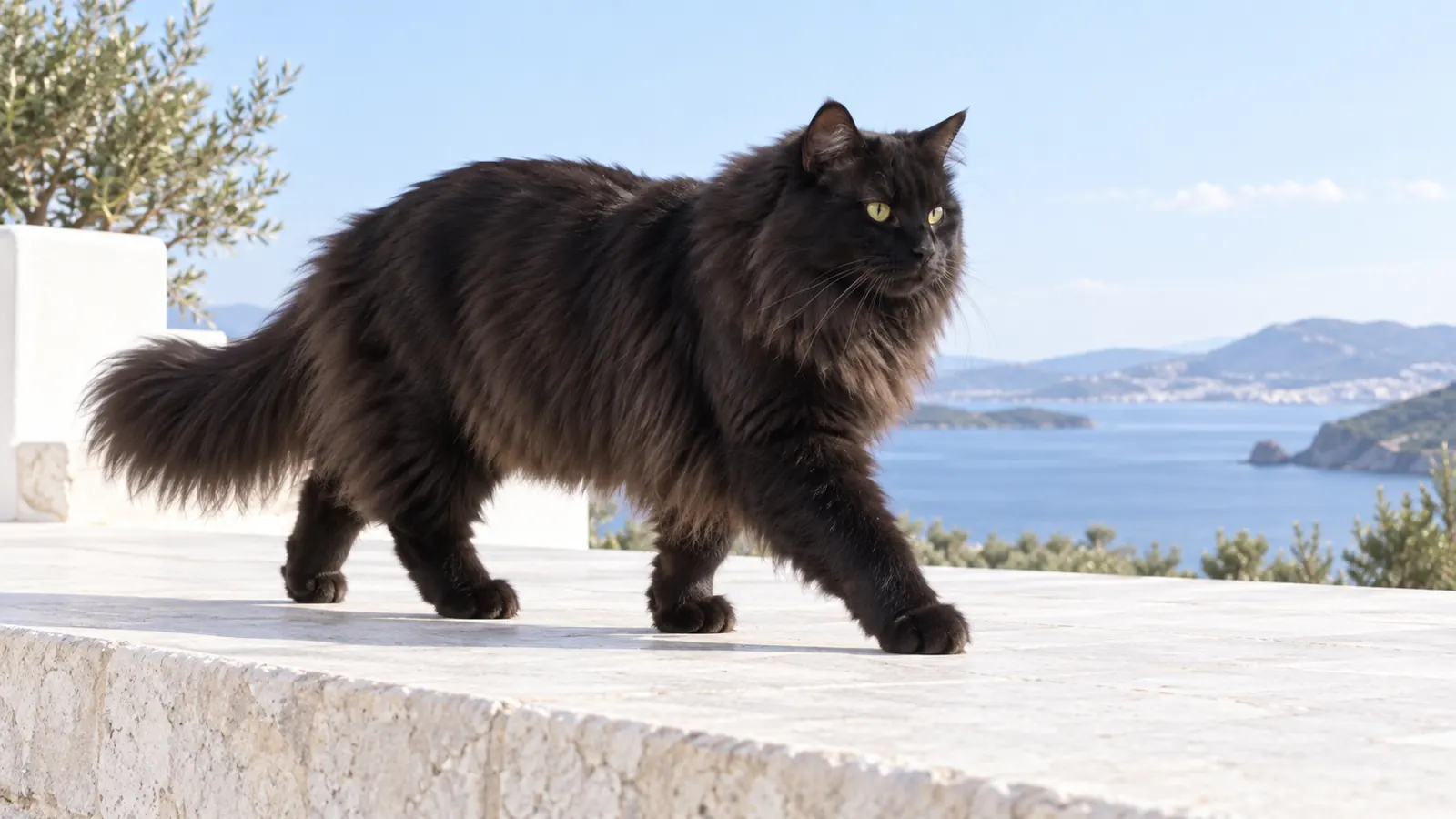
-
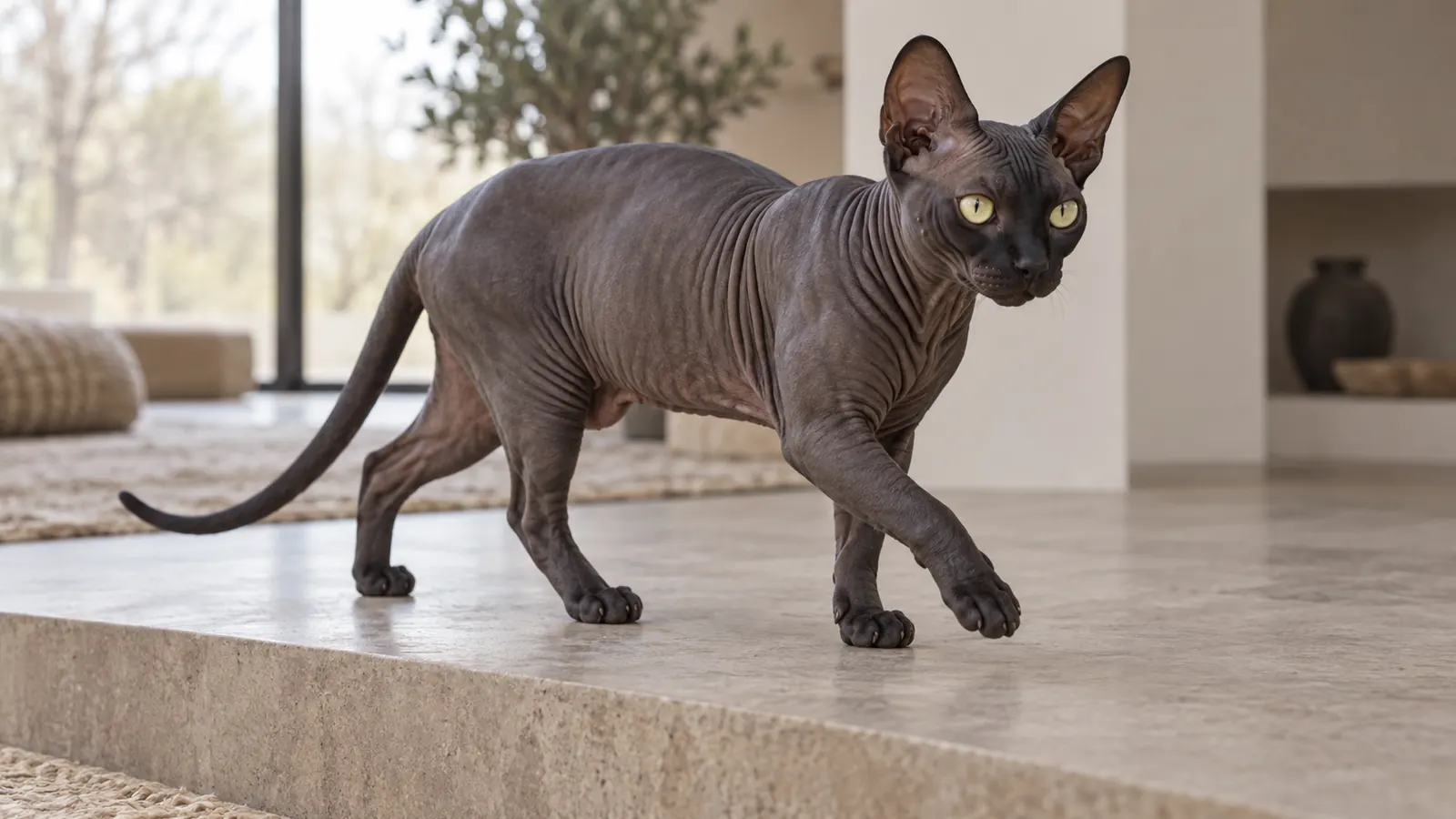
Black Sphynx Same as the Sphynx: medium, muscular, barrel-chested
-
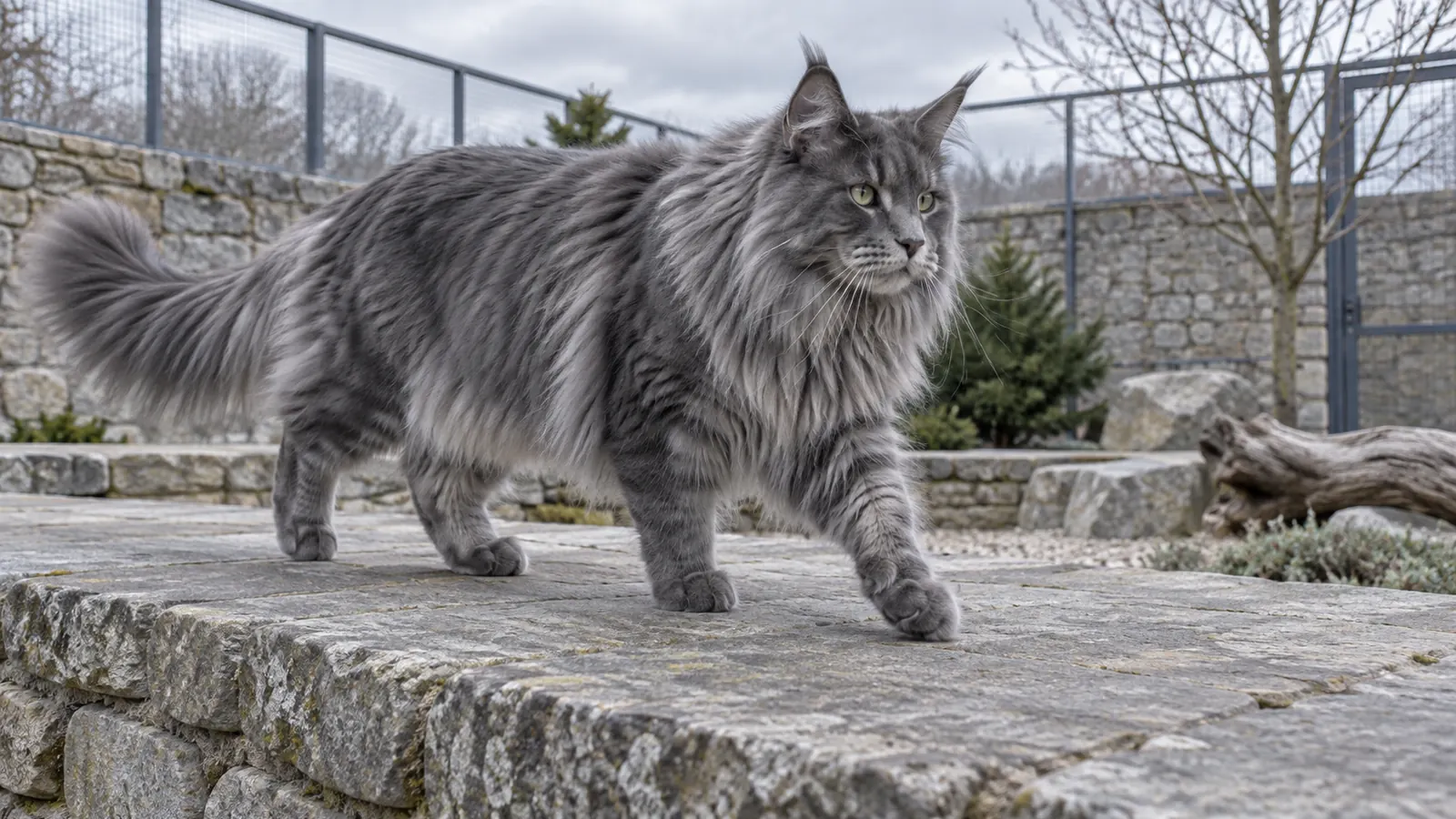
Blue Maine Coon Same as the Maine Coon: large to very large, muscular, slow-maturing
-
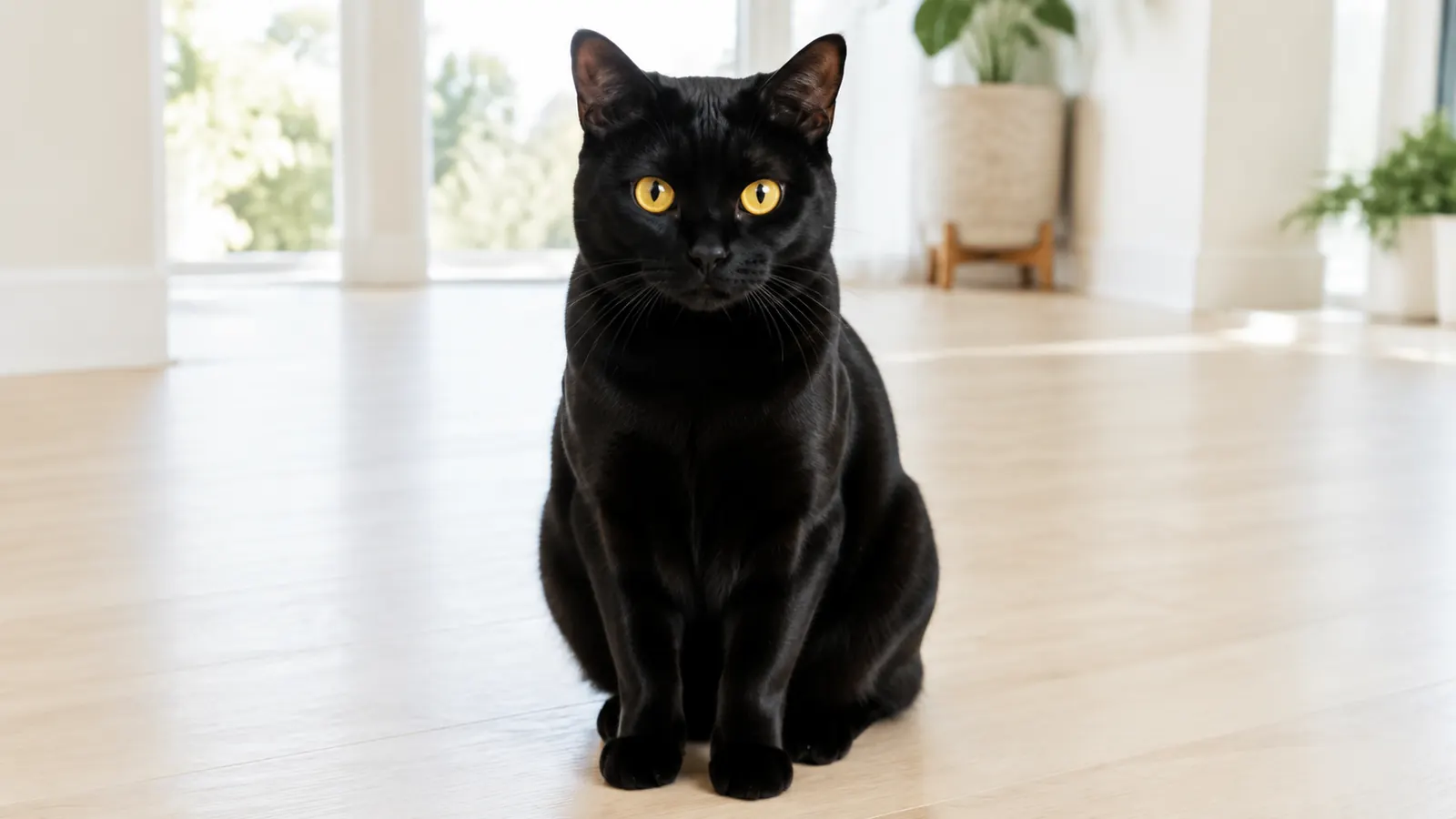
Bombay Medium and muscular with a surprising weight for its size, and body…
-
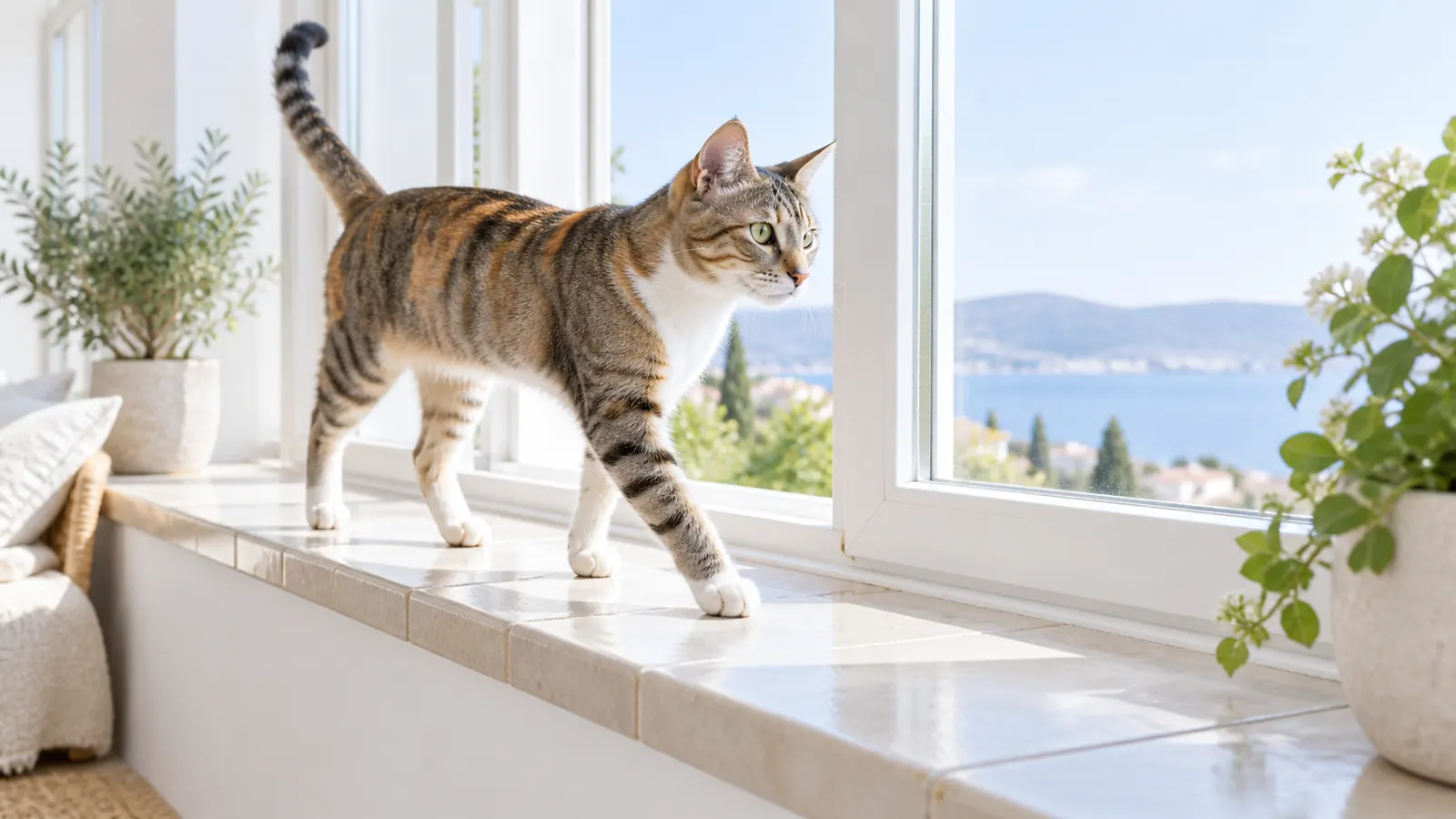
Brazilian Shorthair Medium, firm and slightly slender rather than compact, on legs of medium…
-
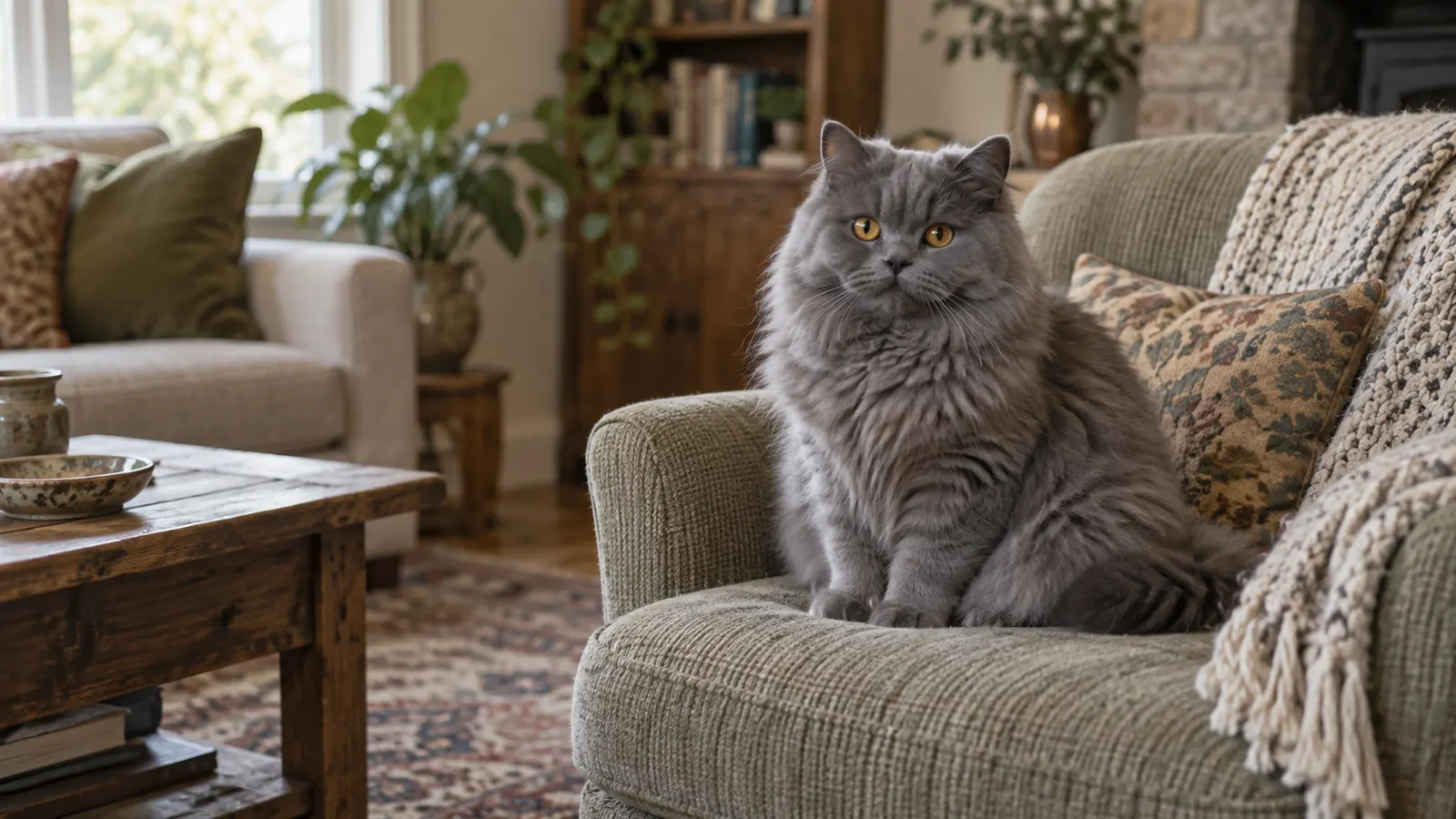
British Longhair Stocky, round-faced and broad-chested, matching the British Shorthair build…
-
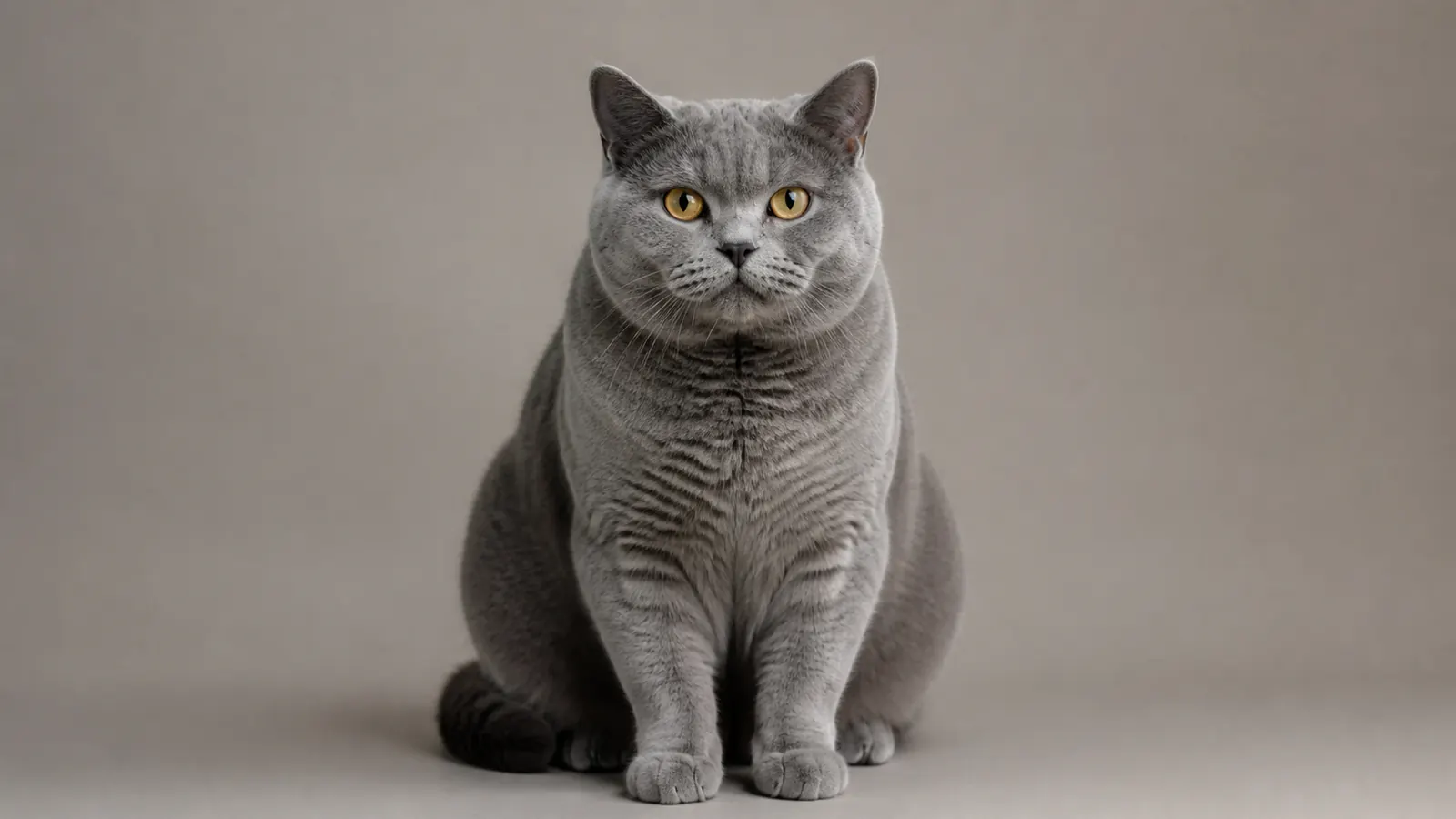
British Shorthair Stocky and broad, with a rounded head and short legs
-
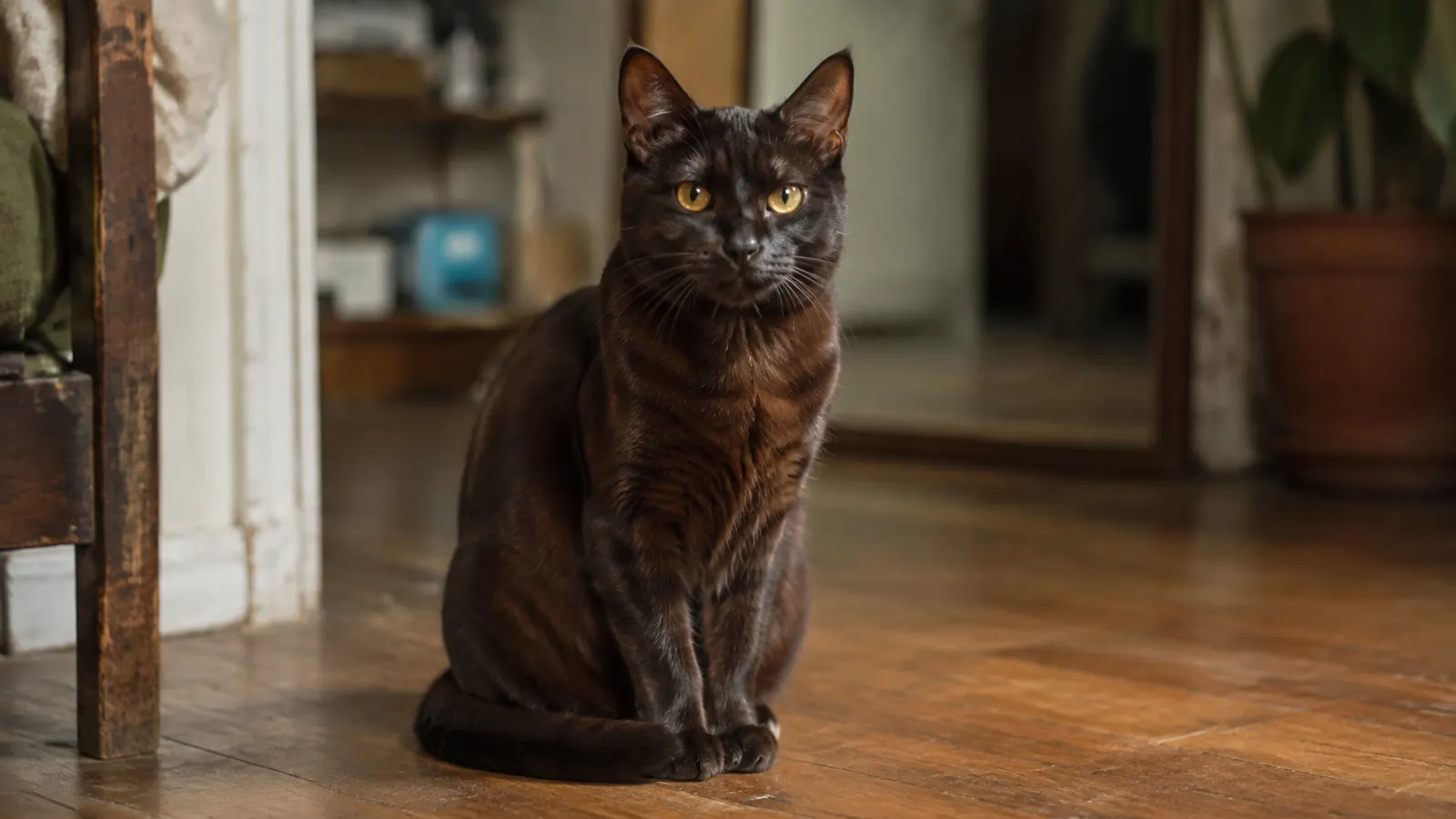
Burmese Medium outline over substantial bone and muscle, so it weighs more than it…
-
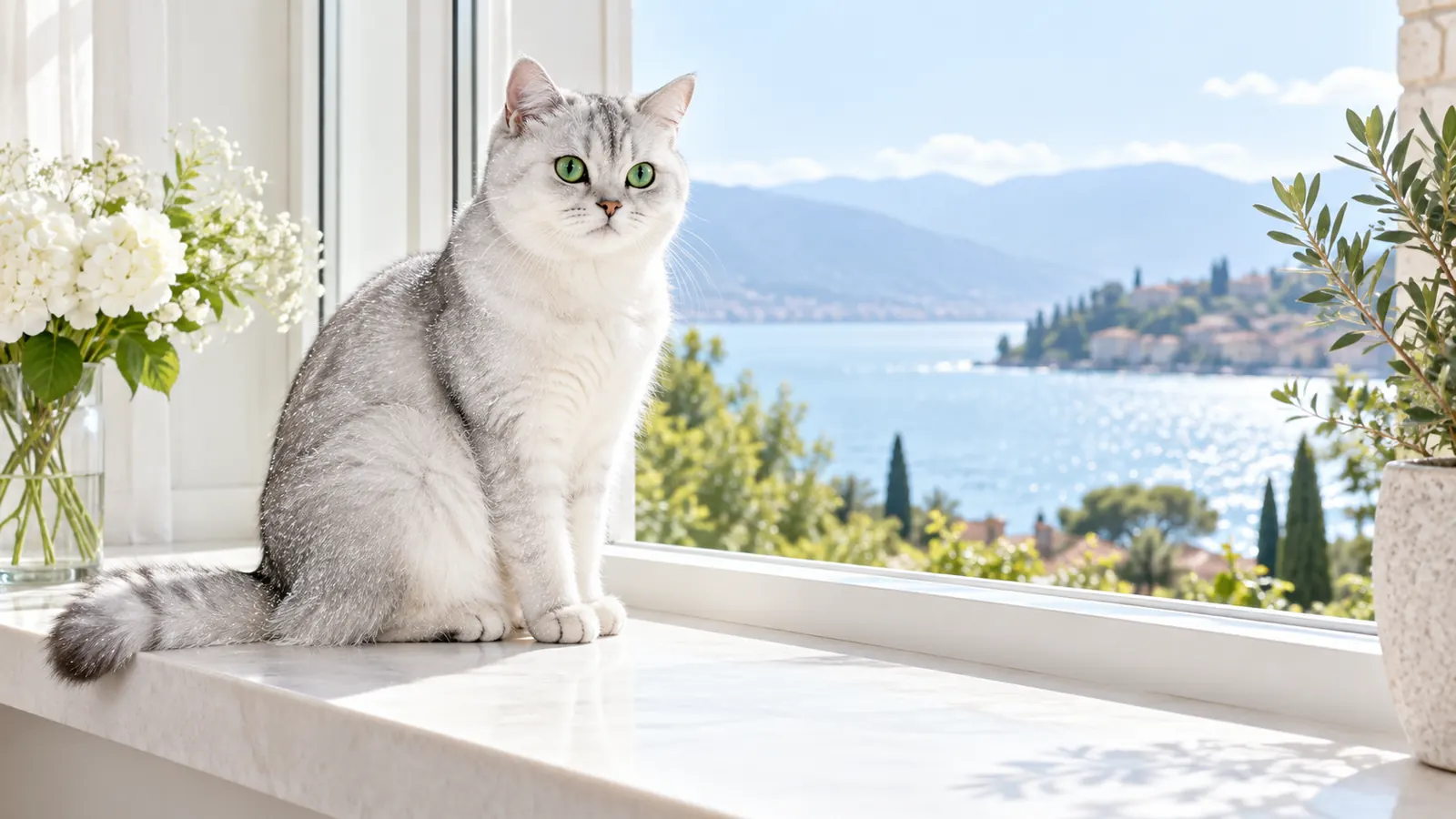
Burmilla Medium, muscular and elegant, built closer to the Burmese side than the…
C
-
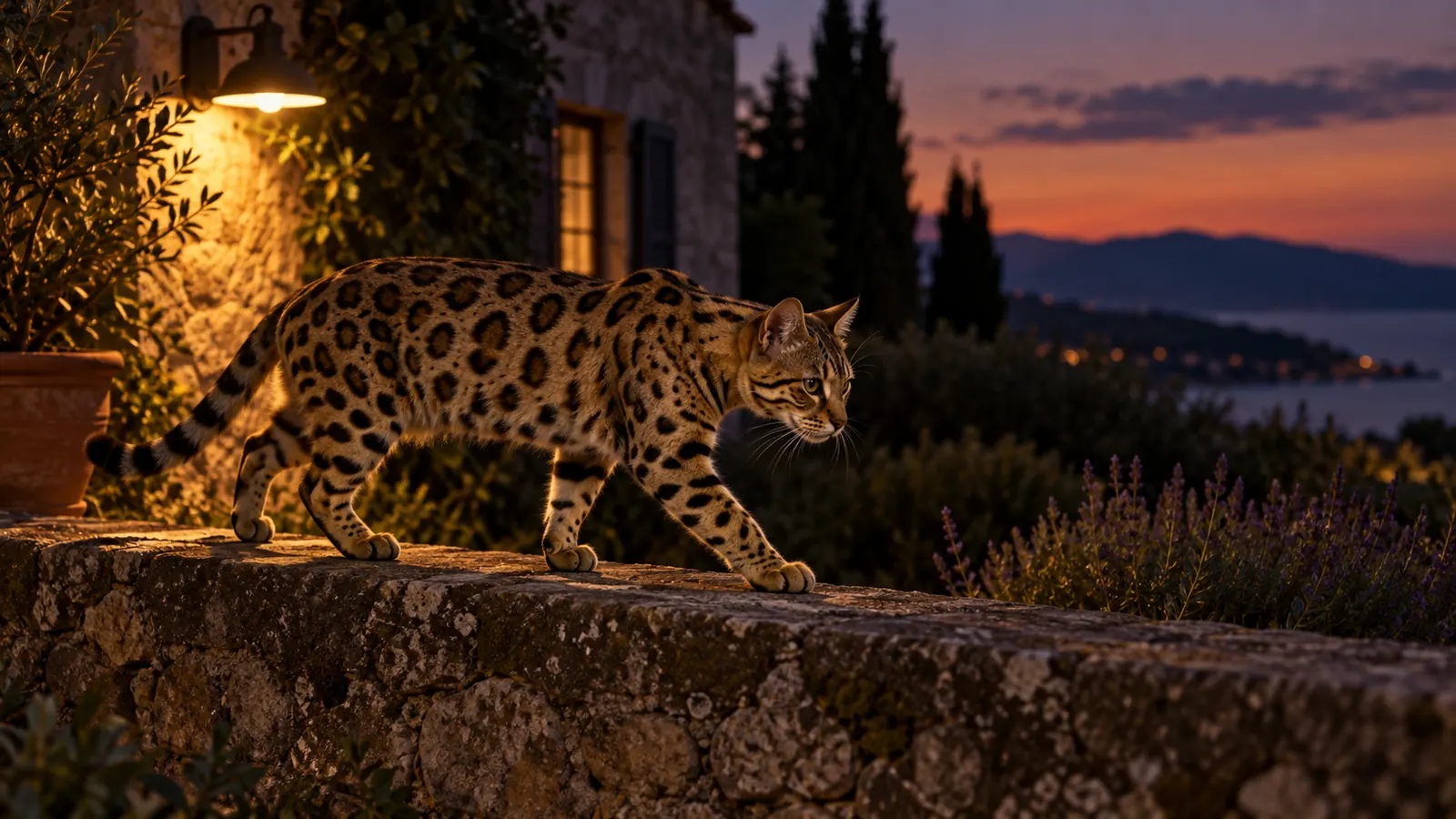
California Spangled Medium-large and muscular, with powerful legs, bred to resemble a small…
-
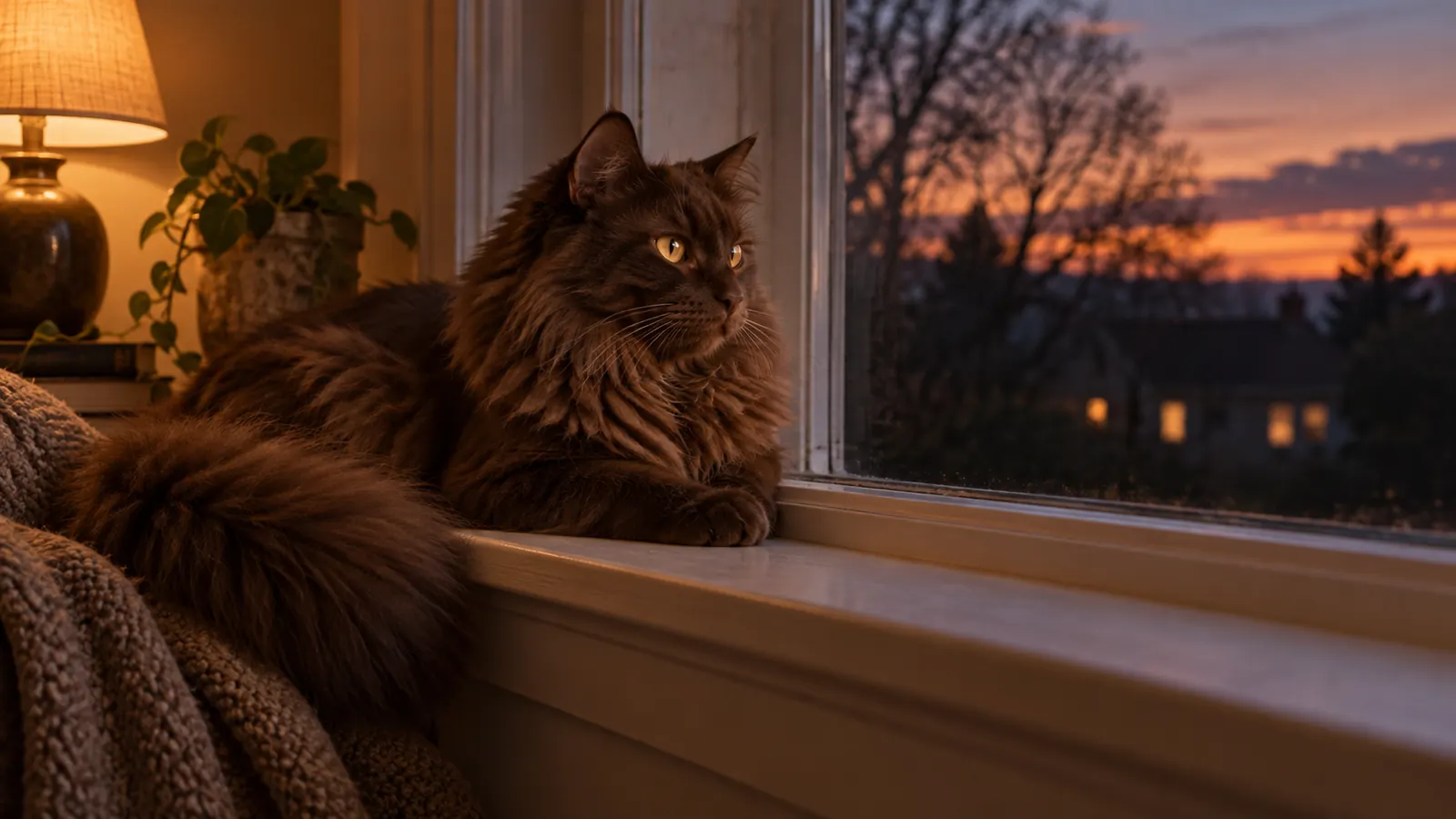
Chantilly-Tiffany Semi-foreign build, medium-sized, neither cobby nor svelte
-
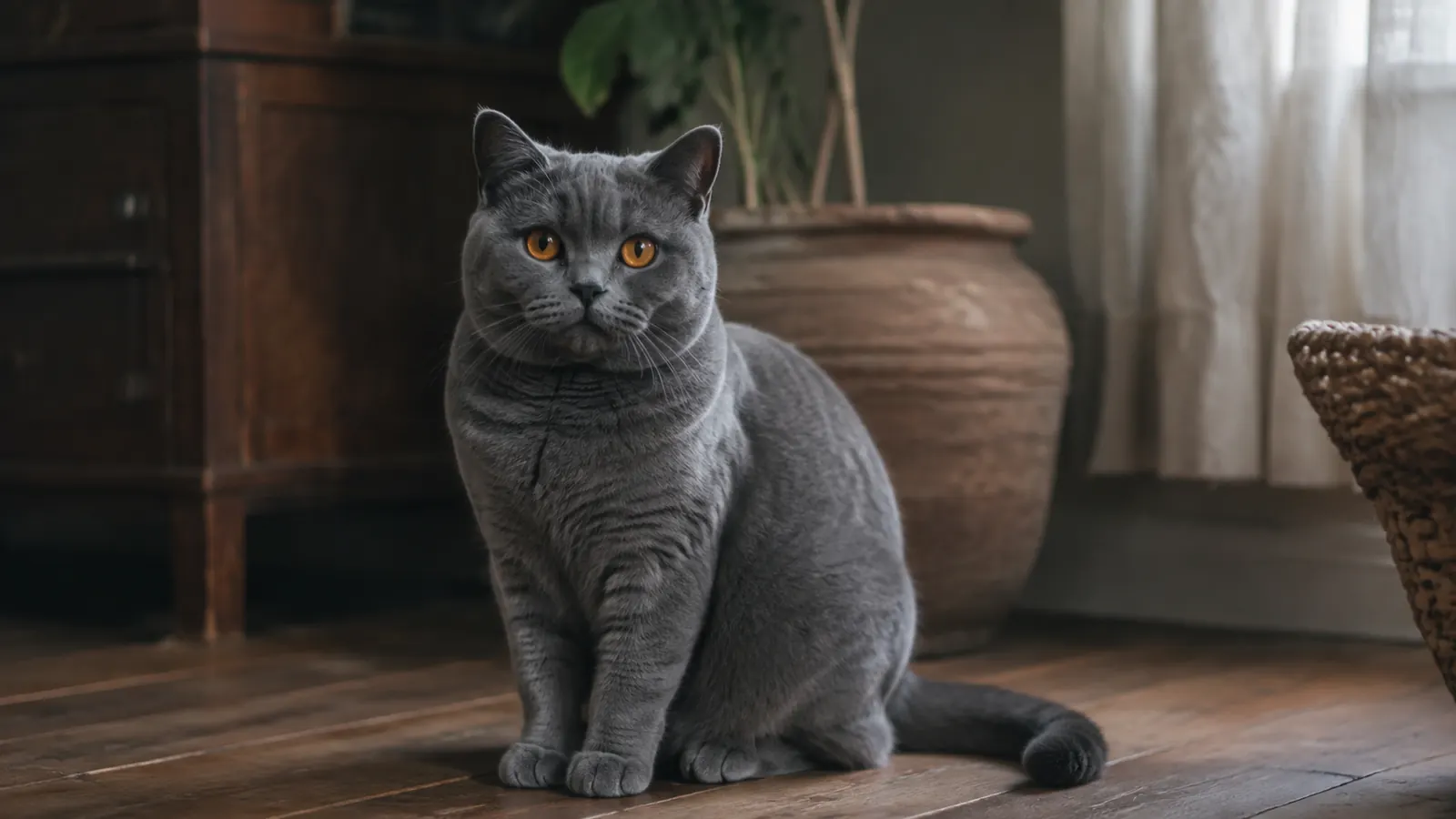
Chartreux Medium-long and robust, broad shoulders and deep chest. Heavier than it…
-
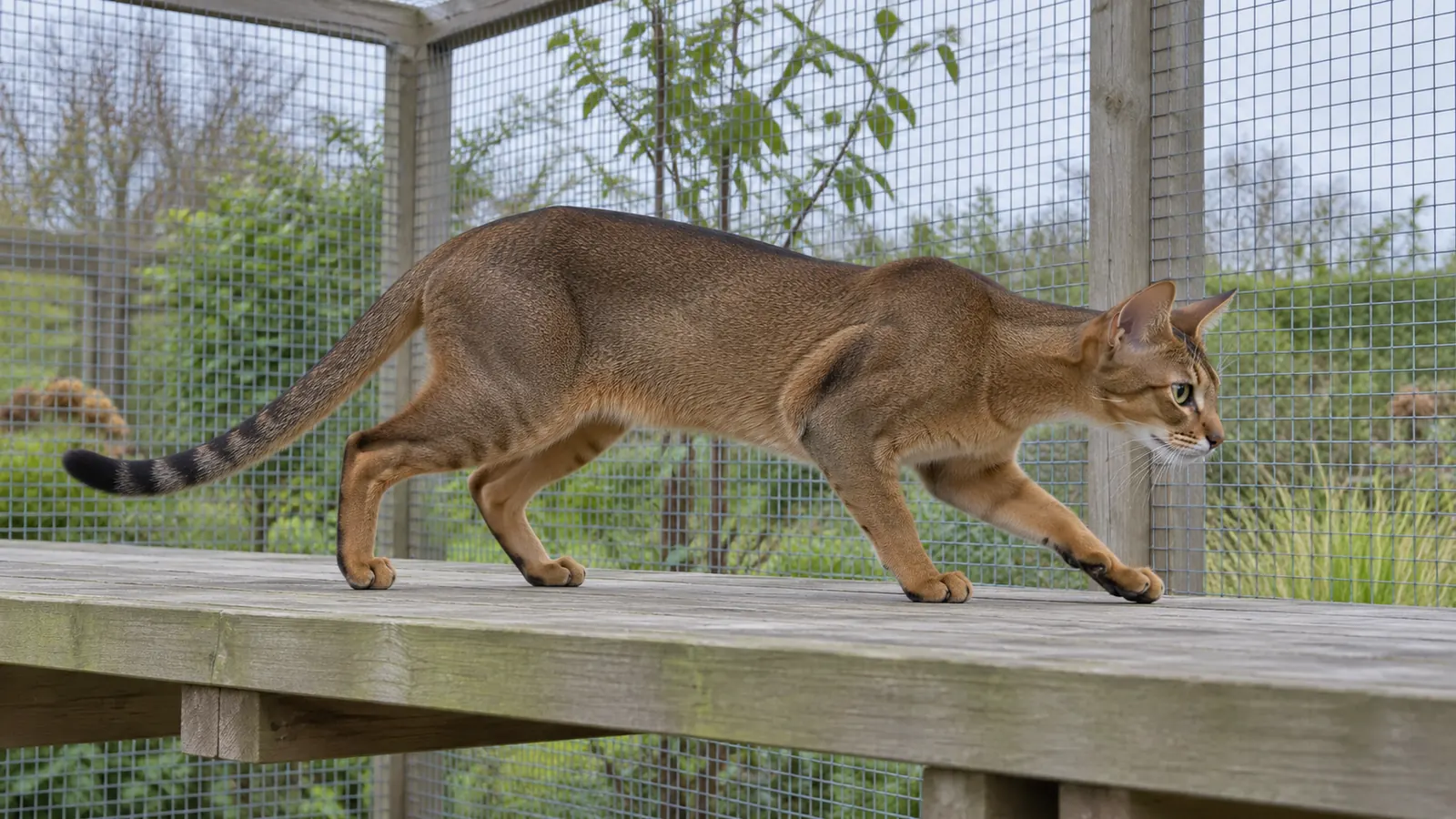
Chausie Medium to large, long-bodied and long-legged, built for running and jumping…
-
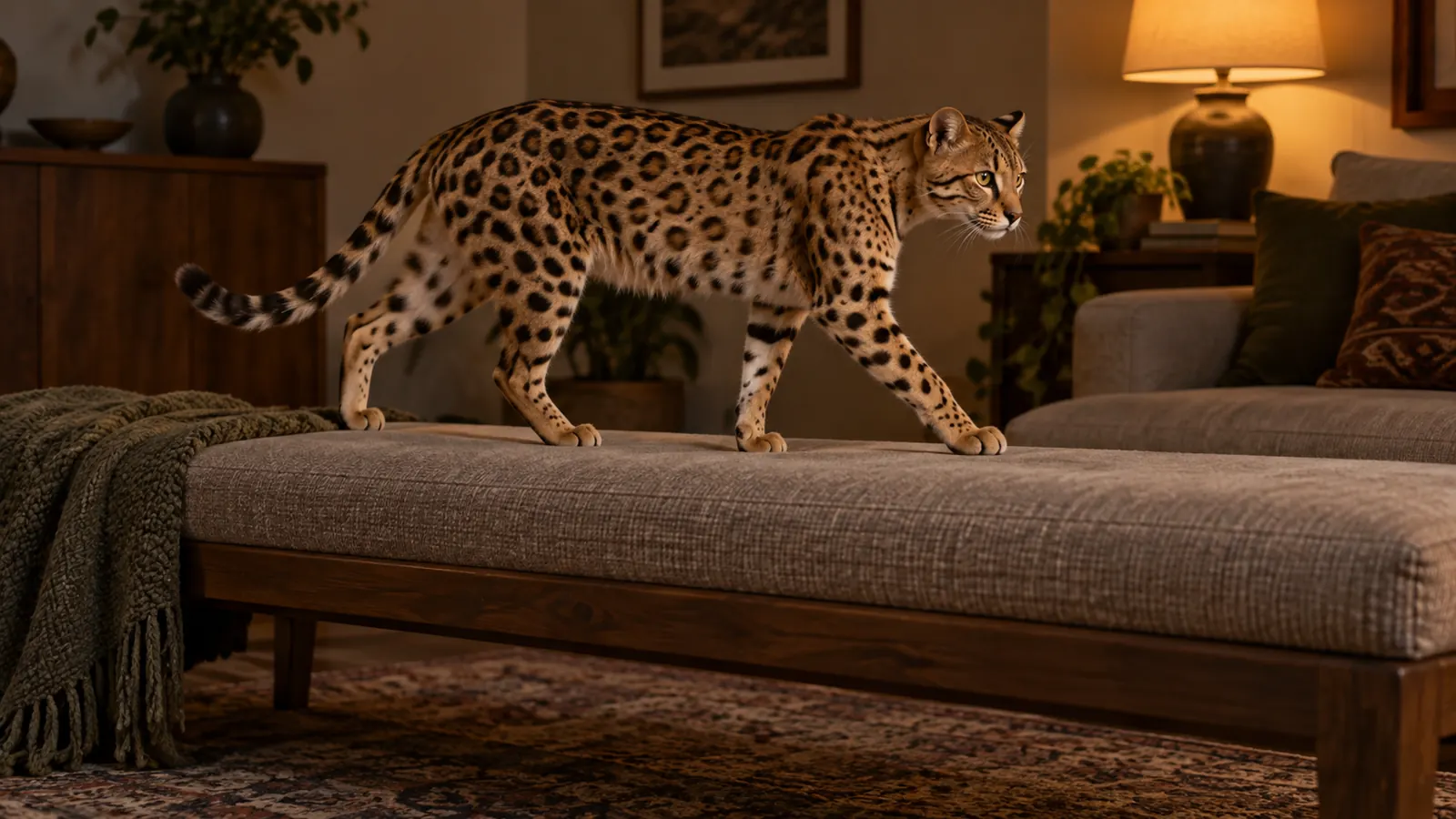
Cheetoh Intended to be a substantial athletic domestic cat, but dependable…
-
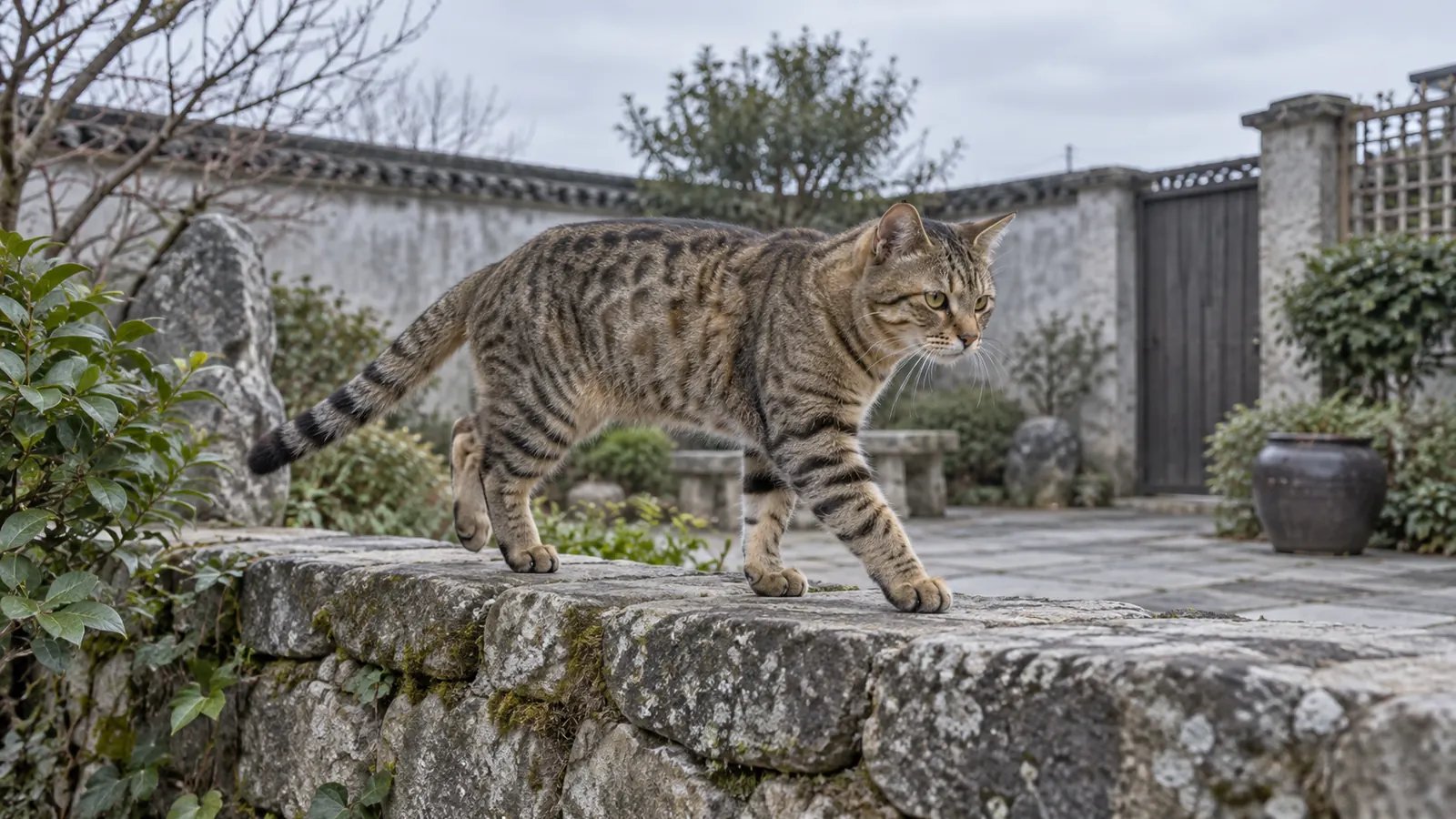
Chinese Dragon Li Medium, sturdy and balanced rather than extreme
-
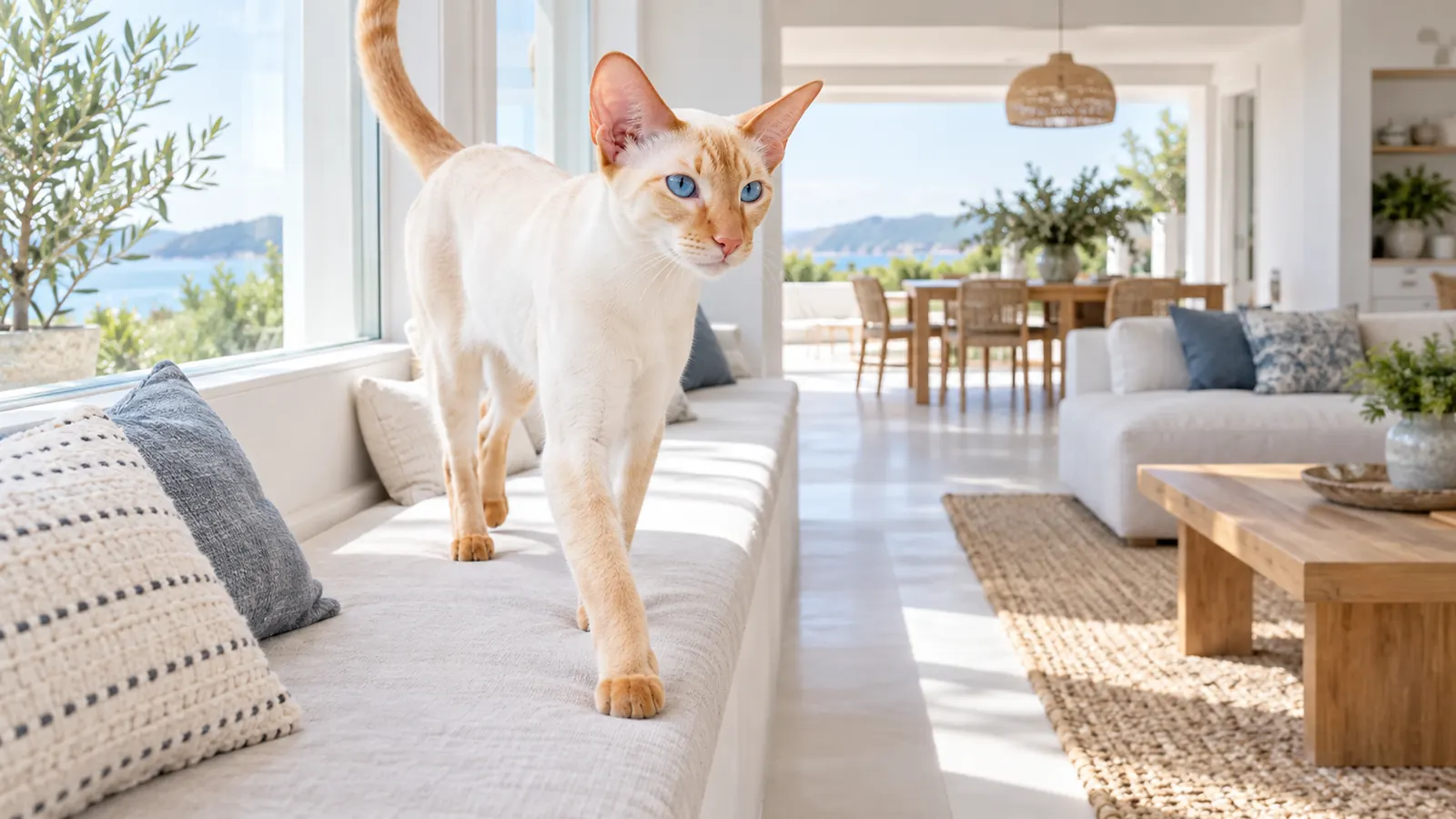
Colorpoint Shorthair Medium, long and fine-boned with a tubular body, wedge head and very large…
-
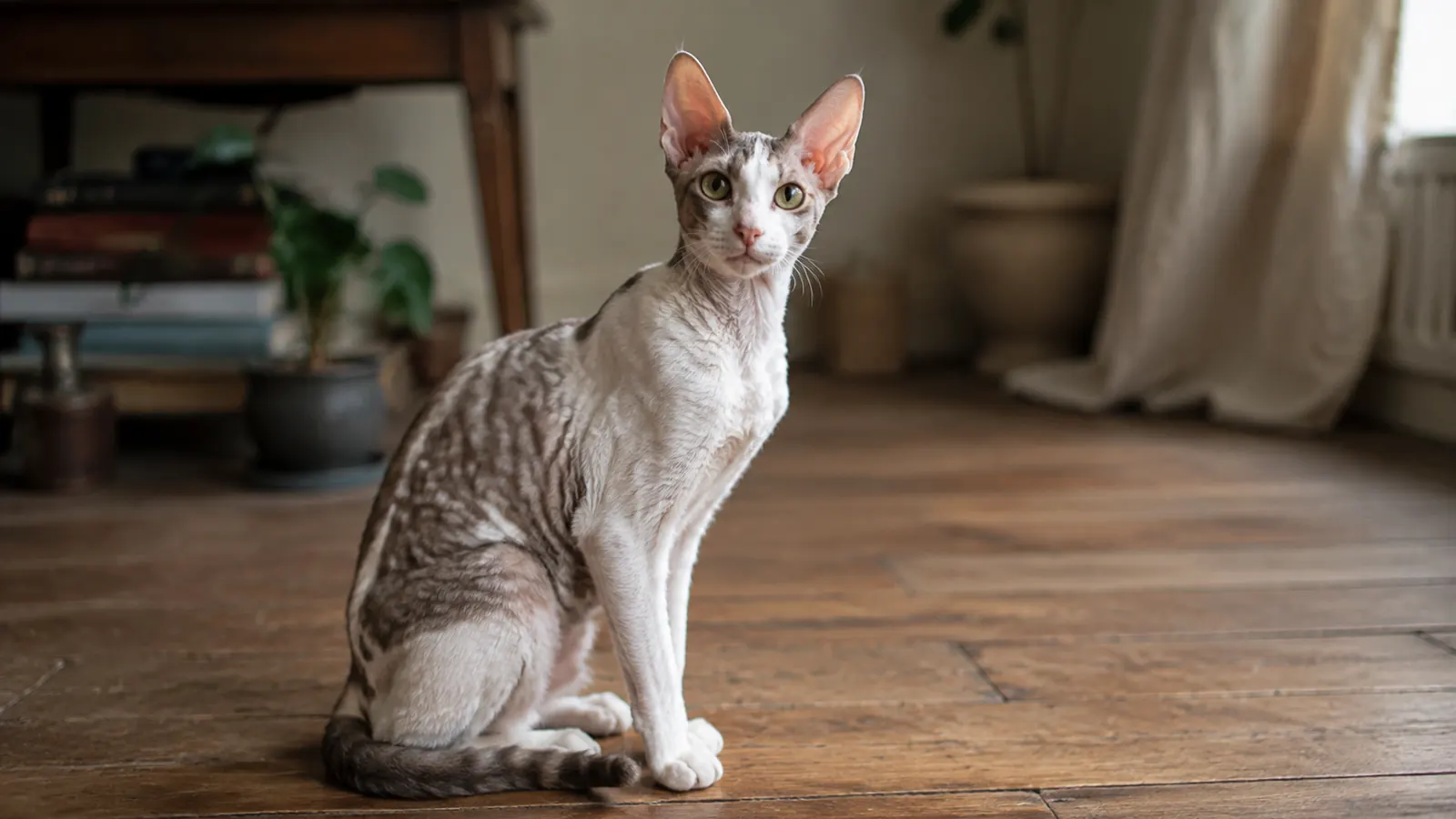
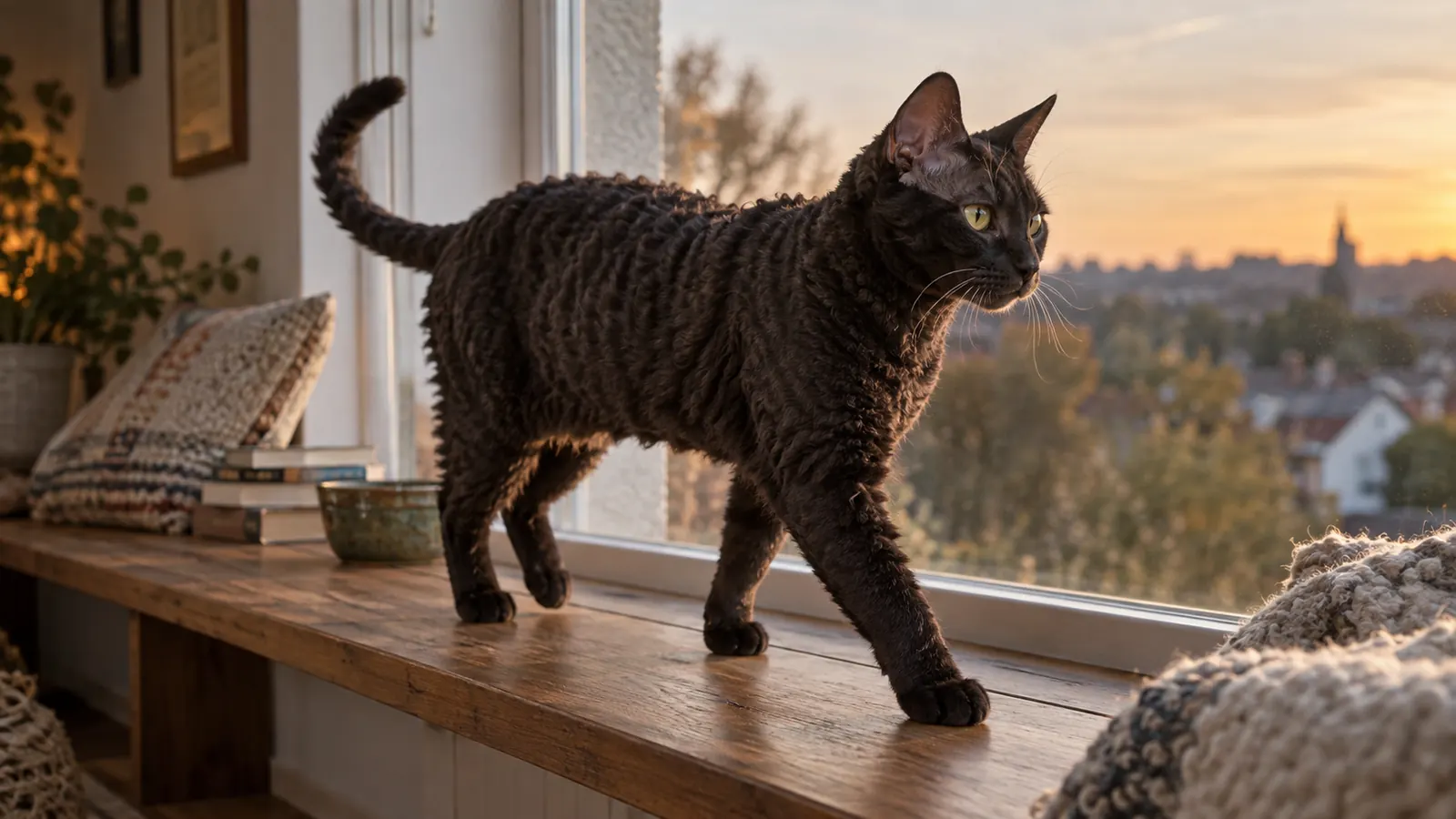
Cornish Rex Small to medium, arched back and long slender legs. Reads bigger than it…
-
Cymric Medium, compact, rounded and heavy for its size, with longer hind legs and…
D
E
-
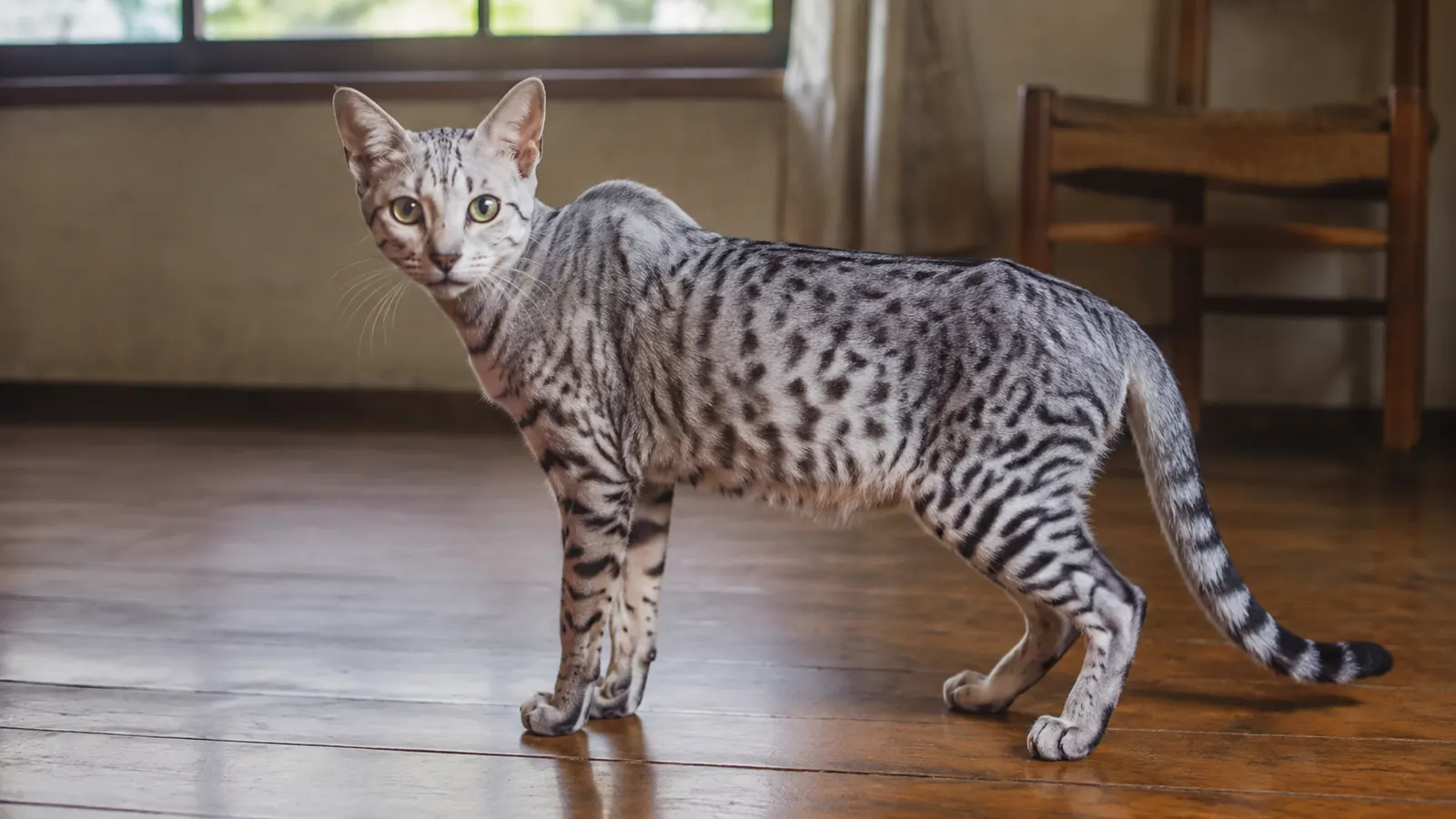
Egyptian Mau Medium-sized, with high shoulder blades, longer hind legs, and a skin flap…
-
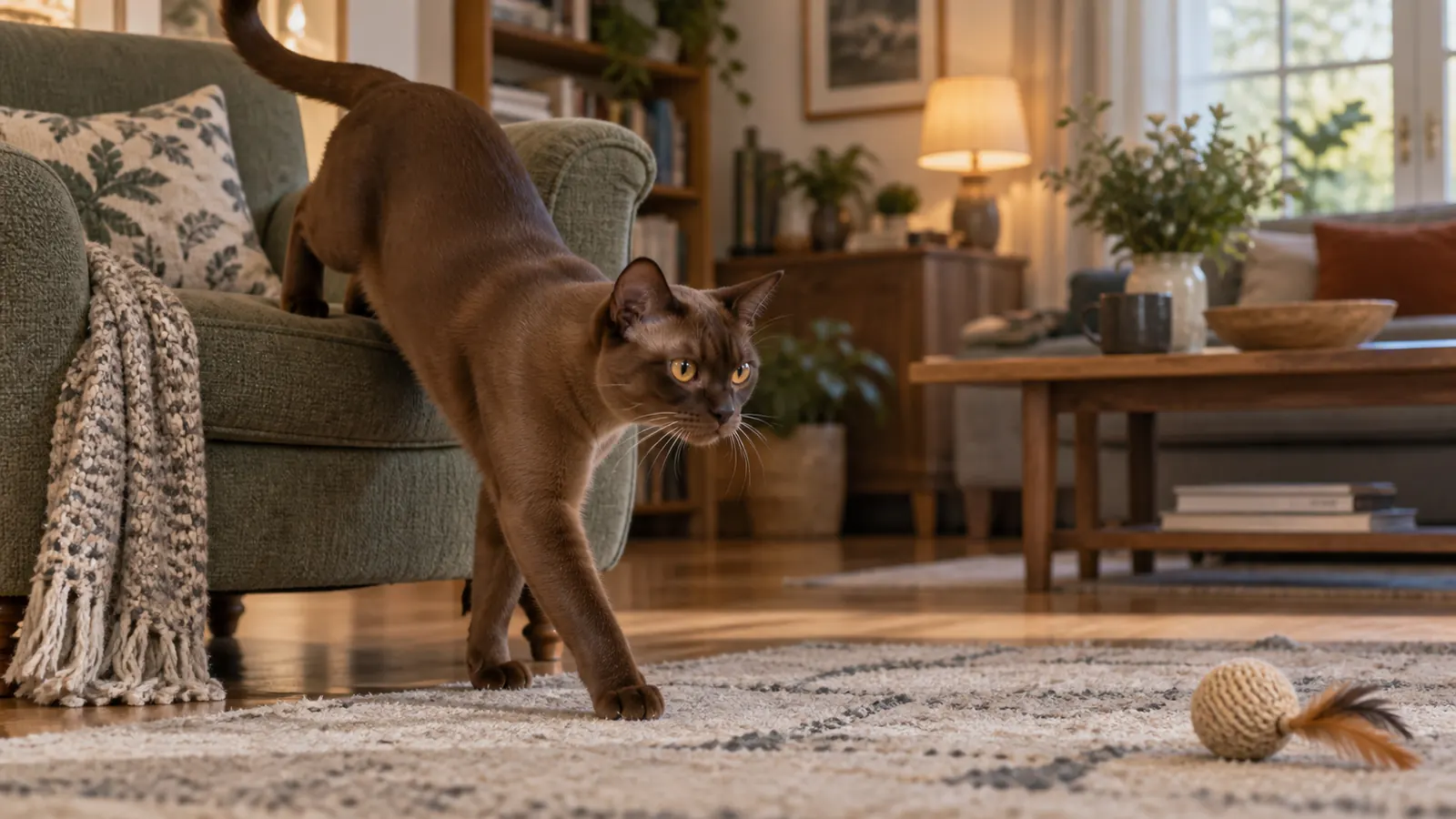
European Burmese Medium in length and size, firmly muscular and heavier than the outline…
-
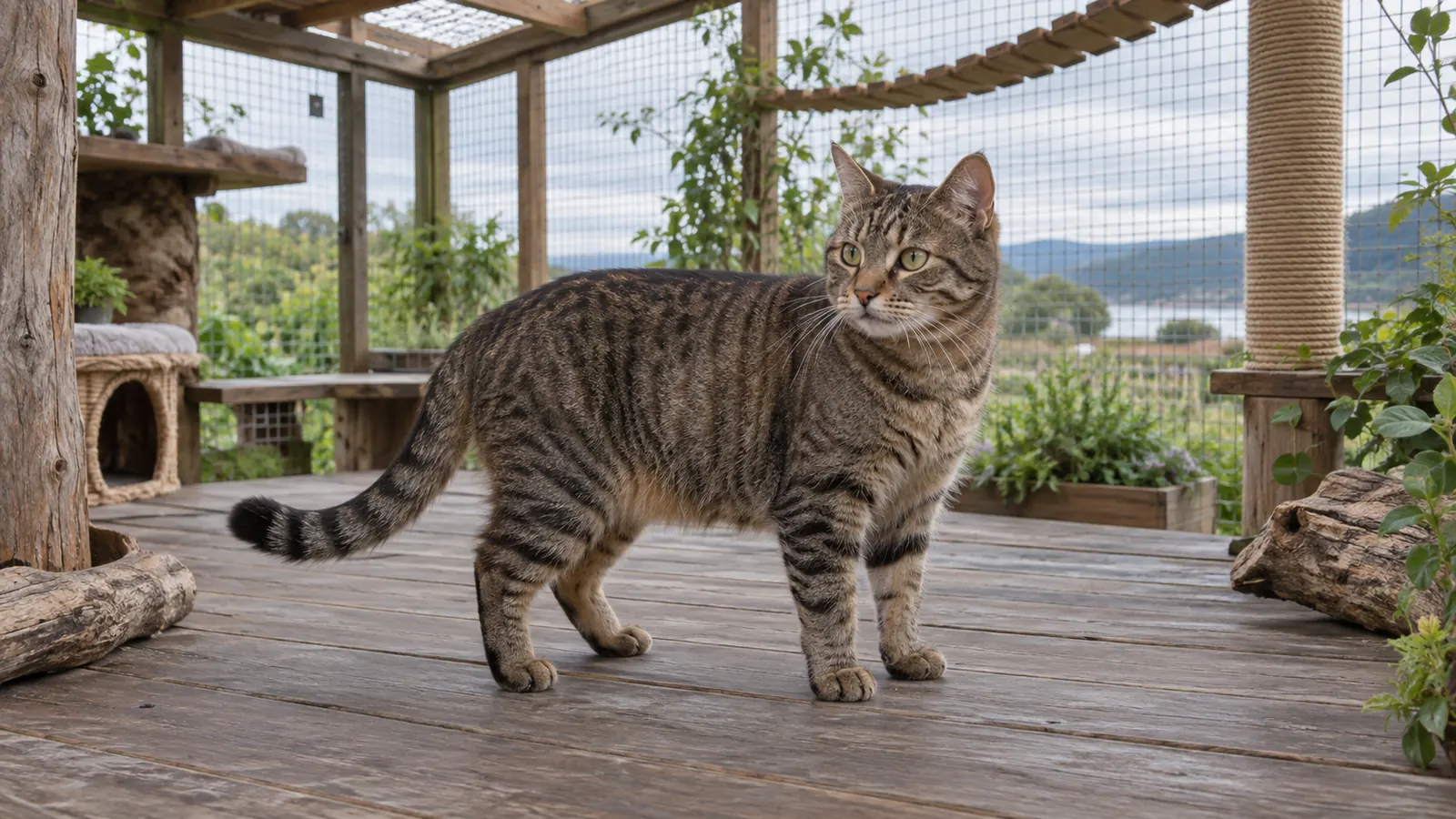
European Shorthair Medium to large, robust and muscular without becoming cobby or elongated
-
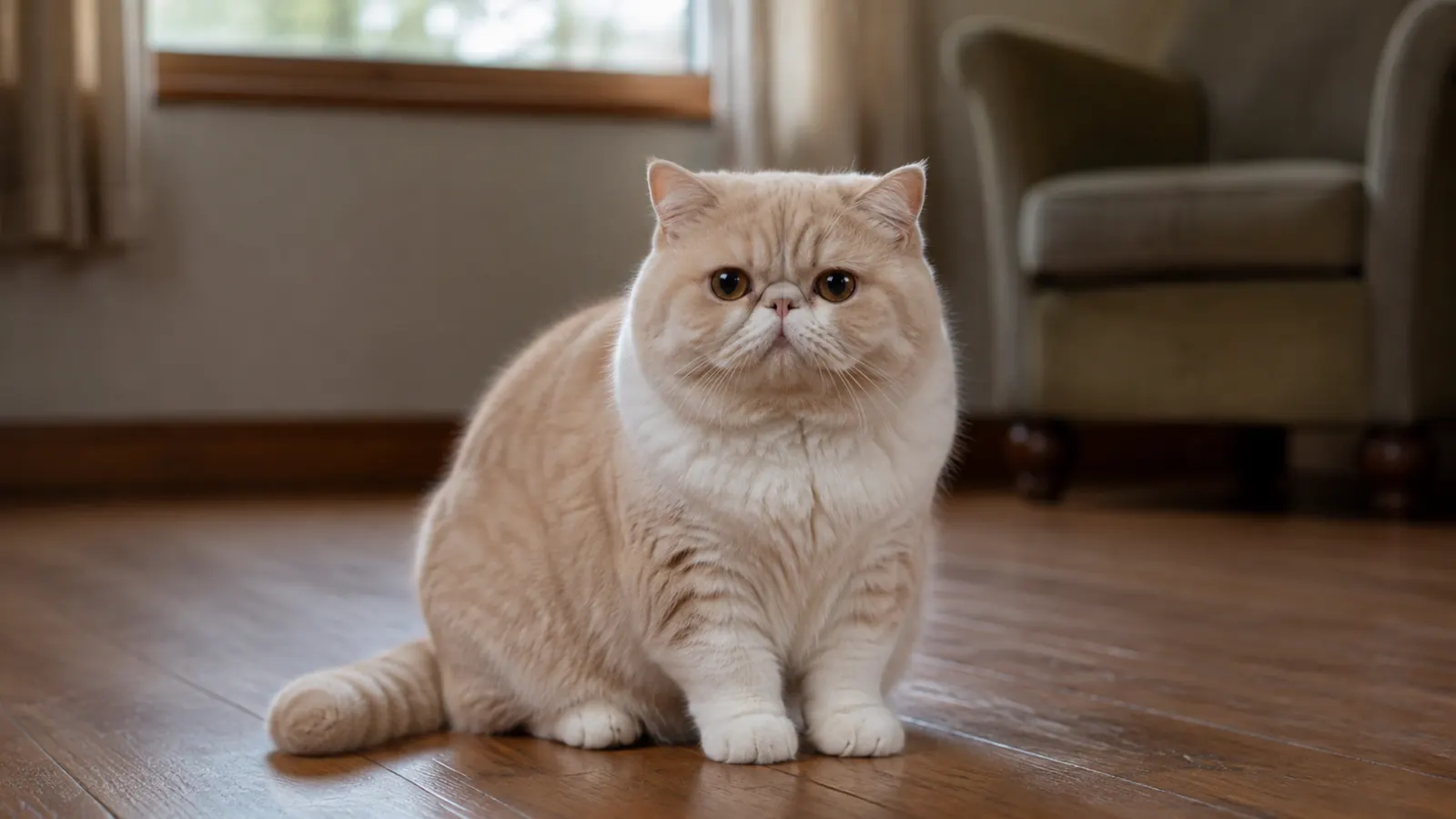
Exotic Shorthair Short, cobby and muscular, low on short thick legs, with a round massive…
H
J
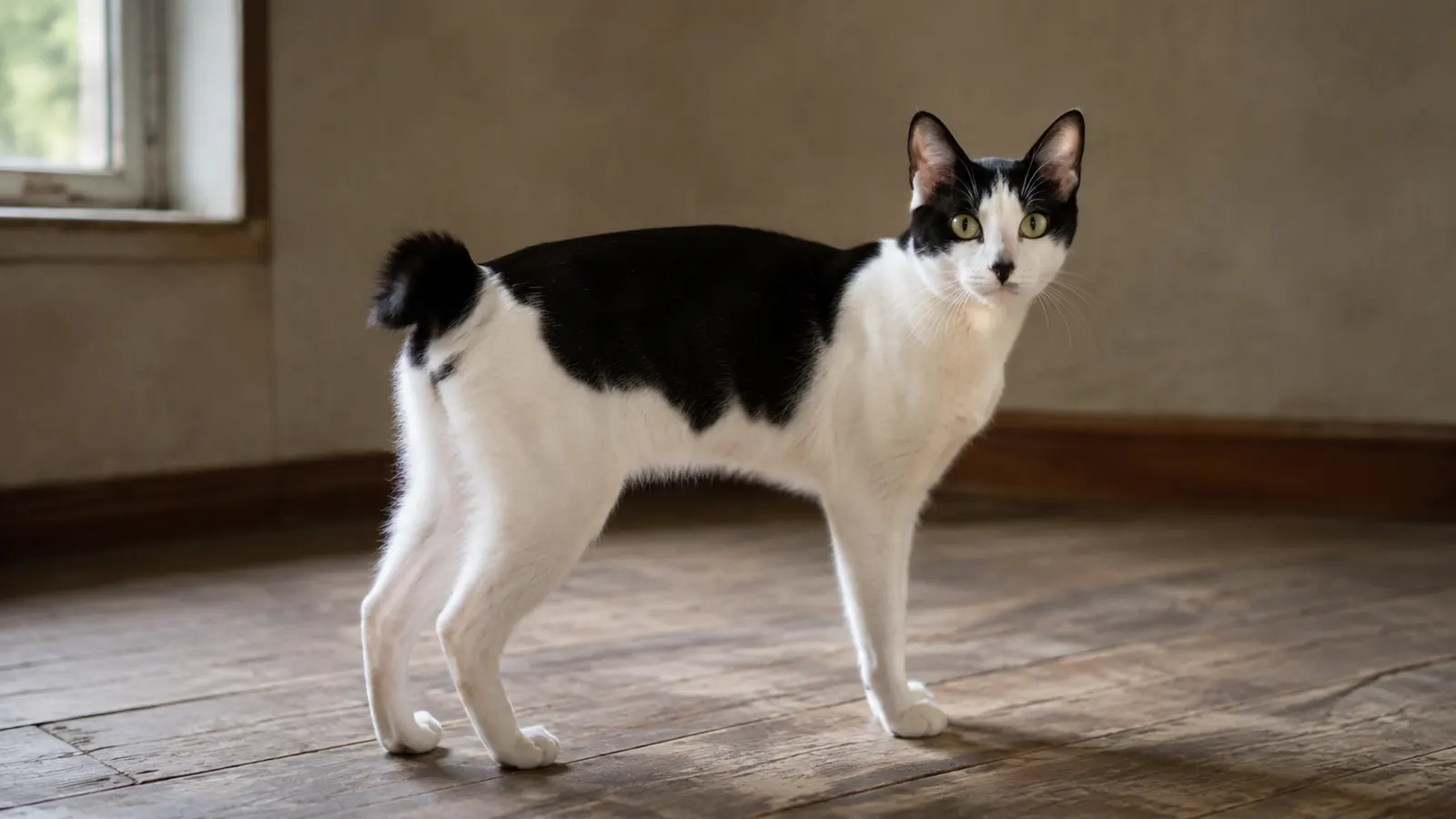
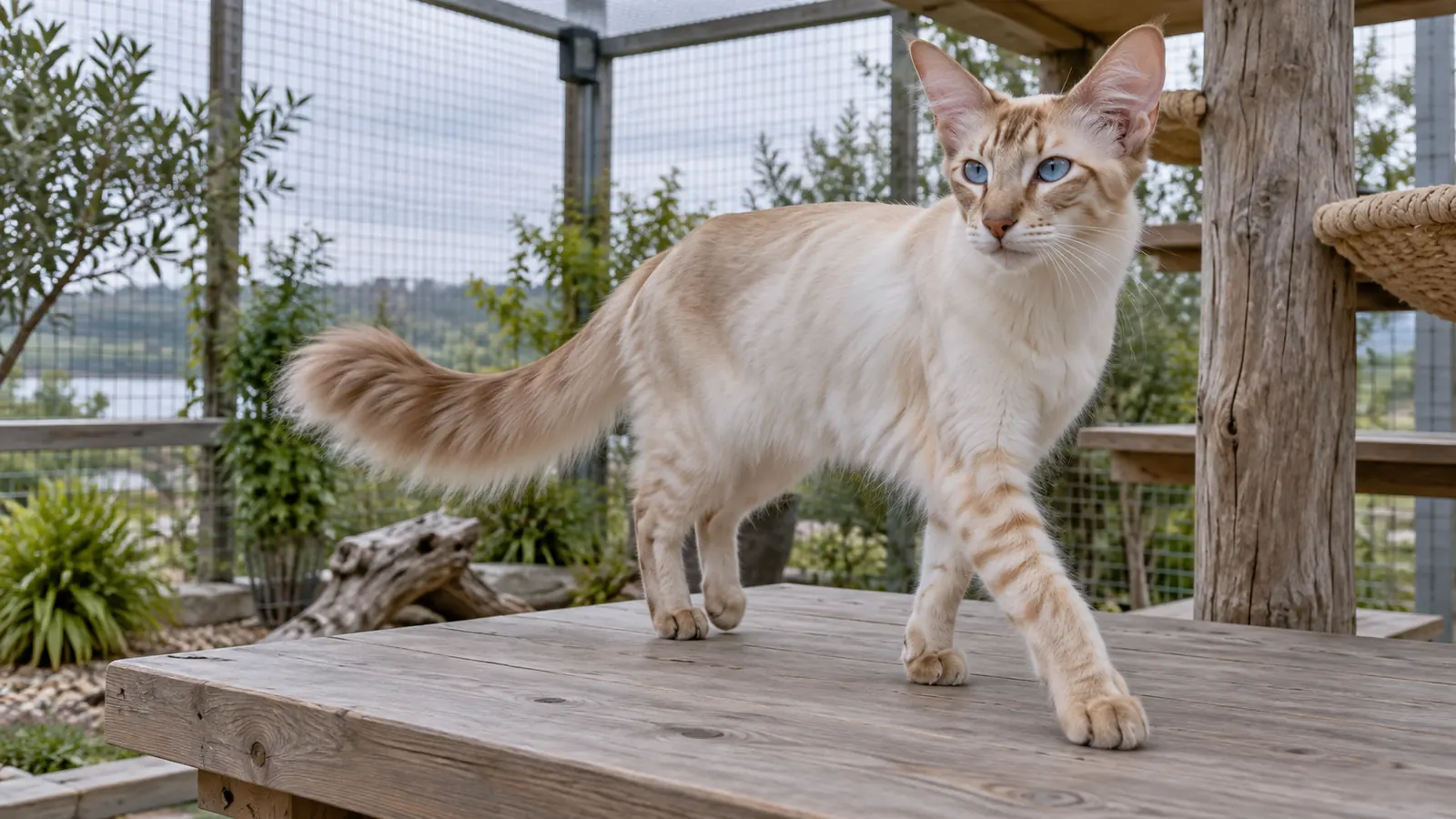
K
-
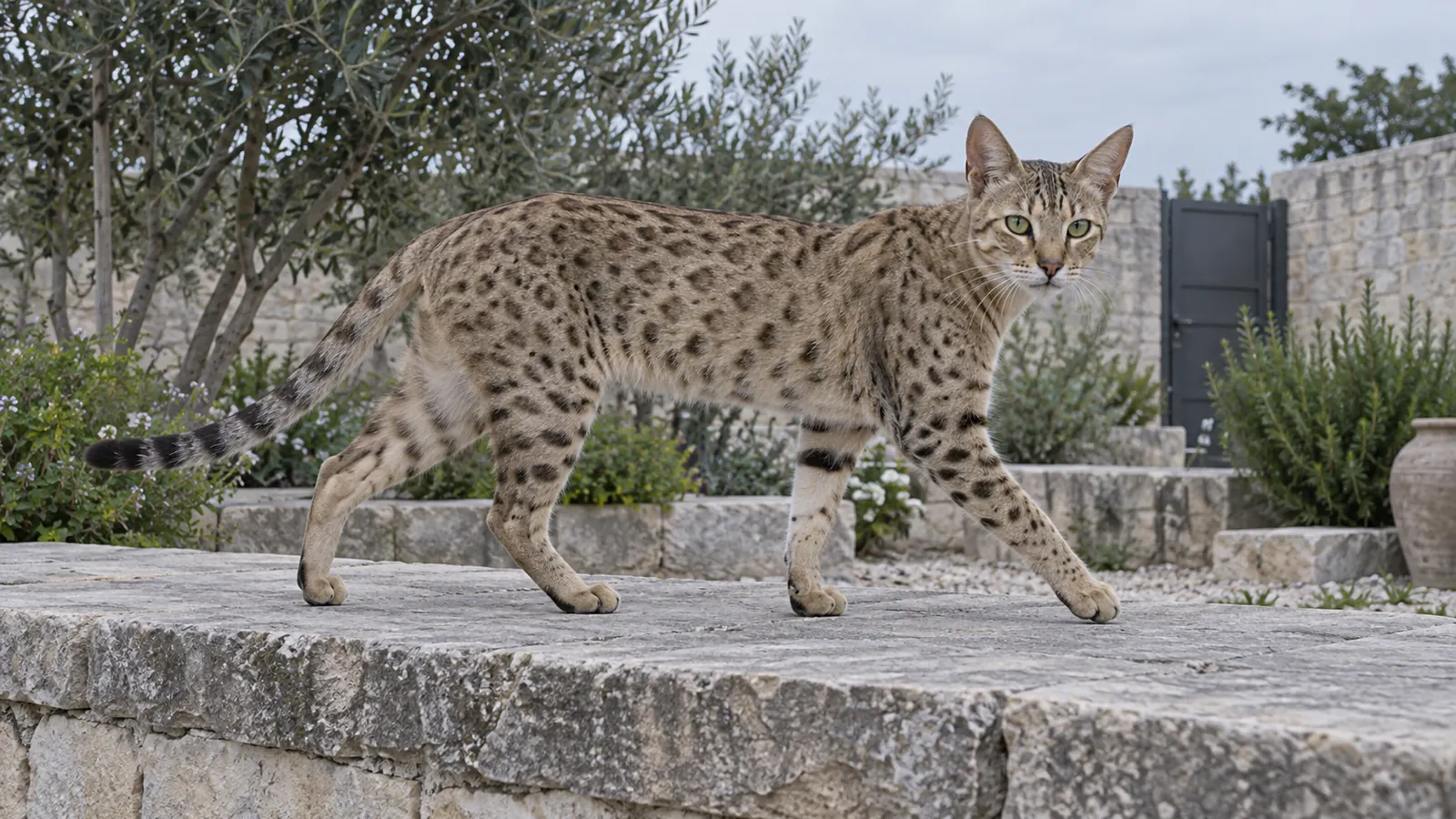
Kanaani Medium-to-large, slender and muscular, with long legs, oval paws and a long…
-
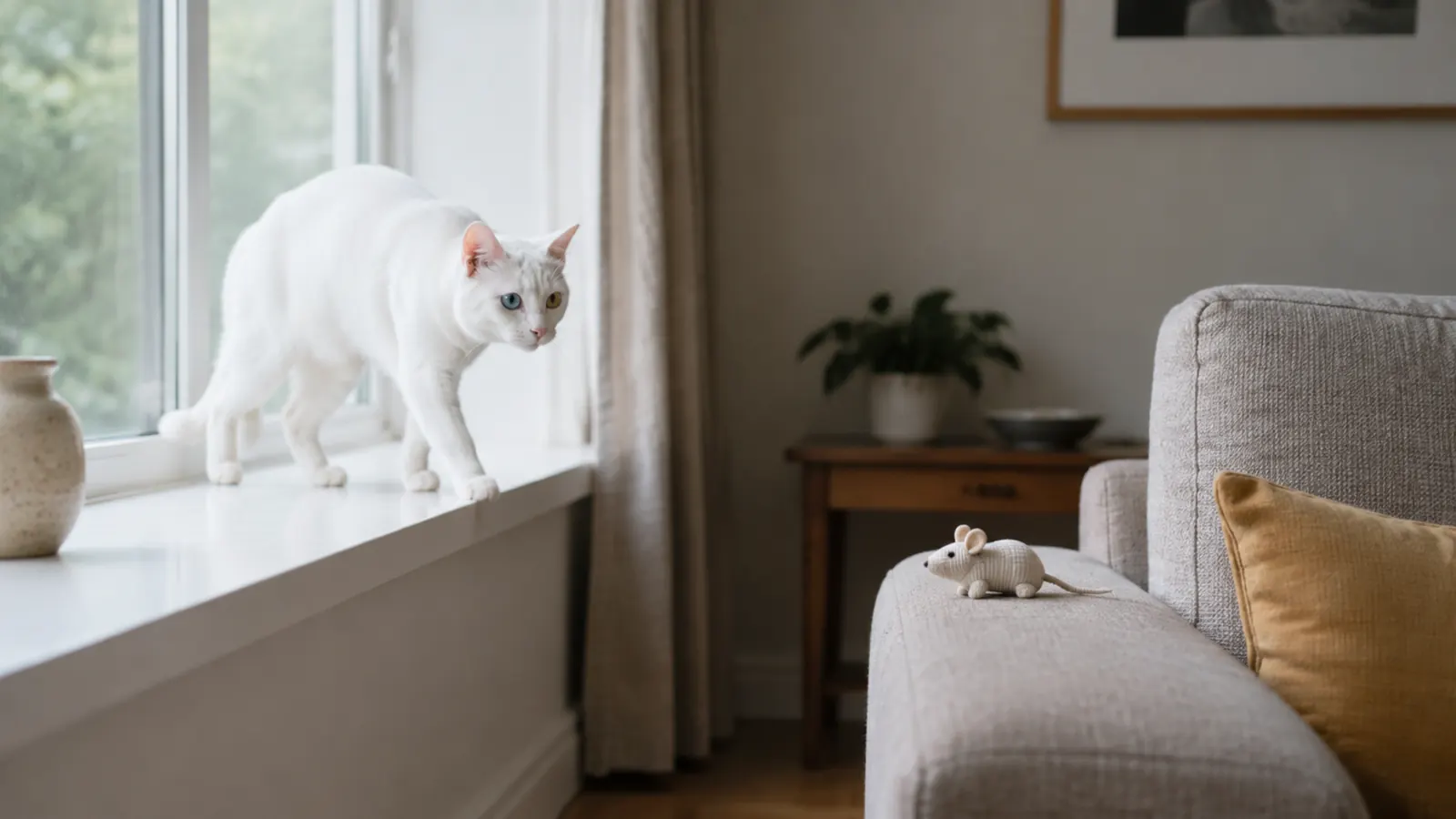
Khao Manee Medium, agile and semi-foreign, with firm musculature rather than a heavy…
-
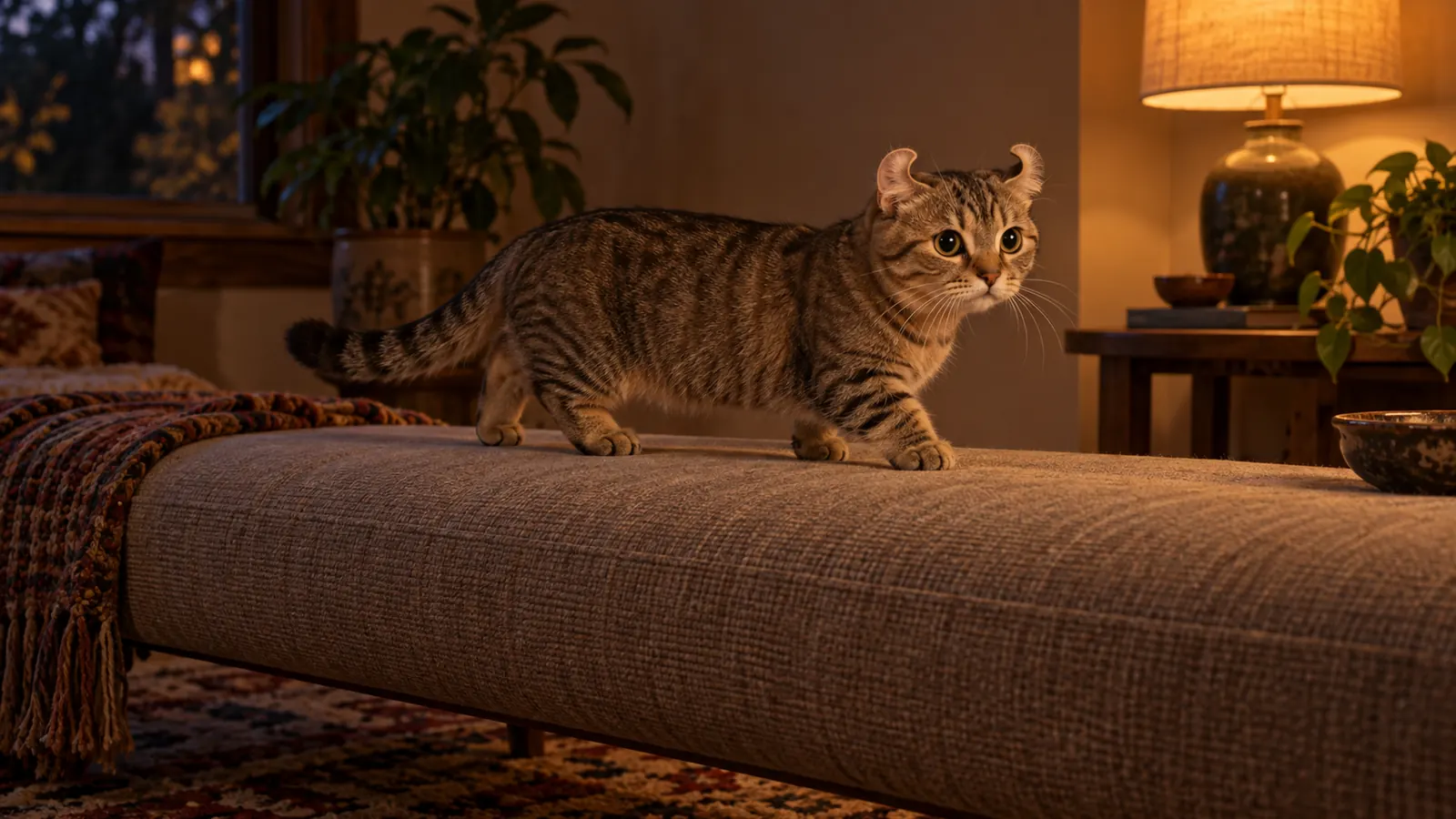
Kinkalow Small and compact, with shortened forelegs and hindlegs from the Munchkin…
-
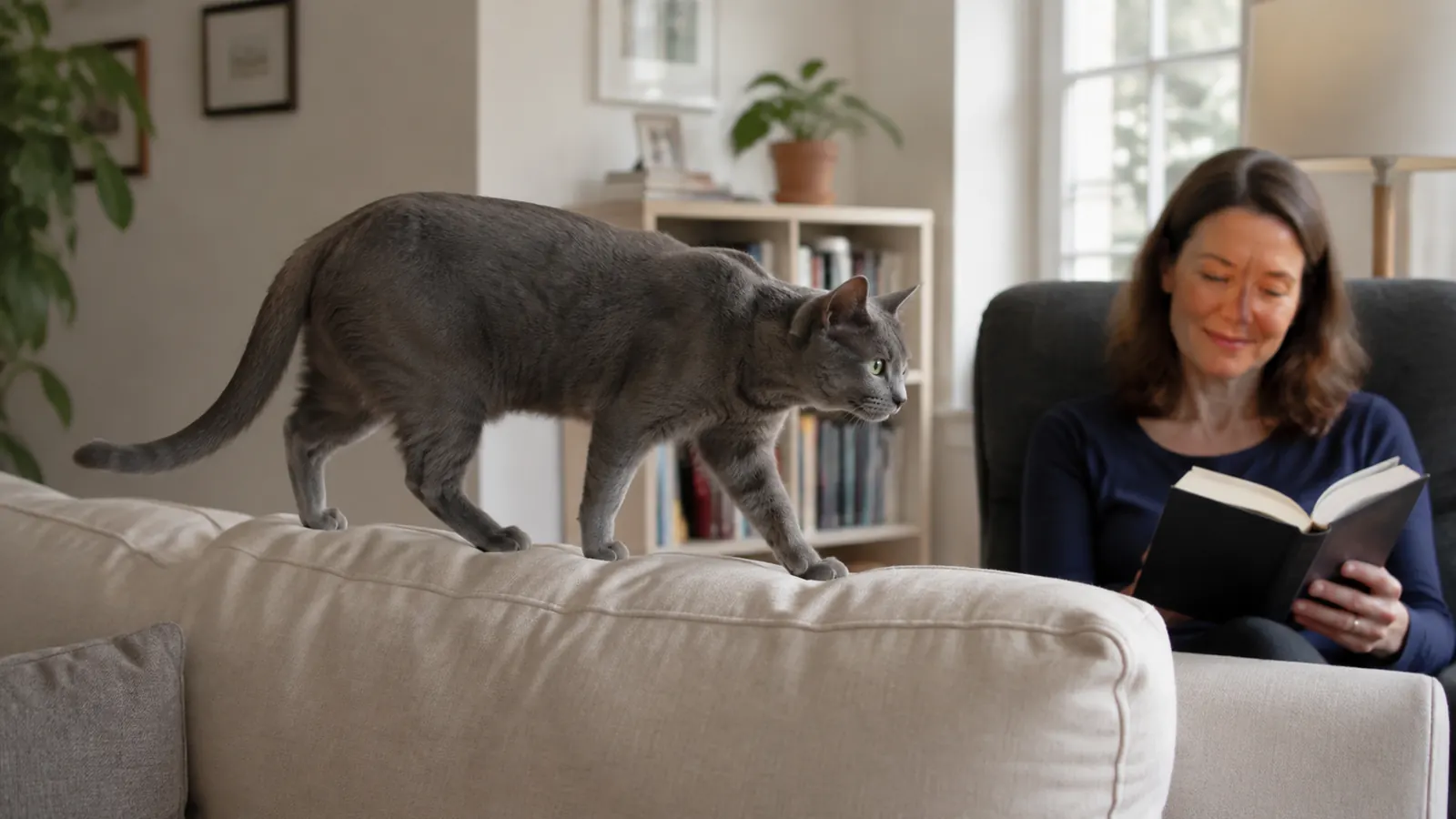
Korat Medium sized, compact and muscular, often feeling heavier than its outline…
-
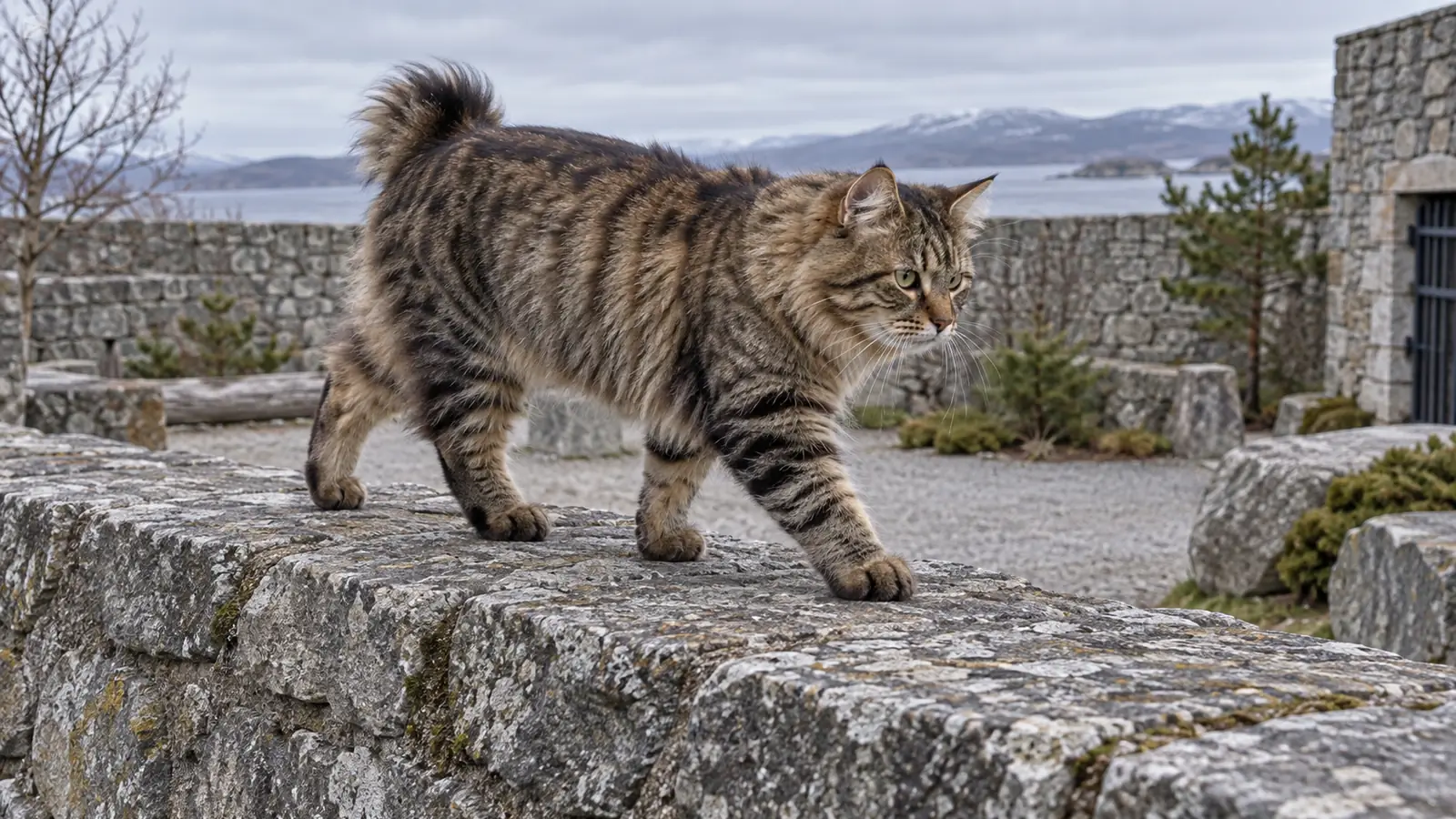
Kurilian Bobtail Medium to large, muscular and semi-cobby with powerful hindquarters
L
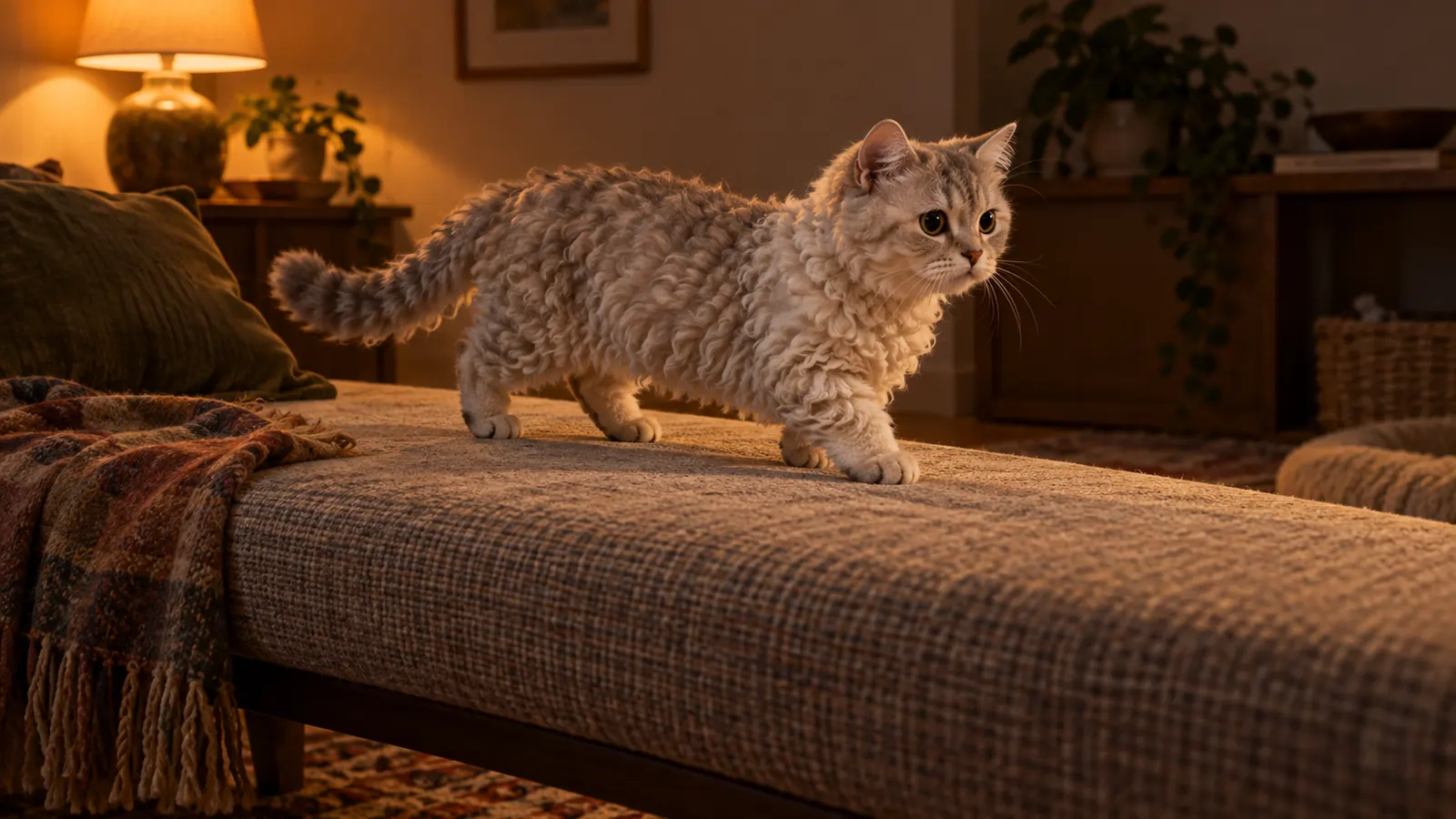
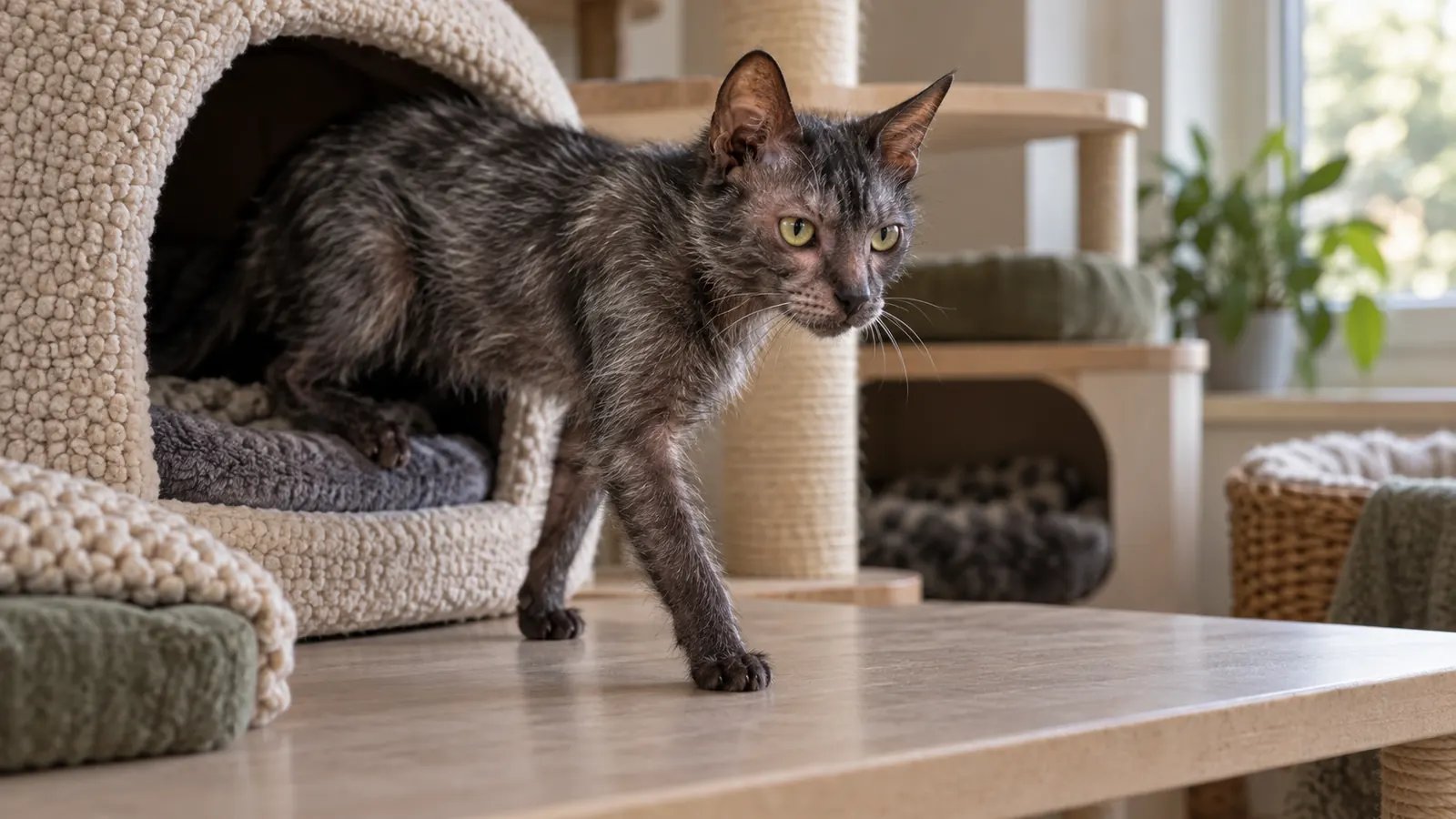
M
-
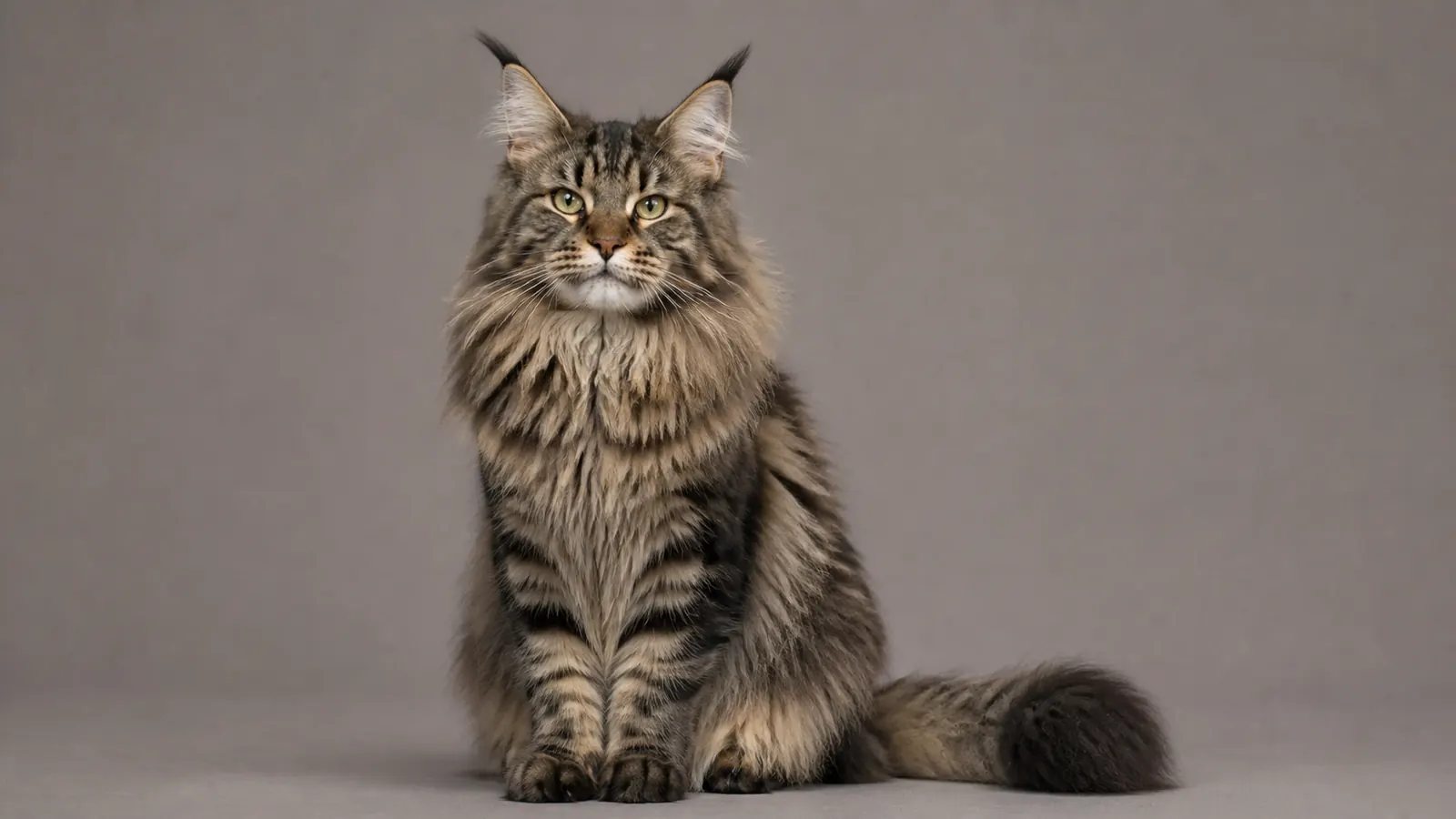
Maine Coon Among the largest domestic breeds; males noticeably bigger than females
-
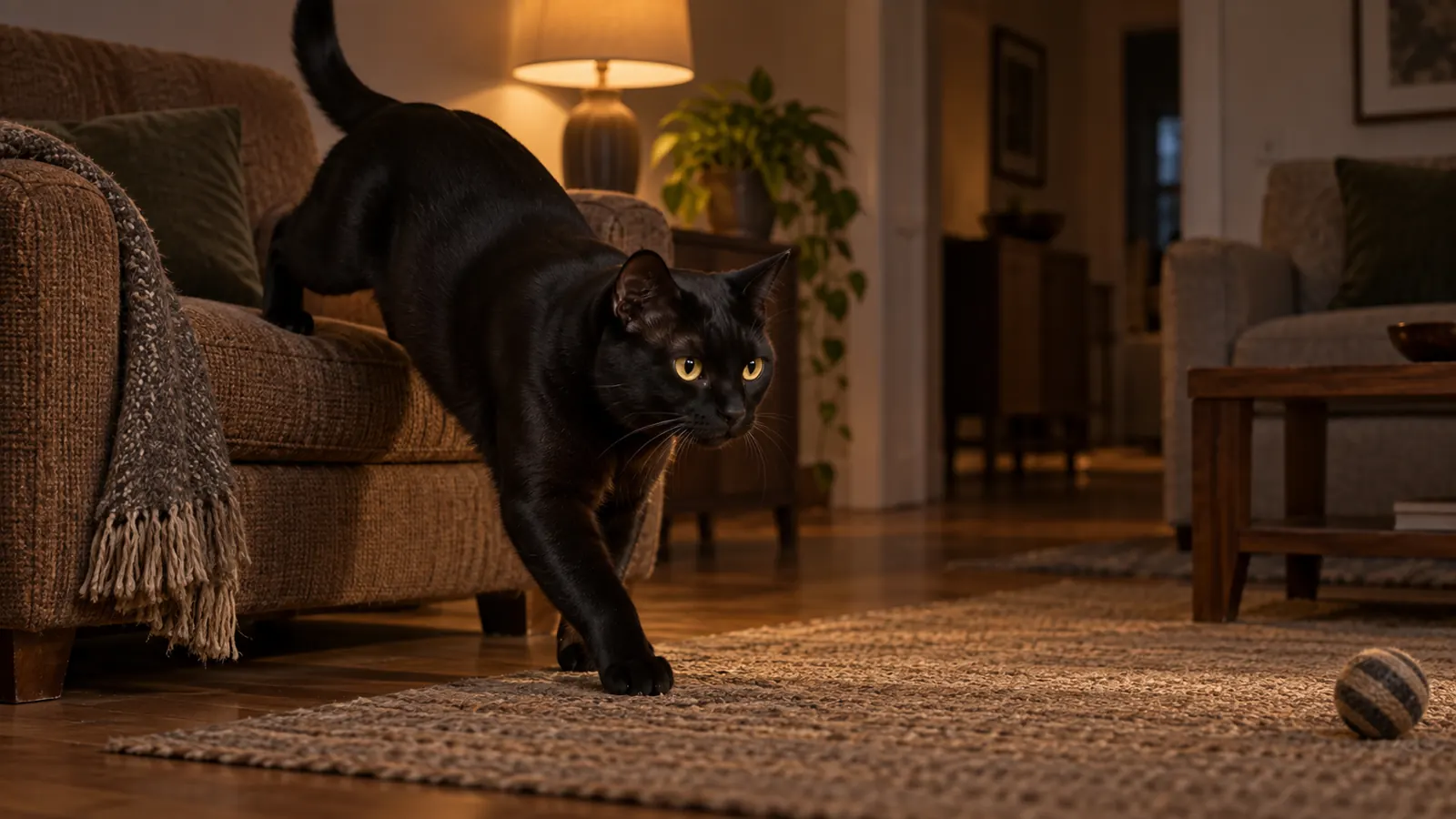
Mandalay Medium, muscular and compact, following the Burmese body type
-
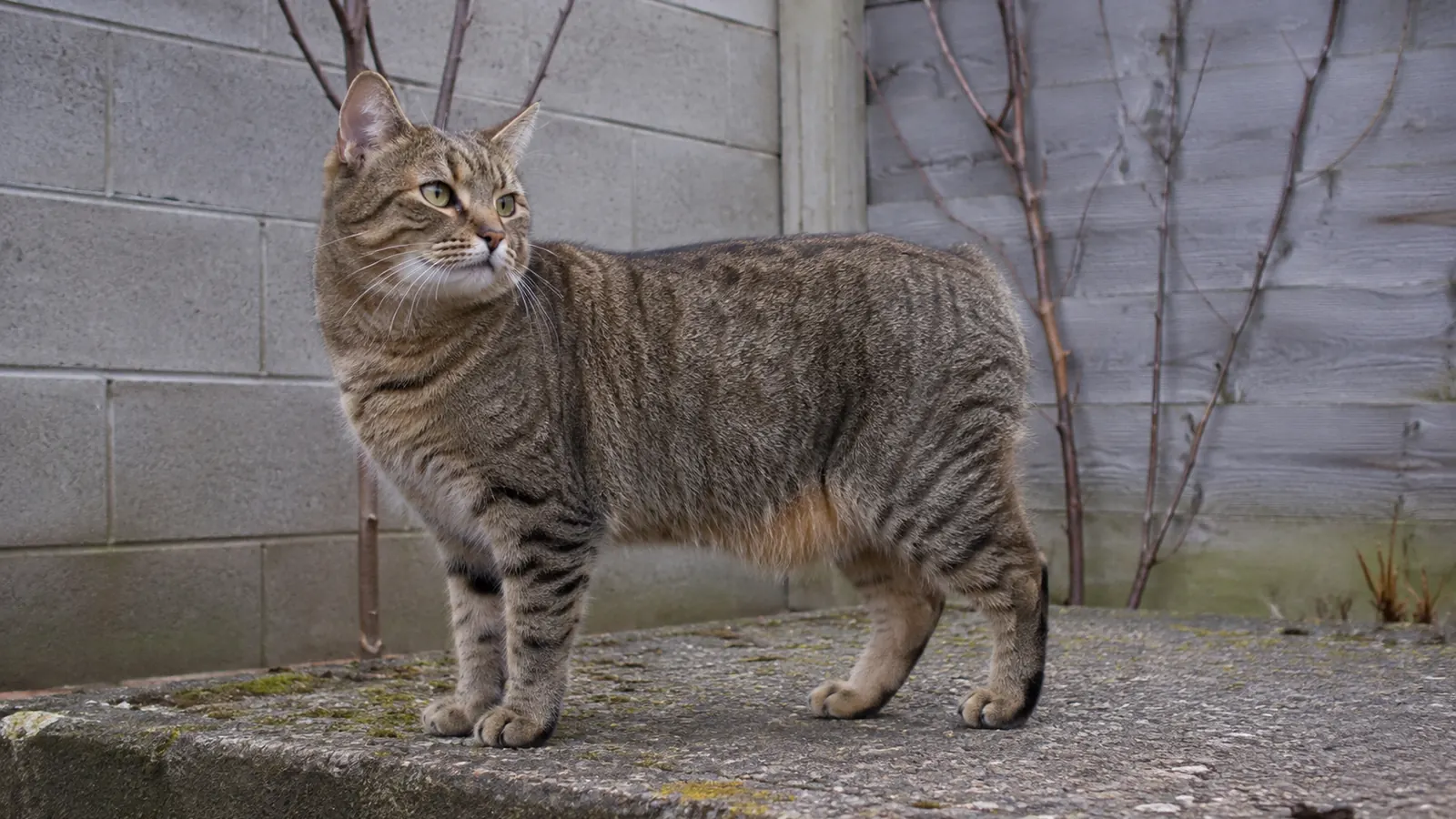
Manx Medium sized, compact and rounded, with a broad chest and hind legs longer…
-
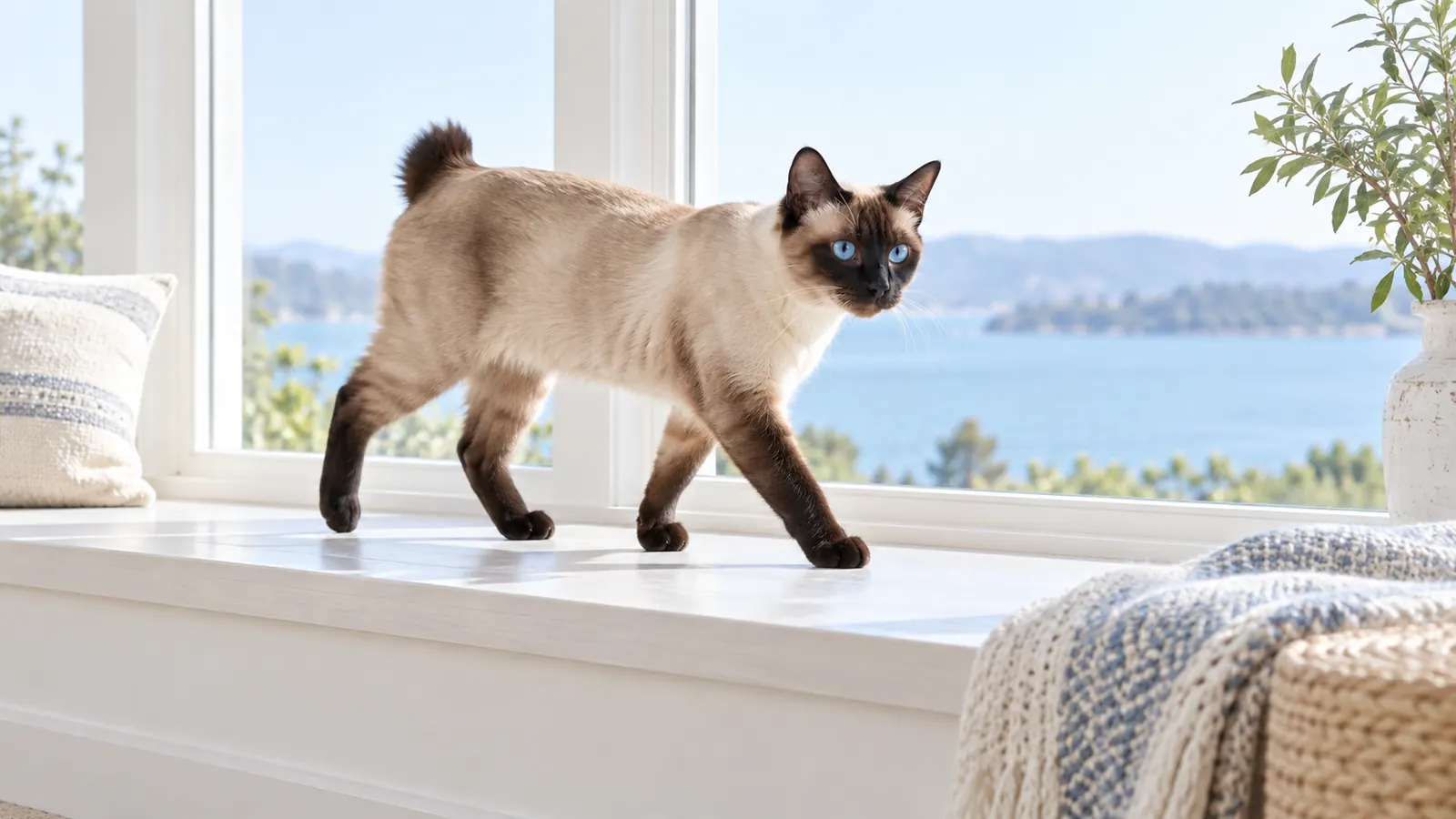
Mekong Bobtail Medium, elegant and muscular with a rectangular body and slightly longer…
-
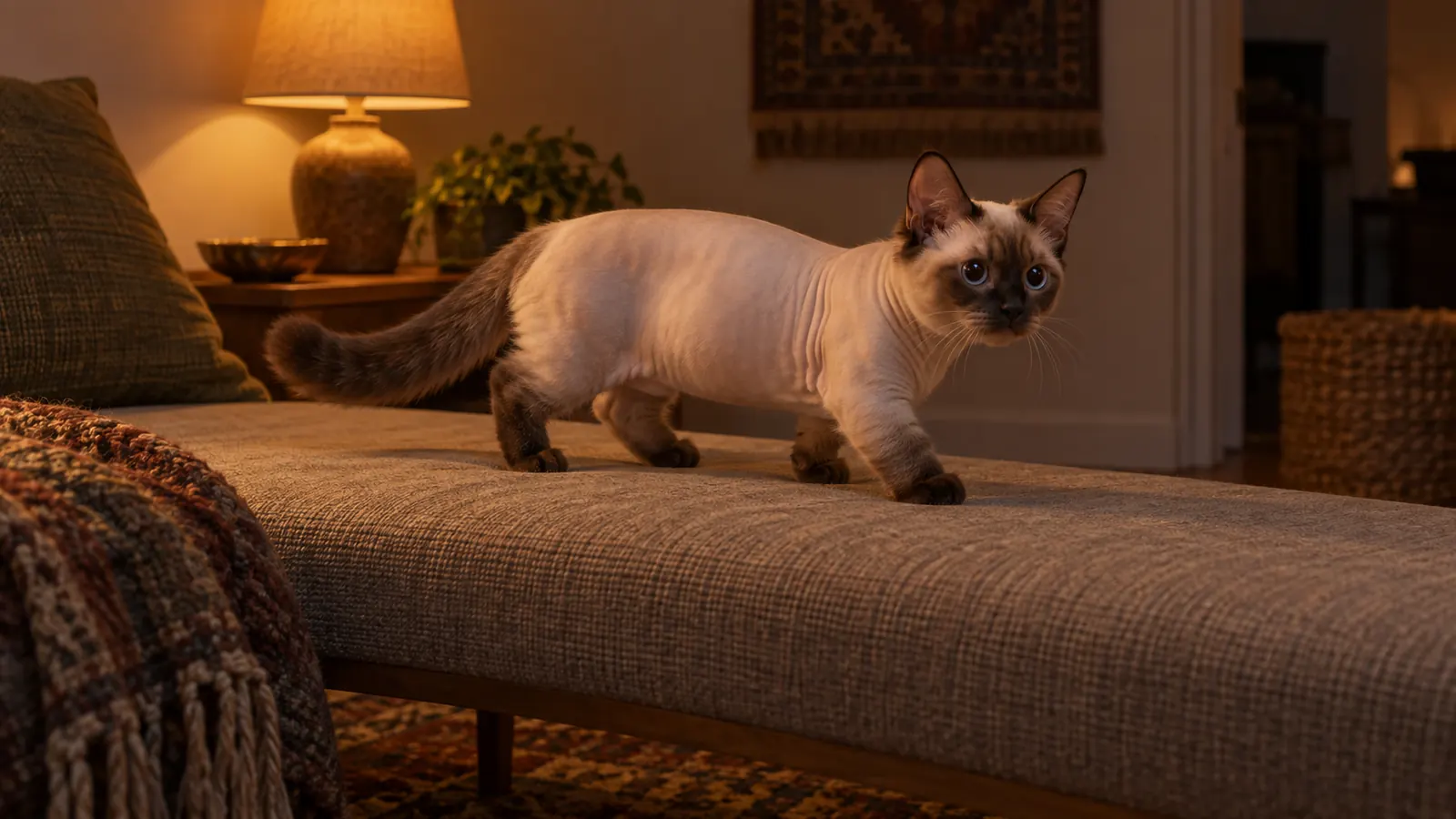
Minskin Small and compact, with shortened forelegs and hindlegs from the Munchkin…
-
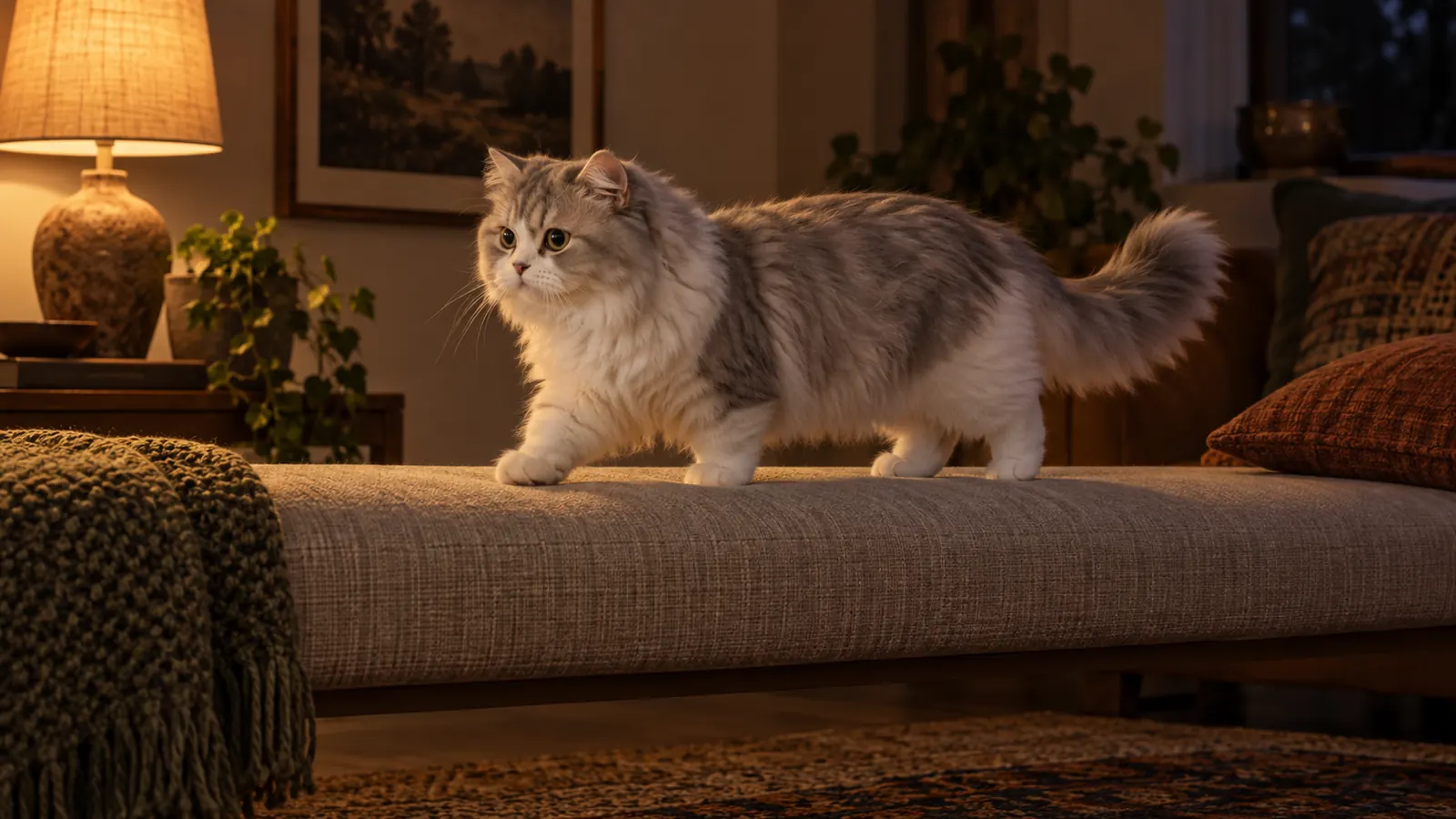
Minuet Small to medium, with shortened legs from the Munchkin UGDH variant and a…
-
Munchkin Small to medium, with shortened forelegs and hindlegs; the body is…
N
O
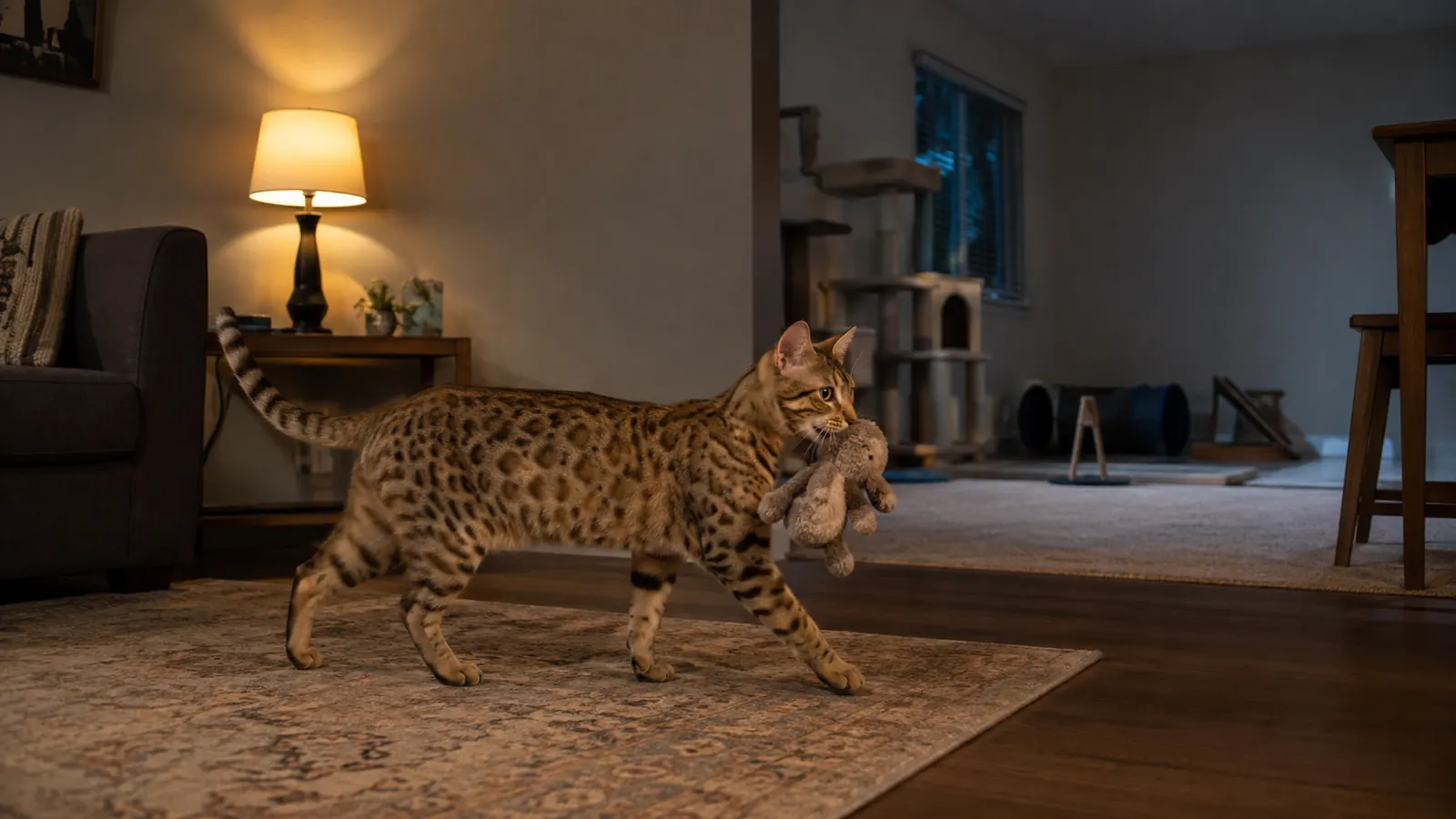
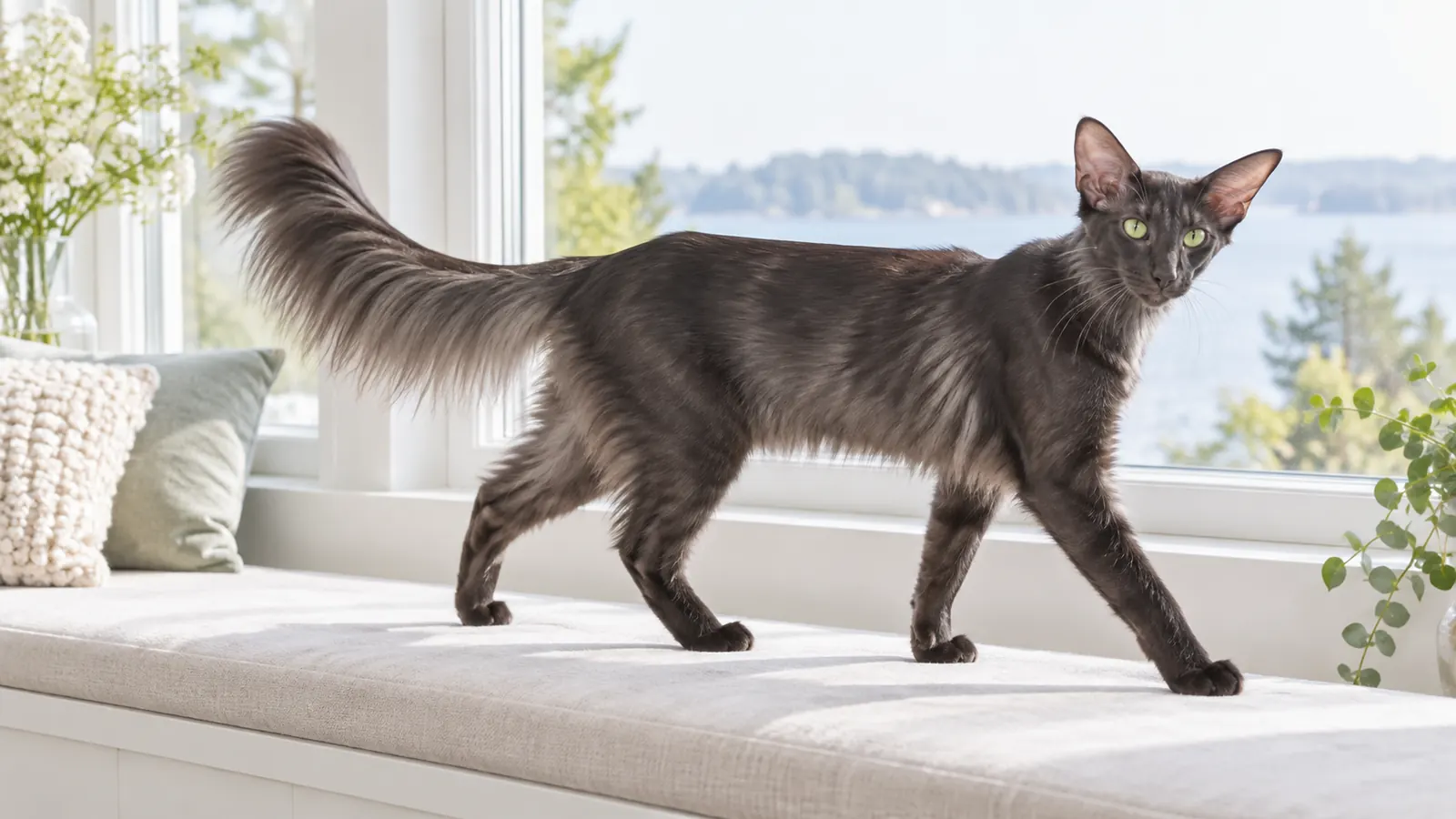
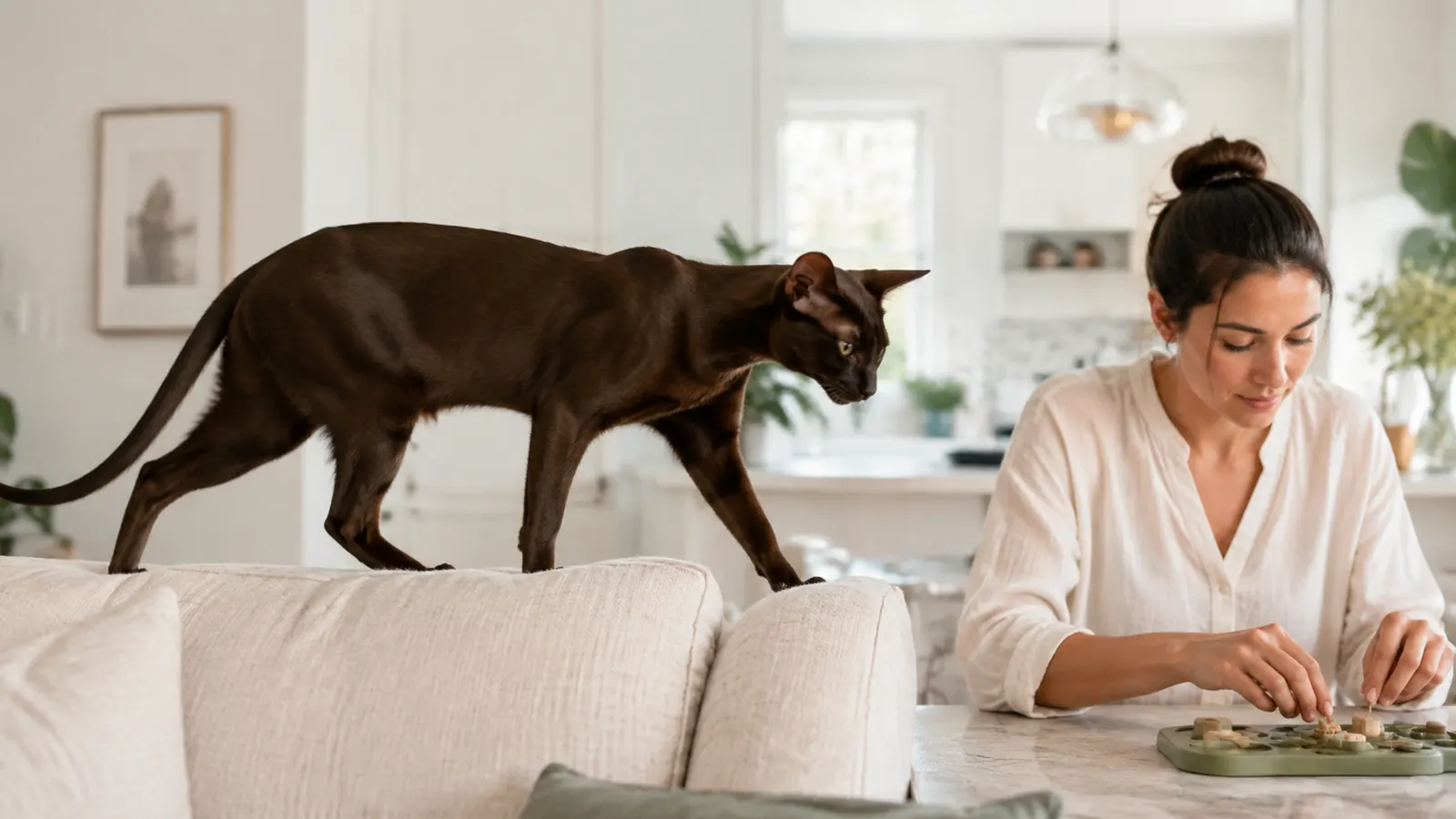
P
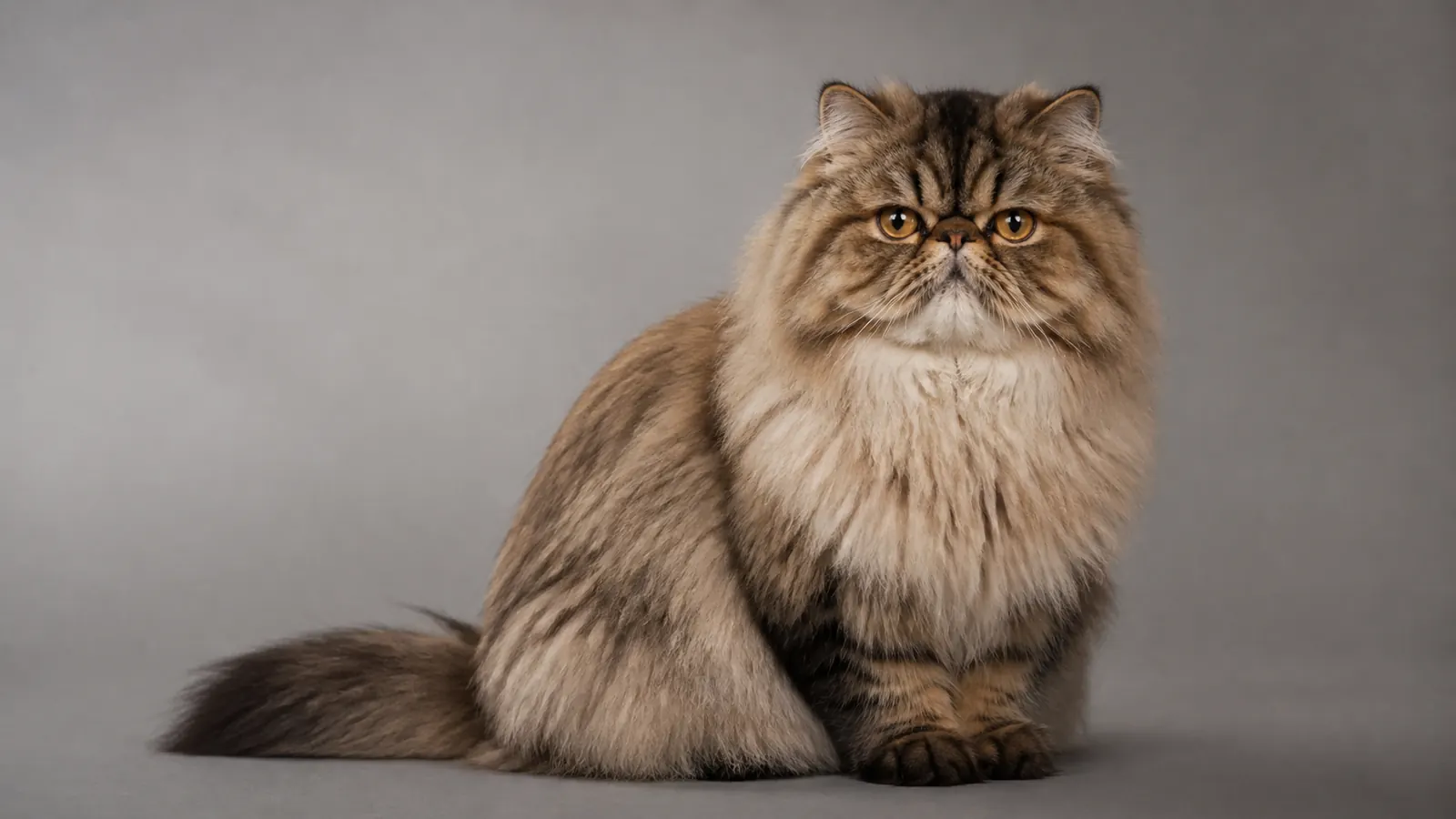
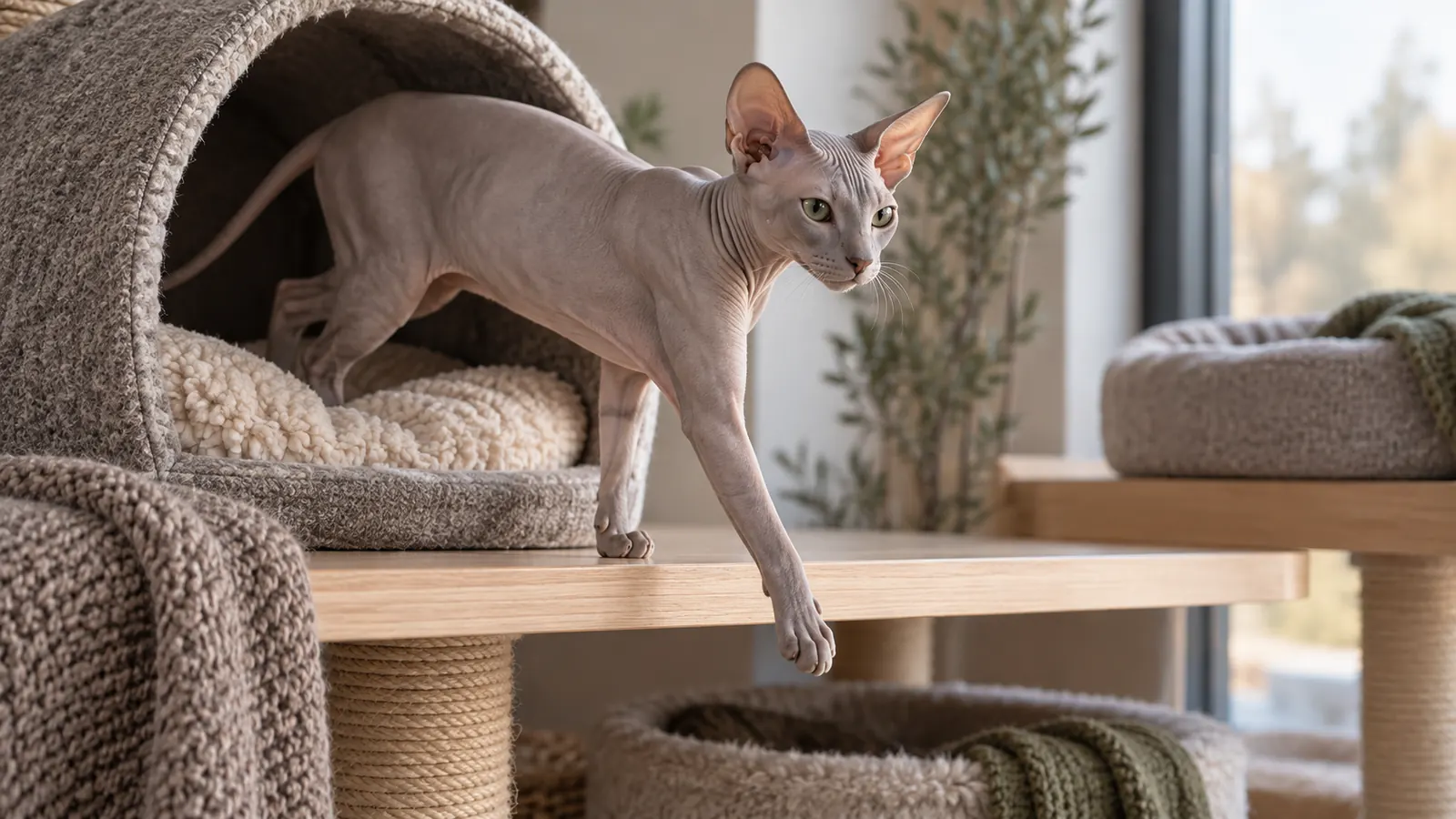
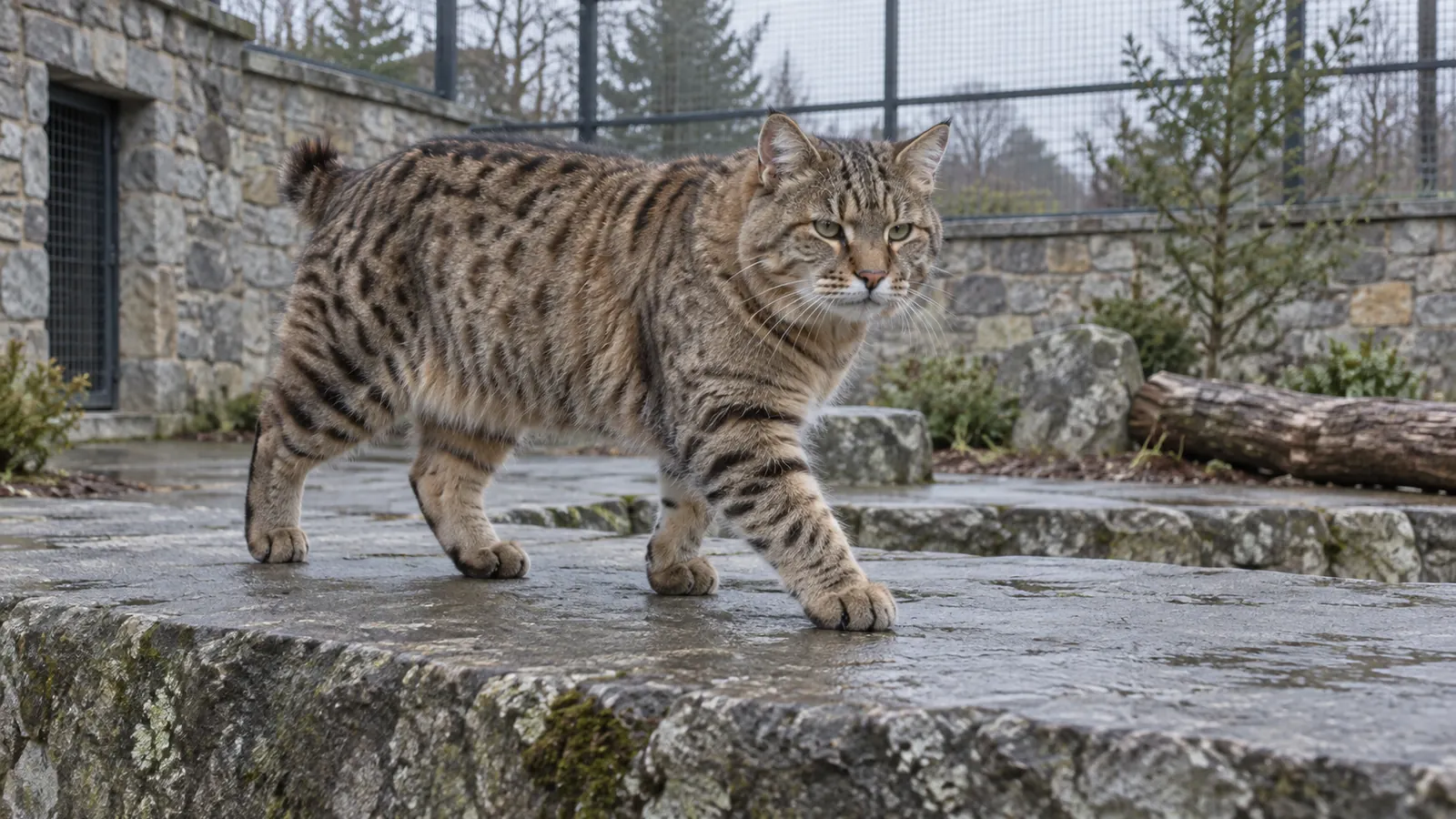
R
-
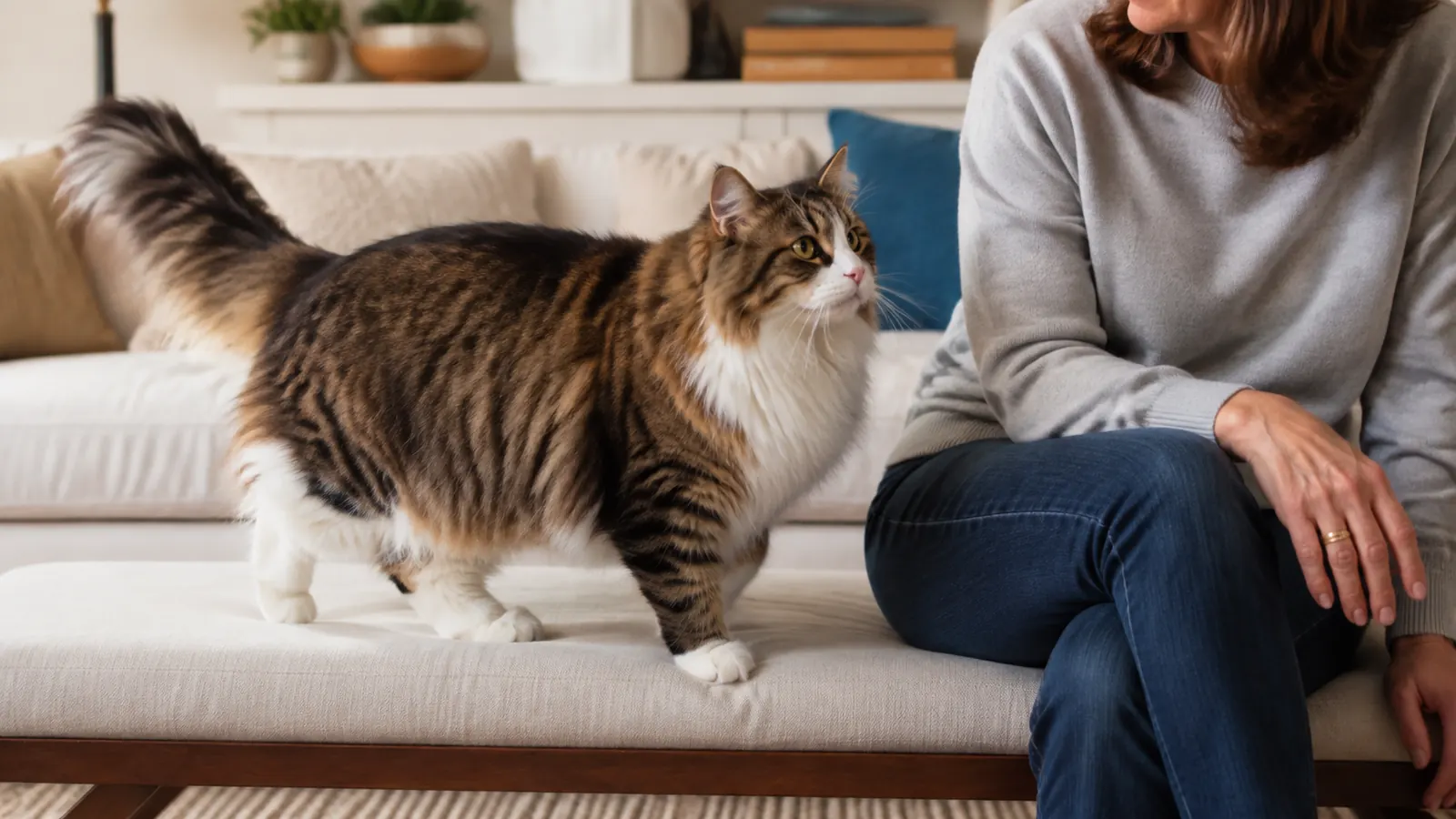
RagaMuffin Medium-large to large, substantially boned and slow to reach full maturity
-
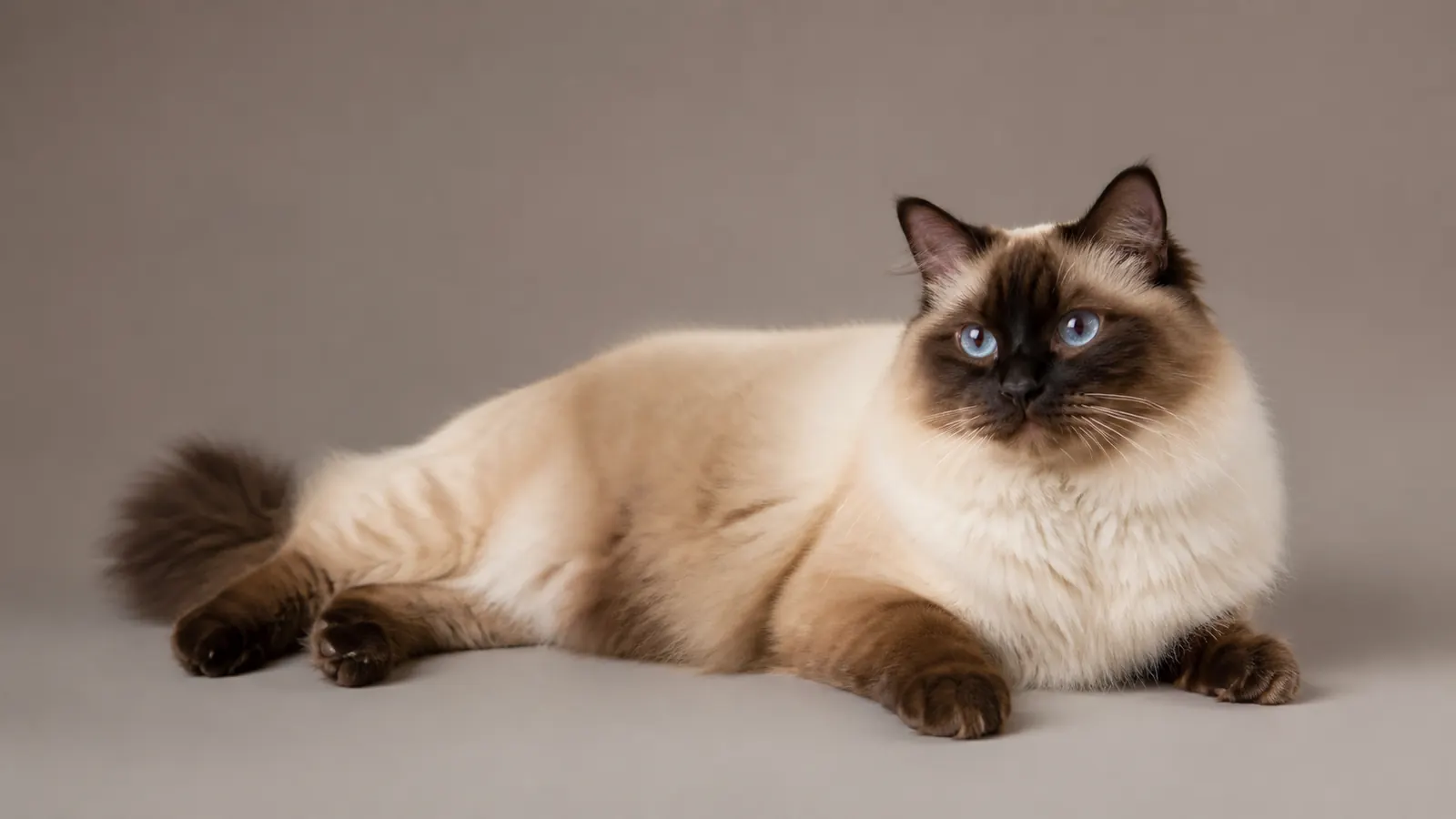
Ragdoll One of the largest breeds; slow to reach full size
-
Russian Blue Medium sized, fine boned, long and muscular with a graceful outline

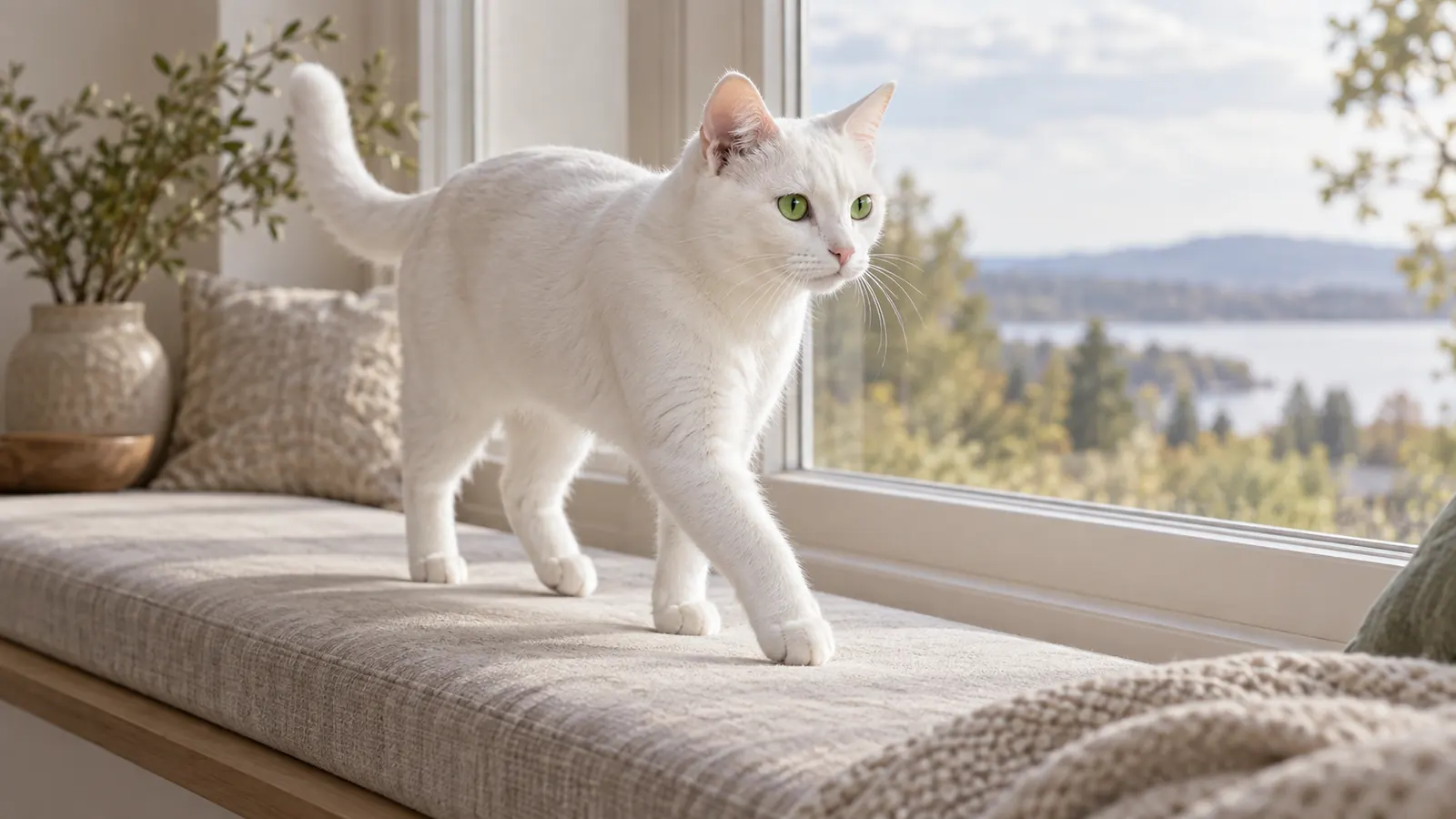
-
Russian White Medium, graceful and fine-boned, following the Russian Blue body type
S
-
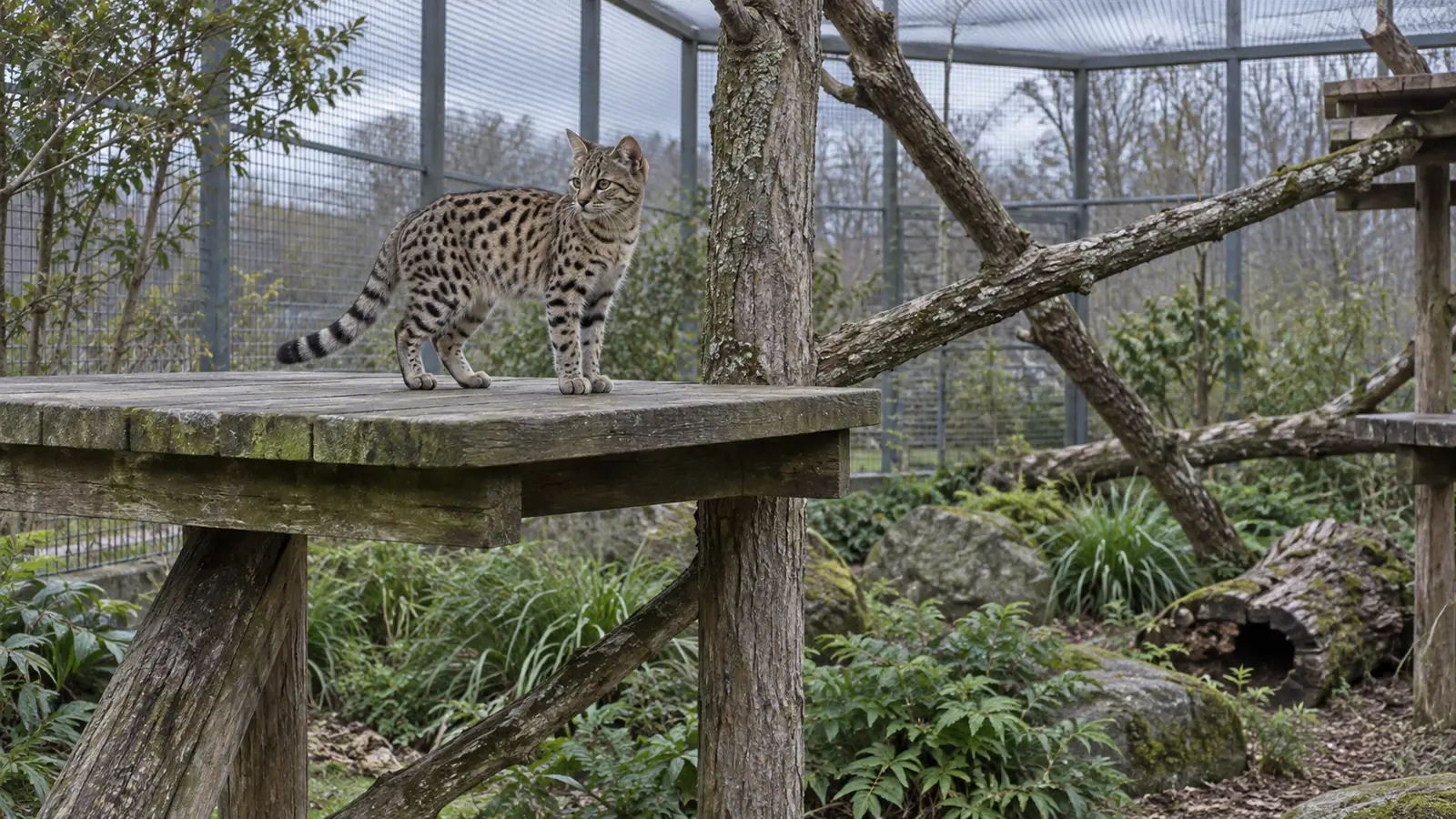
Safari Cat Variable by generation; early generations can be substantially larger than…
-
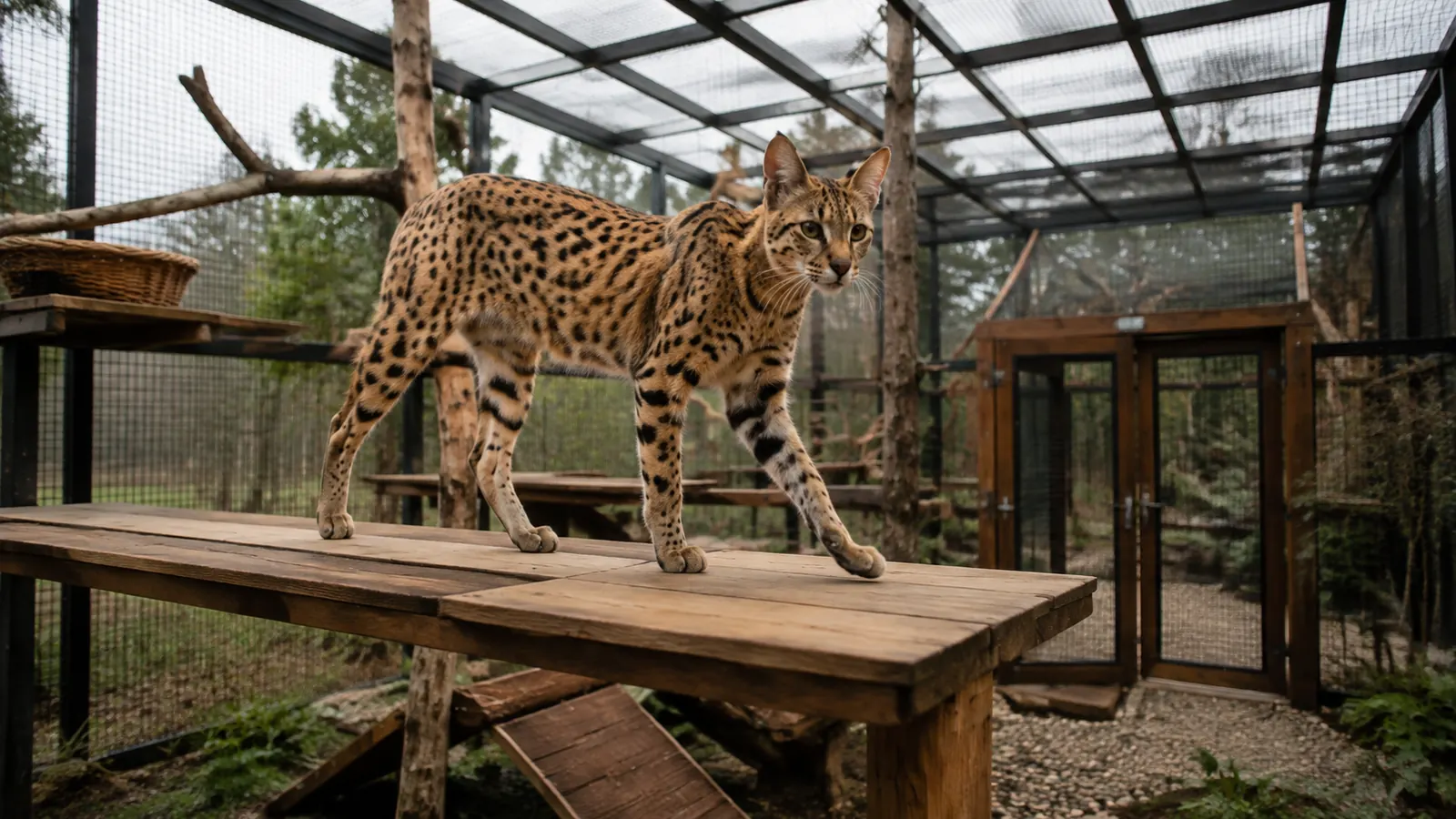
Savannah Tall and long legged; early-generation individuals can be larger and less…
-
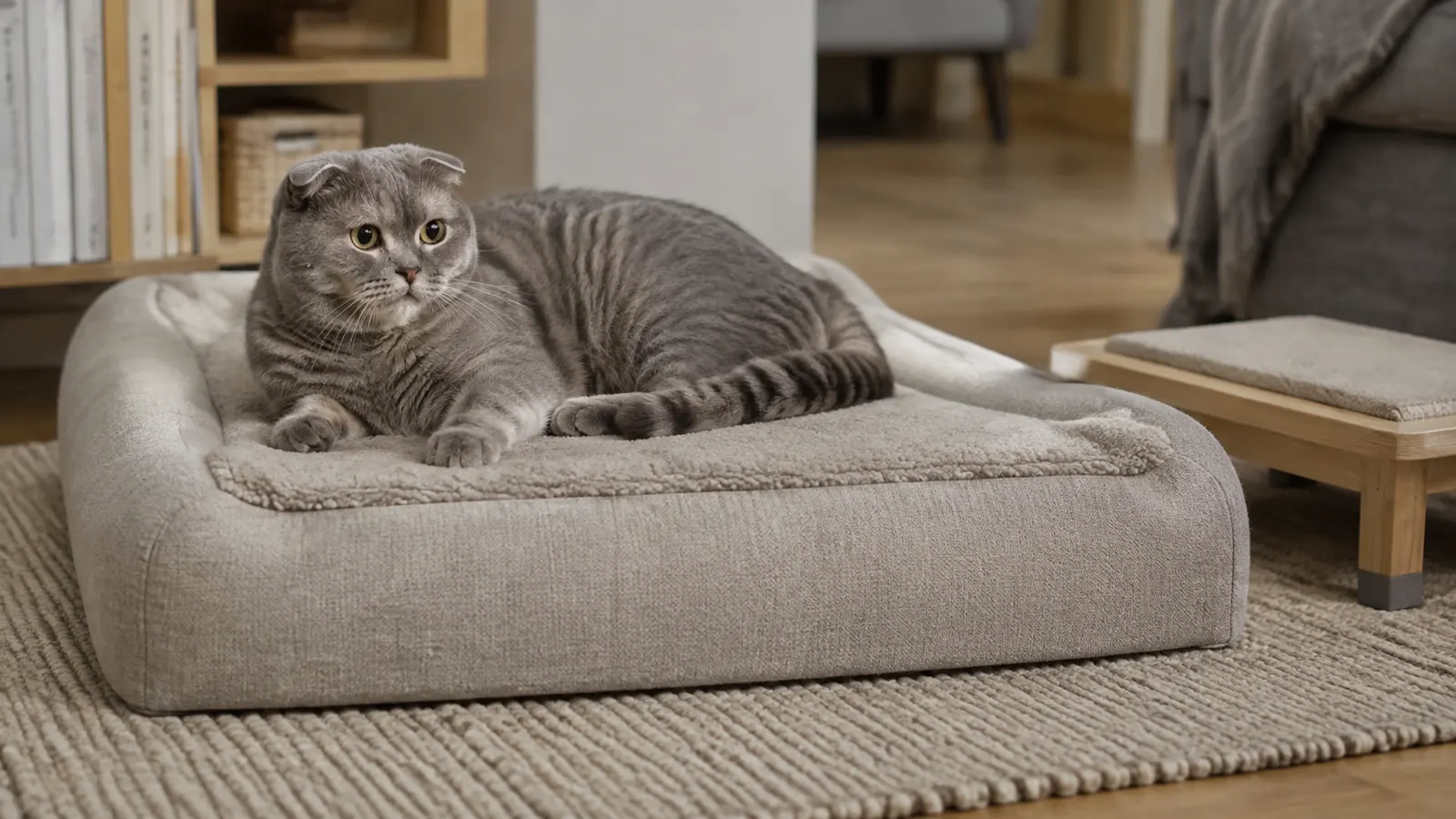
Scottish Fold Medium sized with a rounded body and head; appearance does not predict…
-
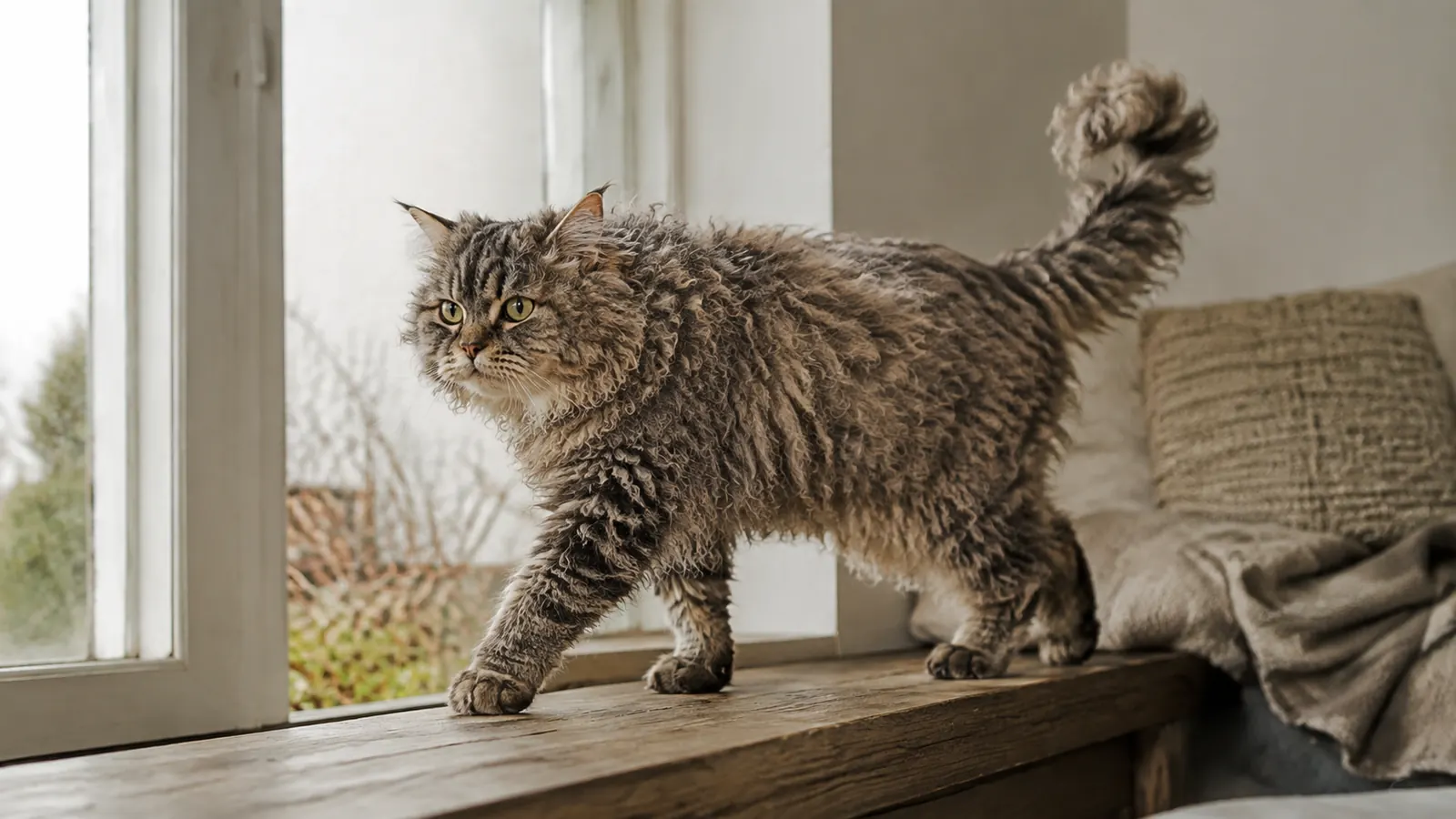
Selkirk Rex Medium to large, muscular and heavily boned, with a rounded head and…
-
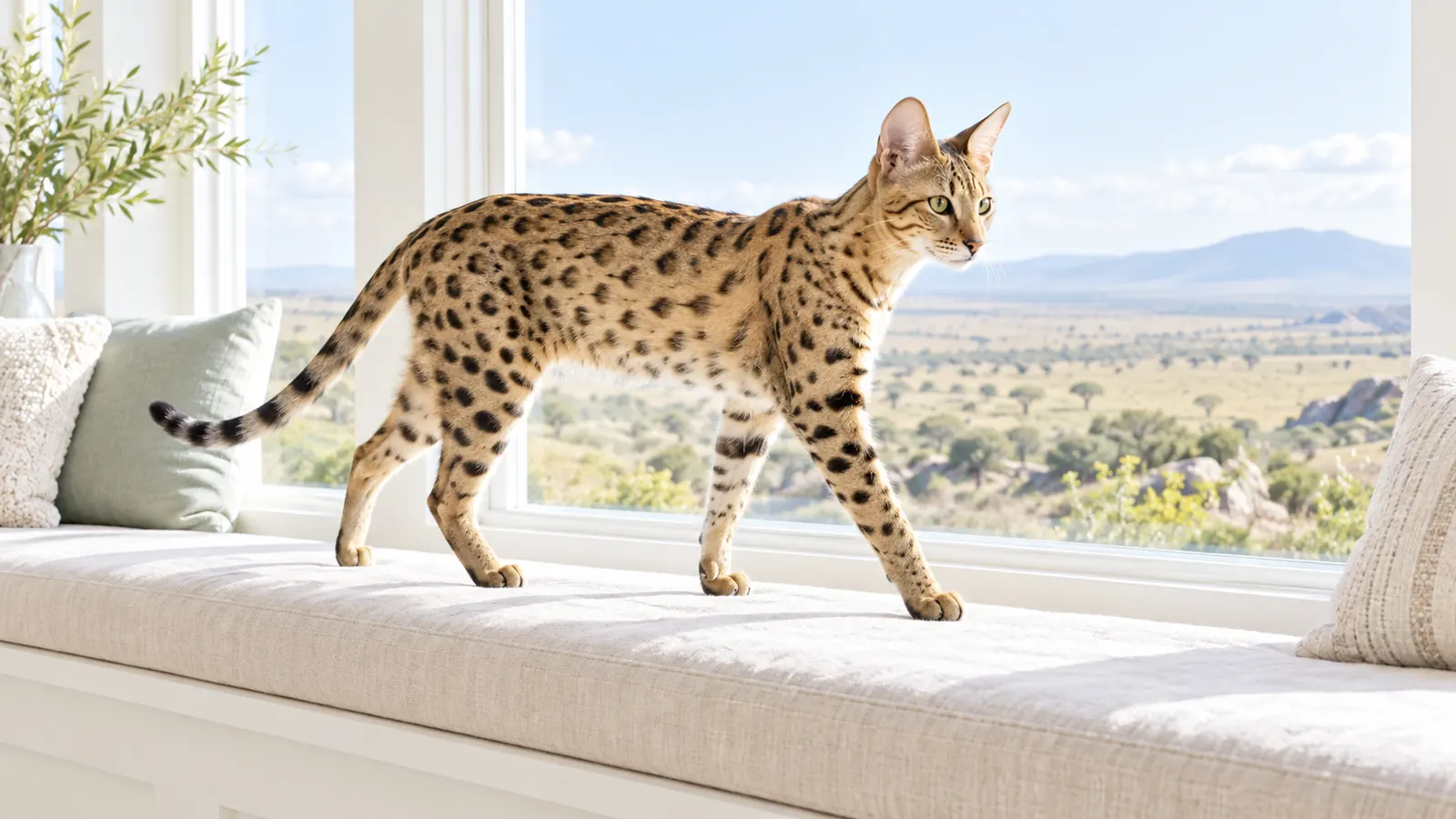
Serengeti Medium to large, long-legged and upright with a muscular but lean build
-
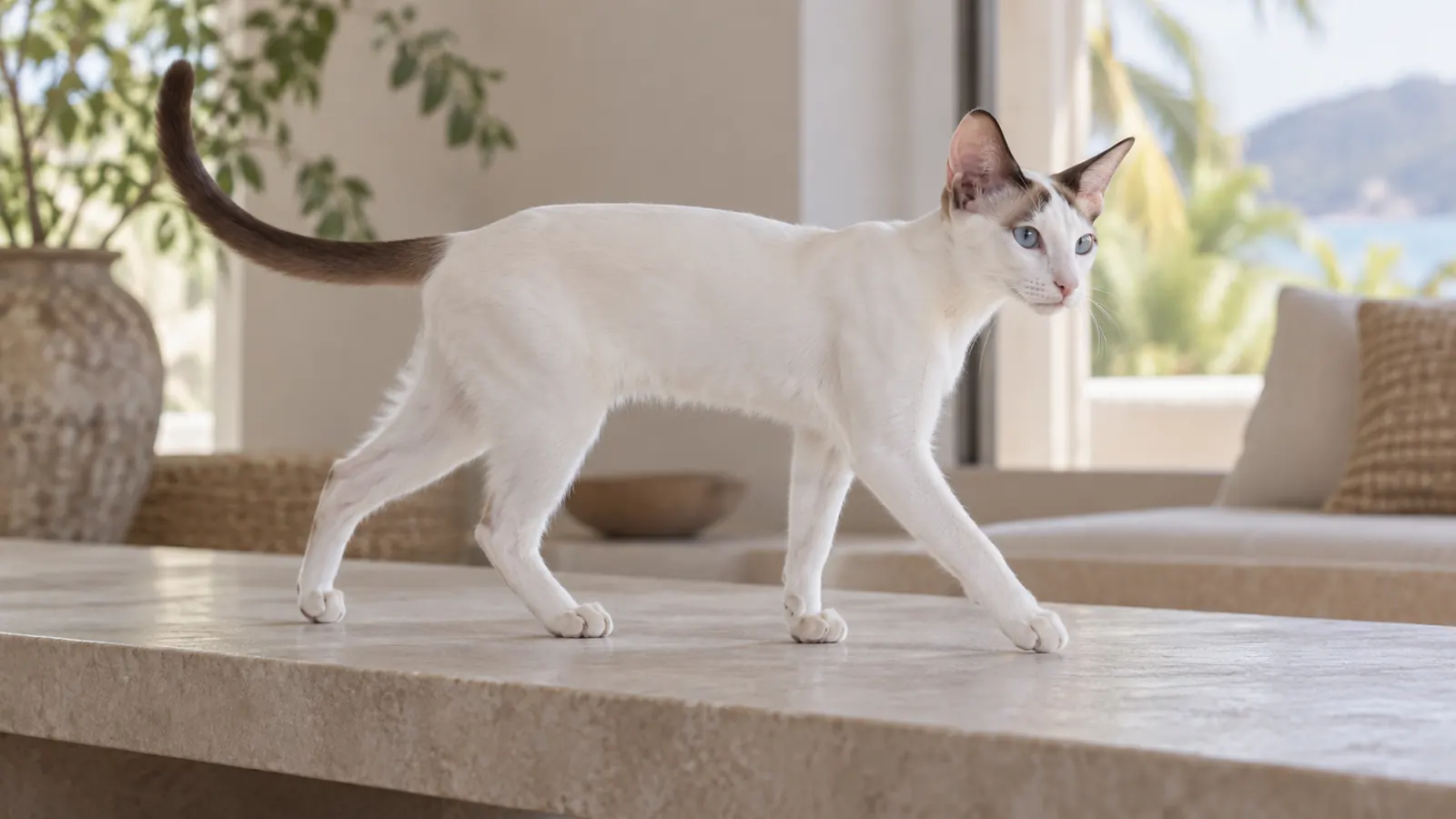
Seychellois Medium, long and fine-boned, following the Siamese body type
-
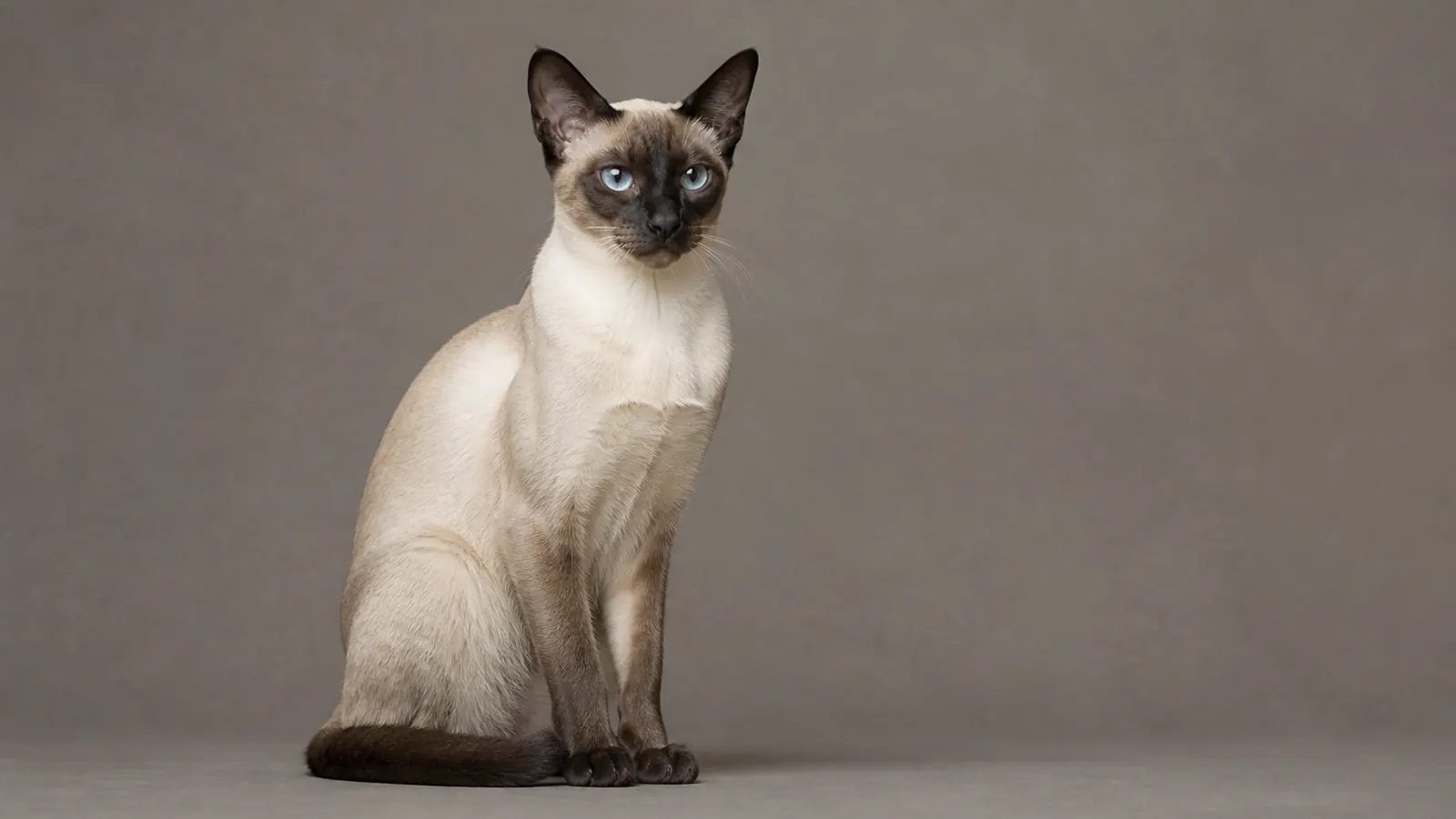
Siamese Slender and long limbed; lighter than it looks
-
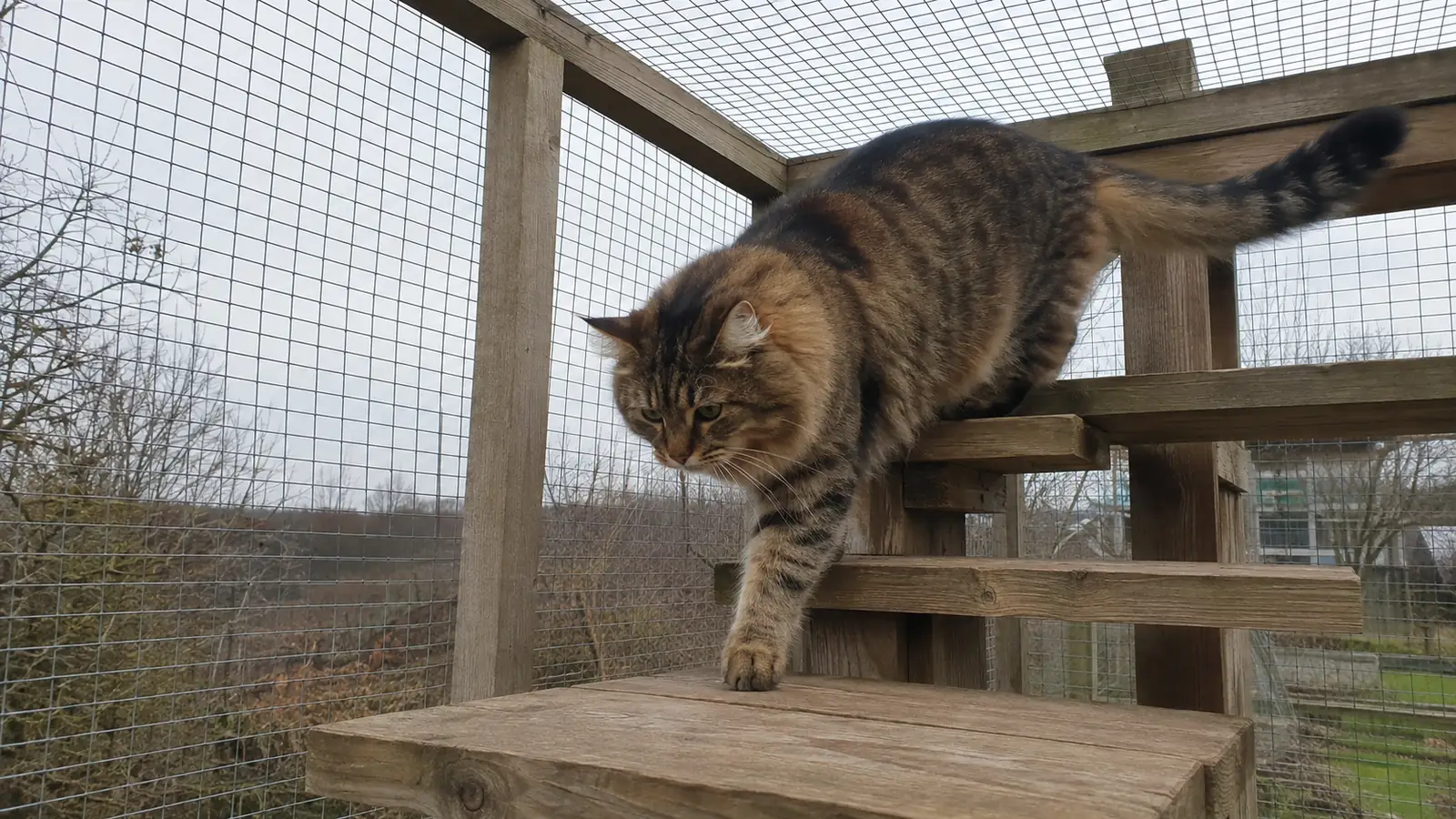
Siberian Medium-large to large, muscular and rounded, with powerful hindquarters and…
-
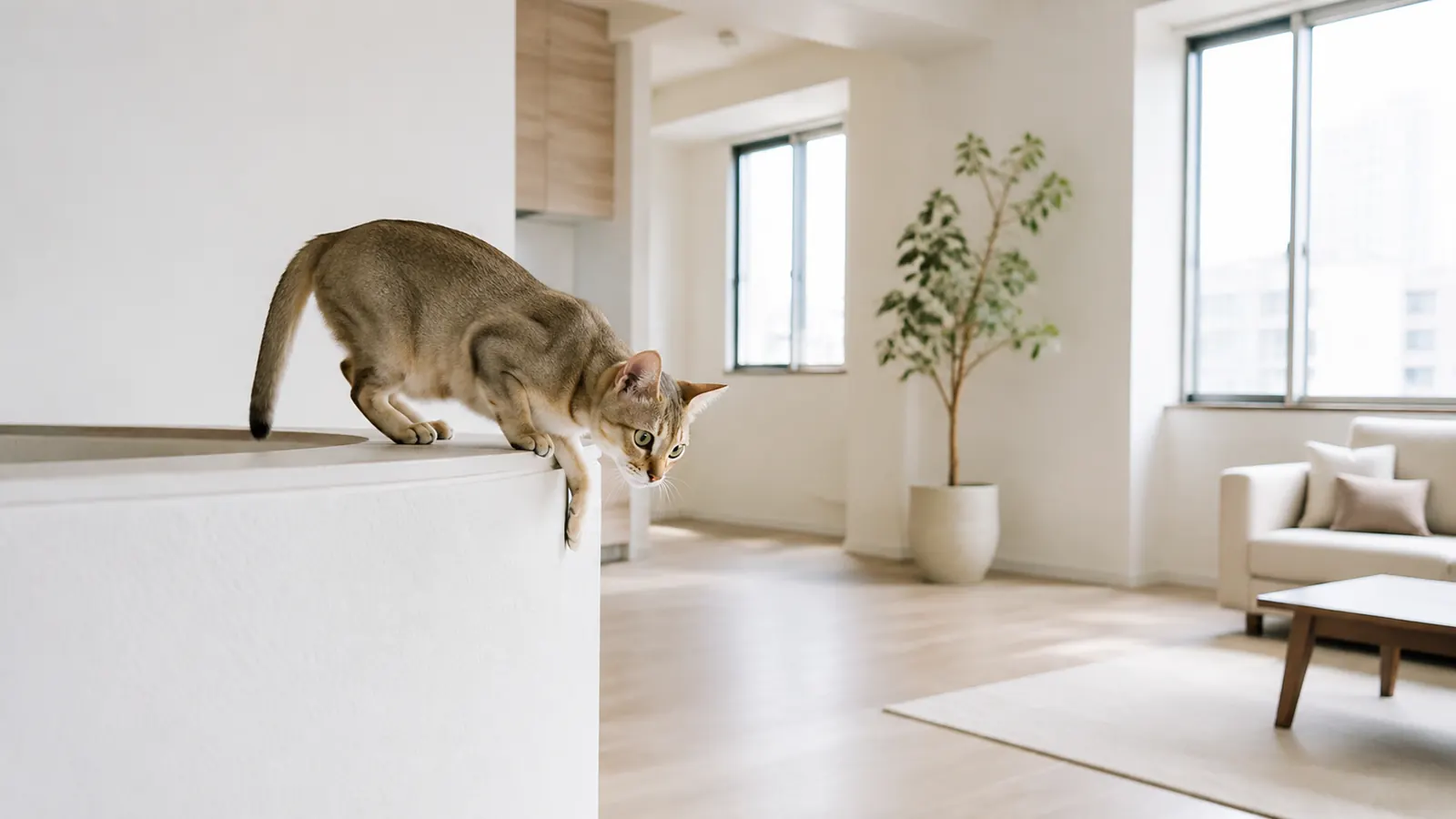
Singapura One of the smallest pedigreed breeds, compact and muscular rather than…
-
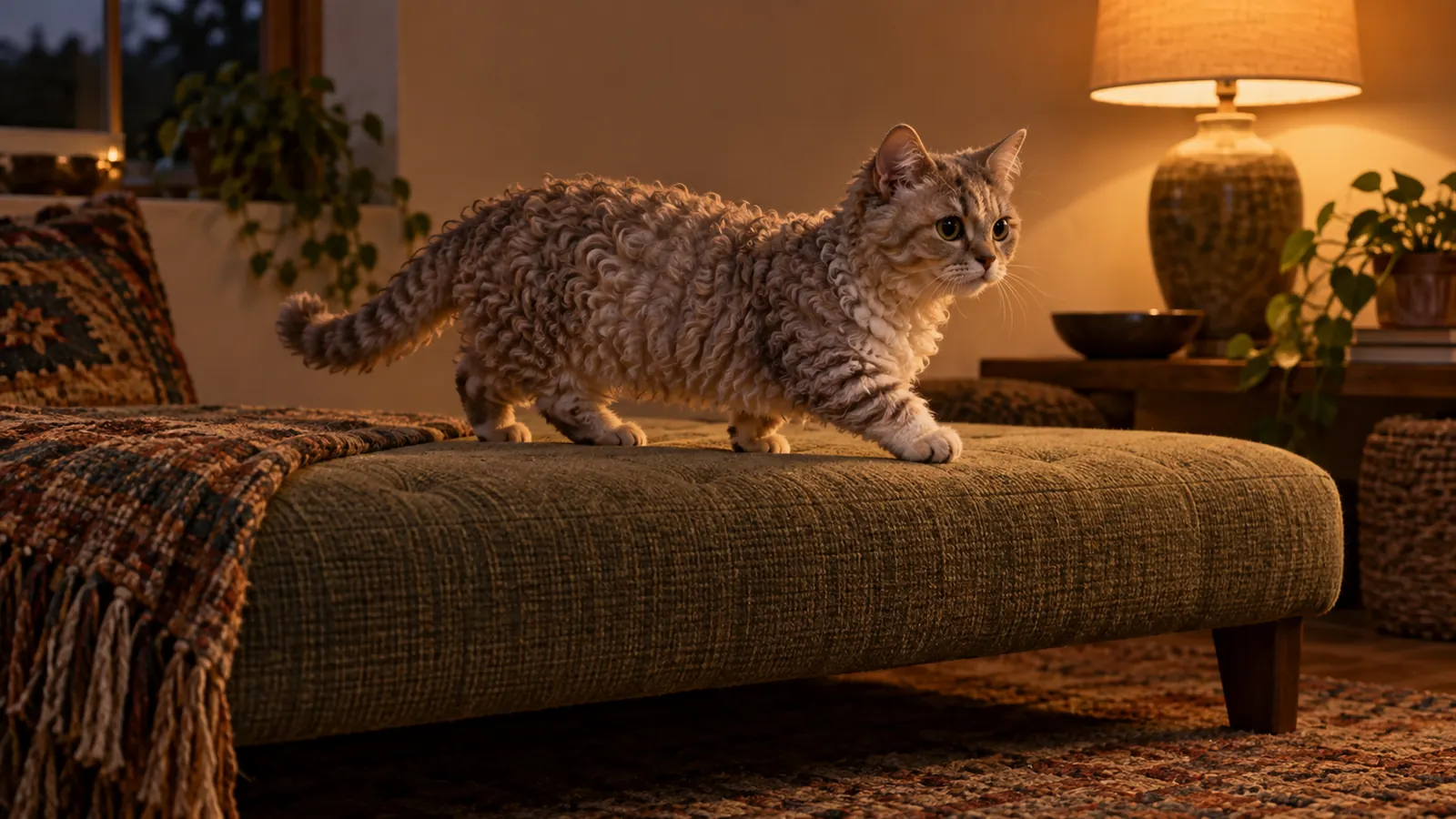
Skookum Small, with shortened forelegs and hindlegs from the Munchkin UGDH variant
-
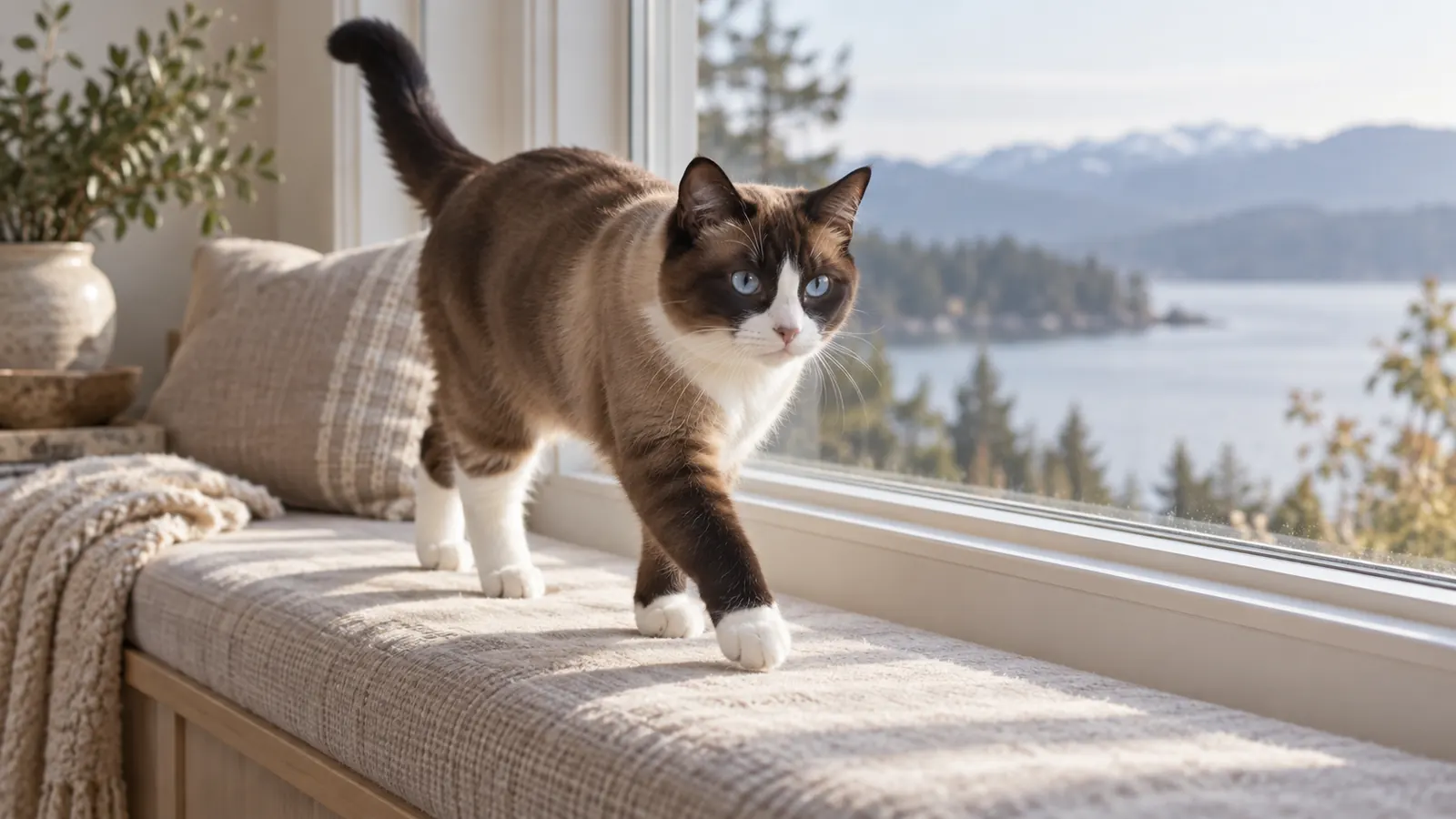
Snowshoe Medium, muscular and moderately built, heavier-boned than the Siamese
-
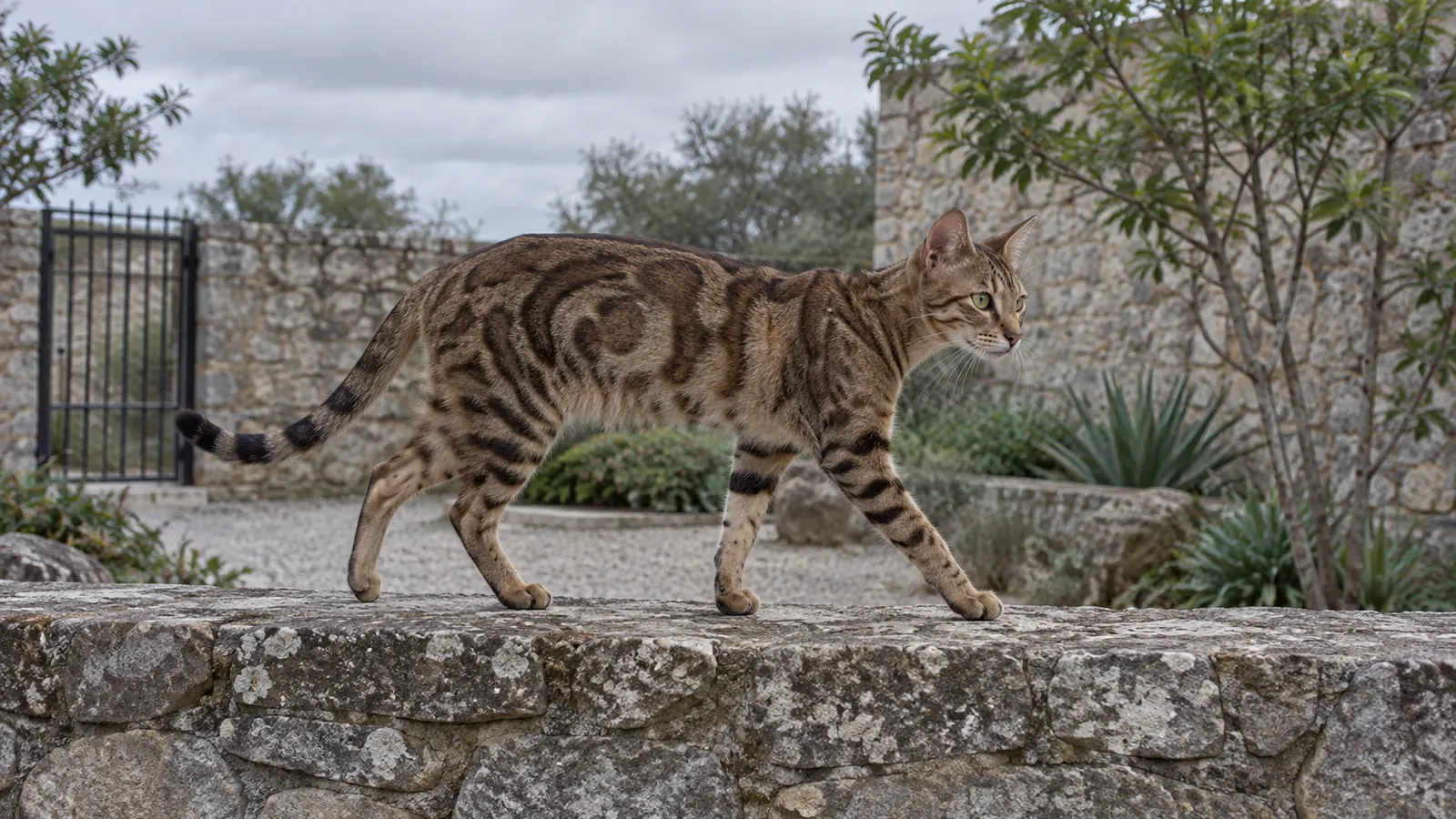
Sokoke Medium, lean and muscular with a long body, long legs and a notably small…
-
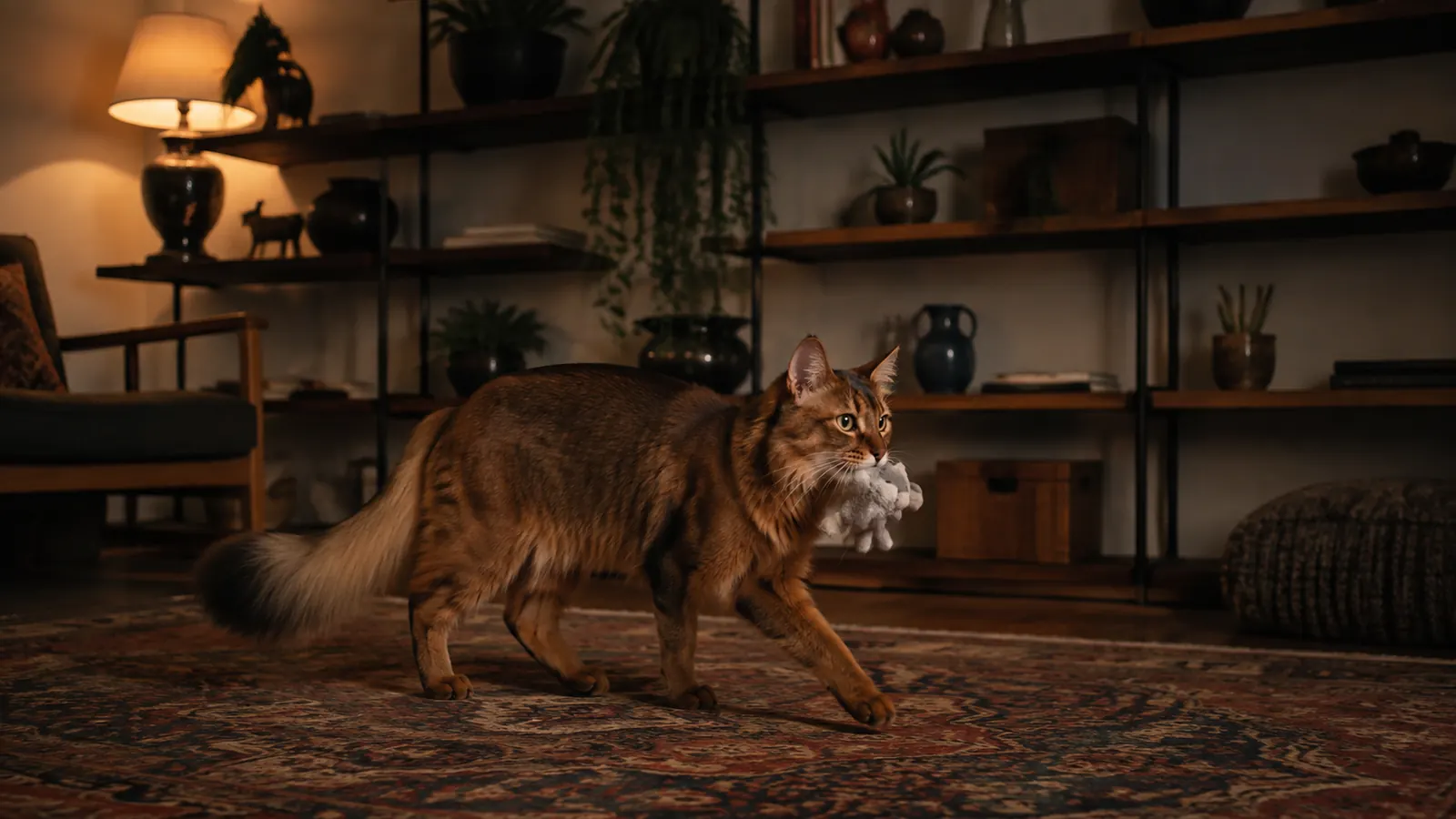
Somali Medium, lithe and muscular, with long legs, an arched back and a…
What a breed predicts, and what it does not
A breed is a population with a written standard and a closed or semi-closed gene pool. That gives you real information about coat, build, and tendency, and much weaker information about the individual animal in front of you.
Within any breed, temperament varies enormously. A confident Ragdoll and a nervous Ragdoll are both Ragdolls, and early handling usually explains more of the difference than pedigree does.
Breed history and coat type can indicate the likely workload, including grooming and health screening. They cannot reliably predict how one cat will cope alone or behave in one household, so the profile should be a starting point for questions rather than a promise.
Choose a breed for the workload it brings, not for the personality you hope to get.
Plan for the demanding end of the likely care range before bringing the cat home. It is easier to discover that an individual needs less grooming or activity than to meet needs the household never budgeted for.
The four questions worth answering before the look
Almost every regretted purchase traces back to one of four things nobody asked about.
- Coat
- How many minutes a day, every day, for the next fifteen years
- Company
- Whether the cat copes with an empty house on a working day
- Activity
- Whether the home can supply climbing and problem-solving
- Screening
- Which inherited conditions the parents were tested for
The coat question is often underestimated. Grooming frequency changes with coat texture, season, age and the individual cat; tight mats close to the skin need professional help rather than scissors at home.
Ask how the individual cat currently responds to time alone and what social contact it is used to. Breed tendencies can inform the question, but they do not prove that a particular cat will be content or distressed in an empty home.
A breed described as devoted is a breed that does badly alone.
Screening is the part a breeder can actually prove
Health claims about a breed fall into two categories, and only one of them is checkable.
A DNA test gives a result on a specific variant for a specific cat, with a date. It either exists on paper or it does not.
A screening programme, such as heart scanning, gives a result at a point in time rather than a lifetime guarantee, which is why the date on it matters.
Everything else, including "our lines are healthy" and "we have never had a problem", is an assurance rather than evidence.
- Ask for results on both parents, not on the line in general
- Ask for the date, because a scan is a snapshot rather than a clearance
- Ask which registry the litter was bred to, since standards differ between them
- Ask to see the kitten with its mother and littermates
- Ask what the breeder screens for and why, and listen for a specific answer
A result names the disease and the date. An assurance names neither.
Pedigree, moggy, and what the paperwork buys
A pedigree is a record of ancestry, not a certificate of health. It tells you the cat belongs to a registered population and it says nothing on its own about the individual.
For some breeds the practical difference from a random-bred cat is small. An American Shorthair and an ordinary shorthaired cat can be indistinguishable to look at, and the pedigree buys predictability rather than quality.
What the paperwork genuinely buys is a known background: which cats are behind this one, what they were tested for, and what the breeder is accountable for.
Random-bred cats carry a broader gene pool and usually a shorter list of breed-specific problems. They also come with less predictability, which cuts both ways.
Neither route is better. One buys predictability and one buys variety, and both need a vet.
The shapes that carry a cost
Some breed traits are structural rather than cosmetic, and it is worth being direct about which.
A flattened face changes the airway, the tear ducts, and the way the jaw meets. The more extreme the shape, the more daily management the cat needs and the higher the chance of surgery.
A shortened or absent tail in some breeds is linked to spinal variants, which is why the genetics behind a bobtail matter more than the look of it.
A coat with no guard hairs changes heat regulation, and a cat that loses heat quickly needs a warmer home and eats more to compensate.
None of these makes a breed a bad choice. They make it a choice with a specification attached.
A dramatic feature is a trade rather than a bonus, and the trade is usually daily.
Matching a breed to an actual household
The useful exercise is to describe the household honestly first and then find breeds that fit it, rather than the other way round.
- Write down how many hours the house is empty on a normal weekday.
- Write down how many minutes a day you will genuinely spend grooming.
- Write down whether there are young children, dogs, or other cats already.
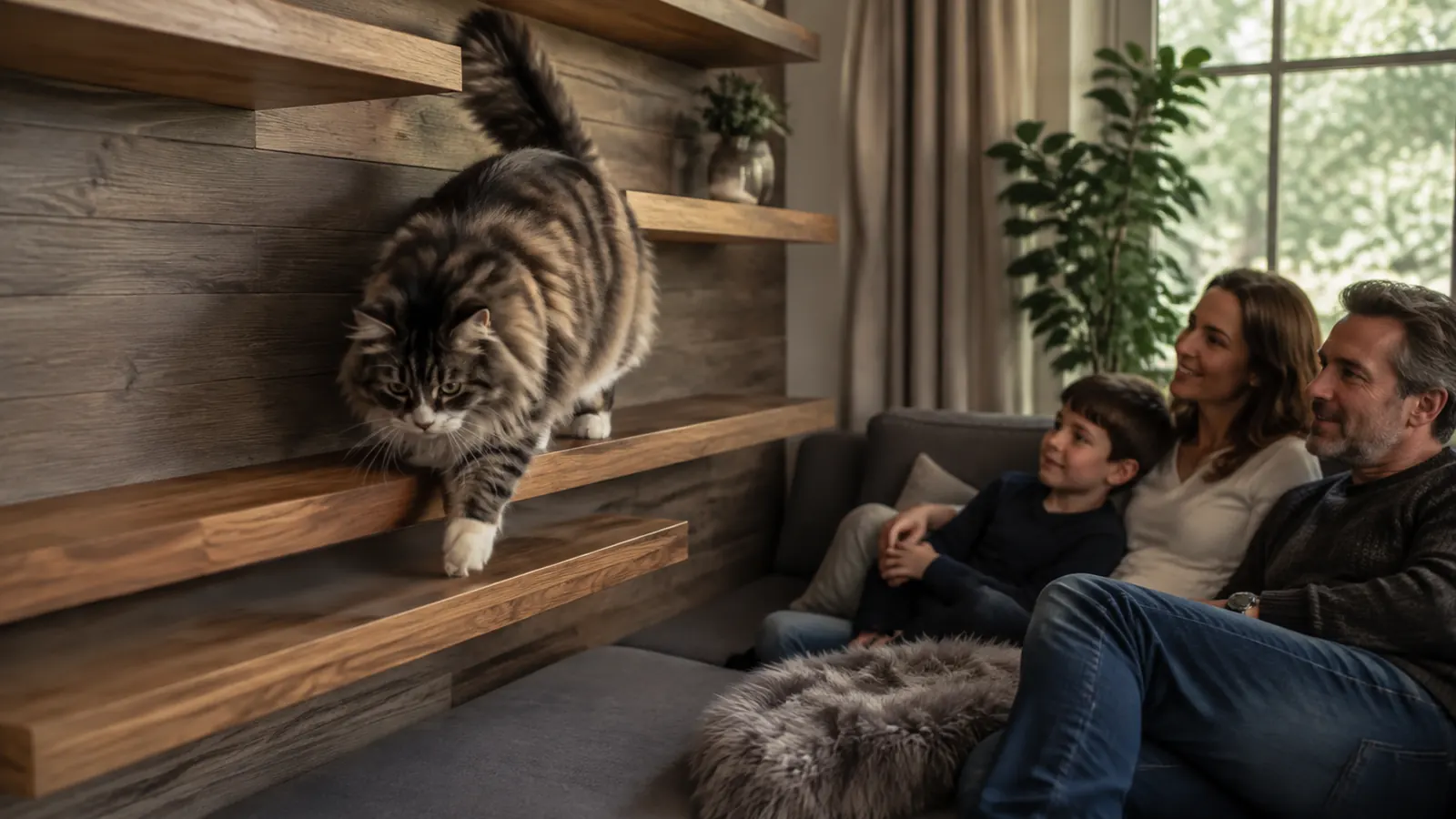
- Write down whether the home can take shelving, a tall post, and a catio.
- Only then start looking at breeds against those four answers.
Households with young children need a cat whose observed handling tolerance and escape options suit the home. A second cat is not an automatic answer to long absences, because even littermates may not remain socially compatible.
Small flats can suit very active breeds provided the space goes upwards, because a room with a route to the ceiling is a bigger territory than a large flat floor.
A large flat area with nothing to climb is a smaller territory to a cat than a small room with a route up.
Reading a breed standard without being misled by it
A breed standard is written for show judges. It describes the ideal animal in a ring, and it is a useful document for exactly that purpose.
What it is not is a care guide. A standard will tell you a breed should be substantial with good muscular development and say nothing about how much that cat eats or how long it takes to groom.
Standards also differ between registries, sometimes sharply. The same breed name can cover two visibly different cats depending on which body the line was bred to, which matters when you compare a kitten against a document.
Two phrases are worth reading closely wherever they appear. Devoted and people-oriented are describing a cat that copes badly alone. Active and intelligent are describing a cat that will find its own entertainment if you do not supply any.
A standard describes what a judge rewards, not what a household lives with.
The gap between the two is where most disappointment sits, and it is why the daily workload is worth establishing before the appearance.
Before you contact anyone
Two practical points save a great deal of difficulty later, and neither is about the breed.
The first is to see the kitten with its mother, in the place it was raised. A breeder who will only meet elsewhere has removed the one observation that tells you most.
The second is timing. Minimum rehoming ages vary with local law and organisation policy, while development and health also matter; ask the breeder or rescue to explain the kitten's weaning, socialisation and veterinary record.
Adopting an adult is worth considering rather than treating as a fallback. An adult cat's temperament is already visible, which removes most of the guesswork a kitten involves.
With an adult cat you can see what you are getting, which is the one thing a kitten cannot show you.
Where to get a cat, and what each route involves
The breed question and the source question are separate, and the second one affects the cat's life more than the first.
A rescue or shelter cat is usually already neutered, vaccinated, and chipped, and its temperament has been observed by people with no reason to oversell it. Adults are the strength here, because what you see is what you get.
A registered breeder gives you a known background, health testing on the parents, and a kitten raised in a house rather than a shed. The waiting list is a good sign rather than an obstacle.
A private advertisement is the route where most problems start. There is no health testing, no registry accountability, and no way to verify the age or the mother.
- See the kitten with its mother, in the place it was raised
- Ask for the parents' test results, with dates, and expect to be shown them
- Expect to be questioned in return, because a good breeder is selective
- Walk away from anyone who offers to meet in a car park
- Be wary of a kitten available immediately, in the colour you asked for
A breeder asking you difficult questions is doing the job properly.
Whichever route, a vet check within the first few days is worth booking before the cat arrives rather than after.
More About Living With a Cat
One question usually leads to the next one.
-
Health
What a change in a cat usually means, and how fast it needs looking at.
Browse -
Food safety
One of six verdicts per food, with the reasoning and the sources.
Browse -
Nutrition
How much, how often, and how a cat gets enough water.
Browse -
Litter box
Setup, substrate, placement, and what the tray tells you.
Browse