Life stages

Kittens, Adults, and Cats Growing Older

The same cat needs different things at eight weeks, at eight years, and at fifteen. Growth, appetite, sleep, and tolerance of handling all shift, and they do not shift together.

Several changes owners write off as old age are treatable conditions. Weight loss with a good appetite, drinking more than usual, and hesitating at the stairs all have names and treatments.

Kittens, Adults, and Cats Growing Older
Start here

The Stage That Catches People Out

The same cat, at three different specifications

A cat at eight weeks, at eight years, and at fifteen is running on different requirements, and almost every avoidable problem in this area comes from applying one stage's rules to another.

Kittens are building a body and a set of expectations about the world at the same time, and both windows close.

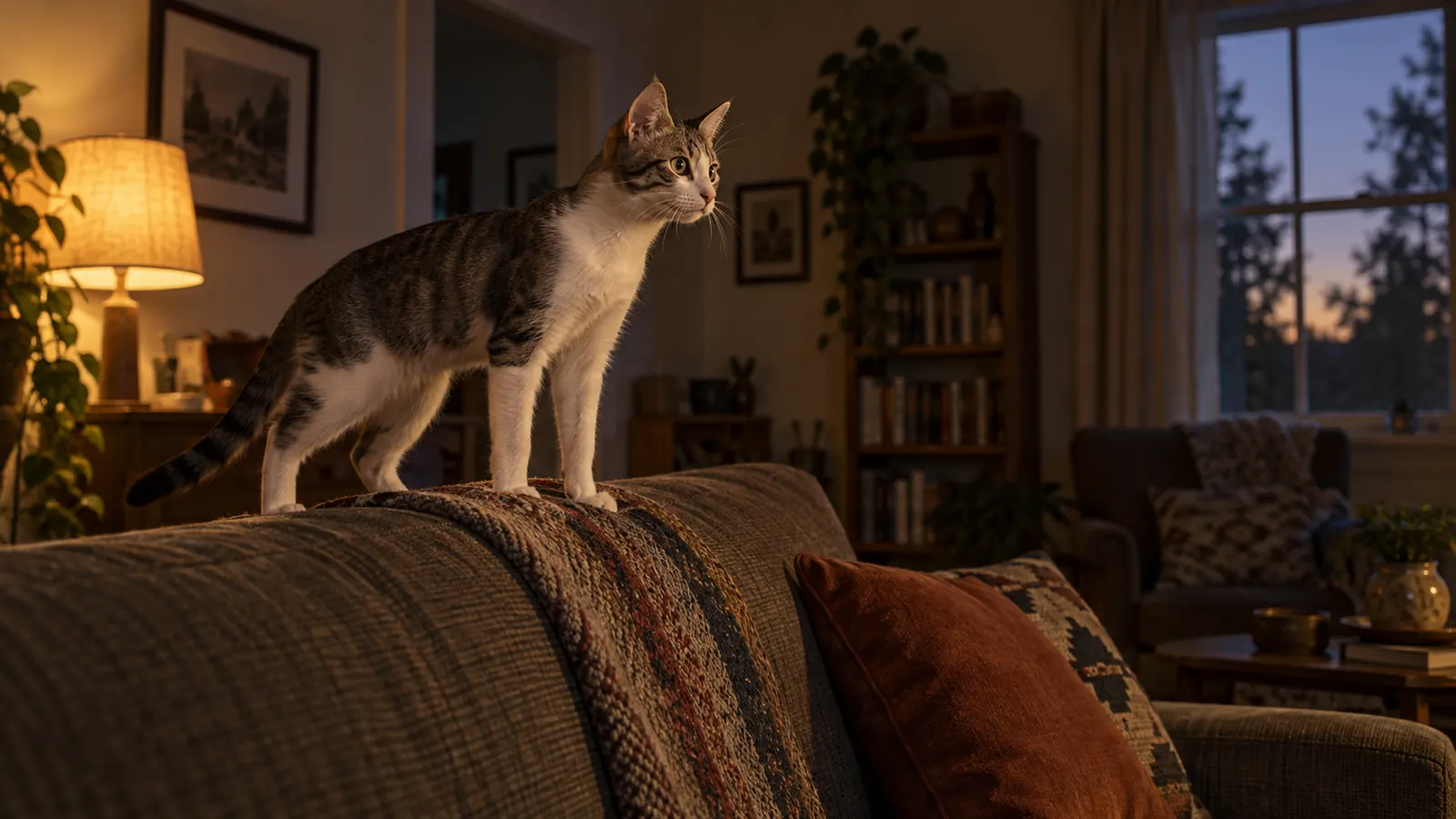
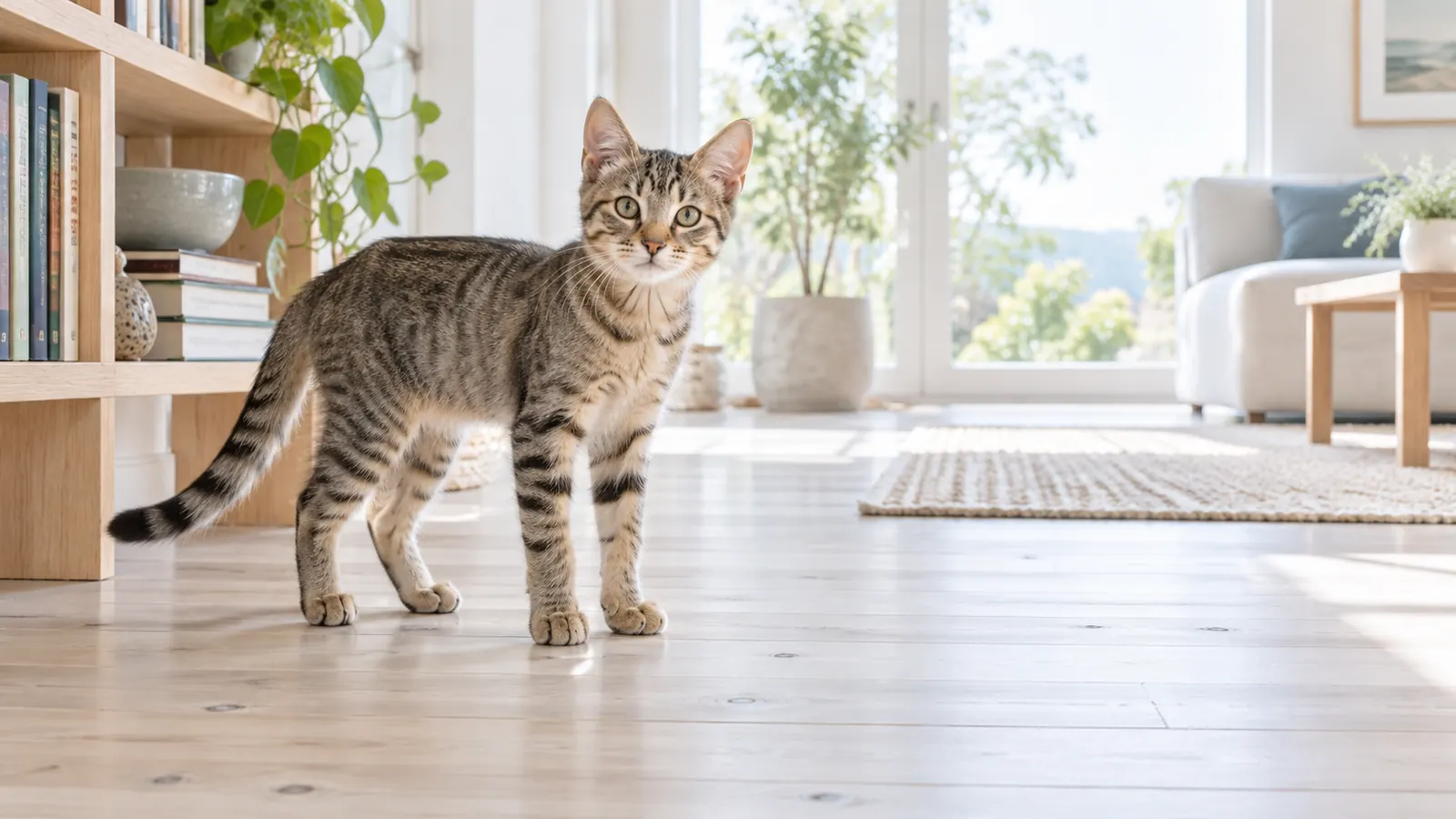
Adults are the long plateau where the main risks are weight and boredom rather than growth or decline.

Older cats change in ways that look like personality and are usually physical.

Growth, appetite, sleep, and tolerance of handling all shift with age, and they do not shift together.

Kittens

The First Year, and What It Sets

A kitten does most of its learning about people, handling and food inside a window that closes early. What happens in those few weeks is still visible in the cat a decade later.

  • Life stages

    Adolescent behaviour

    Adolescent behaviour can reflect sexual maturity, normal activity, learning, stress, pain or the home environment…

  • Life stages

    Adult size

    A cat's frame, muscle and body fat do not change on one fixed timetable. Most cats enter the adult life stage around…

  • Life stages

    Starting solid food

    Weaning usually starts around four weeks and finishes around eight to ten. Offer solids gradually while checking each…

The socialisation window, which is short and closes early

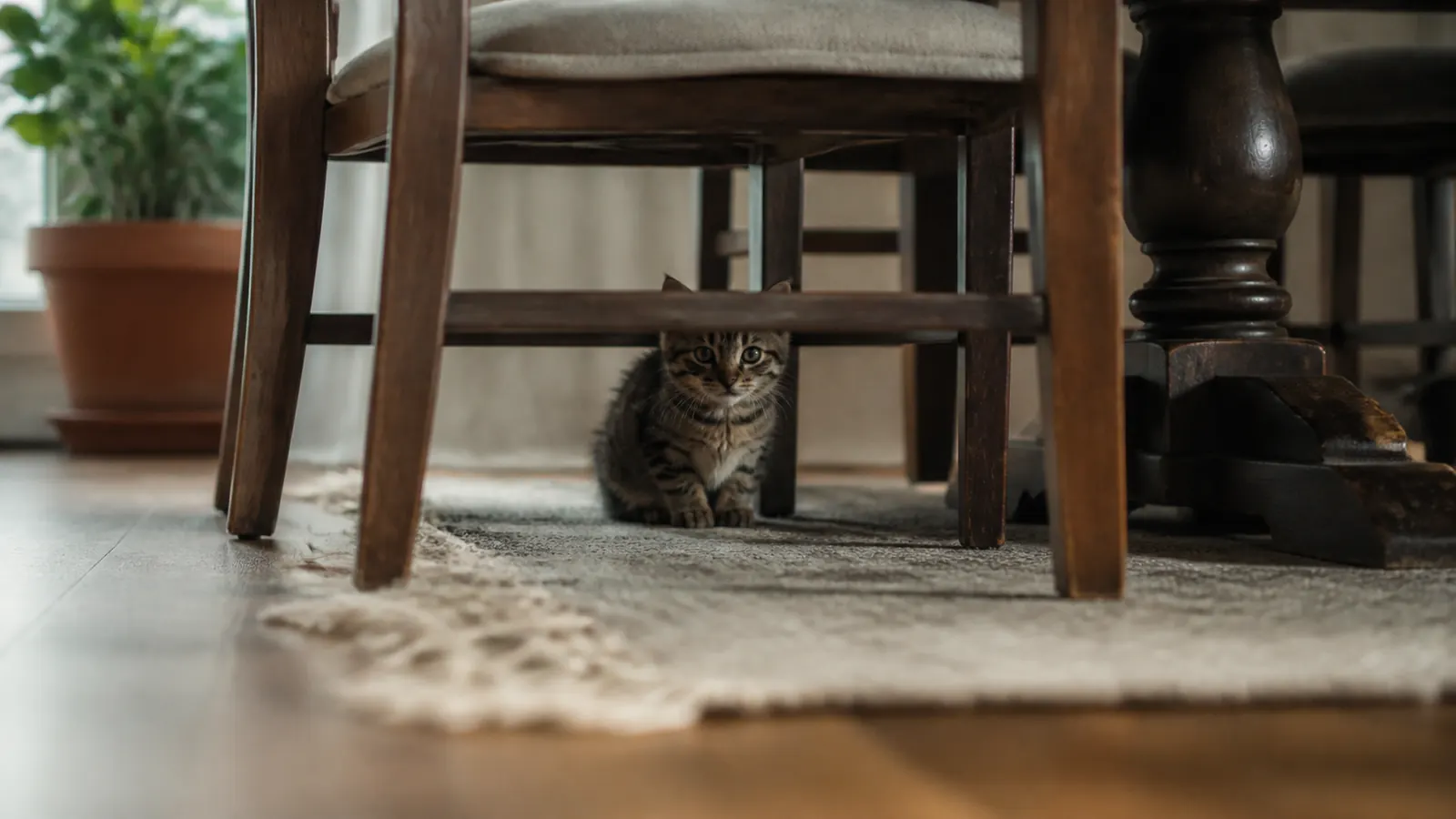
An important early socialisation period begins before most kittens go to a new home, and learning continues afterwards. Early experience matters, but it does not lock every adult response into place.

What happens in that window is not training. It is the kitten deciding what counts as ordinary, and things met calmly then are usually accepted for life.

This is why a breeder or fosterer who raises kittens in a busy house matters more than almost anything else on a checklist.

After that window, new things are learned rather than absorbed, which takes longer and works less completely.

A kitten raised in a quiet back room has missed something that cannot be fully added later.

The fear periods guide covers the wobbles that follow in adolescence and what to do during them.

Weaning, and why eight weeks is a floor

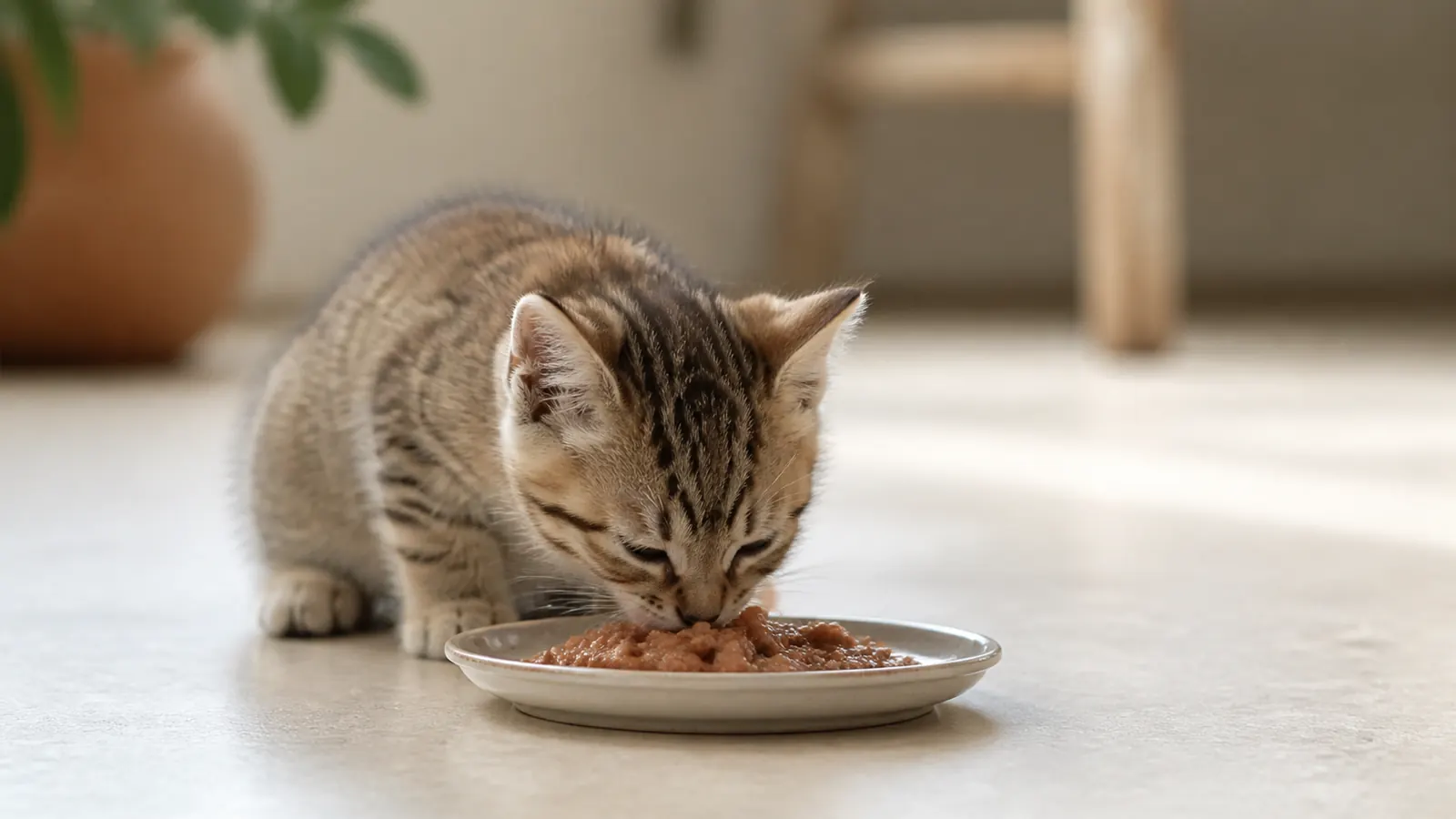
Kittens start showing interest in solid food around four weeks and are usually eating it properly by seven or eight.

The process is gradual on purpose. Milk is replaced over weeks rather than swapped out, and the mother regulates the pace.

  1. Offer an age-appropriate kitten food in the texture and timing advised for that litter's development.
  2. Expect the first attempts to be walked in rather than eaten.
  3. Reduce the moisture over two or three weeks as the kitten manages more.
  4. Keep the mother available throughout, because she is teaching as well as feeding.

Leaving before eight weeks costs both nutrition and social learning, and the social half is the part that does not recover.

A kitten leaving its mother early loses lessons from her, not only milk.

The weaning guide sets out the timeline week by week.

The first year, in stages rather than as one block

Growth is not steady, and the requirements change several times inside twelve months.

Eight to sixteen weeks
Vaccination course, worming, and constant social exposure
Four to six months
Adult teeth arrive, chewing increases, play gets rough
Around six months
Neutering is usually discussed, before behaviour sets
Six to twelve months
Growth slows, energy stays high, boredom becomes the issue
Around twelve months
Most breeds are structurally adult, some are not

The switch from kitten food to adult food is judged by whether growth has stopped, not by the first birthday. Several large breeds are still filling out well past a year.

Judge the switch to adult food by whether the cat has stopped growing, not by its age.

Adulthood, where the risk is quiet

The middle years produce the fewest questions and two of the biggest long-term problems.

The first is weight. A neutered indoor adult needs meaningfully less food than the bag suggests, and gain is slow enough that nobody notices until a photograph does.

The second is under-stimulation. An adult cat with nothing to solve, nothing to climb, and nothing to hunt develops behaviours that get described as problems.

Both are easier to prevent than to reverse. Measure food, use safe feeding activity the cat can solve, and provide play whose frequency and intensity match its health and interest.

The middle years are where the problems of the later years are quietly built.

What changes in an older cat, and when

Cats are generally considered senior from around eleven, though the changes start earlier and arrive at different times.

Sleep increases, activity drops in bursts rather than steadily, and the cat becomes less tolerant of disturbance. Hearing and sight decline gradually enough to be invisible.

  • Weight, checked monthly rather than judged by eye
  • Drinking, which is easier to measure than to estimate
  • Litter tray habits, including whether the cat is missing the edge
  • Willingness to jump, and whether favourite high spots have been abandoned
  • Grooming, especially along the spine and hind end
  • Night-time vocalising, which is common and not simply noise

Several of the changes people write off as old age have a name and a treatment.

The signs of ageing guide separates normal ageing from disease that ageing gets blamed for.

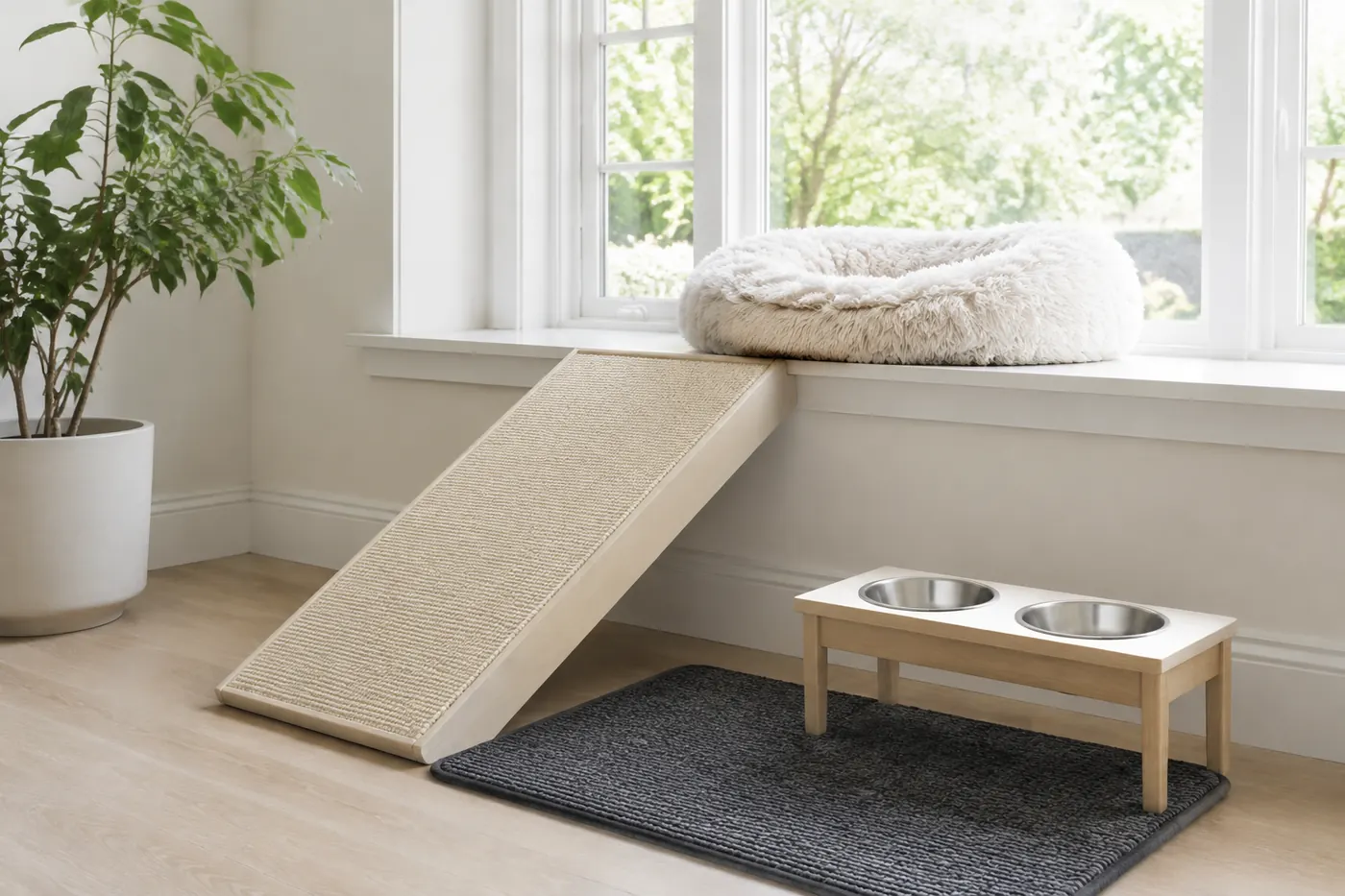
A low ramp leading up to a windowsill bed in a bright room, with a raised food bowl stand and a thick non-slip mat at its foot

Adapting a home rather than the cat

Most of what an older cat needs is a change to the furniture rather than a change to the cat.

An arthritic cat is not refusing the tray; it is failing to climb into it. A low entry point on one side, with the other sides kept high, solves that without scattering litter.

Steps or a ramp to a favourite windowsill keep a cat using a space it would otherwise abandon. Beds move to floor level and away from draughts.

Put food, water and trays where the older cat can reach them comfortably without being blocked by stairs or another animal. The arrangement should follow mobility and the rooms that cat still uses.

An old cat missing the tray is usually telling you it hurts to climb into it.

The adapting the home guide covers the changes in the order worth making them.

The last stage, and the questions worth asking early

This part is uncomfortable and it is better considered before it is urgent.

Quality of life in cats is assessed on a small number of practical things: appetite, hydration, pain, mobility, grooming, and whether the cat still does the things it enjoyed.

Tracking those in a notebook over weeks gives a trend, and a trend is far more useful than a judgement made on a bad afternoon.

A vet will discuss this honestly if asked, and asking early gives you options rather than decisions made in a crisis.

Write down the good days and the bad ones. The pattern tells you more than any single day can.

Bringing a new cat into a home that already has one

Introductions fail for the same reason at every age: they happen too fast, in the wrong order, and in one direction.

The principle is that the two cats should associate each other with good things before they ever meet, and that the newcomer should not arrive in the resident cat's territory all at once.

  1. Give the new cat one room with everything it needs, and keep the door shut.
  2. Swap bedding between the two, so each learns the other's scent as ordinary.
  3. Feed both cats either side of the closed door, far enough back that both eat.
  4. Let the new cat explore the house while the resident is shut elsewhere, then swap.
  5. Allow brief supervised meetings only once both eat calmly at the door.

Kittens are usually accepted more readily than adults, and two kittens from the same litter arrive already bonded, which removes the problem entirely.

An older resident cat needs the process slowed down rather than skipped, and needs its own resources protected throughout.

Progress is measured by both cats still eating, not by how close together you can get them.

Introductions may take days, weeks or longer. Progress is measured by relaxed behaviour at the current step rather than by a calendar.

Vaccination, worming, and the first-year timetable

The first year has a schedule attached to it, and missing parts of it is harder to correct later.

The primary vaccination course depends on the vaccine, maternal antibody, local disease risk and the kitten's health. A veterinarian should set the start, intervals and point at which protection can reasonably be expected.

Worming is frequent in kittens and settles to a routine in adults, with the frequency depending on whether the cat hunts.

Parasite treatment must be labelled for cats and selected for local risk, age, weight and health. Follow the product and veterinary schedule rather than waiting for visible parasites or copying another animal's interval.

Neutering timing is discussed with the veterinarian and may vary with health, development, welfare guidance and local practice. Behaviour is only one part of that decision.

A kitten is not protected until a fortnight after the second vaccination, whatever the first appointment felt like.

Keep reading

More About Living With a Cat

One question usually leads to the next one.

  • Health

    What a change in a cat usually means, and how fast it needs looking at.

    Browse
  • Food safety

    One of six verdicts per food, with the reasoning and the sources.

    Browse
  • Nutrition

    How much, how often, and how a cat gets enough water.

    Browse
  • Litter box

    Setup, substrate, placement, and what the tray tells you.

    Browse