
Cat Breed Comparisons for Real Household Decisions
Compare the daily work behind two appealing breeds, including activity, time alone, grooming, space and the health evidence worth checking before you choose.
Compare Cat Breeds Side by Side
A
-
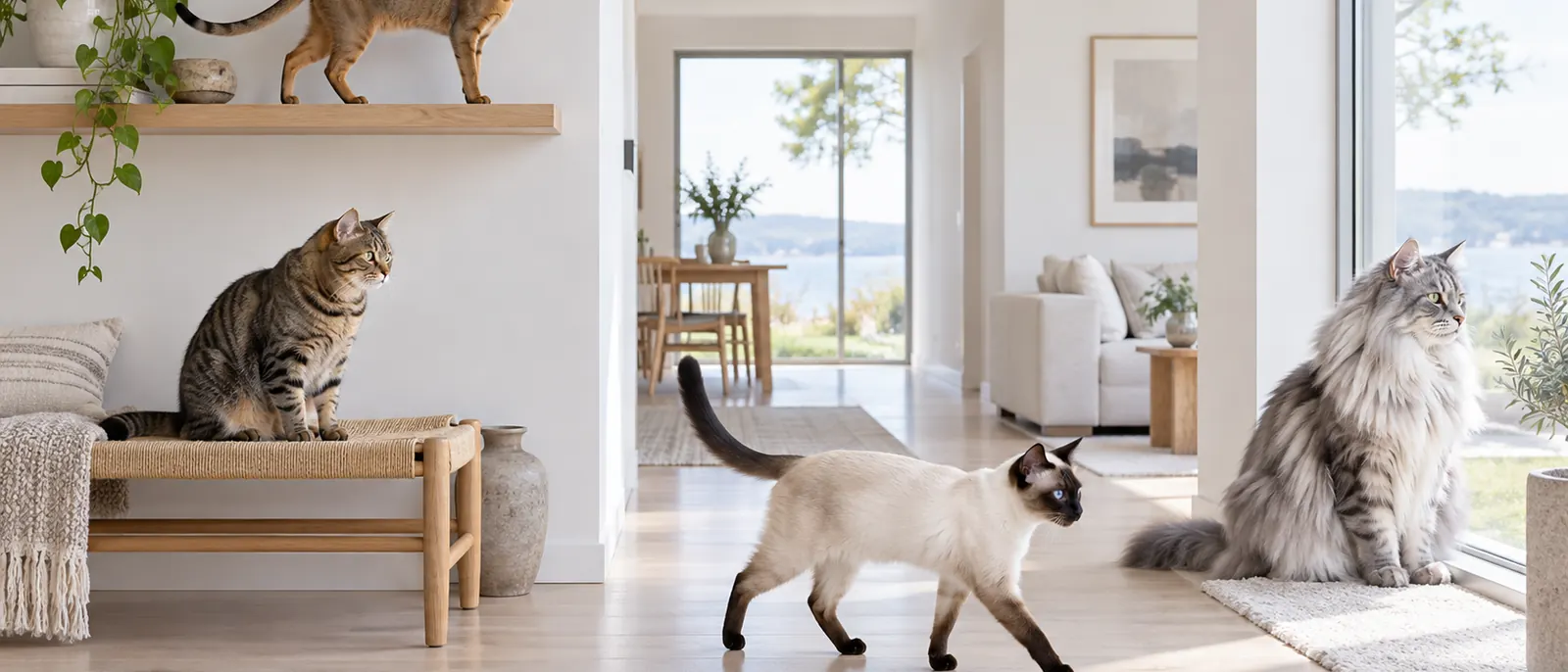
American Shorthair vs Savannah For most homes, the American Shorthair is the responsible choice because it…
-
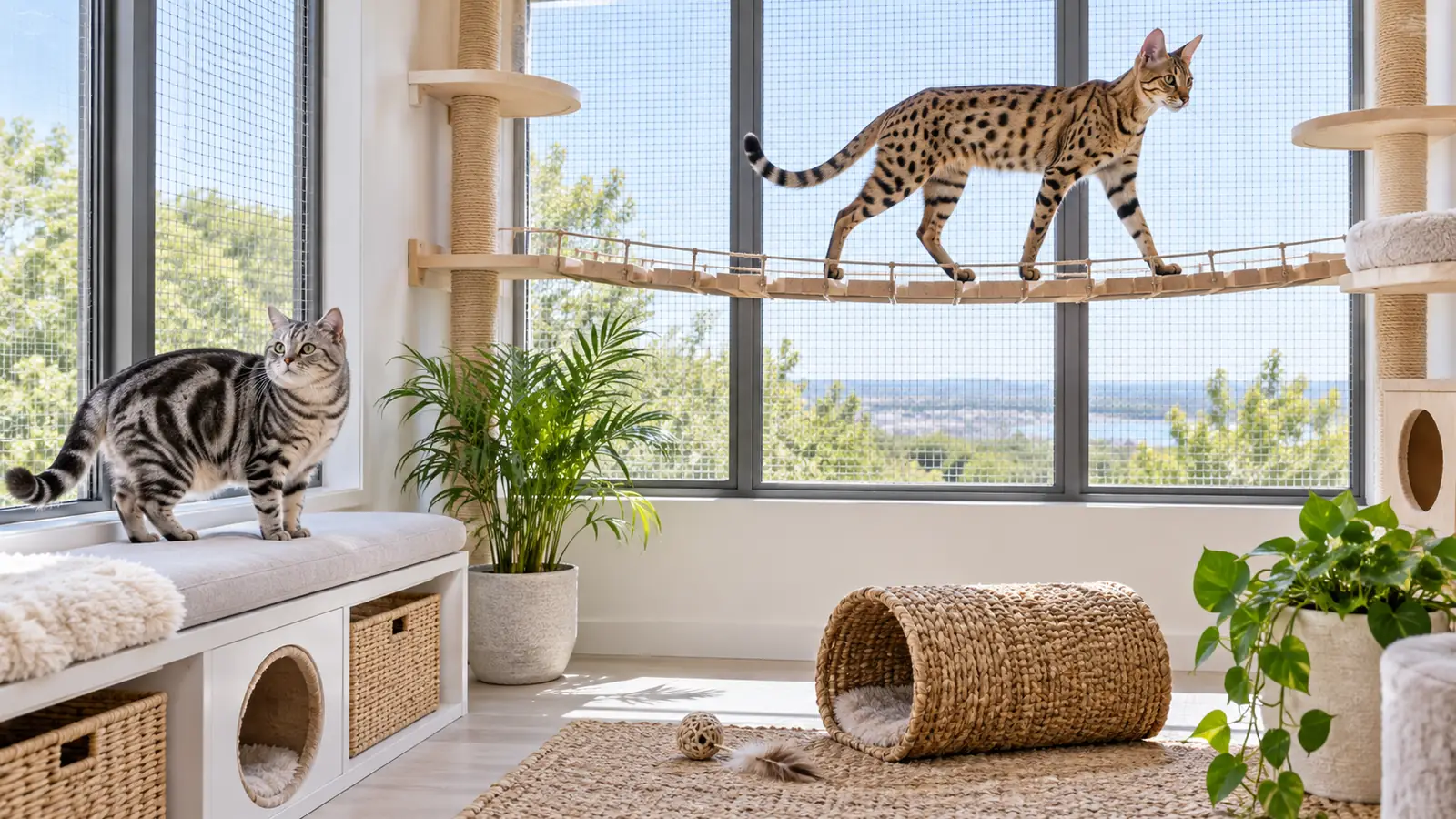
American Shorthair vs RagaMuffin The American Shorthair suits people who want an affectionate but more…
-
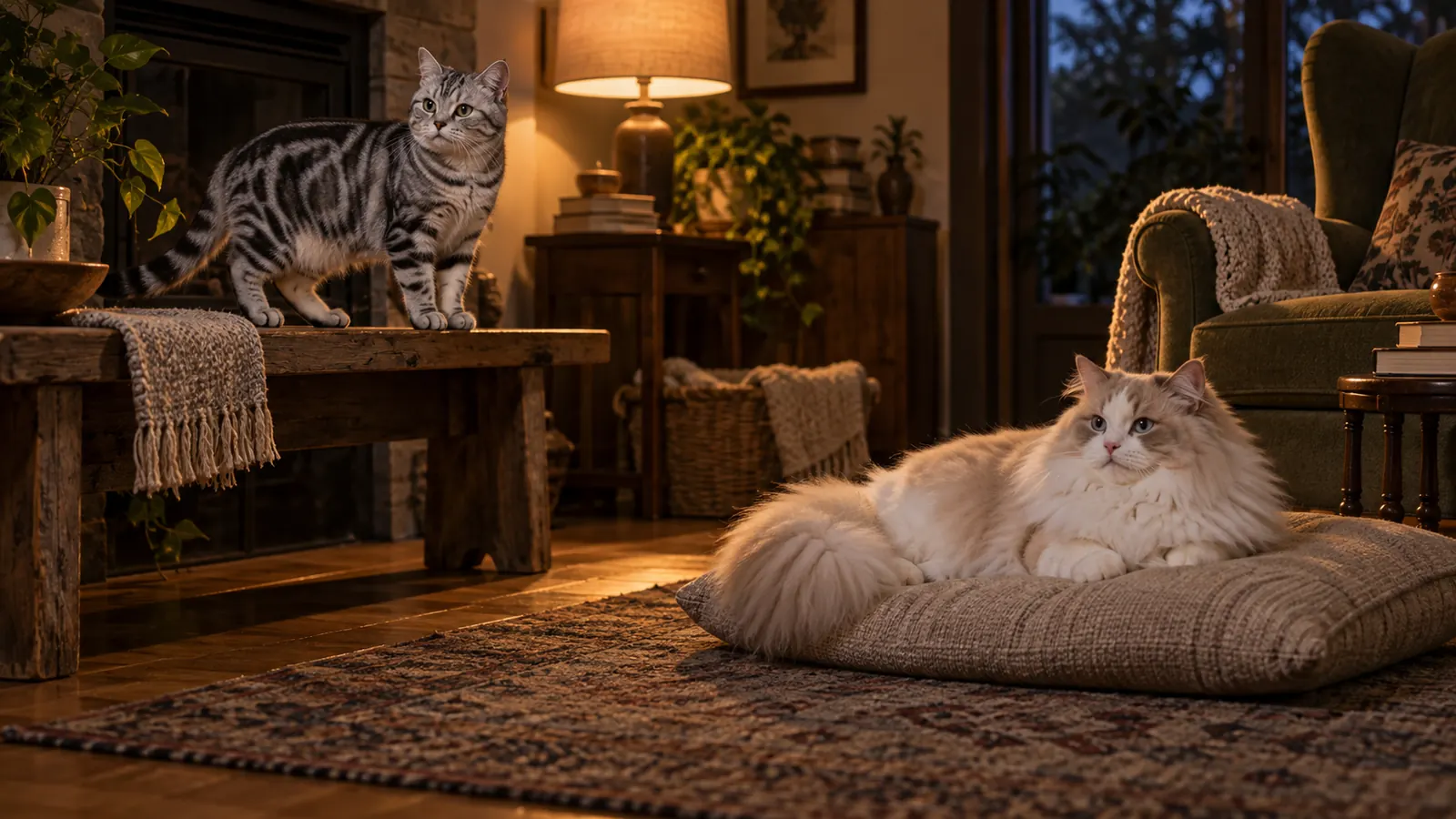
American Shorthair vs Devon Rex The American Shorthair suits a home that wants a steadier companion, one…
-
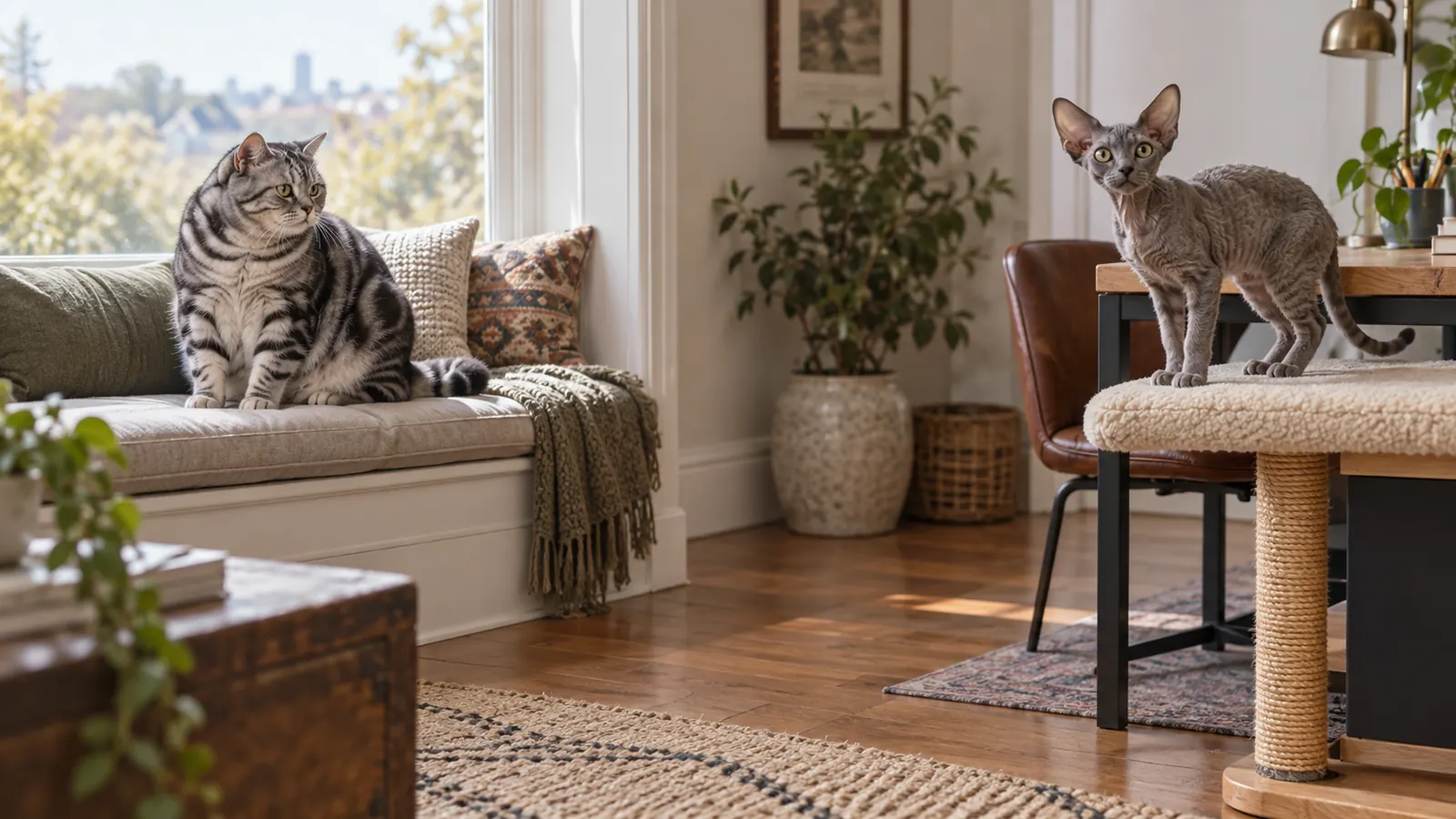
American Shorthair vs Burmese The American Shorthair is usually the easier fit if you want an…
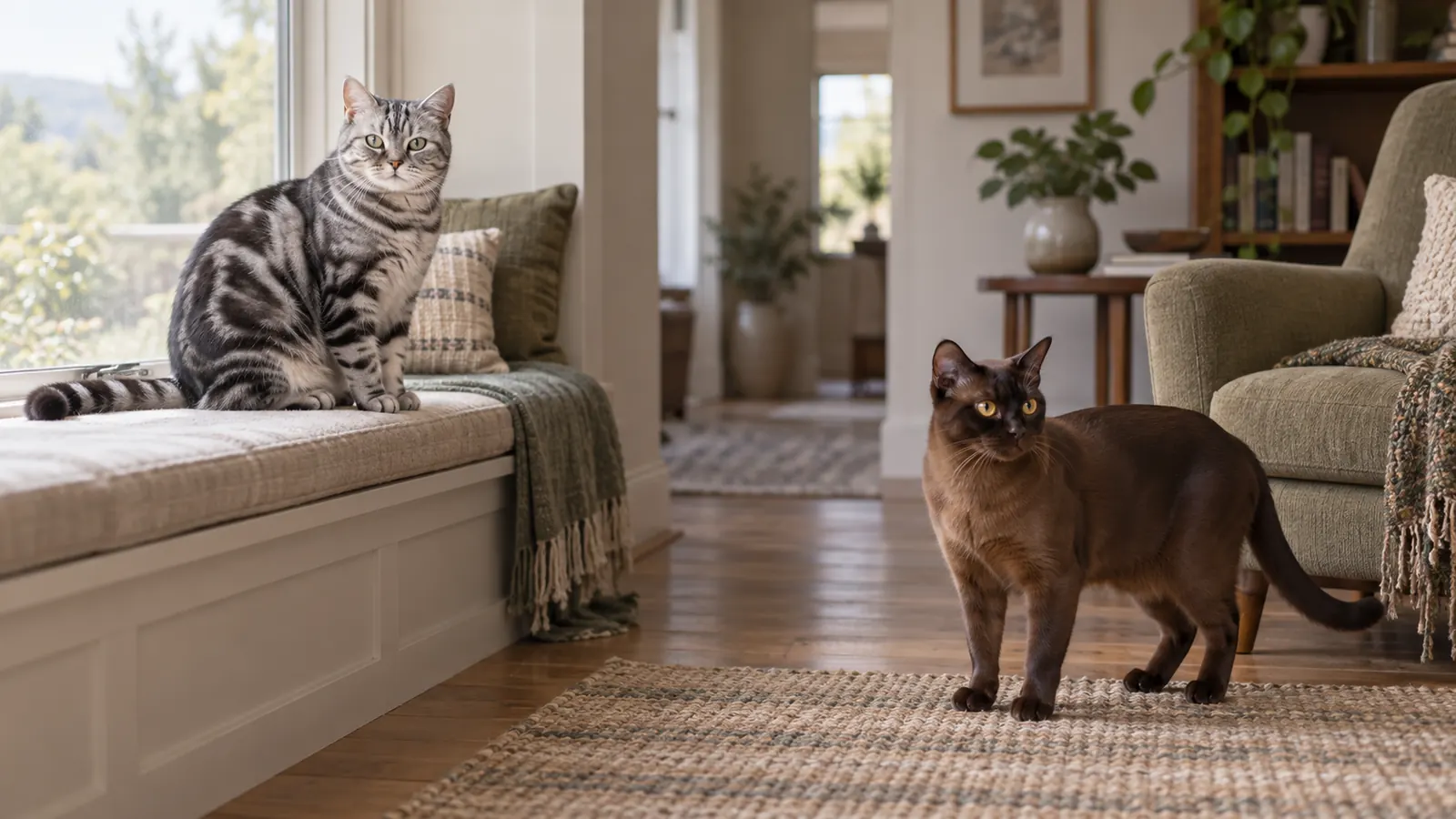
-
American Shorthair vs Cornish Rex The American Shorthair suits someone who wants a sturdier, more…
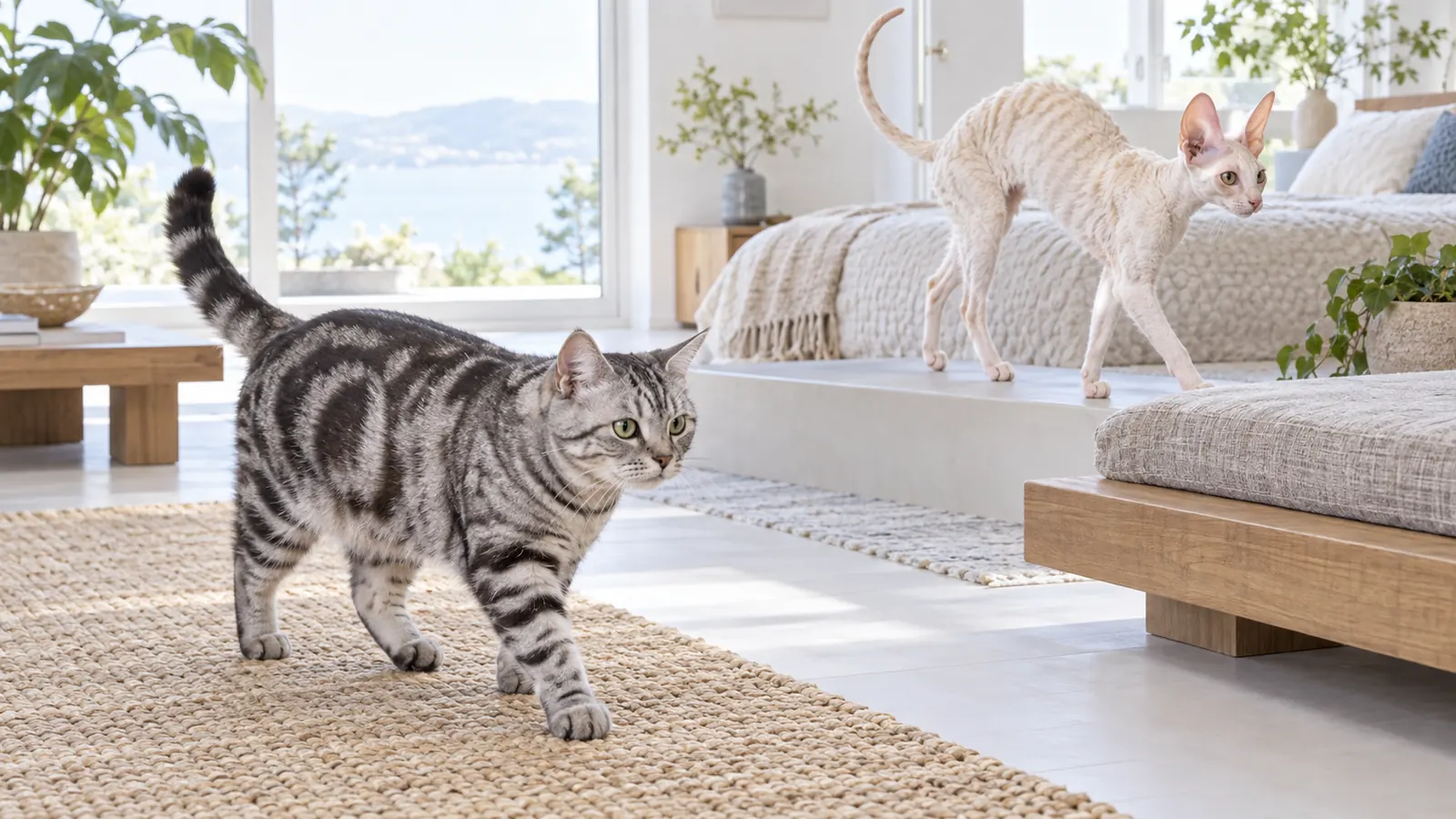
-
Abyssinian vs American Shorthair The American Shorthair is usually the easier fit for a first-time owner or…
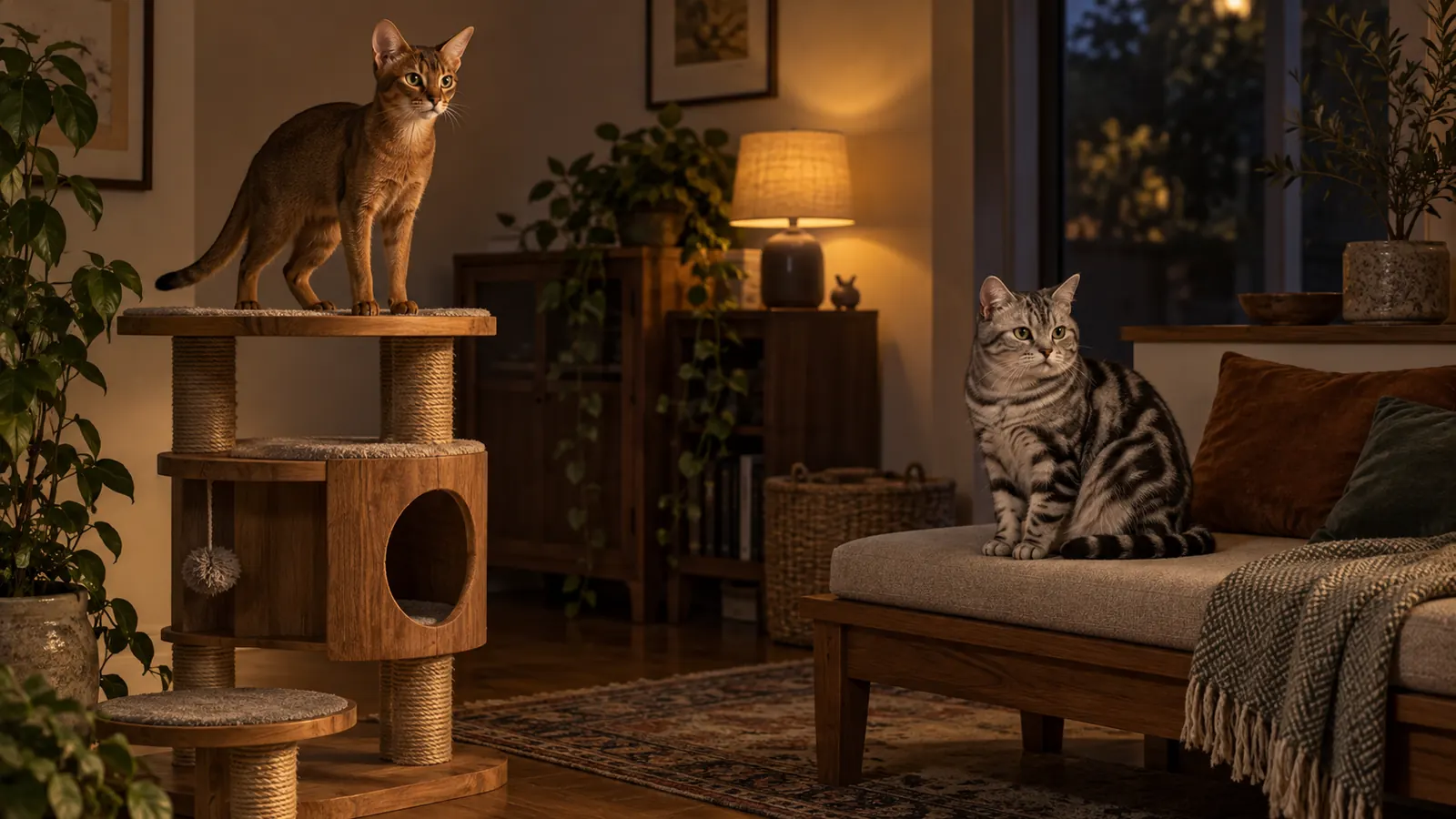
-
Abyssinian vs Burmese Choose an Abyssinian when you want an athletic cat that joins life through…
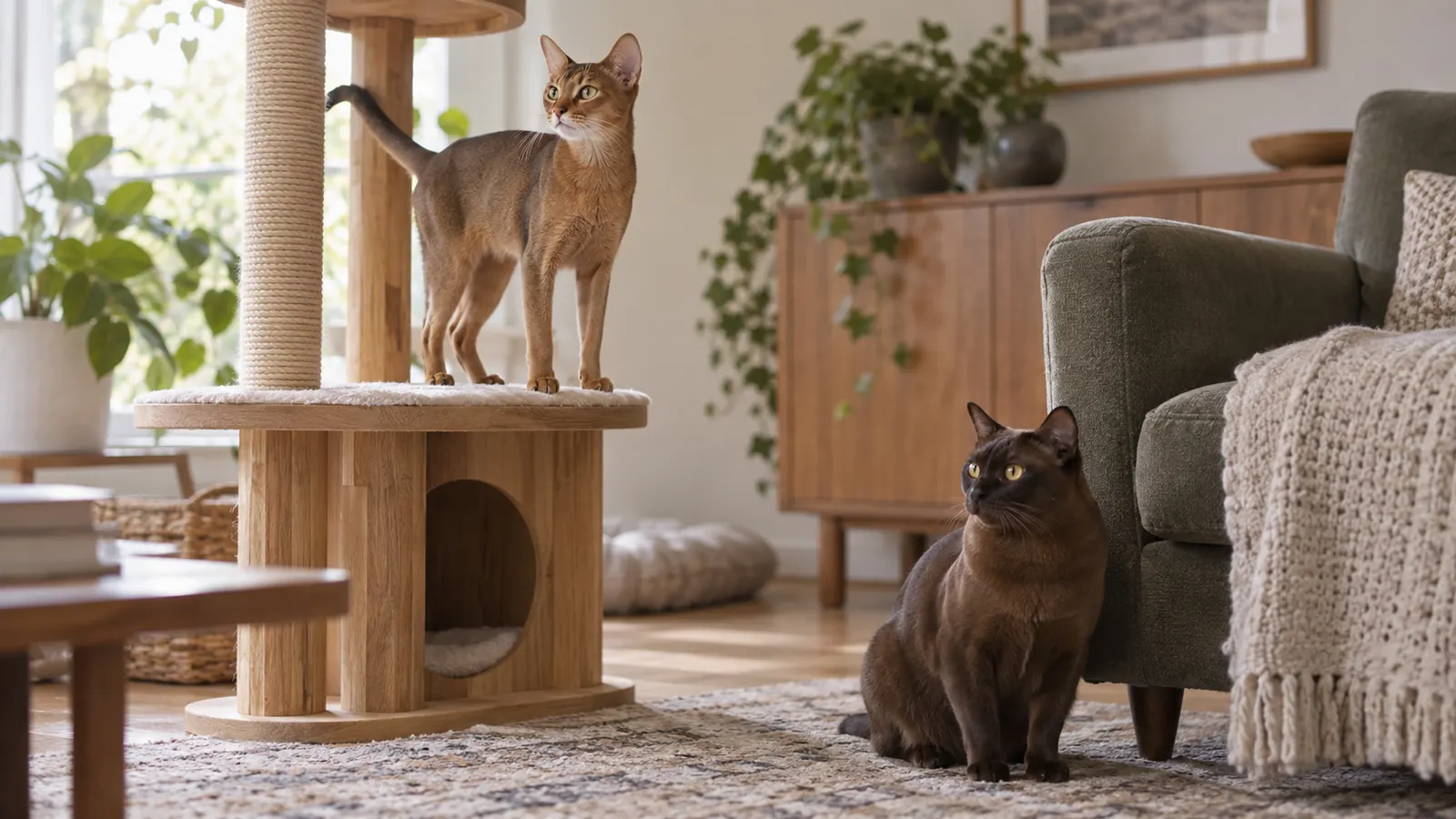
-
Abyssinian vs Cornish Rex An Abyssinian suits a home that wants an athletic explorer and can offer…

-
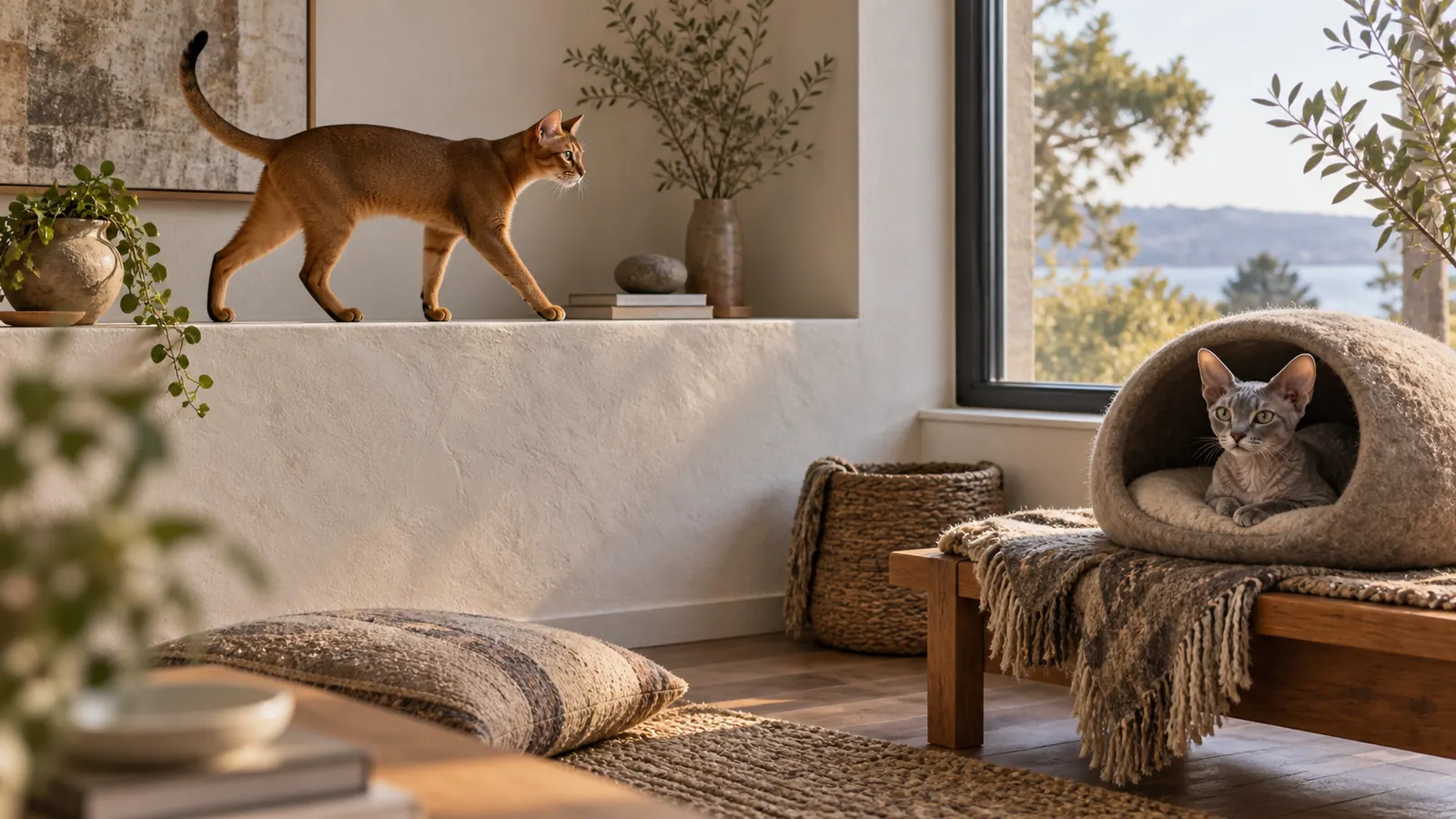
Abyssinian vs Devon Rex An Abyssinian suits someone who wants social contact expressed through…
-
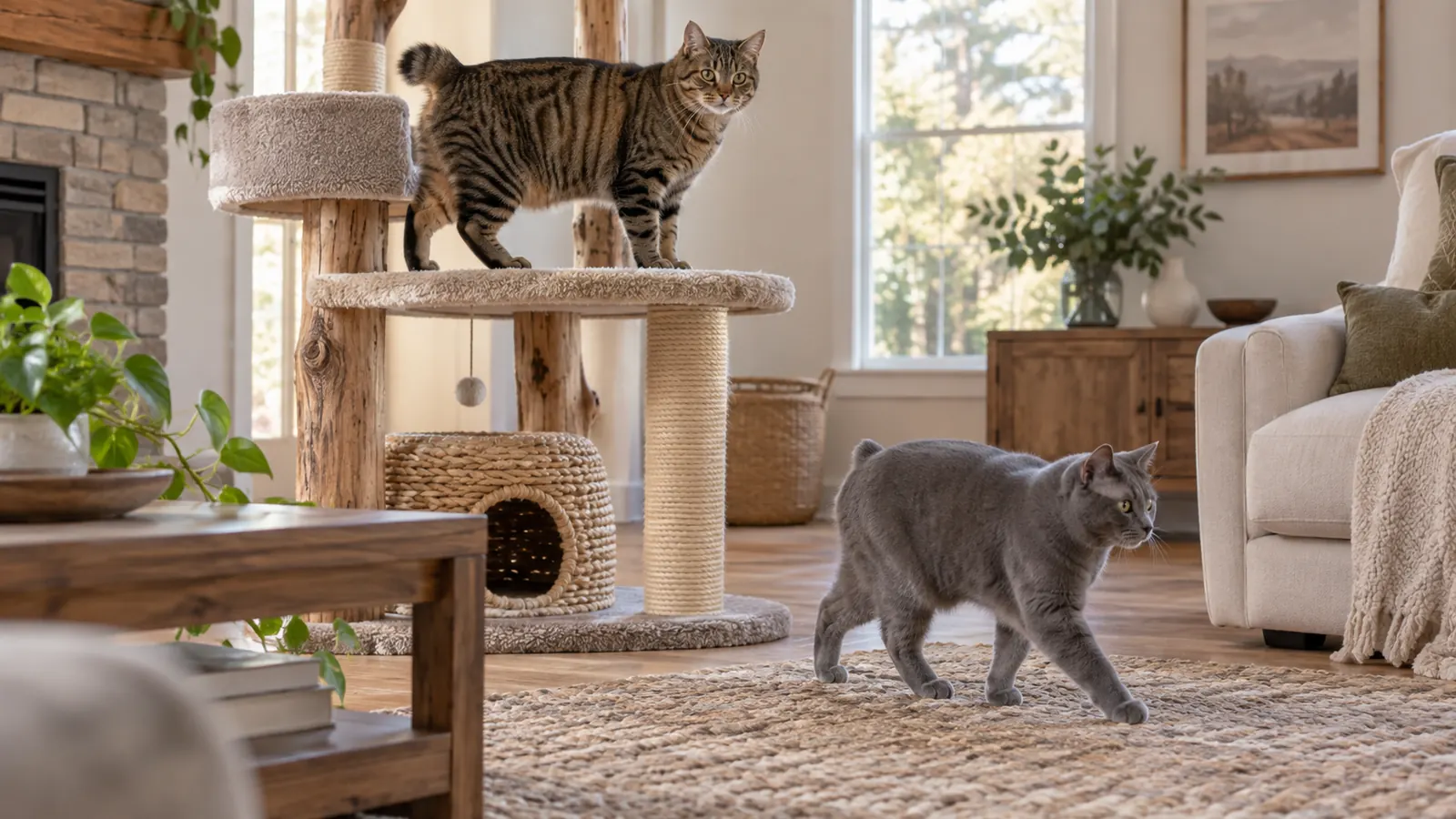
American Bobtail vs Manx The American Bobtail is the lower-risk starting recommendation when you…
-
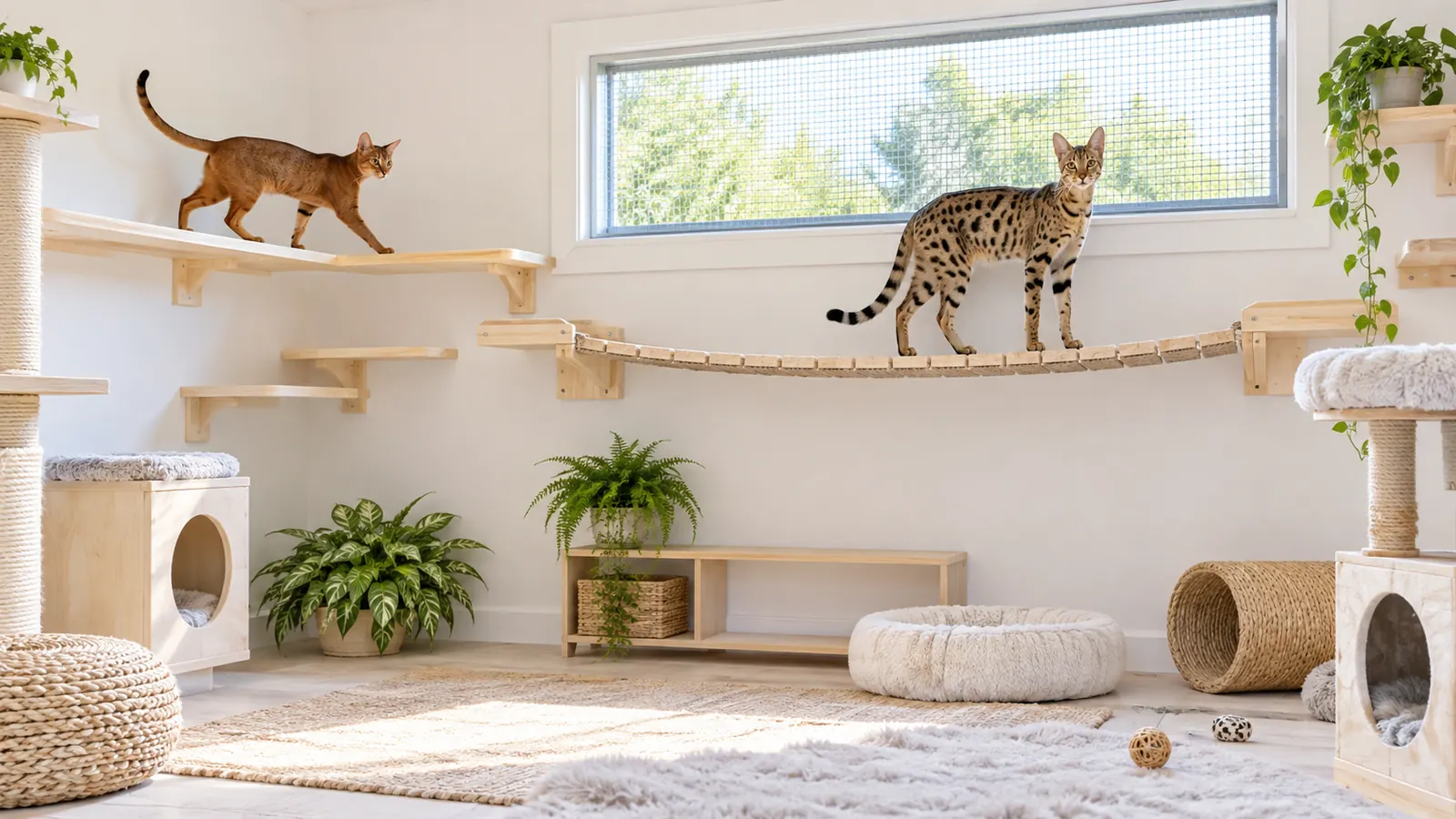
Abyssinian vs Savannah For most people choosing between these cats, the Abyssinian is the…
-
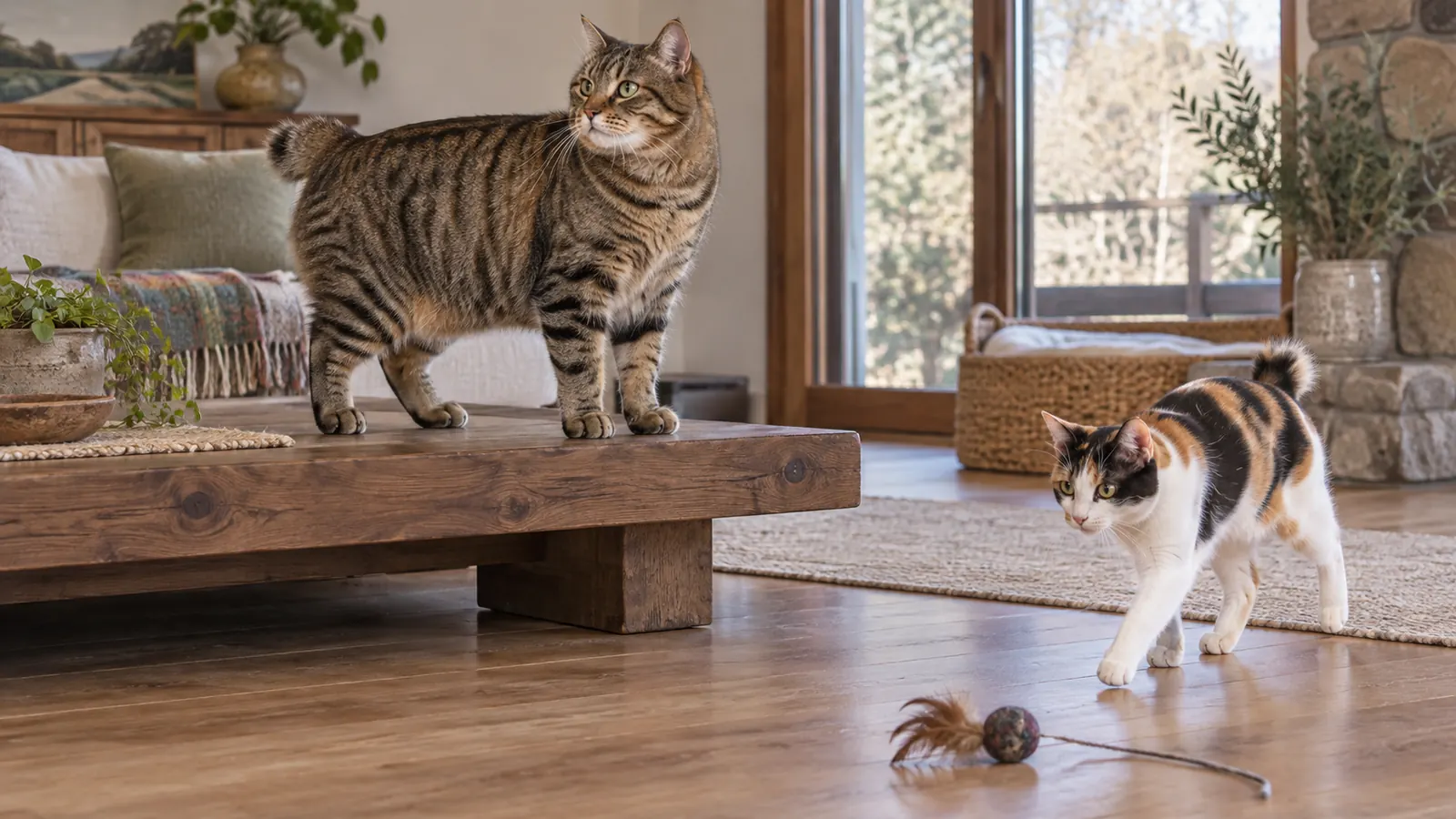
American Bobtail vs Japanese Bobtail An American Bobtail suits someone who wants a more substantial cat with a…
-
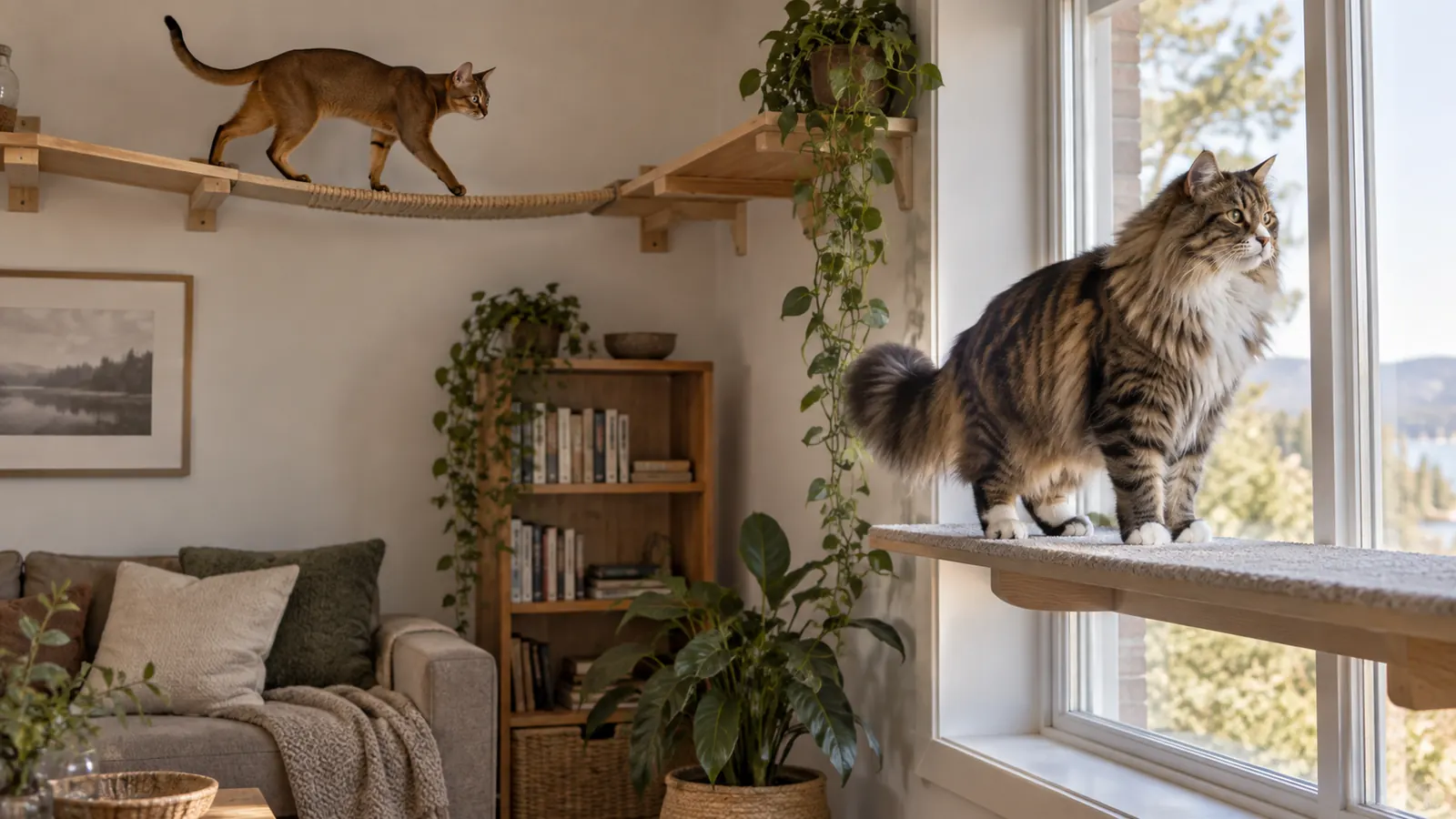
Abyssinian vs Norwegian Forest Cat Choose an Abyssinian if you want an intensely active cat woven through…
-
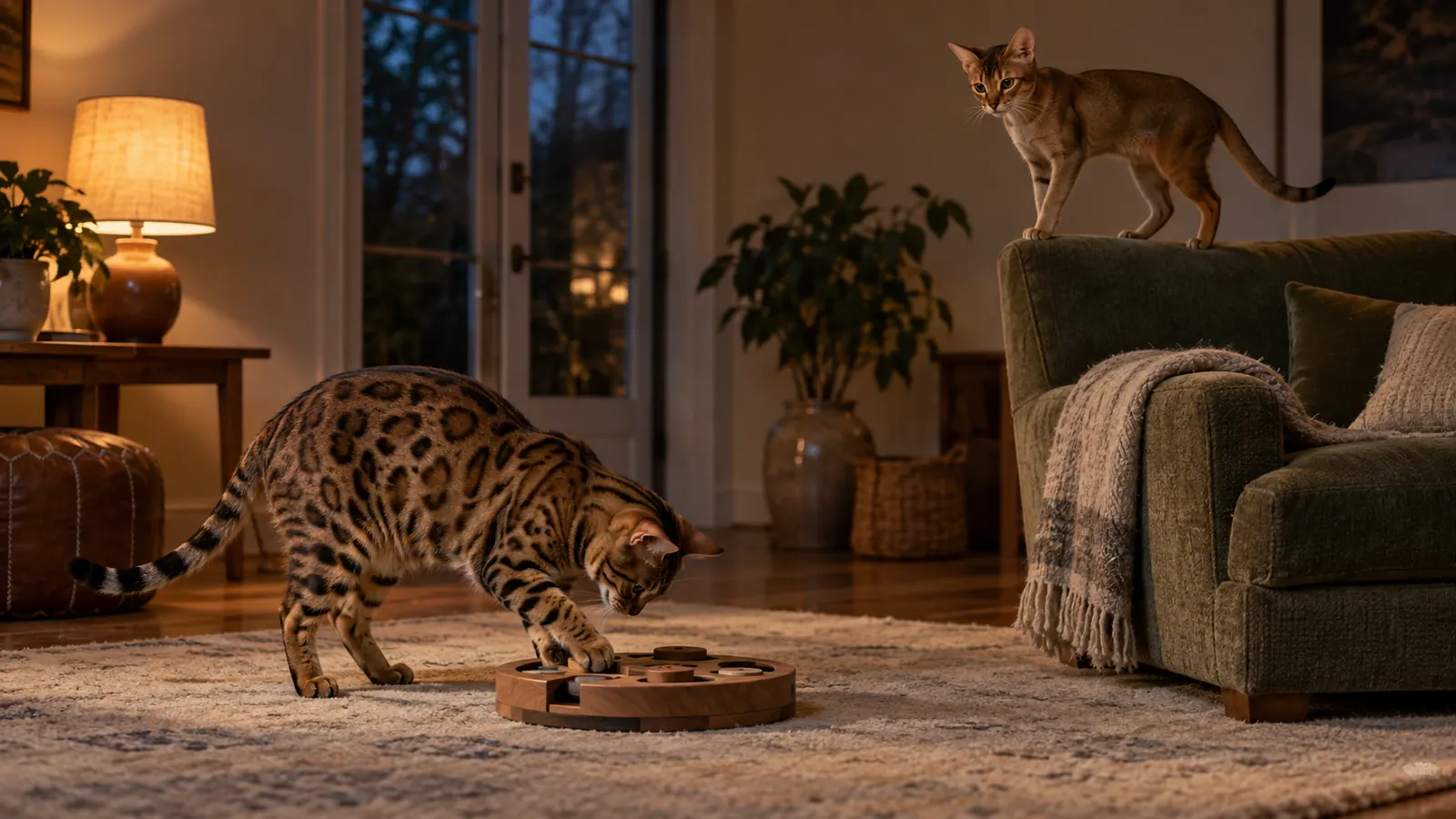
Abyssinian vs RagaMuffin Choose an Abyssinian when you want a fast, exploratory cat that joins life…


Compare the work before the appearance
Two breeds can look equally appealing while asking very different things from a household. Activity, tolerance of an empty workday, coat care and inherited-health evidence usually shape the next fifteen years more than colour or face shape.
Each comparison starts with the decision that changes ordinary life. The detail then shows what supports that verdict and where the individual cat can depart from the breed tendency.
Treat breed as a useful tendency
A written standard can describe build and coat closely, and breed organisations can report recurring behaviour patterns. Neither source predicts one cat's complete personality.
Early handling, learning, health and the home all influence behaviour. Meet the individual while it plays, rests and accepts handling whenever that is possible, then use the breed comparison to test whether the expected workload still fits.
Ask for evidence that can be checked
Health screening differs between breeds, so a vague healthy-line promise is never enough. A useful comparison names the DNA result, examination, family record or other document worth seeing and explains what that evidence cannot guarantee.
Choose the cat whose normal day fits your normal week. That leaves far less room for regret than choosing the cat whose photograph wins the first impression.
More About Living With a Cat
One question usually leads to the next one.
-
Health
What a change in a cat usually means, and how fast it needs looking at.
Browse -
Food safety
One of six verdicts per food, with the reasoning and the sources.
Browse -
Nutrition
How much, how often, and how a cat gets enough water.
Browse -
Litter box
Setup, substrate, placement, and what the tray tells you.
Browse