
What Is a Colorpoint Shorthair, and How Does It Differ From a Siamese?
A Colorpoint Shorthair is essentially a Siamese-type cat in point colours that CFA places outside the traditional Siamese palette. CFA treats it as a separate breed, while TICA includes those colours within the Siamese breed group, so the correct name can change with the registry even when the cat's body, voice and daily needs do not.
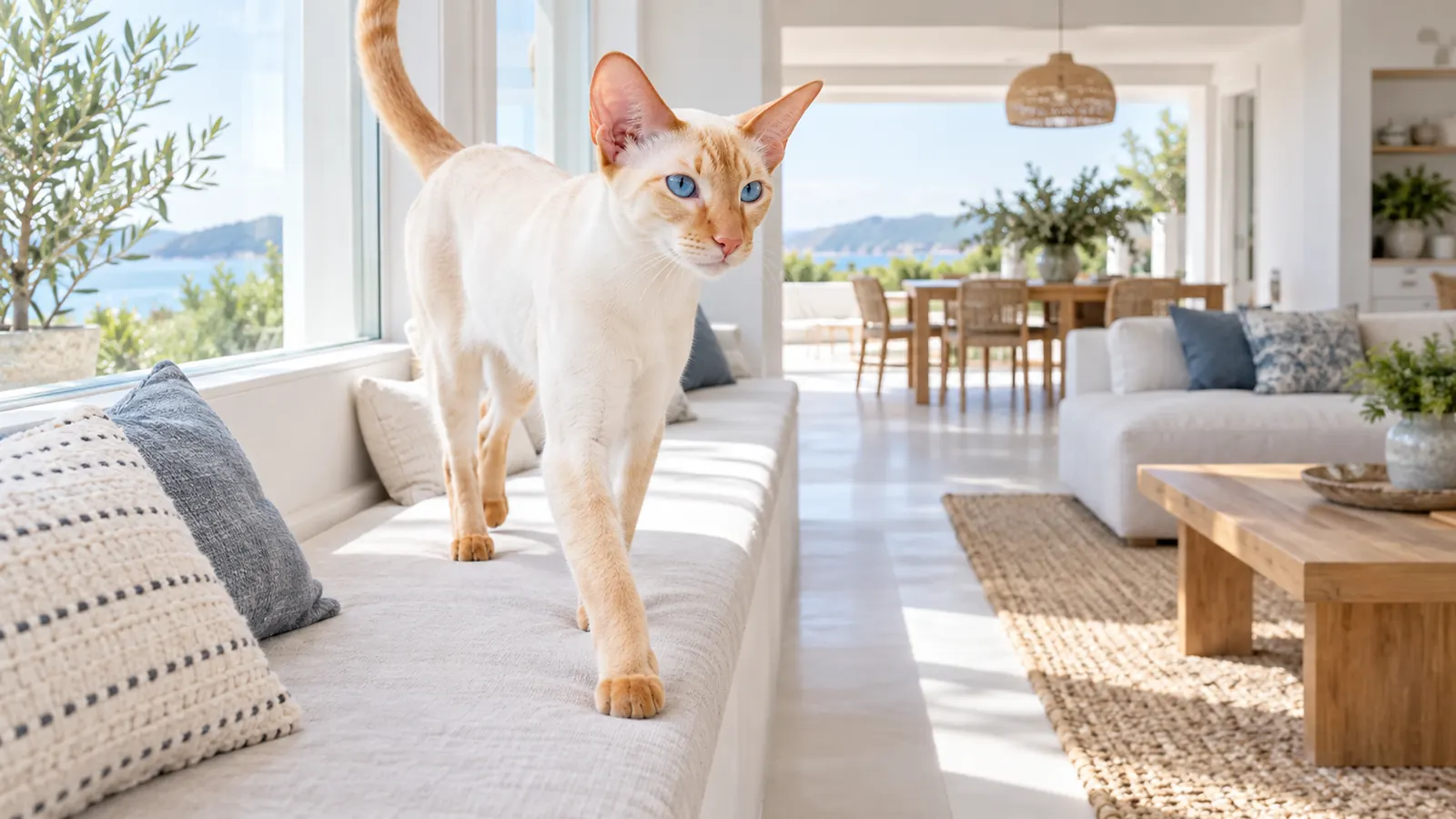
- Origin
- Developed from Siamese crosses in the United States and Britain, with CFA championship recognition from 1964
- Coat
- Very short, fine and close-lying, in red, cream, lynx and tortie point combinations with blue eyes
- Size
- Medium, long and fine-boned with a tubular body, wedge head and very large ears
- Typical weight
- CFA gives approximately 5 to 12 pounds, with individual variation
- Life expectancy
- No separate Colorpoint Shorthair population estimate is established
- Activity level
- High. Vocal, social, athletic and strongly interested in household activity
- Grooming
- Low coat work, with a gentle weekly hand or soft-brush check
- Suits
- Homes that want a vocal, interactive Siamese-family cat and can provide dependable company and daily activity
Two registries can look at the same pointed cat and use different breed labels. That is the central fact behind the Colorpoint Shorthair. The practical cat is Siamese in type and daily behaviour, while the registry boundary depends on colour.
Is a Colorpoint Shorthair a Siamese?
In TICA, the nontraditional point colours are registered within the Siamese breed group. In CFA, Colorpoint Shorthair is a separate recognised breed with its own breed council and standard.
CFA began registering the developing cats in the late 1950s and granted championship status in 1964. Its stated distinction is colour: the structure should be identical to the Siamese, but the accepted palette adds red, cream, lynx and parti-colour points.
| Question | CFA answer | TICA answer |
|---|---|---|
| Breed label | Colorpoint Shorthair is a separate breed | Colours and patterns belong within the Siamese breed group |
| Body standard | The same long, fine-boned structure as Siamese | Siamese standard and type |
| Eyes | Vivid blue | Blue |
| Traditional seal, chocolate, blue and lilac points | Siamese | Siamese |
| Red, cream, lynx and tortie-related points | Colorpoint Shorthair | Siamese in the appropriate colour class |
Neither classification makes the other fraudulent. The pedigree should identify the registry whose rules apply, and a seller should be able to explain that clearly.
Which colours belong to the Colorpoint Shorthair?
CFA groups sixteen colours and combinations into solid point, lynx point and parti-colour point classes. Red and cream supply the solid additions, tabby pattern creates lynx points, and sex-linked red combined with another colour creates tortie-related parti-colour points.
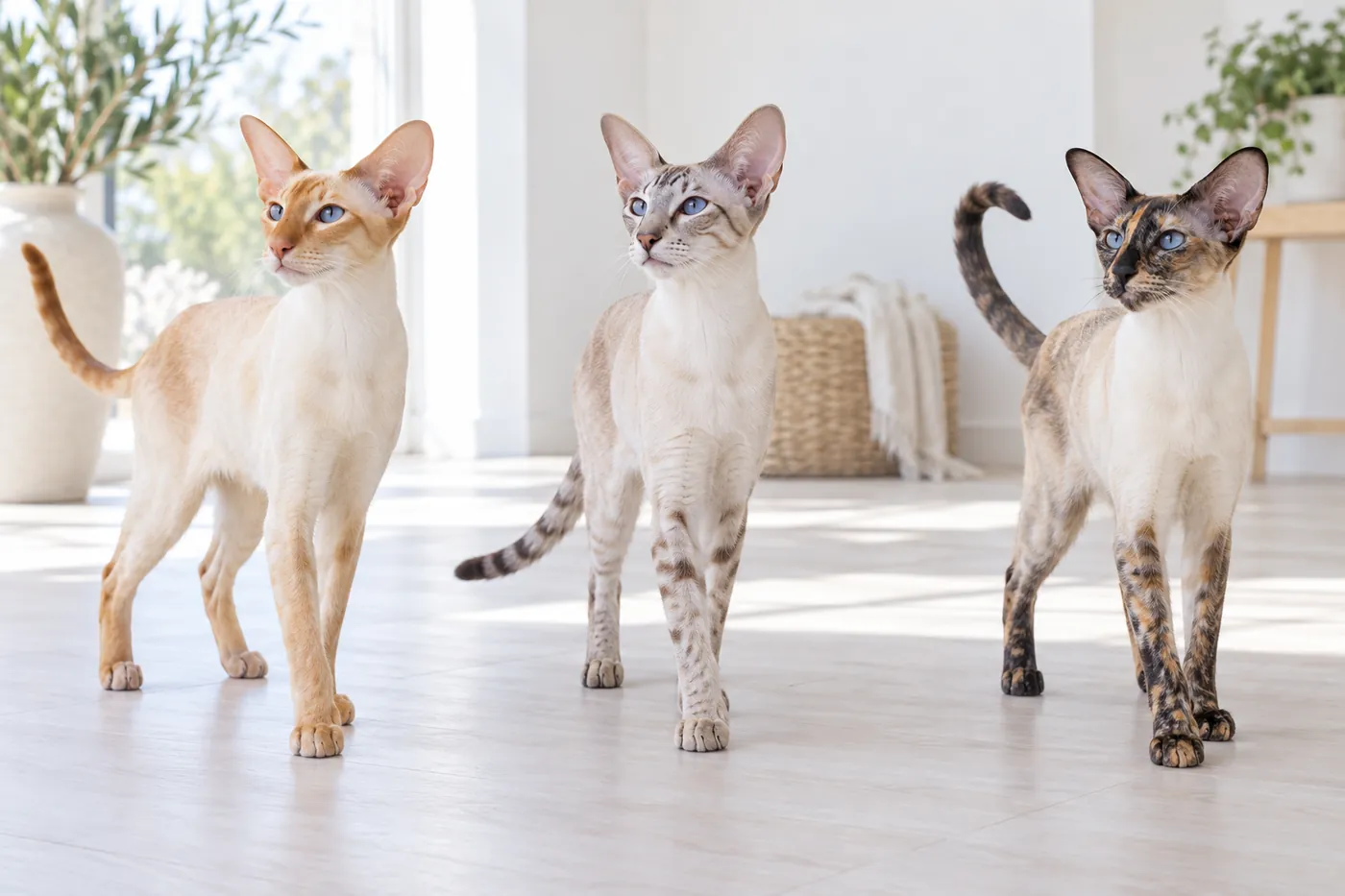
Colourpoint does not mean the whole body remains pale forever. The temperature-sensitive pigment system works most strongly in cooler areas, which is why the face, ears, legs and tail darken.
Why do the points darken with age or temperature?
The colorpoint allele changes an enzyme needed to make pigment so that it works better in cooler tissue. The extremities are cooler than the body core, so they produce more pigment. Kittens develop in the evenly warm uterus and are born very pale. Their points emerge after birth, while the torso often darkens gradually with age and can appear darker in a cool environment.
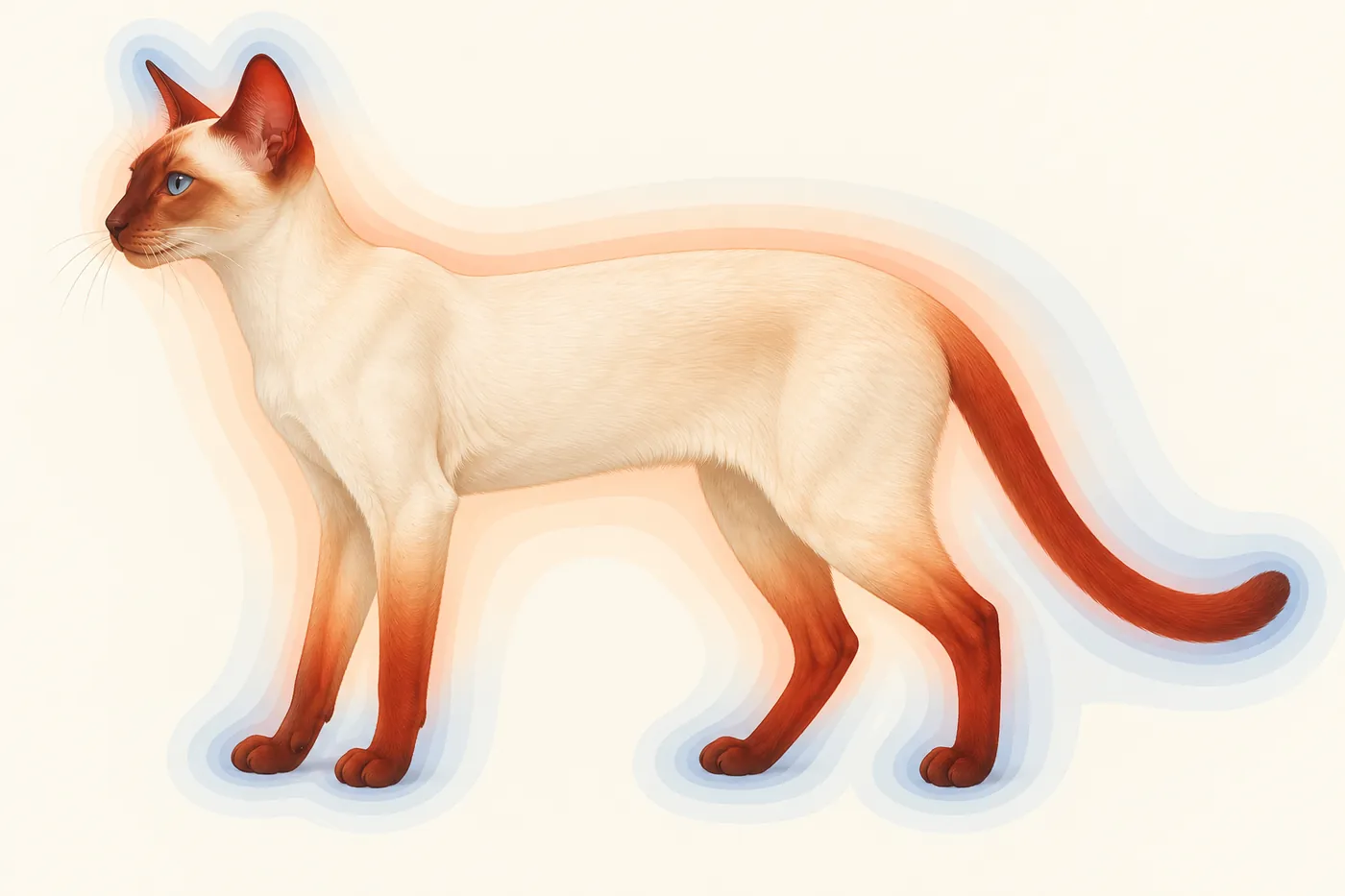
- Before birthEven warmth suppresses most visible pigment
- First weeksCooler ears, face, legs and tail begin to colour
- GrowthPoint contrast becomes clearer as the coat develops
- AdulthoodThe torso may darken gradually with age
- Season or illnessTemperature can alter shade, but a sudden coat or skin change still needs individual assessment
A darker adult body does not by itself mean poor breeding or mixed ancestry, because colour is read against the cat's age, environment and registry standard.
What does the body look and feel like?
The body is long, tubular and fine-boned, with long legs, a long tapering tail and a wedge-shaped head. Very large ears continue the wedge, while vivid blue almond-shaped eyes provide the fixed contrast across all accepted colours.
CFA gives a broad approximate weight of 5 to 12 pounds. The cat can feel heavier than it looks because a narrow frame may still carry firm muscle.
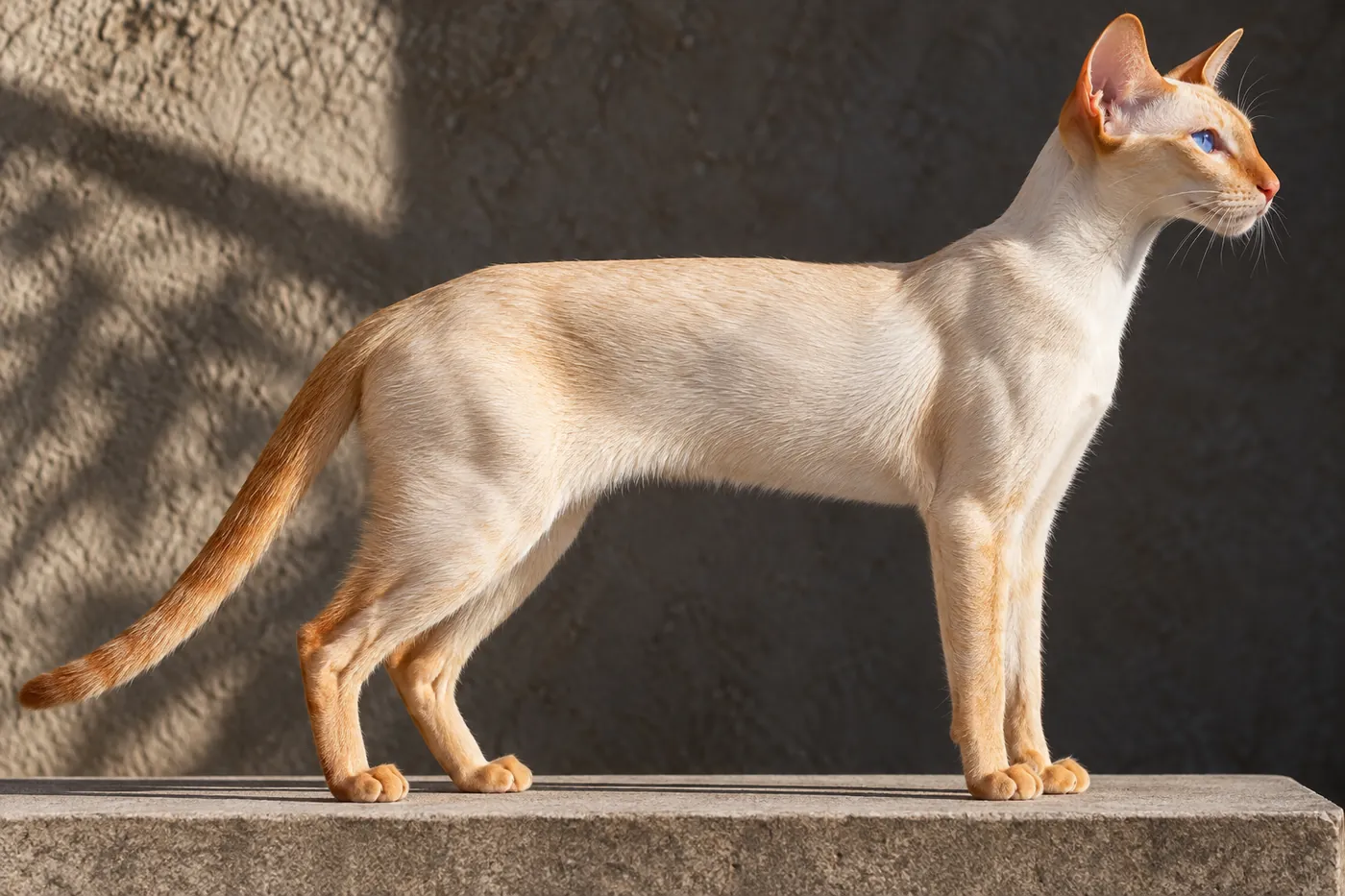
A naturally lean cat does not need feeding toward a rounder look, and a narrow waist is not proof of health either. Weight and body condition tracked over time, with veterinary guidance, show which applies.
Are Colorpoint Shorthairs as vocal as Siamese cats?
Usually, yes. CFA describes the breed as vocal, affectionate, active and demanding of attention, and TICA describes the Siamese group in similarly social and communicative terms. Volume and frequency vary between individuals, but choosing this cat while hoping for silence is a poor bet. The voice is often used to request contact, open access or continue an activity that has ended.
Punishing a calling cat adds fear without removing the reason it called. Food, water, litter, pain, sensory change and a shifted routine are the usual reasons worth ruling out, and quieter alternatives can be rewarded once those needs are met.
Can one be left alone during the workday?
An adult may cope with a predictable workday when contact, play and resources are dependable, but this is not a breed to choose for emotional distance. Some individuals settle well between morning and evening routines. Others become persistently vocal, destructive or withdrawn when the home is empty for long stretches.
- Build morning and evening interactive play into real workdays
- Leave safe elevated observation, hiding and scratching options
- Use measured food searches rather than one difficult puzzle
- Provide water, litter and resting resources in separate locations
- Arrange reliable care for travel and unusually long days
- Watch appetite, toileting, sleep and grooming for changes after the routine shifts
A second cat is not an automatic solution. Compatibility, gradual introduction and separate resources matter, and two lonely cats can still wait for the same absent person.
How much play and training do they need?
This is a fast, curious cat that notices patterns and learns which behaviour opens doors, starts games or produces food. Training gives that curiosity a safe, repeatable outlet, alongside short hunting games and climbing routes spread across the day. Clicker training can mark carrier entry, a mat station or a paw presented for care without force.
- Choose one small behaviour such as touching a target
- Mark the exact successful movement and deliver a small reward
- Repeat only a few times before giving a break
- Add distance or distraction separately rather than together
- Use the trained behaviour in ordinary care before an emergency
- Keep punishment and spray bottles out of the process
Intelligence does not cancel environmental needs. A clever cat without acceptable routes and tasks simply becomes better at finding the cupboard, door or cable you hoped it would ignore.
Is the coat as easy as it looks?
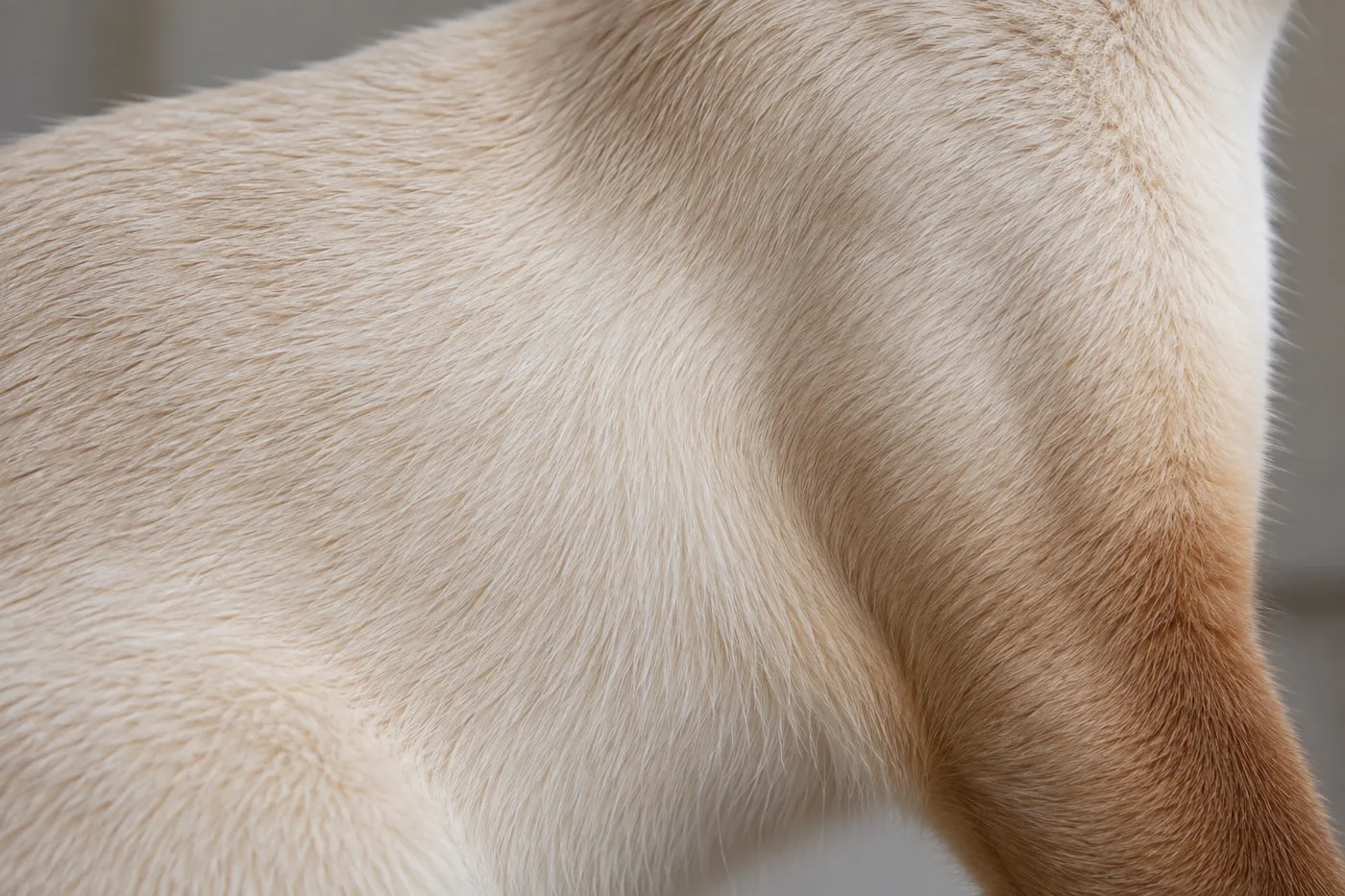
The very short, fine coat is genuinely low maintenance because there is no long coat to detangle. A soft brush or damp hand can lift loose hair. Bathing is rarely a routine requirement for a healthy pet. Excessive washing can irritate skin, while a greasy, scaly or suddenly sparse coat may signal a medical problem rather than a grooming failure.
CFA says the short, silky coat needs only minimal grooming to control shedding, and describes breeders using either a rubber brush or the Siamese method of stroking the cat firmly with wet hands, so shedding is a small part of the routine.
The coat is not hypoallergenic. Saliva and skin secretions carry important cat allergens, and a close coat can still spread them onto hands, clothes and furnishings.
What health records matter in this breed group?
Health evidence should follow the actual Siamese-family ancestry in the pedigree, not the registry label alone.
Progressive retinal atrophy caused by the CEP290 rdAc variant can occur in Siamese-related lines, and UC Davis offers a DNA test that identifies clear, carrier or affected status for that one variant. A clear result does not rule out other eye disease.
| Evidence | Ask for | What it establishes | Limit |
|---|---|---|---|
| PRA rdAc | Original CEP290 reports for both parents | Status for the named retinal variant | Other causes of vision loss |
| Cardiac history | Dated examinations and any claimed echocardiograms | What was assessed in a named cat on a date | Future HCM |
| Family history | Ages, diagnoses and causes of death in close relatives | Whether illness is tracked across generations | A guaranteed outcome |
| Pedigree | Registry record connecting kitten and parents | Recorded ancestry and classification | Health or temperament |
| Veterinary record | Vaccination, examination and treatment history | Care already given to the individual | Conditions not yet present |
Research has documented systemic amyloidosis in Siamese and Oriental family cats, but there is no simple test that clears a line of every amyloid risk. How relatives aged, and which diagnoses were confirmed, say more than an all-clear panel can.
How do they fit with children and other animals?
A social Colorpoint Shorthair can enjoy respectful children, cats and cat-friendly dogs, especially when activity and retreat are both available.
Fast hands and forced carrying are poor matches for any cat. Contact goes best when children use toys, let the cat approach, and leave it undisturbed while it eats, sleeps or uses the tray.
Introductions should allow scent, distance and voluntary movement before direct access. Separate food, water, litter and high resting places prevent one animal from controlling everything the other needs.
Who should choose a Colorpoint Shorthair?
The breed suits someone who wants exactly the Siamese combination of conversation, athletic movement and close involvement, and for whom a red, cream, lynx or tortie-related point colour matters.
- Confirm which registry issued the pedigree and how it classifies the cat
- Expect vocal interaction rather than treating it as a behaviour defect
- Plan daily contact and play around the busiest normal weekday
- Read original health reports and match them to registered parent names
- Meet the individual during activity, rest and a brief pause in attention
- Reject allergy, silence, personality or lifetime-health guarantees
- A Siamese is the alternative when its traditional colours fit better, since its daily needs are the same
Someone wanting a quiet, independent cat will be better served by another breed. For the right home, the different registry label changes the paperwork far more than it changes the relationship.
Common Questions
What is the difference between a Colorpoint Shorthair and a Siamese?
Under CFA rules, the structural type is the same but Colorpoint Shorthair covers red, cream, lynx and tortie-related point colours outside the traditional Siamese palette. TICA includes those colours within the Siamese breed group rather than treating Colorpoint Shorthair as separate.
Do Colorpoint Shorthairs get darker with age?
They often do. The colorpoint pigment system is temperature-sensitive, so cooler extremities darken first and the torso may deepen gradually as the cat ages or lives in a cooler environment.
Are Colorpoint Shorthairs vocal?
CFA and TICA both describe the Siamese-family cats as vocal, social and active. Individuals vary, but a quiet, emotionally distant companion is not the safest expectation.
Are Colorpoint Shorthairs hypoallergenic?
No. Their coat is very short, but important cat allergens come from saliva and skin secretions and can still be transferred to hair, clothing and furnishings.
Checked Against
- CFA: Colorpoint Shorthair cfa.org
- CFA: Colorpoint Shorthair breed article cfa.org
- CFA: Colorpoint Shorthair registration rules cfa.org
- TICA: Siamese tica.org
- CFA: pointed-pattern genetics cfa.org
- UC Davis Veterinary Genetics Laboratory: PRA rdAc vgl.vetmed.ucdavis.edu
- Generalized AA amyloidosis in Siamese and Oriental cats pubmed.ncbi.nlm.nih.gov
- AAFP and ISFM feline environmental needs guidelines pmc.ncbi.nlm.nih.gov
Published 13 September 2026. Last updated .





