
What Is a Burmilla, and What Did It Inherit From Persians?
The Burmilla started with a mating nobody planned, between a lilac Burmese female and a Chinchilla Persian male who had not yet been neutered. The accident is real, but the cat it produced inherited the full, deliberate genetics of two established breeds, including a Persian-linked kidney disease risk that is low but worth testing for.
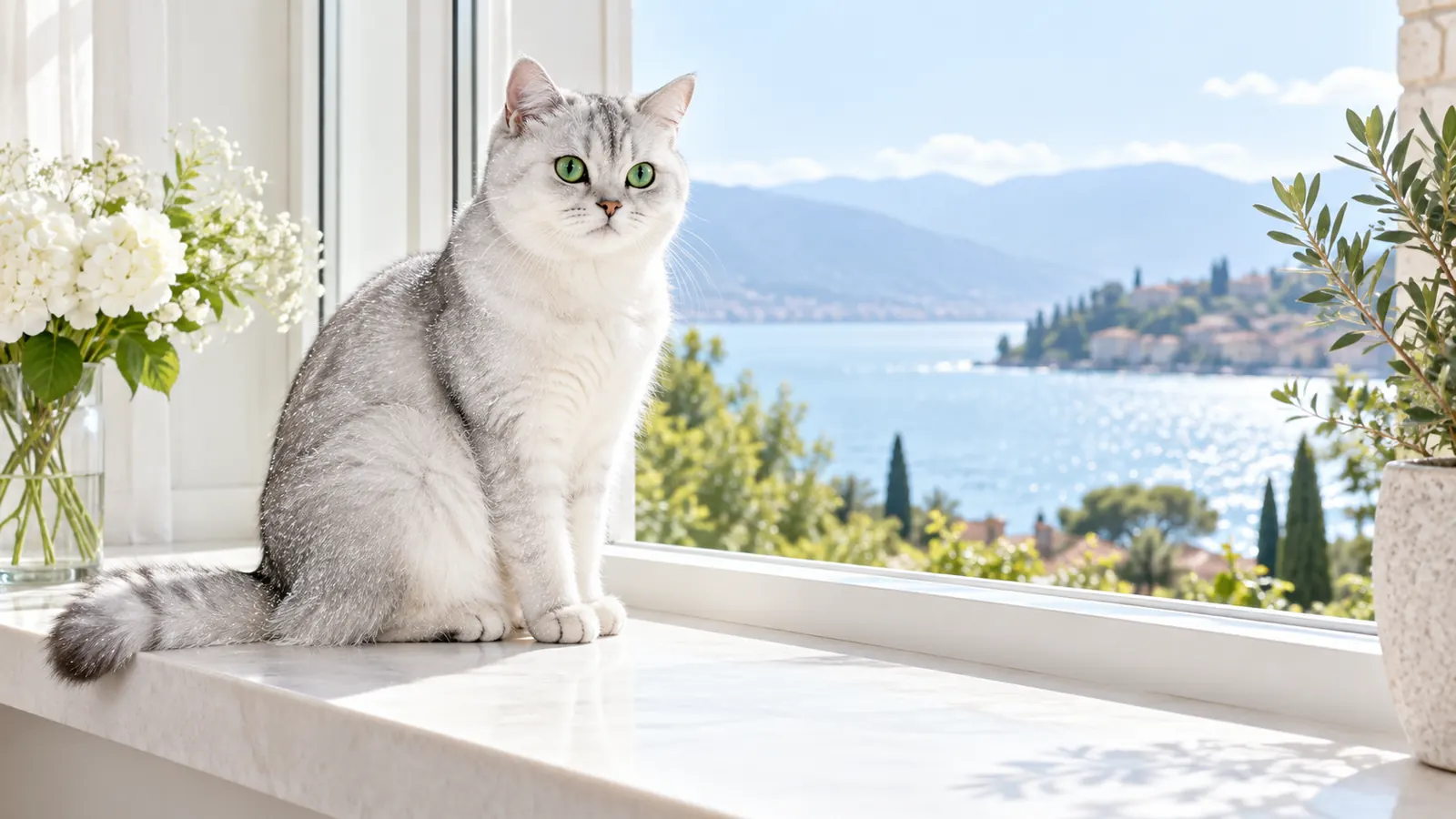
- Origin
- 1981, from an unplanned mating between a lilac European Burmese and a Chinchilla Persian at Miranda von Kirchberg's cattery, later developed within the GCCF Asian group
- Coat
- Short and close-lying, or semi-long as the Tiffanie variety; both carry a sparkling silver or golden tipped or shaded pattern
- Size
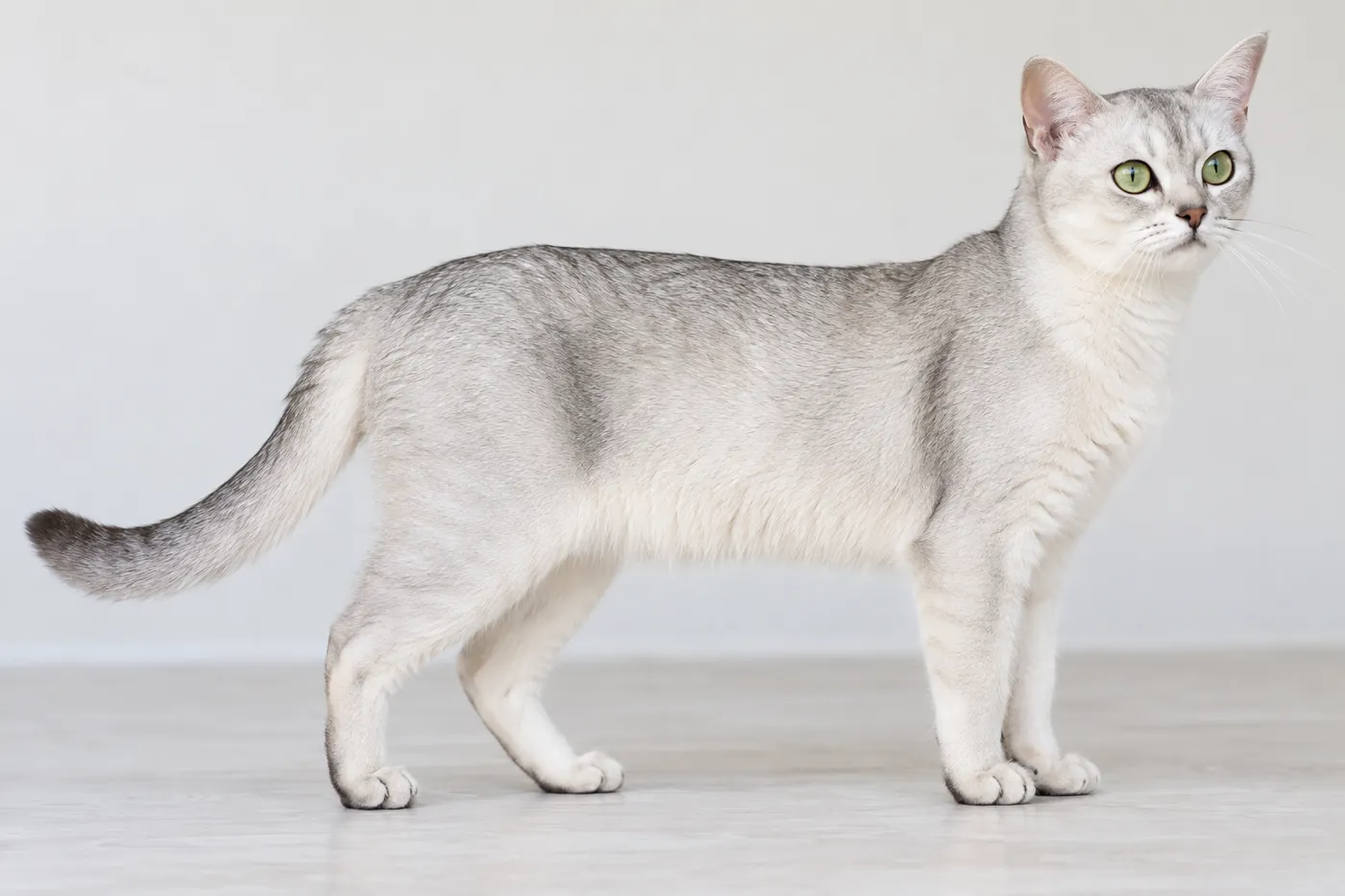
- Medium, muscular and elegant, built closer to the Burmese side than the Persian side
- Typical weight
- Medium-sized; CFA notes a mature male often reaches or exceeds 10 pounds, about 4.5 kg, with females usually smaller
- Life expectancy
- No population study reporting a Burmilla figure was found for this profile
- Activity level
- Moderate to high. Playful and kitten-like well into adulthood
- Grooming
- Low for the shorthair coat, moderate for the semi-long Tiffanie variety
- Suits
- Households that want an affectionate, sociable cat and will ask for PKD screening rather than assume the accidental origin means nothing was inherited
Most breed founding stories involve a plan. The Burmilla's involves a pet cat who had not yet been neutered.
In 1981 Baroness Miranda von Kirchberg had bought a Chinchilla Persian male, Jemari Sanquist, as a pet for her husband. Shortly before he was due to be neutered, he mated with a lilac European Burmese female, Bambino Lilac Faberge.
Four kittens followed: all shorthaired, all black shaded silver and all female. Von Kirchberg kept one of them, Astahazy Galatea, and built an experimental breeding programme around her.
Does the accidental start actually matter?
Less than the story suggests, and more than it is usually given credit for.
What matters is not that the mating was unplanned. It is that both parents came from fully established, deliberately bred lines, each with its own health profile built up over decades of selection.
The Burmilla did not spring from nowhere; it combined two already-finished genetic packages in one generation.
Von Kirchberg recognised what she had rather than treating the litter as a curiosity, and the work took a long time to pay off. When she died in 1997, the Burmilla was on the verge of competing at GCCF championship status for the first time, almost sixteen years after the first kittens were born.
That is the part the anecdote tends to obscure. An accidental first mating does not mean an accidental gene pool.
It means a Burmese gene pool and a Persian gene pool, both arriving intact, in one cat.
What does the Persian side actually bring?
The specific thing worth naming plainly: polycystic kidney disease.
PKD is an inherited condition, dominant in its pattern and seen most often in Persians. Cysts are present in the kidneys from birth, multiply and grow over the years, and eventually overwhelm normal kidney tissue; signs are most often recognised at around seven years of age.
Because the Burmilla carries Chinchilla Persian ancestry directly in its founding generation, it appears on laboratory lists for PKD1 genetic testing. Langford Vets at the University of Bristol places it among the low-risk breeds, against moderate risk for Persians and British Shorthairs.

- Test available
- A DNA test for the PKD1 variant, from a mouth swab or blood sample taken by a vet
- Result reading
- Normal means the cat does not have the variant; affected means it has one normal and one variant copy, and because the condition is dominant it can pass the variant on
- Alternative method
- Specialist ultrasound scanning, the only route to diagnosis before the DNA test, which also shows how far cysts have developed
- Population risk
- Listed as low in Burmillas, but the Persian ancestry is exactly why testing is offered
Our profile on the Persian covers how widespread this variant once was in that breed directly, and why testing changed the picture there. The Burmilla's risk is smaller, but it traces to the identical source.
Ask a breeder for a dated PKD result on the breeding cats, ideally the DNA test rather than a description of a past ultrasound. The risk is listed as low, and a dated result is what turns that low risk into a known answer for the kitten in front of you.
Why do some Burmillas have long coats?
Because the Chinchilla Persian side carried the long-hair gene, and it can resurface the same way it does in the British Longhair line.
A shorthair Burmilla and a semi-longhaired one can appear in the same litter when both parents carry the recessive gene. CFA registers both coat lengths as Burmillas, while the GCCF Asian group gives the semi-longhaired cat its own name: the Tiffanie.
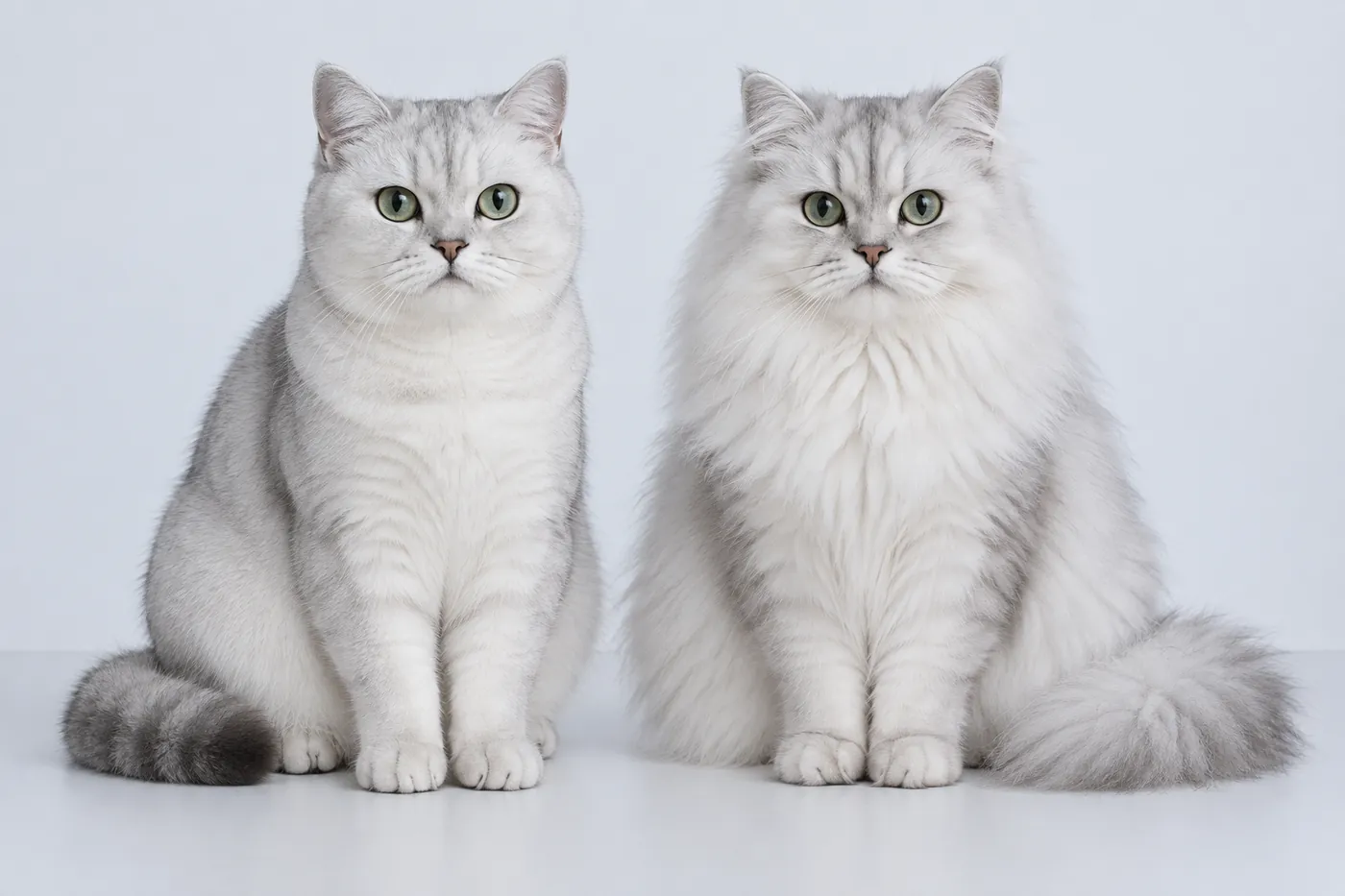
At GCCF the Burmilla and the Tiffanie both belong to a wider Asian group of five varieties: the Burmilla, the Smoke, the Tabbies, the Bombay and Self, and the Tiffanie.
The link shows in the genetics too. Langford's coat-length test lists the same long-hair variant, M2, in Burmillas, Asians and Tiffanies.
The Tiffanie name is worth being exact about, because it collides with something else entirely on this site. The GCCF's Tiffanie is not the same animal as the Chantilly-Tiffany, the American breed with unrelated ancestry and no surviving breeding population.
The two names sound almost identical and describe two different cats from two different continents. If a listing anywhere uses "Tiffany" or "Tiffanie," check which side of that naming split it is actually describing before assuming anything about lineage.
What does the coat itself look like?
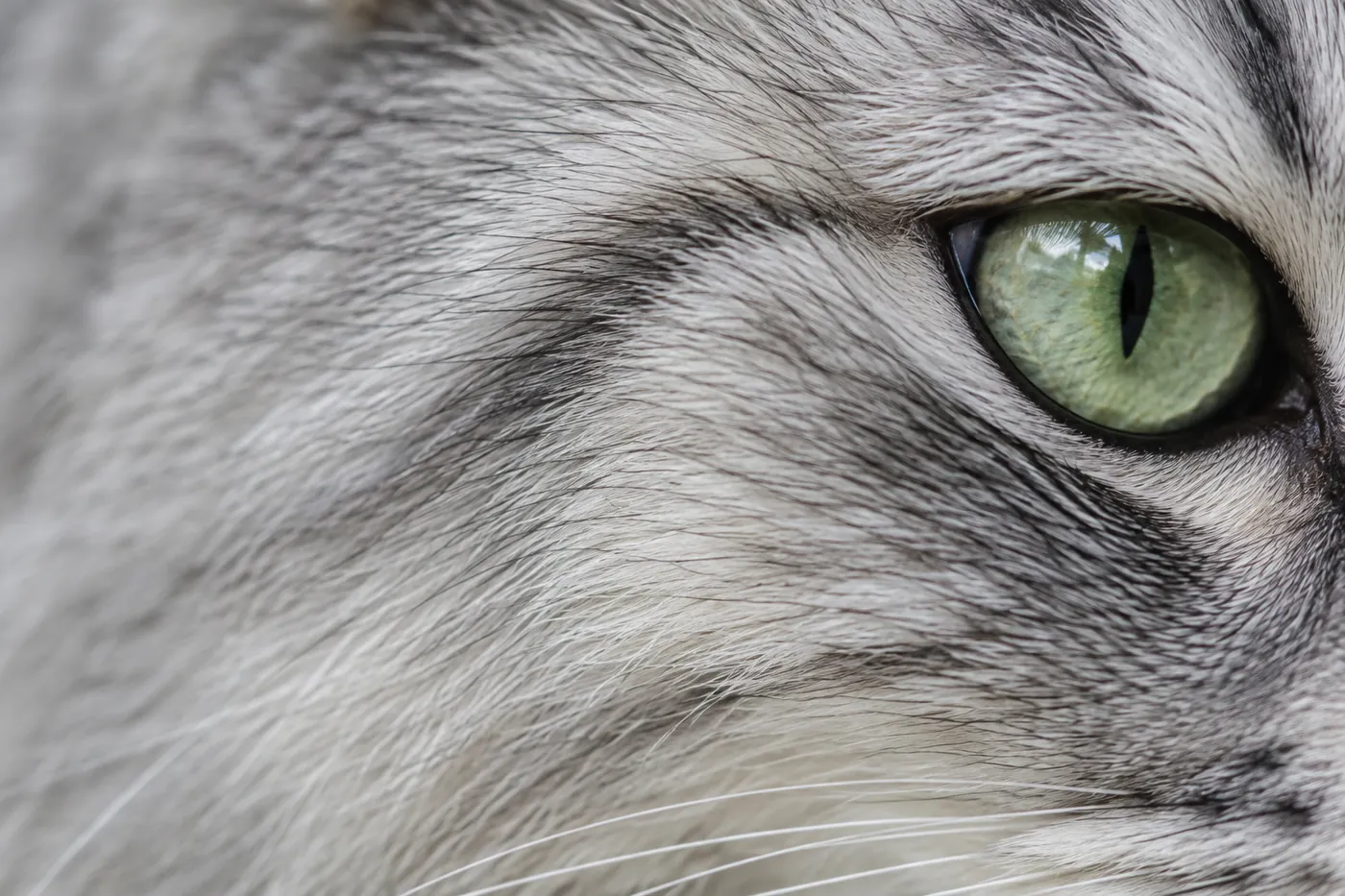
Silver or golden, pale at the roots, with dark "make up" lines that CFA describes as accenting the nose, lips and eyes.
The colour runs from a light tipping to a fuller shaded mantle, depending on how much of each hair carries colour. Registries draw the line differently: CFA accepts the very light chinchilla silver, while the GCCF Asian group society permits any degree of shading except tipping so light that the cat looks almost white.
| Pattern | Where the colour sits | Visual effect |
|---|---|---|
| Tipped, or chinchilla | Only at the very ends of pale hairs | A light dusting over a pale undercoat, sparkling rather than solid |
| Shaded | Further down each hair | A fuller mantle of colour, with the pale base still visible beneath |
CFA's standard accepts black, seal sepia, blue, chocolate, lilac, caramel, cream, red and tortoiseshell, each on a chinchilla silver or a shaded silver or golden ground. Grooming for either coat length is straightforward: a weekly comb for the shorthair, and something closer to the routine on our long-haired coat guide for the Tiffanie variety.
One reassurance worth stating plainly, because the Persian ancestry raises the question: the Burmilla is not a flat-faced breed. CFA's standard describes a head tapering to a blunt wedge with only a gentle dip in profile, and the founding kittens were described as being of good Burmese type.
The breathing and tear-duct problems linked to the modern flat-faced Persian belong to that extreme head shape, which the Burmilla standard does not ask for.
What is the temperament like?
Playful well past kittenhood, and unusually sociable even by the standards of an affectionate breed. Because that social appetite continues into adulthood, a household should plan daily interaction rather than treating kitten playfulness as a phase.
CFA describes Burmillas as friendly, inquisitive and easy-going, with a great love of play.
The voice is quieter than the Burmese side might suggest. Burmese cats have a reputation for talking, but CFA describes the Burmilla as not typically vocal or overly demanding, so a buyer expecting a chatty cat may be surprised.
CFA calls the Burmilla an intelligent breed that thrives when it can play and climb, so a climbing post and puzzle feeders use that intelligence better than correction does. The profile does not describe formal training, and reward-based clicker training is the place to start.
Our guide to exercise needs by age covers how to keep a genuinely playful adult cat engaged rather than bored, which matters more for a breed that does not settle into placidity the way some others do.
How big does a Burmilla get, and what does daily care involve?
A Burmilla is medium-sized, and CFA notes that a mature male often reaches or exceeds 10 pounds while females are usually smaller. The muscular body feels more substantial than its elegant outline suggests. Most reach their adult frame on an ordinary domestic-cat schedule, so the cat growth timeline is a better guide than the extended maturation claims attached to giant breeds.
The short coat usually needs one weekly comb to lift loose hair. The semi-long Tiffanie variety needs more attention behind the ears, under the front legs and around the tail, where fine hair can knot before the surface looks untidy.
Claws, ears and teeth need the same routine checks as any cat, including regular claw trimming when indoor surfaces do not wear the tips down. A stable vertical scratching post gives a playful adult a place to stretch as well as maintain its claws.
No population study reporting a Burmilla lifespan was found for this profile, so any figure quoted for the breed is an estimate rather than a measurement. Preventive care, weight control through measured portions and the inherited-disease records behind the kitten matter more than the upper number in a breed description.
Is one good with children and other pets?
The sociability that defines the breed's temperament is the same trait that tends to make it easy around children and other animals, and CFA describes the Burmilla as getting along with dogs, other cats and children. This means the breed can be a sensible family candidate, provided the individual cat has a retreat and children respect its handling limits.
The usual caution still applies. A cat's tolerance for handling is an individual trait as much as a breed one, and our page on biting during petting covers the signals worth teaching a child to recognise before assuming any breed is universally easy.
What should you ask a breeder?
The PKD documentation is the one that matters most here, and it is worth asking for directly rather than accepting a general assurance of health. Because PKD can pass through an apparently healthy parent, a verbal claim about healthy lines does not replace the named result.
- Ask for a dated PKD1 DNA result, or a recent ultrasound from an experienced operator, on both parents
- Ask whether the litter could include the semi-longhaired Tiffanie variety, and confirm which one you are being offered
- Ask which registry the cattery shows under, since GCCF, FIFe, CFA and others recognise the breed on somewhat different terms
- Expect the ordinary contract, vaccination and worming records, and a kitten staying until at least twelve weeks
Should you get one?
Yes, if the temperament and the striking coat appeal to you and you treat the PKD screening as a genuine requirement rather than a formality.
The accidental origin story is charming and true, and it should not distract from the fact that this cat carries two fully developed pedigree lines' worth of inheritance, health included. Ask for the same documentation you would ask for on either parent breed alone, and the accident stops being a risk and becomes simply an interesting fact about how the breed began.
Common Questions
Was the Burmilla really created by accident?
Yes. In 1981 a Chinchilla Persian male kept as a pet mated with a lilac European Burmese female shortly before he was due to be neutered, producing four shorthaired, black shaded silver kittens. The breeder, Miranda von Kirchberg, then developed the line deliberately from that litter.
Do Burmillas need PKD testing?
It is worth asking for. The breed's Persian ancestry puts it on laboratory lists for PKD1 testing, even though Langford Vets rates the risk as low in Burmillas and moderate in Persians.
What is the difference between a Burmilla and a Tiffanie?
The Tiffanie is the semi-longhaired variety of the GCCF Asian group, the group the Burmilla belongs to, while CFA registers a semi-longhaired cat of this breeding as a longhair Burmilla. A long coat can appear in a Burmilla litter because of long-hair genetics inherited from the Persian side.
Is the Burmilla's Tiffanie the same as the Chantilly-Tiffany?
No, and the similar names are a coincidence worth knowing about. The Chantilly-Tiffany is an unrelated, now-extinct American breed with a completely different ancestry. GCCF's Tiffanie is the semi-longhaired member of the Asian group.
Is the Burmilla recognised by major cat registries?
Yes. FIFe lists it, CFA accepted it in 2011 and advanced it to championship status in 2014, and GCCF shows it within its Asian group. Coat-variety naming differs between registries.
Checked Against
- The International Cat Association: Burmilla tica.org
- Langford Vets, University of Bristol: polycystic kidney disease genetic test langfordvets.co.uk
- Cornell Feline Health Center: polycystic kidney disease vet.cornell.edu
- CFA: Burmilla breed profile cfa.org
- Asian Group Cat Society: Burmilla history and the Asian group varieties asiangroupcatsociety.co.uk
- FIFe: Current breeds fifeweb.org
- Langford Vets, University of Bristol: cat coat length genetic test langfordvets.co.uk
Published 10 September 2026. Last updated .





