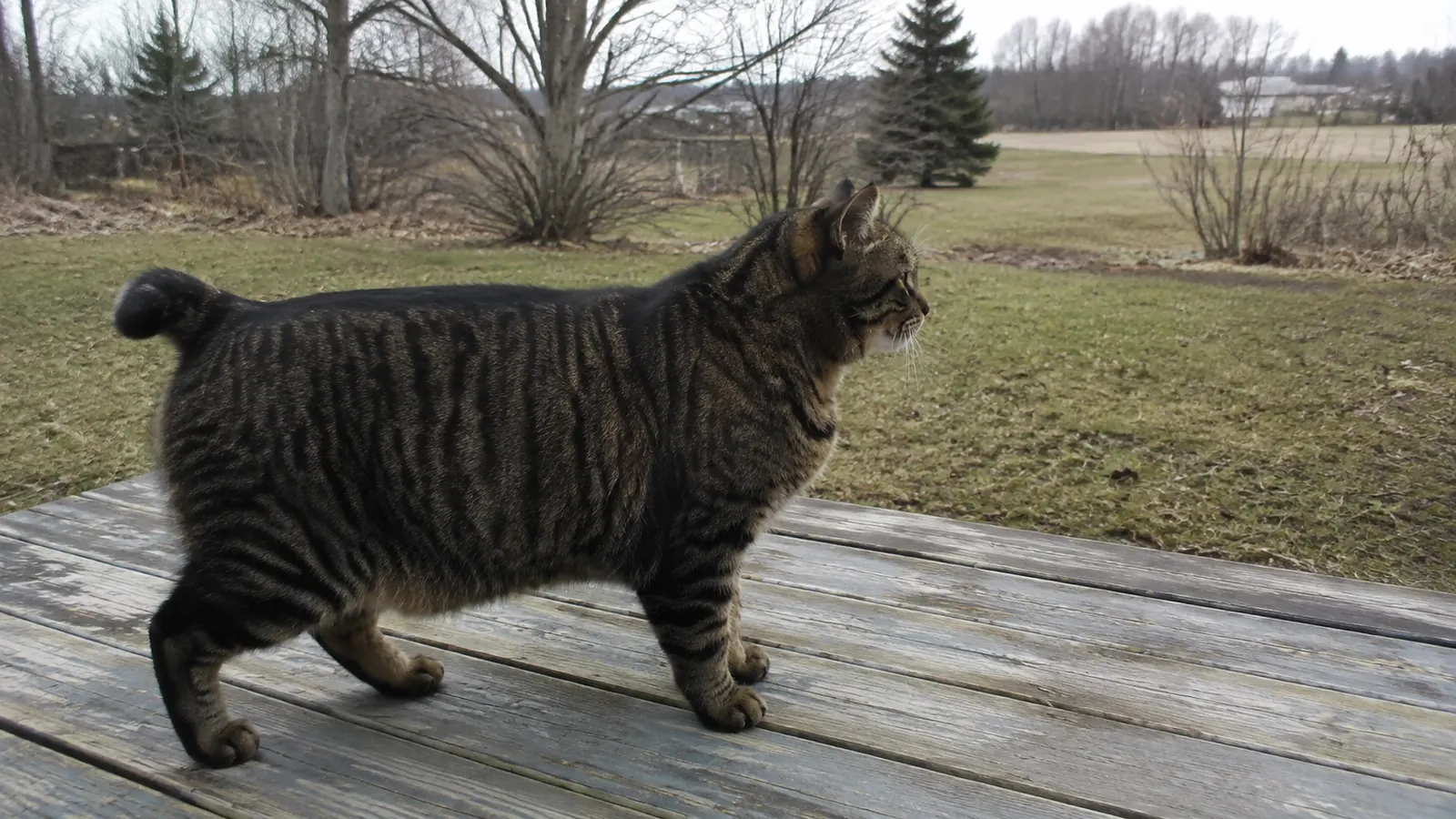
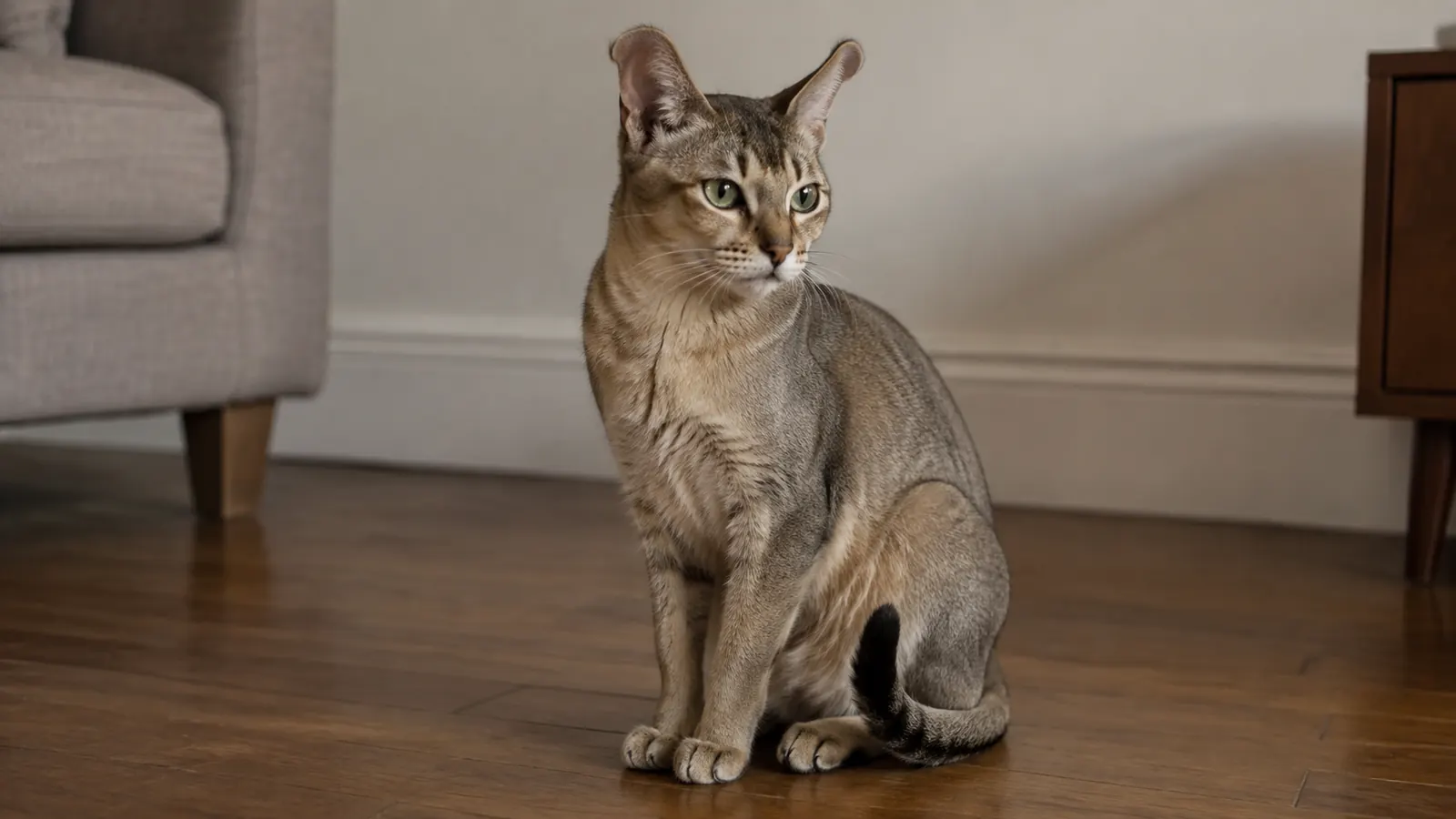
What Is an American Longhair, and Is It a Recognised Breed?
American Longhair does not appear on the breed lists of TICA or CFA, and no breed standard defines it. It is an informal description for a long-haired domestic cat of American origin with no specific pedigree, so the name tells you about the coat and nothing reliable about ancestry, size or temperament.
- Origin
- Not applicable; an informal descriptor for long-haired domestic cats in the American general population
- Coat
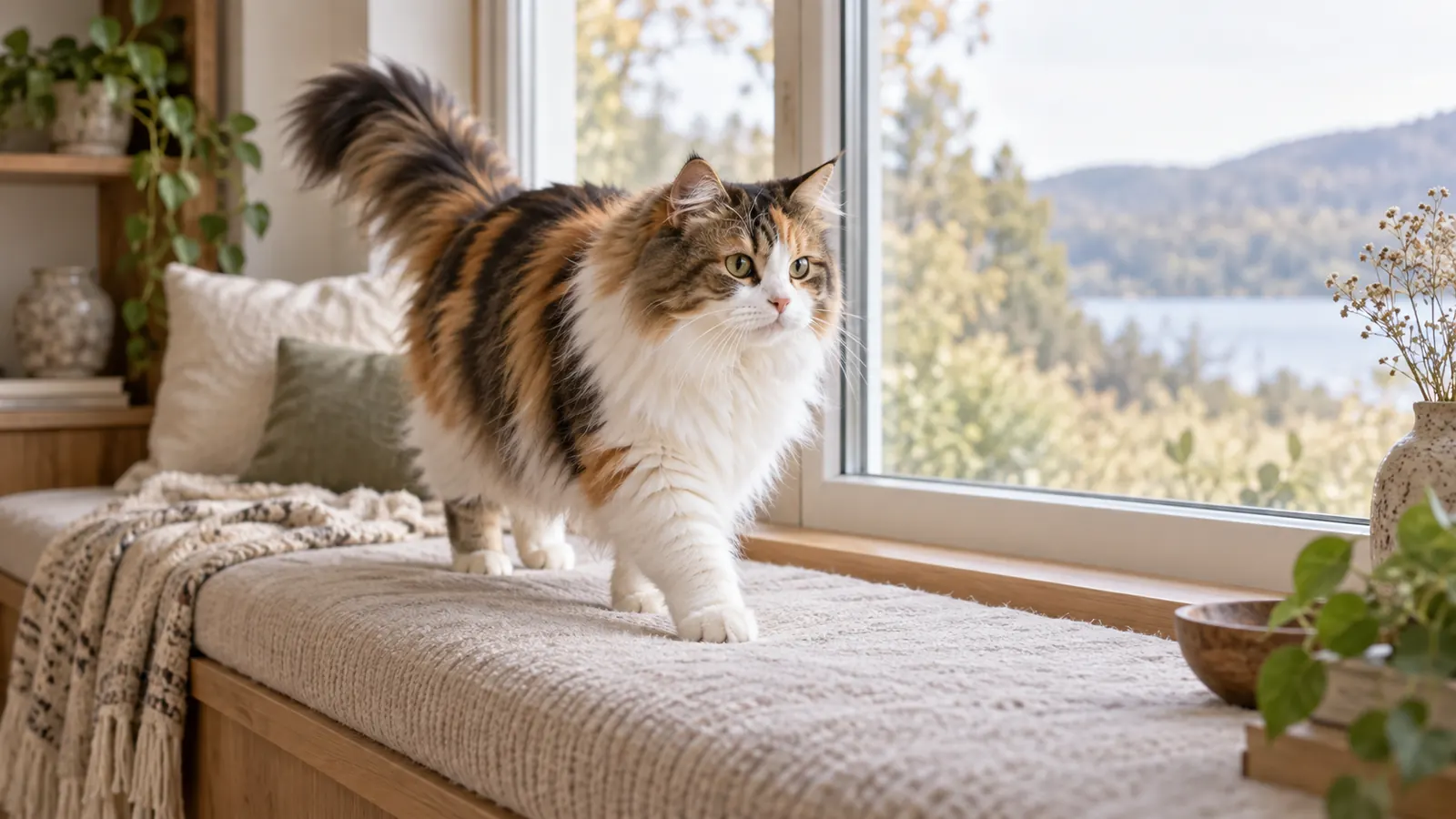
- Long or semi-long, variable in texture and density because no standard defines it
- Size
- Variable; no standard controls the body type
- Typical weight
- Variable; domestic longhairs range from small to large depending on individual genetics
- Life expectancy
- No breed figure; UK primary-care records give 11.74 years for cats overall and 11.9 years for crossbred cats
- Activity level
- Variable by individual
- Grooming
- Moderate to high depending on coat density; all long coats need regular combing to prevent matting
- Suits
- Depends entirely on the individual cat's temperament and health
American Longhair describes a cat rather than naming a pedigree breed. Neither TICA nor CFA lists it, so there is no written standard for how one should look and no breeding programme behind the name.
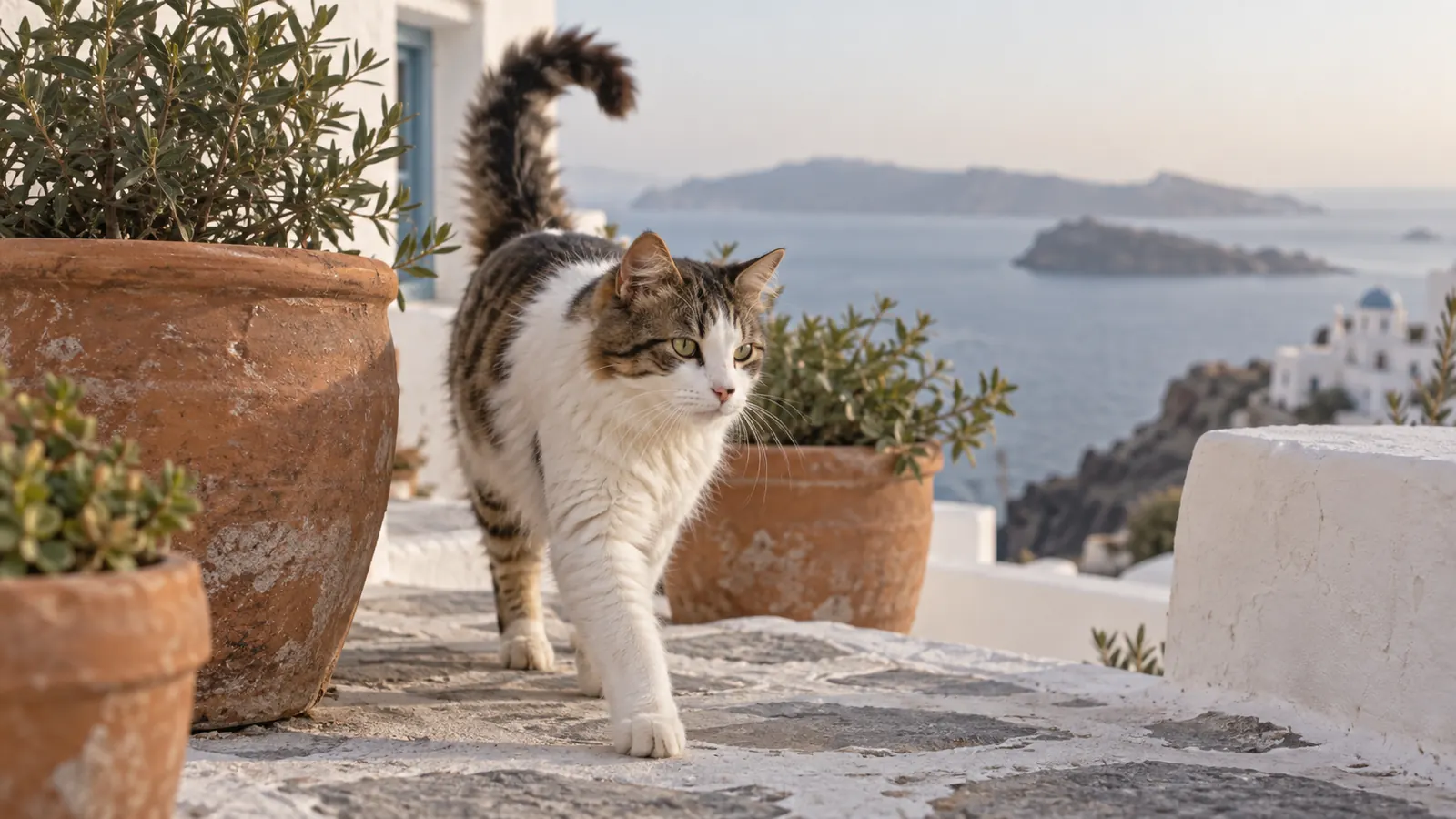
A cat called an American Longhair is a long-haired domestic cat of mixed or unknown ancestry. The name tells you two things: the coat is long, and the cat comes from the American domestic population. Size, temperament and health all belong to the individual cat.
Why Does the Name Exist if It Is Not a Breed?
The term turns up in online breed lists and on adoption profiles. It does the same job as domestic longhair or domestic medium hair on a shelter record: it describes the coat without claiming a pedigree.
The name is also given to long-haired kittens born into American Shorthair lines. Long hair is recessive, carried by variants of the FGF5 gene, so two short-haired parents that each carry one copy can produce a long-haired kitten with no sign of the trait in either of them. The CFA American Shorthair standard disqualifies long or fluffy fur as evidence of a cross, so such a kitten cannot be shown as an American Shorthair, and no registry has made a separate breed of it.
- TICA
- Not listed
- CFA
- Not listed
- What the name means
- A long-haired domestic cat of American origin with no specific pedigree
- What the name does not mean
- A registered breed, a fixed body type or a predictable health profile
- Equivalent labels
- Domestic Longhair, DLH
- Why a long coat appears
- Two copies of a recessive FGF5 variant, which short-haired parents can carry unseen
What Does Owning a Long-Haired Domestic Cat Actually Involve?
Without a breed standard to lean on, the useful questions are about this cat's coat and this cat's character.
Coat care depends on the coat's density and texture. A single-layer silky coat tangles less than a dense double coat with a thick undercoat.
Both need regular combing; the double coat needs more.
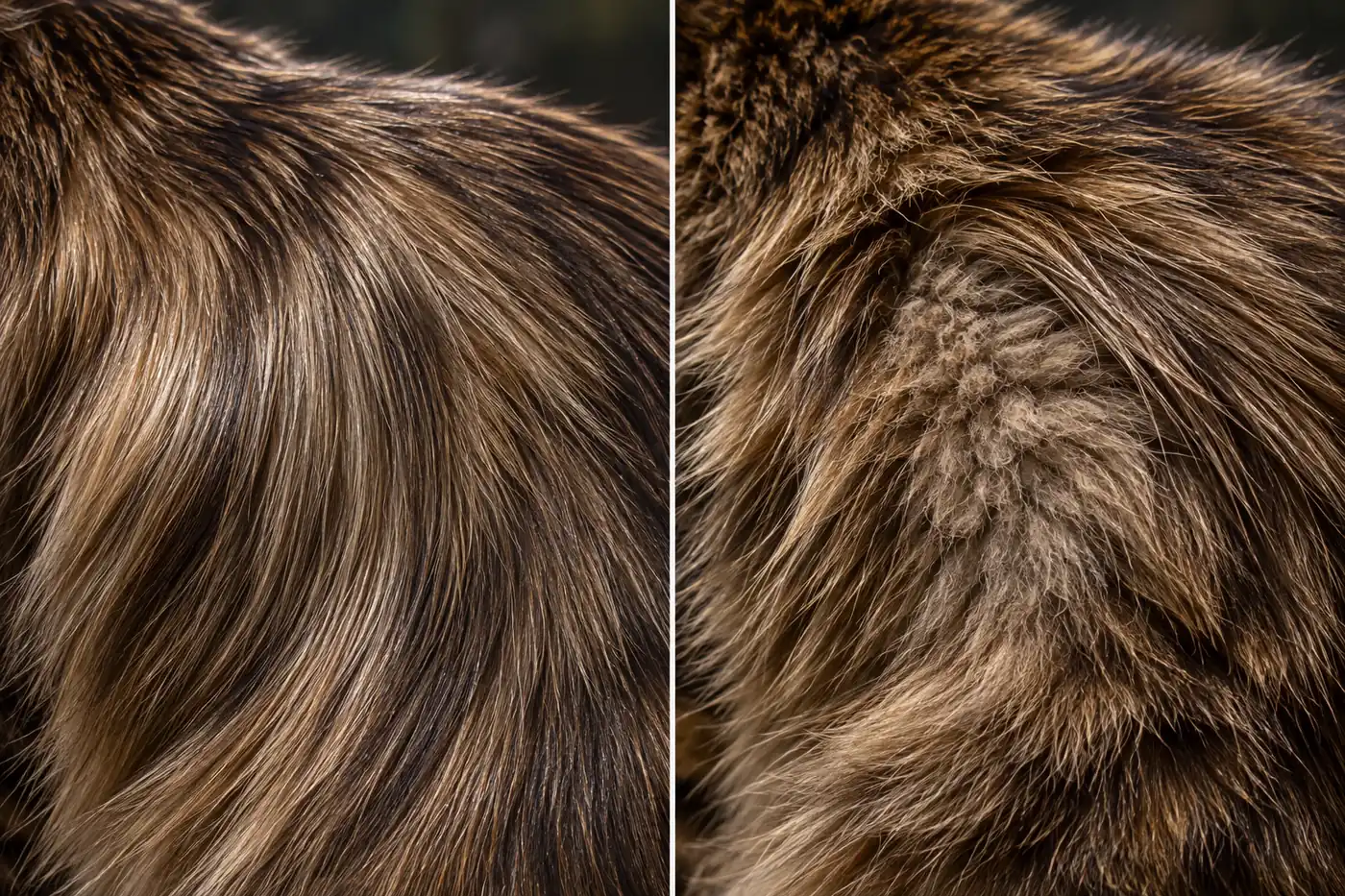
Shedding varies just as widely. Some long-haired domestic cats shed heavily all year, while others drop most of their undercoat in a seasonal moult. A thick undercoat means more loose hair on the furniture and more hair for the cat to swallow while it grooms.
Hairballs are the part of shedding that ends up inside the cat. Cornell Feline Health Center notes that long-haired cats may be at greater risk of hairballs than short-haired ones, and recommends daily brushing and combing to reduce the hair a cat swallows. A cat that retches repeatedly without producing anything, keeps vomiting, refuses food for more than a day or two or turns lethargic needs a veterinarian promptly, because a hairball lodged in the intestine can cause a blockage.
Health follows the general domestic cat population, because a cat with no defined breed has no breed disease list. UK primary-care records put life expectancy at birth at 11.74 years for cats overall and 11.9 years for crossbred cats. Those are population averages rather than a forecast for one cat, and many cats live well beyond them.
Size is just as individual. With no standard controlling the body, a long-haired domestic cat can be small and fine-boned or large and heavy, and a full coat makes most of them look bigger than they are. The scales and a hand run along the ribs tell you more than the silhouette.
Temperament is entirely individual. Without a breeding programme selecting for specific traits over generations, a domestic longhair's personality depends on its genetics, early socialisation and environment. How it will cope with children or another cat depends on what it has already lived with, which a foster carer or shelter record can often describe.
How Do You Evaluate a Cat Labelled American Longhair?
The same way as any domestic cat whose ancestry is unknown: by looking at the coat you will be caring for and the cat you will be living with.
- Assess the coat density and texture to understand the grooming commitment
- Check the skin beneath the coat for matting, parasites or irritation
- Observe the cat's temperament during calm interaction, play and handling
- Ask for any available veterinary records
- Do not pay a premium for the name American Longhair as though it were a pedigree breed
A healthy, well-tempered long-haired domestic cat is a perfectly good companion. The name it carries on an adoption profile does not change what it needs or what it offers.
Common Questions
Is the American Longhair a real breed?
No. It is an informal description for a long-haired domestic cat of American origin, and neither TICA nor CFA lists it as a breed.
What is the difference between an American Longhair and a domestic longhair?
Nothing meaningful. Both terms describe a long-haired cat without a specific pedigree. The names are used interchangeably.
How much grooming does an American Longhair need?
It depends on the individual coat. A dense double coat needs regular combing to prevent matting. A finer single-layer coat needs less.
How big does an American Longhair get?
Variable. No standard controls the body type. Domestic longhairs range from small to large depending on individual genetics.
Checked Against
- TICA: Current breeds (American Longhair not listed) tica.org
- CFA: Current breeds (American Longhair not listed) cfa.org
- CFA: American Shorthair breed standard (long or fluffy fur disqualified) cfa.org
- Four independent mutations in the feline FGF5 gene determine the long-haired phenotype pmc.ncbi.nlm.nih.gov
- Cornell Feline Health Center: The danger of hairballs vet.cornell.edu
- Life tables of annual life expectancy and risk factors for mortality in cats in the UK pmc.ncbi.nlm.nih.gov
Published 17 September 2026. Last updated .