What Is a California Spangled Cat, and Is It Extinct?
The California Spangled was considered extinct by about 2000, its founder died in 2007, and no major registry recognises it today. Occasional listings still claim to offer kittens, and there is no closed studbook left that could actually confirm one.
- Origin
- Developed in California by Paul Casey over about fifteen years from the 1970s, from Siamese, Angora, British Shorthair, American Shorthair, Manx and Abyssinian lines plus street cats from Malaya and Cairo
- Coat
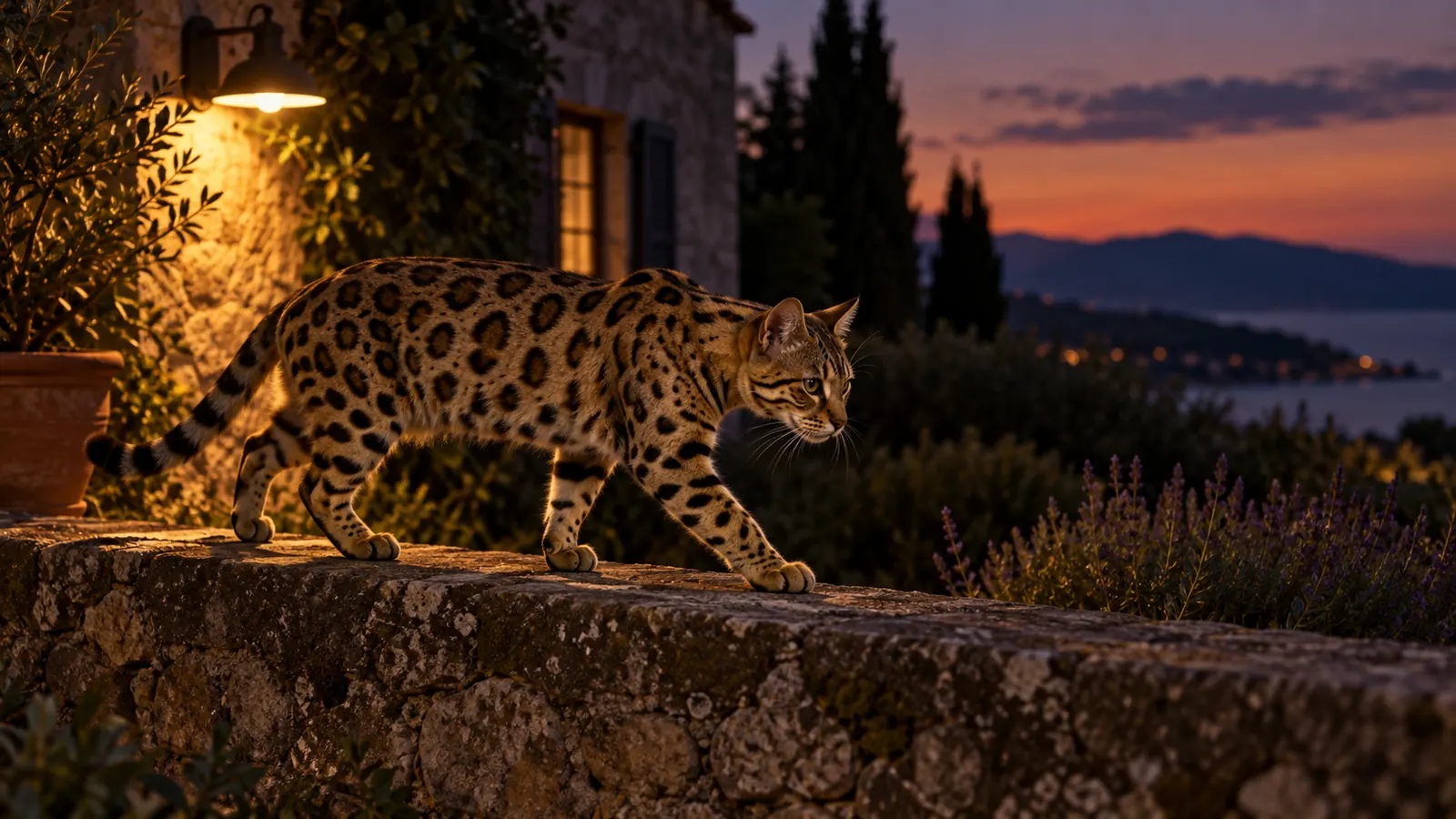
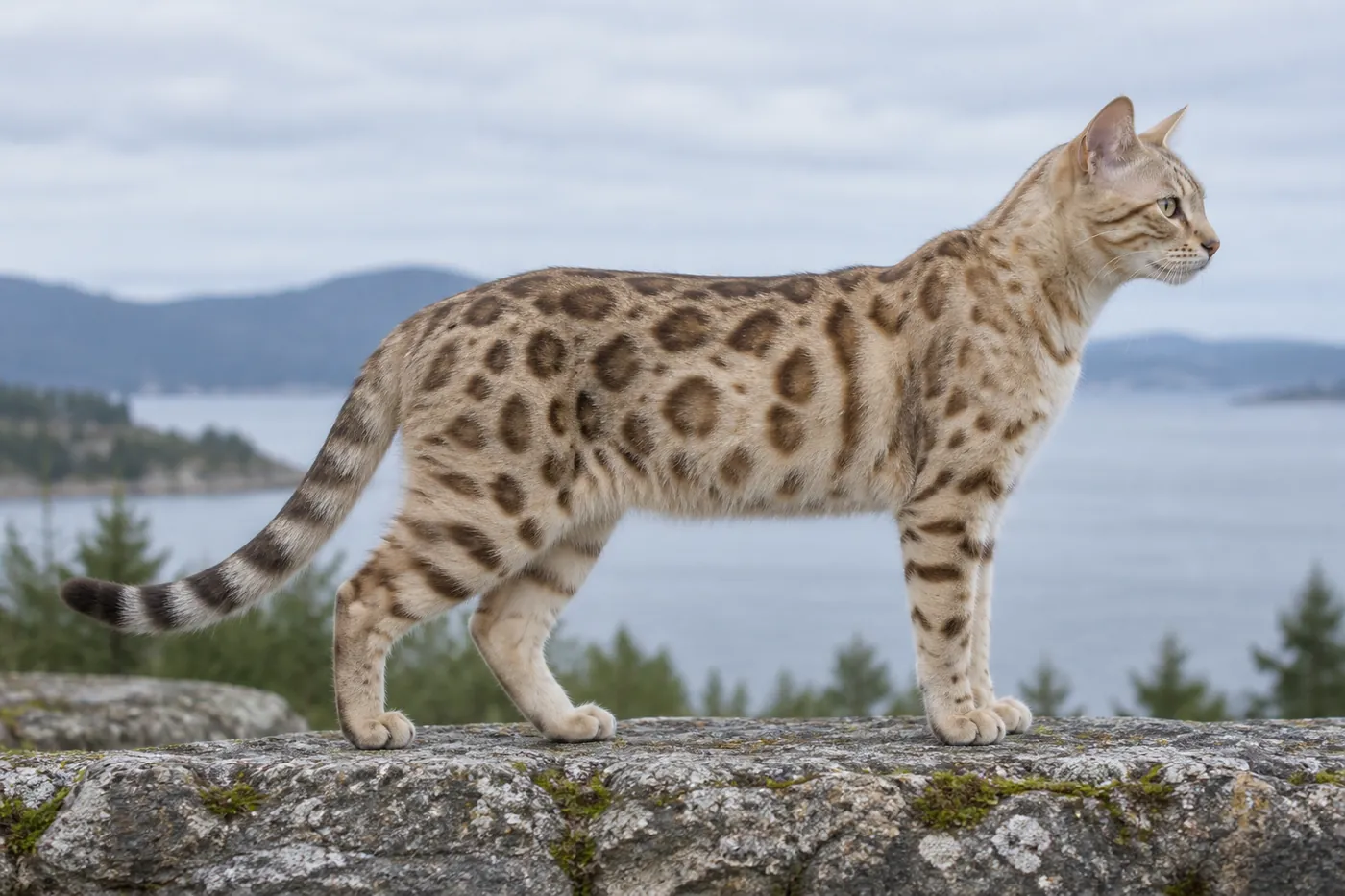
- Short, soft and close-lying, with well-defined dark spots in sharp contrast to a ground colour from silver or gold to red or charcoal, when the type is present at all
- Size
- Medium-large and muscular, with powerful legs, bred to resemble a small wild cat
- Typical weight
- No verifiable figure; historical descriptions call it medium-large and muscular, and no current population exists to measure
- Life expectancy
- No data exists for a population this small and this far past active breeding
- Activity level
- Unverifiable for any cat offered today
- Grooming
- Would be low for a short spotted coat if the breed's original type were reliably present
- Suits
- Nobody, as a purchasing decision. There is no verifiable population to buy from
A search for a California Spangled kitten still turns up listings, and that alone is worth being suspicious of.
Every major registry that ever recognised this breed has since dropped it, its creator died in 2007, and cat-history records describe the population as extinct. What you are looking at, if you find a listing, cannot be verified against anything.
Why was this breed created?
Mainly to make a point, and only secondarily to be a pet.
Anthropologist Louis Leakey, better known for his work on early human fossils in East Africa than for cat breeding, was troubled by the poaching death of one of the last breeding leopards in the Olduvai region. Paul Casey, a Hollywood scriptwriter who had worked with Leakey in Tanzania, came home to California in the 1970s set on breeding a domestic cat that looked enough like a leopard to make one argument visually: a coat like that did not require killing a wild cat.
Casey drew up an eleven-generation plan and spent about fifteen years on it. He began with a traditional-style Siamese and a spotted silver Angora, added British Shorthair, American Shorthair, a spotted Manx and Abyssinian to build his core line, and in the final generations used street cats from Malaya and Cairo for the muscular, primitive look he wanted.
Casey stated that the cats had no wild blood, so the leopard look was meant to come from selecting spotting and build within domestic cats alone. After his death, suspicions were voiced that undeclared wild-cat blood had entered the mix, because Casey was known to have acquired a Jungle Cat and litters of Asian leopard cat crosses. With no breeding records left, that question cannot now be settled.
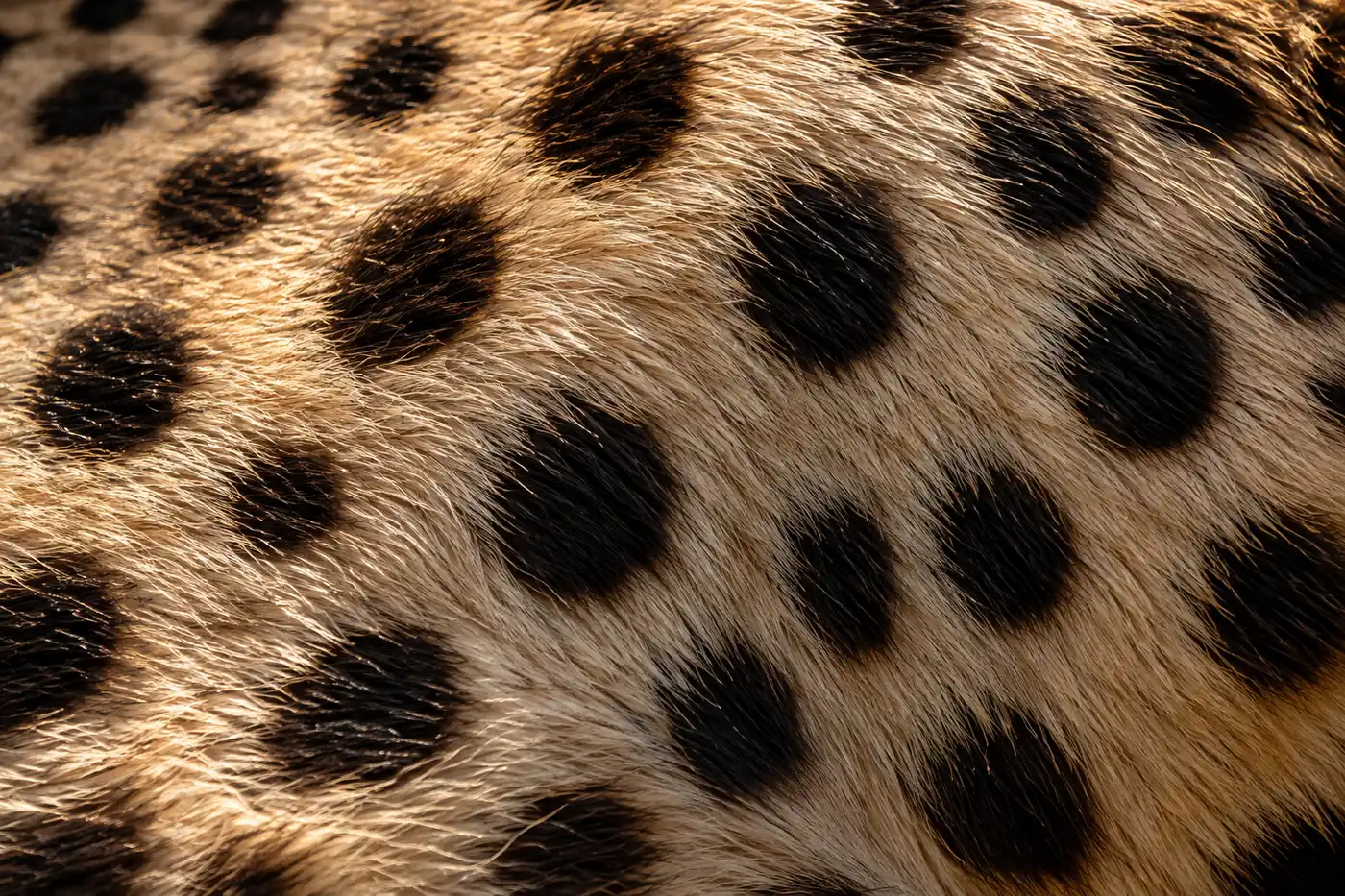
The standard called for well-defined spots, rounded, square, oval or triangular, in sharp contrast to the ground colour, on a medium-large, muscular cat with powerful legs. Colours ran from silver, gold and bronze to red, charcoal and black.
The declared domestic ancestry set it apart from an openly wild hybrid like the Savannah, and it was central to the original conservation argument: proof that the leopard look did not require a leopard.
- Foundation breeds
- Siamese, Angora, British Shorthair, American Shorthair, Manx, Abyssinian, plus street cats from Malaya and Cairo
- Wild ancestry
- None declared by Casey; suspected by some after his death
- Development period
- About fifteen years, from the 1970s to the 1986 launch
- Public introduction
- 1986 Neiman Marcus Christmas catalogue
What happened at the 1986 launch, and why does it still matter?
The 1986 launch is central to the breed's history because its luxury-catalogue marketing undercut the conservation message. The breed's credibility never fully recovered.
The California Spangled was introduced to the public in the 1986 Neiman Marcus Christmas catalogue, marketed as a luxury "his and hers" gift at $1,400 a cat. Neiman Marcus also sold furs, and the store was reportedly unhappy that Casey spoke out against wearing them.
The launch generated genuine demand. Casey reportedly received around 350 orders and enquiries after the catalogue ran, and the cats appeared on news programmes and talk shows on the strength of the coverage, far outpacing what his breeding programme could actually supply.
A breed conceived as an anti-poaching statement was launched by a store that sold the very product it was meant to argue against.
TICA accepted it for registration in 1986 and the American Cat Association followed in 1991, but neither position held.
Is it actually extinct?
Mostly. The Messybeast cat-history record reports that TICA stopped recognising the breed in 2000 for lack of progress, that neither TICA nor the American Cat Association still lists a standard for it, and that the breed was considered extinct by 2000. Neither the CFA nor the FIFe list of recognised breeds includes it today.
Casey died on 23 April 2007, in Los Angeles, at 60. He had been the breed's only real organising centre: the media contacts, the conservation framing and the breeding decisions all ran through one person, and nothing else was built to survive him.
Some listings and a handful of self-described breeders continue to claim limited ongoing work with the type. None of that claim can be checked against a closed studbook, because there is no registry currently maintaining one for this breed.
| Claim | What can actually be verified |
|---|---|
| "TICA registered" | False. TICA dropped the breed in 2000 |
| "ACA registered" | The ACA no longer lists a breed standard to register against |
| "Continuing a rare bloodline" | Unverifiable without a maintained studbook or DNA record tracing to the original lines |
| "Spotted cat resembling the original type" | Possibly true, and also true of an Egyptian Mau, an Ocicat, or an unregistered spotted domestic cat |
Why can't a kitten offered today be verified?
Because verification requires an institution to check against, and none currently exists for this breed.
A pedigree is only as good as the registry standing behind it. CFA and FIFe do not list this breed at all, and the two organisations that once registered it, TICA and the ACA, have both stepped back.
A seller can print a certificate, but there is no body that will confirm it means anything.
| What a seller might claim | What it would actually take to confirm |
|---|---|
| "TICA registered" | A current TICA registration number that resolves in TICA's own records; TICA does not list the breed |
| "Descended from Casey's original lines" | A maintained pedigree chain back to the 1970s programme; none is known to exist |
| "Health tested" | A named test and a dated result from an independent lab, exactly as with any breed |
The American Ringtail faces a milder version of the same problem: it has at least one active registry recording pedigrees today, even at the bottom rung of recognition. The California Spangled has none.

If you are genuinely offered a kitten, the honest position is that you cannot know whether it descends from Casey's programme, from a more recent unrelated spotted-cat cross, or is simply a spotted domestic shorthair being sold under a name people recognise.
Even a DNA test would not settle it. Cat DNA panels test for known inherited disease variants and broad ancestry groupings, not for membership in a specific closed breeding programme.
That programme stopped keeping records decades ago, and there is no reference database of confirmed California Spangled genetics to compare a sample against.
What can you know about health and temperament?
Very little at breed level. The population was too small, too briefly established and too poorly documented for reliable disease rates, lifespan figures or modern temperament studies.
The 1986 catalogue described the California Spangled as gentle and affectionate, but a sales description cannot verify a cat advertised today. Traits from the foundation breeds also cannot substitute for evidence about the finished population, because selection changes which traits remain common over generations.
For any spotted cat offered under this name, the individual in front of you is the only evidence: an independent veterinary examination, named test results where the pedigree suggests them, and an activity routine based on the cat's actual age using exercise needs by age rather than an extinct breed description.
The same limit applies to lifespan. A seller quoting a precise California Spangled range is repeating an unsourced estimate, not reporting data from a living population.
What should you do if you see one advertised?
The same way as any unverifiable pedigree claim, by separating the cat from the story.
- Ask which registry the cattery is registered with, and check the answer against that registry's own current recognised-breed list
- Do not pay a premium for the name if no registry can confirm it
- Evaluate the individual cat on health, temperament and condition, exactly as you would any spotted shorthaired cat
- Have any health claims verified by an independent vet rather than taken from the seller's description
A price noticeably above an ordinary domestic shorthair, justified only by the breed name, is itself a signal worth treating with suspicion given everything above. The name is not doing the work a genuine pedigree would do.
What should you look for instead?
If the spotted-wild-cat look is the appeal, that appearance exists in breeds with real, currently maintained studbooks behind them.
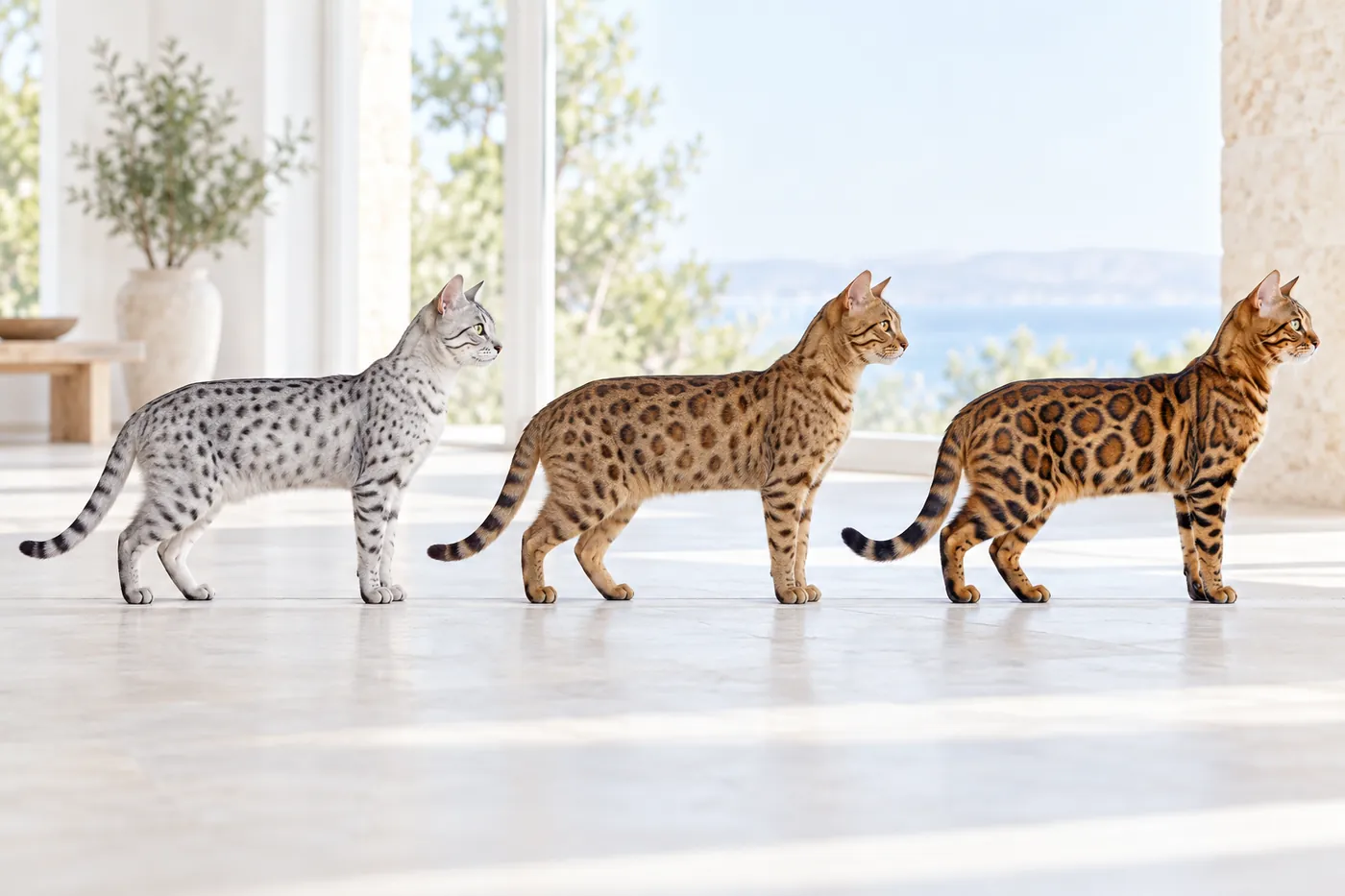
The Egyptian Mau is the classic naturally spotted breed, with genuine DNA-testable ancestry and full recognition. The Ocicat was purpose-bred for a similarly wild-looking spotted coat without any wild ancestry at all, and both come with the documentation the California Spangled no longer can.
The Bengal offers large rosettes and a current international pedigree system, but it carries Asian leopard cat ancestry and therefore answers a different ownership question from Casey's declared domestic project.
None of the three replaces the specific history this breed represents. Each offers what most buyers are actually looking for, which is the look, backed by paperwork that means something.
Can you buy a California Spangled cat today?
The California Spangled is a real piece of cat-breeding history: a genuinely interesting attempt to use a house cat to make a conservation argument, undone almost immediately by a marketing decision that contradicted its own premise. Its historical importance cannot support a modern pedigree claim, and it is not, today, something you can reliably buy.
Anyone offering a verified California Spangled kitten in the present tense is making a claim no registry can back up, and the responsible response is to ask for the documentation and expect that it will not resolve to anything current.
Common Questions
Is the California Spangled cat extinct?
Functionally, yes. TICA stopped recognising it in 2000, neither TICA nor the American Cat Association still lists a standard for it, and cat-history records describe it as considered extinct by 2000. A handful of unverifiable claims of continued breeding still circulate.
Why was the California Spangled created?
Breeder Paul Casey developed it from the 1970s, encouraged by anthropologist Louis Leakey, to argue against leopard poaching, by showing that a domestic cat could carry a similar spotted coat without a wild cat being killed for it.
What happened when the California Spangled was launched?
It was introduced in the 1986 Neiman Marcus Christmas catalogue as a $1,400 luxury gift, from a store that also sold furs. The launch drew objections from both animal-rights groups and cat fanciers, and the breed's standing never fully recovered.
Can I verify a California Spangled kitten offered for sale today?
Not reliably. No major registry currently maintains a studbook for the breed, so there is no institution that can confirm a cat's ancestry traces to the original lines.
What breeds look similar to the California Spangled today?
The Egyptian Mau is a naturally spotted breed with full registry recognition, and the Ocicat was purpose-bred for a wild-looking spotted coat with no wild ancestry. Both come with documentation the California Spangled no longer has.
Checked Against
Published 10 September 2026. Last updated .