
Cat Gear, Judged on What It Has to Do
A carrier, a tray, or a post either does its job or it does not, and the price tells you very little about which. Size, the opening, and whether the cat will actually use it are what decide it.
Judge an item by the job, not by the price
Cat equipment is sold on materials, colours, and claims. Almost none of that predicts whether a cat will use the thing.
A carrier either opens from the top or it does not. A post either takes a full stretch without wobbling or it does not. A tray is either big enough to turn around in or it is not.
Those are specifications, and they are checkable in a shop in about thirty seconds.
Every item here is judged by what it has to do, so you can apply the same test to anything on a shelf.
Nothing on this site is rated, scored, or named as best. The reasoning is straightforward: a rating on a product nobody tested is a fabrication, and the specification is more useful anyway.
Carriers, and Getting a Cat Into One
A carrier has to open at the top, stay still in a car, and be somewhere the cat already walks into by choice. Flying adds a set of rules that disqualify most of what is sold for the job.
-
Gear
Choosing a carrier
A secure removable-top carrier makes routine vet visits easier, and usable space, closures and transport instructions…
-
Gear
Airline carriers
Confirm that your cat can travel safely and that its carrier meets the operating airline's rules for the exact flight…
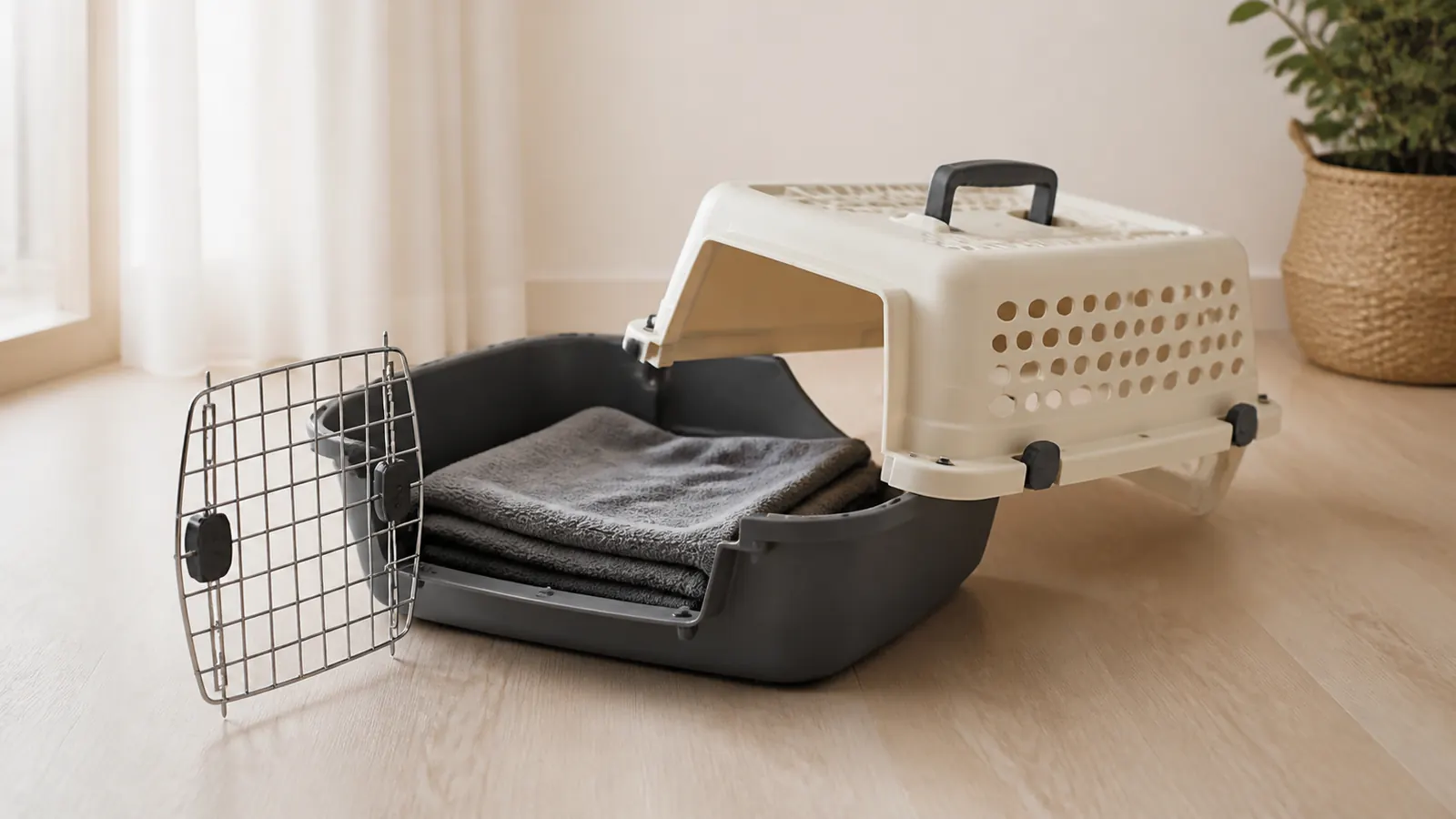
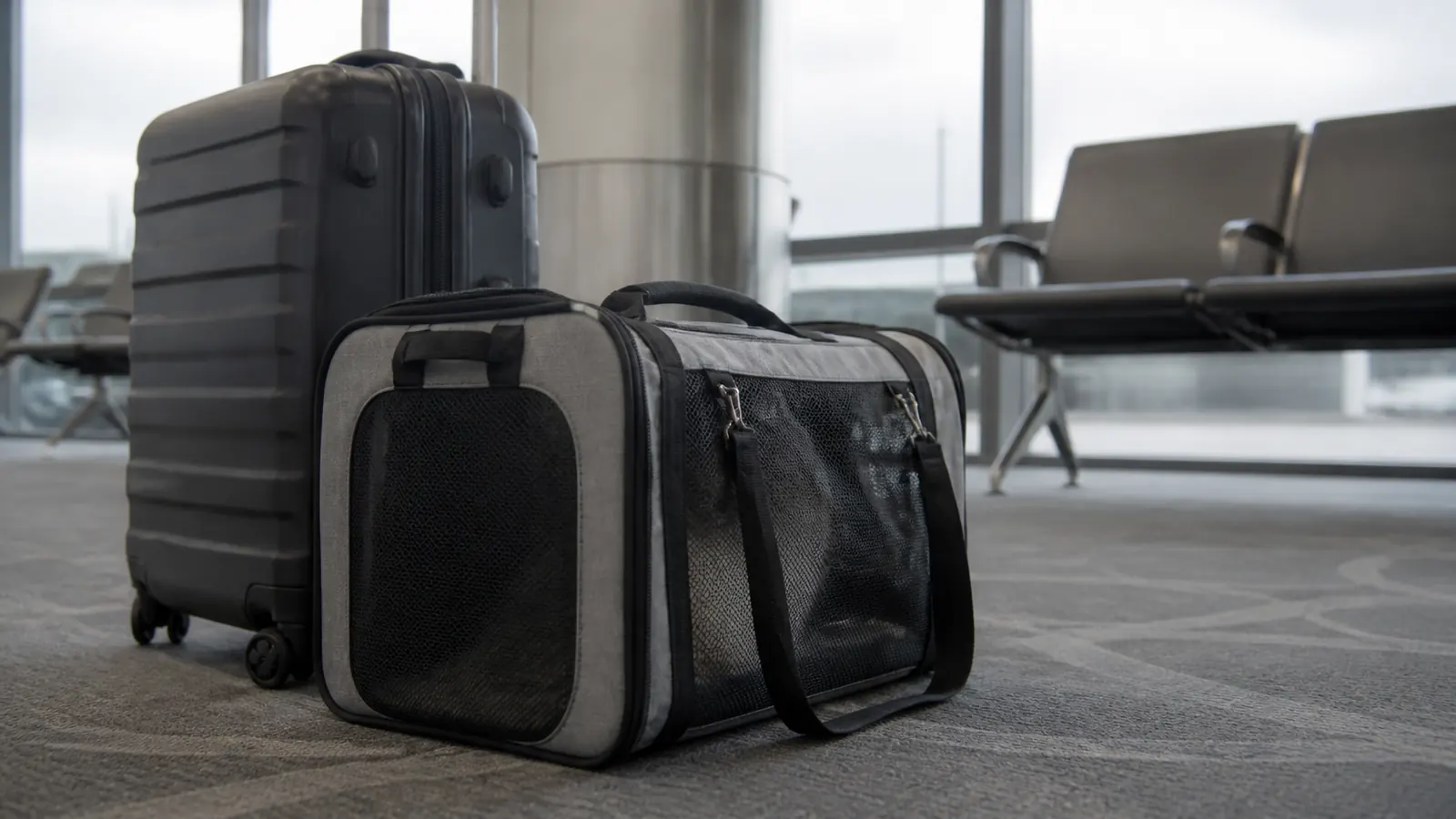
Carriers, where the specification matters most
A carrier is the one piece of equipment that gets used at the worst possible moment, and most are bought in a hurry.
- Top opening
- A vet can examine a frightened cat in the base
- Rigid shell
- Soft carriers collapse and cannot be lifted apart
- Size
- Room to stand, turn and rest naturally, within any transport-specific limit
- Door
- Metal, positive catch, operable with one hand
- Seatbelt route
- A strap path that actually holds it in a car
- Cleanable
- Because it will need cleaning at the worst moment
The top-opening point is the one that changes a vet visit. A cat that will not come out of a front-loading box gets tipped out, and the whole appointment starts badly.
Bigger is not better. A carrier the cat slides around in is more frightening than one that holds it steady.
A top that comes off lets a cat be examined in the base it is already hiding in.
The choosing a cat carrier guide covers measuring and the car journey, and the airline carriers guide covers what changes when flying.
The Kit That Earns Its Space
A tray, a post and a collar are the three purchases a cat lives with every day. Each has one specification that decides whether it works, and a long list of features that decide nothing.
- Breakaway collars Cats climb and squeeze through gaps, so a collar that holds under load is a hazard. The buckle is the…
- Choosing a litter tray Choose a tray the cat can enter, turn and dig in comfortably, then check that its location and litter are…
- Choosing a scratching post Cats scratch to stretch, to shed claw sheaths, and to mark. A post that is too short or too wobbly fails at…
Trays and litter, where size is usually wrong
Most trays sold as large are too small for the cat that has to turn around in one.
The working rule is a tray about one and a half times the length of the cat, measured nose to base of tail. Very few commercial trays meet that, which is why plain storage boxes are a common and sensible substitute.
High sides help with digging and scatter. The exception is the entry point, which needs to be low for a kitten or a stiff older cat.
Hoods and liners both cause more problems than they solve: hoods concentrate odour where the cat is, and liners catch claws.
Measure the cat, then measure the tray. Almost nobody does, and almost everybody buys too small.
The choosing a litter tray guide covers what to look for in a shop.
Scratching posts, and why most get ignored
A post that goes unused may have failed on stability, usable height, surface or location, or the cat may be avoiding it because of pain.
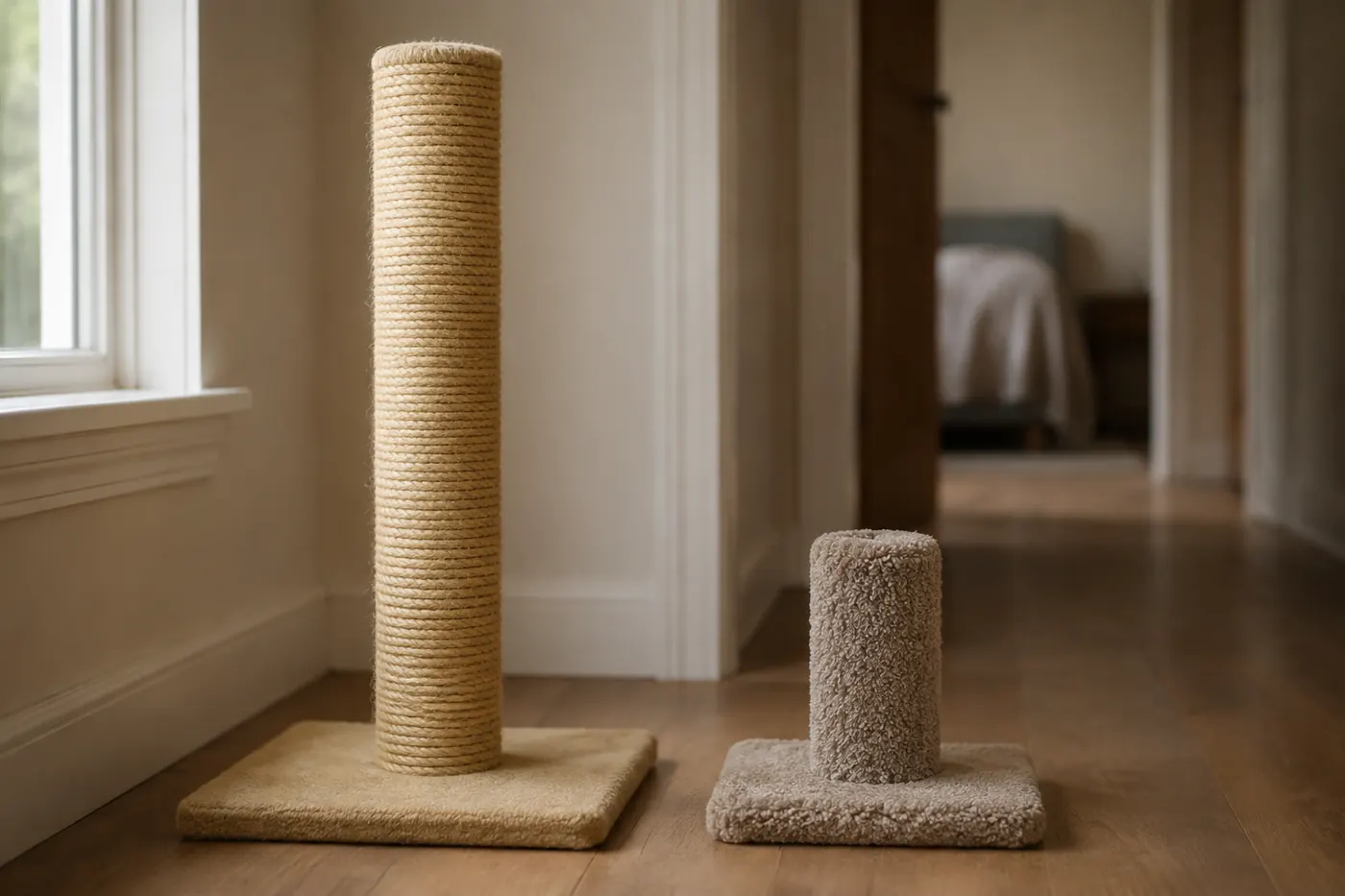
- Tall enough for a full stretch, which for most cats means at least 80 centimetres
- Heavy or fixed enough not to move at all under load
- Sisal rope or bare wood rather than carpet
- Positioned where the cat already scratches, not where it looks tidy
- One near a sleeping spot, because cats scratch on waking
- A horizontal option too, since some cats prefer to scratch flat
Stability is the most common failure. A post that shifts once teaches the cat that it is unreliable, and the cat goes back to the sofa, which never moves.
A post that wobbles has already lost to the arm of a sofa.
Beds, bowls, and the small things that get used
Cats choose sleeping places by warmth, height, and how many approaches they can see. An expensive bed in a draughty corner loses to a cardboard box on a radiator shelf.
Bowls matter more than they look. Wide and shallow stops whiskers touching the sides, which some cats dislike enough to eat elsewhere or leave food.
Water goes away from food, in more than one place, and in more than one room. A cat that drinks from a tap is telling you something about the bowl rather than about the water.
Ceramic, glass and stainless steel are durable options when intact. Any material that becomes scratched, cracked or difficult to clean should be replaced.
A cat that paws at the water or drinks from taps is usually objecting to the bowl.
Collars, harnesses, and identification
Identification splits into two jobs, and one piece of equipment does each.
A microchip does the identifying. It cannot fall off, it is read anywhere, and the details registered against it need to be current.
A collar is visible identification for a cat that goes outdoors, and it must be a breakaway type. A collar that holds under load becomes a noose on a branch or a fence post.
Elastic inserts are worse rather than better, because a cat can get a front leg through the stretch and be trapped in it.
Harnesses are a separate item and need a secure fit plus a gradual indoor introduction. Some cats never become comfortable wearing one, even with careful training.
The chip identifies the cat. The collar's only real job is to come off.
The breakaway collars guide covers testing the buckle before you rely on it.
Enrichment that earns its shelf space
The equipment that changes an indoor cat's life is mostly about height and about work.
Vertical routes matter more than floor area. Shelves that let a cat cross a room without touching the floor turn a small flat into a much larger territory.
Puzzle feeders convert part of the daily ration into activity. Starting easy matters, because a feeder a cat cannot solve gets abandoned rather than practised.
Wand toys are the only category that reliably produces a proper hunting sequence, because the prey moves away from the cat rather than towards it.
Rotating a small number of toys works better than owning many, since novelty is most of the appeal.
A route to the ceiling does more for an indoor cat than a cupboard full of toys.
What to buy first, and what to skip
For a new cat, four things are worth having before it arrives: a carrier, a tray that is big enough, a stable post, and bowls.
Everything else can wait until you know the cat. Preferences for beds, toys, and feeders vary enormously between individuals, and buying them in advance is mostly guesswork.
Automatic trays can hide changes in urine or stool when nobody reviews their records and waste drawer. Water fountains help only when the cat actually uses them and the unit can be cleaned thoroughly.
Buy the four things a cat cannot do without, then let the cat tell you the rest.
Second-hand, and the few things to buy new
A good deal of cat equipment is worth buying used, and a short list is not.
Carriers, cat trees, shelving, and bowls are all fine second-hand provided they can be cleaned properly and nothing is cracked or wobbling.
Inspect litter trays for scratches, cracks and retained odour that ordinary cleaning no longer removes. Replace a damaged tray when its surface cannot be cleaned effectively or the cat begins avoiding it.
Scratching posts are worth checking rather than avoiding. A post with worn sisal can be re-wrapped, but one whose base has loosened is finished.
Anything from a household with an unknown health history should be washed and left to dry fully before use, since ringworm in particular survives on surfaces for a long time.
Buy the tray new, and be relaxed about almost everything else.
The other category worth buying new is anything with a mechanism the cat depends on, which in practice means the buckle on a collar and the door catch on a carrier.
Where the money is usually wasted
A few categories reliably take money without improving anything for the cat.
Heated beds rarely beat a radiator shelf or a sunny windowsill, both of which the cat has already found.
Cat furniture built for a photograph tends to be narrow, unstable, and carpeted, which fails the two tests that matter for a post.
Automatic feeders solve a genuine problem for irregular hours and create one for anybody who relied on mealtimes to notice a lost appetite.
Toys sold in multipacks are usually the same toy repeated, and a cat that ignored the first will ignore the other eleven.
The exception worth spending on is height, because a wall-mounted route changes how a cat uses a whole room.
Spend on the things fixed to a wall, and be careful with anything sold on how it looks.
More About Living With a Cat
One question usually leads to the next one.
-
Health
What a change in a cat usually means, and how fast it needs looking at.
Browse -
Food safety
One of six verdicts per food, with the reasoning and the sources.
Browse -
Nutrition
How much, how often, and how a cat gets enough water.
Browse -
Litter box
Setup, substrate, placement, and what the tray tells you.
Browse