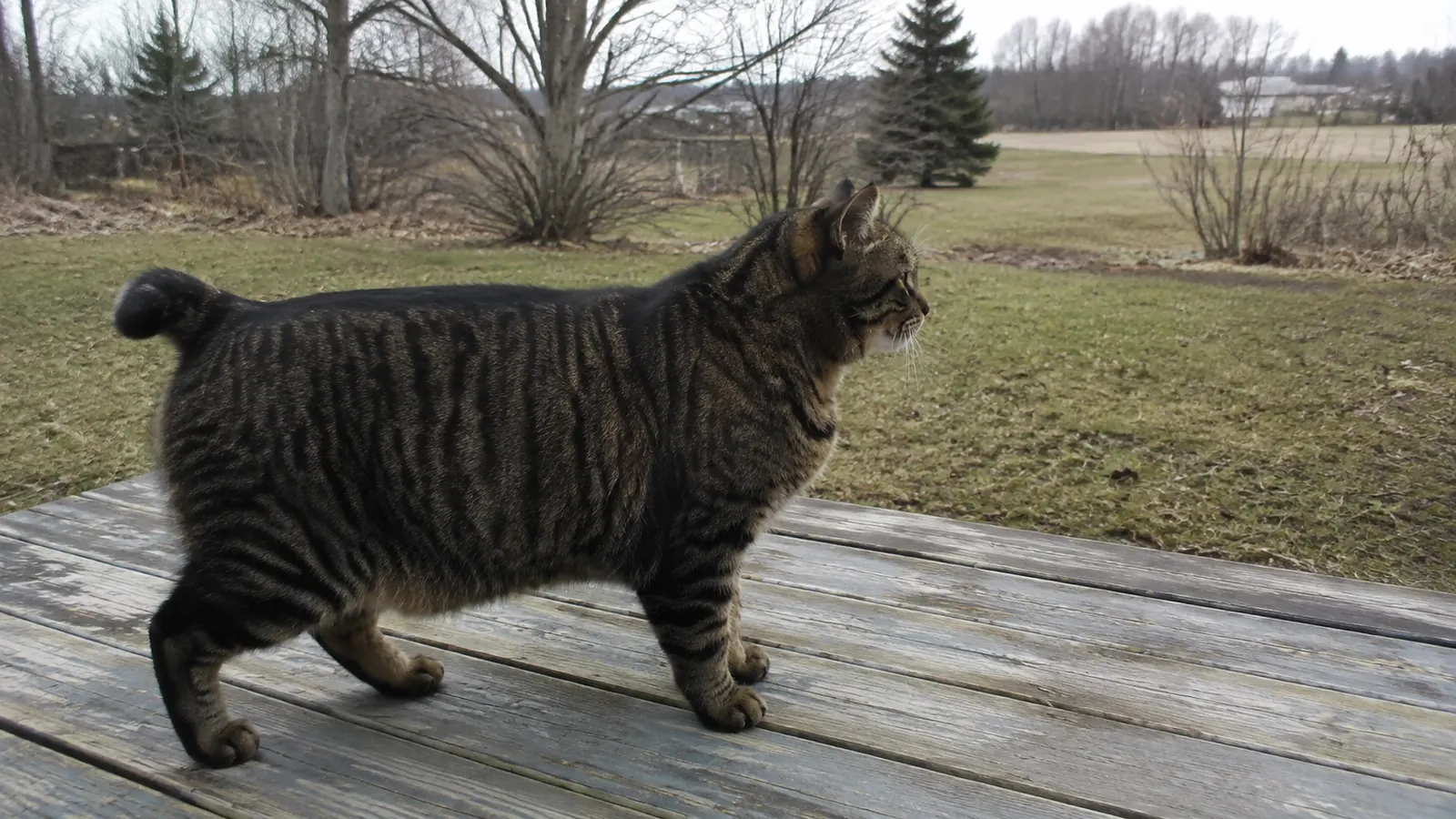
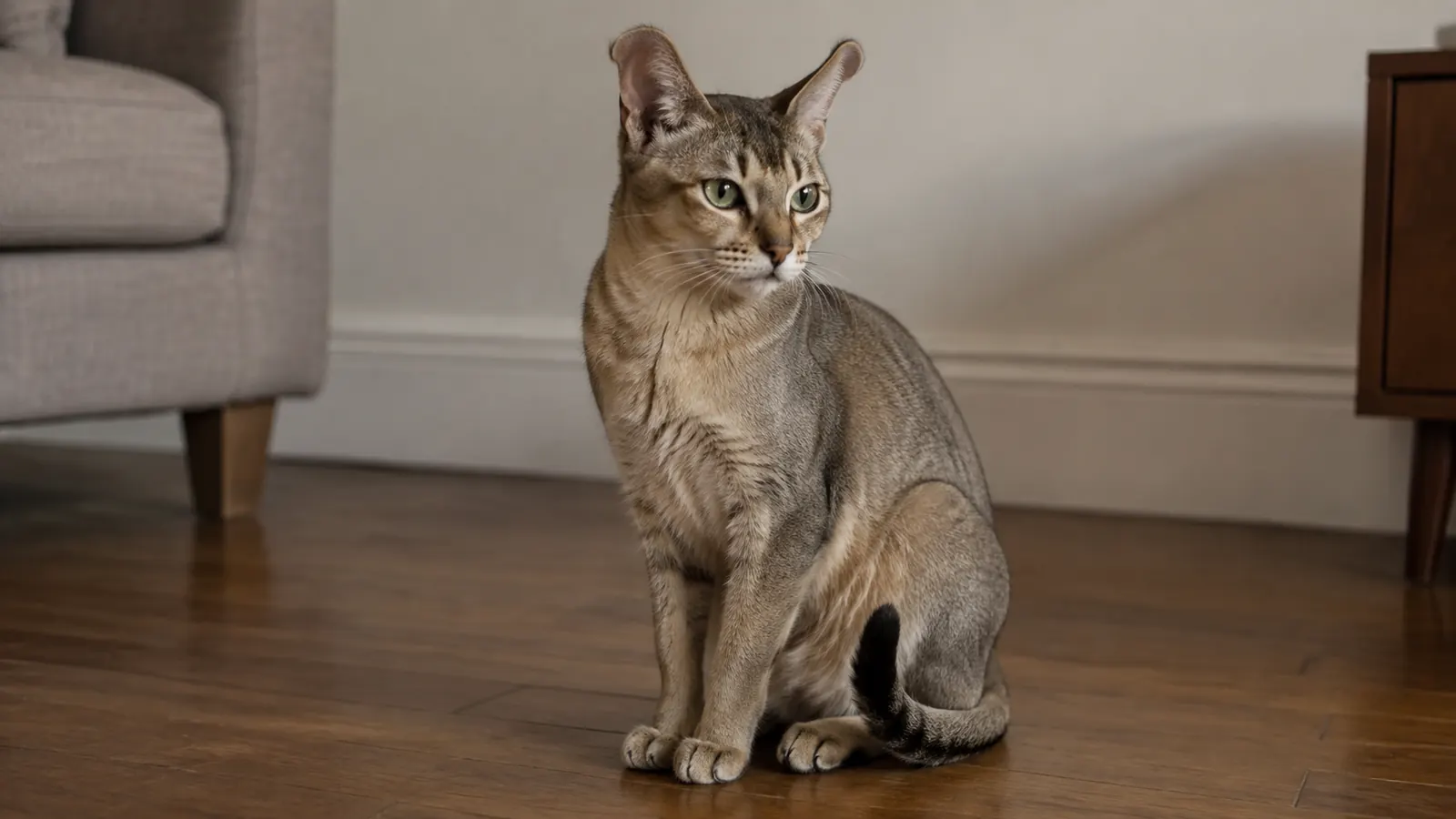
What Is an Asian Cat, and Why Is It a GCCF Breed Group Rather Than a Single Breed?
The Asian is a GCCF breed group that describes Burmese-type cats, mostly shorthaired, in colours and patterns the Burmese standard does not accept. It originated from the same accidental Burmese and Chinchilla Persian cross that produced the Burmilla in 1981. GCCF treats the group as a family of related varieties; CFA's breed list does not include it.
- Origin
- United Kingdom, from the same 1981 accidental cross between a Burmese and a Chinchilla Persian that produced the Burmilla
- Coat
- Short, close-lying, fine with a satin-like sheen, following the Burmese type
- Size
- Medium, muscular and compact, following the Burmese body type
- Typical weight
- Follows the medium, compact Burmese build
- Life expectancy
- Not reported separately in the UK life tables, which give the Burmese 14.42 years from 45 deaths; that figure cannot be assumed for the Asian
- Activity level
- Moderate to high; sociable, interactive and people-oriented, consistent with Burmese temperament
- Grooming
- Low; the short satin coat needs minimal care
- Suits
- Households that want the Burmese social temperament and can provide company
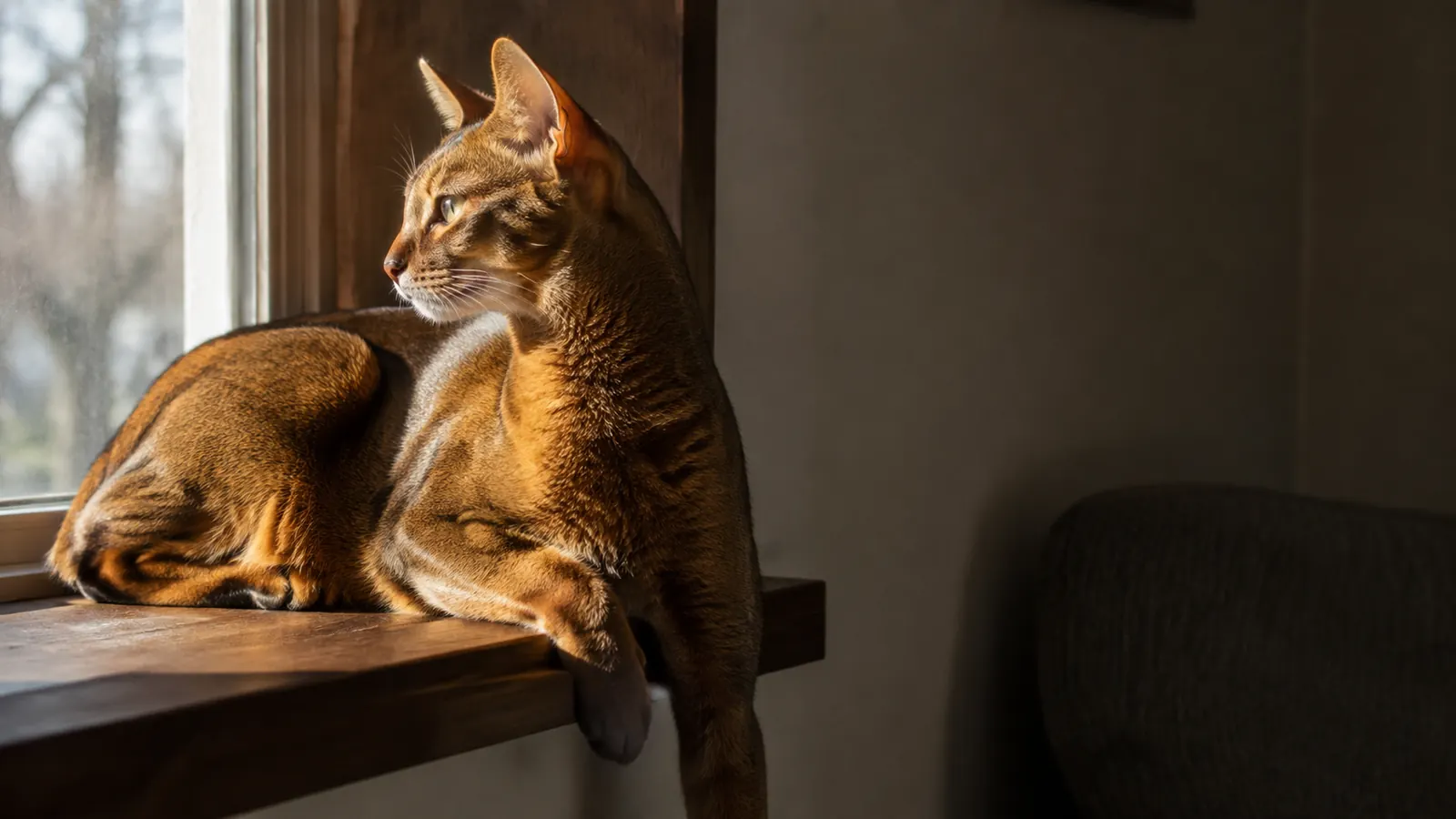
The Asian is a Burmese-type cat in a colour or pattern the Burmese standard does not accept.
It is a group of varieties registered by GCCF, the main British registry, rather than one breed with one look. The body, temperament and short satin coat follow the Burmese.
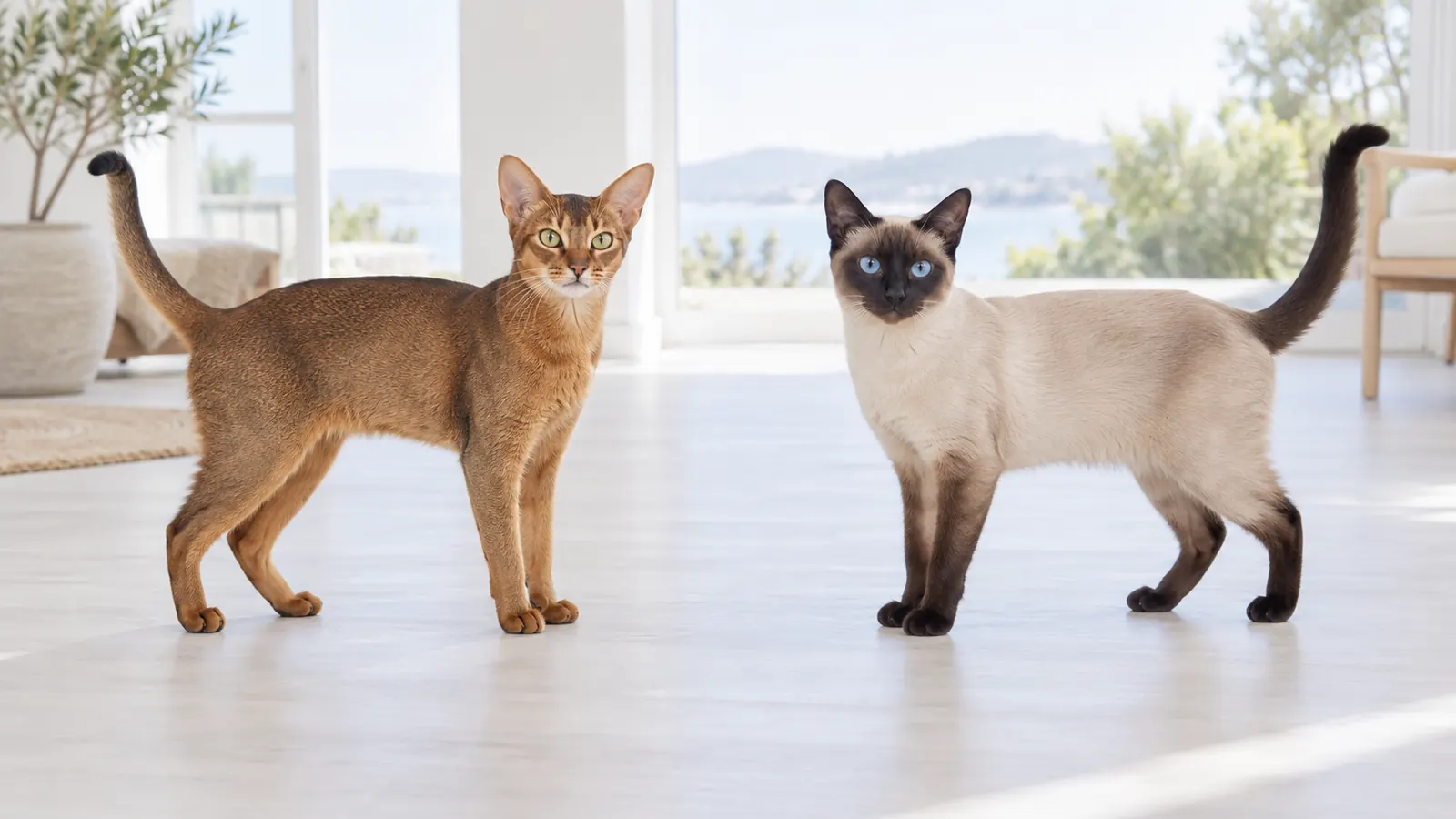
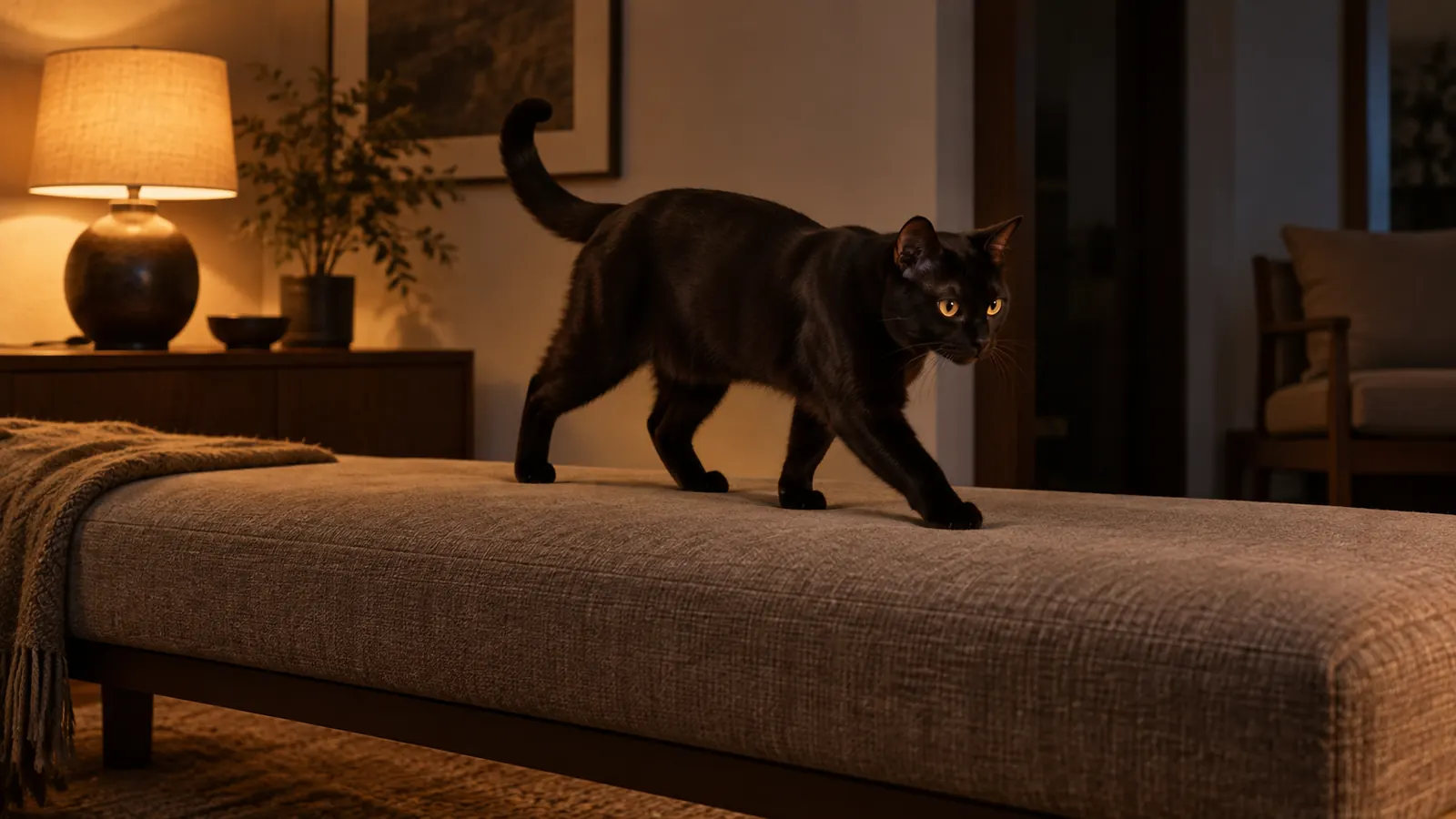
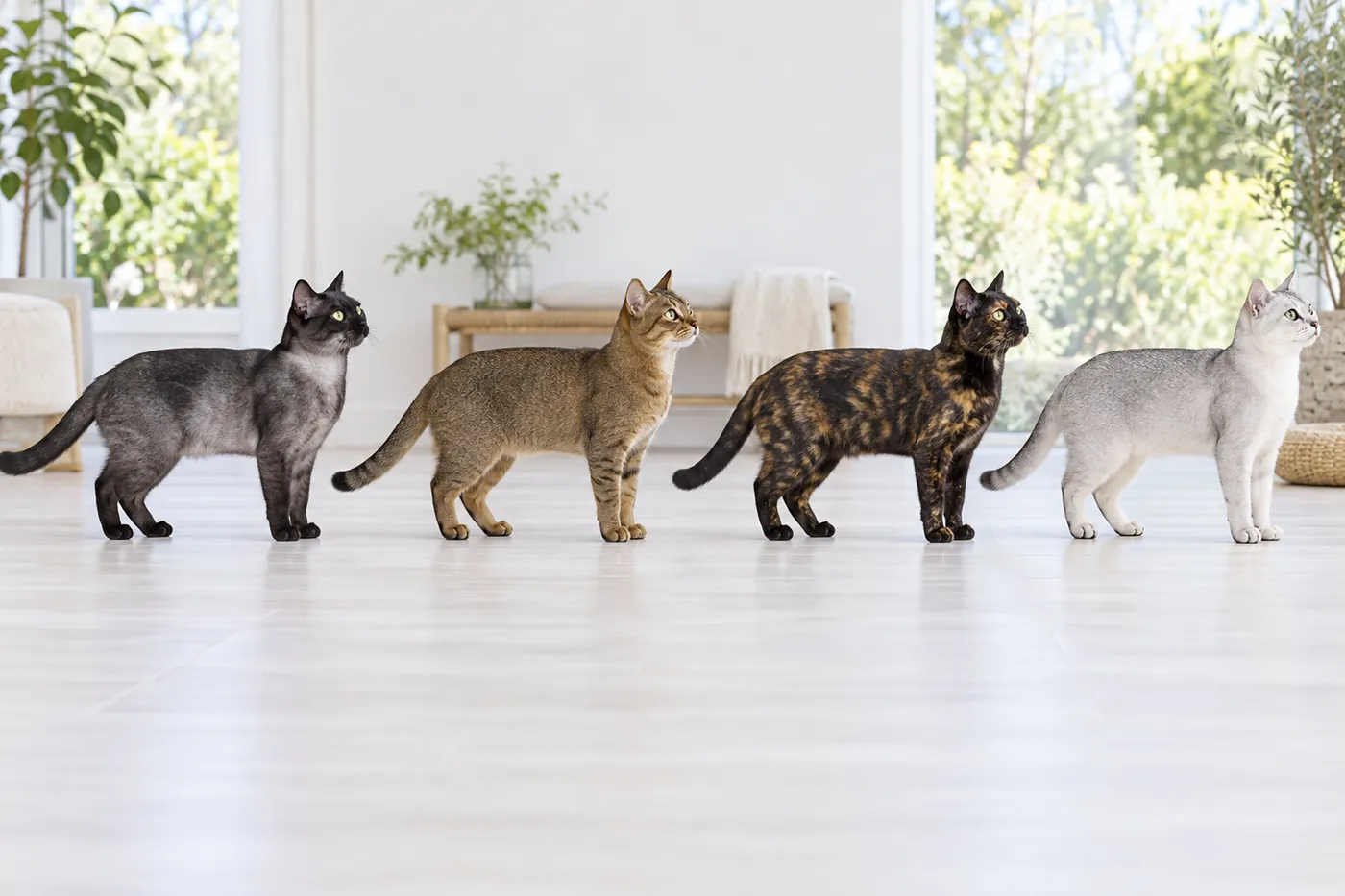
What separates an Asian is how its colour shows. A Burmese carries a gene that softens its colour, so a cat that would otherwise be black shows as a warm brown. An Asian self shows the full colour, jet black rather than brown, and the group adds patterns the Burmese standard excludes: smoke, tabby and shaded silver.
How Did the Asian Group Originate?
In 1981, an accidental cross between a lilac Burmese and a Chinchilla Persian in the United Kingdom produced kittens with Burmese body type and silver-shaded colouring. Those kittens became the foundation of the Burmilla.
Breeding on from those kittens produced smokes, tabbies and full-colour selfs and torties as well, and GCCF gathered them, with the Burmilla, into the Asian group. The black self, which GCCF calls the Bombay, also draws on earlier British matings between Burmese and non-pedigree cats.
The Burmilla is the shaded silver member of the group and the one the rest grew from. The group's semi-longhaired member is the Tiffanie, or Asian Semi-Longhair, which carries the same colours on a longer, silky coat because it inherited the long-hair gene from the Persian side of the 1981 cross.
What Varieties Does the Asian Group Include?
| Variety | What it looks like |
|---|---|
| Asian Self and Tortie | Solid colour at full strength, in 13 colours including black, caramel and apricot, plus torties; the black self is the Bombay |
| Asian Smoke | Coloured tips over a silver-white undercoat |
| Asian Tabby | Classic, ticked, spotted or mackerel tabby patterns |
| Burmilla | Silver shaded or tipped; the variety the group grew from |
| Tiffanie | Any of the group's colours and patterns on a semi-long, silky coat |
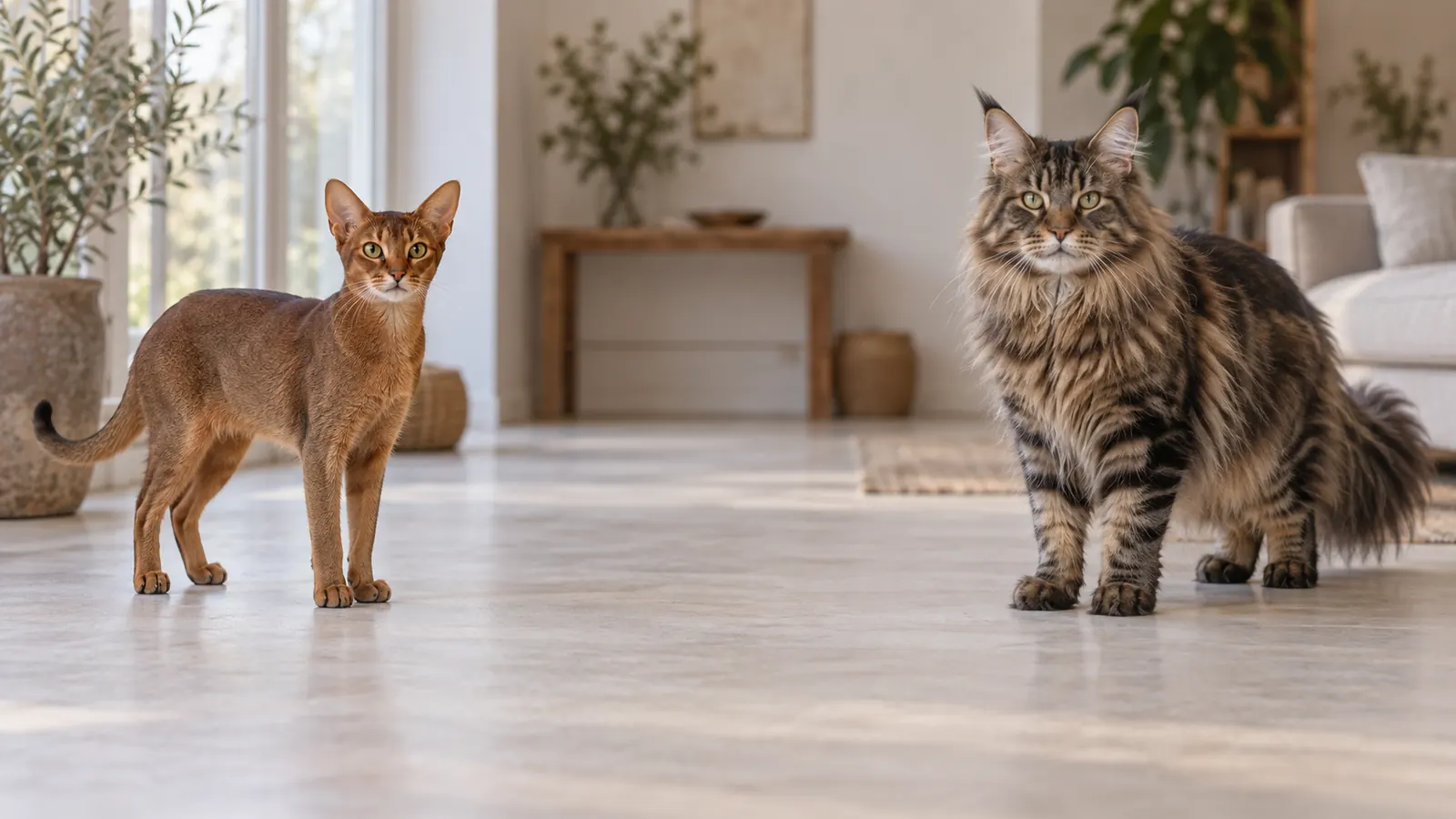
All share the same Burmese body type: medium, muscular, compact and heavier than it looks. A solid kitten born to Asian parents that shows the softened Burmese colour instead is registered as a variant and cannot be shown, so full-strength colour is what the Asian self standard requires.
Does This Breed Concept Exist Outside the UK?
GCCF recognises the whole Asian group, but CFA's breed list does not include the Asian, so the concept is largely British.
In registries outside the UK, a cat that GCCF would call an Asian may be registered under another breed name, or may not be registrable at all. The Burmilla has gained wider recognition on its own account, while the rest of the group remains a GCCF category.
- GCCF
- Recognised as the Asian breed group
- CFA
- Not in the breed list
- Origin
- UK, 1981, from the Burmese x Chinchilla Persian cross
- Body type
- Burmese: medium, muscular, compact
- Coat
- Short, fine, satin-like
- Relationship to Burmese
- Same body and temperament; full-strength colour or a pattern the Burmese standard excludes
- Relationship to Burmilla
- The shaded silver variety the group grew from
- Semi-longhaired member
- The Tiffanie
What Is the Asian Like to Live With?
The Burmese temperament carries through. Asian cats are described as people-oriented, sociable, interactive and vocal.
Isolation tolerance is low, consistent with Burmese lines. A companion cat or regular human company during the day suits the breed better than long solitary hours.
GCCF describes the Asian as a good family pet that gets on well with children and dogs when introductions are handled properly. Its description adds that Asians usually live contentedly with other cats but can be wilful and may push to be top cat, and that they settle best alongside cats of a similarly confident, lively temperament. No source covers how readily an Asian takes to training.
The short satin coat needs very little grooming. Shedding is light.
The health questions come from the Burmese side of the family. Hypokalaemic polymyopathy is an inherited condition in which low blood potassium weakens the muscles, usually showing between four and six months as a kitten that holds its head bent down towards its chest. It is recessive, and a 2015 review found carriers among 6 of the 26 Asians tested. An inexpensive DNA test identifies carriers as well as affected cats, so results for both parents show whether a litter can produce an affected kitten.
The craniofacial defect often listed for the Burmese is linked to a variant that traces to the American Contemporary Burmese lineage and has not been found in cats unrelated to it. It concerns an Asian only if that ancestry appears in the pedigree.
The UK life tables built from 2019 veterinary records give lifespan figures for 12 breed groups, and the Asian is not among them. The nearest is the Burmese, at 14.42 years from just 45 deaths. That number describes Burmese cats and cannot simply be carried over to a group whose ancestry also includes the Chinchilla Persian.
How Do You Find an Asian?
Almost always through breeders who register with GCCF in the United Kingdom. Outside that network the Asian name is rarely used.
- GCCF registration identifying the specific Asian variety
- Hypokalaemia DNA results for both parents
- The individual cat's temperament assessed during calm contact
- The breeder explains what the Asian group is and how it relates to the Burmese and Burmilla
Outside the UK the nearest equivalent is usually a Burmilla, which other registries recognise, or a Burmese from a registry whose colour rules happen to include the colour you want, because Burmese colour lists differ between registries. In New Zealand the equivalent is the Mandalay, developed in the early 1980s by crossing Burmese with solid-coloured domestic cats and recognised by NZCF in 1994.
Common Questions
Is the Asian the same as a Burmese?
The body, temperament and coat texture are Burmese. The difference is colour: Asian selfs show full-strength colour, black rather than the Burmese brown, and the group adds patterns such as smoke, tabby and shaded silver that the Burmese standard does not accept.
Is the Asian recognised outside the UK?
GCCF recognises it, and CFA's breed list does not include it. The breed concept is primarily a UK registration framework.
How does the Asian relate to the Burmilla?
They share the same 1981 origin (Burmese x Chinchilla Persian). The Burmilla is the shaded silver variety and the one the group grew from; the other Asian varieties came from breeding on from the same line.
What does an Asian cat look like?
A Burmese body type (medium, muscular, compact) in a non-standard colour: solid black, smoke, tabby, tortoiseshell or others, with a short satin-textured coat.
Checked Against
- CFA: breed list, page 1 (no Asian) cfa.org
- Asian Group Cat Society (GCCF affiliated): Asian group varieties asiangroupcatsociety.co.uk
- Asian Group Cat Society (GCCF affiliated): Bombay and Asian Self asiangroupcatsociety.co.uk
- Periodic hypokalaemic polymyopathy in Burmese and closely related cats pmc.ncbi.nlm.nih.gov
- OMIA: ALX1-related frontonasal dysplasia in Felis catus omia.org
- Burmese Cat Club of New Zealand: Meet the Mandalay cat burmesecatclub.nz
- GCCF: Asian breed information (temperament description) gccfcats.org
- Teng et al.: Life tables of annual life expectancy and risk factors for mortality in cats in the UK (JFMS, 2024) pmc.ncbi.nlm.nih.gov
Published 17 September 2026. Last updated .