
What Is a Bengal Cat, and Can Your Home Keep Up With Its Energy?
A Bengal can suit a home prepared for frequent interactive play, secure climbing and a curious cat involved in daily life. Before buying, the pedigree generation, local rules and health records matter more than the coat.
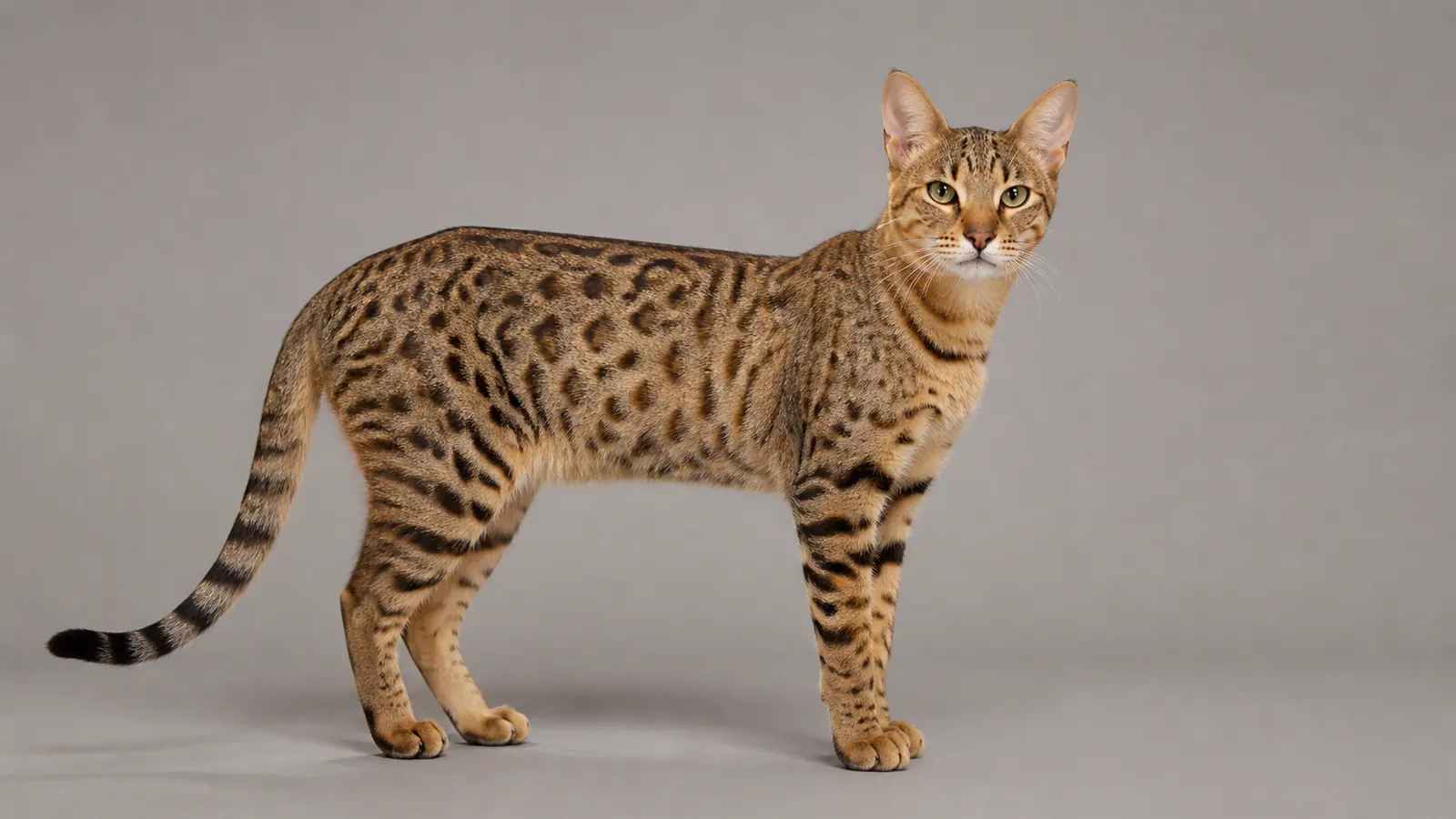
- Origin
- United States, from crosses between domestic cats and the Asian leopard cat
- Coat
- Short, dense, unusually soft, with spots or marbling
- Size
- Medium to large, long and muscular
- Typical weight
- Typically 3.5 to 5.5 kg for females, 5 to 7 kg for males
- Life expectancy
- Commonly 12 to 16 years
- Activity level
- Very high. Climbing, hunting, and problem solving all day
- Grooming
- Low. A weekly comb is usually enough
- Suits
- Active households ready to provide height, puzzles, and daily play
Generation is the first question
The F number describes distance from the Asian leopard cat ancestor. Early-generation hybrids raise different welfare and legal questions from established later-generation lines; appearance and a seller's pet label do not settle those questions.
SBT is a registry ancestry status, and an F4-or-later cat does not automatically hold it. The actual generation and registration record settle the question, and ownership and transport rules need checking with the relevant authority before paying for or moving the cat. Local definitions can differ, so written evidence of the cat's identity and ancestry is worth keeping, and insurance, housing and contingency care each need their own check.
Kittens, and the first two years
A kitten needs a safe home and regular opportunities to explore from the day it arrives.
Young Bengals can be active climbers and explorers, so secure climbing routes and interactive play matter from the first day, adjusted to the individual cat's interest and comfort.
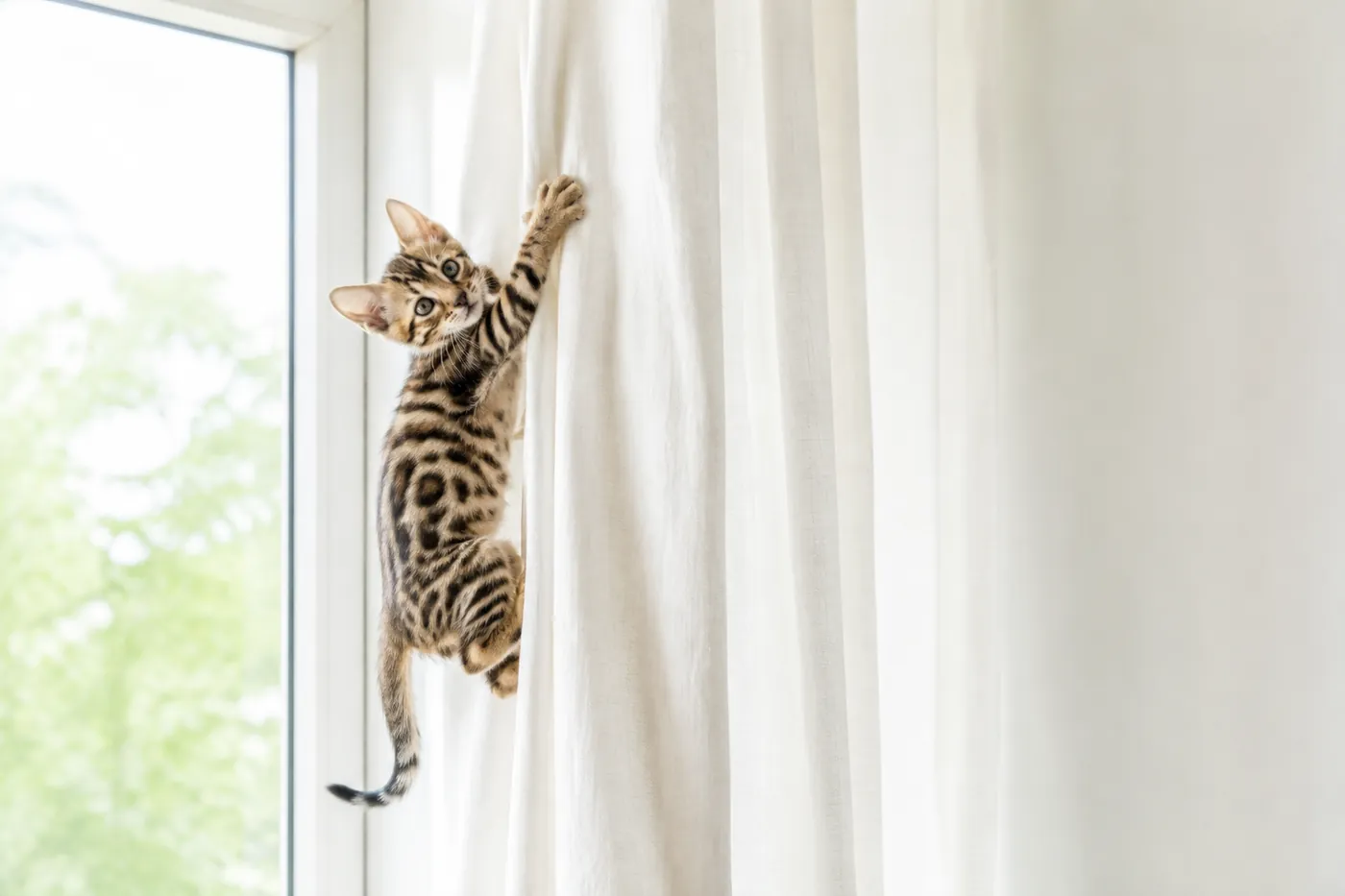
Activity demands should be understood before adoption; the cited sources do not establish a breed-wide rehoming ranking or age distribution.
The climbing routes, the puzzle feeders, and the twice-daily sessions need to be in place before the kitten arrives rather than assembled in response to the damage.
What the energy looks like at home
Bengals climb, open things, carry objects, and need to be doing something.
Some enjoy water play, and a Bengal will help with a running tap, a filling bath or a full sink whether or not it was invited. Filled baths, toilets and aquariums need securing, because interest in water does not make a cat safe around them unattended.
Vertical space is the part most people get wrong, because floor space feels like the obvious answer. A Bengal uses height the way most cats use a room, so a large flat area with nothing to climb is a smaller territory to this cat than a small room with a route to the ceiling.
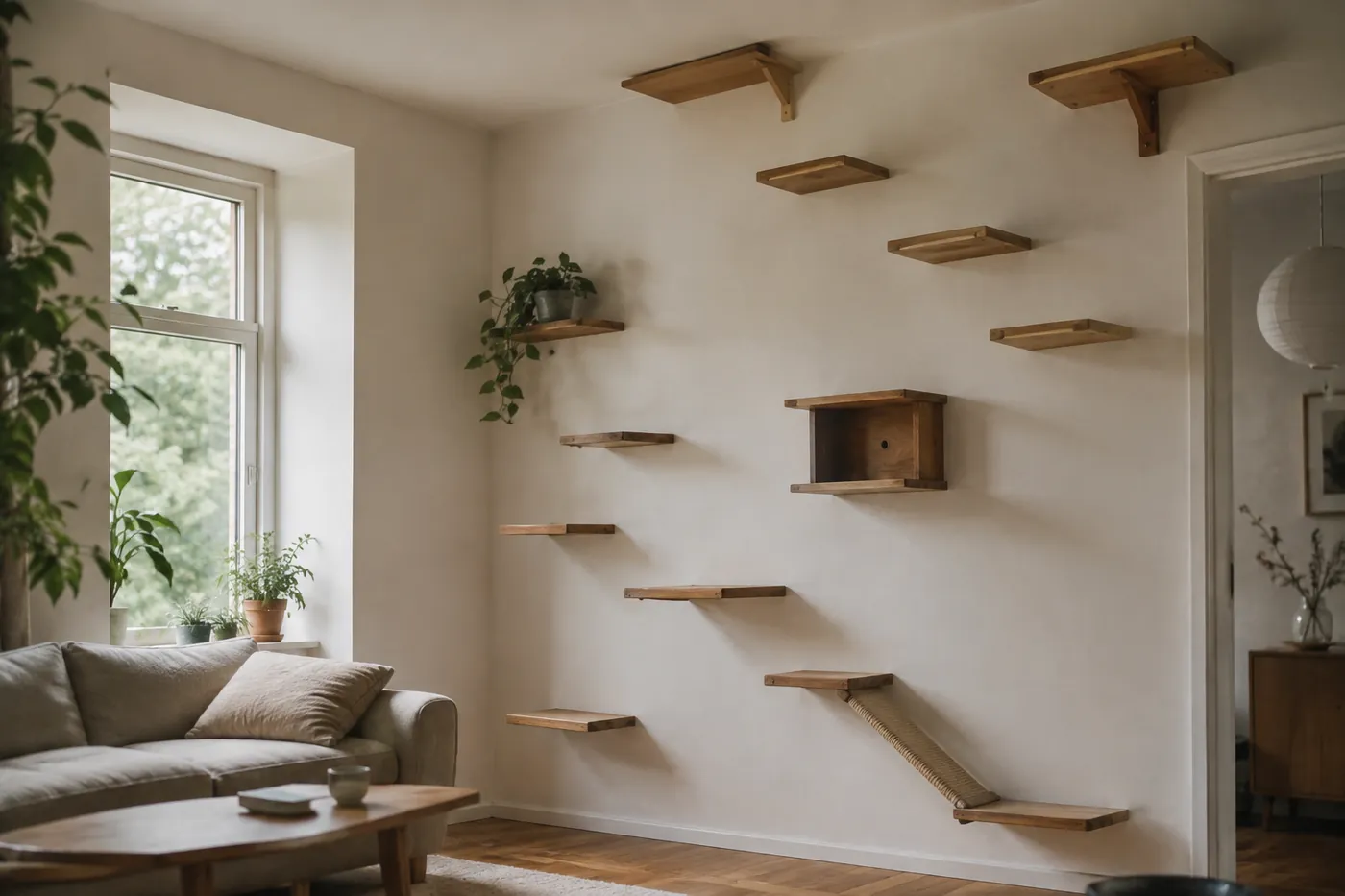
The route matters more than the furniture. Shelves that connect into a continuous path get used constantly, while a tall tower standing alone gets climbed once and abandoned.
The manipulation is the other trait to plan around rather than train out. This is a cat that works handles, latches and drawers with its paws, and it does it because the problem is interesting rather than because it wants what is inside. That has a safety consequence: medicine, cleaning products and anything a cat should not reach need a catch rather than a closed door, because a closed door is a puzzle to this breed.
What an outlet actually looks like
Vertical routes are the foundation. Wall shelves that let the cat cross a room without touching the floor, a tall sturdy tree, and a high perch by a window turn one room into several from the cat's point of view.
Food that takes work is the second half. Puzzle feeders, treat balls, and food scattered for the cat to find spread a few minutes of eating across an hour of activity, and they suit a hunting animal far better than a bowl.
Two wand sessions a day, ten to fifteen minutes each, work best timed near dawn and dusk, when the breed is naturally most active. Each ends with the cat catching the toy and then being fed, so the hunting sequence finishes.
Training does more per minute than anything else, because mental effort tires a clever cat faster than running does.
- Fit shelves or a tall tree so the cat can reach the ceiling height of a room.
- Put most of the daily ration into puzzle feeders rather than a bowl.
- Run a wand session in the morning and another in the evening, then feed.
- Rotate toys weekly, keeping most of them out of sight.
- Spend ten minutes on training two or three times a week.
- Add a window perch with something moving outside to watch.
A climbing route, food that takes work, and two wand sessions a day is the minimum, and none of it is optional in this breed.
Whether the household actually suits one
The honest test is time rather than space. A Bengal needs two genuine play sessions a day from a person, every day, for its whole life, and a large house with nobody in it does not substitute for that.
The households this breed suits are fairly specific:
- somebody home for part of the day, most days
- a second active cat already in the house
- an owner who enjoys training rather than tolerates it
- space that can take shelves and a climbing route
A quiet household that wants an ornamental cat is a poor match, and a household drawn to the look but not the demands is usually better served by the British Shorthair.
Colours, and what the marketing means
The coat is what draws people to the breed, and advertisements sell it with a small set of colour and pattern terms. The pale snow colours come from colourpoint genes inherited from Siamese and Burmese ancestry, and rosetting is the most sought-after marking and commands the highest prices. A pointed cat sold as a Bengal Siamese mix can be hard to tell from a snow Bengal by eye, because the Siamese pointed pattern also comes from a recessive colourpoint variant that shows only when a kitten inherits it from both parents.
| Term in the advertisement | What it actually describes |
|---|---|
| Brown | The classic, golden through to deep rust, with black or dark brown markings |
| Snow | Three genetically distinct pale variations from colourpoint genes |
| Silver | A white ground with black markings |
| Spotted, rosetted, marbled | The marking shape. Rosetted spots carry a darker outline |
| Glitter | A translucent hair shaft that catches light. Purely cosmetic |
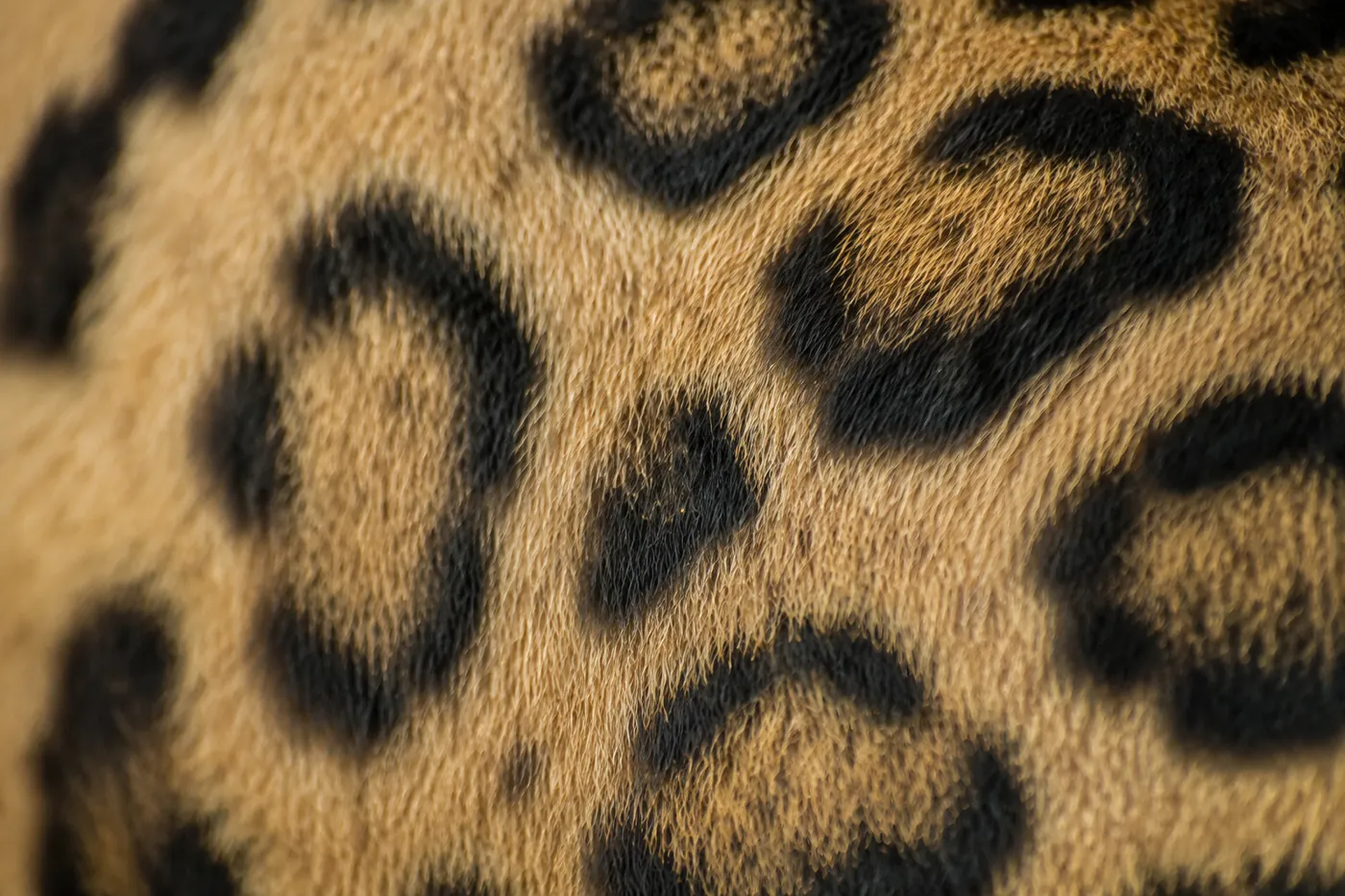
None of this has any bearing on temperament, health, or energy level, and all of it affects the price. A cat bought for its rosettes is still a cat that needs two play sessions a day.
Wild-looking marketing also reaches breeds developed from Bengal lines. The Cheetoh combines Bengal and Ocicat ancestry, while the Toyger was selected for a tiger-like stripe pattern. Neither name is a Bengal colour label, and each needs its own pedigree and health checks.
Feeding an active cat
The energy level changes the feeding question in a way that is easy to get wrong in both directions.
An active Bengal genuinely burns more than a sedentary cat, so the multiplier used to work out its daily calories sits at the higher end. That is not licence to free feed, since plenty of Bengals are indoor cats with far less activity than the breed suggests.
The practical approach is the same as for any cat: set a figure, weigh the portion, and adjust by body condition rather than by reputation.
What is different is how the food is delivered. Most of the ration should come through puzzle feeders and food scattered to be hunted out rather than a bowl, because for this breed the eating is an outlet as much as it is nutrition.
The coat is low maintenance
The coat is short, dense, and noticeably soft, often with a glittered appearance. A weekly comb is generally the whole grooming routine, which is a striking contrast with the rest of the breed's demands.
The glitter is a structural effect rather than a colour. Individual hair shafts carry hollow or translucent sections that catch and scatter light, which is why the effect appears and disappears as the cat moves through a room.
The coat's texture comes from the same short, tight construction. There is very little undercoat to shed into, so loose hair falls out of the coat instead of being held in it. That is the whole reason the routine is so short. Nothing accumulates at the skin, so there is nothing to lift out, and the weekly comb is closer to a check than to a job.
Shedding is not the same as matting, and this breed still sheds. What it does not do is turn shed hair into knots, which is the part that costs time in the long-coated breeds.
The voice, and other household realities
Several Bengal traits come up repeatedly from owners and rarely from breeders:
- The voice is loud and used freely. Bengals chirp, chirrup, yowl, and hold conversations, and while it is not the same relentless carrying call as a Siamese, a quiet household will notice it.
- They open things. Cupboard doors, lever handles, drawers, and bin lids are all within the capability of a determined Bengal, and childproof catches are a reasonable purchase rather than an overreaction.
- They carry objects and hide them. Small items disappear and turn up under furniture, which is amusing until it is a set of keys or a medication blister.
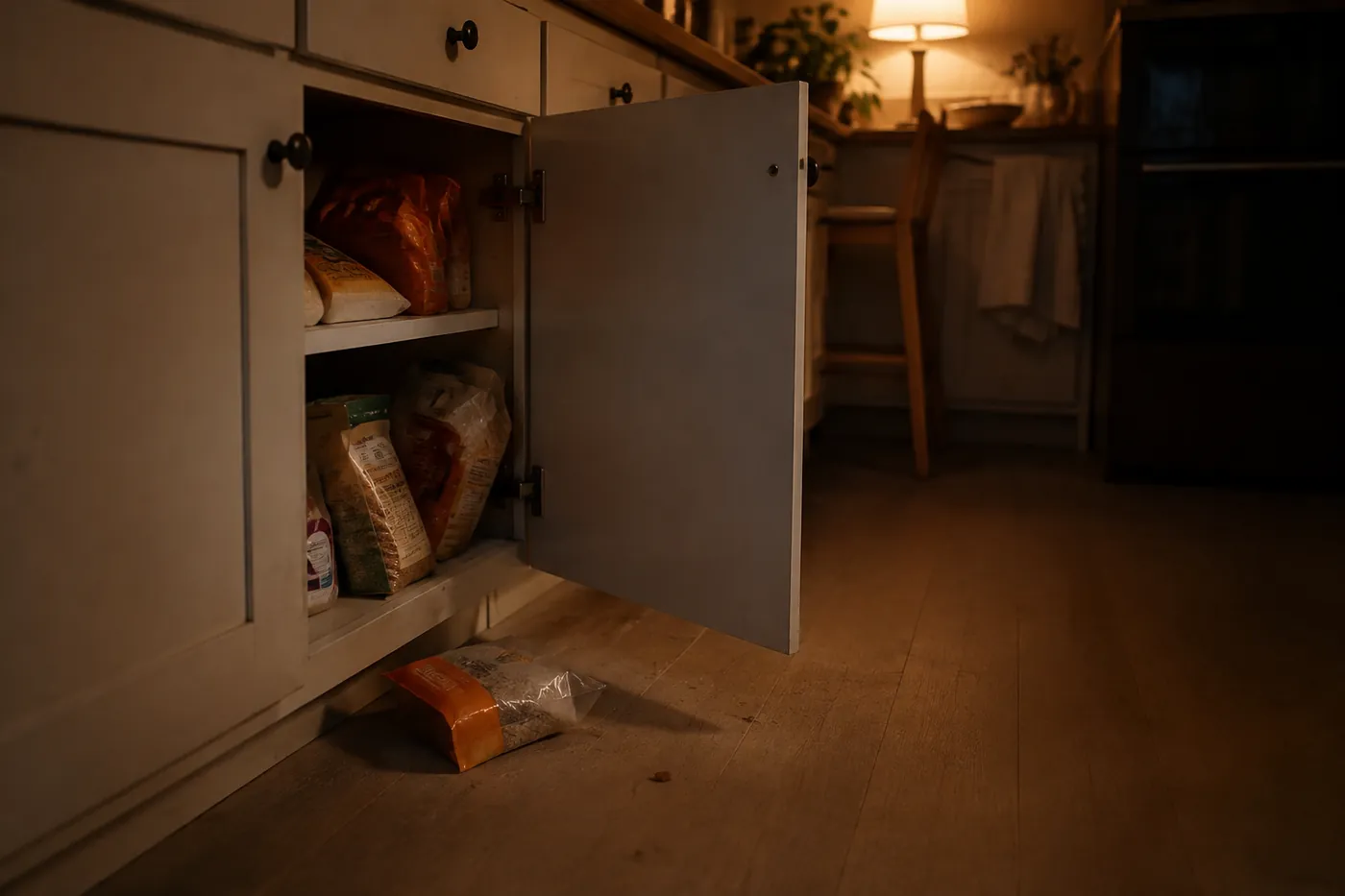
How long they live, and what to expect
Bengals generally live twelve to sixteen years, and the demands do not soften much across that span.
The energy declines gradually rather than sharply. A ten year old Bengal is calmer than a two year old and is still a more active cat than most breeds are at five, and the play routine is a commitment for the whole of that life.
The conditions to watch for with age are the ordinary ones: kidney disease, hyperthyroidism, and dental disease all become likely past about eleven, and twice-yearly checks with blood, urine, and blood pressure are the practical response.
Hypertrophic cardiomyopathy is the breed-specific one to keep in view, since it can develop in adulthood in a cat whose parents screened clear. A heart murmur found at a routine check is worth following up rather than watching.
Temperament
Bengals are confident, talkative, and strongly attached to their people without being lap cats.
They train well and genuinely enjoy it: many learn to walk in a harness, fetch and respond to a clicker, and training is the single most effective outlet for the breed.
Marking, and the multi-cat question
Bengals have a reputation for territorial behaviour, and there is enough in it to plan around.
The breed is reported to spray somewhat more readily than average, and entire cats of either sex considerably more so. Neutering before the behaviour becomes established is the single most useful preventative step.
Most marking is triggered by insecurity rather than dominance: a cat visible through a window, a new arrival, building work, or a house move. In an active territorial breed those triggers land harder.
In a multi-cat house the answer is generous resources spread widely: more trays than cats, feeding stations in separate rooms, and enough vertical space that no cat has to pass another to get anywhere.
A second active cat is often good for a Bengal, and it needs a slow staged introduction rather than an optimistic one. Matching on energy matters more than matching on breed.
Containment, and why a cat flap is not enough
Outdoor access is the question most Bengal owners face, and the usual answer does not work well for this breed.
Bengals roam much further than an average cat, climb almost anything, and are conspicuous enough to be stolen. A standard garden fence is not a barrier to a cat that treats it as a route, so a cat flap onto an ordinary garden gives a Bengal unsupervised access to everything beyond the fence.
Four arrangements work for this breed:
- A cat-proofed garden, using inward-facing rollers or netting along the fence, is the practical solution where the garden allows it.
- A catio is the simpler build, and like a proofed garden it gives the breed an outlet for its energy that an indoor room cannot.
- Harness walking genuinely suits many Bengals, and this is one of the few breeds where the effort of training it usually pays off.
- Indoor life can work happily, but only with the climbing routes and the daily sessions actually in place.

Health screening
Two of the four conditions below are settled by a DNA test on the parents, which makes this an unusually answerable question for a breed.
Progressive retinal atrophy in Bengals is a recessive disease that destroys the light-sensitive cells of the retina, and an affected cat goes blind over months, usually starting in its first year. Two carriers can produce it without either parent showing anything.
Pyruvate kinase deficiency is recessive in the same way and attacks red blood cells rather than the eye. Affected cats are anaemic, tire easily, and can look simply lazy for a long time before anyone tests for it.
Because both are recessive and both are testable, a breeder who tests has removed the risk rather than reduced it. That is why the paperwork is worth more than any assurance about the line.
Hypertrophic cardiomyopathy does not work that way and no test settles it. It develops with age, so a scan says the parent was clear on the day, which is why the screening date matters as much as the result.
Flat-chested kitten syndrome is the one that sounds worst and matters least. Affected kittens have a compressed ribcage at a few weeks old, most recover as they grow, and severe cases are usually resolved one way or the other before a kitten is old enough to leave.
The generation question is legal rather than medical. Early filial generations carry restrictions on ownership in some countries and on travel in most, so written confirmation of the generation is the thing that decides whether the cat can live where you live.
- Progressive retinal atrophy
- A DNA test exists; ask for the parents' results
- Pyruvate kinase deficiency
- DNA testable, causes anaemia
- Hypertrophic cardiomyopathy
- Ask about cardiac screening
- Flat-chested kitten syndrome
- Occurs in the breed, usually resolves
- Generation and legality
- Confirm the filial generation in writing
Common Questions
Are Bengal cats wild?
The breed has Asian leopard cat ancestry, and many pets come from later-generation lines. The actual pedigree and local rules decide its status; a pet advertisement, F number or SBT label does not create universal legal status.
Do Bengals really like water?
Many do, unusually so for cats. Playing with taps, joining showers, and dipping paws in bowls are all common in the breed.
Is a Bengal a good first cat?
Usually not. The activity level is far above average, and a Bengal without daily play and climbing outlets commonly becomes destructive.
Checked Against
Published 24 August 2026. Last updated .





