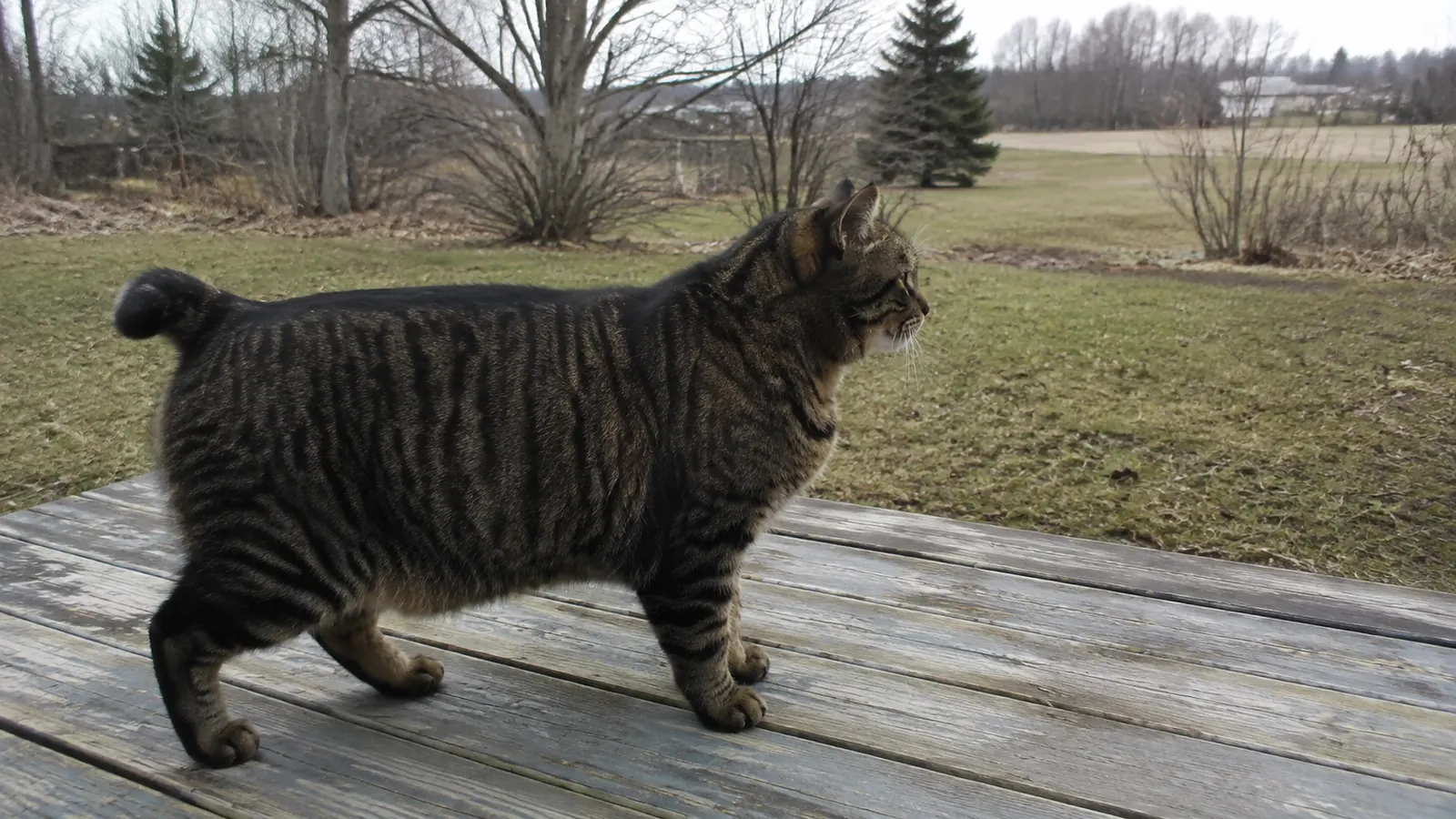
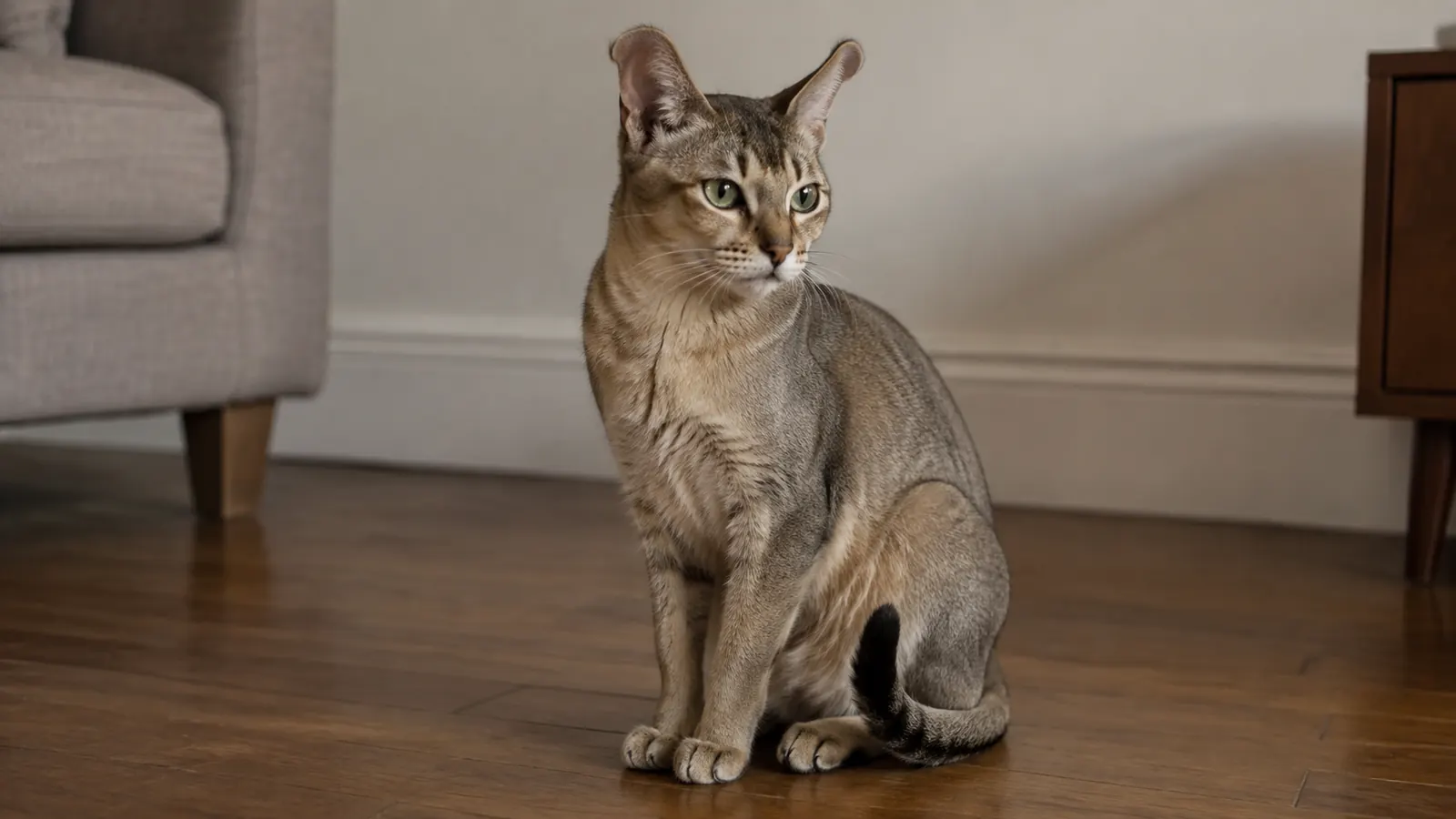
What Is an Anatolian Cat, and How Does It Differ From the Turkish Van and Turkish Angora?
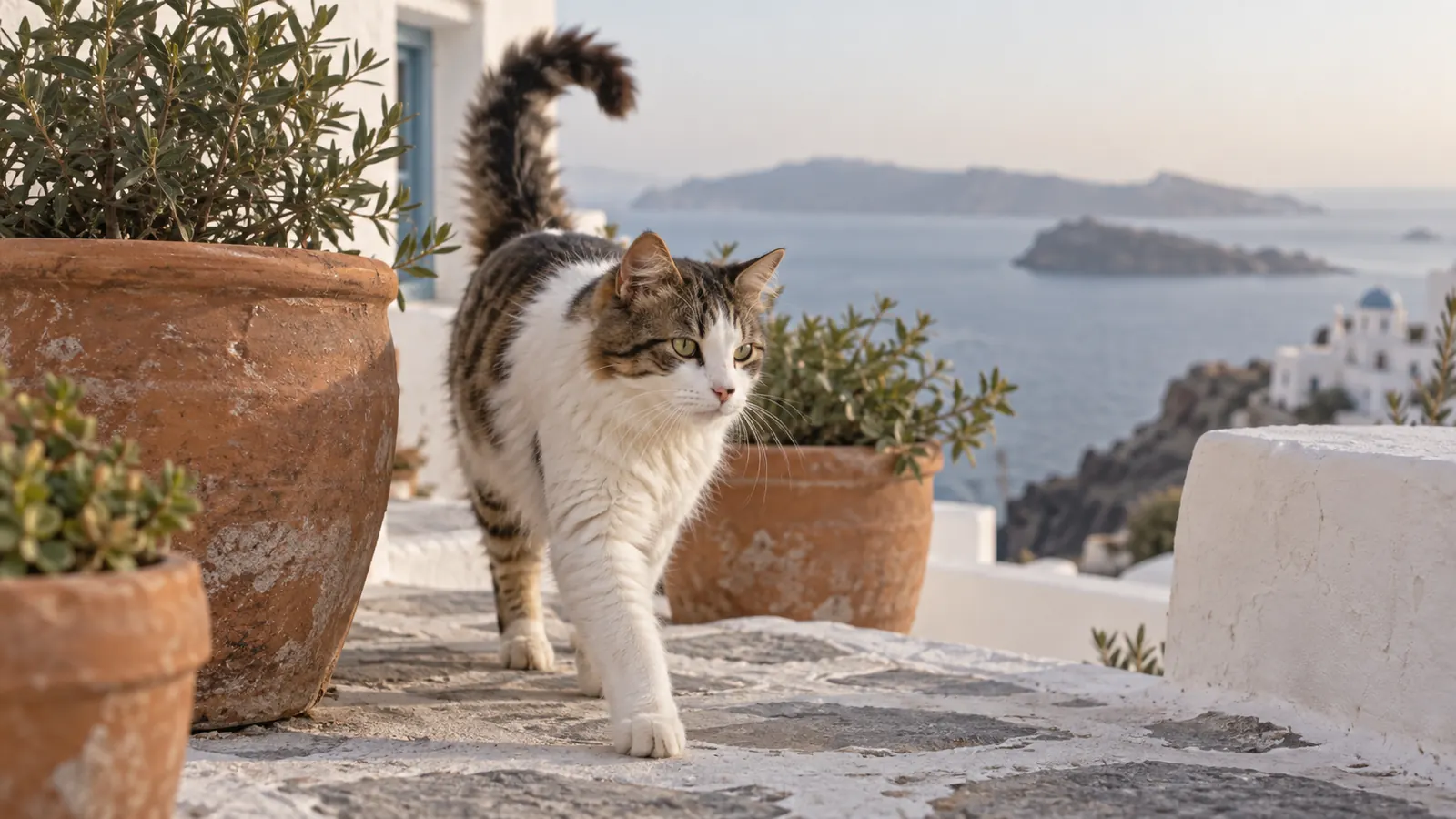
The Anatolian is a natural shorthaired cat from Turkey, recognised by WCF as a distinct breed. It shares geographic and genetic roots with the Turkish Van and Turkish Angora but carries a short coat rather than the semi-long coat those breeds are known for. Outside WCF, it is rarely listed, and TICA and CFA do not recognise it.
- Origin
- Turkey, a naturally occurring shorthaired population from the Anatolian region
- Coat
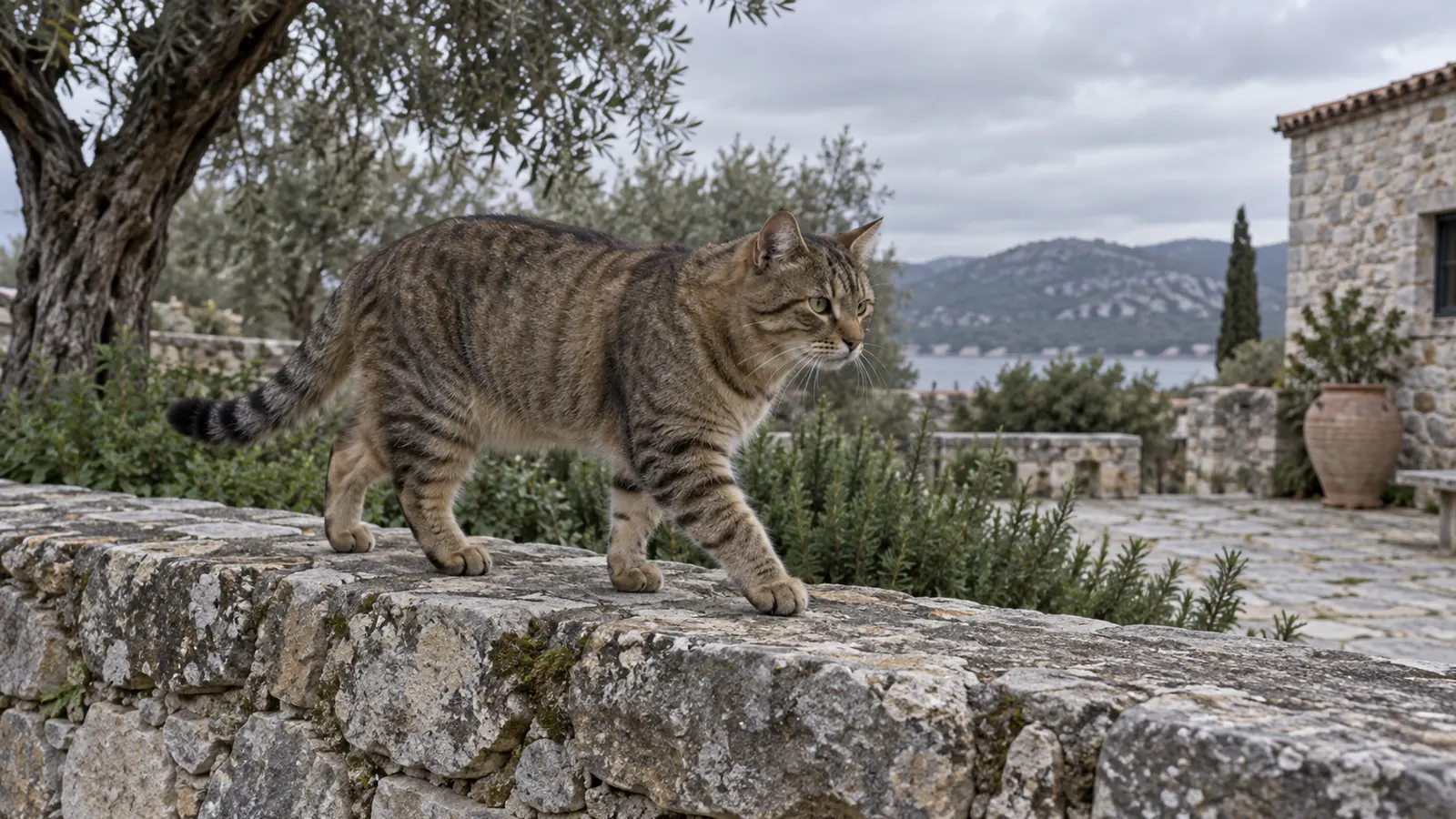
- Short, dense, close-lying with a moderate undercoat; all colours and patterns
- Size
- Medium to large, muscular and well-boned, with the robust build typical of Turkish natural breeds
- Typical weight
- Secondary sources commonly cite 9 to 15 pounds (about 4 to 7 kilograms)
- Life expectancy
- No breed-specific data; Turkish natural breeds are generally reported as long-lived, with estimates of 12 to 17 years
- Activity level
- Moderate to high; active, curious and reported to enjoy water
- Grooming
- Low; the short dense coat needs only weekly combing
- Suits
- Active households with interactive play; the breed is reported to be sociable and adaptable
The Anatolian, also called the Anatoli or Turkish Shorthair, is a shorthaired natural cat from Turkey that WCF recognises as a distinct breed and no other major registry lists.
The confusion it shares with the Turkish Van and the Turkish Angora is geographic: all three come from Turkey's natural cat population. Coat length is what separates them, since the Van and the Angora are semi-longhaired and the Anatolian is short-coated.
How Do Three Turkish Breeds Differ?
| Breed | Coat | Defining pattern | Body | Key registry |
|---|---|---|---|---|
| Turkish Van | Semi-long | Van pattern (colour on head and tail only) | Large, muscular | TICA, CFA, FIFe |
| Turkish Angora | Semi-long | Any, historically solid white | Medium, elegant, fine-boned | TICA, CFA, FIFe |
| Anatolian | Short, dense | Any colour or pattern | Medium-large, muscular, robust | WCF |
The Anatolian is the shorthaired member of this group. Its coat is short, dense and close-lying with a moderate undercoat, so it gives weather protection without the grooming demands of a semi-long coat.
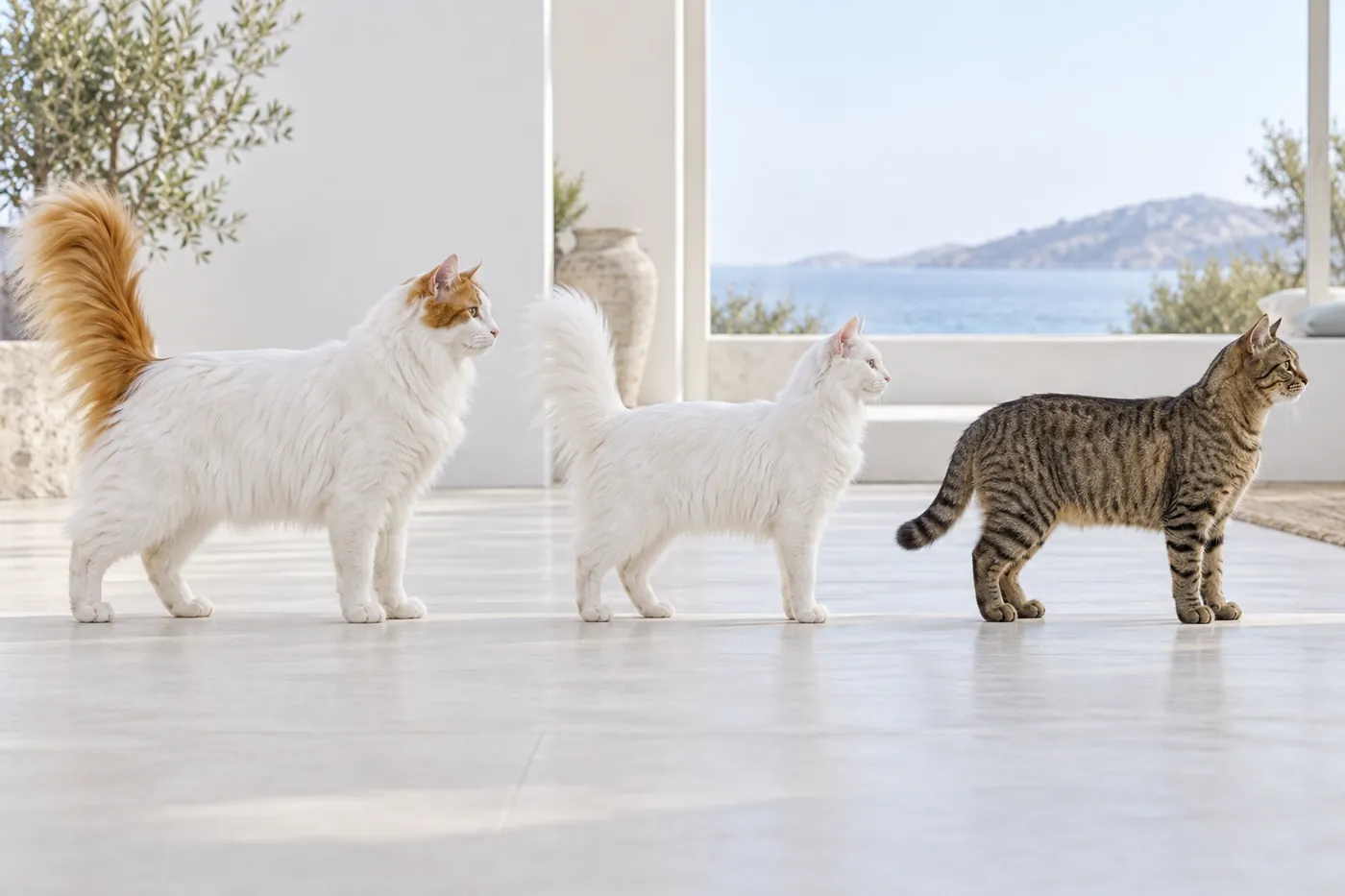
Some breed descriptions treat the Anatolian as the short-coated side of the same population the Turkish Van came from rather than a wholly separate line. WCF nonetheless gives it a standard of its own.
What Registry Status Does the Anatolian Hold?
WCF recognises the Anatolian and publishes a breed standard. TICA, CFA and FIFe do not list it.
- WCF
- Recognised
- TICA
- Not listed
- CFA
- Not listed
- FIFe
- Not listed
- Origin
- Turkey, natural shorthaired population
- Coat
- Short, dense, close-lying
- Body
- Medium-large, muscular, robust
- Distinction
- The shorthaired Turkish natural breed
The limited recognition means the Anatolian is uncommon outside the WCF show community and hard to find in countries where TICA or CFA dominate.
What Is the Anatolian Like to Live With?
Breed descriptions call the Anatolian active, curious and sociable, and they often mention an interest in running taps and water bowls, the trait the Turkish Van is known for. These are owner and breeder reports rather than measured findings, so they describe a tendency in the population rather than any one cat.
The short dense coat needs only weekly combing. Shedding is moderate, with seasonal peaks when the undercoat loosens.
The body is medium-large and muscular. Secondary sources cite 9 to 15 pounds (about 4 to 7 kilograms), consistent with the robust Turkish natural type.
No study has looked at Anatolians with children or other animals. What the descriptions support is a confident, active cat of some size, which usually suits a household with time for daily play better than one hoping for a quiet lap cat. How a particular cat copes with children or a dog depends mostly on how it was raised, so a kitten brought up among household noise and handling, or an adult whose behaviour with children is already known, tells you more than the breed name can.
No breed-specific health condition has been documented. Turkish natural breeds with no structural exaggeration are generally considered healthy, though no population study confirms this for the Anatolian specifically.
Secondary sources estimate 12 to 17 years, but no study has measured Anatolian lifespan, so the range is an estimate rather than a breed figure.
How Do You Find an Anatolian?
The breed is rare outside Turkey and the WCF show community. Finding a breeder may require searching within WCF networks.
- WCF registration naming both parents
- The short dense coat confirmed, distinguishing it from the semi-long Turkish Van and Turkish Angora
- The individual cat's temperament assessed during calm contact
- The breeder explains the Anatolian's relationship to the other Turkish breeds honestly
If you want a Turkish natural cat and cannot find an Anatolian breeder, the Turkish Van and Turkish Angora are more widely available through TICA, CFA and FIFe channels, though both carry semi-long coats.
Common Questions
Is the Anatolian the same as a Turkish Van?
No. Both are Turkish natural breeds, but the Anatolian has a short, dense coat while the Turkish Van has a semi-long coat with the distinctive van colour pattern. WCF treats them as separate breeds.
Is the Anatolian a recognised breed?
WCF recognises it. TICA, CFA and FIFe do not list it.
How big does an Anatolian get?
Medium-large and muscular. Secondary sources cite 9 to 15 pounds (about 4 to 7 kilograms), consistent with the robust Turkish natural type.
Do Anatolian cats like water?
Breed descriptions often mention an interest in water, the trait the Turkish Van is known for. These are owner and breeder reports rather than measured findings, and individual cats vary.
Checked Against
Published 17 September 2026. Last updated .