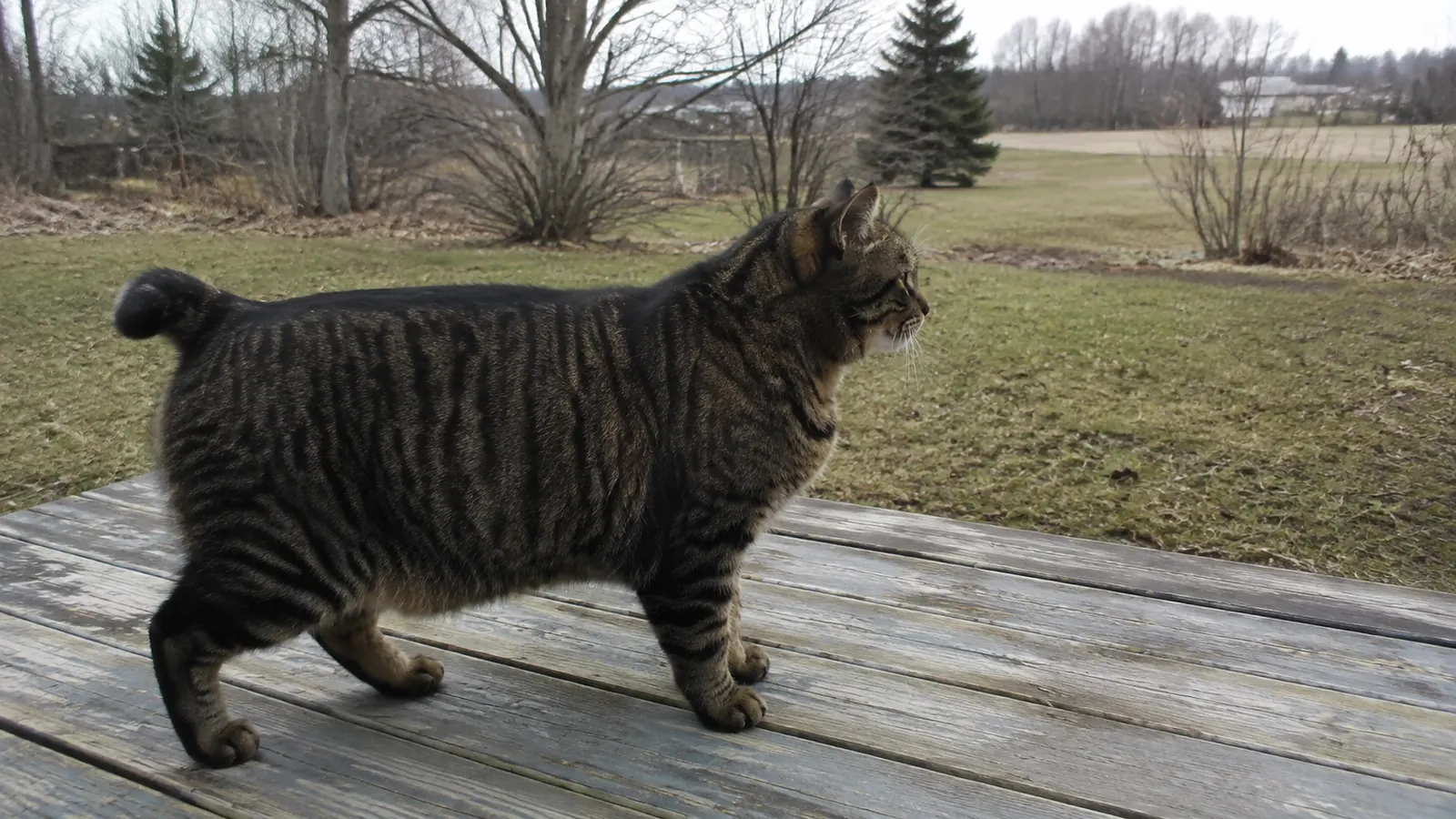
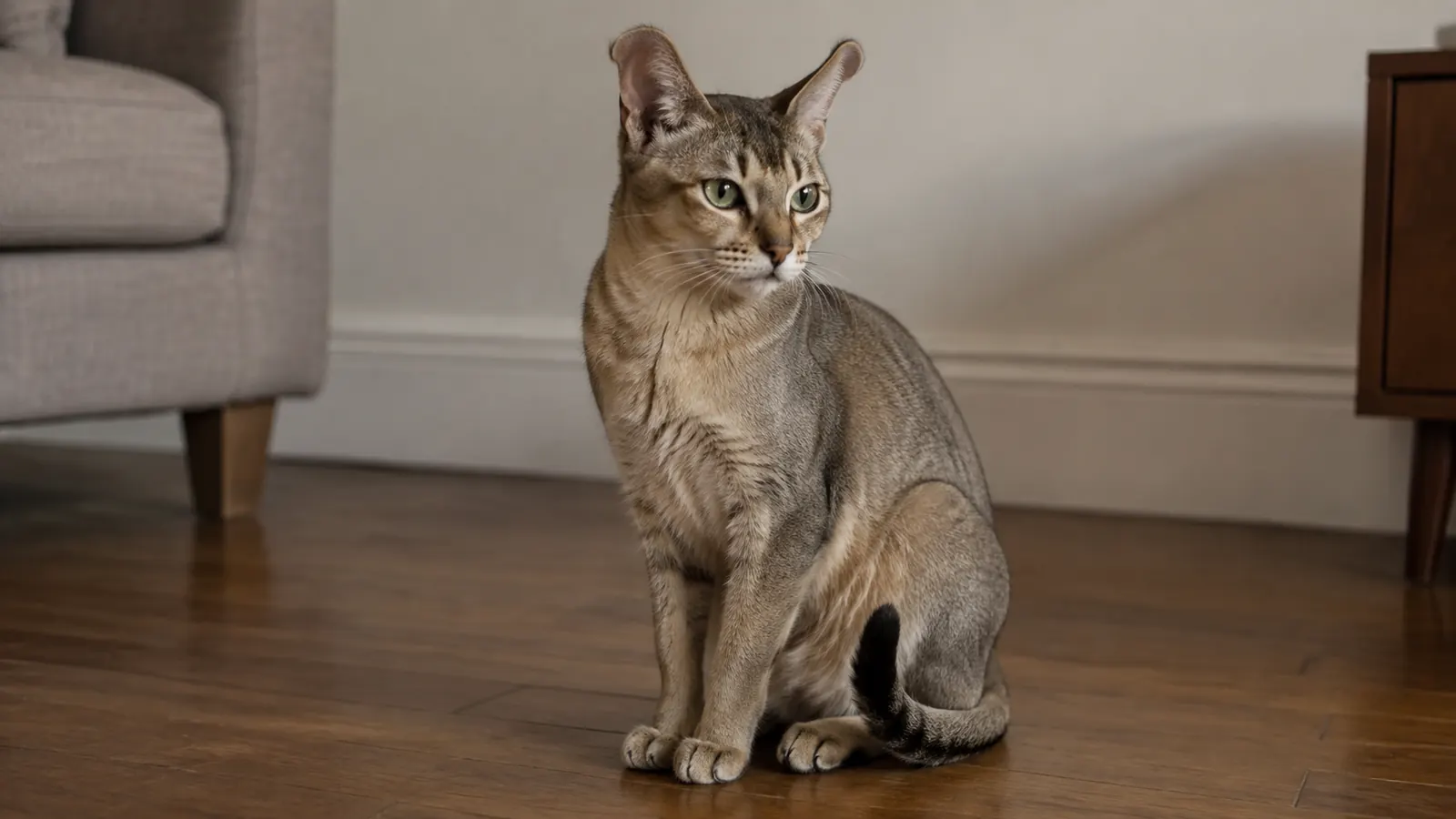
What Is an American Polydactyl, and Is Extra Toes a Breed or a Trait?
American Polydactyl is a name for a domestic cat with extra toes, and no major registry recognises it as a breed. The toes come from a dominant mutation that one parent can pass to a kitten of any breed or colour. A few breed standards allow the trait, most visibly TICA's Pixie-Bob standard, while most treat extra toes as a fault.
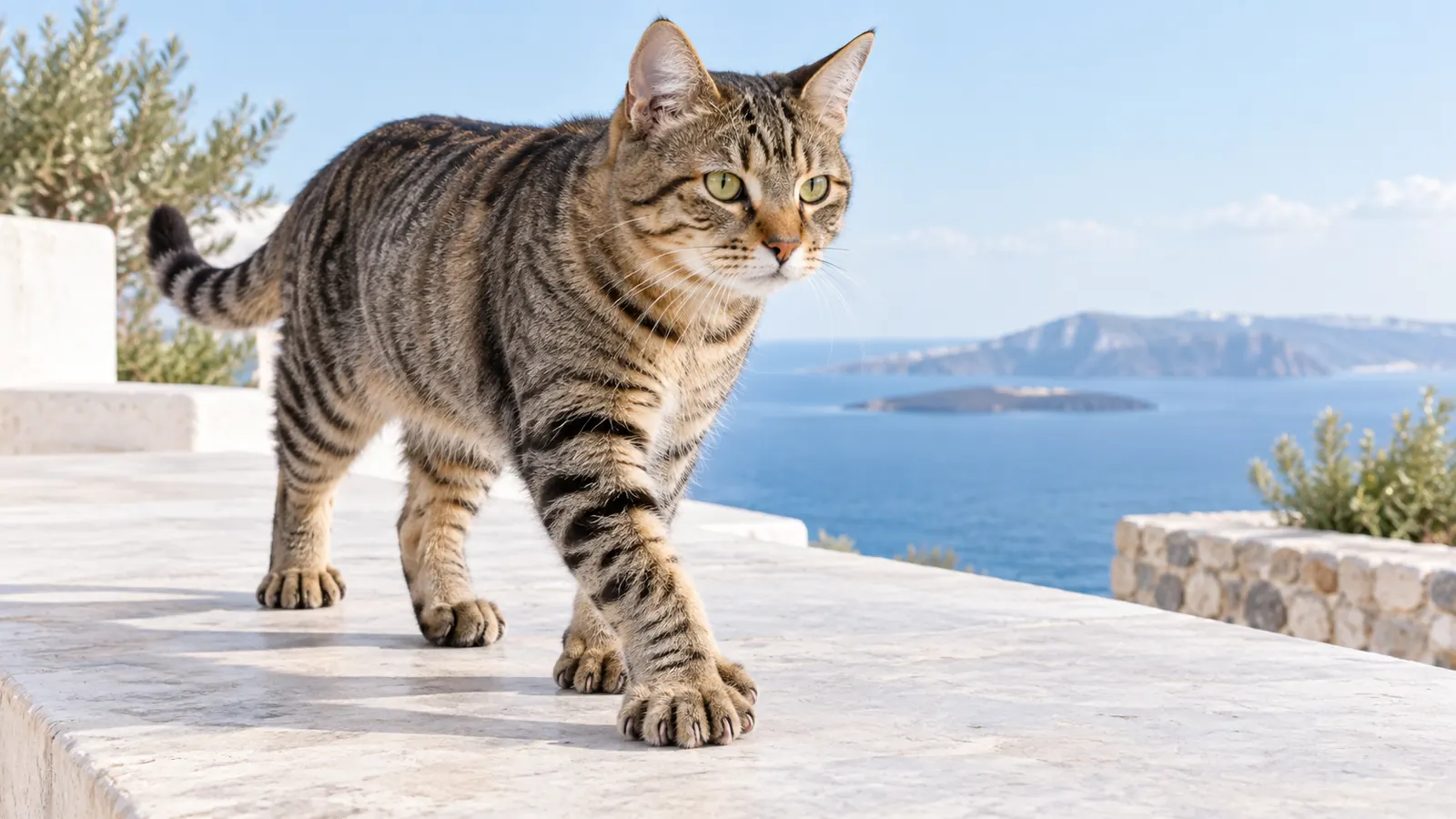
- Origin
- Not applicable; polydactyly is a naturally occurring genetic trait found worldwide, and especially familiar along the North American Atlantic coast
- Coat
- Any; polydactyly does not affect the coat
- Size
- Any; polydactyly does not affect body size
- Typical weight
- Any; consistent with the underlying domestic or breed population
- Life expectancy
- No trait-specific data; domestic cat averages apply
- Activity level
- Depends on the individual, not on the number of toes
- Grooming
- Standard coat care plus monitoring of extra nails
- Suits
- Any household; the extra toes do not change temperament or social behaviour
An American Polydactyl is a cat with extra toes. The name describes the toes alone: no registry keeps a standard or issues a pedigree under it.
Polydactyly is caused by a dominant mutation in a stretch of DNA called the ZRS, which switches on a limb-building gene, sonic hedgehog, in the growing paw. One copy from one parent is enough to produce extra toes, which is why the trait runs in families of cats.
The mutation can appear in any domestic cat population, any breed and any colour.
What Does Polydactyly Actually Look Like?
A polydactyl cat typically has six or seven toes on one or more paws instead of the standard five (front) or four (rear). The extra digits are usually on the inside of the paw, so the foot looks broader and mitt-like.
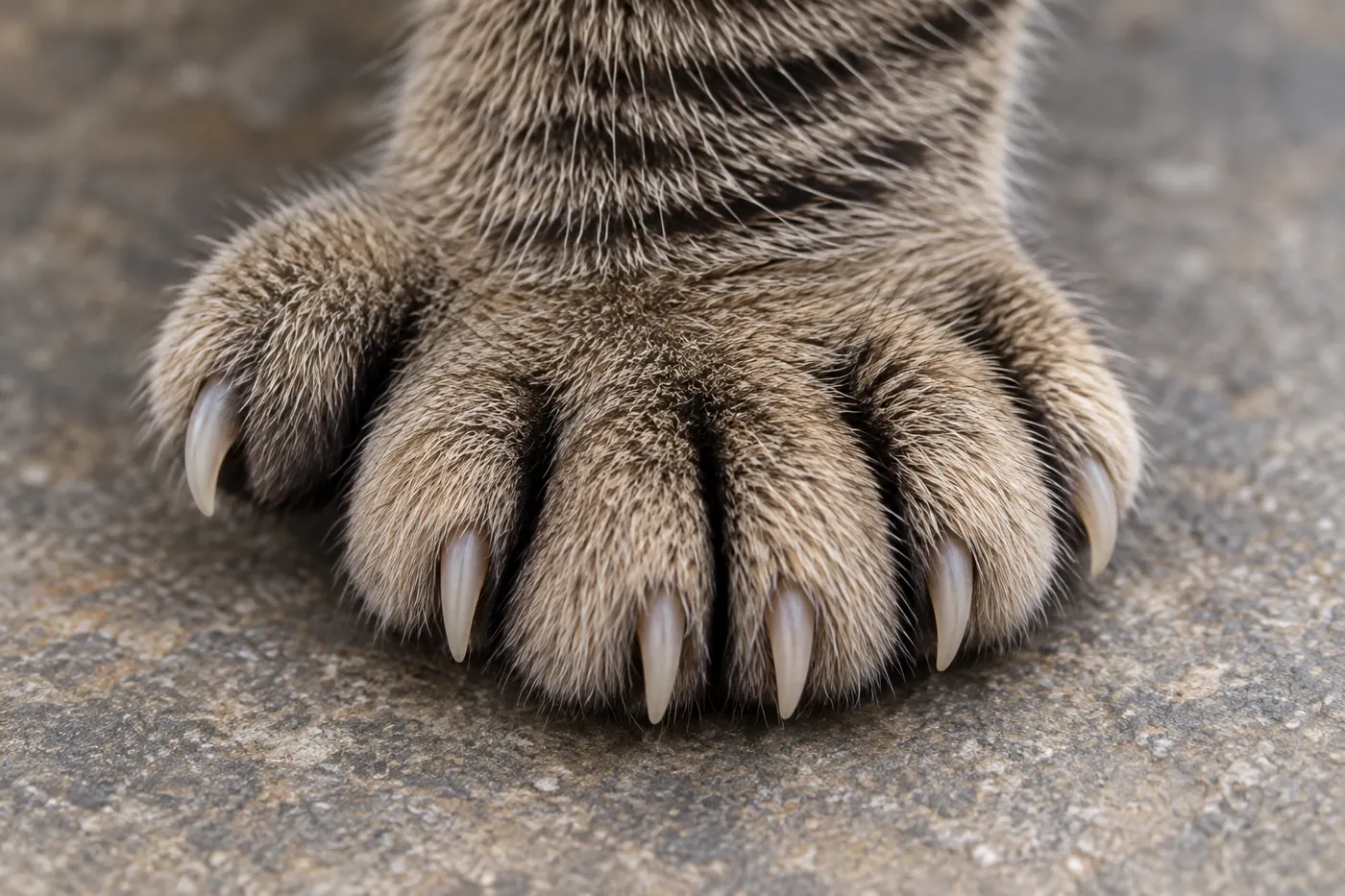
The degree varies from cat to cat. Some have one extra toe on one paw, and others have extra toes on all four feet. In the Hemingway cats studied by Lettice and colleagues, about four in five affected cats had extra toes on the front paws only, while one of the British variants in the same study affected all four paws.
Polydactyl cats are especially familiar along the North American Atlantic coast, and popular accounts tie them to ships' cats and port towns. The best-known colony lives at the Ernest Hemingway Home and Museum in Key West, Florida: about forty cats descended from one polydactyl founder given to Hemingway in the 1930s, roughly half of them with extra toes.
Why Is This a Trait and Not a Breed?
No major registry recognises "American Polydactyl" as a breed. TICA, CFA and FIFe do not list it.
Most breed standards treat polydactyly as a disqualification.
The best-known exception is the Pixie-Bob, whose TICA standard permits polydactyly up to seven toes per paw. That allowance belongs to the Pixie-Bob standard, so it gives a polydactyl cat of any other background no breed status.
- Registry recognition as a breed
- None
- Best-known standard that permits it
- Pixie-Bob (TICA), up to seven toes per paw
- Inheritance
- Autosomal dominant; one copy produces extra toes
- Where it turns up
- Worldwide, and especially familiar on the North American Atlantic coast
- What it affects
- Toe count and paw shape
- What it does not affect
- Coat, body type, temperament or size, and no wider health effect has been described
What Care Does Polydactyly Require?
The extra toes change one thing about daily care: nail monitoring.
An additional toe that does not contact the ground may not wear its nail naturally. Without regular trimming, the nail can curve and grow into the pad, causing pain and infection.
The extra digits that sit higher on the paw, or tucked between other toes, are the nails most easily missed, and a nail that has started to curve toward the pad is already overdue for a trim.
Beyond nail care, a polydactyl cat has the same needs as any domestic cat. The researchers who identified the Hemingway mutation concluded that this type of polydactyly has no further effect on a cat's health, reasoning from people with the same class of mutation, in whom it changes the hands and feet and nothing else. Temperament, activity and lifespan follow the individual cat and its background.
How Do You Evaluate a Cat Described as an American Polydactyl?
A cat sold under this name is a domestic cat with extra toes, so the useful checks are the ones you would make on any cat, plus a look at the extra nails.
- Count the toes and check each extra nail for curve, pad contact and condition
- A price set for a domestic cat, with no premium for the toes
- Assess the cat's actual temperament, health and coat on their own merits
- Any rarity or value claim traced to a registry, bearing in mind that none lists the name
Common Questions
Is the American Polydactyl a breed?
No. Polydactyly is an inherited trait that can turn up in any cat, and no major registry recognises American Polydactyl as a breed name.
Do extra toes cause health problems?
The researchers who identified the Hemingway mutation concluded that this type of polydactyly has no further effect on health. The practical issue is that extra nails may not wear down on their own and need regular trimming to stop them curving into the pad.
Which breed allows polydactyly?
The best-known example is the Pixie-Bob, whose TICA standard permits polydactyly up to seven toes per paw. Most other breed standards treat extra toes as a fault.
Are polydactyl cats rare?
No. The trait appears in domestic cats worldwide and is especially familiar along the North American Atlantic coast.
Checked Against
- TICA: Current breeds (American Polydactyl not listed) tica.org
- CFA: Current breeds (American Polydactyl not listed) cfa.org
- Lettice et al.: Point mutations in a distant sonic hedgehog cis-regulator generate a variable regulatory output responsible for preaxial polydactyly (Human Molecular Genetics, 2008) academic.oup.com
- TICA: Pixiebob tica.org
Published 17 September 2026. Last updated .