
What Is a Brazilian Shorthair, and Who Recognises It?
The Brazilian Shorthair is a Brazilian breed whose standard the World Cat Federation publishes, and it was drawn from the mixed free-living cats already common in the country rather than from a new line bred for the purpose. That origin explains why paperwork matters more than looks when you buy one.
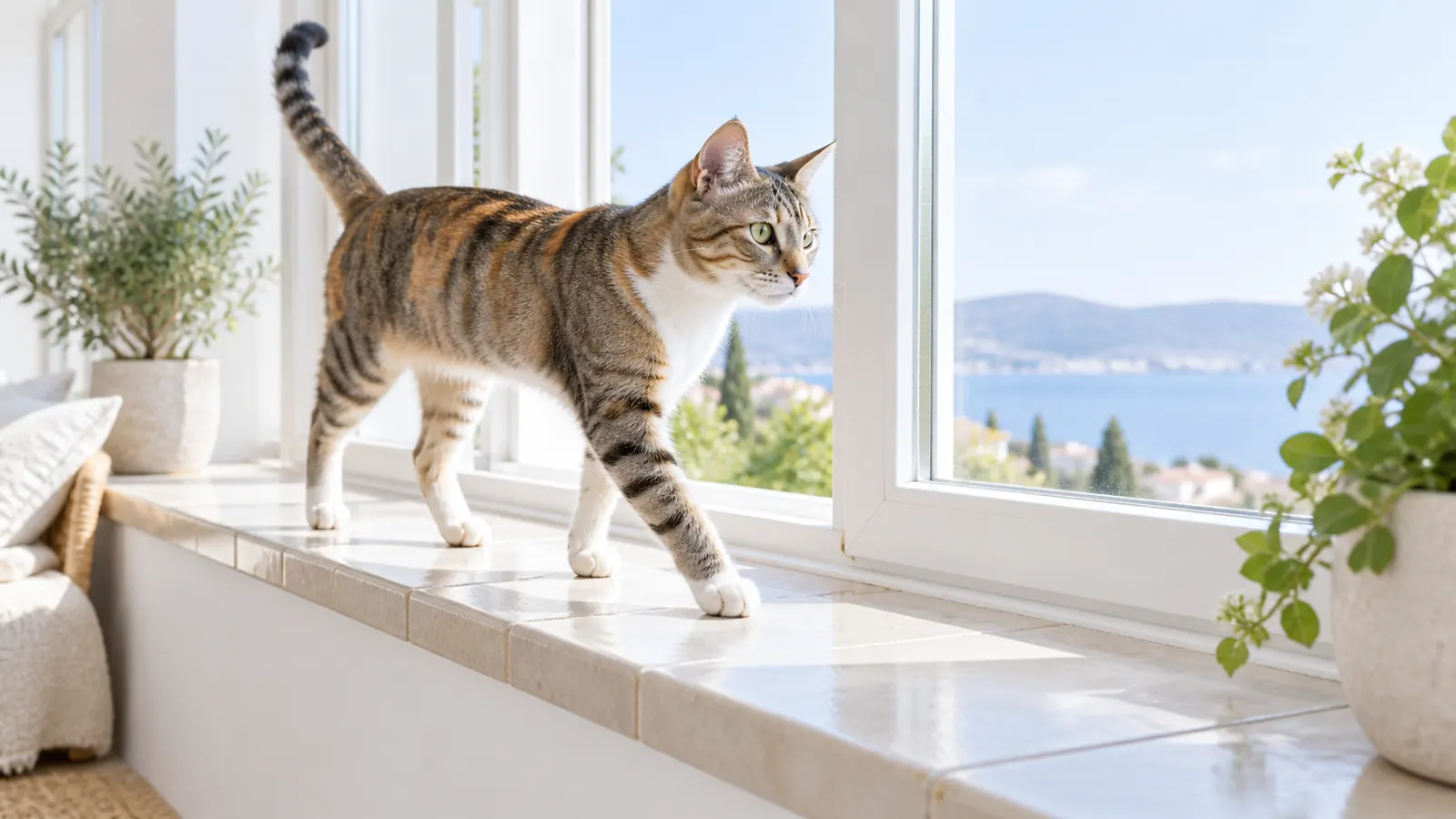
- Origin
- Brazil, standardised from the country's own mixed free-living cats and recognised by the World Cat Federation
- Coat
- Short, in a wide range of colours and patterns that reflects the mixed street cats behind the breed
- Size
- Medium, firm and slightly slender rather than compact, on legs of medium length
- Typical weight
- Medium and slightly slender rather than compact
- Life expectancy
- No breed-specific study exists; UK life-table work gives about 11.7 years across the general cat population
- Activity level
- High as a kitten, settling into a steady, playful adult that stays active
- Grooming
- Very low. A weekly comb during a moult, and the cat manages the rest
- Suits
- Households that want an unfussy, healthy, ordinary-looking cat and do not need show eligibility
The Brazilian Shorthair did not start as a breeding programme. Its standard was written to describe a recognisable type among Brazil's own street cats, the mixed, free-living cats of parks and streets, rather than a new look bred for the purpose.
The World Cat Federation now publishes that standard among its recognised shorthair breeds, and that is what turns a familiar street type into a breed with paperwork.
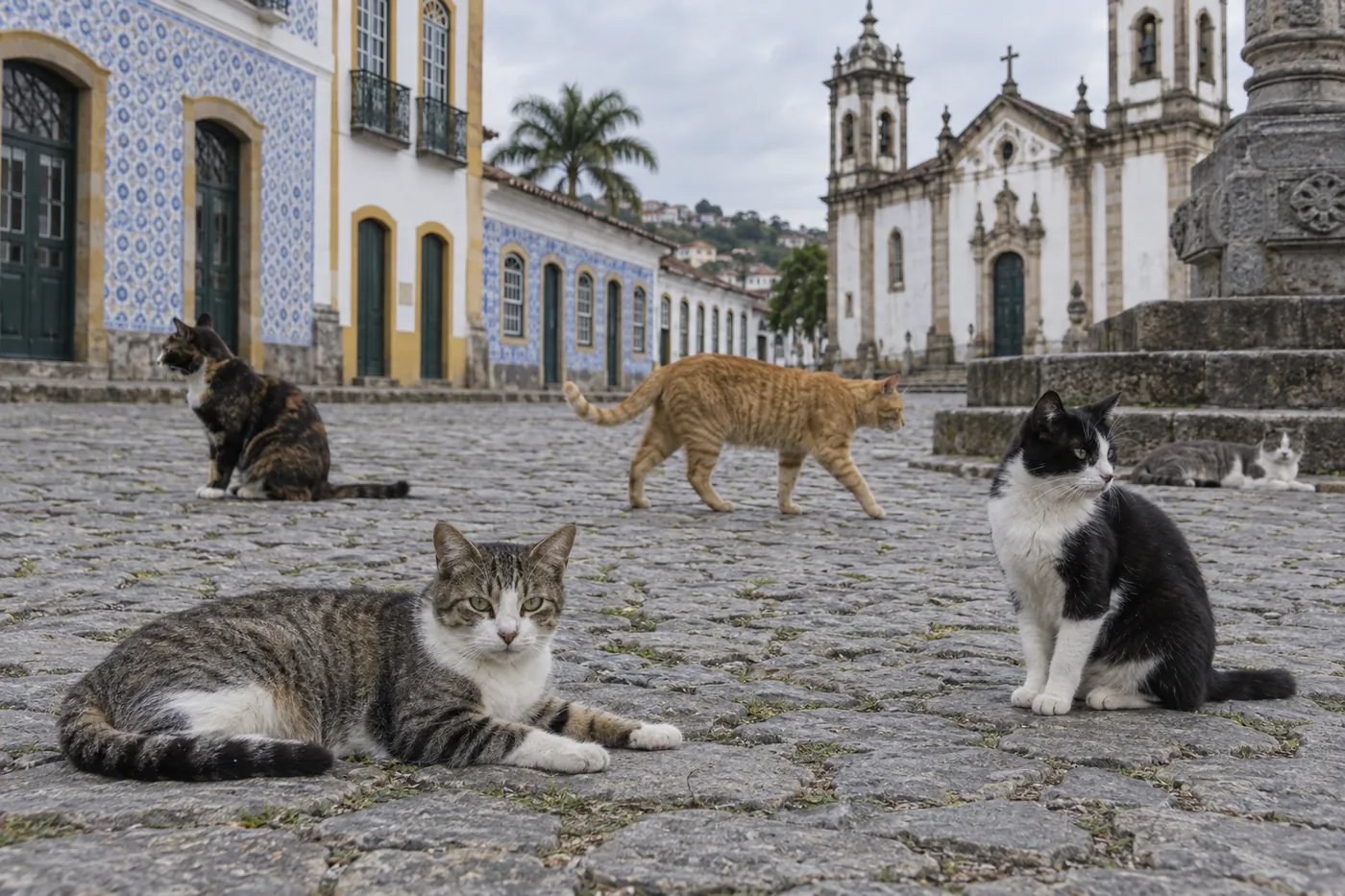
That is a different process from almost every other profile on this site, and it is the reason the paperwork matters more than the look.
How is this different from a landrace or a founder programme?
Three different processes produce three different kinds of breed, and it is worth being precise about which one this is.
A landrace, like the Aegean or the Arabian Mau, develops on its own over centuries with nobody writing anything down until a registry arrives afterward. A founder programme, like the Bambino or the Burmilla, starts from one animal or one mating and builds a controlled line from it.
The Brazilian Shorthair sits between those. The population was already there, made up of mixed cats breeding freely.
What changed was the written standard itself, put forward for international recognition rather than left as an unrecorded population. That is closer to what happened with the Egyptian Mau's early history than to either the Aegean or the Bambino.
| Process | Example on this site | How the standard came about |
|---|---|---|
| Landrace, never standardised centrally | Aegean, Arabian Mau | Nobody, until a registry described what was already there |
| Founder programme from one animal or mating | Bambino, Burmilla | The developer, from the very first generation |
| Population studied and then standardised | Brazilian Shorthair | Written afterwards to describe an existing free-living type |
Is the Brazilian Shorthair a recognised breed?
Yes. The World Cat Federation lists the Brazilian Shorthair among its recognised shorthair breeds and publishes a standard for it. That standard is the one a judge applies at WCF shows, and WCF registration is the paperwork that shows a cat was bred to it.
Two other large registries do not list it. The Cat Fanciers' Association's alphabetical breed list goes straight from Bombay to British Shorthair, and FIFe's list of fully and preliminarily recognised breeds has no entry for it; the BSH code there belongs to the British Shorthair.
For a buyer, that settles what the papers can be. A registered Brazilian Shorthair carries WCF papers. Because neither CFA nor FIFe lists the breed, CFA or FIFe papers naming it would be a reason to ask questions.
What does one look like?
Ordinary at a glance, and specific once you know what to look for.
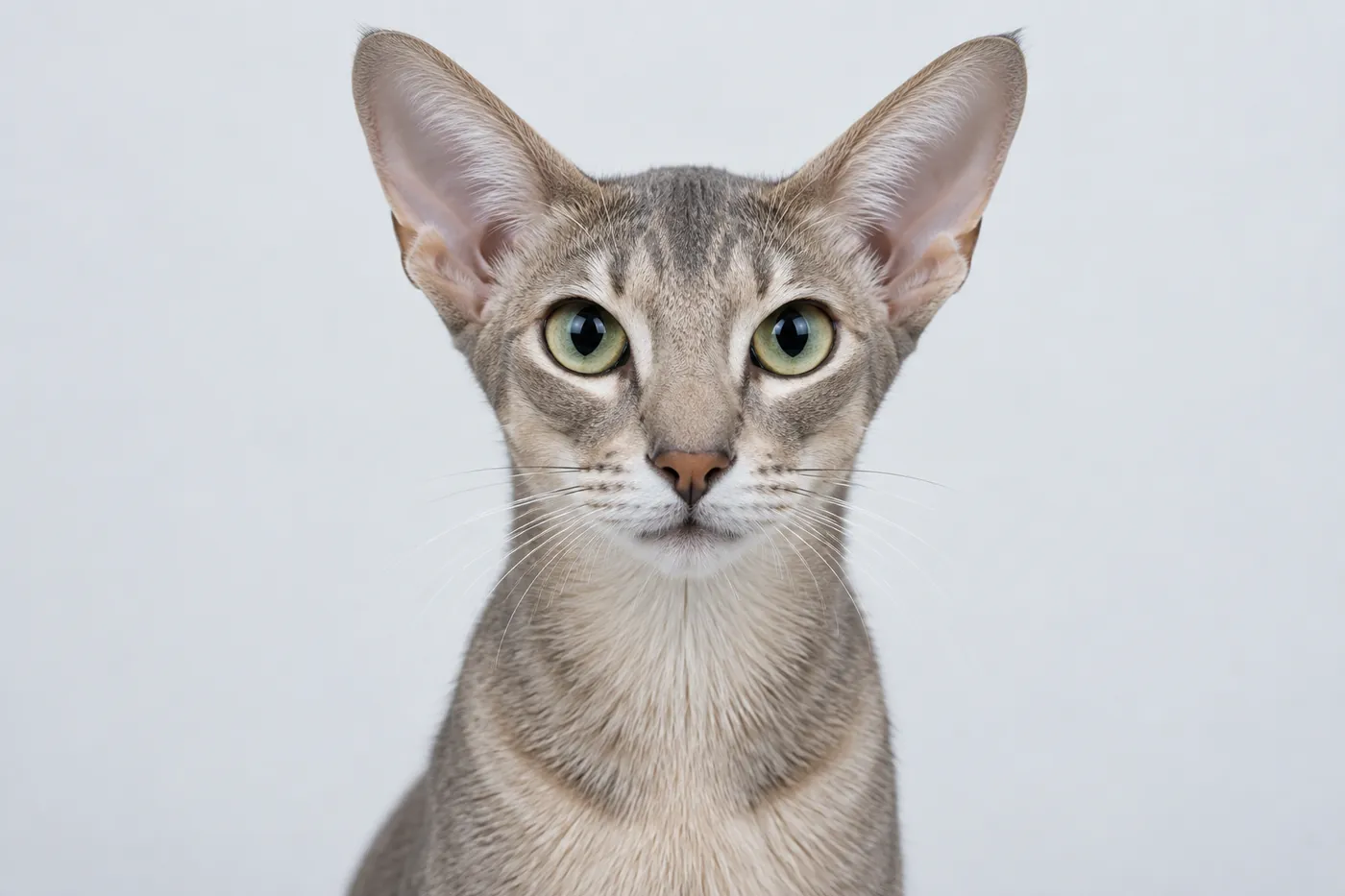
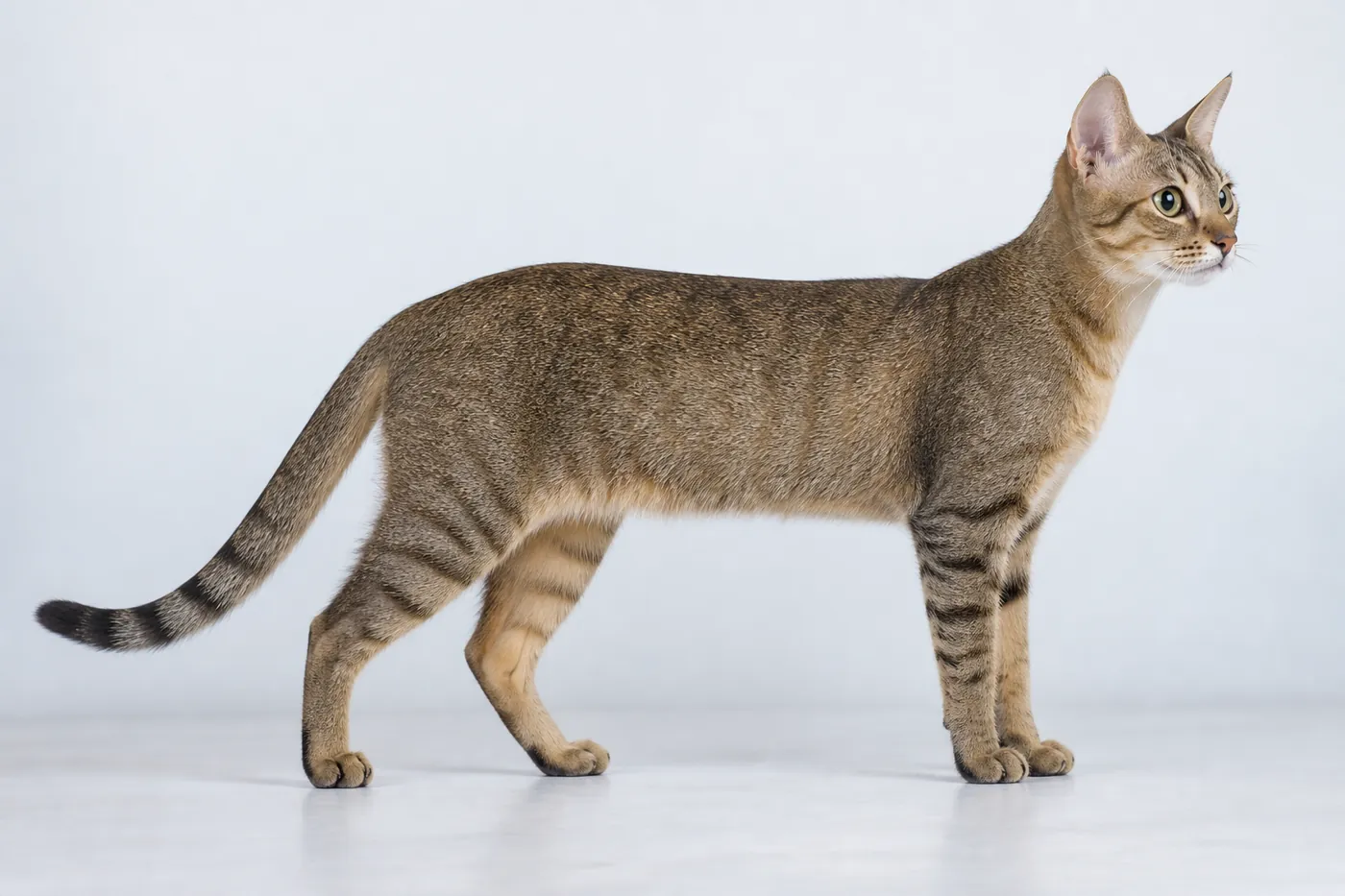
The standard calls for a cat that looks healthy, quick and elegant: a firm, medium-sized body that is slightly slender rather than compact, legs of medium length with round feet, and a tail that is not thick at the base and tapers toward the tip.
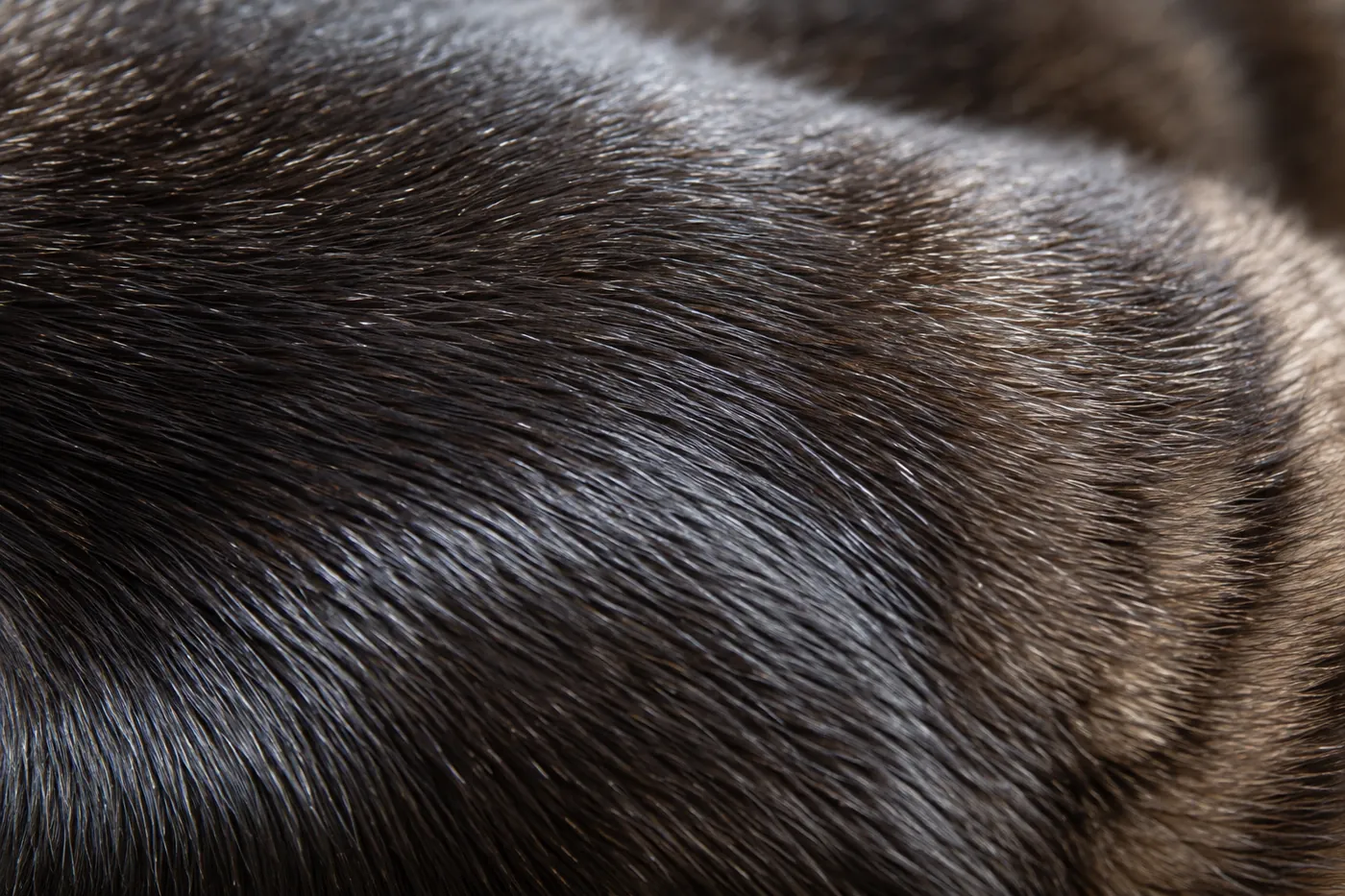
Coat colour varies widely, because the breed comes from mixed street cats rather than a line selected for one colour. A street population carries the full range a closed pedigree line usually narrows down.
What is the temperament like?
Enthusiasts describe a playful kitten that settles into a steadier, still playful adult.
Those are enthusiasts' accounts rather than research. The cats behind the breed lived alongside people without living fully indoors, but that background does not mean the cat needs outdoor access to thrive.
Indoor life suits it perfectly well, and the usual precautions for any cat apply regardless of what its ancestors were doing several generations back.
An adaptability sometimes claimed for the breed is how readily it adjusts to new households and routines. A population that spent generations navigating unpredictable human environments, rather than a single consistent cattery routine, plausibly produced a cat that copes well with change.
That is a reasonable inference from the origin rather than a documented trait, and it is worth treating it that way when a seller states it as settled fact.
Trainability has not been studied in the breed either, and no registry text describes it, so the individual cat and the method decide it. Reward-based clicker training is the place to start.
What does one need day to day?
Very little, which is one of the breed's genuine practical advantages.
The coat needs a weekly comb at most, more during a seasonal moult. Claws, teeth and ears follow the ordinary schedule described in our guide to trimming claws.
Activity is moderate to high, and interactive play in short sessions suits this breed the way it suits most agile shorthairs. Our guide to exercise needs by age covers how that routine should shift as a cat matures.
How big does one get, and how fast?
Medium-sized and quick to reach it, without the slow multi-year maturation some pedigree breeds show.
Growth follows the ordinary domestic-cat pattern described in our guide to when a cat stops growing, reaching full frame by around twelve to eighteen months rather than the extended timelines large slow-maturing breeds show.
What is known about the health?
Encouragingly little, and the reason is structural rather than lucky.
A population this large and this genetically broad, drawn from mixed cats breeding freely across a large country, does not concentrate a founder mutation the way a closed pedigree line can. No breed-specific disease is documented for the Brazilian Shorthair.
That is a real advantage of the population it came from, not a marketing claim about individual cats. A wide gene pool is genuinely protective, and it is the opposite structural situation from a line built on one founder or one accidental mating.
It is not evidence that any individual cat is healthy. Ordinary age-related conditions, dental disease and the routine screening any cat benefits from still apply, and a breeder working with a small imported group in a new country can narrow that gene pool considerably if they are not deliberately avoiding it.
How long Brazilian Shorthairs live has not been studied. UK life-table work across the general cat population gives an average of about 11.7 years, which is a population average rather than a forecast for this breed.
- Population structure
- Broad and free-living in origin, which is genuinely protective against concentrated inherited disease
- Documented breed-specific conditions
- None reported in the sources reviewed for this profile
- Still worth asking
- How large the breeding group actually is outside Brazil, and whether it has been kept broad
Where do you actually find one?
Mostly in Brazil, and that is the honest starting point.
Outside Brazil, a cat sold as a Brazilian Shorthair should come with a traceable WCF pedigree rather than a resemblance to the standard. Because colour varies so widely, appearance alone proves very little.
- Ask for WCF registration paperwork and check that the numbers resolve
- Ask how large the breeding population is, particularly outside Brazil
- Expect a written contract, vaccination and worming records, and a kitten that stays until at least twelve weeks
- Treat a cat sold purely on appearance, with no registry paper trail, as an ordinary shorthaired cat rather than a verified Brazilian Shorthair
If the appeal is an unfussy, low-grooming, genuinely healthy-by-population-structure shorthair and the WCF paper trail does not matter to you, your own local shelter very likely already has a cat of exactly this build.
The breed's own standard describes an ordinary street type, which is not a criticism, it is the point.
Is one good with children and other pets?
Nothing in the sources reviewed for this profile suggests a temperament that would be difficult around children or other animals.
That said, no breed-specific study of household compatibility exists for a population this size, so the sensible approach is the one that applies to any cat: supervised introductions, and judging the individual in front of you rather than a breed reputation built on a handful of descriptions. Our page on biting during petting covers the warning signs worth knowing regardless of breed.
Who should think twice about one?
Anyone who wants to show at CFA or FIFe events should look elsewhere, since neither lists the breed, and anyone using another registry should check its list before buying. Anyone who wants a particular coat colour or pattern as the defining trait should look elsewhere, since colour varies widely here and structure is what the standard judges.
Everyone else is choosing between paying for paperwork on a cat whose build and temperament are genuinely common, or adopting the same build without it.
That is not a small decision, and it is the one this breed's history makes unusually honest to describe.
Common Questions
Is the Brazilian Shorthair a recognised cat breed?
Yes. The World Cat Federation lists it among its recognised shorthair breeds and publishes its standard, and WCF registration is the paperwork to ask for.
Where did the Brazilian Shorthair come from?
It was standardised from Brazil's own free-living cats. A standard was written to describe a type that kept recurring among the mixed cats of the country's streets, rather than a new line being developed.
Does the Brazilian Shorthair have a signature coat colour?
No. The breed comes from mixed street cats, so coat colour varies widely, and the standard is built around body shape rather than a signature colour.
How much grooming does a Brazilian Shorthair need?
Very little. The coat is short, so a weekly comb during a moult is generally enough.
Is the Brazilian Shorthair a healthy breed?
No breed-specific disease is documented for it, which fits its broad, free-living population origin. That reflects the population's genetics rather than a guarantee about any individual cat, which still needs ordinary preventive care.
Checked Against
- World Cat Federation: Brazilian Shorthair breed standard wcf.de
- World Cat Federation: shorthair breed standards wcf.de
- Journal of Feline Medicine and Surgery: life tables of annual life expectancy and mortality for cats in the UK pmc.ncbi.nlm.nih.gov
- The Cat Fanciers' Association: cat breeds cfa.org
- Fédération Internationale Féline: breeds fifeweb.org
Published 10 September 2026. Last updated .





