
What Is a Scottish Fold, and Why Does the Folded Ear Carry a Health Cost?
We do not recommend buying or breeding a fold-eared Scottish Fold. The same dominant TRPV4 variant that folds the ear alters cartilage and bone throughout the body, disease severity varies even in cats with one copy, and mating a Fold to a straight-eared cat reduces the most severe inheritance pattern without removing the welfare risk.
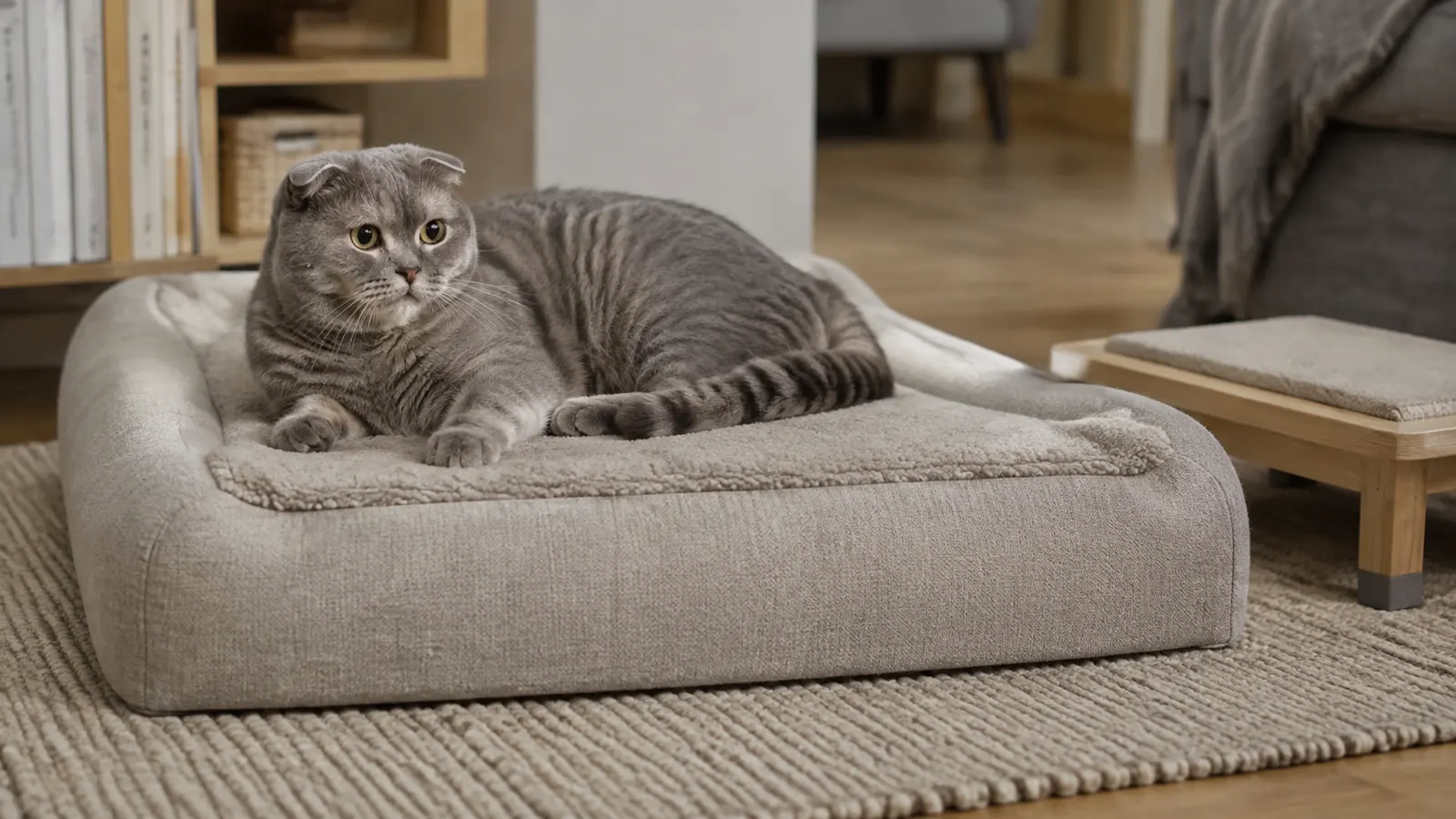
- Origin
- Scotland, beginning with the folded-ear farm cat Susie recorded in 1961
- Coat
- Short or long in many colours; the folded ear comes from a cartilage mutation
- Size
- Medium sized with a rounded body and head; appearance does not predict disease severity
- Typical weight
- Healthy weight must be assessed individually because excess weight adds load to painful joints
- Life expectancy
- No breed estimate can summarize the variable burden of osteochondrodysplasia
- Activity level
- Individual and strongly affected by pain or joint disease
- Grooming
- Low to moderate by coat length, with careful handling and attention to reduced self-grooming
- Suits
- People adopting an existing cat with veterinary support and a willingness to fund lifelong pain and mobility care
The folded ear is caused by an autosomal dominant change in TRPV4, a gene involved in cartilage and bone development. That same variant causes Scottish Fold osteochondrodysplasia, so the appearance cannot be separated from a body-wide health risk. Cats with two copies are usually affected earlier and more severely. Cats with one copy have variable onset and severity, but Fold-to-straight breeding does not turn the mutation into a harmless cosmetic feature.
Should you buy a Scottish Fold?
Our recommendation is no. Choosing not to create demand is the clearest way a prospective buyer can avoid supporting a trait linked to painful skeletal disease.
Fold-to-straight reduces the chance of two copies but does not remove the variant from folded kittens. A seller may accurately say it avoids homozygous kittens and still overstate that the resulting Fold kittens are safe.
If you are considering an existing cat in rescue, the decision is different. Adoption does not create a new breeding order, but it does require a veterinary baseline, realistic insurance review and acceptance that pain treatment or home adaptation may be lifelong.
What exactly does the TRPV4 variant do?
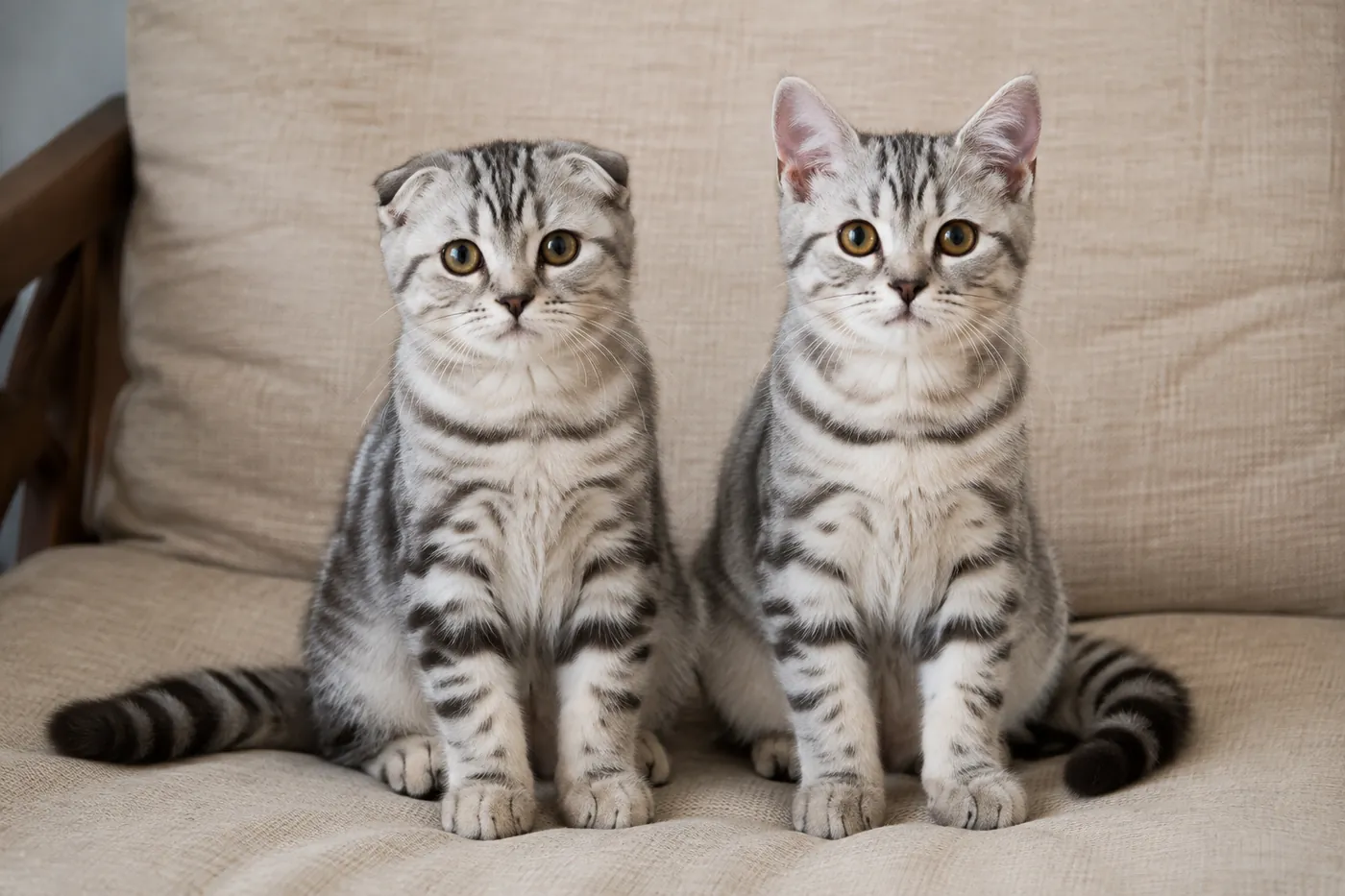
The reported Scottish Fold variant is c.1024G>T in TRPV4. It follows an autosomal dominant pattern, meaning one inherited copy is sufficient to produce the folded-ear trait and can also produce osteochondrodysplasia.
| Genetic situation | Expected ear trait | Welfare meaning |
|---|---|---|
| No fold variant | Straight ears | Does not have Scottish Fold osteochondrodysplasia from this variant |
| One copy | Usually folded ears | Variable skeletal disease remains possible |
| Two copies | Folded ears | Earlier and more severe disease is expected |
| Fold crossed with straight | No two-copy kittens if the straight parent lacks the variant | Folded offspring still inherit one copy |
Published clinical reports describe abnormal bone growth, shortened or misshapen distal limbs, joint changes, stiffness, lameness and a thick or inflexible tail. Severity ranges widely, which makes a normal-looking young cat poor evidence about future comfort, and a mildly affected cat and a severely affected cat can carry the same defining variant. What stays uncertain is how early and how severely the disease appears; its cause is already known.
Does Fold-to-straight breeding solve the welfare problem?
It prevents the particular mating that can produce kittens with two copies when the straight-eared parent is genetically negative. This is important because homozygous disease is typically more severe. It does not make the one-copy condition harmless. A 1999 clinical and radiographic study found variable disease among Fold cats from Fold-to-straight matings and concluded that all Scottish Folds were affected to some degree.
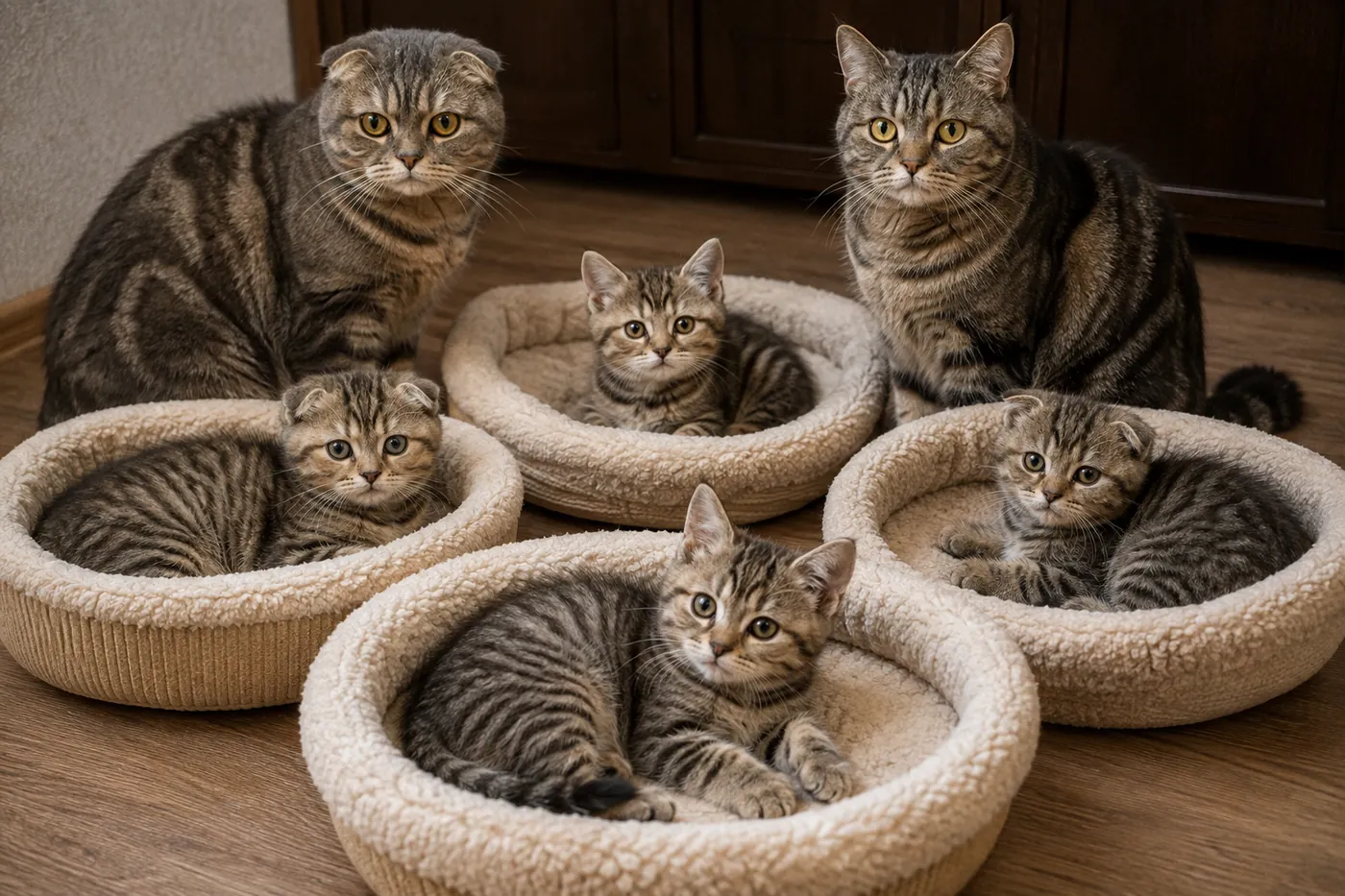
Later work has continued to document serious disease in one-copy or cross-breed animals. The honest breeding statement is therefore narrower: Fold-to-straight avoids the highest-risk genotype, while the welfare concern attached to folded offspring remains.
Some registries permit the breed under controlled rules, while others decline recognition because the defining trait is harmful. A registry title records acceptance in that organization; it does not override the biological evidence.
Can appearance tell you how much pain a cat has?
No. Ear tightness, roundness of the face and how calmly a cat sits do not measure joint disease, and cats often reduce activity rather than display an obvious limp.
- Less willingness to jump onto a familiar surface
- Shorter play or stopping sooner than usual
- Stiff movement after rest
- Reluctance to have feet, legs or tail handled
- Reduced grooming, especially over the back or hindquarters
- Changes in litter-box posture or accidents near the tray
- Withdrawal, irritability or sleeping in easier-to-reach places
A change from that cat's own baseline matters. Video of ordinary walking, turning, stair use and a low jump can help a veterinarian see changes that do not appear during a short clinic visit.
How is osteochondrodysplasia diagnosed and treated?
A veterinarian combines history, physical examination and often radiographs to assess bone and joint changes. Genetic testing can identify the known fold variant, but the result does not measure the current degree of pain or structural damage.
Treatment is supportive rather than curative. Published reports include pain medication, environmental change and palliative radiation in selected severe cases, while surgery has been attempted for particular lesions.
- Baseline visitRecord gait, joint and tail movement, weight and current activity
- New changeArrange examination rather than assuming the cat is lazy
- Diagnostic workUse examination and imaging as the veterinarian advises
- Treatment trialTrack comfort, movement, appetite and adverse effects
- Ongoing reviewAdjust pain control and the home as disease changes
Never give human painkillers unless a veterinarian specifically prescribes a safe veterinary product and dose. Several common medicines are dangerous to cats.
The treatment goal is comfort and function, because no treatment restores normal cartilage.
How can the home reduce physical strain?
Home changes should make valued places reachable with less jumping and twisting. They support treatment but do not replace diagnosis or pain control.
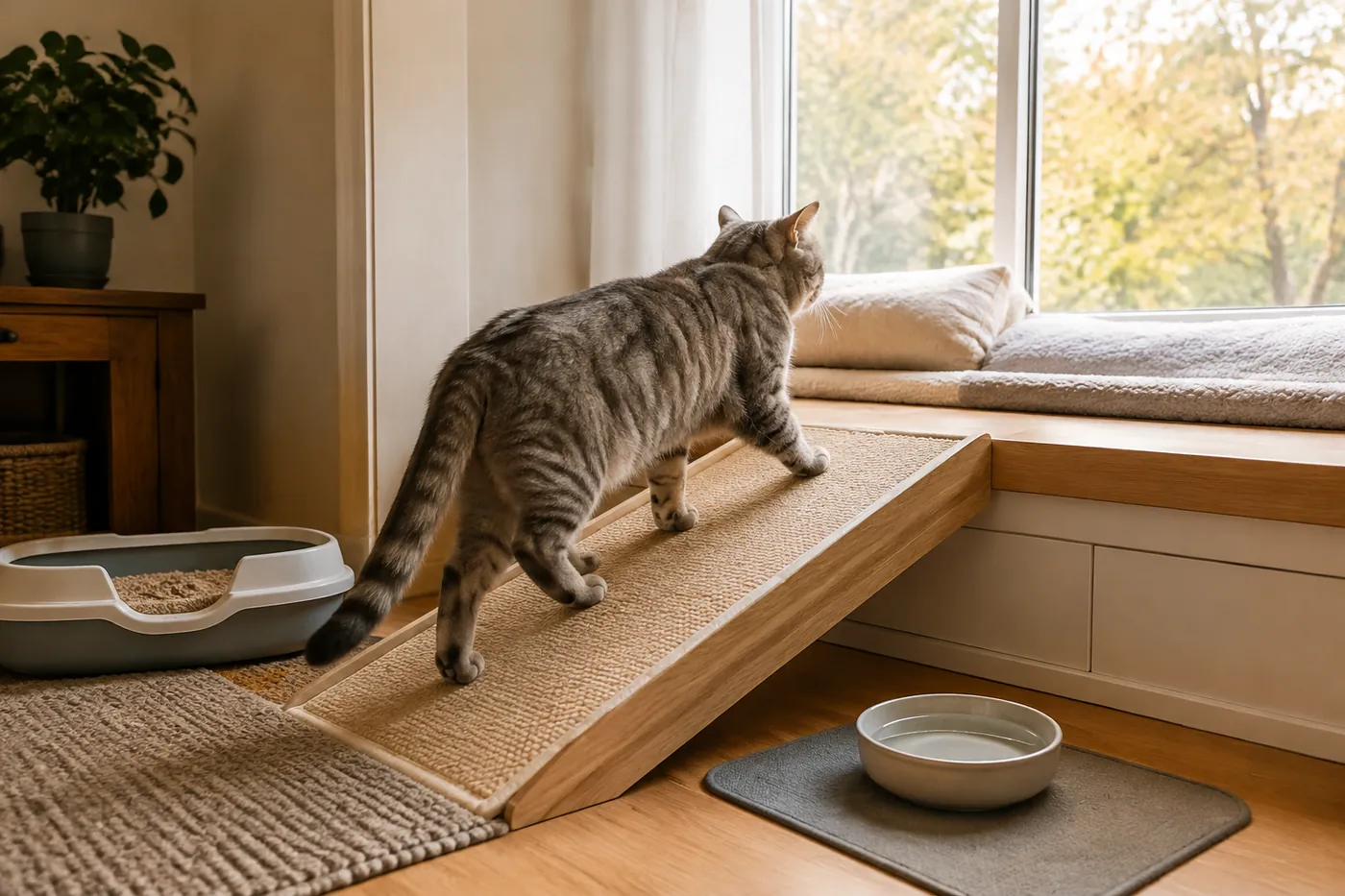
- Place broad non-slip steps or ramps beside favourite furniture
- Use a low-entry litter tray with enough floor area to turn
- Keep food, water and litter on an accessible level
- Add warm supportive beds in quiet social locations
- Use rugs or runners on slippery floors
- Keep claws maintained for reliable traction
- Monitor body condition with the veterinary team
Routes around the home can change without cutting the cat off from the rooms it uses, as the guide to adapting the home shows, and senior-friendly litter boxes suit a younger cat with painful joints because of their low entry and room to turn.
Excess body fat adds load to already abnormal joints, but weight loss must remain gradual and nutritionally complete. Intake is measured and any reduction is planned with a veterinarian instead of made by sharply cutting food.
Are straight-eared Scottish cats unaffected?
A kitten from Scottish Fold breeding may have straight ears because it did not inherit the dominant fold variant. A reliable negative DNA result can clarify that specific genetic status when appearance or ancestry leaves doubt. Straight ears do not certify total health. The cat still needs ordinary examination, cardiac history where relevant, dental care, weight control and transparent records from the breeder.
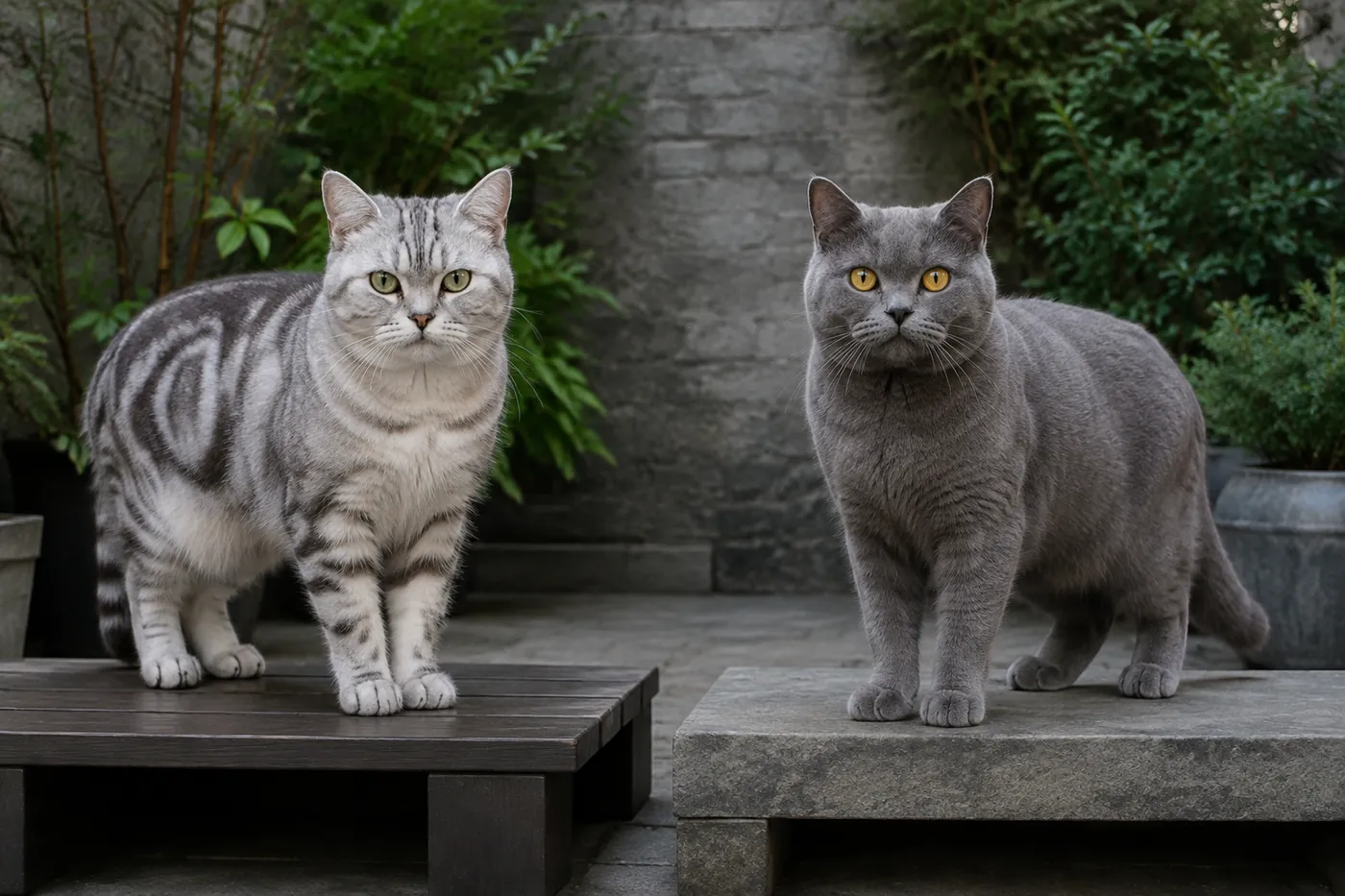
If the rounded look is the attraction, consider an ethically bred British Shorthair or an adult domestic cat whose temperament and health are already observable. No appearance is worth deliberately ordering a known skeletal risk.
What are temperament, coat care and family life like?
Scottish Folds are often marketed as quiet, affectionate companions, but the evidence base for a uniform breed temperament is weak. Pain can also suppress play, reduce tolerance of handling or make a cat appear unusually calm. An individual shows its real temperament when it can move freely and choose whether to approach.
Children should never carry the cat by the front body, manipulate the tail or repeatedly place it in an upright pose for photographs. Other pets need the same gradual introduction used for any cat. Separate litter, food, water and rest prevent a painful cat from having to pass or confront another animal to reach an essential resource.
Shorthaired cats usually need light brushing, while longhaired Folds need combing through friction areas. Reduced grooming over the back or hindquarters can be a pain sign, so a new mat is information before it is a cosmetic problem.
- Invite the cat onto a stable mat with a reward
- Brush lightly where the cat already accepts touch
- Avoid pulling a stiff tail or repositioning painful legs
- Split long-coat work across several short sessions
- Ask a veterinarian about new resistance, grease or matting
Ear position does not automatically cause a dirty canal, but small folded ears can make external debris harder to see. Wipe only what is visible with a veterinarian-approved method and never put a swab down the canal.
Handling that stops as soon as the cat resists lets daily grooming show where it is sore without adding to the pain.
How did the folded-ear breed begin?
Registry histories trace the breed to Susie, a white folded-ear farm cat found in Scotland in 1961. Her descendants showed that the ear trait was heritable, and organized breeding followed.
Recognition diverged as the skeletal consequence became clearer. CFA and some other registries recognize Scottish Folds under breeding rules, while GCCF does not recognize breeds whose defining structural anomaly harms health. That disagreement is sometimes presented as an unresolved opinion contest. The genetic and clinical evidence is clearer than the registry split: folded ears identify inheritance of the same TRPV4 variant implicated in osteochondrodysplasia.
History explains how the phenotype entered the fancy, but it does not make continued demand necessary. A trait can be established, popular and recognizable while still creating an avoidable welfare cost.
The Foldex combines Scottish Fold and Exotic lines, but its folded ear still reflects the same inherited cartilage pathway. A different breed name does not remove the welfare question. The Ukrainian Levkoy crosses the fold variant into a hairless line bred from the Donskoy, so a fold-eared Levkoy carries the same joint disease risk on top of the skin care, sun protection and warmth a hairless cat needs.
What should you verify when adopting an existing Fold?
The records that help most are the cat's genetic result if available, veterinary history, prior radiographs, medication record and observations about stairs, jumping, litter posture and handling. Insurance may exclude pre-existing or hereditary disease, so the written policy terms matter before any future treatment is assumed to be covered.
- Arrange a veterinary examination near the time of adoption
- Record ordinary movement on video as a baseline
- Review all pain medicines and monitoring requirements
- Ask about litter-box changes and handling sensitivity
- Prepare ramps, non-slip routes and a low-entry tray
- Budget for imaging, repeat visits and long-term treatment
- Keep the cat indoors or securely enclosed
An existing cat deserves care without blame, because the ethical objection is to deliberately producing and promoting the trait. Rescue can be a compassionate choice when the household accepts the likely costs and uncertainty. Buying a new folded kitten continues demand for the same mutation, which is why our recommendation differs between those two situations.
What is the responsible bottom line?
The evidence connects the folded ear directly to abnormal cartilage and bone, documents severe disease in two-copy cats and variable disease in one-copy cats, and offers no breeding method that preserves folded ears while removing the mutation. That closes the central decision: folded ears are not worth buying or breeding for, and a Fold already in need of a home is best started with a veterinary assessment and a home built around comfort and preserved choice.
The Bambino raises the same welfare question through a different gene and a different tissue.
Checked Against
- Osteochondrodysplasia in Scottish Fold cross-breed cats pmc.ncbi.nlm.nih.gov
- Scottish Fold osteochondrodysplasia: six cases and a radiographic survey pubmed.ncbi.nlm.nih.gov
- Osteochondrodysplasia in three Scottish Fold cats pmc.ncbi.nlm.nih.gov
- Palliative radiation therapy for Scottish Fold osteochondrodysplasia pmc.ncbi.nlm.nih.gov
- GCCF breeding policy on structural anomalies gccfcats.org
Published 7 September 2026. Last updated .





