
What Is an Arabian Mau, and Is It the Same as a Street Cat?
The Arabian Mau is a shorthaired cat of the Arabian Peninsula that the World Cat Federation recognises with a written standard. Rescues in the Gulf rehome cats under the same name, so the choice between a pedigree and an adoption is a real one.
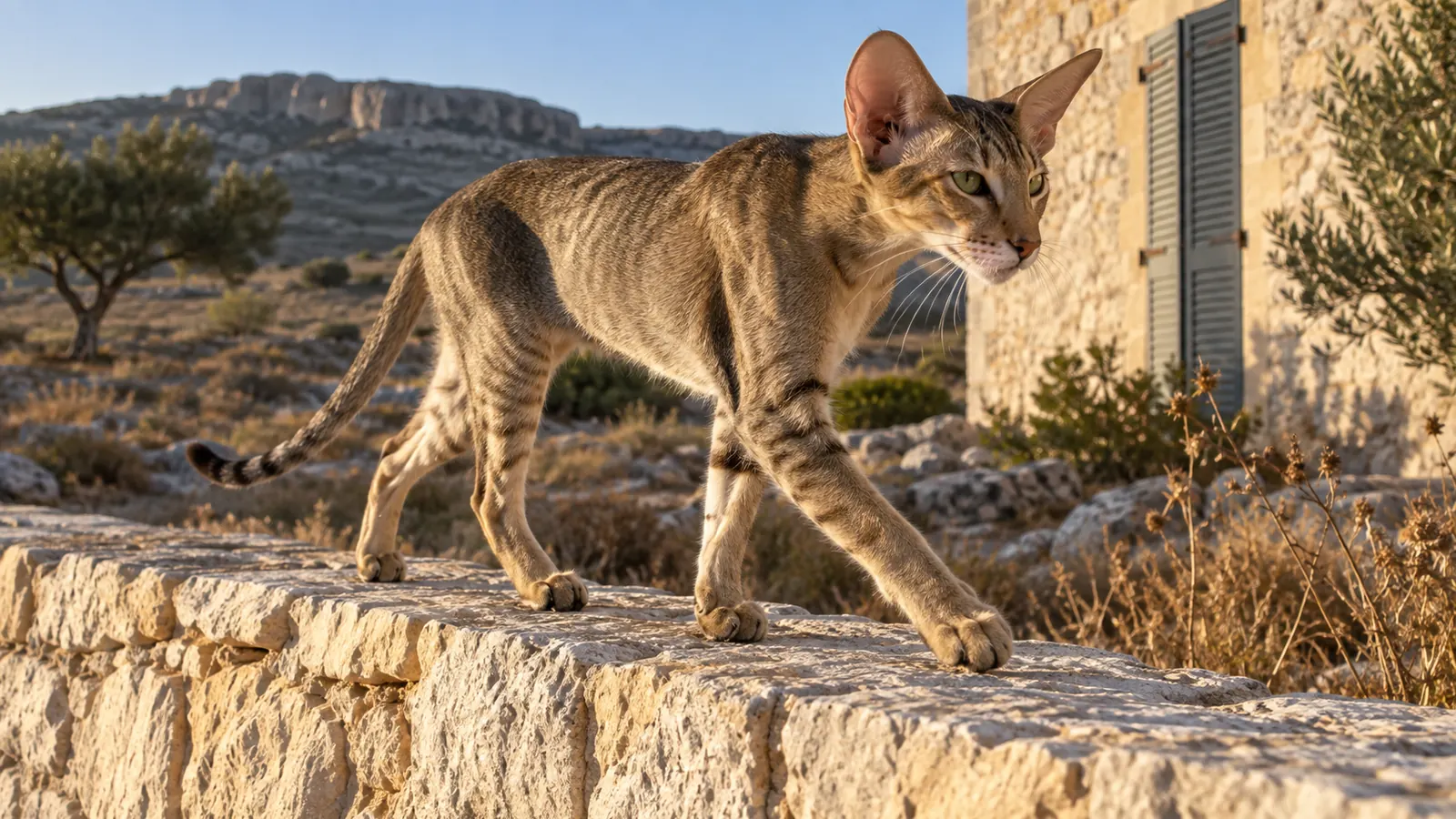
- Origin
- The Arabian Peninsula, recognised by the World Cat Federation
- Coat
- Short
- Size
- A shorthair whose proportions are set by the WCF breed standard
- Typical weight
- Not established for the breed
- Life expectancy
- No breed-specific study exists; UK life-table work gives about 11.7 years across all cats
- Activity level
- Usually described as high, though no study has measured it; plan for climbing space and daily play
- Grooming
- Very low. A weekly comb during a moult, and the cat manages the rest
- Suits
- Active households that want a vocal, interactive cat and can provide climbing height and reliable water
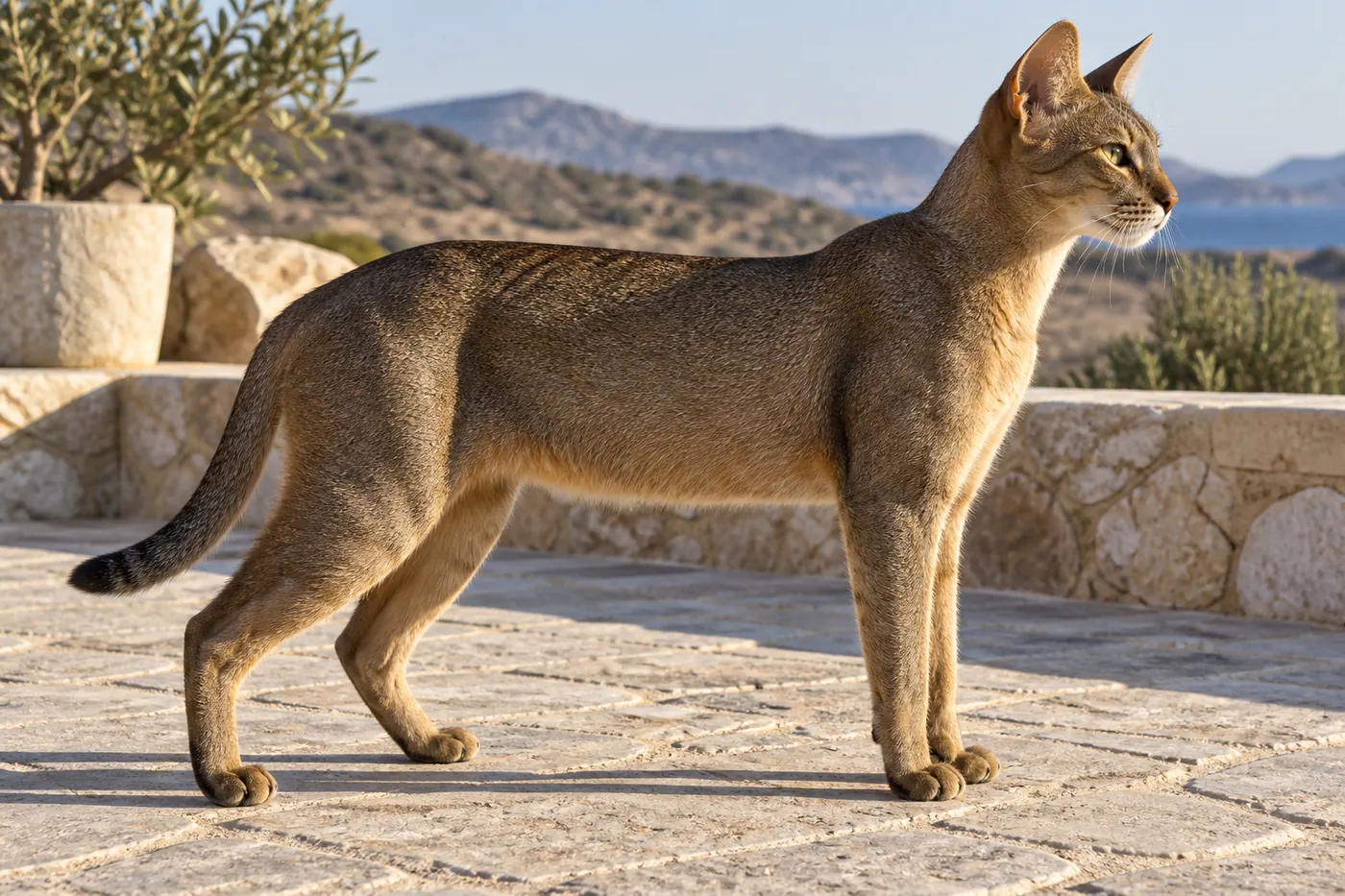
The Arabian Mau is a shorthaired cat of the Arabian Peninsula, and the World Cat Federation recognises it with a written standard.
For a buyer, that raises an unusual choice: Gulf rescues rehome cats under the same name, with no pedigree and no price.
Is the Arabian Mau a recognised breed?
Yes. The World Cat Federation lists the Arabian Mau among its recognised shorthair breeds and publishes a standard for it. In practice that means a pedigree carries weight at WCF-affiliated shows, and buyers should expect WCF registration papers.
Two other large registries do not list it. The Cat Fanciers' Association's alphabetical breed list runs from American Wirehair straight to Balinese, and FIFe's list of fully and preliminarily recognised breeds has no Arabian Mau; the only Mau on it is the Egyptian Mau.
For a buyer, that settles what the papers can be. A registered Arabian Mau carries WCF papers. Because neither CFA nor FIFe lists the breed, CFA or FIFe papers naming it would be a reason to ask questions, and papers for an Egyptian Mau describe a different breed.
Is it the same cat as an Egyptian Mau?
No, and the confusion is entirely down to the name. Mau simply means cat, in Arabic and in Middle Egyptian. Two unrelated populations from different countries ended up carrying it, and they are not close relatives.
| Feature | Arabian Mau | Egyptian Mau |
|---|---|---|
| Origin | The Arabian Peninsula | Pedigree breed developed from Cairo street cats |
| Defining feature | Its overall type, set by the WCF standard | A naturally spotted coat, which is the point of the breed |
| Coat pattern | Not defined by spotting | Spotting is required |
| Recognition | WCF; absent from the CFA and FIFe lists | CFA, TICA, FIFe and others |
A reader who wants the spotted cat is looking for the Egyptian Mau, a separate pedigree breed with a genetic test result that matters in that breed specifically.
What does a hot-climate cat need at home?
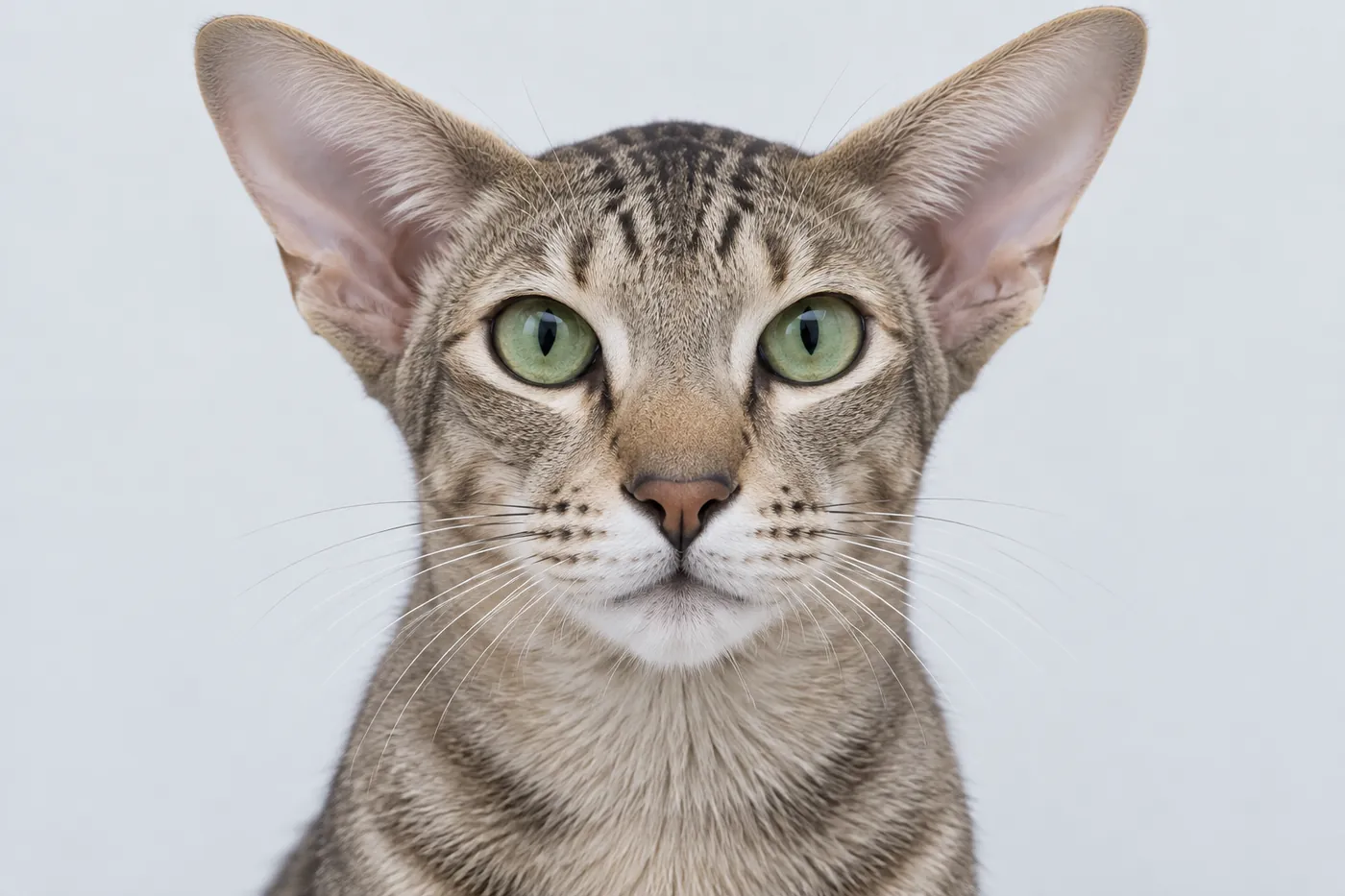
The Arabian Mau comes from one of the hottest regions cats live in, and its short coat is the visible sign of that. What matters at home is warmth in a cold house and plenty of water.
Two habits matter, and both are about water. The first is more water than you think, in wide shallow bowls, placed somewhere other than beside the food, because reduced intake shows up as concentrated urine long before it shows up as visible thirst.
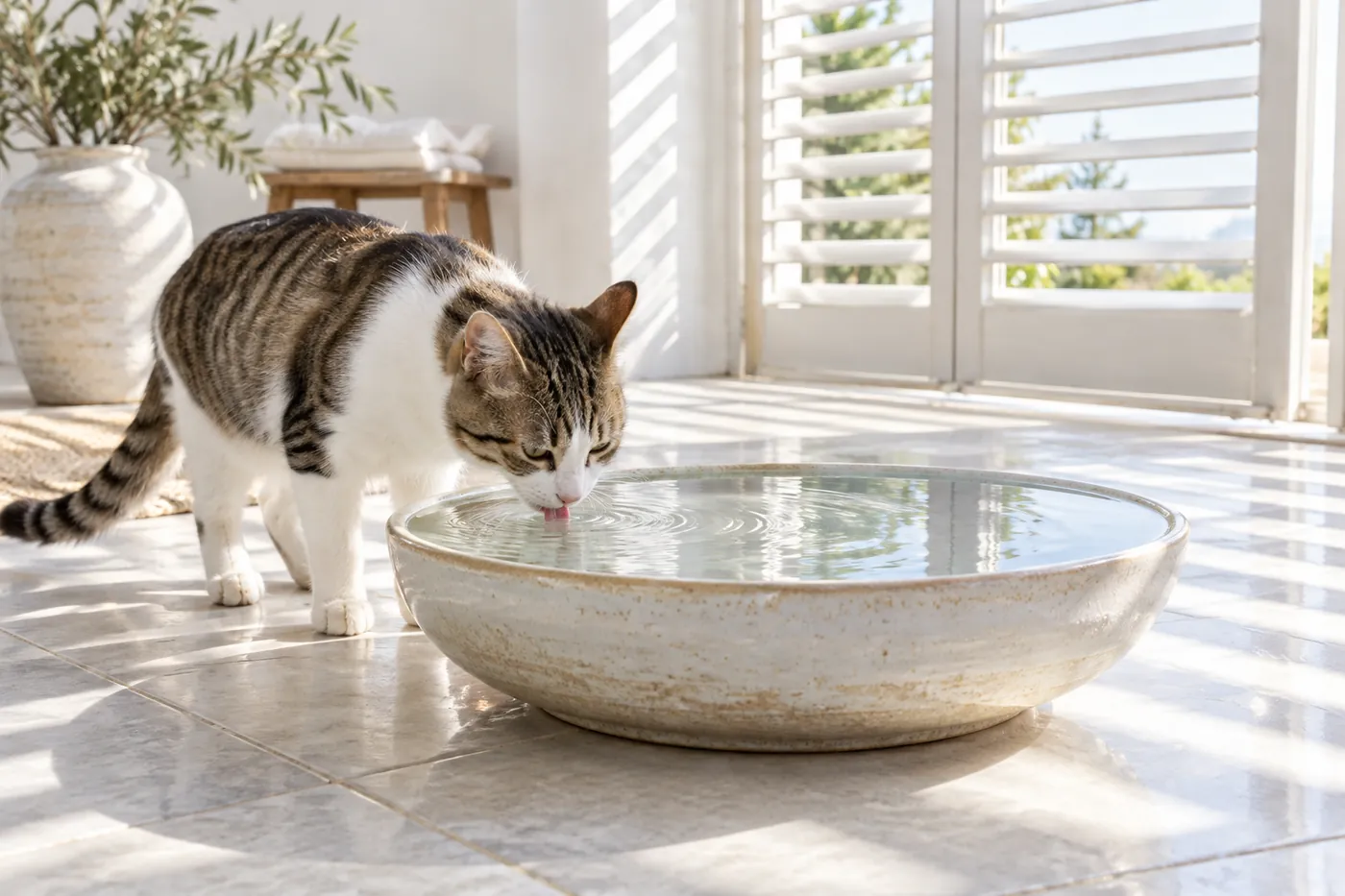
The second habit is noticing drinking changes rather than dismissing them, because increased thirst is one of the earliest visible signs of kidney disease, diabetes and hyperthyroidism in cats.
In cold climates a short-coated cat needs a warm place to be, and a heated bed or a sunny shelf is a reasonable accommodation.
How vocal, active and trainable is one?
No study has measured any of these, and the descriptions in circulation are enthusiasts' accounts. They describe a talkative, busy cat, which is a reasonable expectation to plan around and a poor promise to buy on.
The individual cat tells you more than the breed name. A rescue or breeder who has lived with the cat can say how much it talks, how much climbing it does and what it has already learned, and that answer counts for more than a breed description. Reward-based clicker training is the place to start with whatever it has not.
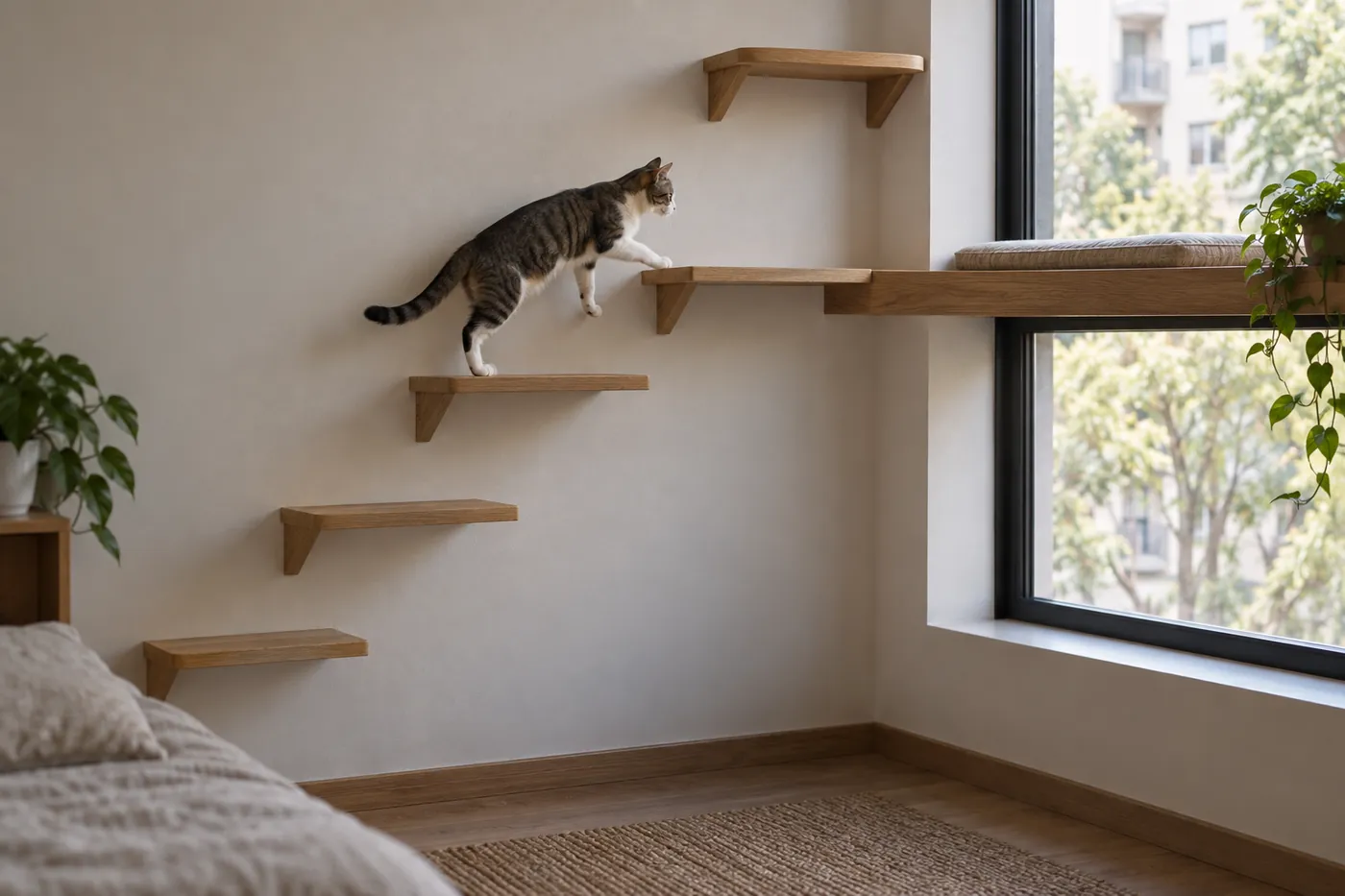
- Give a climbing route to ceiling height in at least one room, with a window view at the top
- Provide interactive play in short bursts through the day rather than one long session
- Expect a cat that follows you between rooms and objects audibly to closed doors
- Think twice about this breed for a household that needs quiet, or one that is empty all day
- Give a second cat serious consideration if nobody is home during working hours
A play routine changes shape with a cat's age, and a sturdy scratching post matters more for a cat this active than for a sedentary one.
How strong is the hunting drive?
Expect it to be strong. Any cat with a street background and outdoor access is likely to hunt, and a cat from a population that has fed itself is likely to be good at it. That matters wherever local wildlife is vulnerable, which is most places.
- Treat outdoor access as a decision with a cost, rather than as something the cat is owed
- Use a secure enclosed run or a harness if you want the cat to have outdoor stimulation
- Microchip the cat and keep the registered details current, because a chip pointing at an old number cannot get the cat home
- Fit a quick-release collar if you use one, so the cat can pull free if it snags
- Keep an indoor cat genuinely busy, because a bored hunter finds its own work
A cat with a street history may never have used a tray, which makes the choice of litter tray part of keeping it indoors.
What should an Arabian Mau eat?
An ordinary complete cat food suits it. There is a persistent idea that a cat from a harsh environment needs a raw, ancestral or otherwise special diet, but a cat that scavenged because it had no alternative was surviving on scavenging rather than thriving on it.
Home-cooked diets are the specific risk here, because their nutrient gaps stay invisible until the cat is already unwell.
For any cat, wet food carries most of its weight as water, which raises total intake for a cat that drinks little. The choice between wet food and dry food involves other differences too, and the daily portion size follows the individual cat whichever food is used.
What should you check on an imported or rescued cat?
More than on a kitten from a cattery, because life on the street leaves its marks. Parasites are the routine finding rather than the unlucky one. Fleas, ticks, ear mites, roundworm and tapeworm are all common in free-living populations, and treatment is straightforward once it has been identified.
Dental disease is the one people miss. A cat that has been eating whatever it could find is a cat whose teeth have had a hard life, and dental pain shows up as a reluctance to eat hard food, dropping food, drooling or a change in temperament rather than as anything obvious in the mouth.
- On arrival
- Full physical examination, parasite treatment and a dental check
- Blood tests
- FIV and FeLV status, which changes how the cat can be housed with others
- Vaccination
- A full course rather than a booster, since the history is usually unknown
- Neutering
- Confirm it has been done, and by whom, rather than assuming from behaviour
- Ongoing
- A weight recorded at every visit, which is the cheapest early warning available
What does the coat need?
Almost nothing, which is the genuine practical advantage here. A short coat does not mat, does not need de-shedding tools and rarely needs bathing. A weekly comb during a seasonal moult is generous, and these cats groom themselves well.
A short coat sheds less hair to clean up, though no cat is hypoallergenic: the allergen Fel d 1 comes from the cat itself rather than from the length of its hair, so a short coat will not help anyone with a real allergy.
The routine that does matter is claws, teeth and ears, on the ordinary schedule, and claw trimming gets considerably harder if it waits until the cat is an adult.
What is known about the health?
No inherited disorder has been documented for the breed. A large, unmanaged street population does not concentrate recessive disease the way a closed pedigree founded on a handful of cats does, which is a real structural advantage where it applies.
That advantage is no guarantee and does not survive careless breeding. A pedigree Arabian Mau bred from a small imported founder group has none of that protection, and the questions are the ordinary ones: what is screened, what were the results, and how closely related are the parents.
The lifespan figures circulating for this breed rest on nothing published. UK life-table work covering the general cat population gives an average of about 11.7 years, which is the defensible planning number.
Should you buy one, or adopt one?
Rescues in the Gulf rehome cats under the name Arabian Mau, which sets it apart from almost every other pedigree breed: a cat of very similar type can be available for an adoption fee.
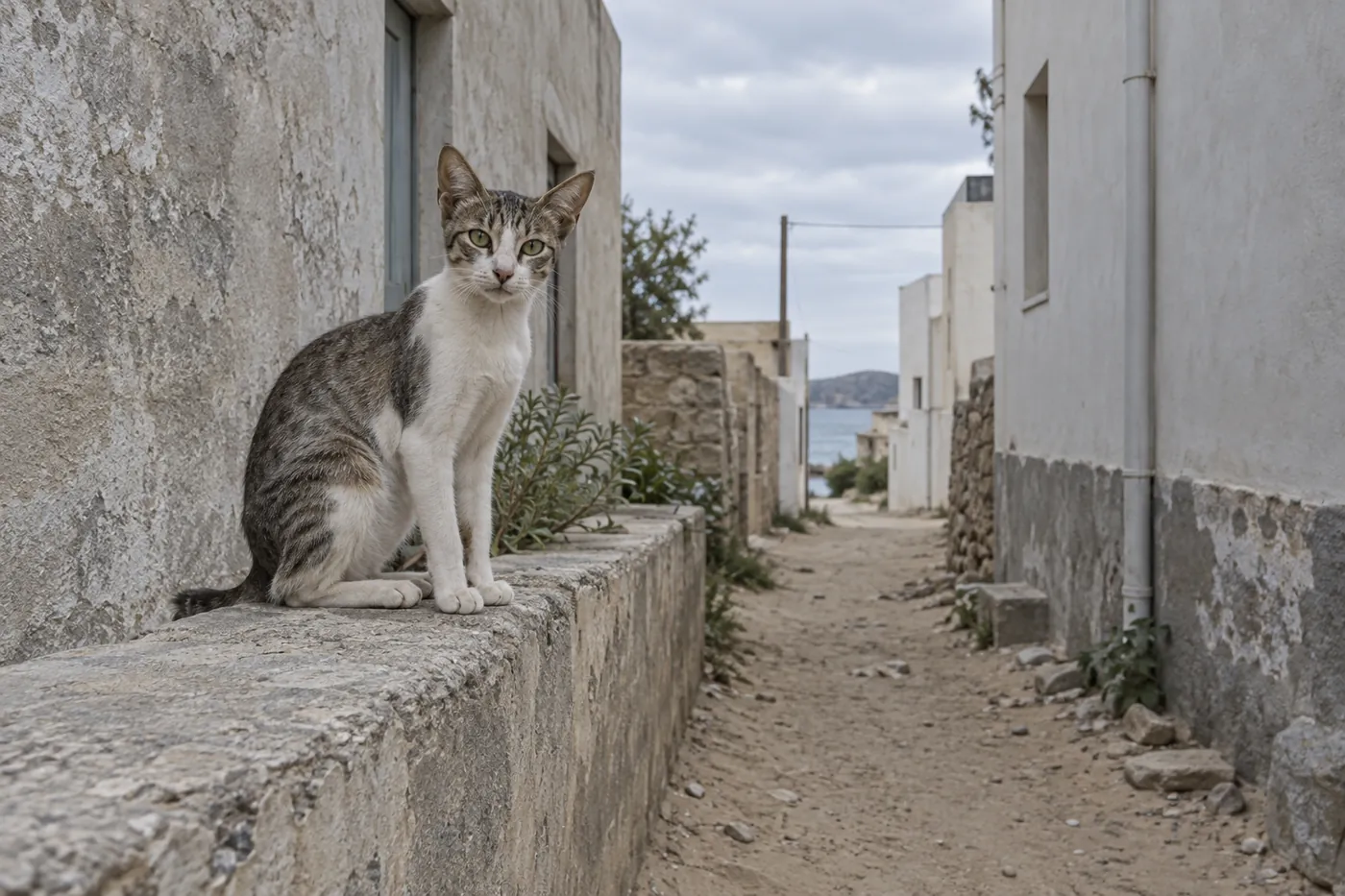
A pedigree buys you three things: documented parentage, a breeder to hold accountable, and eligibility to show. If none of those matter to you, adopting is the better transaction.
In the Gulf that is straightforward. Elsewhere it means either an import, with pre-travel testing much like that for an imported Aegean, or a similar cat from a local shelter, which is not the same breed but may be the same experience.
A cat from either route may arrive with an outdoor history, and that makes the first few weeks slow and confined to one room. A cat that has had territory does not adjust to a flat by being shown around it. A single quiet room with a covered bed, a tray in the far corner, food and water well away from that, and a closed door lets it come out on its own schedule.
- Set the room up before the cat arrives, so nothing has to be moved in around it.
- Sit in the room and read rather than approaching, and let the cat make the first contact.
- Feed on a fixed schedule so that the routine becomes the reason to come out.
- Open the door to the rest of the house only when the cat is confidently using the whole room.
- Keep the original room available as a retreat for several more weeks.
Do not let it outside for at least several weeks, and preferably longer. A cat with an outdoor history that is released before it has bonded to the house is the classic way these adoptions fail.
Anyone who wants a quiet cat, or who is out all day, should think twice. Enthusiast accounts describe a vocal, sociable, physically busy cat, and if the individual matches them, a household that leaves it alone for ten hours in a flat with no vertical space will get the results that predicts.
For a specifically spotted cat, the Ocicat or the Egyptian Mau fits better, because spotting does not define this one.
Who is an Arabian Mau actually for?
No source read for this profile describes how Arabian Maus get on with children, dogs or other cats. A rescue that has fostered the cat can say whether it has lived alongside them, and that record is worth more than the breed name. An introduction to a resident animal still needs to be gradual, because a rushed one can leave one cat attacking another whatever the breed.
The Arabian Mau is a low-grooming shorthair with a WCF standard behind it, and it suits an active household that wants an involved cat. It is also not exclusive: a pedigree buys documentation, and there is no shame in deciding you do not need it, because a very similar cat is available without one.
Common Questions
Is the Arabian Mau the same as the Egyptian Mau?
No. They are unrelated populations from different countries that share a word, because 'mau' simply means cat. The Egyptian Mau is a spotted pedigree breed; the Arabian Mau is defined by its overall type rather than its markings.
Is the Arabian Mau a recognised breed?
Yes. The World Cat Federation lists it among its recognised shorthair breeds and publishes its standard, so WCF registration is the paperwork to ask for.
Do Arabian Maus shed a lot?
Less than a longhaired cat, because the coat is short. That does not make them hypoallergenic, because the allergen is Fel d 1 rather than hair.
Are Arabian Maus vocal?
They are usually described as talkative, though no study has measured it. A household that needs quiet should ask how vocal the individual cat is before committing.
Can Arabian Maus cope with a cold climate?
They cope, but a short-coated cat feels the cold, so a heated bed or a reliably warm sunny spot is a reasonable accommodation.
Should I adopt an Arabian Mau instead of buying one?
If documented parentage, breeder accountability and show eligibility do not matter to you, yes. Rescues in the Gulf rehome cats under the same name.
Checked Against
- World Cat Federation EMS code: recognised breeds wcf.de
- International Cat Care: understanding the hunting behaviour of cats icatcare.org
- Journal of Feline Medicine and Surgery: life tables of annual life expectancy and mortality for cats in the UK pmc.ncbi.nlm.nih.gov
- World Cat Federation: shorthair breed standards wcf.de
- The Cat Fanciers' Association: cat breeds cfa.org
- Fédération Internationale Féline: breeds fifeweb.org
Published 10 September 2026. Last updated .





