
Answers About Cats That Tell You Where the Evidence Stops
Breed profiles, symptom explainers, food-safety verdicts, and the everyday decisions that keep a cat comfortable. Each answer says what is well established and when the right move is to call a vet.
Know the cat
Which cat you have, and what changes as it grows older. Start here when the question is about the animal itself rather than about something going wrong with it.
-
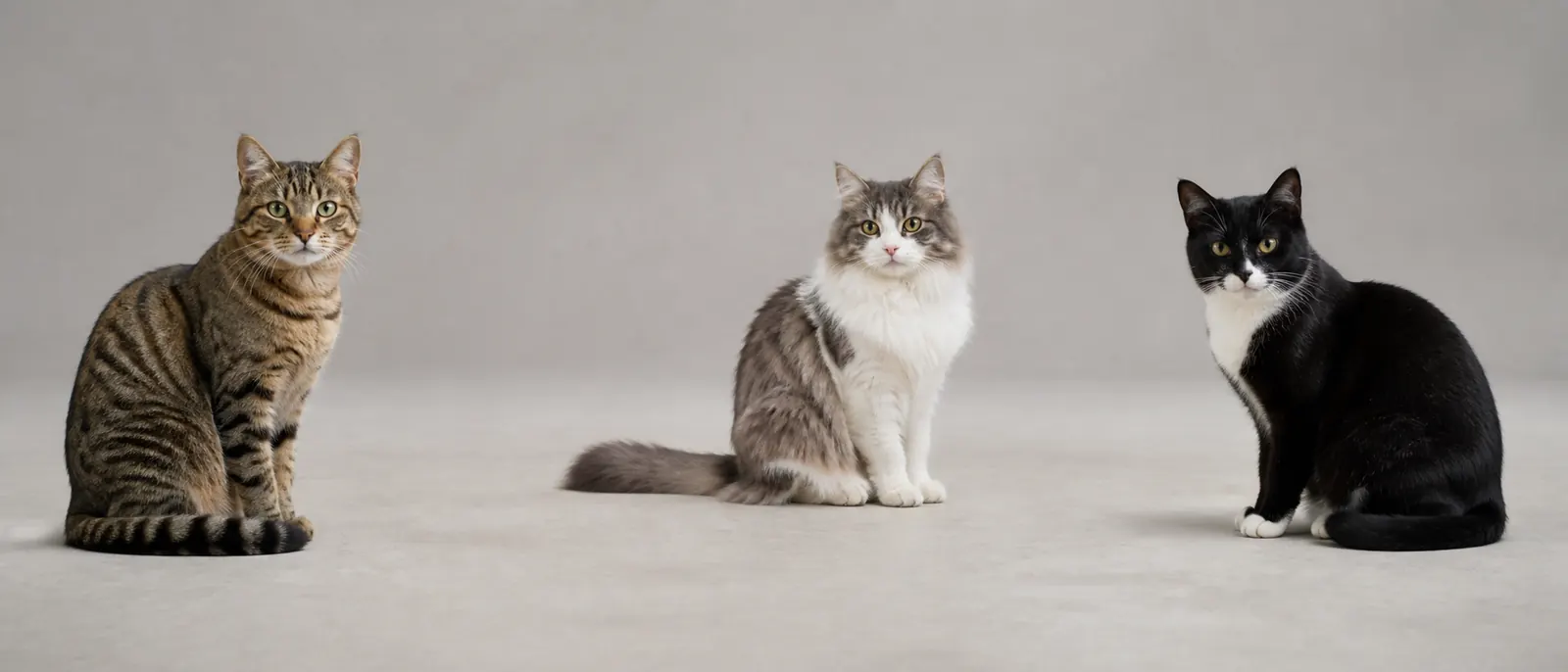
-
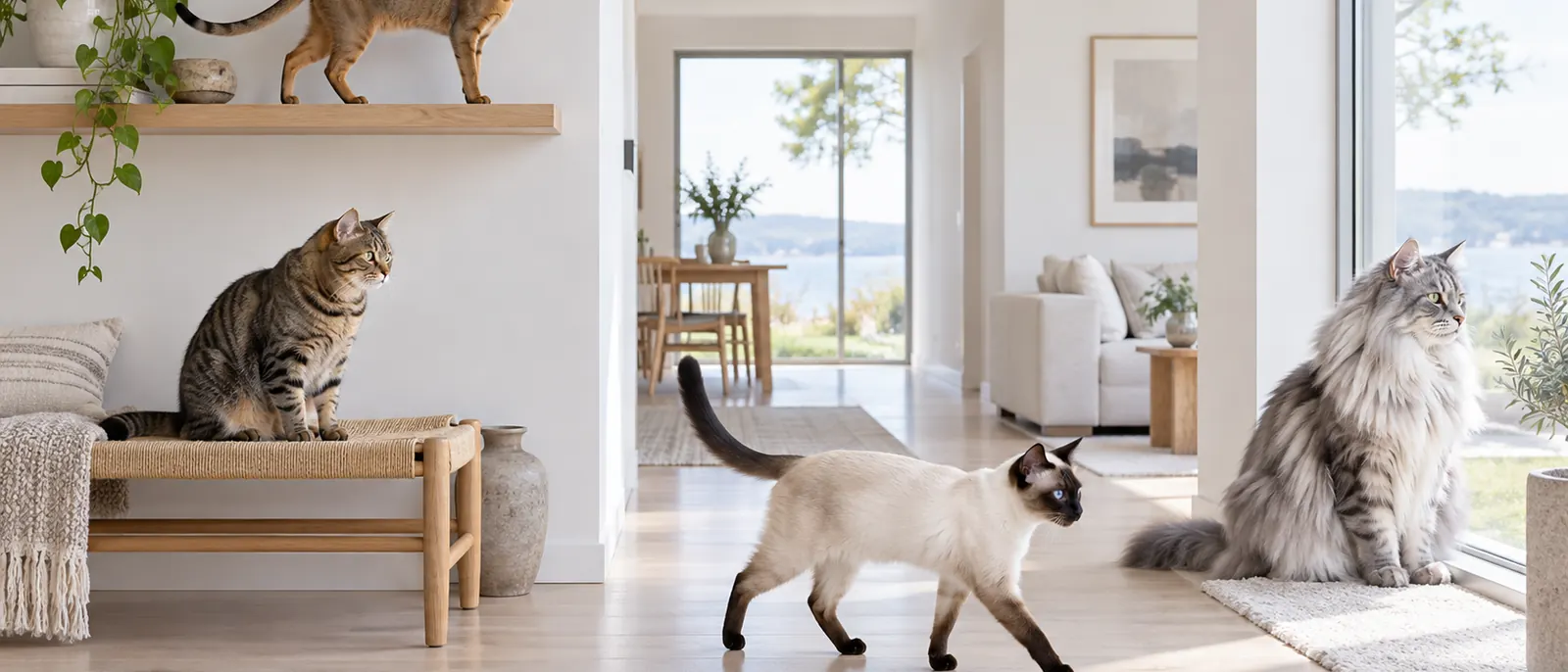 Browse
Cat Breed Comparisons
Side-by-side breed differences translated into daily household decisions.
-
When something is wrong
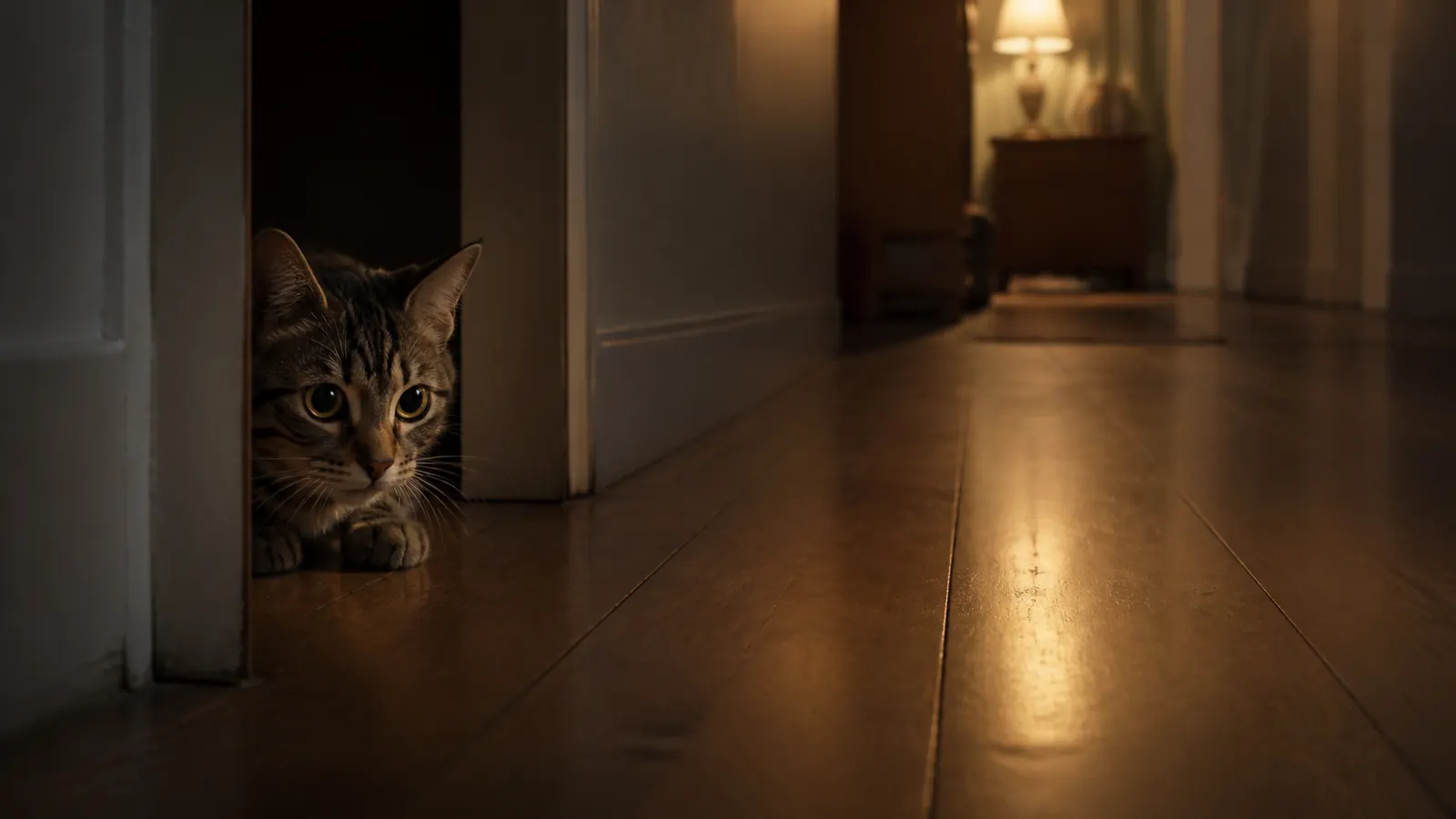
For when something is wrong and you need to know how fast to move. Most changes give you days, a few give you hours, and the difference is the whole point.

Living with a cat
The ordinary decisions that fill the years between emergencies: what goes in the bowl, what happens in the tray, and why a cat does what it does. This is where most of a cat's life actually happens.
- Nutrition How much, how often, and how a cat gets enough water.
- Litter box Setup, substrate, placement, and what the tray tells you.
- Behaviour Why a cat does something, explained from the cat's side.
- Training Reward-based protocols that work with how cats learn.
- Care Grooming and the routine work a cat cannot finish alone.
- Gear What each item has to do, so you can judge any of them.
Not sure which section holds it?
Search covers every guide and every breed profile at once, matching on titles and summaries.
Search runs across every section at once, breed profiles included.
Safe, Toxic, or Depends on the Cat
The verdict comes first, before the reasoning, so you can act on it without reading to the end.
Whether a food is safe usually turns on the dose, the preparation, and the individual cat rather than on the food itself. Egg is the clearest case: cooked it is fine, raw it is two separate problems.
- 1 Safe
- 2 Small amounts
- 3 Preparation matters
- 4 Not recommended
- 5 Toxic
Recently Answered
Each carries a verdict set from the evidence on that page, with the sources named at the foot of it.
When to Stop Reading and Call a Vet
- What a change commonly means, so you can describe it accurately.
- How urgently it needs looking at, in hours or days rather than vaguely.
- Breathing trouble, collapse, or straining with no urine means a vet now.
Symptom Explainers
Written to help you describe what you are seeing and judge how fast it needs looking at.
Why Cats Do That
Almost every cat behaviour is doing one of three jobs: keeping the cat safe, marking territory, or making it comfortable.
Work out which, and the fix usually becomes obvious. Remove the behaviour without meeting the need and it simply moves somewhere else.
This is also why punishment fails specifically with cats. It adds fear to an animal whose problem was usually fear to begin with.
-
behavior
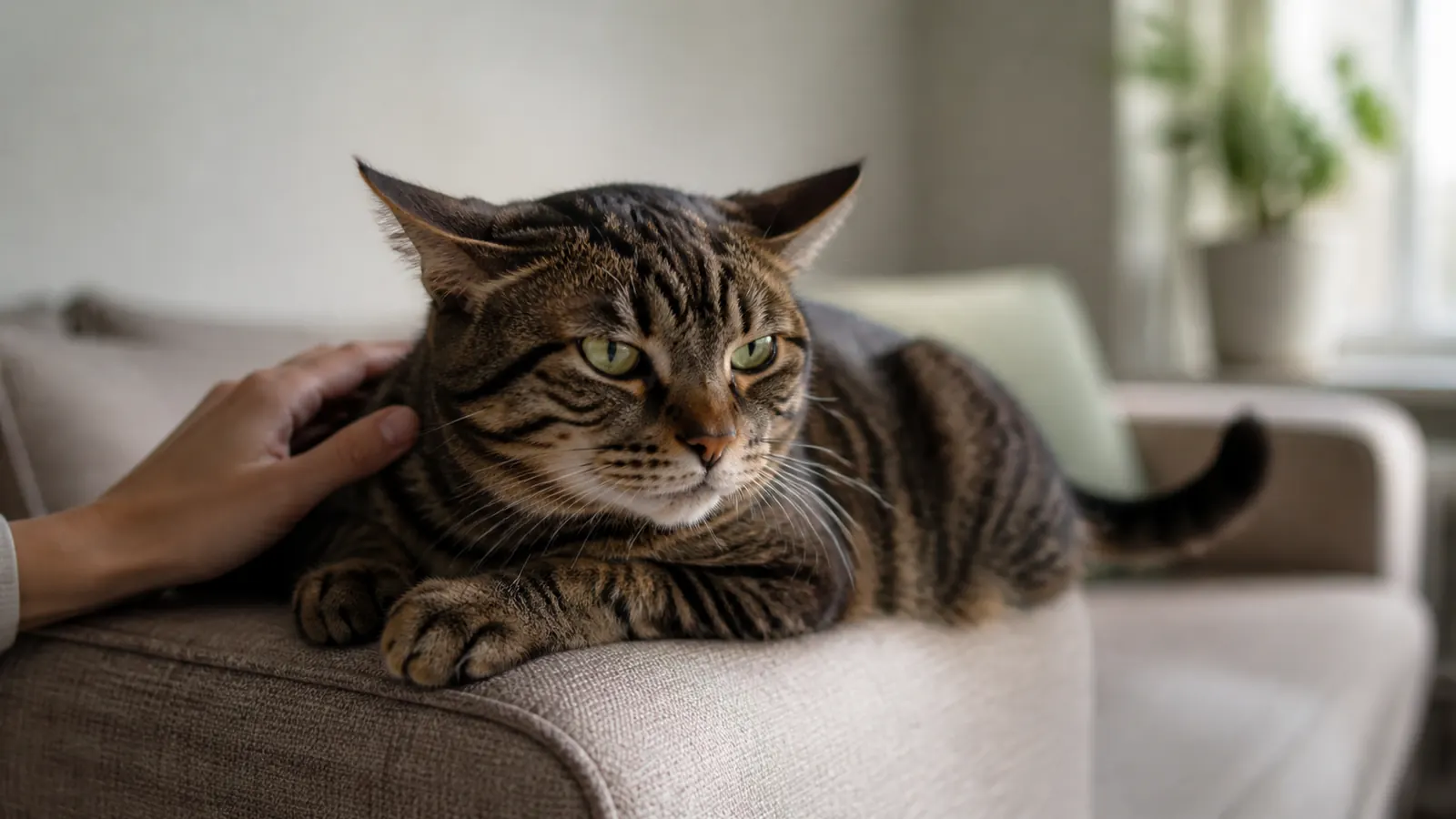
Biting when petted
A cat that bites during stroking has usually had enough contact, is frightened or is in pain. Short contact the cat…
-
behavior
Biting ankles
Moving ankles can attract play, so suitable play before the usual attack time is the first change to make. Biting that…
-
behavior
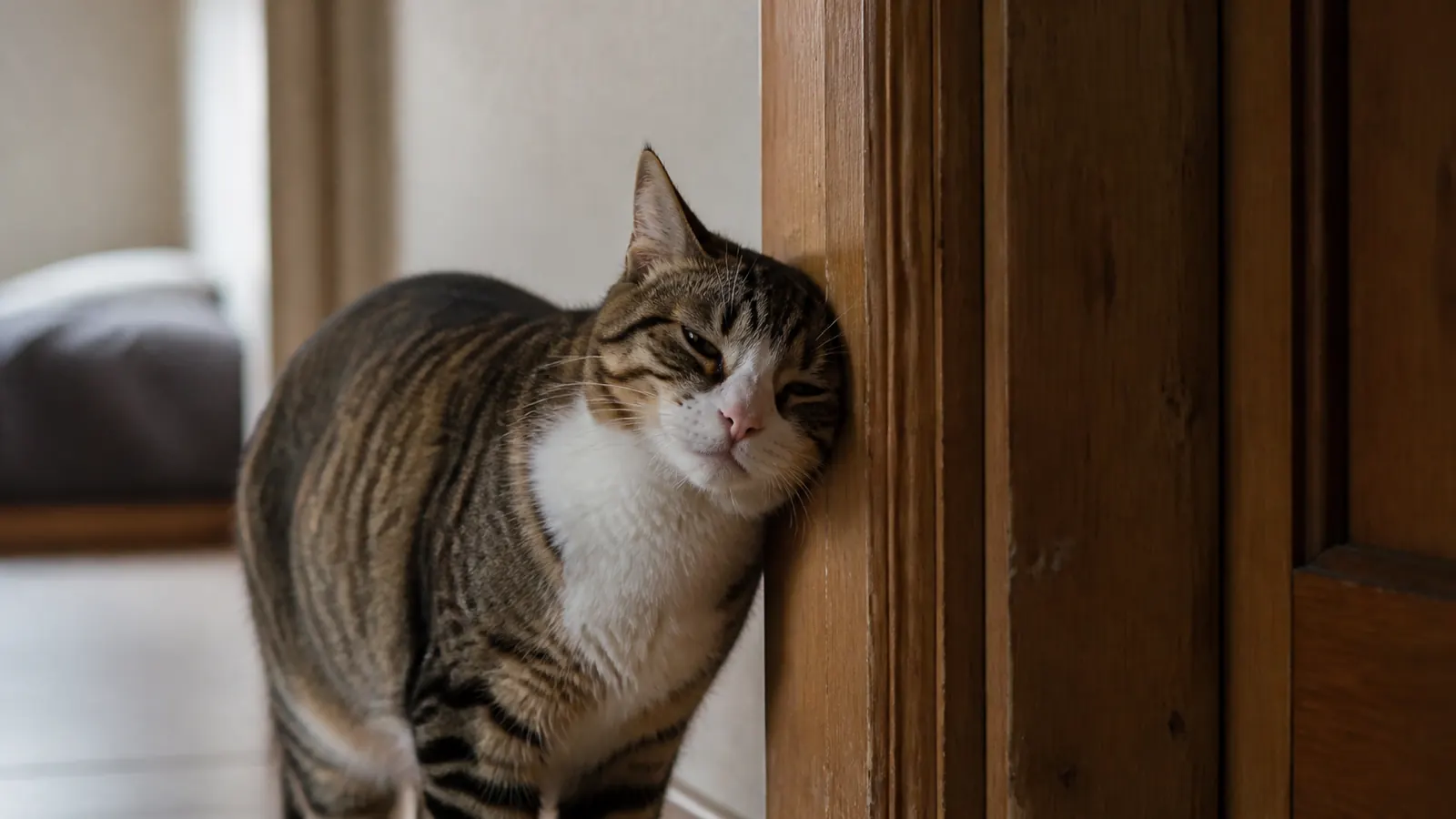
Bunting
Brief relaxed head bumps are usually part of greeting and scent communication. The interaction goes best when your cat…
-
behavior
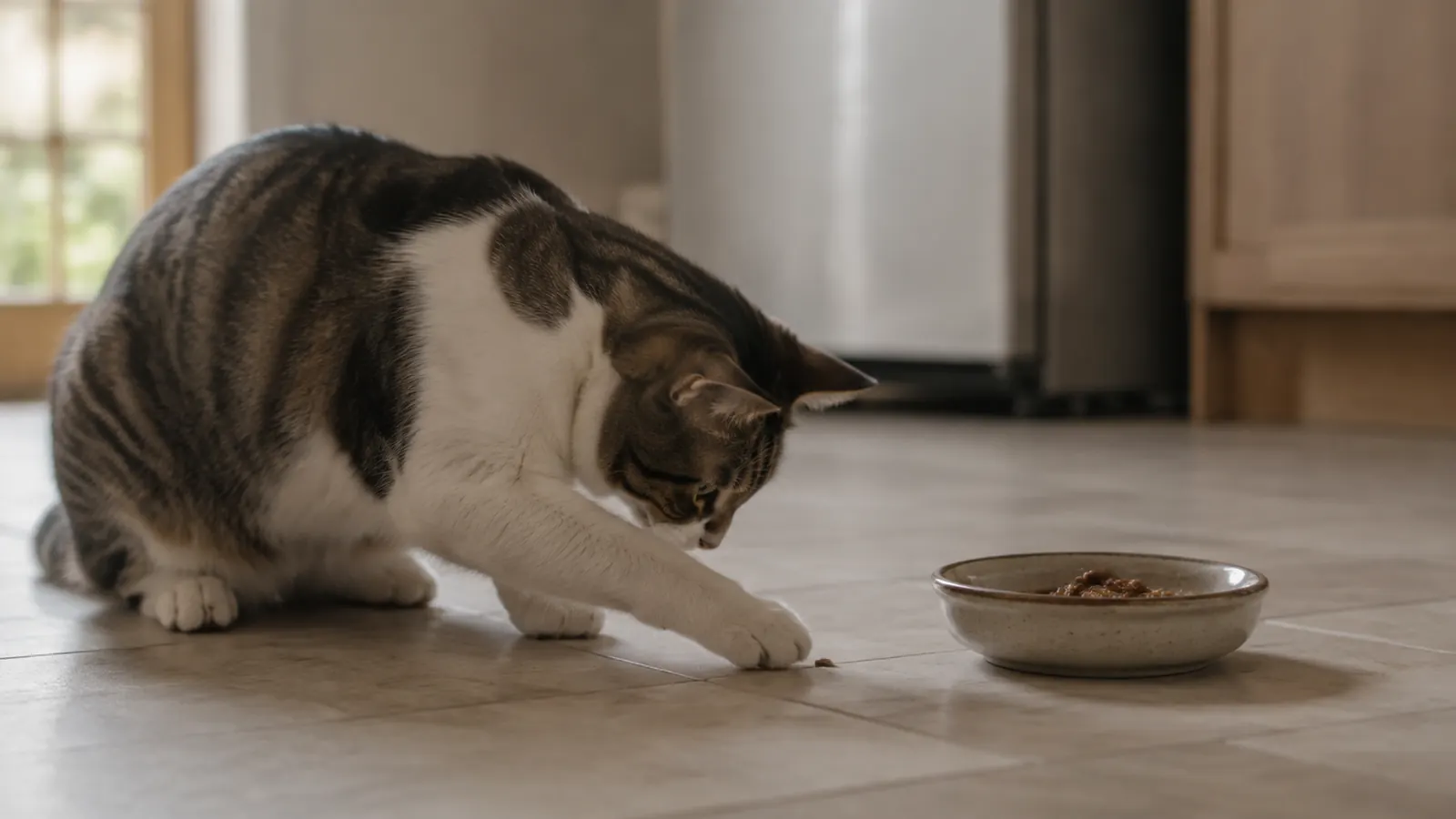
Why cats bury food
Scraping around a food bowl can be ordinary food-covering behaviour. The movement alone cannot tell you whether a cat…
The Routine Is What Prevents Problems
Most of what a vet sees in a healthy cat's life could have been headed off by a habit rather than a treatment.
Grooming, claws, and the tray are the three that repay the time.
- Grooming a cat cannot finish on its own.
- Tray placement, height, and escape routes.
- Gear judged by the job it has to do. Nothing rated, nothing ranked.
The Same Cat Needs Different Things at Different Ages
Breed predicts the daily work: grooming minutes, tolerance of an empty house, and which inherited problems to screen for.
Age predicts what is about to change. The same cat needs different things at eight weeks, at eight years, and at fifteen.
Temperament varies widely inside every breed, and early handling usually explains more of the difference than pedigree does.
-
Breed profile
Abyssinian
The Abyssinian is chosen for the ticked coat and decided by two other things. One is the health paperwork a breeder can…
-
Breed profile
Abyssinian Maine Coon Mix
An Abyssinian Maine Coon mix is not a standardised breed. No registry recognises it, no breed standard defines it, and…
-
Breed profile
Abyssinian Siamese Mix
An Abyssinian Siamese mix is an informal name for a cross between the two breeds, and no registry recognises it. The…
-
life-stages
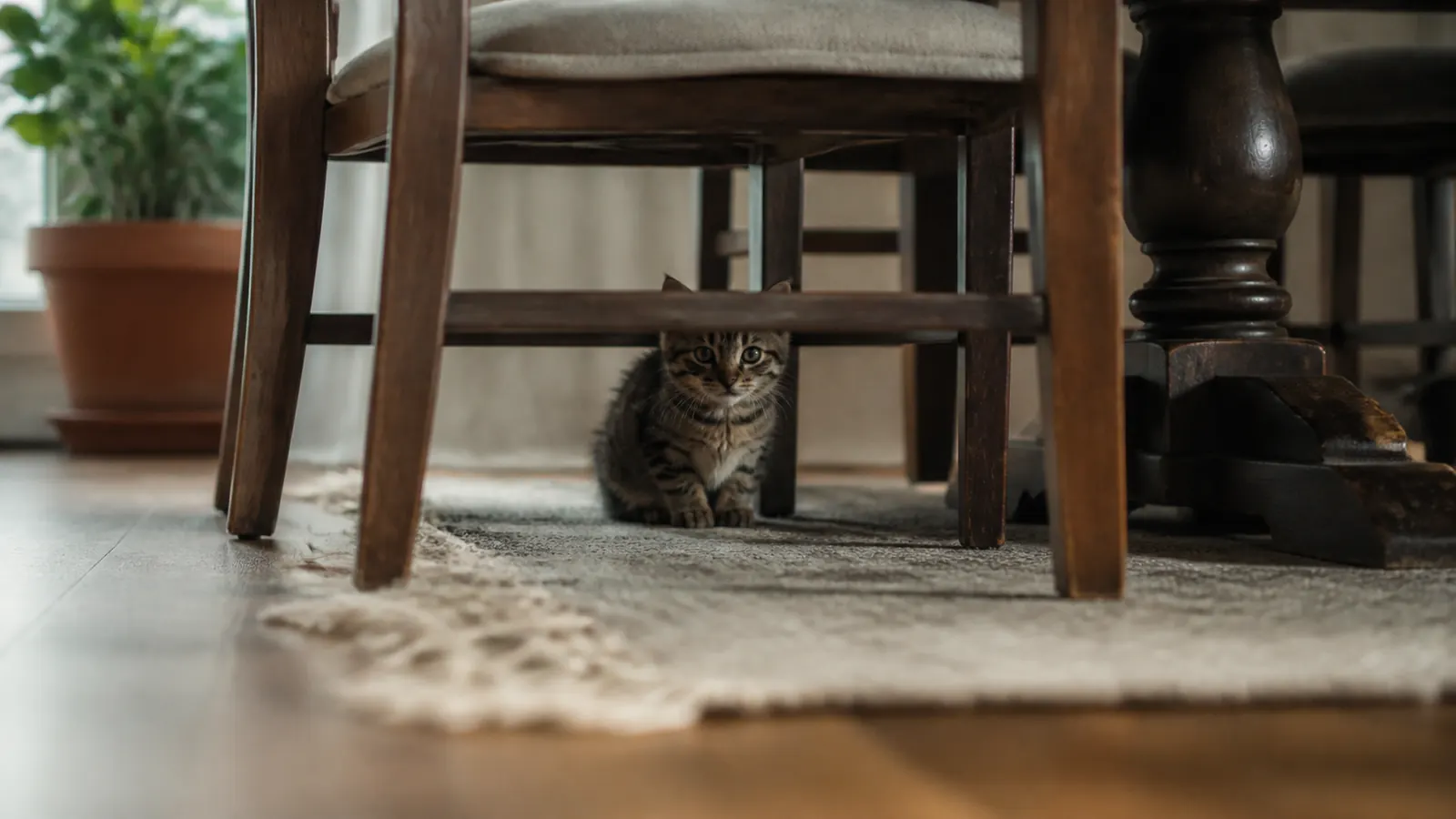
Fear periods
A kitten that becomes nervous needs its surroundings, recent experiences and health checked. Early socialisation…



Latest Changes
A date here means the answer changed, not that the page was touched.
Guidance moves, and a page written accurately two years ago can be wrong now. These are the ones that moved most recently.
-
food-safety
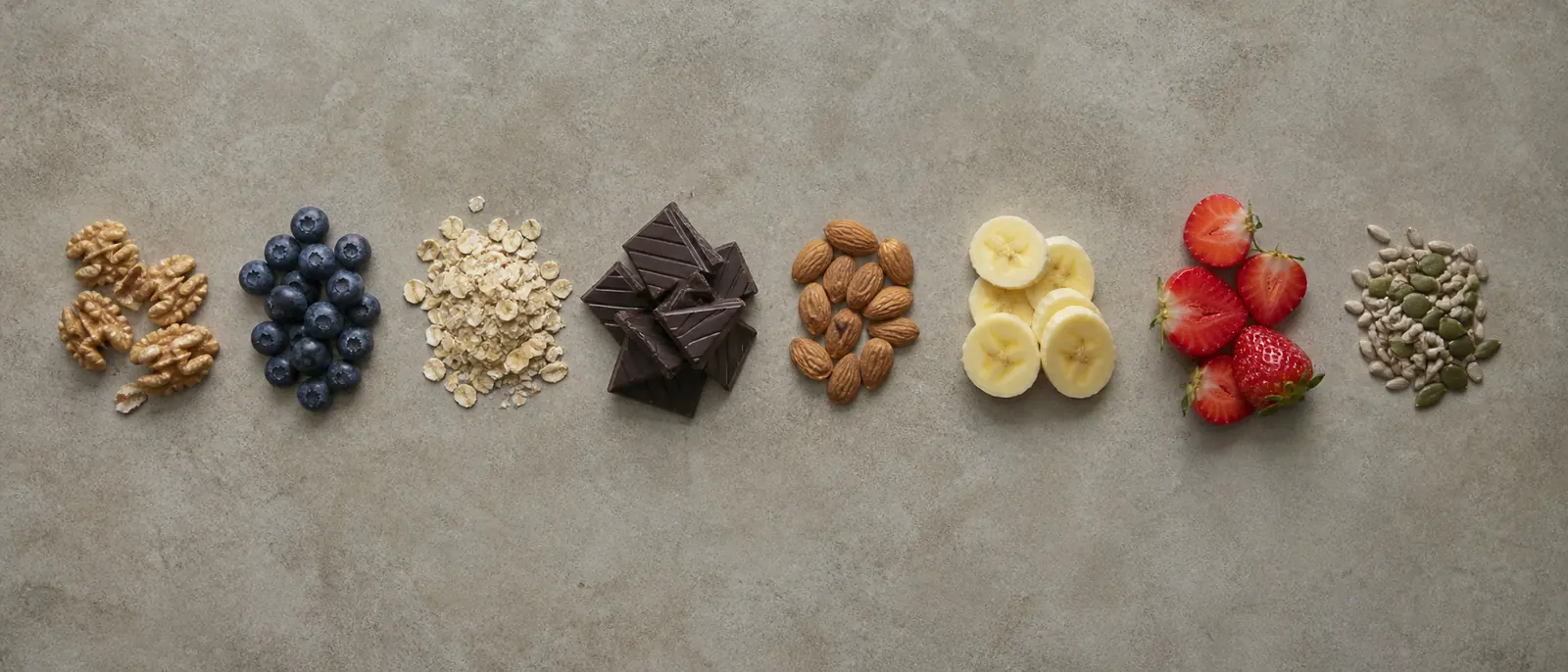
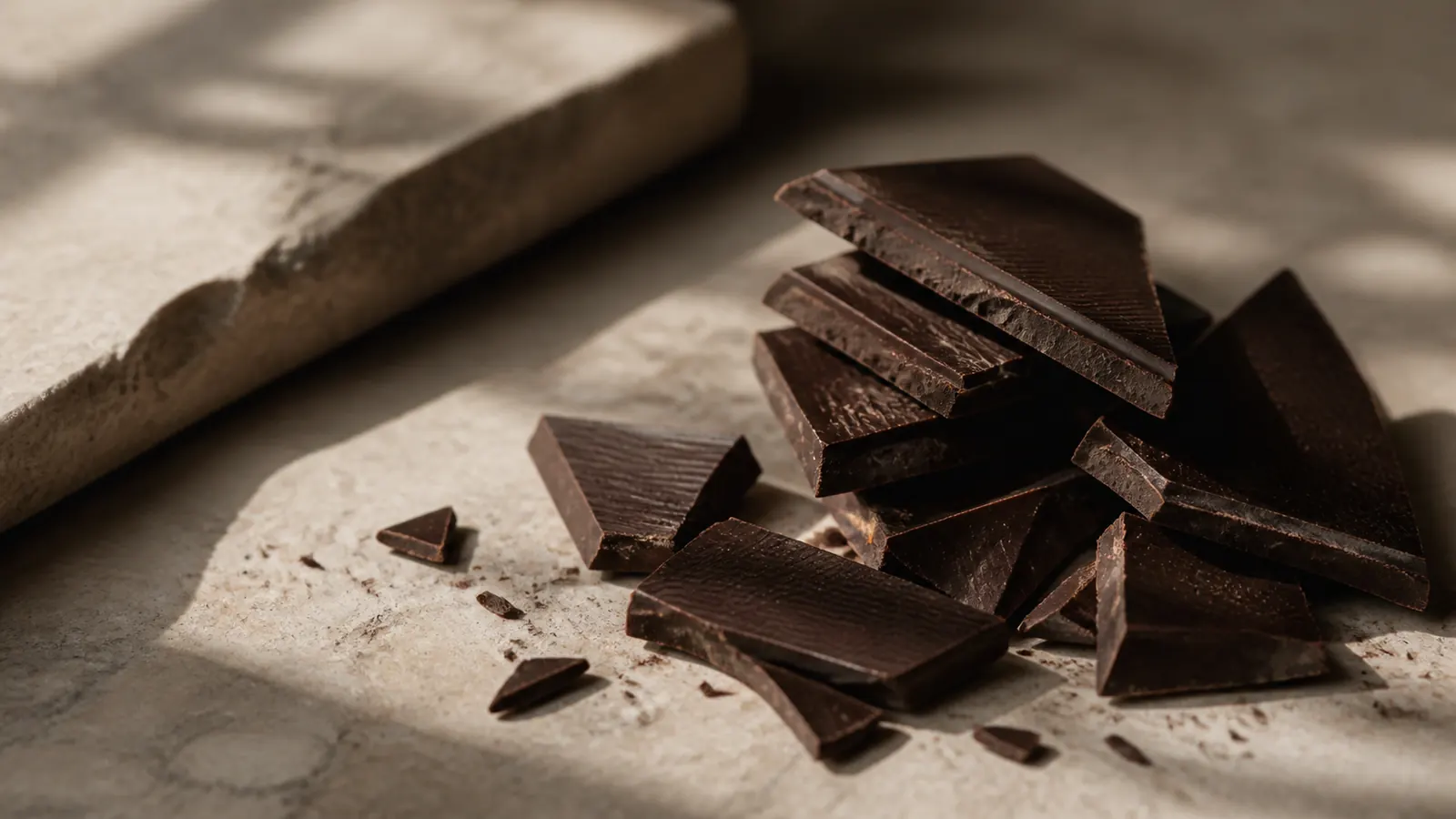
Chocolate
Chocolate can poison cats. Call a veterinarian after a possible exposure; the product, amount, body weight and timing…
Toxic to cats -
food-safety
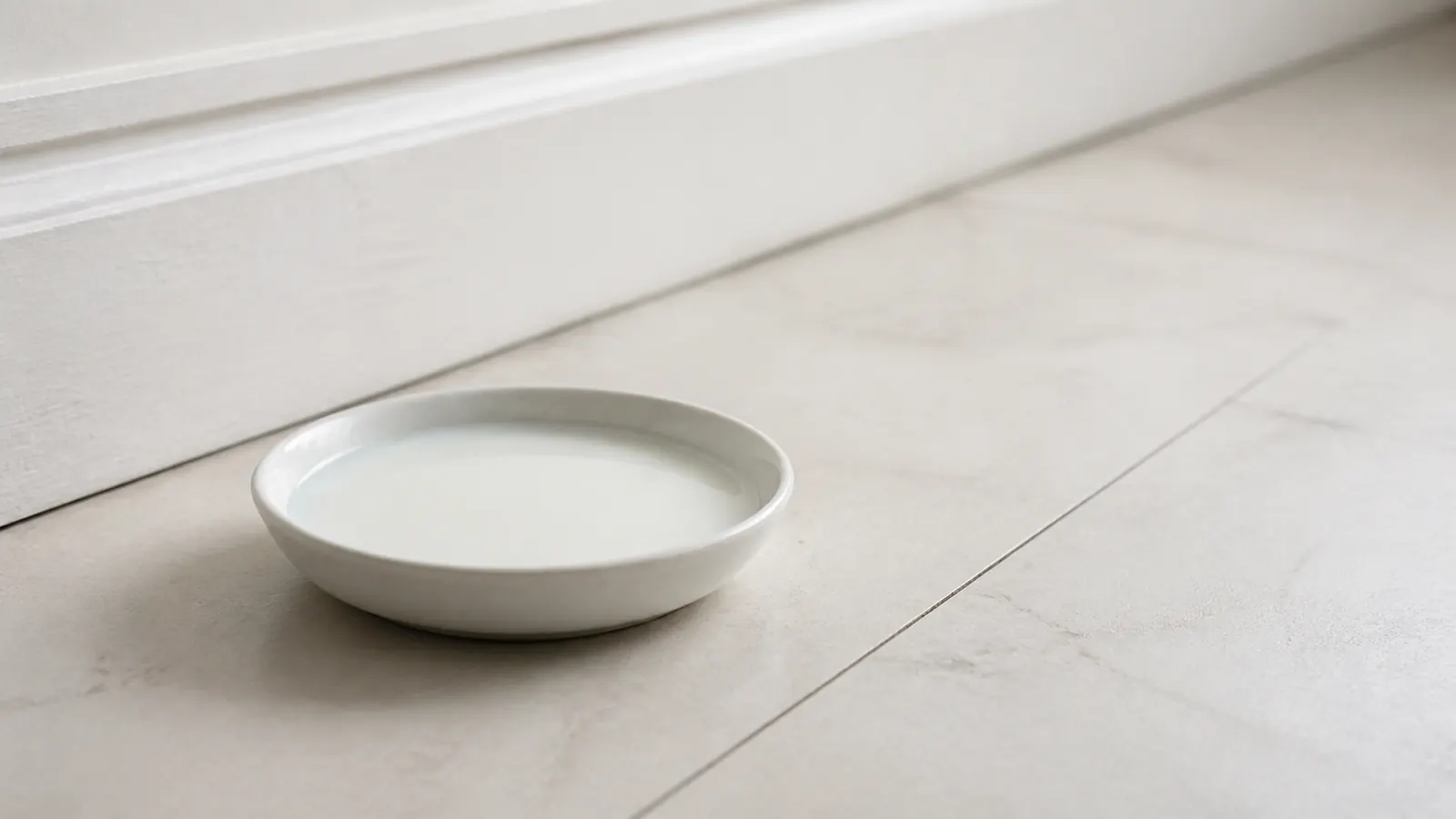
Cow's milk
Many adult cats develop digestive upset after dairy. Cow’s milk is unnecessary, and kittens that need milk require a…
Not recommended -
nutrition
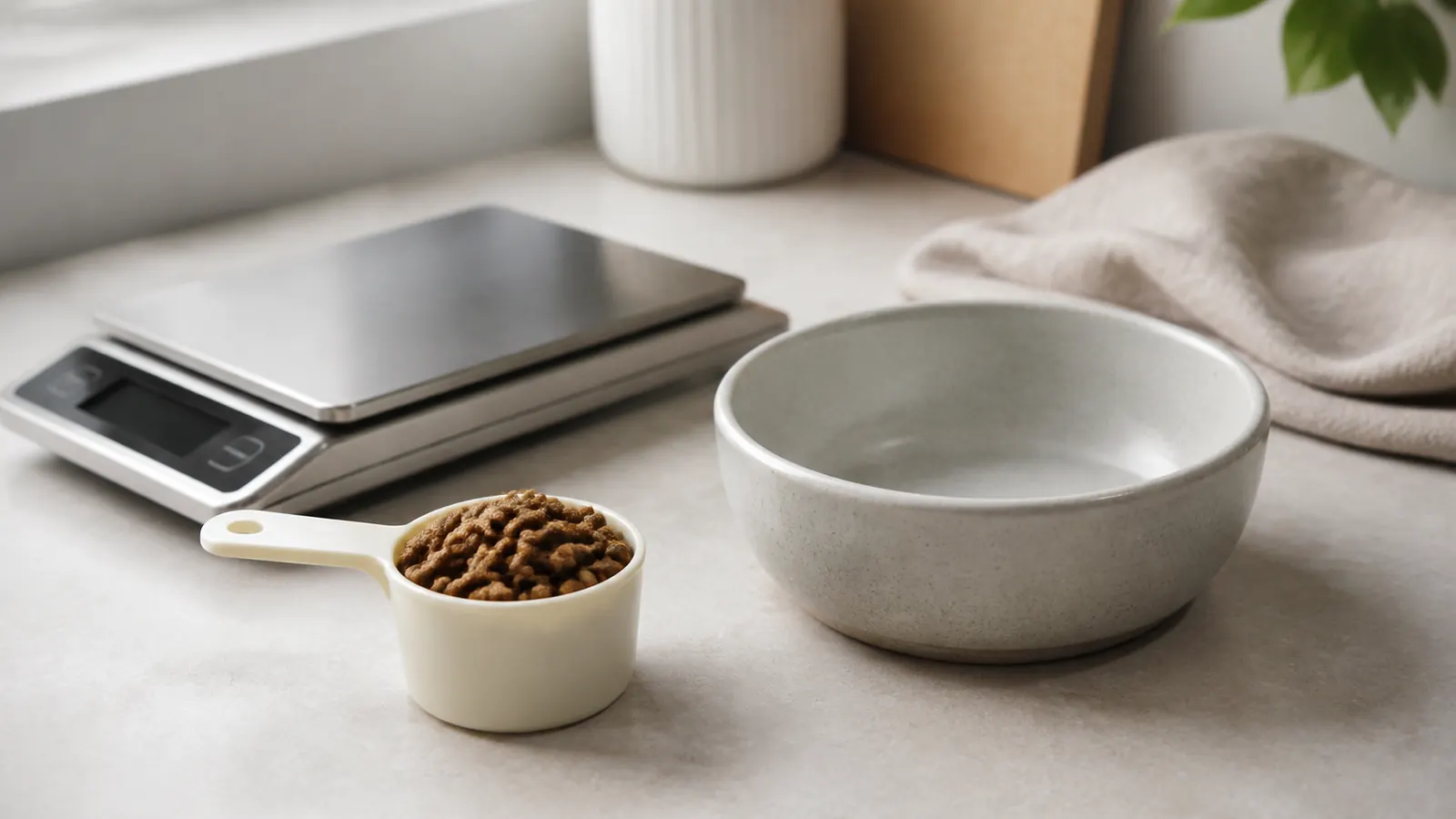
How much to feed
The feeding guide for a suitable complete food is the starting point, and actual intake, weight and body condition show…
Five Things About Cats That Are Not True
Each of these is repeated often enough to read as common knowledge.
Each is either wrong or far more conditional than it sounds.
-
Cats should drink milk
Can Cats Drink Cow's Milk? Tolerance, Risks and Alternatives
Many adult cats digest lactose poorly. Milk can cause digestive upset and is not needed in a balanced feline diet.
-
A purring cat is a happy cat
Why Do Cats Purr, and Does It Always Mean Contentment?
Cats can also purr during distress or illness. Read purring alongside posture, appetite and changes in behaviour.
-
A cat missing the tray is being spiteful
Why Has My Cat Stopped Using the Litter Tray?
Pain, urgency, tray access and stress can overlap. Check medical causes and the setup instead of punishing the cat.
-
Slowing down is just old age
What Are the Signs a Cat Is Ageing, and What Is Not Age?
Weight loss with a good appetite, drinking more, and hesitating at stairs all have names and treatments.

- Cats always land on their feet. They right themselves well and still break bones, and a partly open window is a known trap.
A claim repeated on a hundred websites has one source or none.
The First Ninety Days With a Cat
Most of what goes wrong in the first three months is setup rather than the cat.
This is the order that causes the fewest problems.
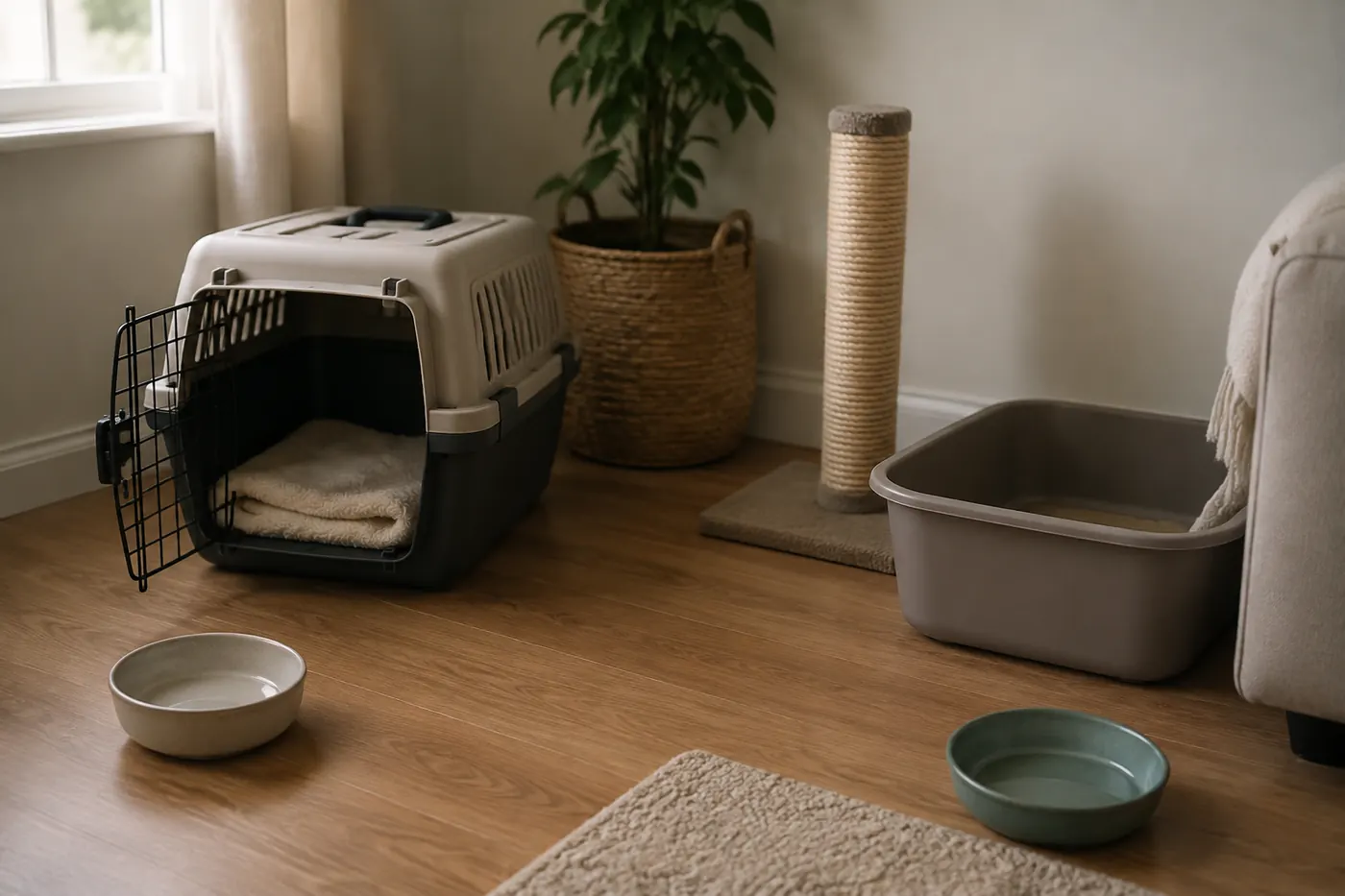
- Before it arrives. A carrier, a tray big enough to turn around in, a stable scratching post, and bowls. Everything else can wait until you know the cat.
- The first week. One room with everything in it. A cat that can retreat settles faster than one given the whole house at once.
- The first fortnight. A vet check, and the start of the vaccination course if it is a kitten. Ask what the previous food was and change it slowly.
- The first month. Handling practice. Paws, mouth, and the carrier, a few seconds at a time, so the vet is not the first time any of it happens.
- By ninety days. Weigh the food, know the cat's normal, and find your out-of-hours emergency number before you need it.
What Changes With the Seasons
The hazards rotate, and so does the workload.
Nothing here is a calendar to follow. It is the short list of things that only become dangerous at one point in the year.
A cat that was fine in February can be in trouble in July for reasons that have nothing to do with the cat.
| Season | What changes | Worth doing |
|---|---|---|
| Spring | The heaviest moult of the year, and lilies arrive in cut flowers | Comb daily through the moult, and check every bouquet |
| Summer | Heat, open windows, and more time outdoors | Water in more than one room, and check window restrictors |
| Autumn | Antifreeze appears in garages, and slug pellets in gardens | Seal both, and clean any spill on a driveway immediately |
| Winter | Cats sleep in warm places, including under car bonnets | Check the drum, the shed, and the car before starting anything |
Two things do not change with the season. A cat that stops eating for a day is a problem in its own right, and a male cat straining without producing urine is an emergency in any month.
Read the Method Before You Trust the Answer
KnowCatHub is written by an editorial team, not by a veterinarian. What it offers instead is stated reasoning and the sources behind it, named and linked.
Health and nutrition pages name the organisations they were checked against, at the foot of the page. Following one takes you to the guidance itself rather than to another summary of it.
Every page shows when it was last updated, and that date moves only when the content does.