Litter box

The Litter Box, Set Up So It Keeps Working

The tray is the single piece of equipment most likely to cause a household problem, and most of those problems are setup problems rather than behaviour problems.

A sudden change in tray habits is a veterinary question before it is anything else. Cystitis and blockages present as a cat that has stopped using the tray, and a blocked male cat is an emergency measured in hours.

The Litter Box, Set Up So It Keeps Working
Start here

Fix the Tray Before the Behaviour

Setting up

Getting the Tray Right Before Anything Goes Wrong

Most tray problems are decided before the cat has used it once: how many trays there are, where they sit, and whether an older cat can still climb into one. Settling those is a great deal cheaper than replacing a carpet.

  • Litter box

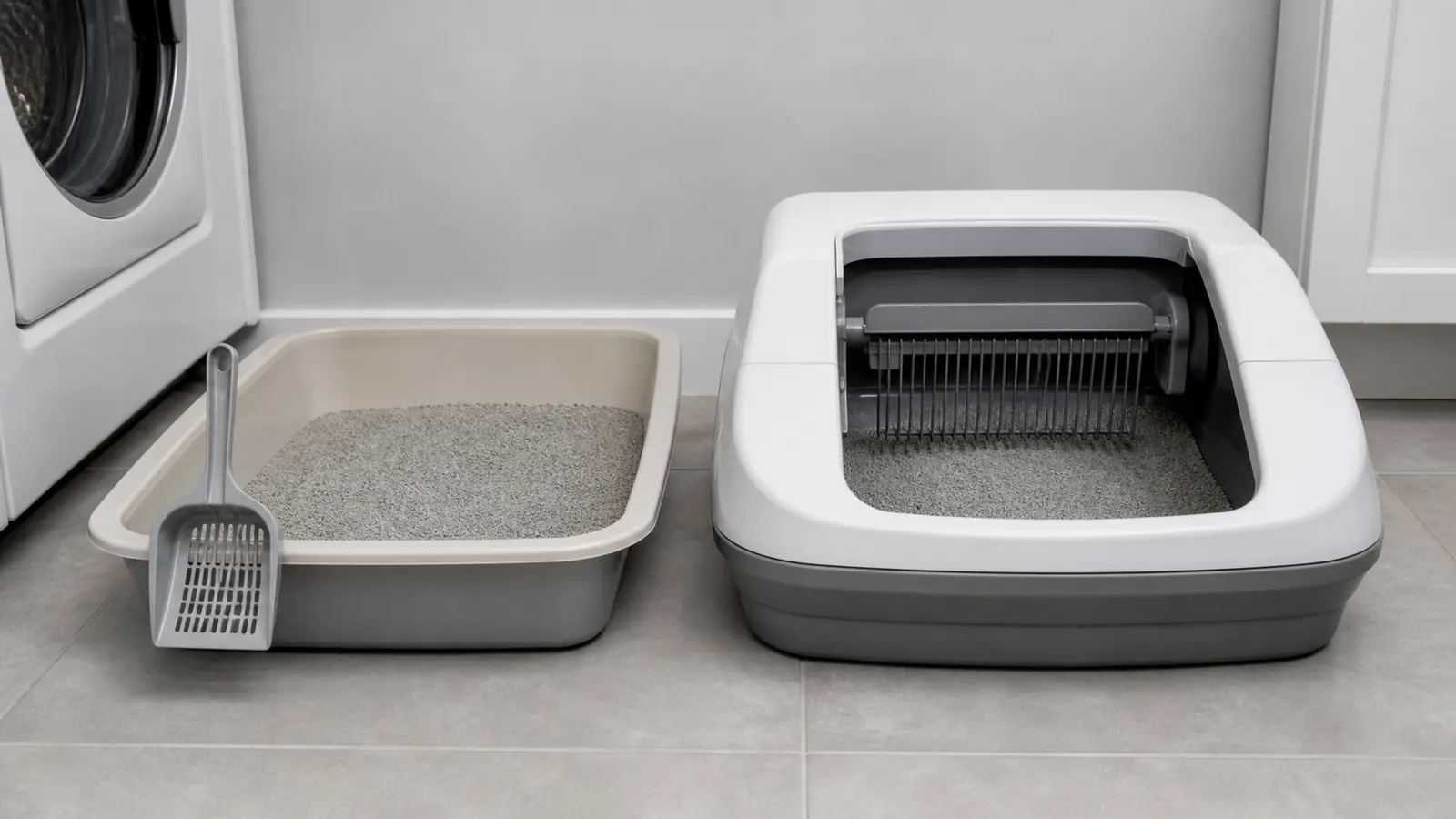
    Automatic or manual

    Automatic boxes can reduce scooping, but fit, model-specific safety and ongoing maintenance decide whether they suit…

  • Litter box

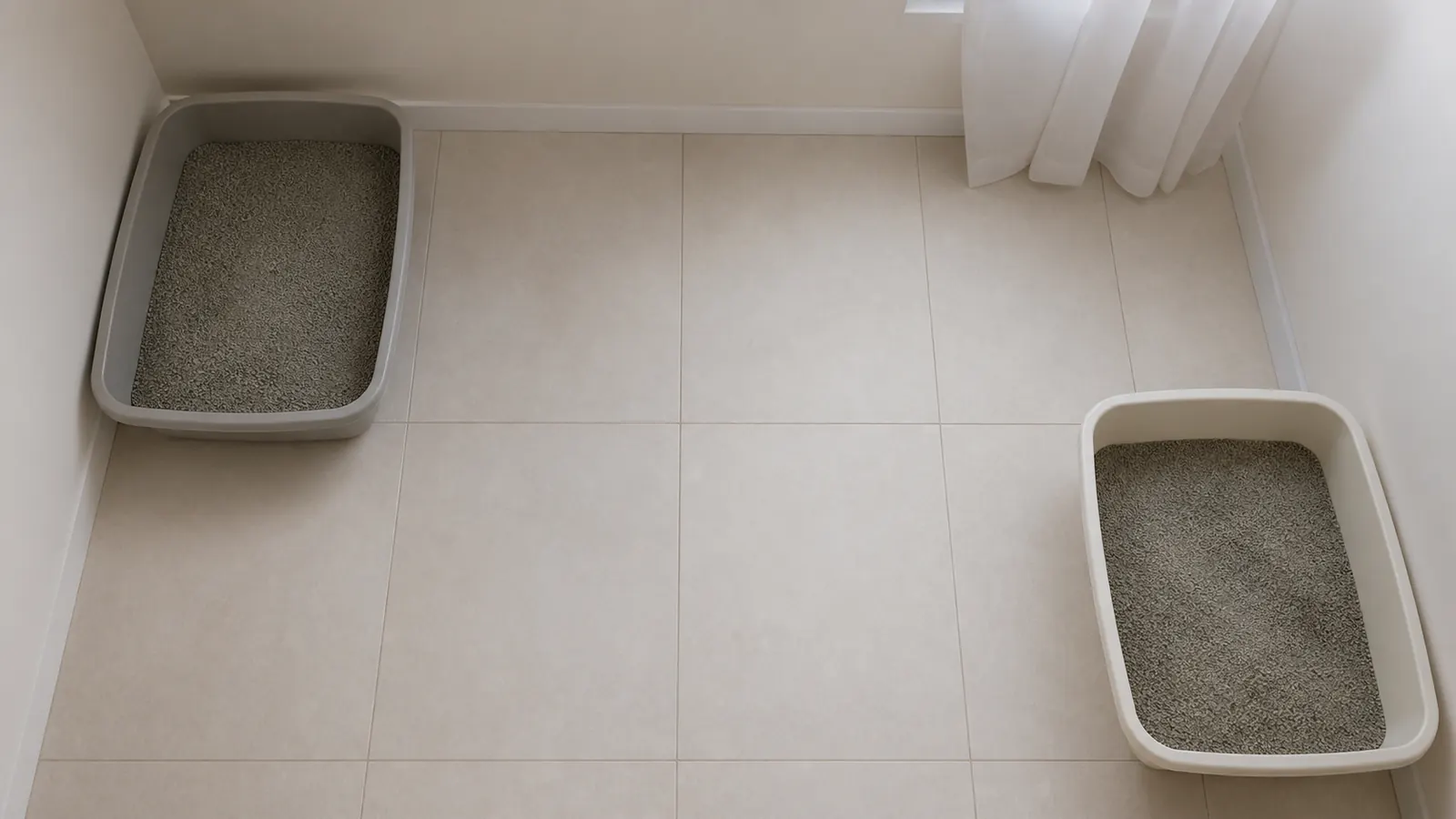
    How many litter trays

    One tray per cat plus one extra is a useful starting point. Spread trays across accessible locations and adjust the…

  • Litter box

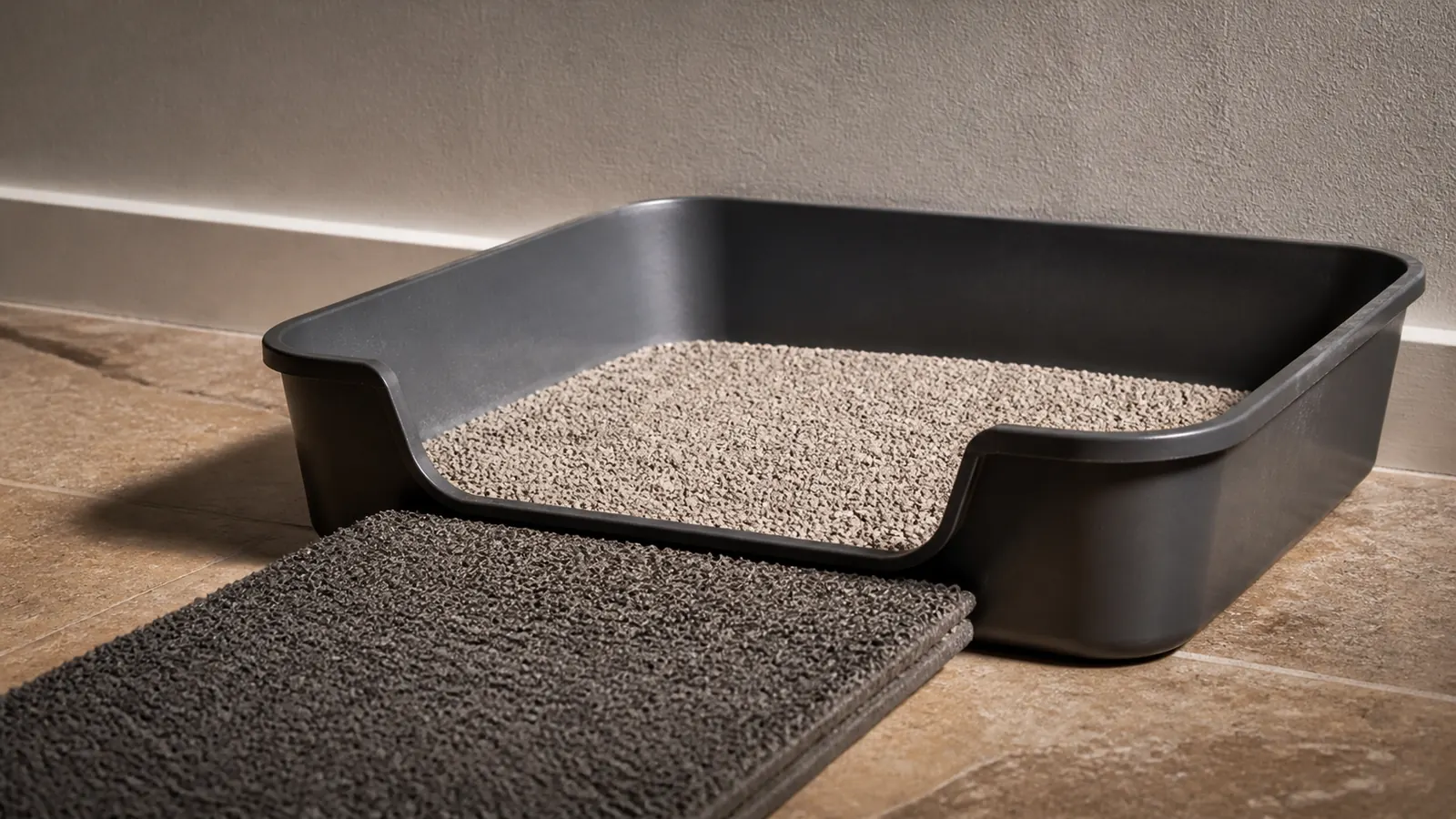
    Trays for senior cats

    A senior cat may need a lower entry, more turning room and a shorter route. New toileting changes still need a…

Problems

When a Cat Stops Using the Tray

A cat that suddenly goes elsewhere is reporting a problem, and the first question is medical rather than behavioural. Once that is ruled out it is usually the tray, the litter, or where the tray has been put.

The tray is equipment, and most problems are equipment problems

A cat that stops using its tray is usually described as behaving badly. That framing is wrong often enough to be worth correcting first.

The commonest causes are, in order: a medical problem, a tray the cat finds unpleasant, a location it does not feel safe in, and only then stress or conflict between cats.

Three of those four are fixed by changing something you own rather than by changing the cat.

Most litter tray problems are setup problems wearing a behaviour costume.

That is good news, because setup is the part you control completely.

Rule out the medical cause before anything else

This is not a formality. A cat urinating outside the tray is a classic presentation of cystitis, bladder stones, and urinary blockage, and none of those improves with a different litter.

A male cat straining without producing urine is an emergency measured in hours, not days. The cat often looks constipated, which is exactly how the delay happens.

Other signs pointing at a medical cause include urinating small amounts frequently, blood in the urine, crying in the tray, and licking at the genitals more than usual.

Age adds another layer. An older cat missing the tray is frequently an access problem caused by arthritis rather than a preference problem.

A sudden change in tray habits is a veterinary question before it is anything else.

The tray refusal guide works through the order properly, and the trays for senior cats guide covers entry height for a stiff cat.

How many trays, and where they go

The convention is one tray per cat plus one. It is a reasonable starting point and it is not the important part.

Placement matters more than the count. Three trays in a row in one utility room is functionally one tray, because a cat guarding the doorway blocks all three.

  • One tray per cat plus one, spread across different rooms
  • At least one tray on every floor the cat uses
  • Never beside the food or water bowls
  • Not next to a washing machine, boiler, or cat flap
  • Two ways out of the spot, so a cat is never cornered while using it
  • Quiet enough that a slammed door does not interrupt a cat mid-use

Trays in a row are one resource. Trays in different rooms are several.

The how many trays guide works through what a specific home needs rather than the generic rule.

Size, sides, and hoods

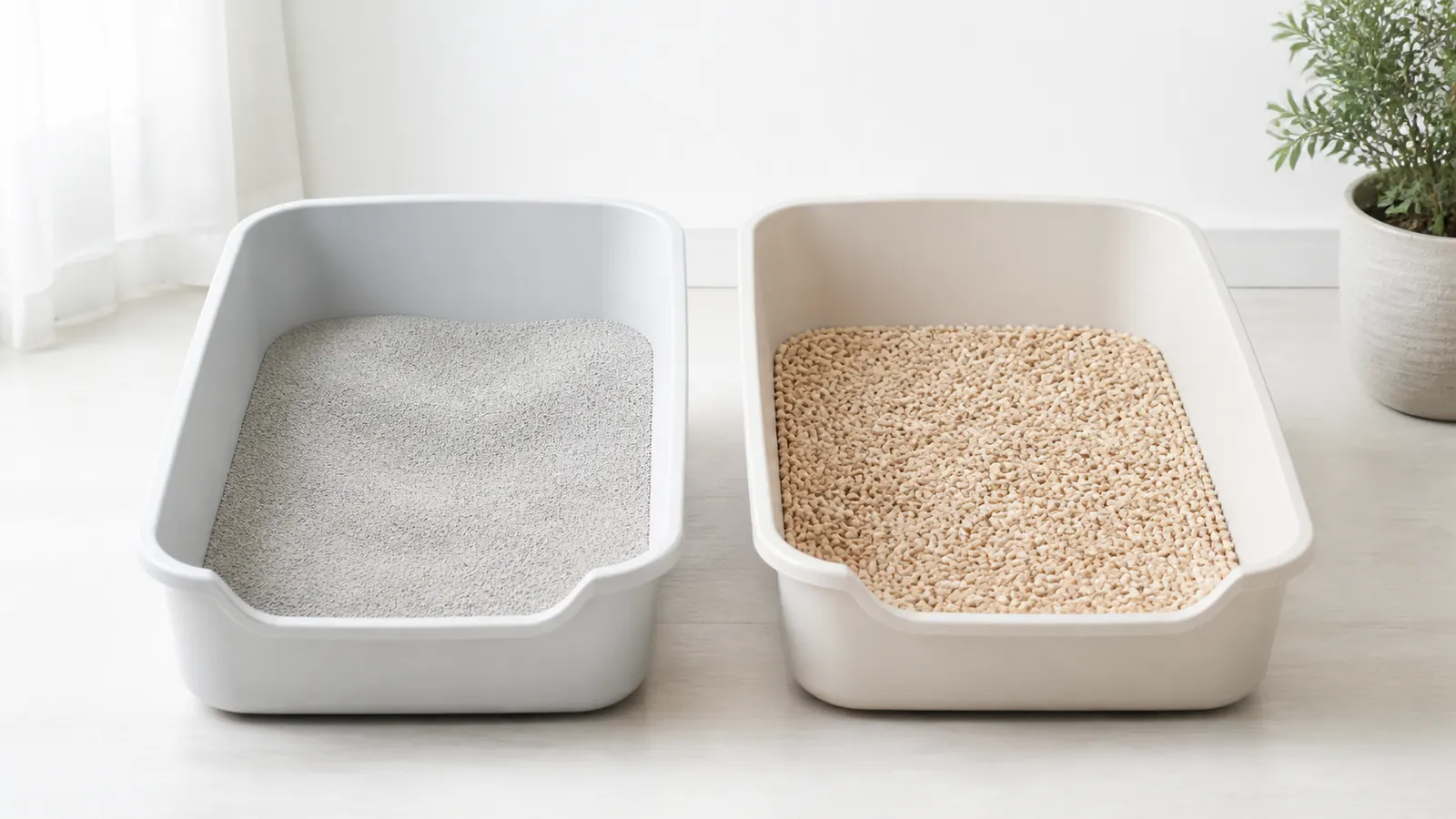
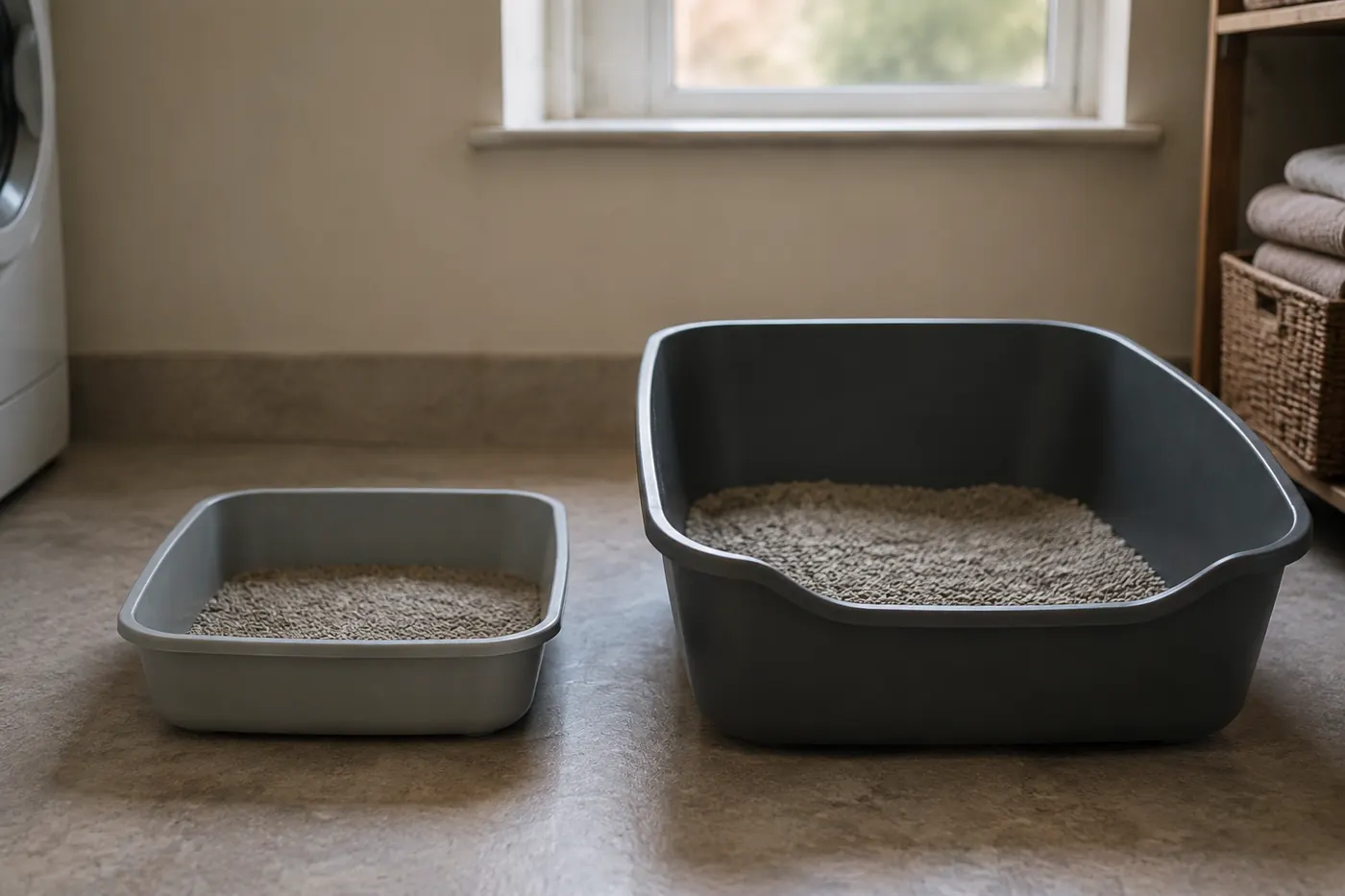
Most trays sold are too small. A cat needs to turn around, dig, and position itself without touching the sides.

A tray around one and a half times the cat's nose-to-tail-base length is a useful starting point, not a pass-or-fail measurement. The cat still has to enter, turn and dig comfortably, and a low-sided storage box can sometimes work better than a small pet-shop tray.

Length
About one and a half times the cat, nose to tail base
Sides
High is good for digging, except at the entry point
Entry height
Low for kittens, older cats, and anything with stiff joints
Hoods
Trap odour inside, where the cat is
Liners
Catch claws and put cats off digging

Hoods are worth a specific note because they are sold as the tidy option. They contain smell for the human and concentrate it for the cat, and they remove the second exit that makes a cat feel safe.

A hood solves the owner's problem by creating the cat's.

Litter is a substrate preference, and cats already have one

Most cats prefer fine-grained, unscented, clumping litter, which is close to the sandy soil a cat would choose outdoors.

That preference is stronger than most people expect and it is the reason a litter change is one of the commonest triggers for a cat going elsewhere.

Depth matters too. Around three to four centimetres gives a cat enough to dig into; a thin scatter over the base does not.

Scent is the other frequent mistake. Perfumed litter is designed for the person emptying it, and a cat's nose is considerably more sensitive than the person's.

If you have to change litter, change one tray and leave the others, and let the cat vote.

The clumping and non-clumping comparison covers what each type does with urine and which suits kittens.

Cleaning, and the daily look that comes with it

Remove urine clumps and faeces often enough that each cat has a clean place to use. More cats, small trays and covered boxes may need more frequent scooping; the cat's use and the actual soiling decide the schedule.

The part that gets overlooked is that scooping is an unscheduled daily health check. You see output volume, consistency, blood, and whether one cat has stopped producing anything.

That is the real argument against a self-cleaning tray. It removes the chore and the observation together, and the automatic and manual comparison sets out the trade in full.

A full change of litter and a wash of the tray itself belongs on a schedule too. Warm water and unscented soap is enough; strong disinfectants leave a smell that puts cats off.

The scoop is the cheapest health monitoring you will ever do.

Two open litter trays of clearly different sizes side by side on a utility room floor, one shallow and cramped, one deep and wide

Cleaning an accident so it does not become a habit

This is where ordinary household cleaners actively make things worse. Most contain ammonia, which is a component of cat urine, so cleaning with one effectively signs the spot again.

An enzyme cleaner is the only category that breaks down the compounds rather than masking them.

  1. Blot up as much liquid as you can before applying anything.
  2. Soak the area with an enzyme cleaner, using more than feels reasonable.
  3. Let it dry on its own rather than blotting it off, because the enzymes need time.
  4. Keep the cat away from the spot until it is fully dry.
  5. Check with a UV torch in the dark to find anything you missed.

Ordinary cleaners hide the smell from you and leave it there for the cat.

The cleaning urine guide covers the order to work in and what to do about carpet underlay.

Multi-cat homes, where resources become the whole story

Two cats sharing a home are not automatically a social group. Many tolerate each other rather than living together.

Under that arrangement, a single shared resource becomes a pressure point. One cat sitting in a doorway does not need to fight to control a tray.

The fix is spreading resources widely: trays, water, food, beds, and high places in separate parts of the house so no single position controls them all.

Vertical space matters as much as floor space, because a cat that can get above a situation often does not need to escalate it.

Resources spread across a home remove the argument before it starts.

Cat flaps, outdoor access, and what changes

Letting a cat outside changes the litter question rather than removing it.

An outdoor cat still needs a tray indoors. Weather, illness, and an unfriendly cat in the garden all turn an outdoor toilet into an indoor accident if there is no alternative.

The cat flap itself is a common and overlooked source of trouble. A flap is a doorway a cat cannot see through properly, and a cat that has been surprised at one will avoid the whole room.

A microchip-operated flap solves the specific problem of neighbourhood cats coming in, which is a frequent cause of spraying and of a resident cat abandoning its tray.

Placement matters as much as it does for the tray. A flap opening onto an exposed spot with no cover nearby gets used reluctantly.

A tray by the cat flap is in the worst room in the house, because that is where the ambushes happen.

For a cat that has recently started going indoors after years of going outside, the first question is medical rather than territorial, and the second is what changed in the garden.

What the tray tells you about the cat

Emptying a tray is the only routine look most owners get at their cat's output, and it carries more information than people expect.

Volume is the first thing. Larger, more frequent clumps mean the cat is producing more urine, which points at kidney disease, diabetes, or thyroid disease in an older cat.

Frequency is the second. Many small deposits, particularly with straining, points at the bladder rather than the kidneys.

Blood is never normal and always warrants a call.

Stools should be formed and easy to lift. Report a clear change from that cat's normal pattern, especially when loose or absent stools come with straining, vomiting, pain or reduced appetite.

The tray reports on the cat daily, and it is the only report most cats give voluntarily.

Keep reading

More About Living With a Cat

One question usually leads to the next one.

  • Health

    What a change in a cat usually means, and how fast it needs looking at.

    Browse
  • Food safety

    One of six verdicts per food, with the reasoning and the sources.

    Browse
  • Nutrition

    How much, how often, and how a cat gets enough water.

    Browse
  • Behaviour

    Why a cat does something, explained from the cat's side.

    Browse