
Household Hazards and the Ones That Are Emergencies
Household exposures range from mild irritation to rapidly fatal poisoning, and appearance alone cannot show which one you are dealing with. Lilies, antifreeze and the wrong flea treatment need immediate professional advice even before signs appear.
For a genuine poisoning the useful action is a phone call, not more reading. Have the packaging or the plant name to hand, because the treatment often depends on which one it was.
Poisons, Plants, and Household Risks
-
Safety
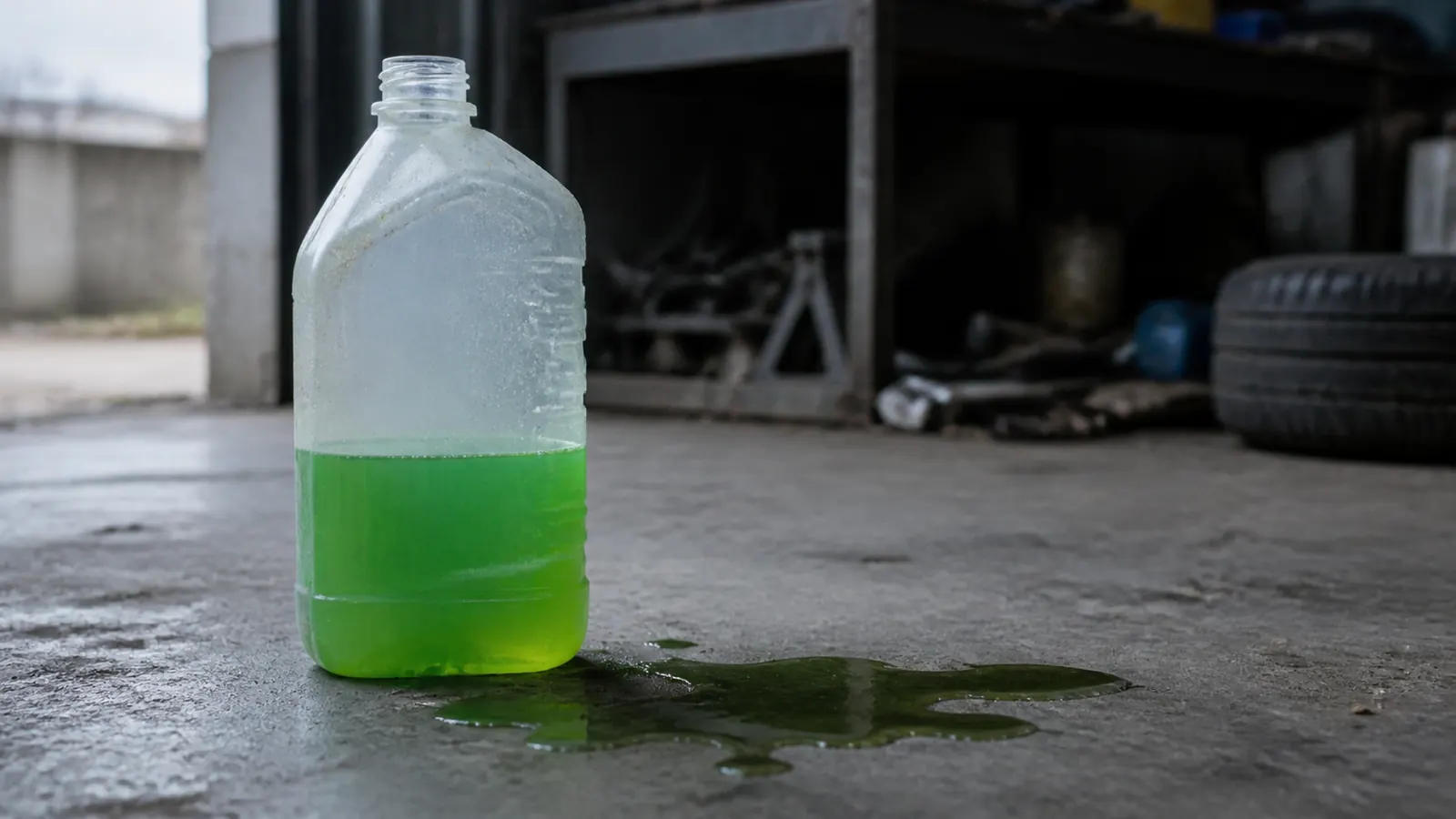
Antifreeze poisoning
Ethylene-glycol antifreeze can poison a cat after a small exposure. Call an emergency practice immediately, even if the…
-
Safety
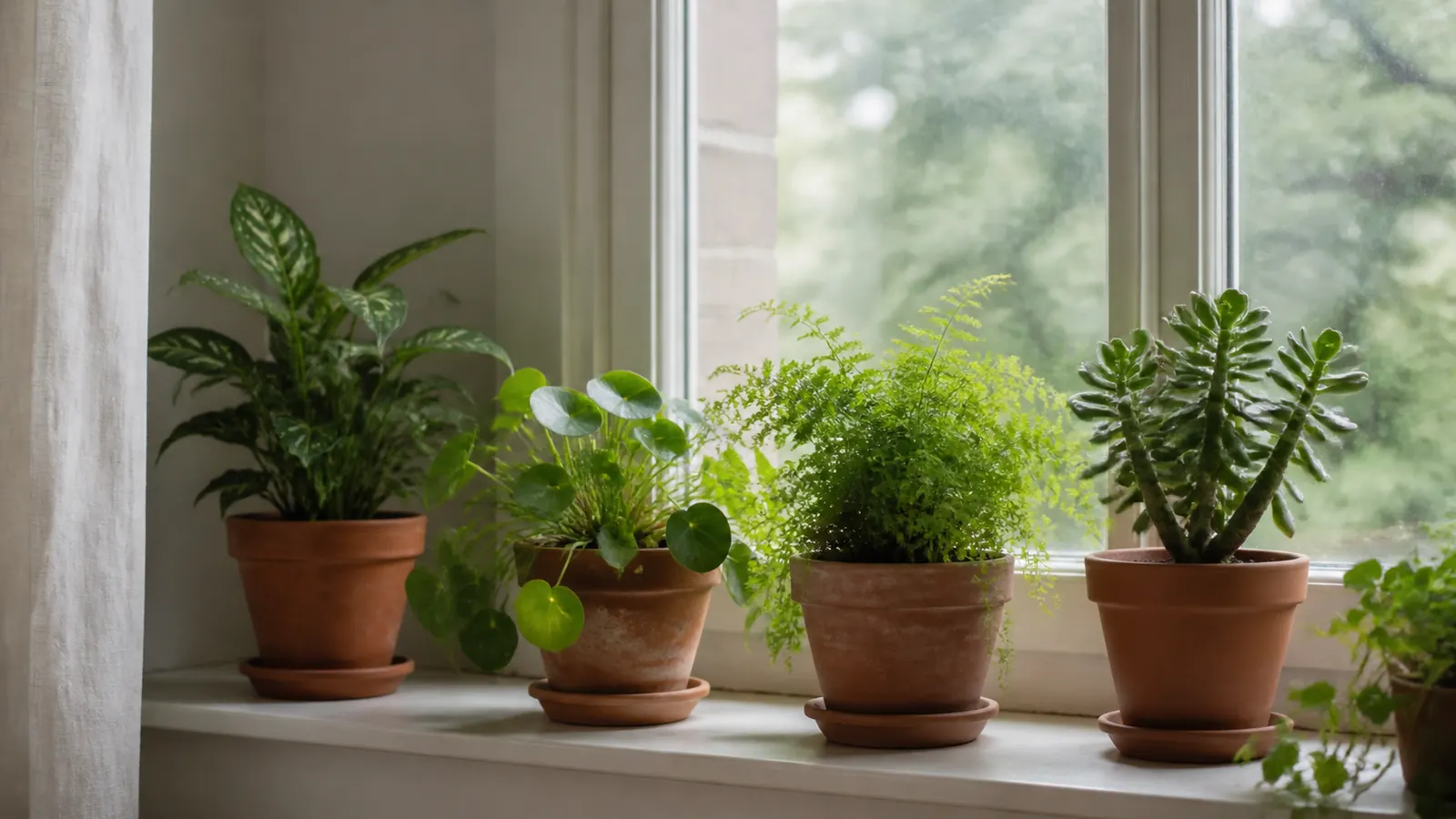
Toxic houseplants
Most houseplants a cat chews cause nothing worse than a stomach upset. A small number are genuinely dangerous, and…
-
Safety
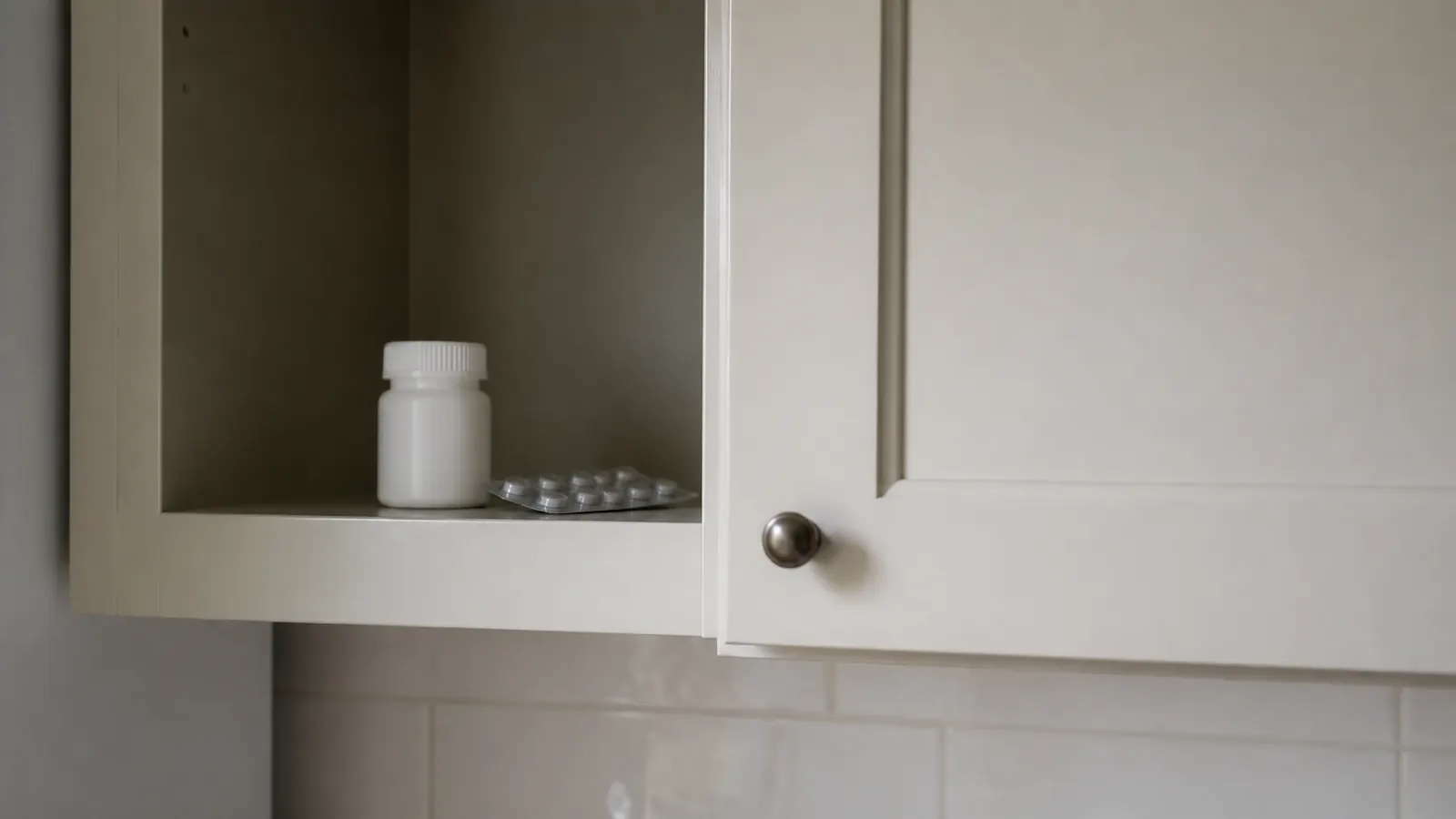
Paracetamol poisoning
Paracetamol, sold as acetaminophen or Tylenol, is the human medicine most likely to kill a cat. A single ordinary…
-
Safety
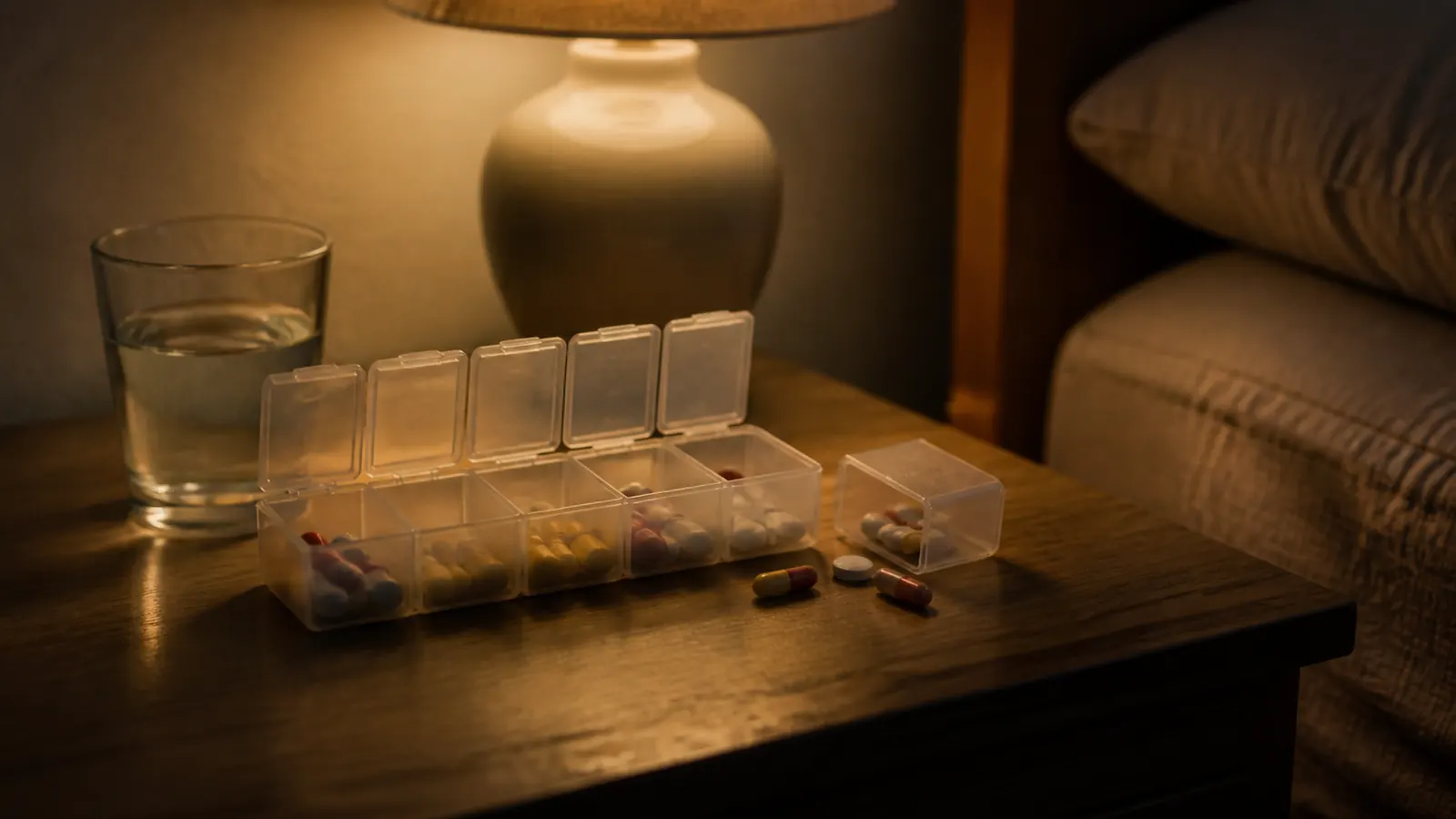
Antidepressant poisoning
Call immediately if a cat may have reached an antidepressant. The exact drug, strength and release form determine the…
Most hazards are minor, and a few are not
The outcome depends on the substance, dose, route, time and cat. Do not use the absence of symptoms or another animal's recovery to decide that an unknown exposure is mild.
The exceptions matter enormously though. A short list of substances causes organ failure at quantities a cat can reach in a normal home, and for several of them the treatment window is measured in hours.
Sorting one group from the other is the single most useful thing an owner can carry.
The question is never how poisonous something is in general. It is how much, how fast, and how reversible.
Two things sit at the top of that list in most homes: lilies and antifreeze. Both are lethal in tiny amounts and both are commonplace.
The genuinely urgent group
- True lilies
- Kidney failure from pollen, petal, leaf, or vase water
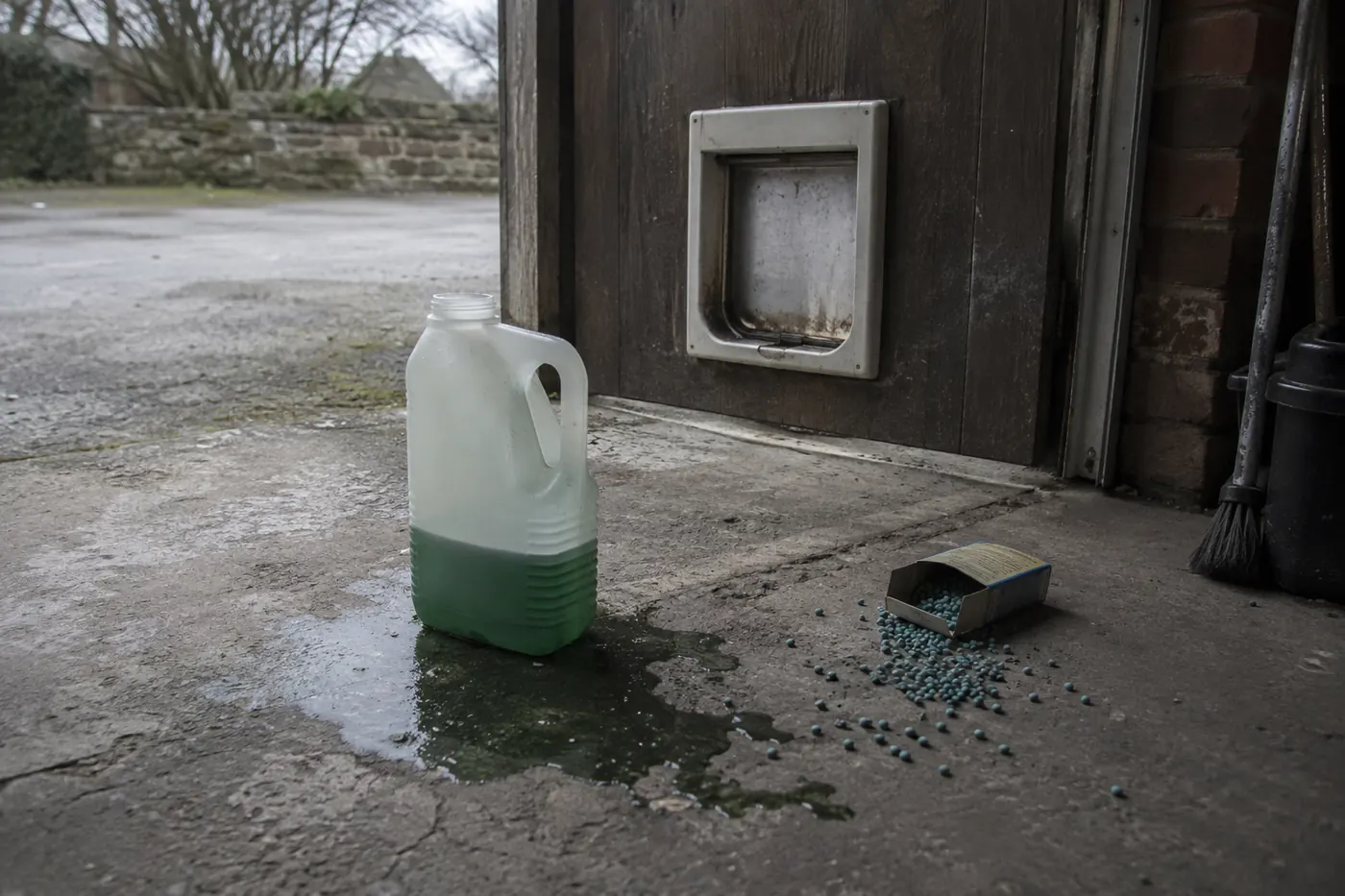
- Antifreeze
- Kidney failure, sweet tasting, fatal in a very small volume
- Paracetamol
- Cats cannot process it, one tablet can be fatal
- Permethrin
- In some dog flea treatments, causes seizures in cats
- Slug pellets
- Metaldehyde, tremors and seizures, scattered at cat height
- Lead and zinc
- From old paint and some coins, cumulative rather than sudden
The lily case deserves emphasis because the mechanism surprises people. Every part is toxic, including the pollen, which means a cat that walks past a bouquet and later grooms its coat has been exposed.
Permethrin is the one that comes from good intentions. A dog flea treatment applied to a cat, or a cat that grooms a recently treated dog, is a common and avoidable emergency.
If a cut flower arrangement is in the house, check it for lilies before anything else.
What to do in the first hour
Speed matters more than certainty. Waiting to see whether the cat becomes unwell removes the window in which treatment works best.
- Move the cat away from the source and shut the door on it.
- Keep the packaging, the plant, or a photograph of it.
- Phone a vet or an out-of-hours service straight away, before searching online.
- Do not try to make the cat vomit, and do not give milk, salt, or oil.
- If the substance is on the coat, stop the cat grooming and phone for advice on washing.
Estimating the quantity generously is the safe direction. Assume the cat ate the most it could have, not the least, because that is the assumption that gets the right treatment started.
Phone first, read second. Every home remedy for poisoning is either useless or actively harmful.
Plants, and the ones actually worth removing
There are long lists of plants that are technically toxic to cats, and most of them cause drooling and a bad afternoon rather than anything serious.
A shorter list is worth acting on. True lilies and sago palm are the two where the honest advice is not to have them in a house with a cat at all.
For the merely irritant plants, the sensible approach is height and access rather than removal. What works is removing the route rather than raising the plant, because a cat that can reach a worktop can reach most shelves.
Hanging planters work provided the trail is short enough that a cat cannot reach it from a nearby surface.
A shelf with nothing to jump from below is out of reach. A tall bookcase beside a sofa is not.
The toxic houseplants guide sorts the common ones by what they actually do.
Household chemicals and the garden
Cats are exposed differently from people because they walk through things and then groom the residue off their feet.
That changes which products matter. A floor cleaner that is safe once dry is different from one a cat crosses while wet.
- Keep cats off treated floors until completely dry
- Store antifreeze sealed and clean spills immediately, including on driveways
- Keep slug pellets out of any garden a cat uses
- Rinse and dry watering cans, because standing water in one is a drinking source
- Check that any flea product says it is for cats, every single time
- Empty and dry the sink and bath, which cats will drink from
Systemic insecticides can move into plant tissue, but risk depends on the active ingredient, dose and label directions. Keep the product and treated plant away from the cat until the manufacturer or a poison professional confirms the stated re-entry conditions.
A cat that walks through something will eat it, because grooming is not optional for a cat.
Hazards that are physical rather than chemical
Not everything dangerous is a poison, and the physical hazards are easier to fix.
String, tinsel, and hair ties are the classic one. A linear foreign body caught at the base of the tongue and travelling through the intestine is a surgical emergency, and cats are drawn to exactly these objects.
Windows and balconies are the second. Cats fall, and a partly open window on a tilt setting is a specific and well-known trap for a cat trying to squeeze through.
Washing machines and tumble dryers are the third, and the fix is simply checking before closing the door.
Cooker hobs and open flames are the fourth. A cat that jumps onto a warm hob learns nothing useful from a burn.
String, thread and ribbon are especially dangerous because one end can anchor while the intestine moves the rest, but any swallowed object can obstruct or injure.
Collars, chips, and getting a cat back
Identification is a safety topic even though it never appears on a poison list.
A microchip is the identification that works. It cannot come off, it is read at any practice or shelter, and it is only as good as the contact details registered against it.
A collar is visible identification, which is genuinely useful for a cat that goes outdoors, and it must be a breakaway type. A collar that holds under load becomes a noose when a cat catches it on a branch or a fence post.
Elastic inserts are worse rather than better, because a cat can get a leg through the stretch and then be trapped by it.
The chip does the identifying. The collar's only job is to come off when it has to.
The breakaway collars guide covers how to test a buckle before using it.
Building a home that removes problems in advance
Some safety changes are one-off, while medicines, plants, pest products, cords and escape routes need checking again when the household changes.
Going room by room with a cat's reach in mind takes an afternoon. The useful question in each room is not what is dangerous but what can be reached from what, because cats arrive at things by climbing rather than by walking.
Kitchen worktops, bathroom cabinets, and garage shelves are the three places where the reachable and the dangerous most often overlap.
Keeping the number for an out-of-hours emergency service somewhere visible costs nothing and saves the ten minutes nobody has.
Write the emergency number on the fridge now, not while holding a cat that has eaten something.
Outdoors, catios, and traffic
The indoor and outdoor question does not have one right answer, and the honest position is that each choice trades one set of risks for another.
Outdoor cats face traffic, other cats, poisons they encounter away from home, and a materially shorter average life. Indoor cats face obesity, boredom, and the behaviour problems that follow from both.
A catio or a secure garden removes most of the outdoor risk while keeping the enrichment, and it is the arrangement most behaviour specialists recommend where it is possible.
If a cat does go out, a few things reduce the risk meaningfully.
- Keep the cat in at night, when most road accidents happen
- Microchip the cat and keep the registered details current
- Use a breakaway collar rather than a fixed one
- Check garages and sheds before closing them
- Keep antifreeze and slug pellets out of any space the cat reaches
- Know where the nearest out-of-hours service is before you need it
Keeping a cat in overnight removes more risk than any other single change.
A cat that has always gone out and is being moved indoors needs the outdoor stimulation replaced rather than simply removed.
Fire, heat, and the hazards nobody lists
A short set of household risks never appears on a poison list and causes injuries every year.
Hobs and hotplates stay hot long after cooking, and a cat that jumps to a familiar surface has no way of knowing.
Candles and open flames are a whisker and tail hazard, and an unattended candle in a house with a cat is a fire risk rather than a decoration.
Tumble dryers and washing machines are warm, dark, and enclosed, which is precisely what a cat looks for in a bed.
Reclining chairs and sofa beds have mechanisms a cat can be inside when they move.
Cords and blind pulls are a strangulation risk, and looped blind cords in particular should be tied up out of reach.
Check the drum and the chair before you close or recline anything, every time.
More About Living With a Cat
One question usually leads to the next one.
-
Health
What a change in a cat usually means, and how fast it needs looking at.
Browse -
Food safety
One of six verdicts per food, with the reasoning and the sources.
Browse -
Nutrition
How much, how often, and how a cat gets enough water.
Browse -
Litter box
Setup, substrate, placement, and what the tray tells you.
Browse