Why Has My Cat Stopped Using the Litter Tray?
Check medical causes and the litter setup when a cat stops using its tray. Pain, urgency, access and stress can overlap, and straining may be an emergency.
A cat that stops using its litter tray needs the medical causes checked first, alongside a review of the tray and access to it. Pain, urgency, litter preferences and household tension can overlap.
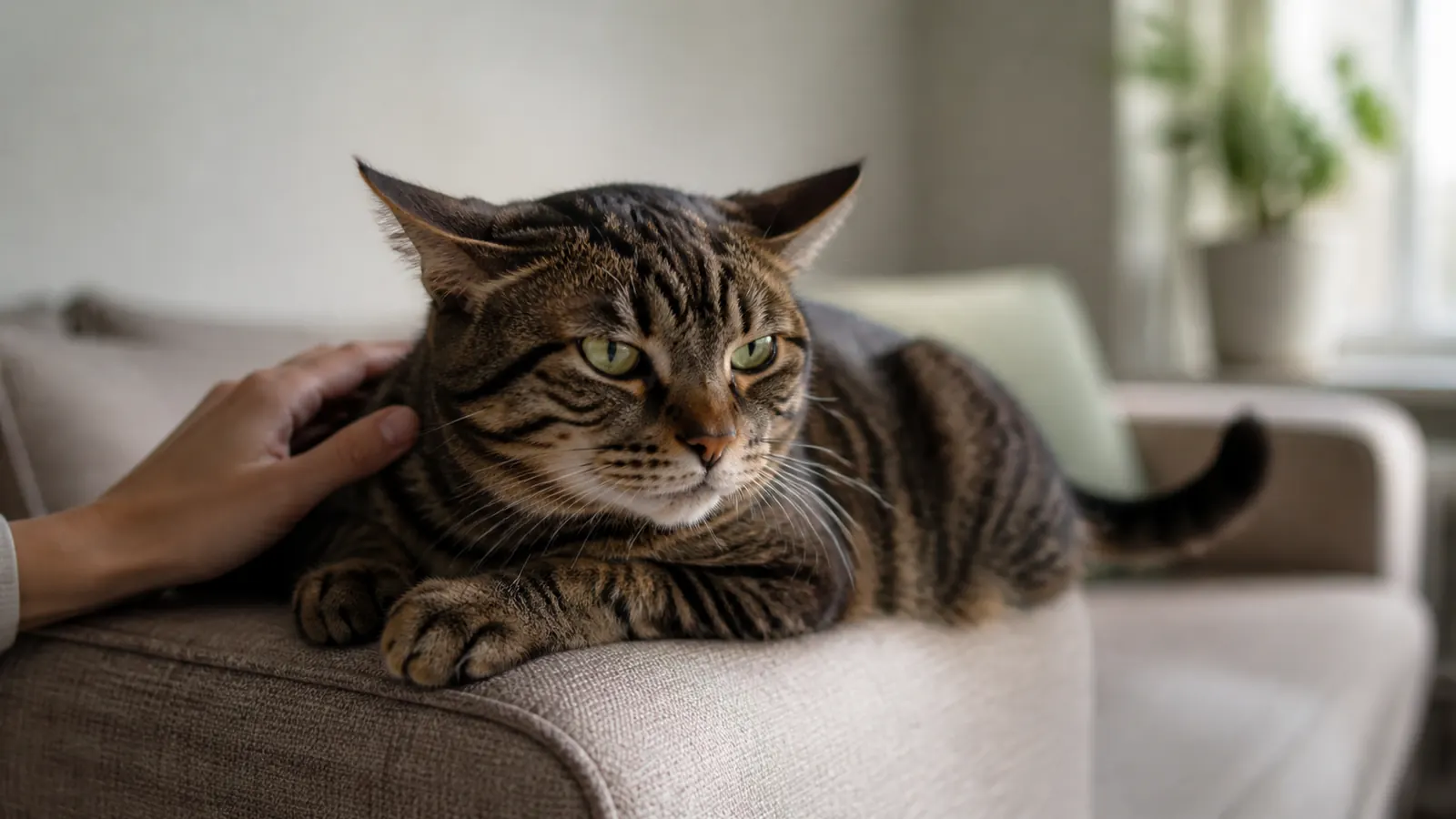
Punishment will not identify the cause and can make the cat more fearful.
Record the change before changing everything
Note whether it is urine, stool or both, the amount, posture, surface and timing. Record appetite, thirst, mobility and any signs of pain.
A photograph of the spot or a short video taken without disturbing the cat can help your practice understand what happens.
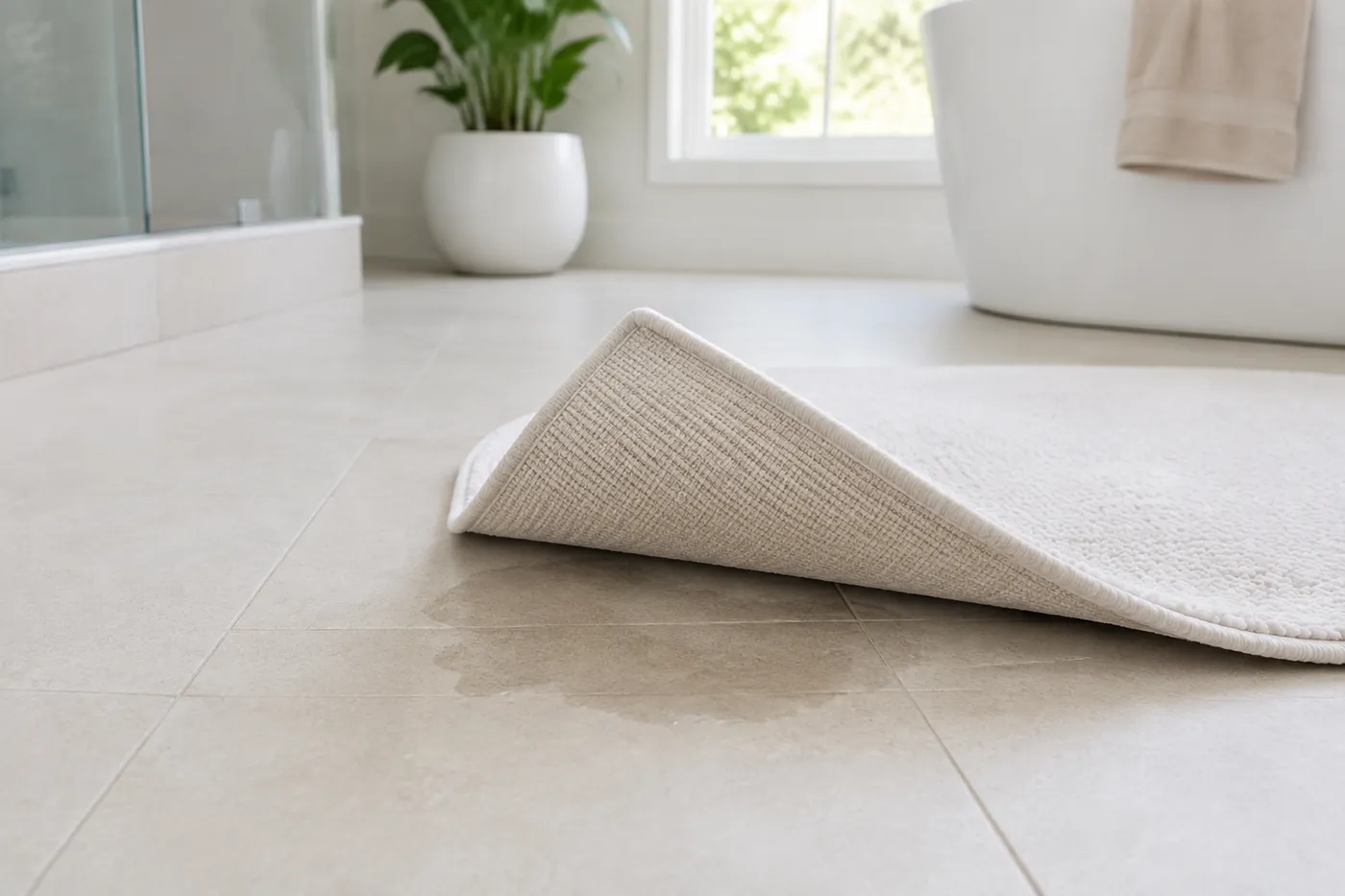
The chosen surface is a clue, not a diagnosis. Urinating in a bath does not prove cystitis, and a wet duvet does not prove a litter preference.
Likewise, an accident just outside the tray can reflect size, pain, posture or urgency. Take those details to the vet rather than treating a location table as a medical test.
Toileting and urine marking
Normal toileting often involves squatting and passing a larger quantity onto a horizontal surface. Spraying commonly involves standing with the tail raised and depositing a small amount on a vertical surface.
These are useful patterns, but posture and surface are not absolute rules.
Marking can relate to sexual behaviour, stress or changes in the household. Medical problems can coexist with marking, and good litter provision still matters.
If the cat sprays, the plan may also need to address outdoor cats at windows, conflict with a housemate or a recent change in its environment.
What the vet checks
Urinary disease, constipation, diarrhoea and painful movement can all affect tray use. A cat that associates elimination with pain may continue avoiding a tray after treatment, which is why medical and environmental work sometimes need to run together.
In an older cat, watch for difficulty stepping in or turning, reduced jumping and poorer grooming. Those signs warrant an examination; they do not establish arthritis on their own.
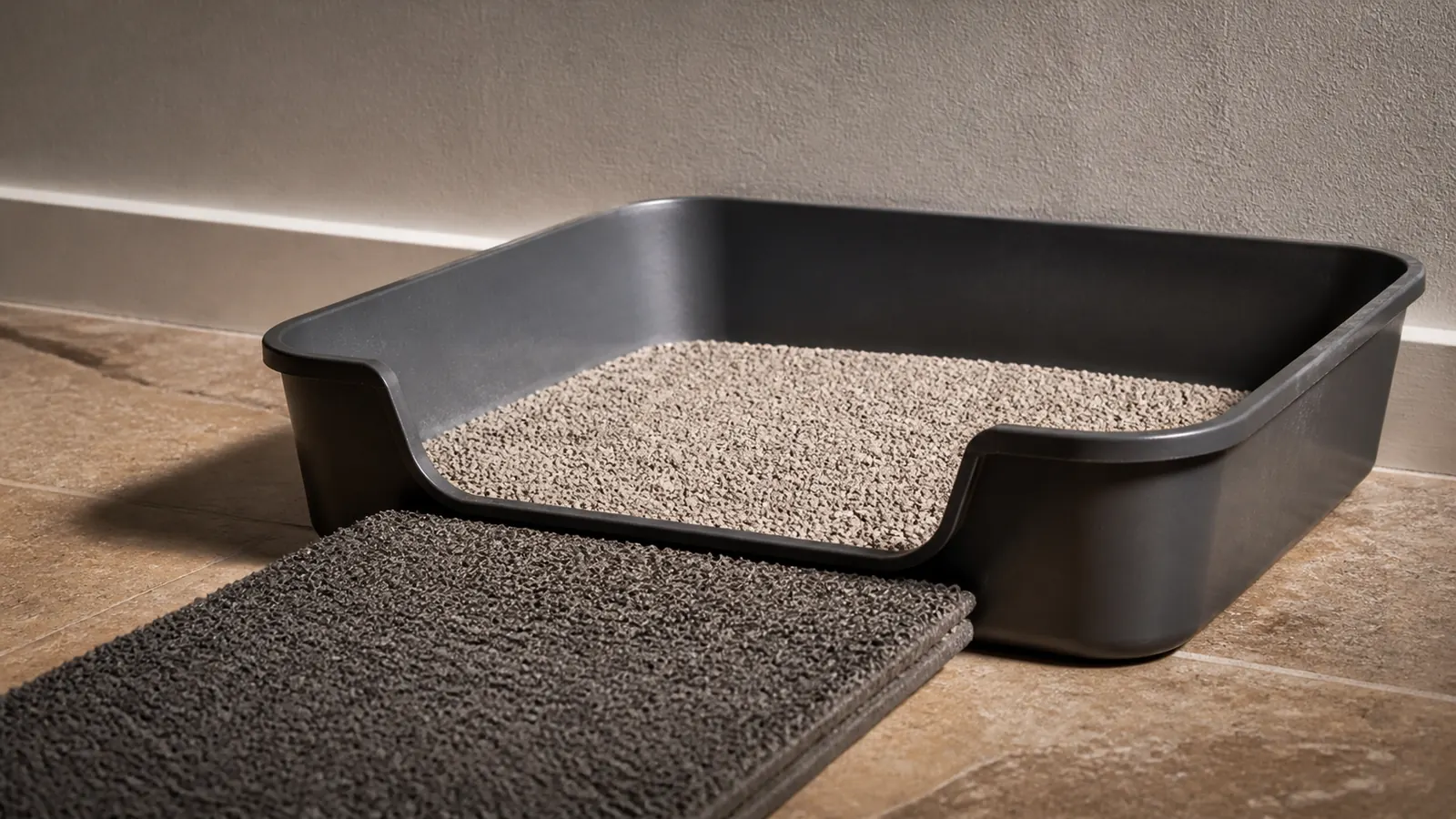
Senior tray adaptations can remove an access barrier while the practice assesses and treats the cause.
Make a usable tray available
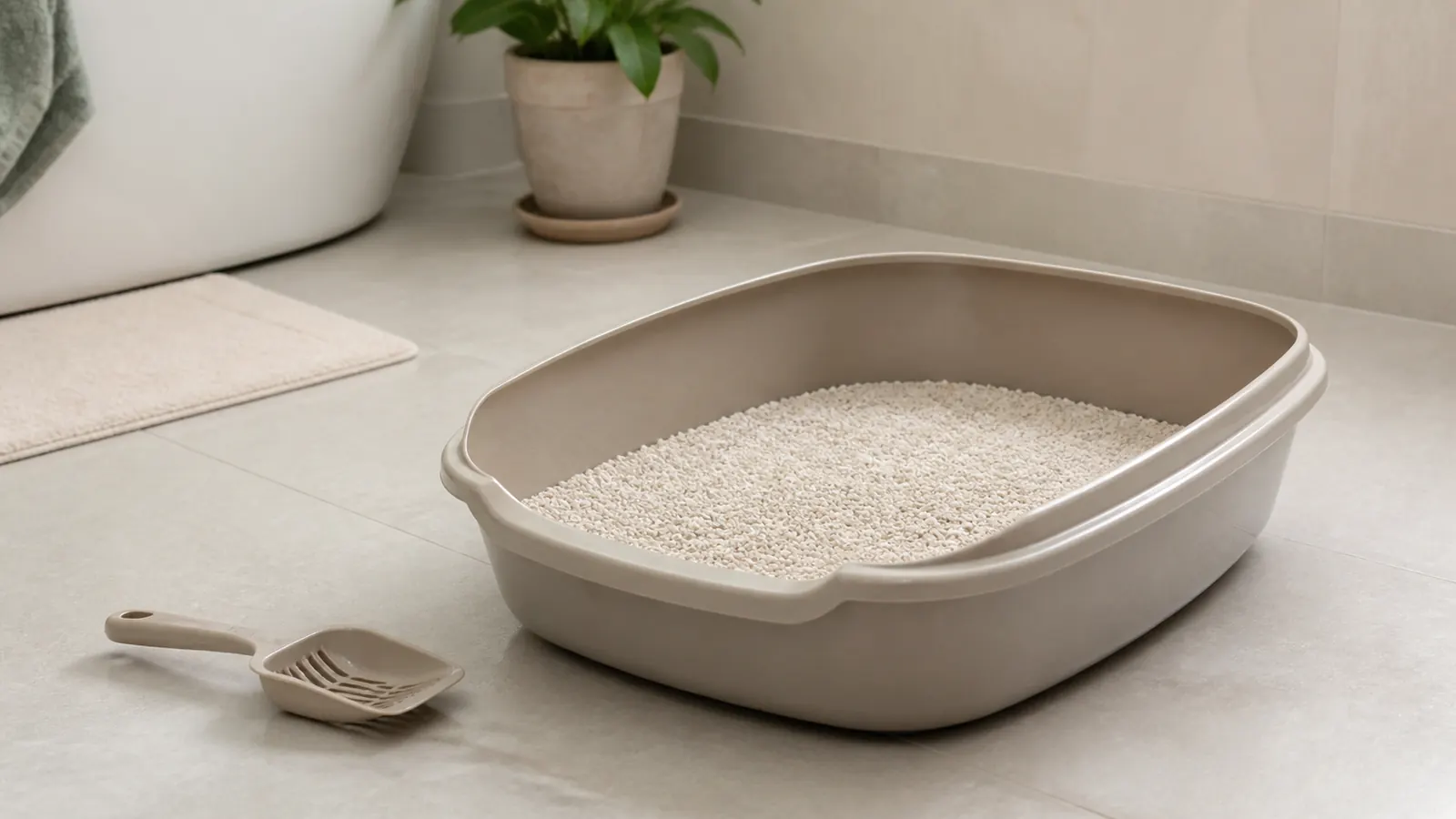
Provide a spacious tray, commonly around one and a half times the cat's length from nose to tail base. The cat should be able to turn and dig without being cramped.
A low entry helps when climbing is difficult, while high sides elsewhere may contain litter.
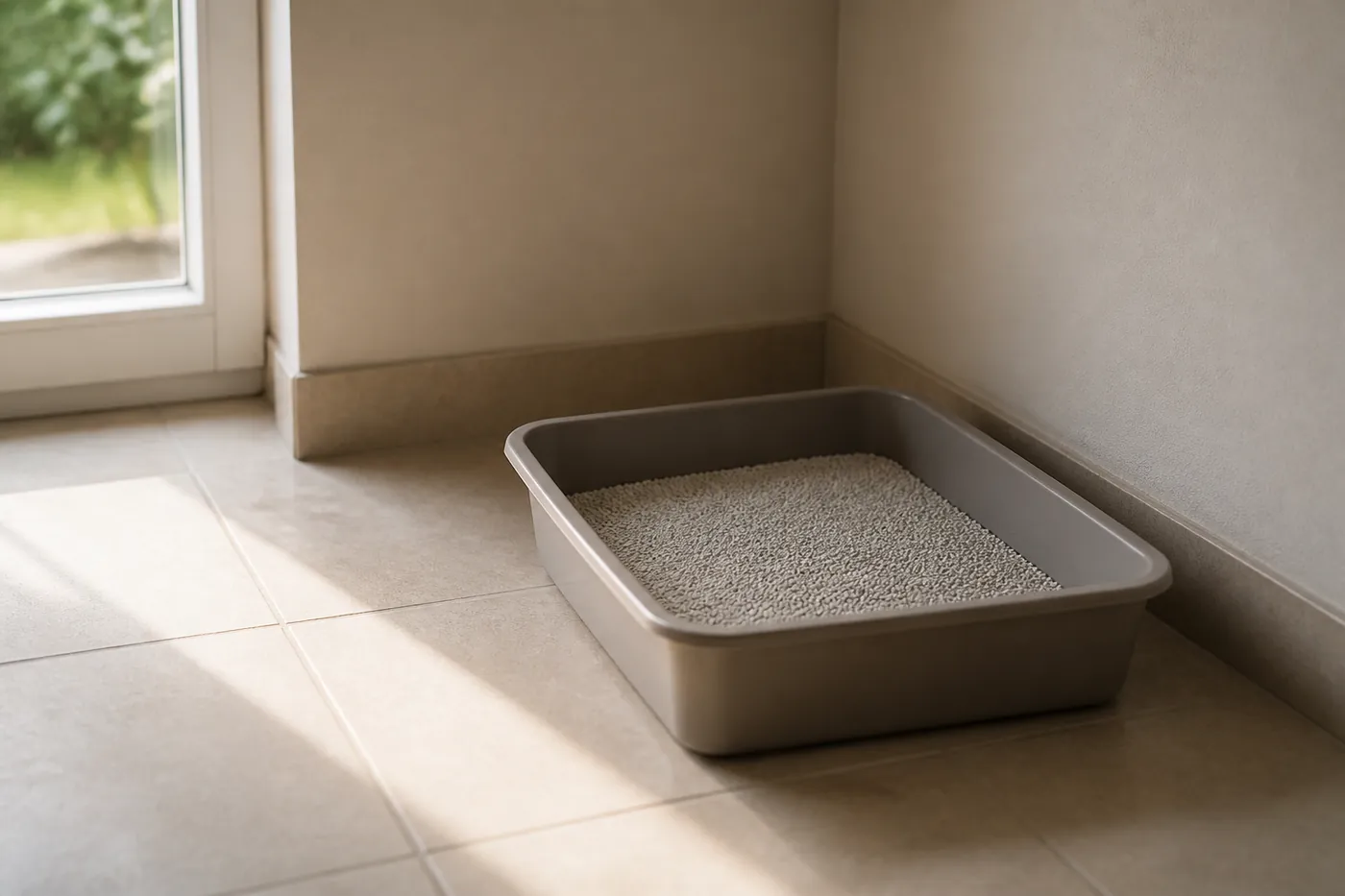
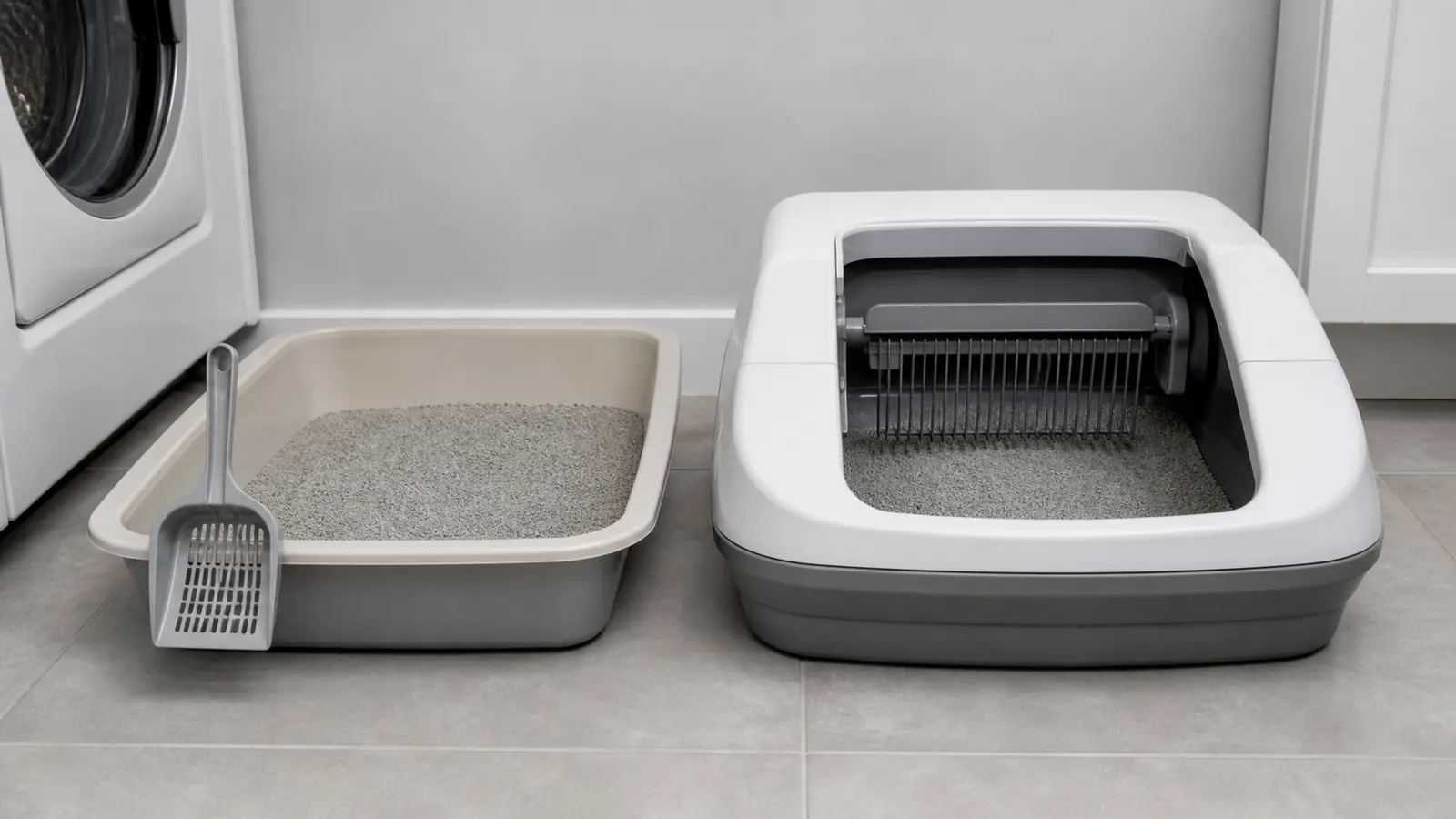
Scoop at least daily and wash according to the litter and tray instructions, using a suitable unscented cleaner and thorough rinsing. Hoods, flaps and liners suit some cats and deter others.
Offer an additional open tray rather than making the cat use a style it already avoids.
Test litter preference without taking away a working option
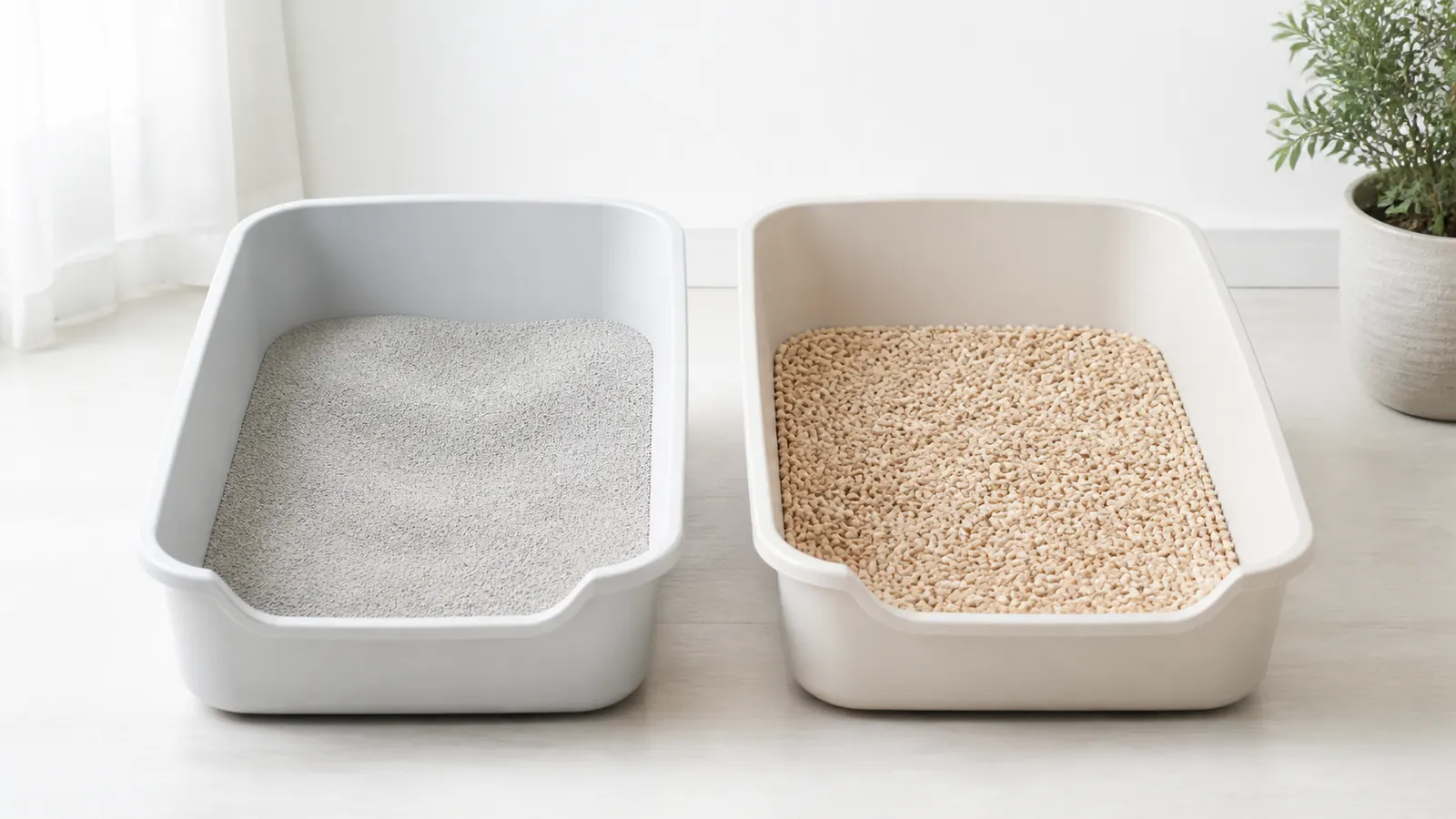
Fine, unscented litter is a reasonable starting choice. If you suspect texture is the issue, offer a second tray with a different substrate while keeping the familiar one.
Observe which is used before changing the whole setup. A cat's preference matters more than the bag's claims about comfort.
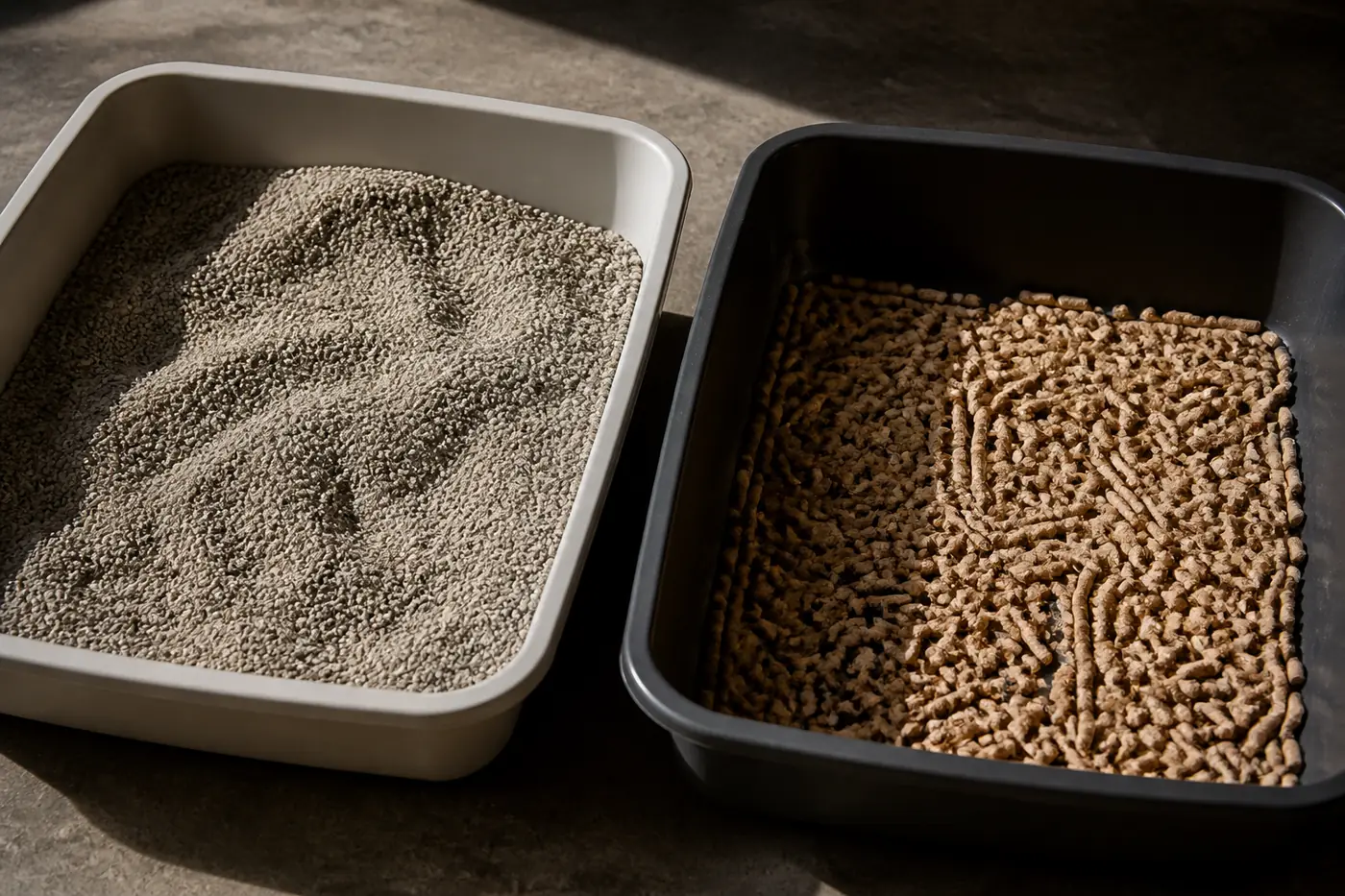
Place an extra tray at a repeatedly chosen spot when practical. That can restore use of a tray while you clean the surrounding area.
Once use is reliable, any move should be gradual and guided by the cat's response, without removing all familiar options at once.
Check routes and household tension
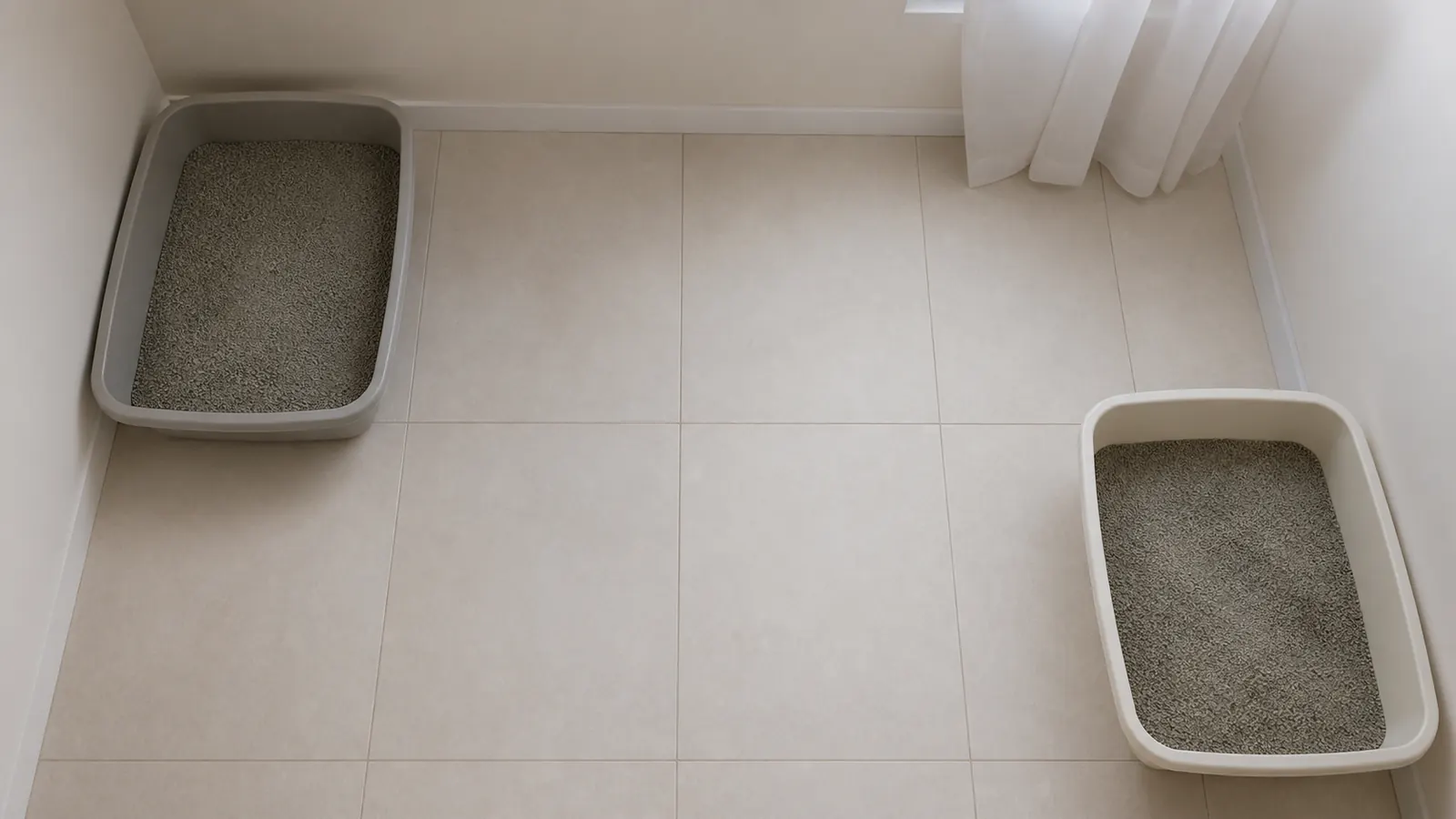
One tray per cat plus one is a useful starting rule, with locations spread through the home. Several trays behind one guarded doorway do not provide independent access.
A quiet location away from noisy appliances and food is preferable, with an easy route in and out.
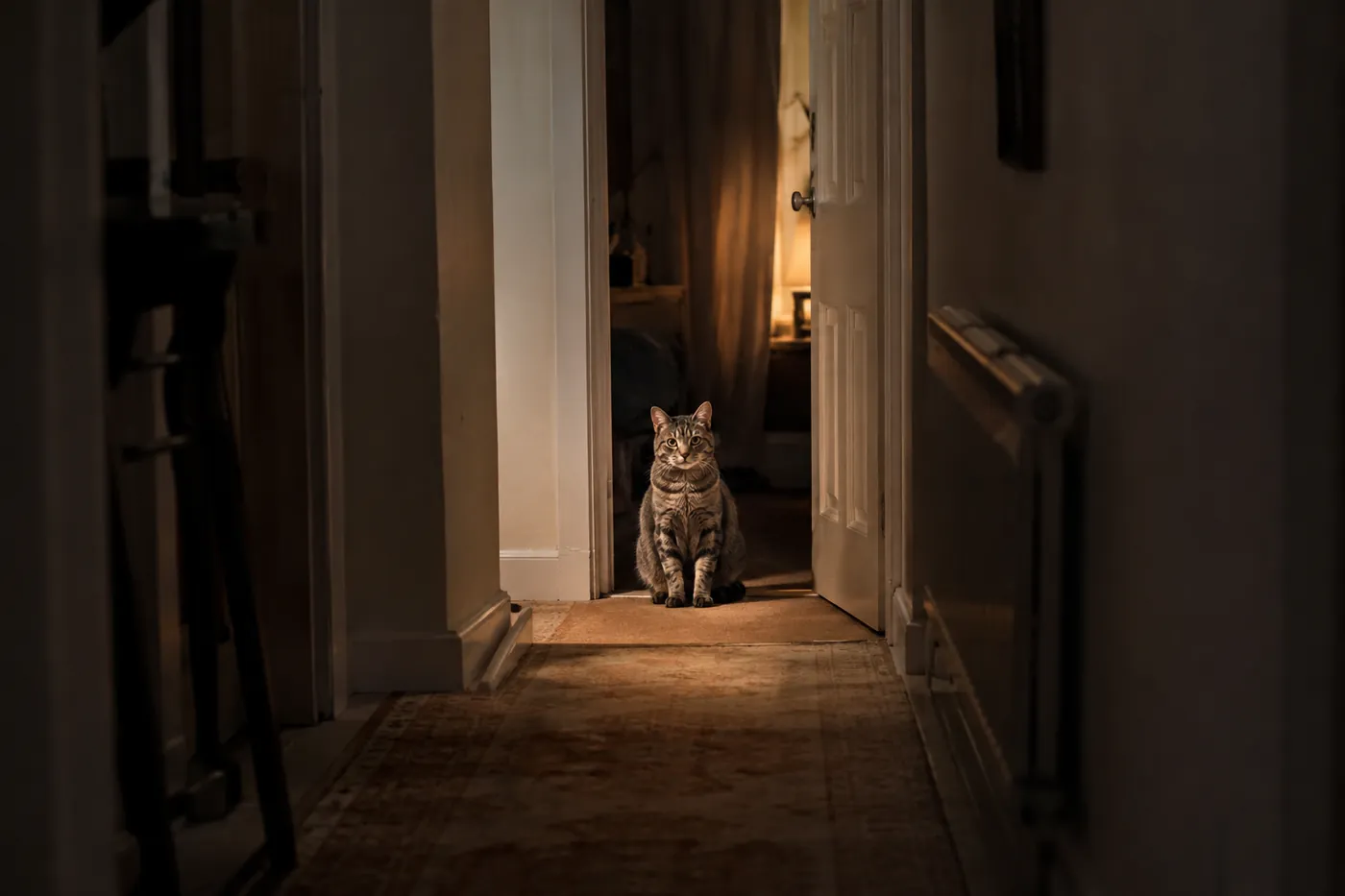
Watch for staring, waiting, detours or one cat abandoning the room when another arrives. A pattern can suggest tension, but the time of day alone does not prove it.
Conflict between cats may require separate resources and a behaviour plan in addition to better trays.
Clean accidents and support a new routine
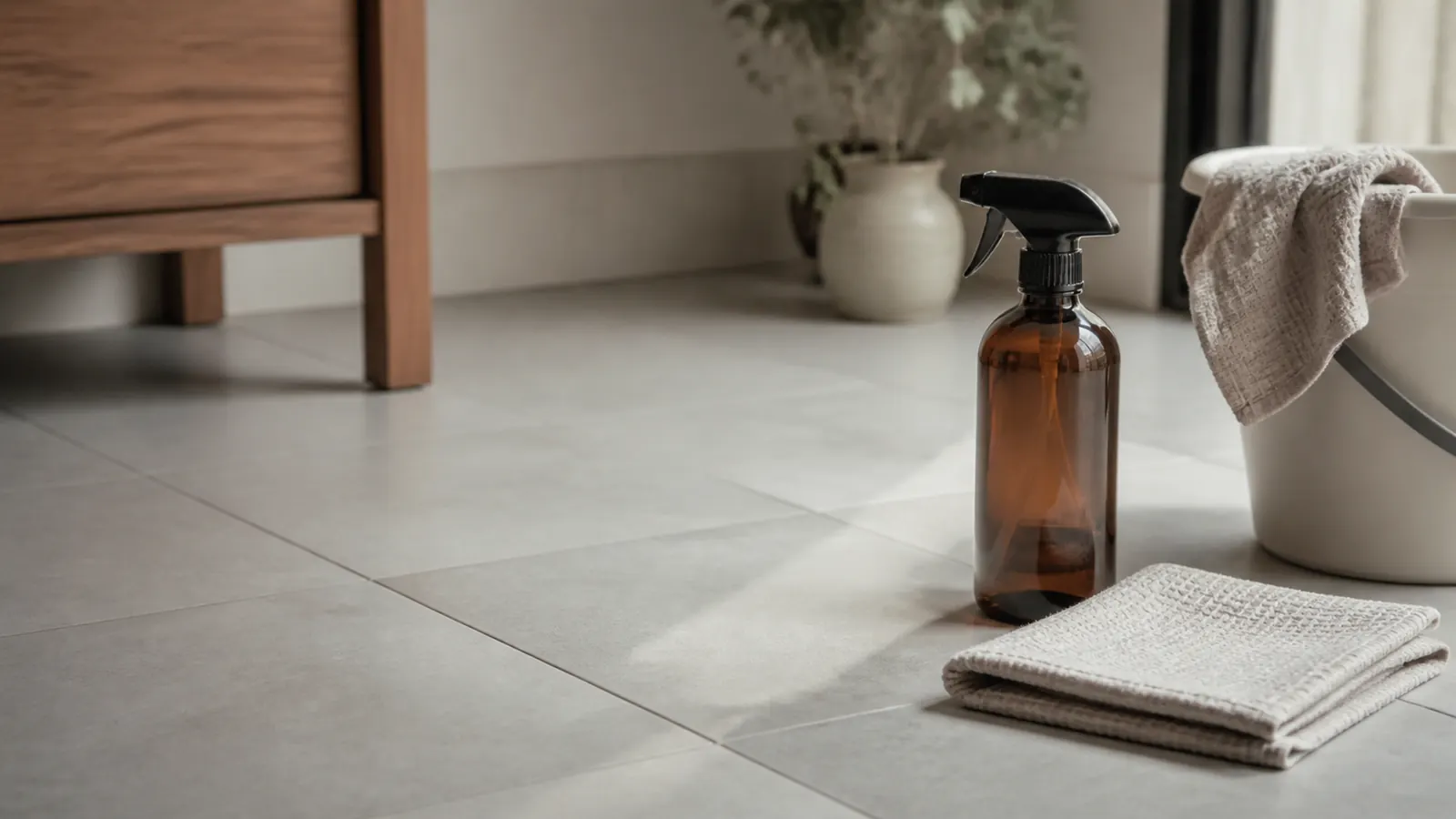
Use a suitable enzyme cleaner according to its instructions and test the surface first. Keep the cat away until the area is ready for use.
Avoid ammonia-based cleaners and do not mix cleaning products.
After a move, a quiet room with separate feeding, resting and toileting areas can help a cat settle. It should provide hiding, comfortable space and contact the cat wants, rather than punishment for accidents.
Reduced appetite or illness after moving must not be dismissed as a normal fortnight of adjustment.
Keep a simple record of changes and responses. A clear improvement is useful, but adding a tray does not rule out intermittent disease.
If accidents continue, new signs appear or the cat cannot settle, return to the practice and ask whether a qualified behaviourist should join the plan. There is no fixed two-week waiting period for deterioration.
Common Questions
Is my cat doing it out of spite?
No. Look for medical problems, an unsuitable tray, access difficulties or stress. Punishment adds fear without solving those causes.
How long should I try a change?
Track use and arrange follow-up with your vet. Environmental adjustment takes time, but pain, poor appetite, straining or worsening signs should not wait for a trial period.
Does urinating in a bath mean cystitis?
No. The surface is useful history but does not identify the cause. A new change in toileting needs veterinary assessment.
Checked Against
Published 28 April 2026. Last updated .