Increased Thirst in a Cat: What to Record and When to Call
A sustained change in drinking needs a veterinary assessment. Keep water available and record what changed without delaying the call.
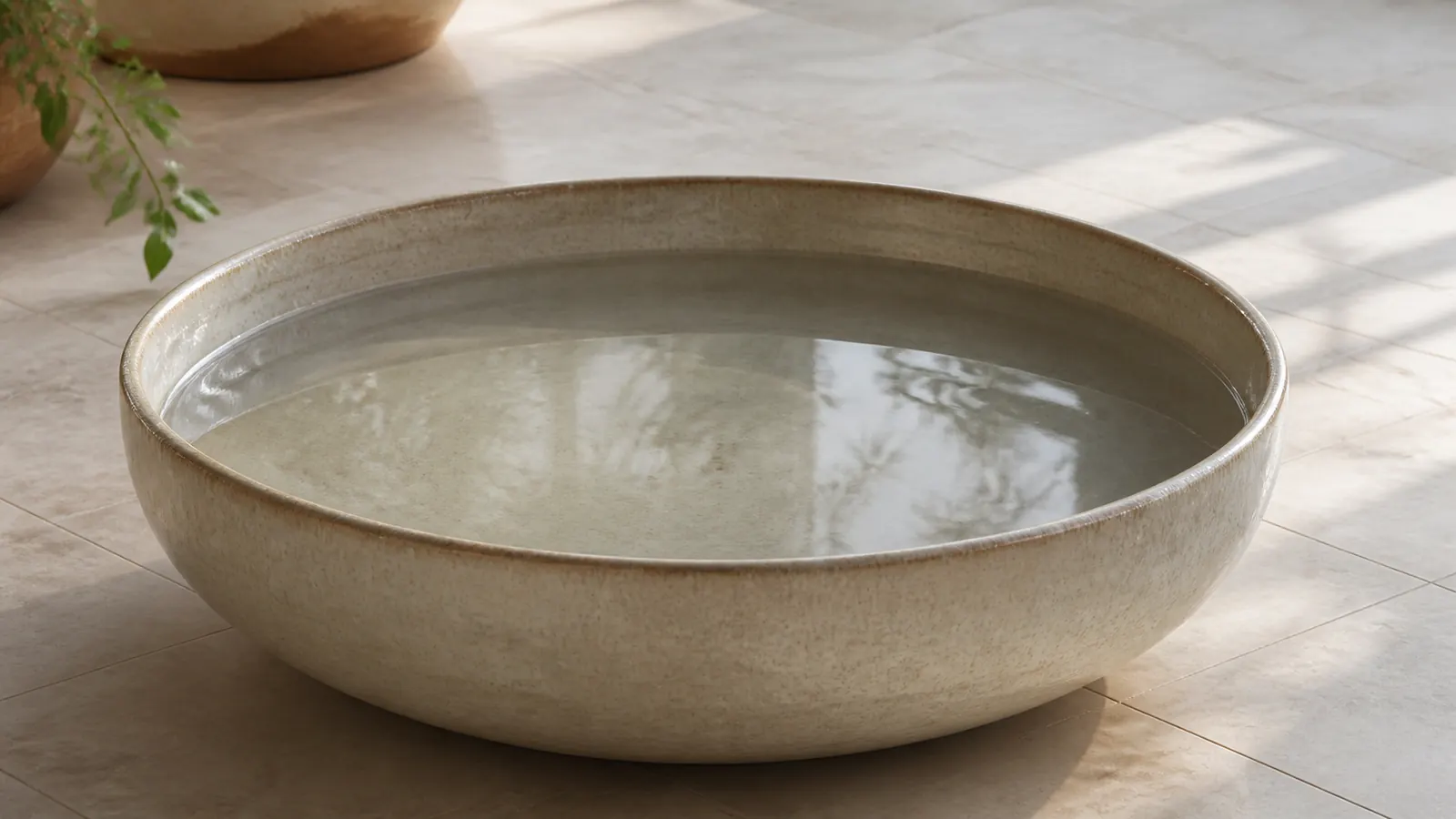
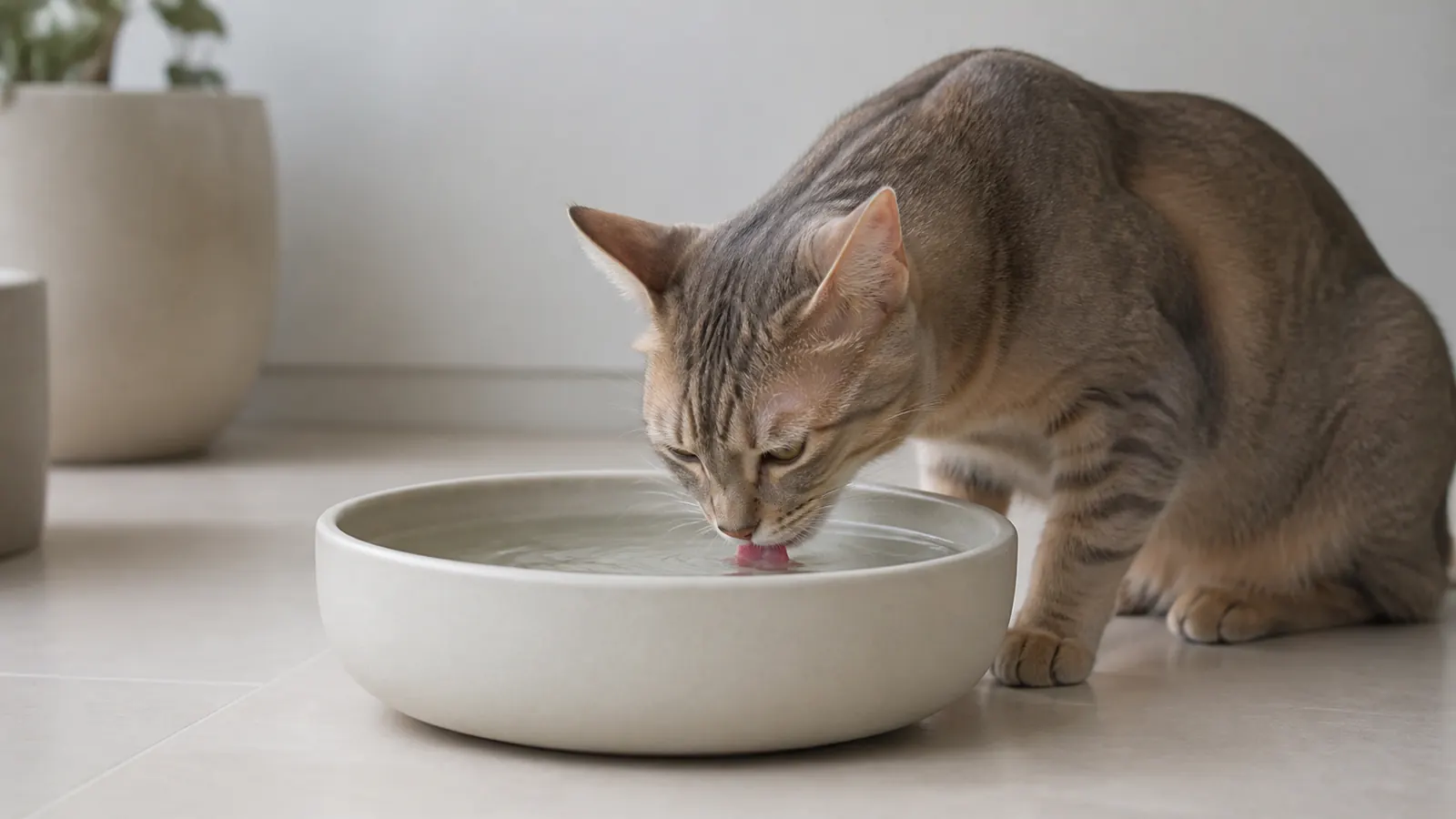
A sustained increase in your cat's drinking deserves a veterinary call, especially if the food and surroundings have not changed. Keep water freely available.
You can record intake while arranging the appointment, but do not delay the call to collect several days of measurements.
What a change in drinking means
A cat on wet food may drink little from a bowl because the food supplies water. Switching to dry food can increase visible drinking without disease.
Weather, access to water and medicines can also affect intake, so tell your vet what changed and when.
Cornell describes a rough total water need around 50 ml per kilogram of lean body weight daily, counting both food and drink. It is an orientation figure, not a threshold below which illness is excluded.
A marked change from your cat's usual pattern matters even when a home estimate appears within a published range.
When the call is urgent
For a cat that is otherwise bright, call your regular practice to arrange an assessment of persistent increased drinking. Weight loss, altered appetite, larger urine clumps or a poorer coat are useful accompanying observations.
A known medicine effect should still be discussed with the prescriber; do not stop a prescription yourself.
Common medical causes
Kidneys normally conserve water by concentrating urine. With chronic kidney disease, that ability can diminish, increasing urine volume and compensatory thirst.
Appetite and weight may change too, but early disease is not always obvious.
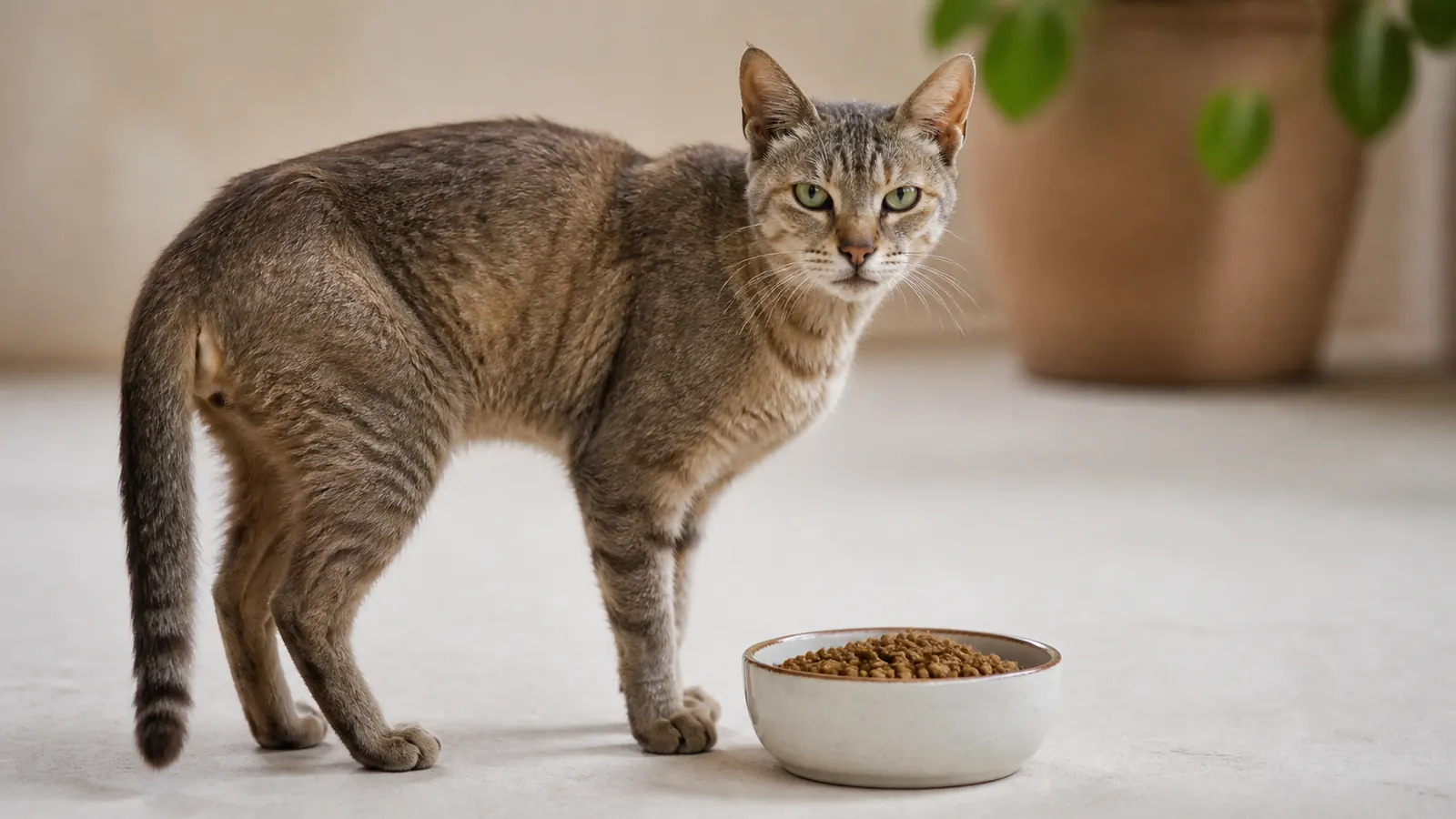
With diabetes, glucose entering the urine pulls water with it. A cat may eat eagerly while losing weight and drinking more.
Hyperthyroidism can also produce weight loss, increased appetite and thirst, often with restlessness. These patterns overlap and cannot establish a diagnosis at home.
| Observation | Why the vet needs to know |
|---|---|
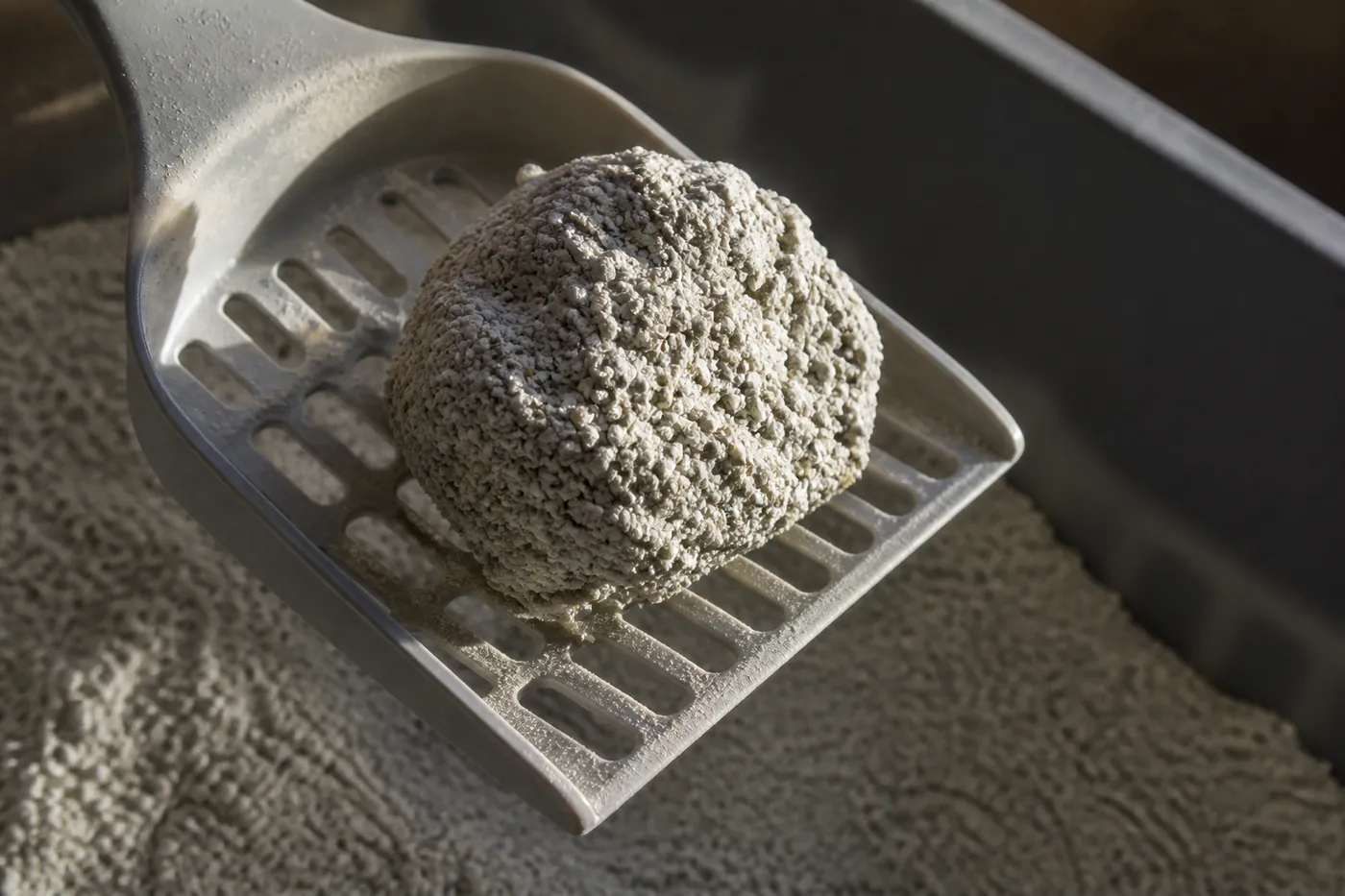
| More water and larger urine clumps | Helps assess whether urine volume has increased |
| Weight loss despite eating well | Can occur with diabetes or thyroid disease, among other causes |
| Poor appetite or vomiting | Changes urgency and broadens the possible causes |
| New medicine or diet | May explain part of the change and affects interpretation |
| Little urine despite repeated efforts | Possible obstruction; emergency assessment |
Other causes include acute kidney injury, raised blood calcium, liver disease and some infections. Sudden illness or possible toxin exposure changes the urgency.
A cat does not need to fit the typical age or body shape for a condition before being assessed.
How to record intake safely
Measure what you add to accessible bowls and what remains at a consistent time. Include refills, and note spills, evaporation, taps or outdoor sources that make the result incomplete.
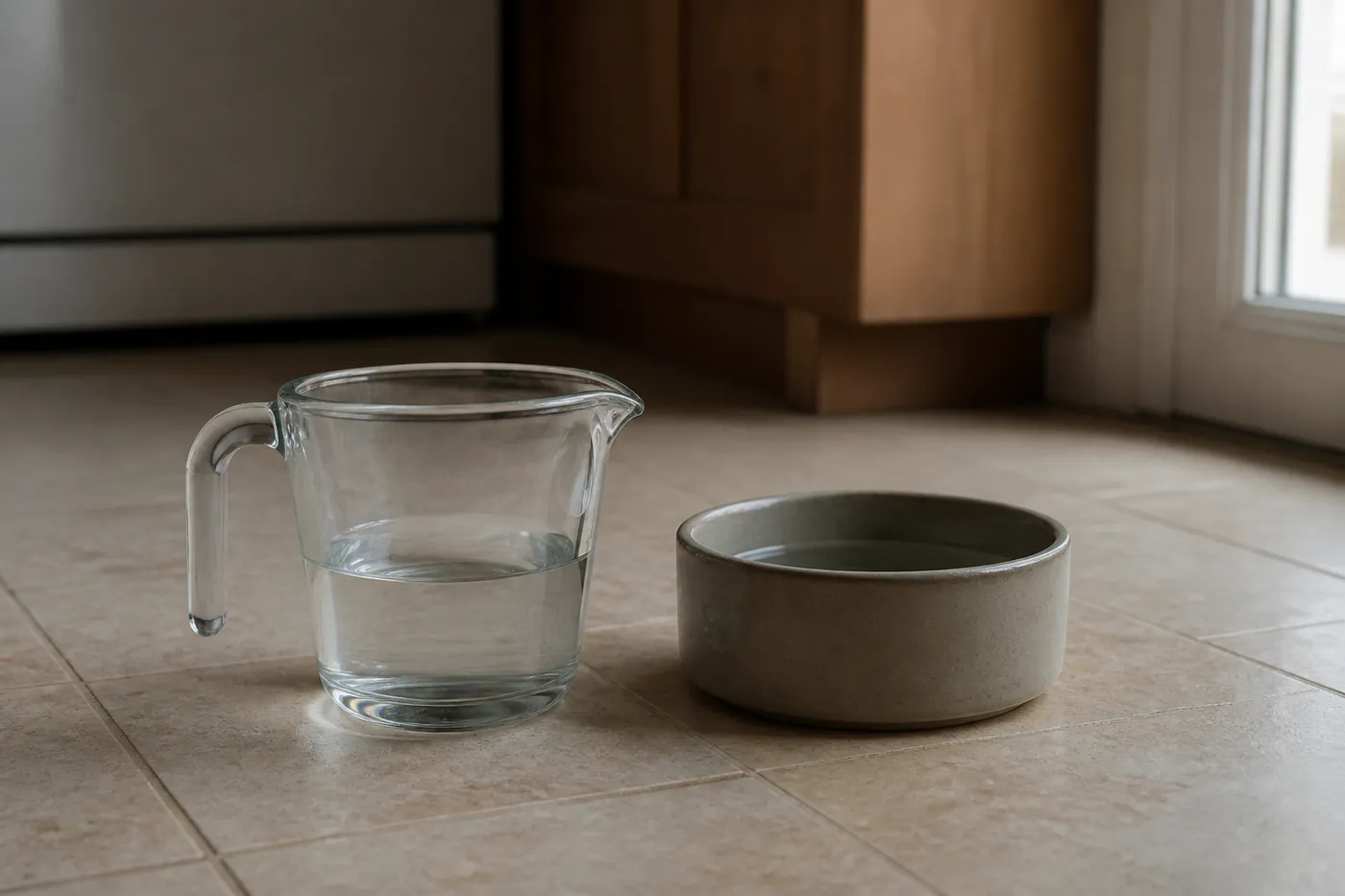
Never remove water or make a thirsty cat wait so the arithmetic is easier.
- Keep the usual water sources available and refill them whenever needed.
- Record amounts added and left, with the times and any spills.
- Note wet food, new medicines and your cat's current or last recorded weight.
- Record appetite, activity and changes in the litter tray alongside drinking.
- Tell the practice when several cats share water so it knows the estimate cannot identify one cat's intake.
In a multi-cat home, observation or a camera may be more useful than an inaccurate total. Do not impose stressful isolation simply to obtain a number.
The vet can proceed with the history and examination even when drinking cannot be measured precisely.
What the appointment can establish
The vet will take a history, examine the cat and often recommend blood and urine tests. Blood work can assess kidney values, glucose and thyroid hormone; urine concentration and other findings help interpret them.
A dilute sample is not specific to one disease, and normal initial results do not settle every cause.
Ask before collecting urine at home, because the required collection method depends on the tests. A culture may need a sample obtained at the practice.
Your vet may recommend further or repeat testing if the findings and the ongoing change do not agree.
Supporting hydration while the cause is treated
Provide clean accessible bowls and ensure another pet cannot block them. Some cats use fountains more readily, but preferences differ.
A suitable wet food or water added to accepted food can increase intake; keep a prescribed diet intact unless its vet approves a change.
Extra water supports hydration but does not treat the underlying disease. Treatment varies: kidney care, thyroid treatment and diabetes management are different plans, and the appropriate choice depends on the diagnosis.
Continue monitoring the trend and report deterioration rather than assuming a new fountain has solved unexplained thirst.
Common Questions
How much water should a cat drink?
A rough total is around 50 ml/kg daily across food and drink, but needs vary. Wet-fed cats may drink little from bowls; a sustained change from normal warrants a call even below a published threshold.
Should I measure drinking before calling?
You can record it while arranging the appointment, but do not delay or limit water. An approximate history is useful when an exact measurement is impossible.
Could dry food explain more drinking?
Yes, because it supplies less water than wet food. Report a persistent or marked increase, especially if other signs appear, rather than assuming the diet is the whole explanation.
Checked Against
Published 2 July 2026. Last updated .