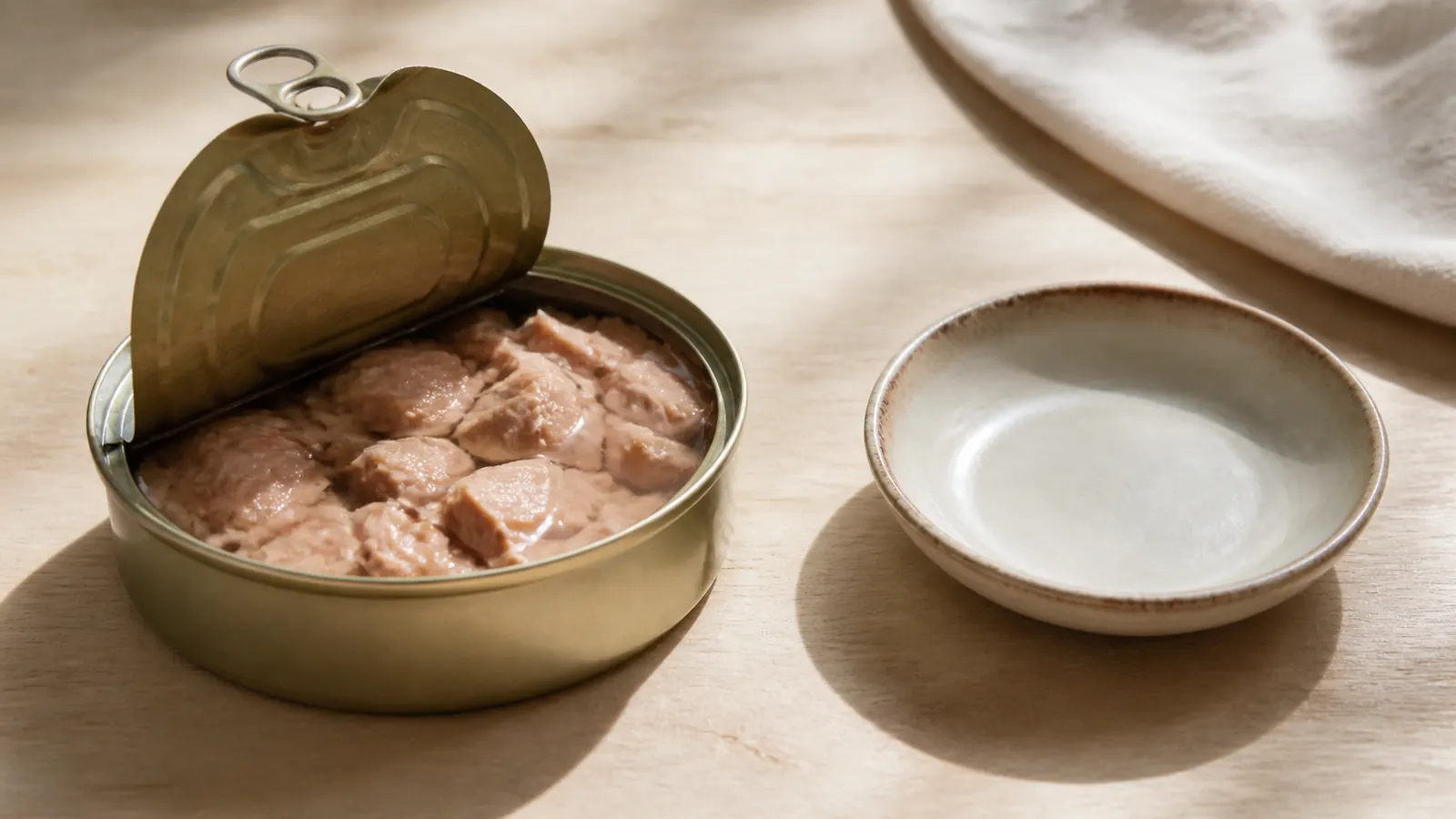
Can Cats Eat Cooked Chicken? Yes, If It Is Plain
Chicken is one of the few human foods where the answer is a straightforward yes, provided it is plain, cooked, and boneless.
Well tolerated by most healthy adult cats as an occasional food.
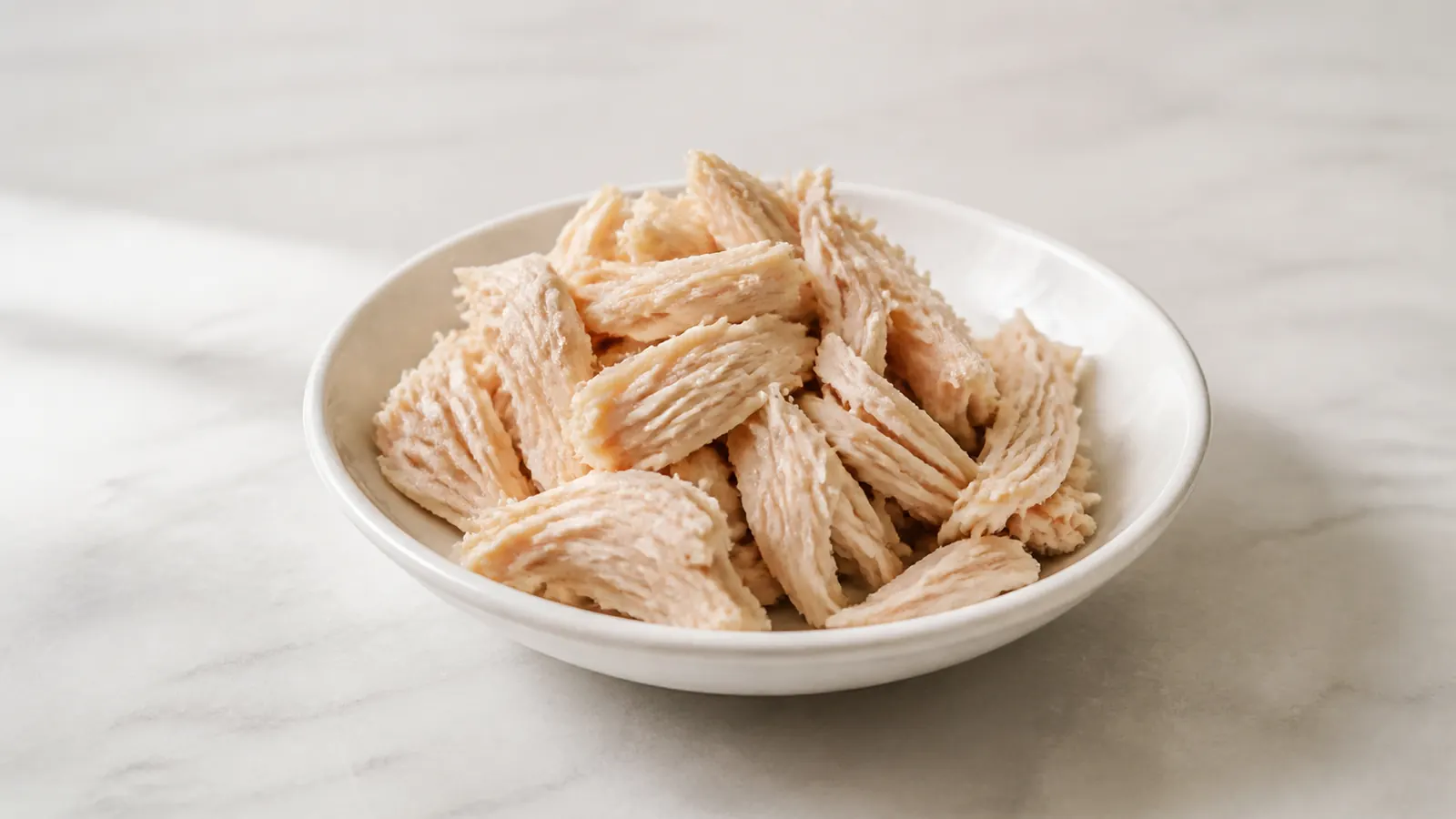
Cats are obligate carnivores, so plain cooked chicken sits comfortably within what they are built to eat.
The caveats are all about preparation rather than the meat itself.
Plain means genuinely plain
The chicken most households cook is seasoned, and seasoning is where the risk lives.
Onion and garlic are toxic to cats, and both appear in stock, gravy, marinades, rubs, and most roast preparations.
Salt, butter, and oil add load a cat does not need.
Cook a portion separately, or take an unseasoned piece before anything is added.
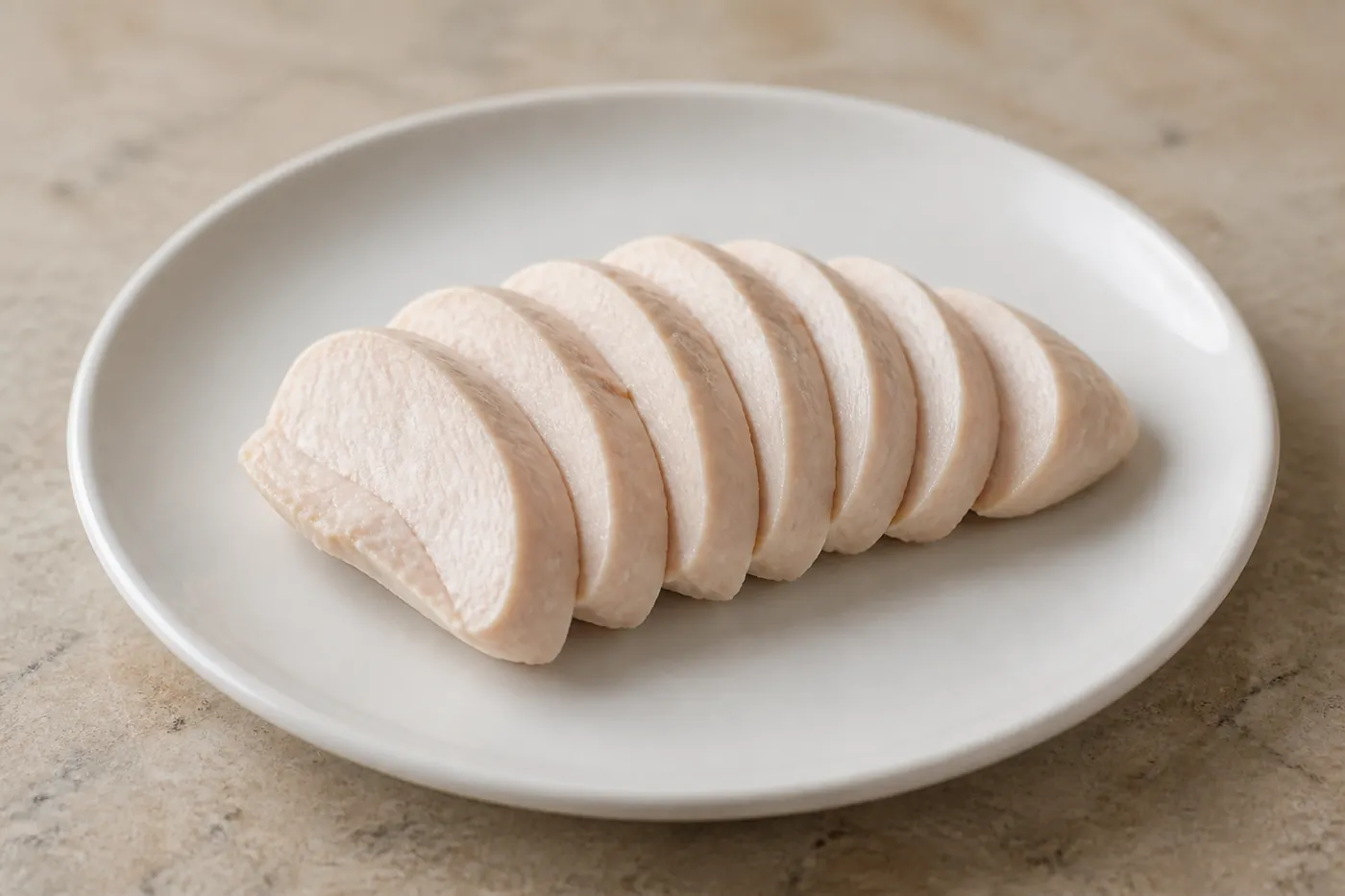
Onion and garlic matter more than their reputation suggests, because they damage red blood cells rather than simply upsetting the stomach. Powdered forms are the most concentrated, which is why a spoonful of gravy is a worse idea than it looks.
Rotisserie chicken and takeaway chicken
Check the ingredients before sharing any prepared chicken. Brine, rubs, sauces and stuffing may contain onion or garlic, and removing the skin does not reliably remove seasoning that has reached the meat.
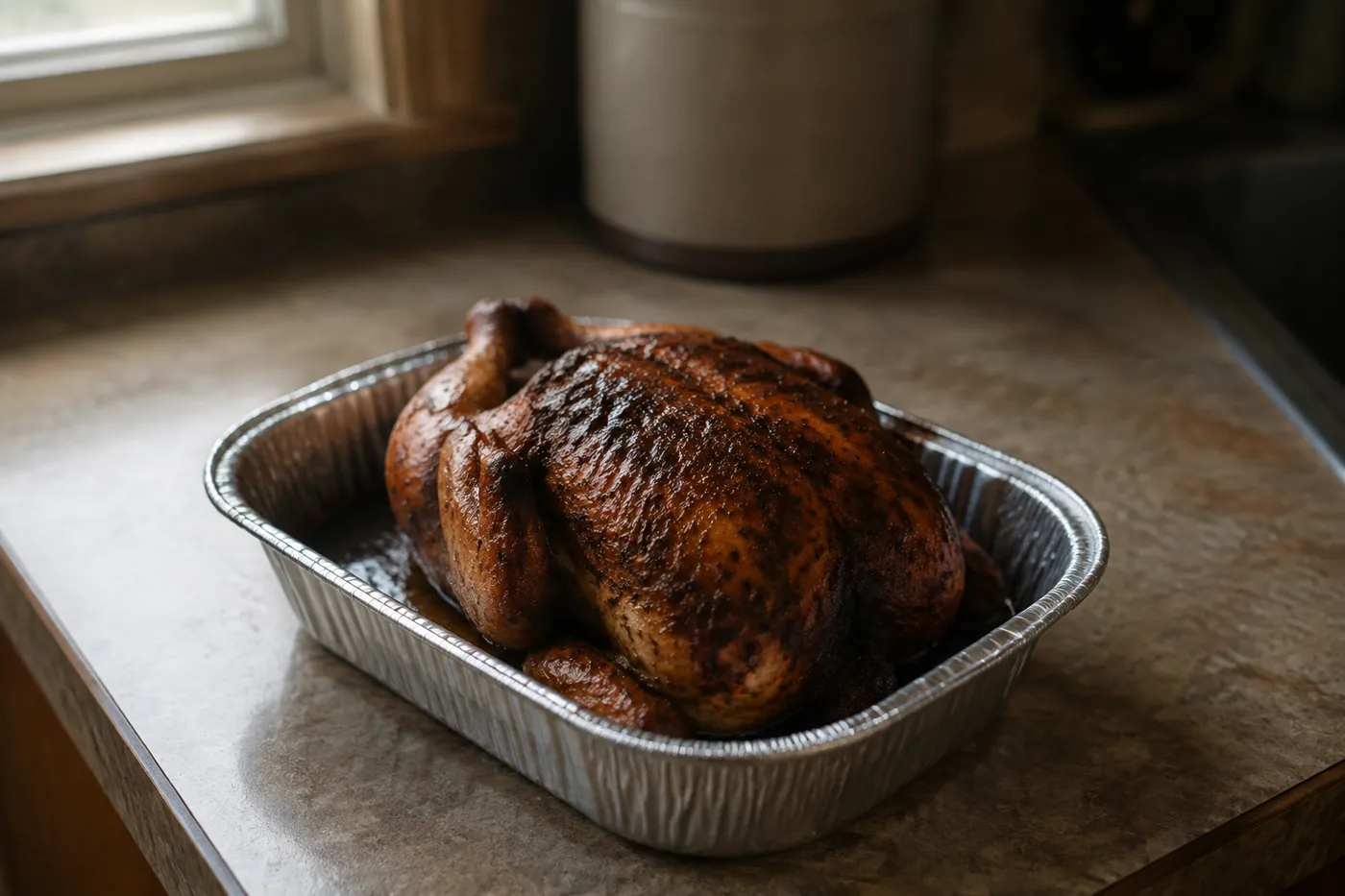
Choose a separately cooked, unseasoned portion instead. Fried coatings and skin add calories without helping balance the cat's diet.
If the cat has eaten chicken containing onion or garlic, call the vet with the ingredients and estimated amount rather than waiting for symptoms.
Cooked, not raw
Cook it through. Raw poultry carries salmonella and campylobacter, both of which can make a cat ill and can pass to the people in the house.
Boiling, poaching, or baking without fat all work. Let it cool to room temperature.
Use a food thermometer: poultry should reach 74°C (165°F) at its thickest part. Colour alone is not a reliable safety check.
Follow safe cooking instructions for the method you use.
Refrigerate cooked chicken promptly and use it within two days as a conservative household limit. Discard food left out for more than two hours, or one hour in temperatures above 32°C (90°F).
Serve a small portion so leftovers do not sit in the bowl.
No bones
Remove all bones before offering chicken. Both cooked and raw bones can damage teeth, lodge in the digestive tract or cause other injuries.
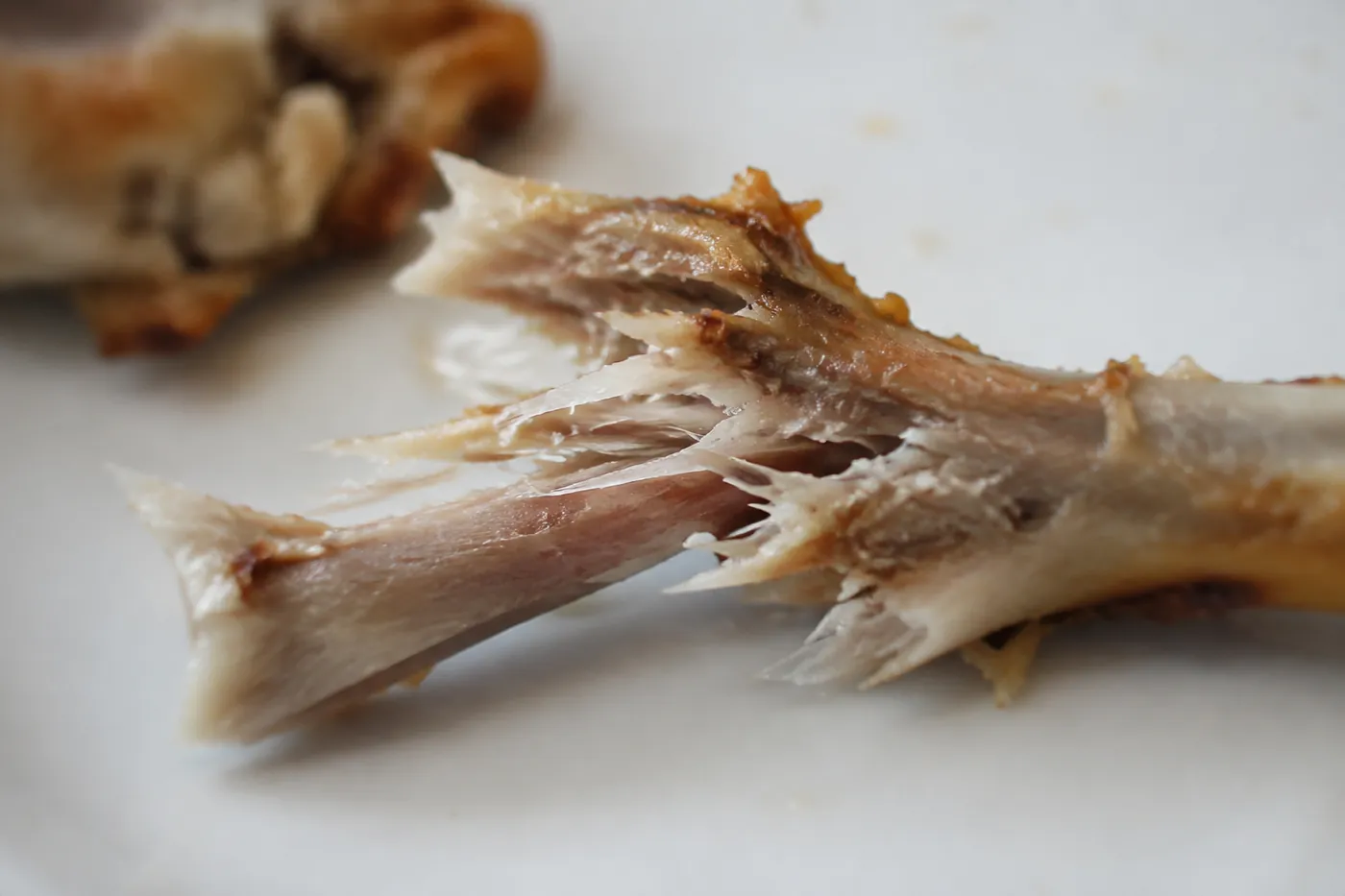
Raw bones are not a safe alternative to cooked ones.
Check shredded meat carefully for small fragments. If your cat swallows a bone, contact a vet for advice and do not try to make it vomit.
Choking, repeated retching, pain or collapse needs urgent care.
Why chicken alone is not a diet
Chicken is muscle meat, and a cat needs several things that muscle meat is short of.
Taurine is the clearest example, because cats cannot make enough of their own and a shortage damages the heart and the retina.
The richest sources are organ and dark meat rather than breast, and boiling leaches some of what is there into the water.
Calcium is the other obvious gap, because a cat eating whole prey would get it from bone and a cat eating breast fillet gets almost none.
A complete food is intended to meet the cat's needs for its stated life stage. Check the nutritional adequacy statement; a feeding trial and formulation against nutrient profiles are different routes to that claim.
Hearts, liver, and the rest of the bird
Cooked heart and gizzard are still treats and count within the same allowance as other extras. Their nutrients do not make a homemade assortment nutritionally complete.
Liver is especially rich in vitamin A. Repeatedly feeding large amounts can create harmful excesses, so do not use it as a routine supplement.
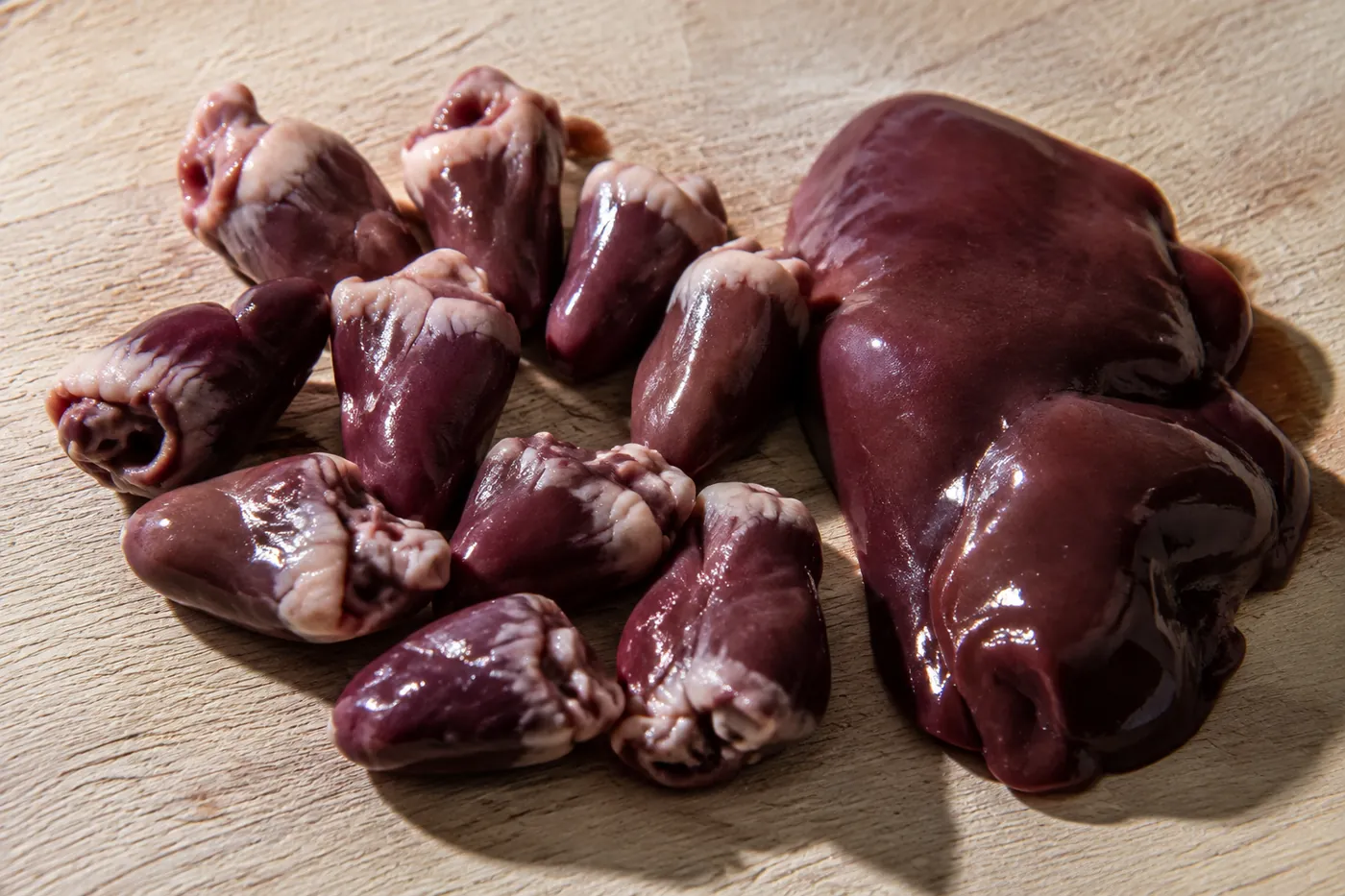
A home-prepared diet needs a properly formulated recipe rather than added organs by guesswork.
Chicken broth, stock, and the liquid it cooked in
The water plain chicken was poached in is genuinely useful. It carries flavour and a little of the leached nutrient, and a spoonful over food tempts a cat that is off its meals.
Shop bought stock and stock cubes are a different product entirely. Nearly all of them contain onion, garlic, and a large amount of salt, and the cube form concentrates all three.
Anything labelled bone broth for pets should still be read rather than trusted, because the pet aisle is not free of onion powder.
Freeze the plain poaching liquid in an ice cube tray if you want it on hand. One cube thawed over food is a useful trick for a cat recovering from illness.
How much
Chicken is a treat, not a meal, and treats of any kind are usually kept to around a tenth of the day's calories.
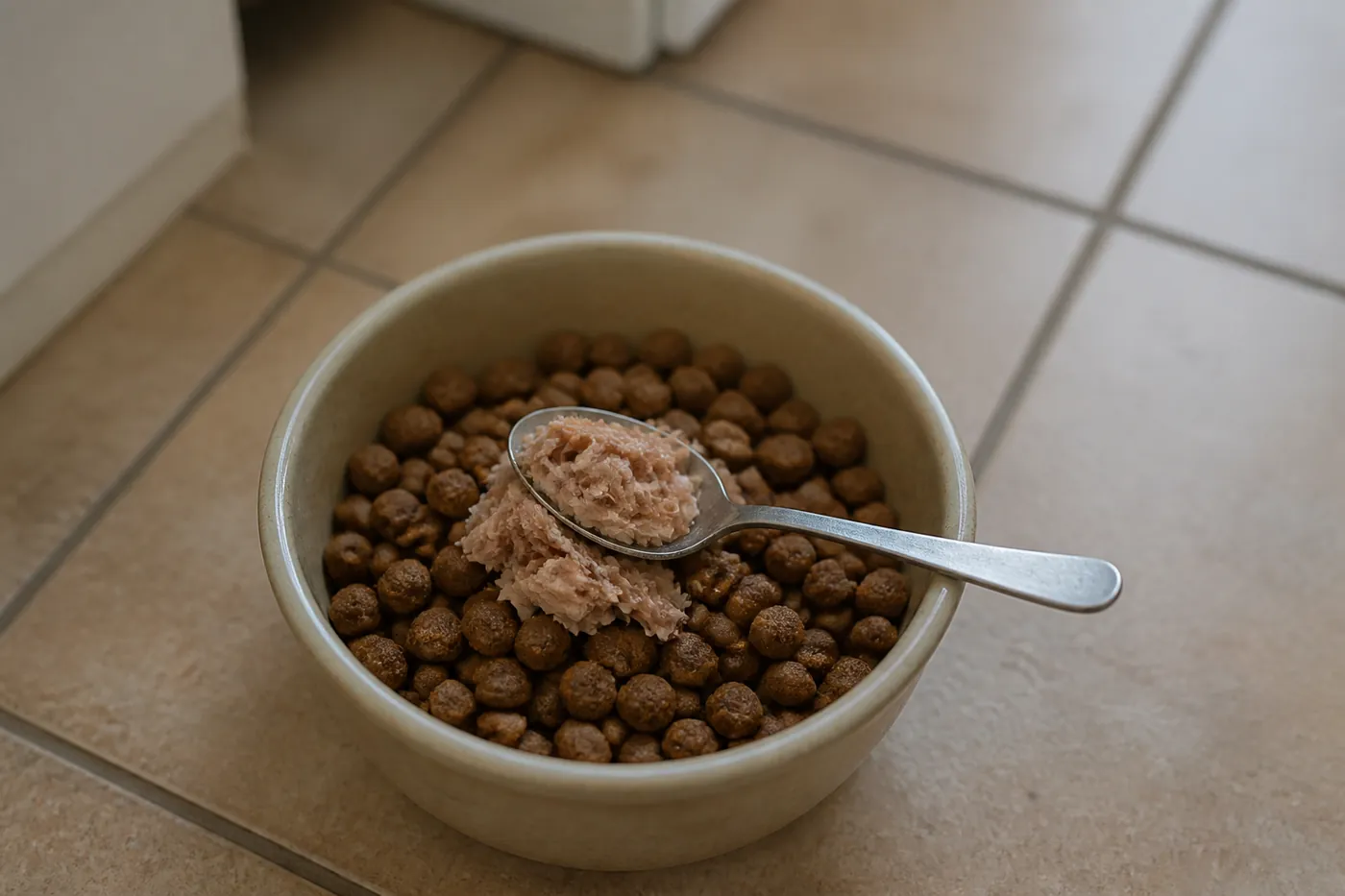
The amount depends on the cat's calorie needs and every other extra that day. Offer a small shredded piece within the daily ration rather than treating a tablespoon as a universal allowance.
Introduce it in a small amount the first time. Chicken is one of the more common ingredients cats develop a food sensitivity to, and a cat that becomes itchy or loose after it is telling you something worth noting.
Can a cat eat chicken every day?
A healthy cat may tolerate a small daily piece within its treat allowance. Frequency alone does not make chicken unbalanced; the problem is how much complete food the extras displace.
Count chicken used for training or tablets as well as toppings. If the cat starts leaving its normal food for chicken, reassess the total and feeding routine.
Do not claim that a twice-weekly schedule prevents allergy: suspected allergy needs a veterinary diet trial.
What a chicken sensitivity looks like
Food sensitivity in cats is mostly a skin problem rather than a stomach one, which is why it is so often missed.
Chicken is one of the commoner proteins involved, which is worth knowing before reaching for a grain-free food: the grain is rarely what the cat is reacting to.
The usual signs are itching around the head, neck, and ears, over-grooming to the point of bald patches, and small scabs along the back. Some cats also get chronic soft stools or intermittent vomiting.
Timing varies, and signs alone do not identify the ingredient. A cat can develop sensitivity to food it previously ate without obvious problems.
Diagnosis uses a veterinary-supervised elimination diet, usually with a hydrolysed or appropriately novel protein, followed by a controlled challenge. The vet sets its duration and interprets the response.
Blood and saliva tests marketed for food allergy in pets have not performed well against that standard.
- Where it shows
- Skin rather than stomach, which is why it is missed
- The usual signs
- Itching around the head, neck and ears, over-grooming to bald patches, scabs along the back
- Timing
- Variable; previous tolerance does not exclude a later reaction
- How it is confirmed
- A supervised elimination diet and controlled food challenge
- Why brand swapping fails
- Most supermarket foods share the same handful of proteins
Treating this on your own by swapping brands rarely works, because most supermarket foods share the same handful of proteins.
Can kittens eat chicken?
Kittens can eat plain cooked chicken from around the point they are eating solid food properly, which is usually somewhere past six weeks.
The caution is proportion rather than safety. A kitten eats a small number of calories and needs every one of them working towards growth, so an incomplete food crowds out a complete one far faster in a kitten than in an adult.
Chop it small. Kittens bolt food, and a strip of chicken is a choking risk in a way that a few fingernail sized pieces are not.
Serve any permitted treat separately in a small portion so you can account for it, rather than letting the kitten take seasoned food from a plate.
Cooking it, and keeping it
The method matters less than what is left out of it. Nothing in the pan, nothing on the meat, and nothing in the water.
- Use a plain skinless breast or thigh, with no marinade or brine.
- Poach or bake it through, with no oil, butter, salt, or seasoning.
- Check the thickest part reaches 74°C (165°F) with a food thermometer.
- Cool it to room temperature before it goes anywhere near the bowl.
- Strip out every bone and pull the meat into small shreds.
- Refrigerate what is left for up to two days, or freeze it in portions.
Freezing in single treat portions is the practical trick. A tablespoon frozen flat thaws in minutes and stops a large batch becoming a daily habit by default.
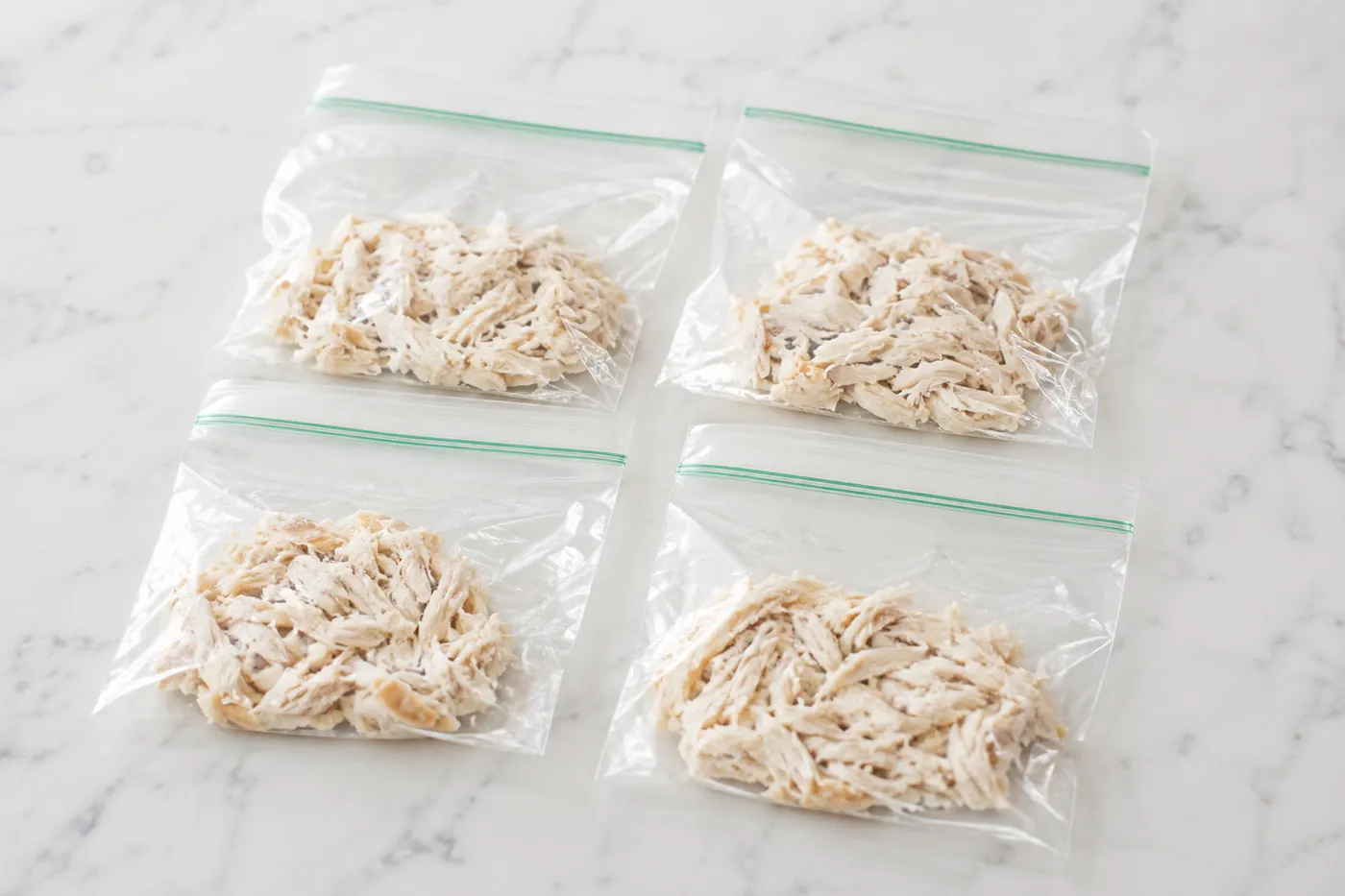
Anything that has sat out in a warm room for more than a couple of hours goes in the bin. Cats are not more resistant to spoiled meat than people are.
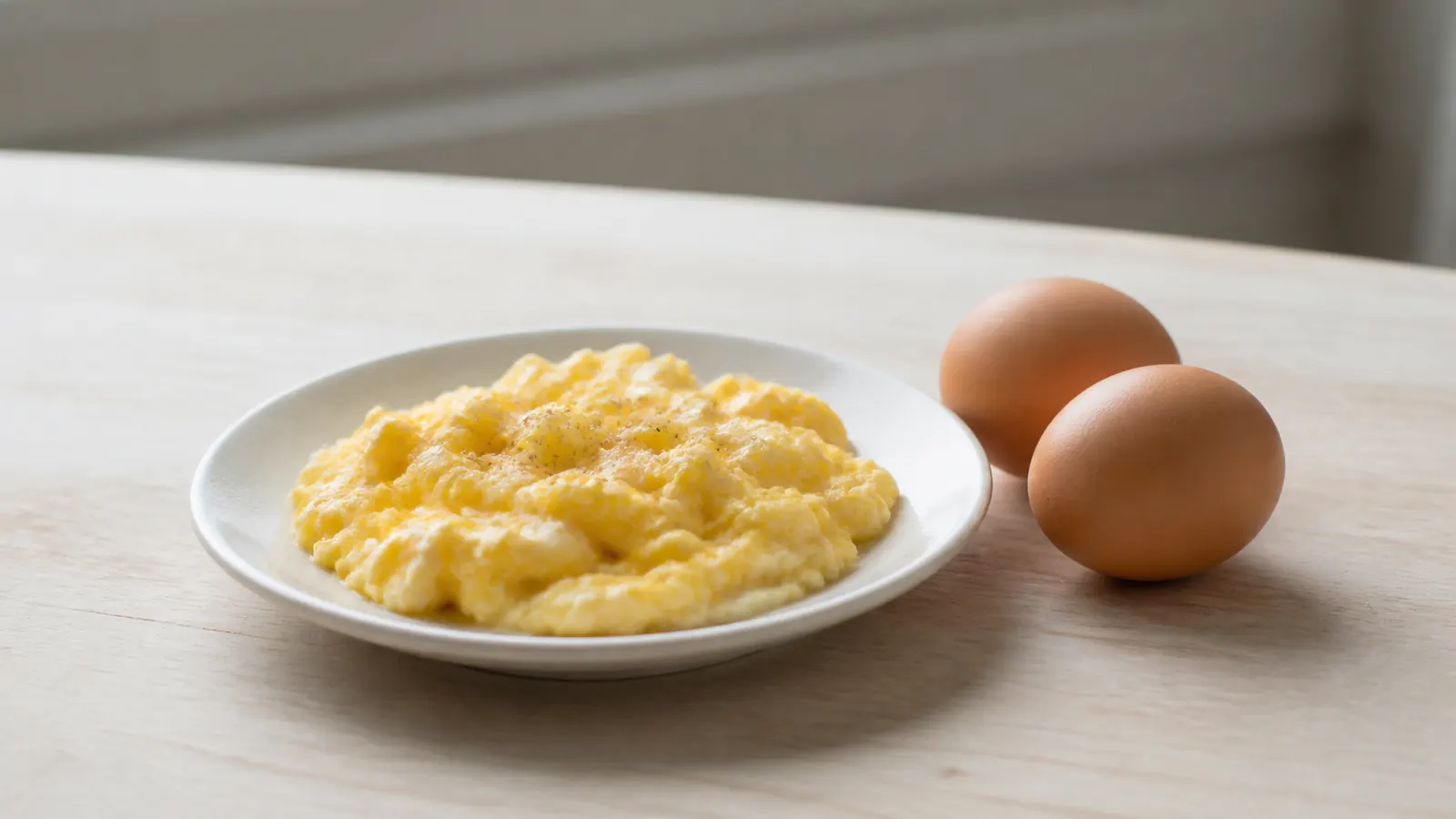
Plain cooked egg sits in the same category, as an excellent protein on an incomplete profile.
Turkey, duck, and other plain cooked poultry follow exactly the same rules, and turkey carries the same festive risk of arriving covered in stock and stuffing. Duck is fattier, so the portion wants to be smaller.
Common Questions
Can cats eat chicken every day?
As a small topping alongside a complete diet, daily chicken is unlikely to harm a healthy cat. As a replacement for complete food it causes nutritional imbalance, because plain muscle meat is missing several things cats need.
Is rotisserie chicken safe for cats?
Usually not. Rotisserie birds are seasoned, and the rubs commonly contain onion and garlic powder, both of which are toxic to cats.
Can kittens eat cooked chicken?
A small amount is not harmful, but kittens need their calories to come from a complete kitten food. Treats displace food they genuinely need for growth.
Checked Against
Published 12 August 2026. Last updated .