Why Does My Cat Bunt My Face and Headbutt Me?
Brief relaxed head bumps are usually part of greeting and scent communication. The interaction goes best when your cat leads it, and persistent rubbing or unusual head pressing is a reason to look for a medical cause.
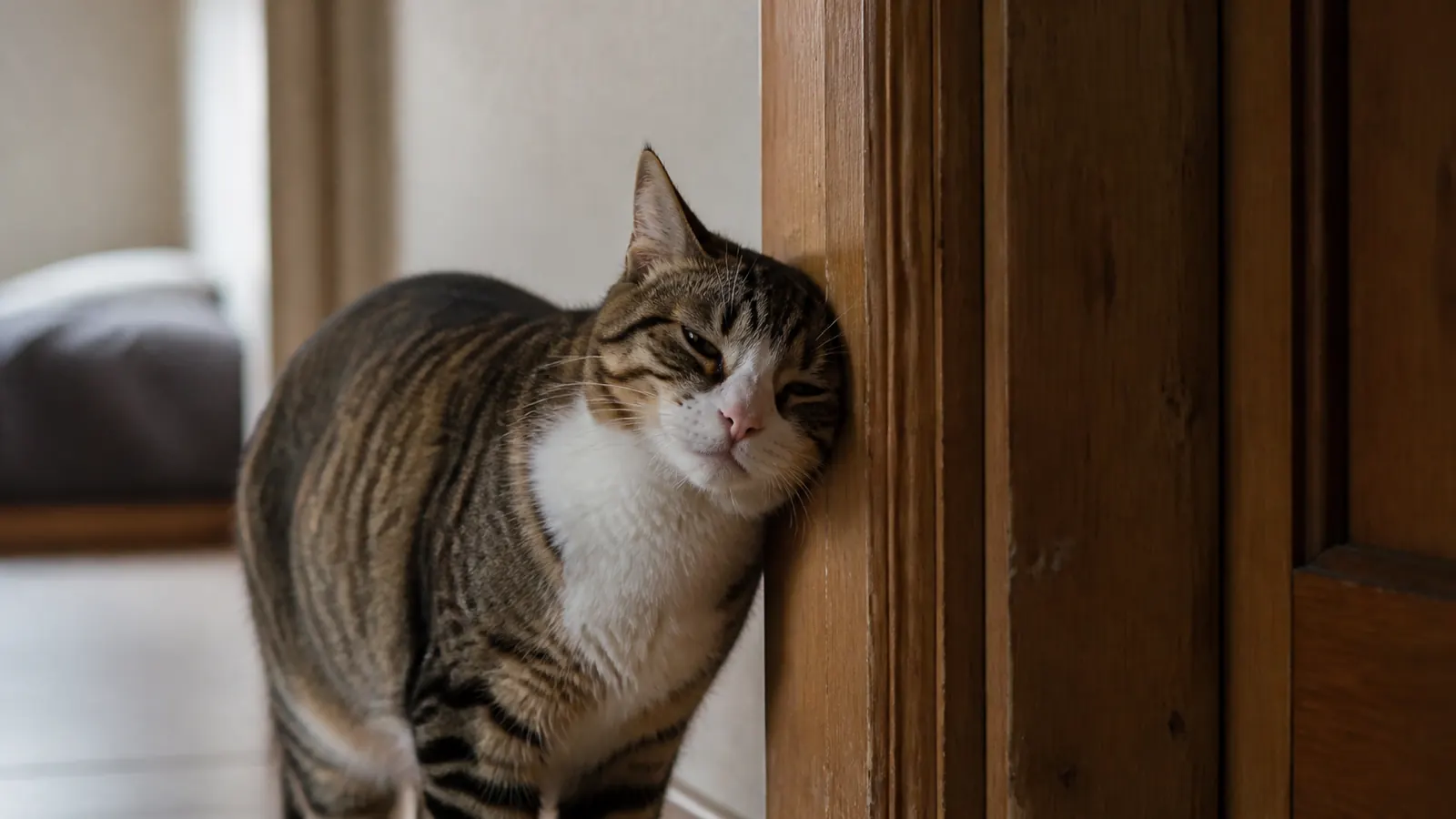
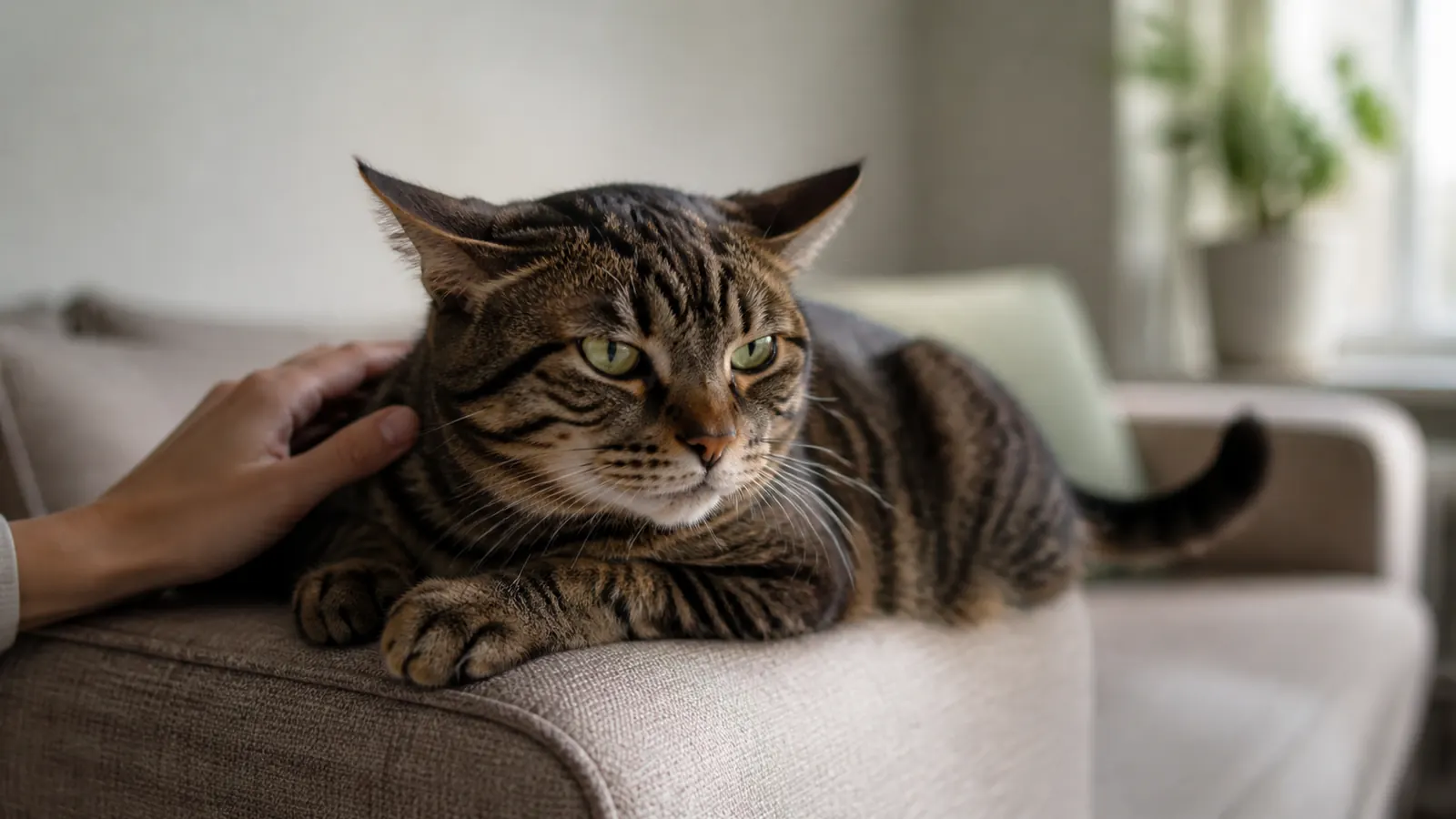
A brief forehead bump or cheek rub during a relaxed greeting is usually normal social and scent-related behaviour, and the greeting stays relaxed when the cat decides how much contact follows. A bump can be a friendly approach without being an invitation to pick the cat up or continue stroking indefinitely.
What the rubbing does
Cats have scent glands around the face and use rubbing as part of communication. A cat may bump your hand, then brush its cheek or flank past you, or rub furniture along a familiar route. Contact with a familiar person may also be rewarding in itself.
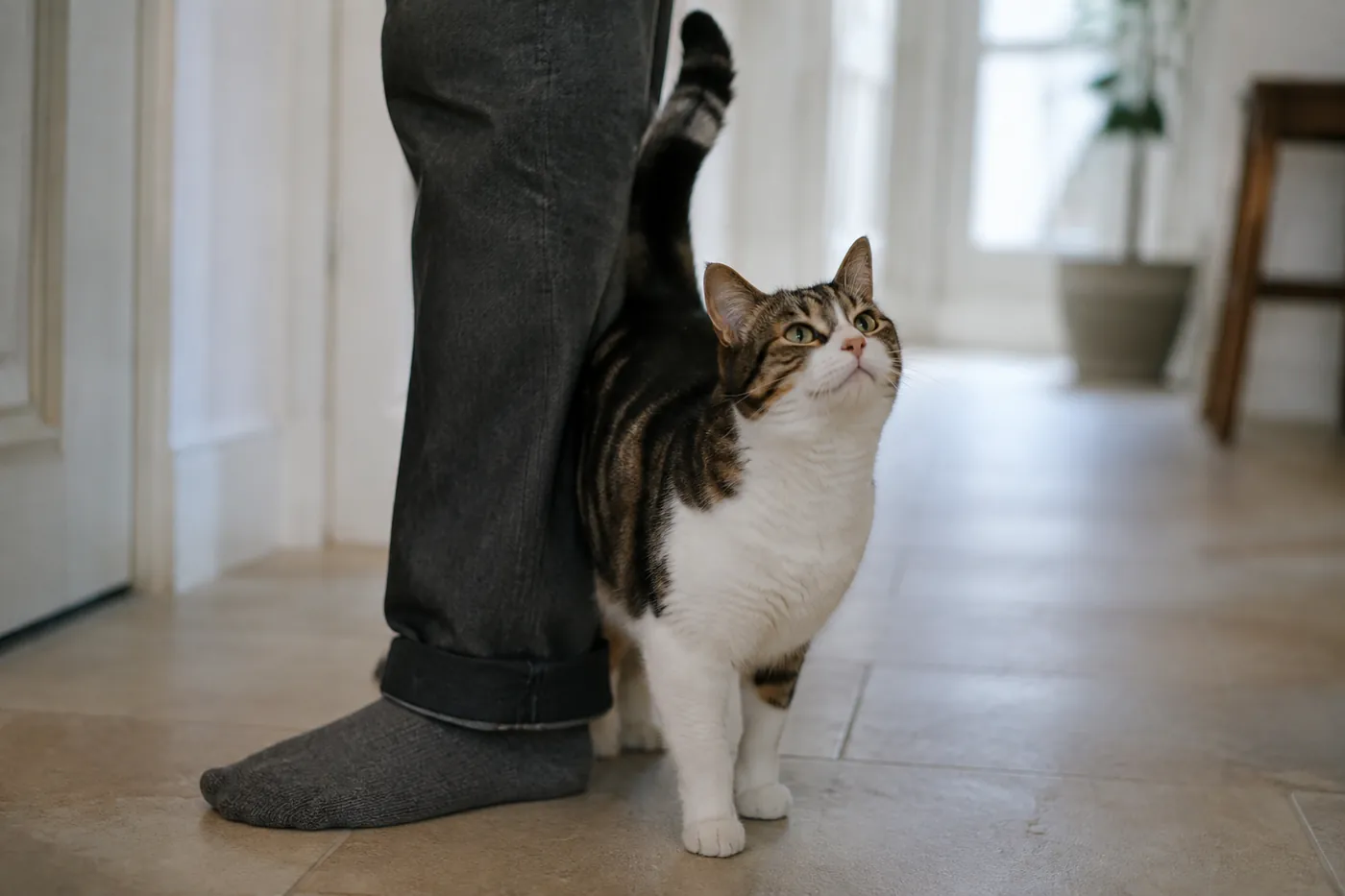
A rub does not translate into one precise sentence, and it does not prove that your cat regards you as property. Scent communication, familiarity and social contact can overlap.
Likewise, the number of bumps is not a useful score of affection: some comfortable cats prefer resting nearby to physical contact.
How should you respond to a head bump?
Offer a still hand at a comfortable distance and allow the cat to approach. If it rubs you and stays relaxed, try brief contact around an area it normally enjoys, then pause. Continuing to approach is more useful feedback than assuming the first bump gave permission for a long session.
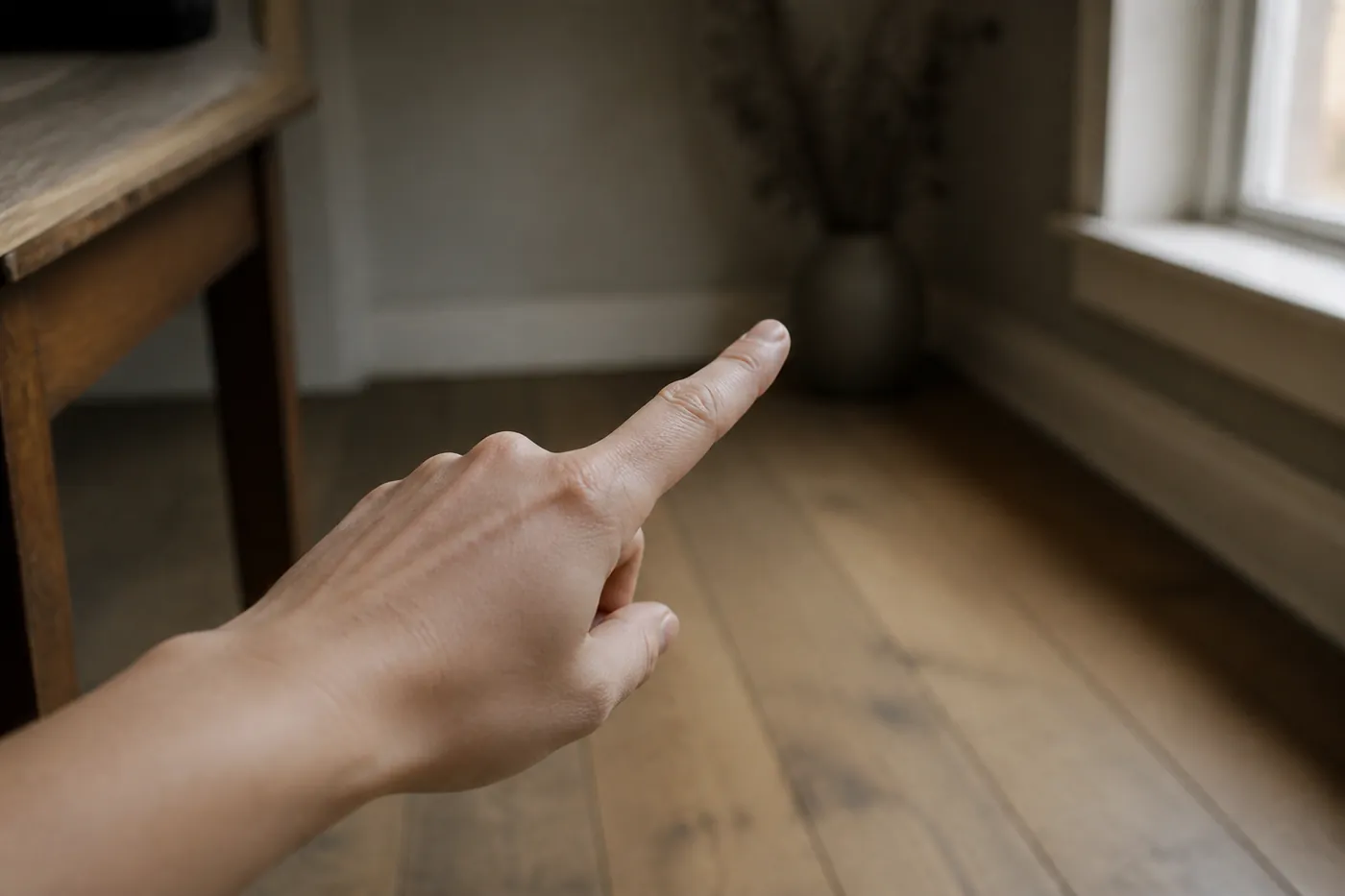
Do not put your face close to an unfamiliar or highly aroused cat. Avoid leaning over, grabbing or following a cat that has moved away.
A greeting that turns into tail lashing, tension or biting follows the pattern of petting-related aggression, and shorter contact is the first adjustment.
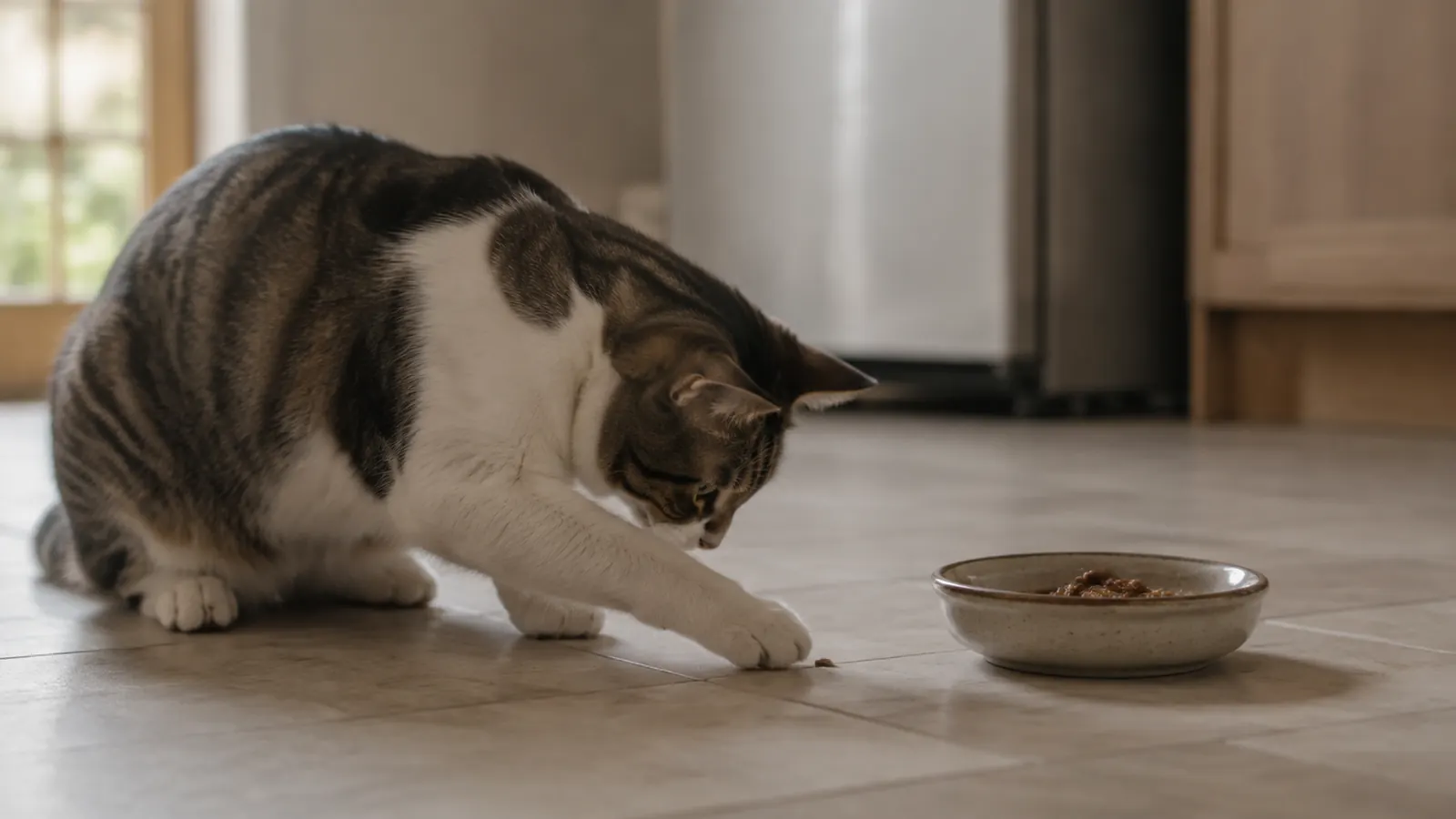
The same caution applies when a cat rubs against your legs near food. It may be greeting you, anticipating a meal, or both, and food handed out after every rub adds to the day's ration.
Rubbing objects and other cats
Door frames and furniture are convenient surfaces to revisit. Normal rubbing alone does not require removing the cat's scent or treating the furniture with deterrents. Ordinary cleaning with a product suited to the surface is enough, and concentrated scented cleaners are best kept away from the cat.
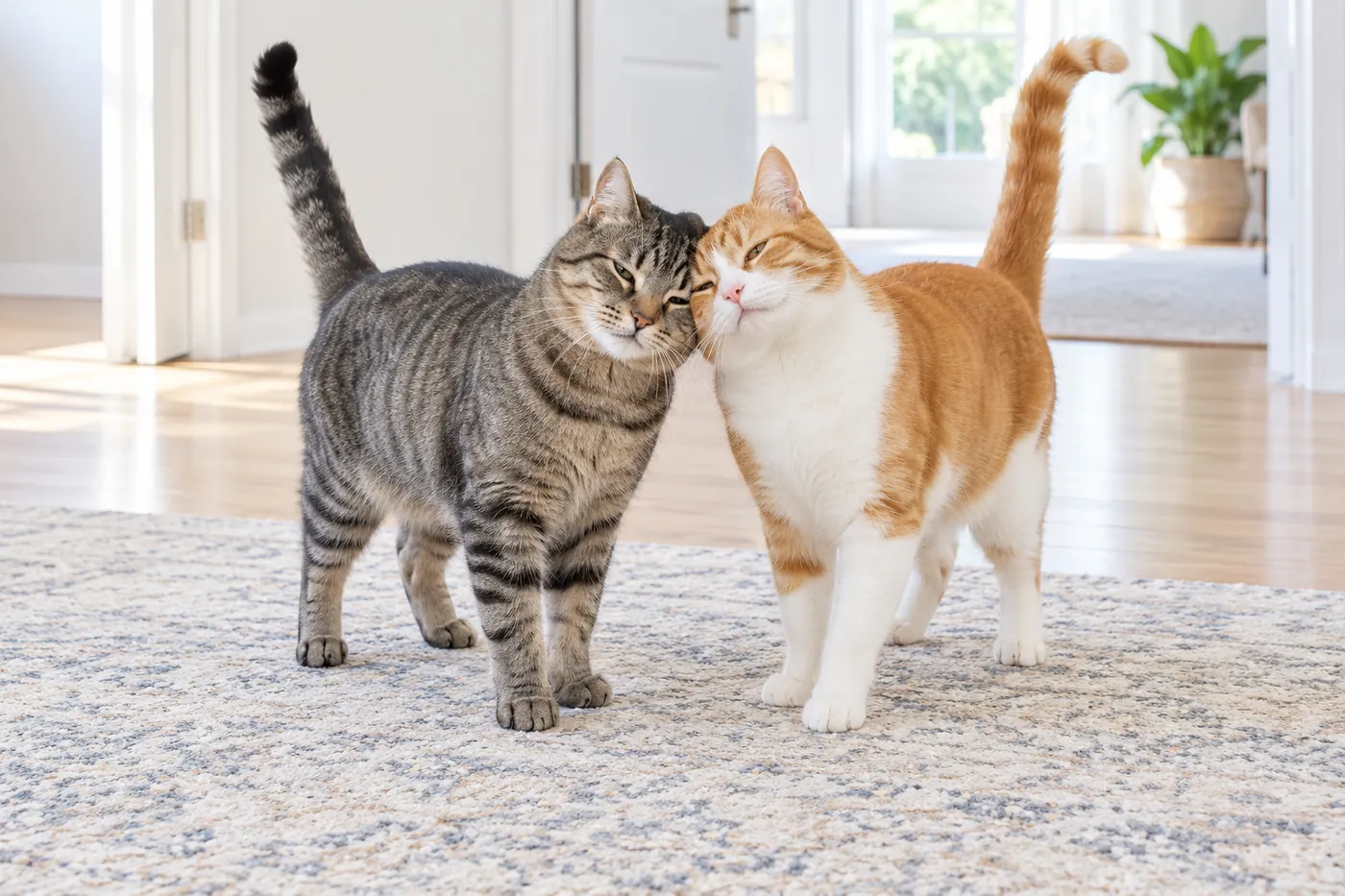
Two cats may rub one another during friendly contact, but that behaviour does not establish a permanent hierarchy or guarantee peace around food and litter trays. The better sign of a settled pair is that both can leave freely and use resources without being followed or blocked.
If tension begins after one cat returns from a veterinary visit, unfamiliar smells can be part of the change. Keep the returning cat comfortable and separate if either cat is distressed, then use a gradual reintroduction plan. Taking an otherwise healthy housemate along to every appointment does not reliably prevent that kind of conflict.
Persistent rubbing can need an examination
A familiar brief greeting is different from repeated rubbing accompanied by scratching, hair loss, a sore area, eye discharge, head shaking or difficulty eating. These combinations can indicate discomfort, although they do not identify a single disease.
A new persistent pattern or visible irritation is a reason for a veterinary examination. Do not put skin, ear or eye medication on the area without advice.
A video of the behaviour and notes on when it started can be more helpful than trying to provoke it during the appointment.
When head contact is urgent
Sustained, unusual pressing of the head against a wall while awake, especially with disorientation, circling, poor balance or seizures, is not a normal greeting. Call a veterinarian urgently.
These are signs that need clinical assessment; appearance alone cannot identify the cause.
Do not wait for a video comparison to decide whether a clearly unwell cat needs help. Keep it away from stairs and other hazards and arrange safe transport.
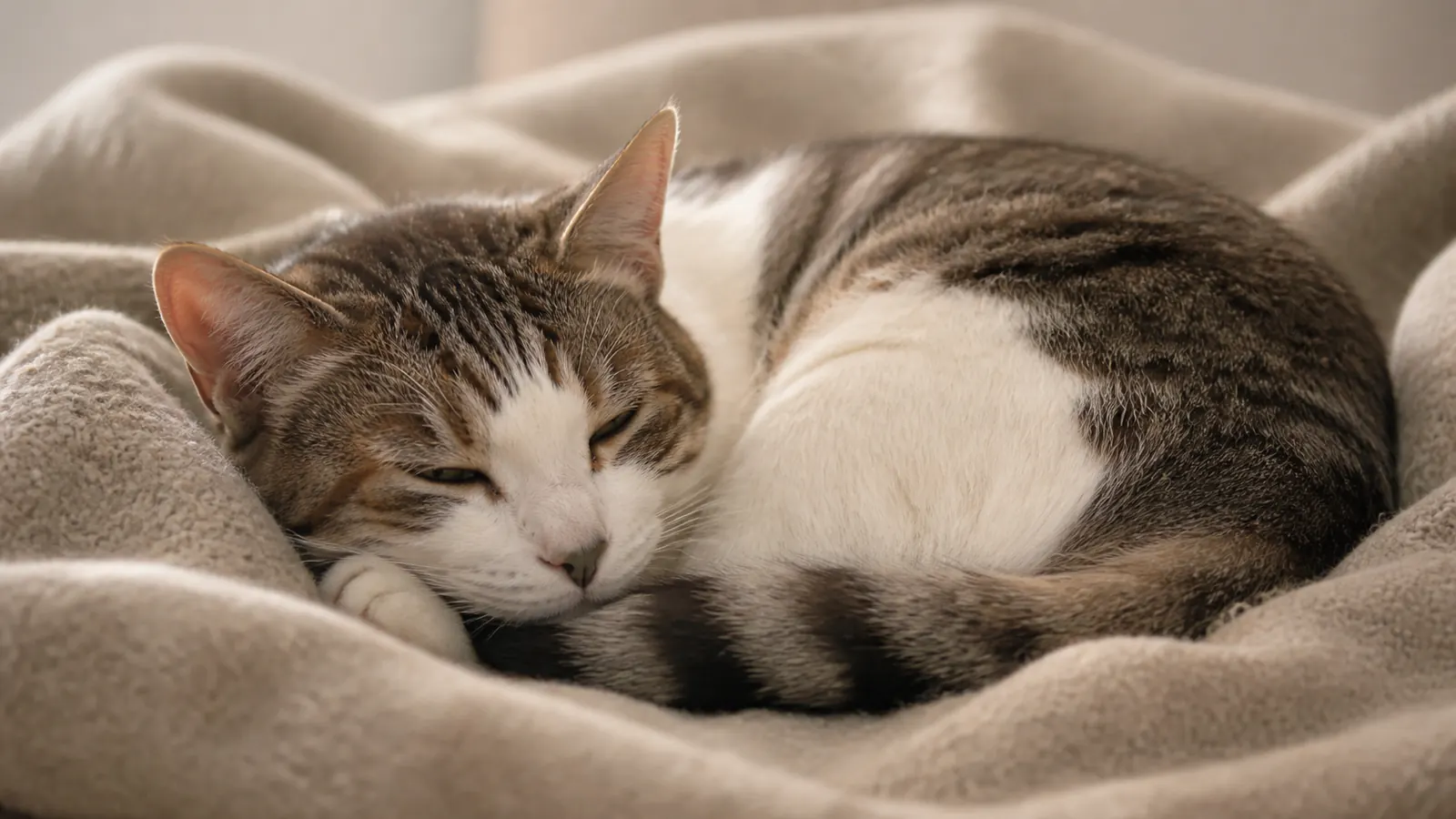
Conversely, a comfortable sleeping posture with the face tucked against bedding is not, by itself, proof of neurological disease.
Common Questions
Does bunting mean my cat likes me?
A relaxed greeting can be friendly, but one behaviour is not a precise measure of affection. Some comfortable cats prefer less physical contact.
Should I stroke my cat after a head bump?
You can offer brief contact if the cat stays relaxed, then pause and let it decide whether to continue.
How is bunting different from head pressing?
Bunting is usually brief contact during an otherwise normal interaction. Sustained unusual pressing while awake, particularly with disorientation or poor balance, needs urgent veterinary advice.
Checked Against
Published 2 September 2026. Last updated .