What Are the Signs a Cat Is Ageing, and What Is Not Age?
Cats age gradually, so the changes are easy to absorb without noticing. Several of the things owners write off as old age are treatable conditions.
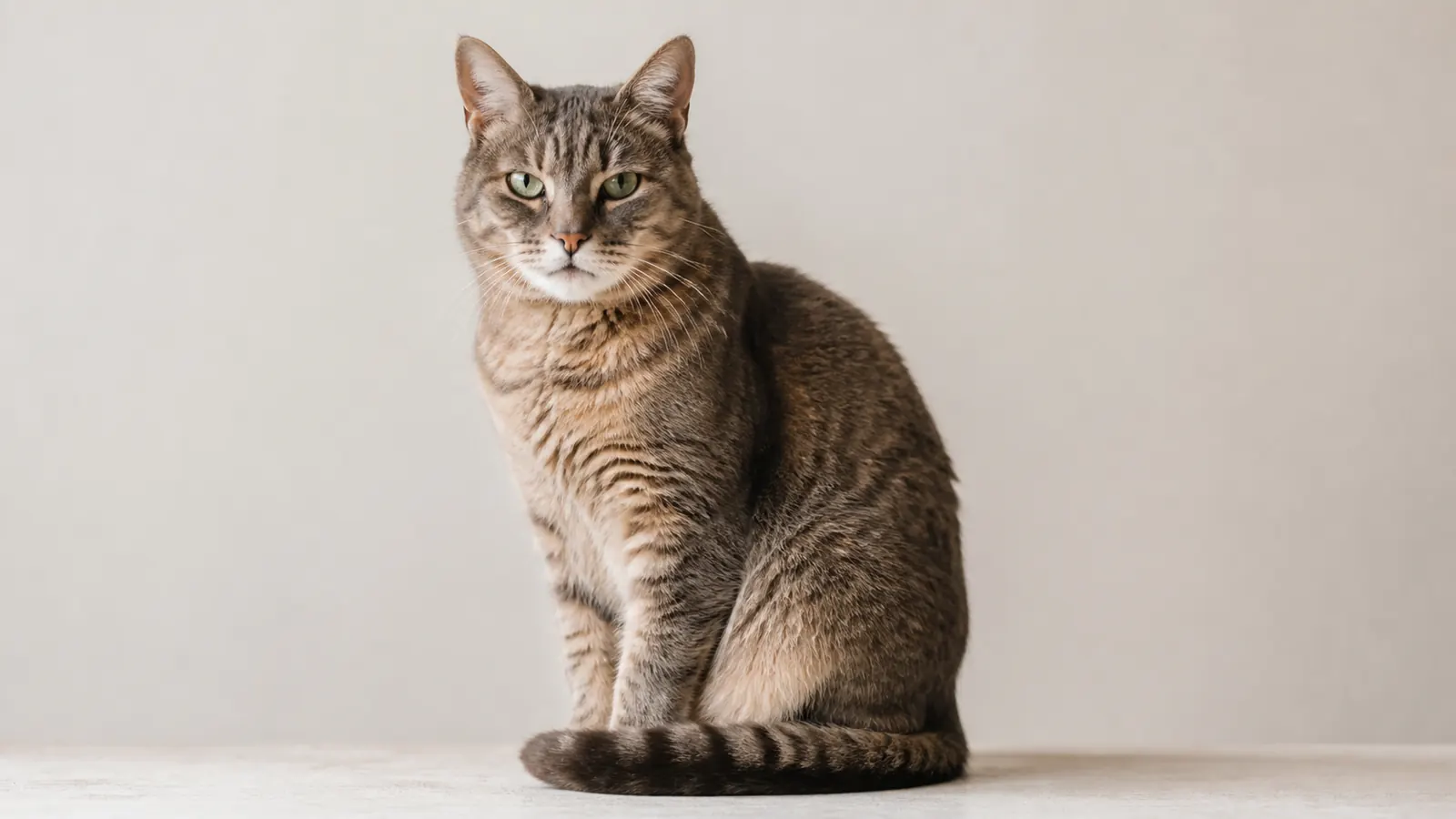
Most veterinary bodies treat a cat as mature from about seven, senior from about eleven, and geriatric from about fifteen.
Those are rough brackets. What matters is that monitoring should get more frequent as a cat moves through them.
- From about 7Mature in common life-stage guidance; agree examination and monitoring frequency with the veterinarian
- From about 11Senior; many cats benefit from more frequent review based on health and prior results
- From about 15Advanced age; tailor teeth, mobility, blood pressure and laboratory monitoring to the individual
Changes that are ordinary
Cats' routines and capabilities change with age, but gradual change can still be illness. Sleeping more, jumping less, losing muscle or grooming poorly should be discussed with the vet rather than accepted as harmless because they developed slowly.
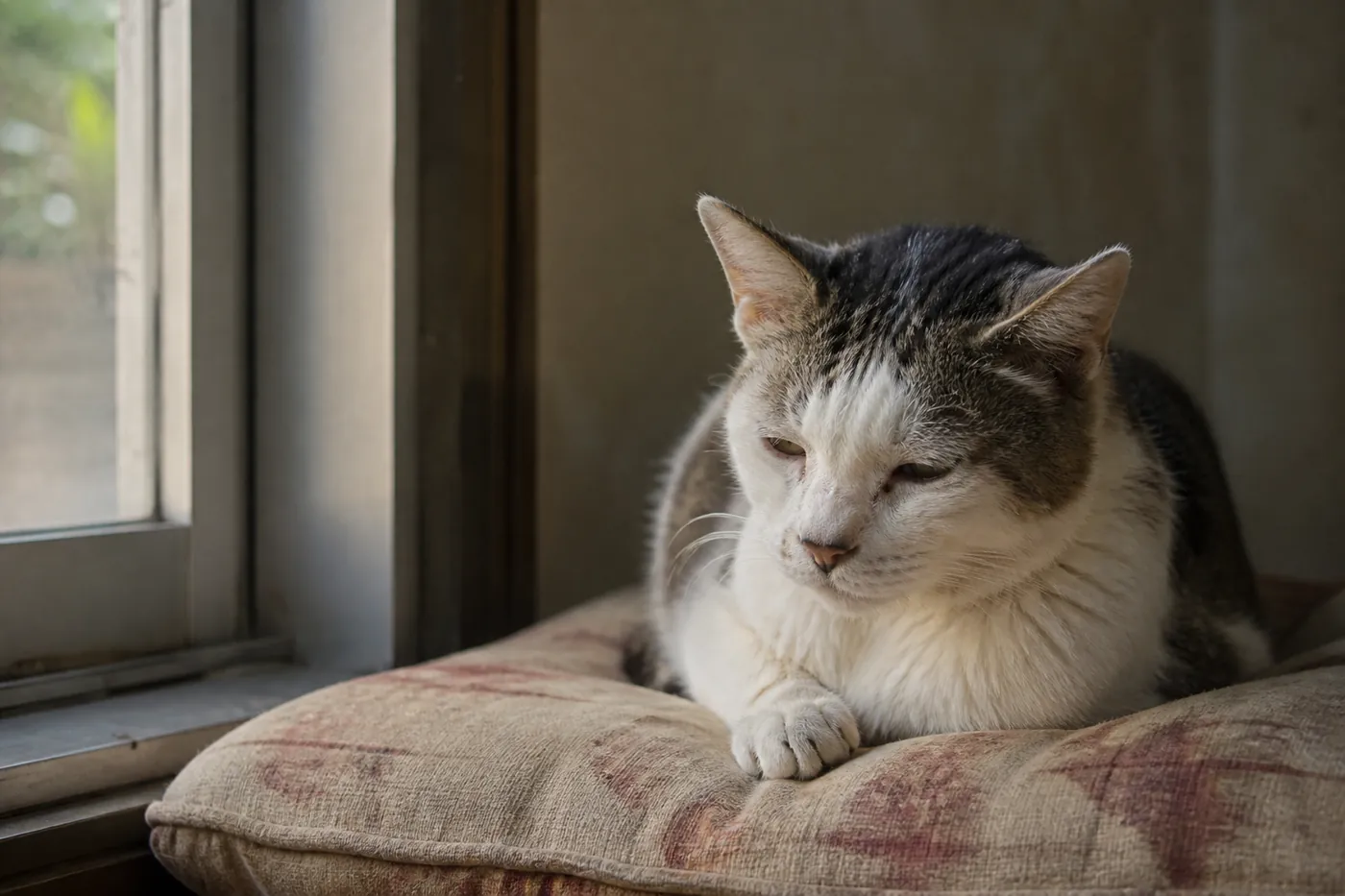
Keep a record of the cat's usual eating, drinking, movement, toileting and social behaviour. A change from that baseline is more useful than comparing it with a younger cat.
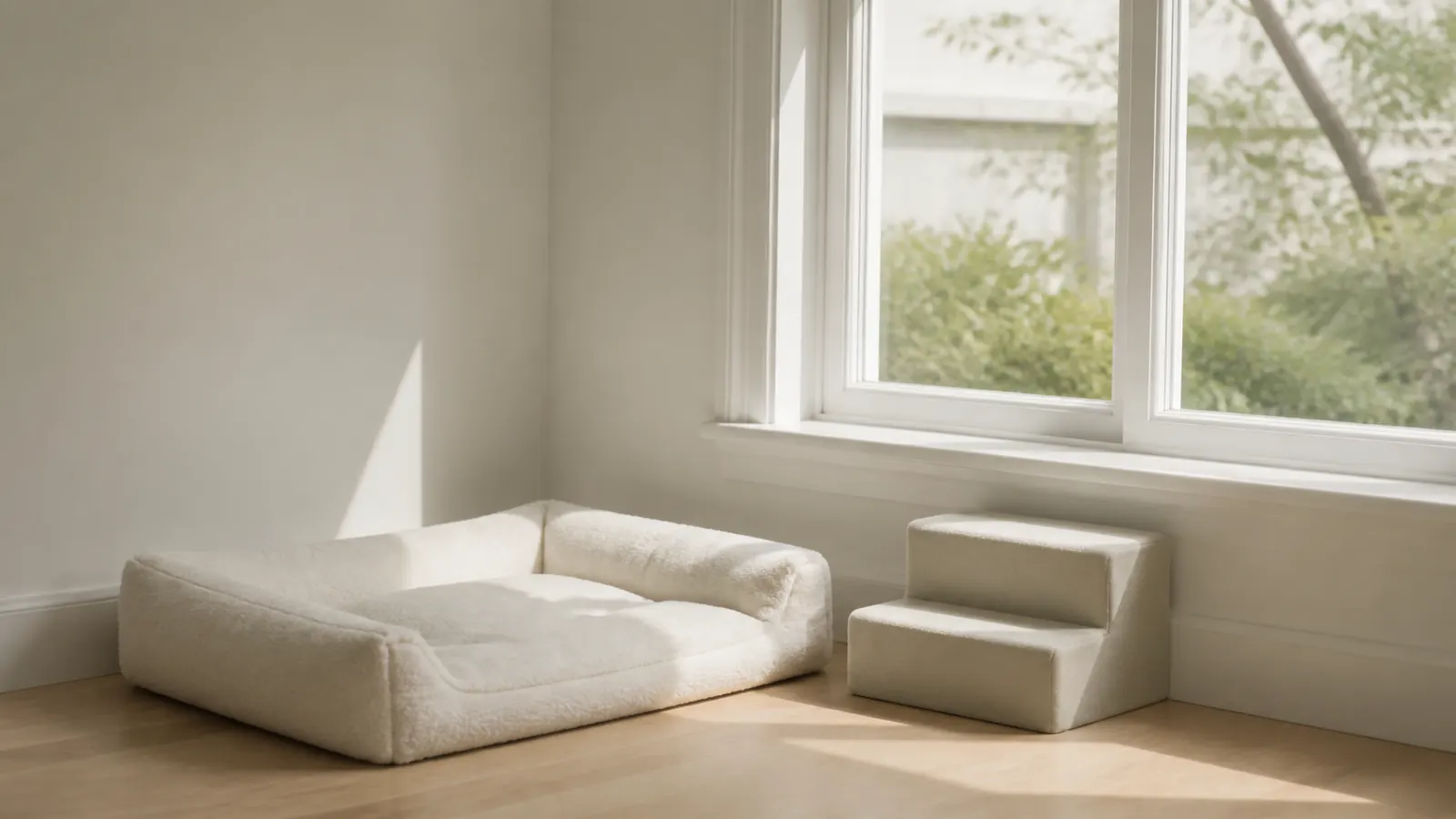
Home adaptations can help while the cause is assessed.
Changes that are not just age
This is the part worth knowing, because these are common, treatable, and routinely dismissed.
| What you notice | Often blamed on | Frequently actually |
|---|---|---|
| Drinking much more | Old age | Kidney disease, hyperthyroidism, or diabetes |
| Eating more, losing weight | A good appetite | Hyperthyroidism |
| Reluctance to jump | Slowing down | Arthritis, which is very common and treatable |
| Missing the litter tray | Confusion | Arthritis making the tray hard to enter |
| Night-time yowling | Old age | High blood pressure, thyroid disease, or cognitive decline |
| Bad breath, eating on one side | Fussiness | Dental disease and pain |
| Cloudy or dilated eyes | Ageing eyes | High blood pressure, which can cause sudden blindness |
Cats hide lameness well. They show arthritis by not doing things rather than by limping: fewer jumps, less grooming, a tray they now step into awkwardly.
Two of the entries in that table have their own patterns worth reading in full: chronic kidney disease and an overactive thyroid.
Teeth are the most commonly missed problem
Look in the mouth.
Dental disease is common in older cats and can be difficult to recognise from eating behaviour alone.
The picture is a cat that eats on one side, drops food, chews less and swallows kibble whole, or simply becomes a slower and less enthusiastic eater. Bad breath is the giveaway most owners notice first.
Cats also suffer painful lesions where the tooth structure is resorbed from the root outwards. These are common, invisible without a dental radiograph, and genuinely painful.
None of this improves without treatment, and a cat that has had a painful mouth treated frequently becomes brighter and more sociable in a way owners describe as the cat getting younger.
Muscle loss, and why the scale can mislead
One change in older cats is easy to miss because the number on the scale can stay the same while the cat is quietly getting weaker.
Older cats lose lean muscle, particularly over the spine, the shoulders, and the hind legs. At the same time some gain fat, so a stable weight can hide a real loss of muscle.
Run a hand along the backbone. A cat losing muscle feels bony along the spine and over the hips while still feeling soft around the belly, and that combination is worth mentioning at a consultation.
- Run a flat hand along the backbone from the shoulders to the hips.
- Feel for the spine and the hip bones standing out, rather than looking for them.
- Check the belly separately, because it can stay soft while the back end thins.
- Compare shoulder and thigh muscle to what you remember of the same cat at eight.
- Mention the combination at the next consultation, even with the weight unchanged.
Some older cats digest nutrients less efficiently or lose muscle, while others gain excess fat as activity changes. Diet and calories should follow body condition, muscle condition, disease and laboratory results rather than age alone.
The old advice to restrict protein in all older cats has not held up. Protein restriction is appropriate in specific conditions, decided by test results, rather than as a general policy for age.
Grooming, claws, and the coat
Several of the visible changes in an old cat are mechanical rather than cosmetic, and they point at something worth treating.
A coat that has become scurfy or matted over the spine and hindquarters while the front stays well kept is the classic picture of a cat that can no longer reach round. Arthritis and excess weight are the usual reasons, and both are treatable.
Claws may thicken or wear less as activity and mobility change. Check them often enough to catch curling, snagging or pad contact, with frequency set by the individual cat.
An older cat may need help with areas it no longer reaches. Use gentle grooming at a frequency the coat and skin tolerate, and ask for professional help with mats or hygiene trimming when skin could be pulled or cut.
Skin becomes thinner and more fragile too, so grooming wants to be gentler and slicker brushes used with more care than on a young cat.
Hearing and sight
A new change in hearing or sight needs assessment; sudden blindness is urgent.
Sensory changes have several causes and should not automatically be attributed to ageing.
Hearing loss usually shows as a cat that sleeps through arrival, that startles when touched, or that has become unusually loud, since a cat that cannot hear itself calls louder.
Deaf cats manage well indoors. Approach within sight rather than from behind, use a stamp on the floor that carries as vibration, and accept that an outdoor cat losing its hearing is at real risk from traffic.
Sight loss is more urgent, because the commonest cause is treatable and the window is short. High blood pressure can detach a retina, producing sudden blindness in a cat that was fine the day before.
| Hearing | Sight | |
|---|---|---|
| How it shows | Sleeps through arrival, startles when touched, calls louder | Bumping into things, widely dilated pupils that do not respond |
| How fast | Gradual, over months | Can be overnight, when a retina detaches |
| Possible causes | Ear disease, medication effects or age-related change | Eye disease, high blood pressure, retinal or neurological disease |
| How urgent | New or sudden loss needs prompt assessment | Sudden loss is urgent because some causes are time-sensitive |
| What you do | Approach in sight and arrange assessment | Seek urgent veterinary assessment, including blood pressure and eye examination |
A cat with widely dilated pupils that do not respond to light, or one that has started bumping into things, needs seeing that day rather than that week. Blood pressure is measurable at an ordinary consultation and treatable with tablets.
When the change is in the mind
Cognitive dysfunction is a recognised syndrome in old cats and looks like disorientation rather than simple slowness.
The signs are a cat that stares at walls, gets stuck in corners, calls loudly at night in an empty room, forgets where the tray is, or seems briefly not to recognise the household.
It is a diagnosis of exclusion, because high blood pressure, thyroid disease, pain, and failing sight or hearing all produce similar behaviour and all have treatments of their own.
Where it is genuinely cognitive, environmental routine, night lights, and predictable resource placement help, and there are dietary and medical options worth discussing with a vet.
What monitoring should look like
Many senior-care guidelines recommend at least twice-yearly review from the senior stage, but the veterinarian may advise a different interval based on disease and previous results.
Ask which combination of weight and muscle assessment, blood pressure, blood tests, urinalysis, dental review and mobility examination is appropriate at each visit.
Weigh at home between visits if you can. Steady weight loss is the most useful single number you can bring to an appointment.

The thirst guide covers how to measure the most useful early sign before you call. For the practical side, adapting the home covers the changes that keep a stiffening cat independent.
What a senior check actually involves
Because a senior consultation is a different appointment from an annual booster, and because the cost is easier to accept when the list is known in advance, it is worth setting out what the practice is actually doing with the time.
Knowing what to expect makes the visit easier to justify and easier to get value from.
The consultation itself covers weight and body condition, the mouth, the joints, the eyes, and listening to the heart and chest. Much of what matters in an old cat is found here rather than in the laboratory.
Blood work usually covers kidney values including SDMA, liver enzymes, glucose, and thyroid hormone in one sample. A urine test adds information about concentration, glucose, protein and other findings; concentration alone does not separate every kidney and hormonal cause.
Blood pressure is the measurement most often left out and one of the most useful. It is quick, it needs a calm cat and a few readings, and untreated hypertension is what blinds cats.
Dental assessment is the other frequently skipped part. A conscious examination shows some of the picture, and radiographs under anaesthetic show the resorptive lesions that are invisible otherwise.
- Weight, compared against the last few visits rather than a single figure
- Body condition scored by hand, and muscle mass assessed separately
- Blood pressure, ideally at every senior visit
- Blood tests including kidney values, thyroid, glucose, and liver
- A urine sample, which answers questions blood alone cannot
- The mouth examined, and dental radiographs discussed
- Joints and mobility, since arthritis is rarely volunteered by the cat
Making the visits easier
Twice-yearly appointments only happen if getting the cat there is manageable, and that is a solvable problem.
Leave the carrier out permanently so it stops being a signal. A cat that sleeps in its carrier all year travels far better than one that sees it twice.
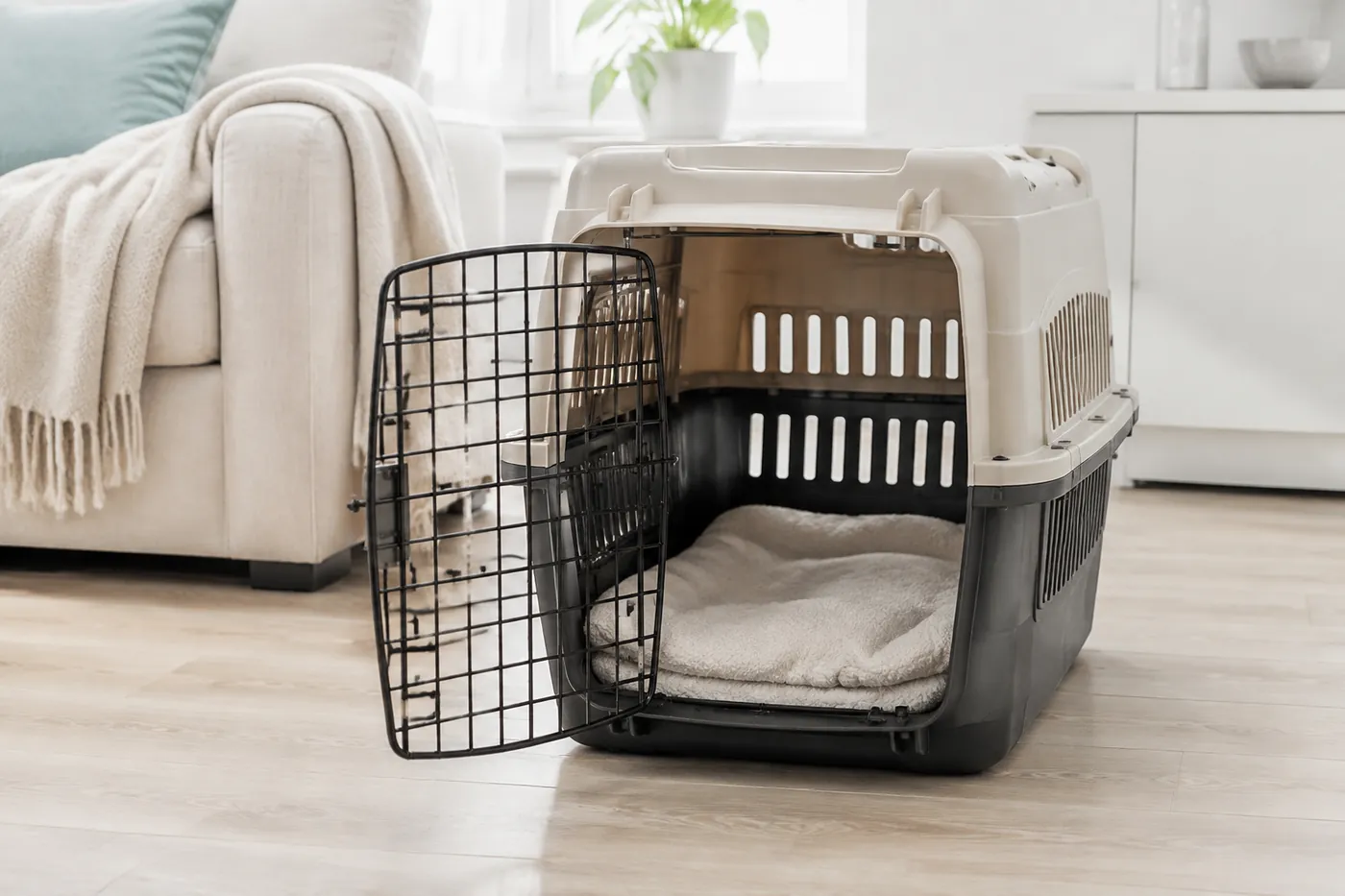
Ask whether the practice runs cat-only clinics or quiet appointment times, and whether there is a separate waiting area. Many do, and a waiting room without dogs changes the whole visit.
For a cat that is distressed by travel or examination, ask the veterinarian whether a prescribed pre-visit medicine is appropriate and how it should be given. Do not use another animal's medication or improvise a dose.
Home visits are worth asking about for a frail geriatric cat, particularly where the journey itself is the hardest part.
The single most useful thing to do at home
If only one habit is adopted from all of this, it should be weighing the cat.
A change of ten percent of body weight is substantial: on a four-kilogram cat it is four hundred grams. Smaller sustained losses can also matter, so compare a trend with the cat's condition and veterinary measurements rather than waiting for one threshold.
Weight loss is the earliest measurable sign of most of the conditions that matter in older cats, and it frequently appears before anything else does.
If household scales are consistent enough to show a useful trend, weigh under similar conditions and record the date. Ask the veterinarian how often to measure; illness or active weight loss may justify closer monitoring than a healthy stable cat needs.
Bring the list to appointments. A vet can do a great deal with a trend and comparatively little with an impression.
- Stand on bathroom scales holding the cat and note the figure.
- Stand on them alone and note that figure.
- Subtract, and write the result down with the date.
- Repeat at the interval agreed for the cat's health and record results under similar conditions.
- Bring the list to every appointment, because a vet can do far more with a trend than an impression.
Common Questions
At what age is a cat considered senior?
Commonly around eleven, with mature from about seven and geriatric from about fifteen. These are brackets for monitoring rather than fixed thresholds.
Is it normal for an older cat to sleep more?
Sleep patterns can change with age, but reduced activity, jumping, grooming or appetite deserves a health review even if the change is gradual. Do not assume it is harmless ageing.
How often should an older cat see a vet?
Many senior-care guidelines recommend at least twice-yearly review, but the interval and tests should reflect the cat's health and previous results. Ask which checks are due at each visit.
Checked Against
Published 19 August 2026. Last updated .