Why Do Cats Purr, and Does It Always Mean Contentment?
Cats purr during friendly contact, around food and sometimes when stressed or unwell. The sound means most when read alongside breathing, body posture, appetite and the situation, because on its own it does not prove that a cat is happy.
How the sound is made
Purring involves vibration in the larynx during breathing, and its control is still being studied. The familiar explanation proposes rhythmic nerve-driven muscle activity, but it is not the only supported mechanism. A 2023 experiment found that excised domestic-cat larynges could produce low purr-range frequencies without neural input or active muscle contraction. That shows the tissue can support such vibrations; it does not establish every part of purring in a living cat.
Domestic cats can purr on both inward and outward breaths, giving the sound its continuing rhythm.
It starts as communication with the mother
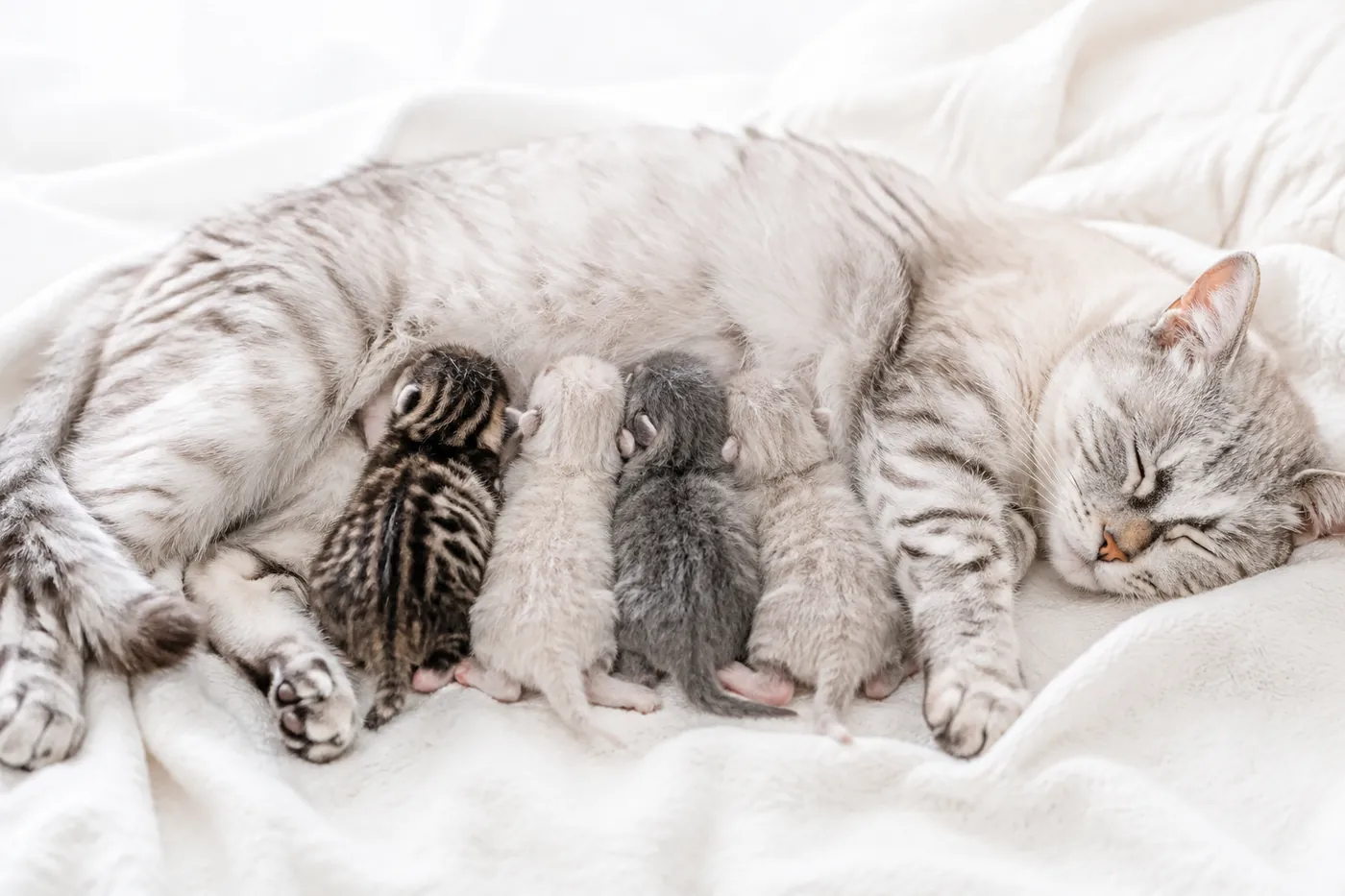
Kittens purr very early in life during close contact and nursing. Mothers may purr too, making the sound part of early social communication.
That association helps explain why adult cats often purr around familiar people and cats. It does not give every purr a single translation, or prove that a kitten uses it to navigate by vibration.
Adults purr in situations that are not happy at all
Cats purr at the vet, after injury, while giving birth, and sometimes in the last hours of life. Self-soothing is one proposed explanation for purring during stress. The function cannot be established from the sound alone.
There is also long-running interest in whether the low frequencies involved assist healing. That idea is plausible and not settled, and the evidence for it is weighed in the last section.
The solicitation purr
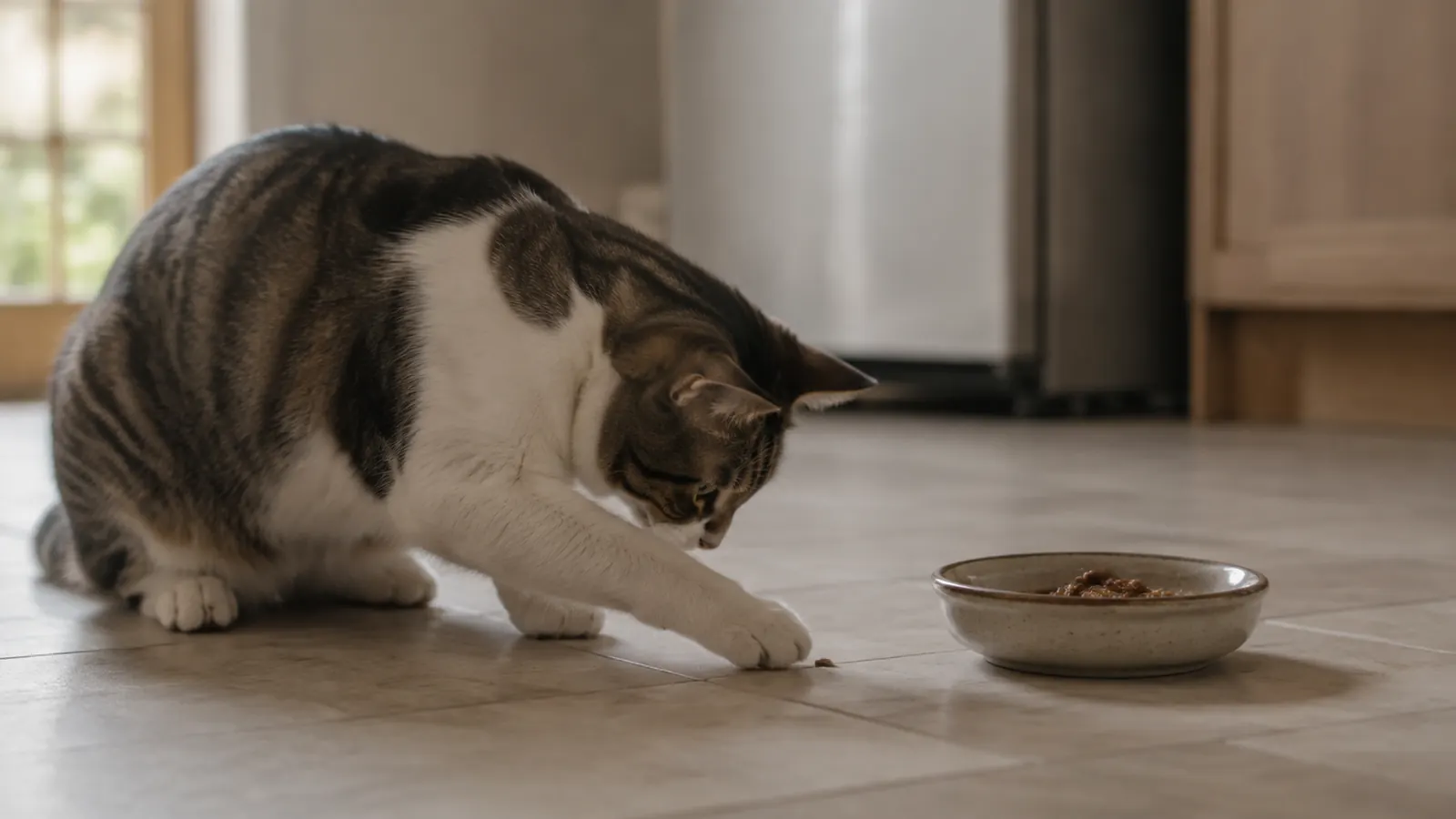
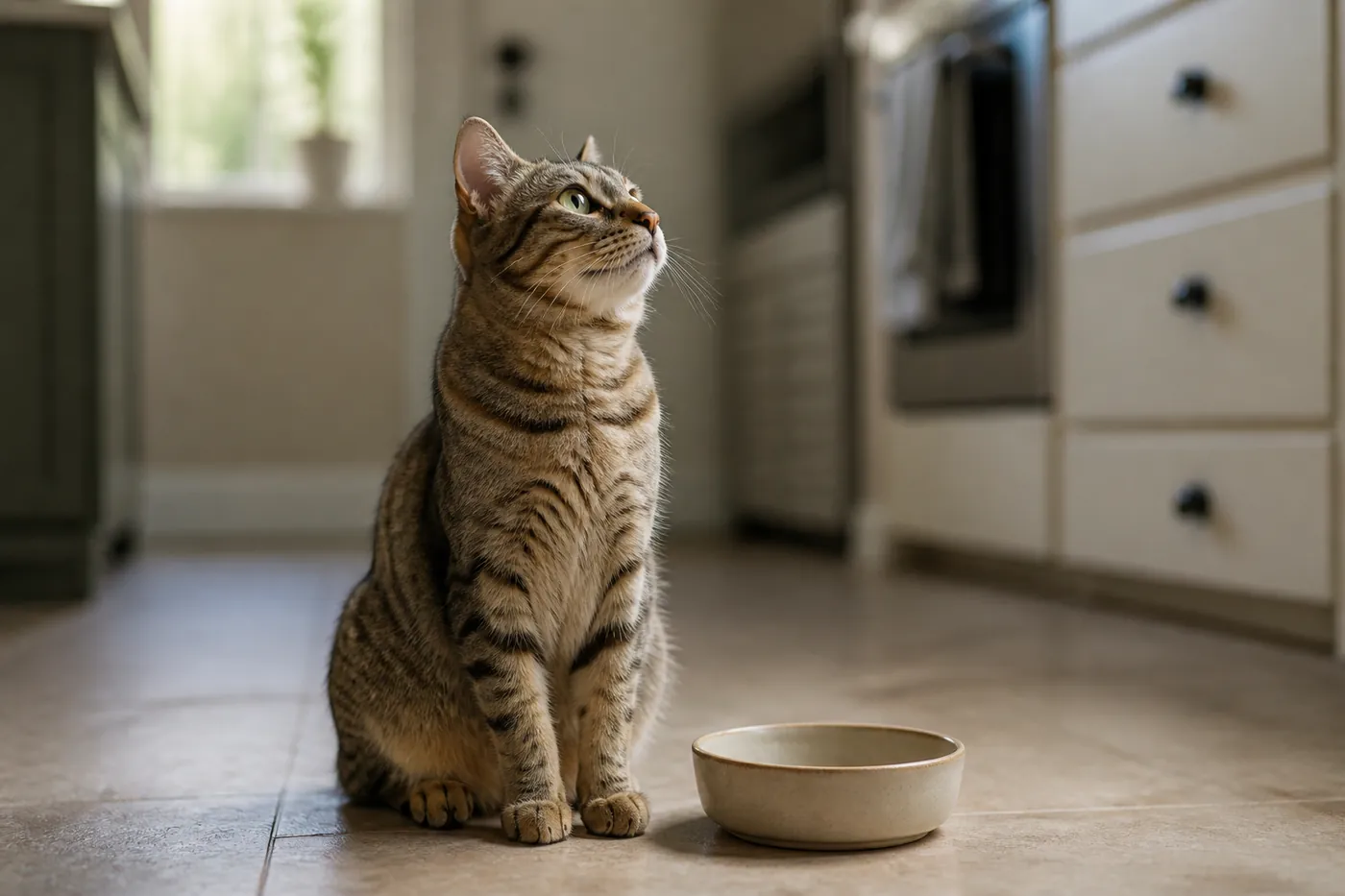
Some cats produce a purr containing a higher-frequency component when seeking food. A study of solicitation purrs found that human listeners perceived them as more urgent and less pleasant than non-solicitation purrs.
This supports a communication role, but does not prove that every cat learned the sound because its owner changed meal times. What happens around the purr tells more than the sound itself, because it will not mean hunger on every occasion.
When a purring sound is not a purr
Noisy breathing can be mistaken for purring, and a cat may also purr while ill. You cannot rule out respiratory trouble by distracting it or waiting to see whether the sound stops.
Open-mouth breathing at rest, marked effort, collapse or pale, grey or blue gums needs emergency care. Keep handling to a minimum and call the emergency practice. Do not hold the cat's mouth open to inspect it if breathing is difficult.
For a comfortable sleeping cat, a persistent increase in resting breathing rate is worth discussing with a veterinarian. Count when the cat is not purring, and follow any monitoring instructions for an existing heart or respiratory condition.
A cat that stops purring
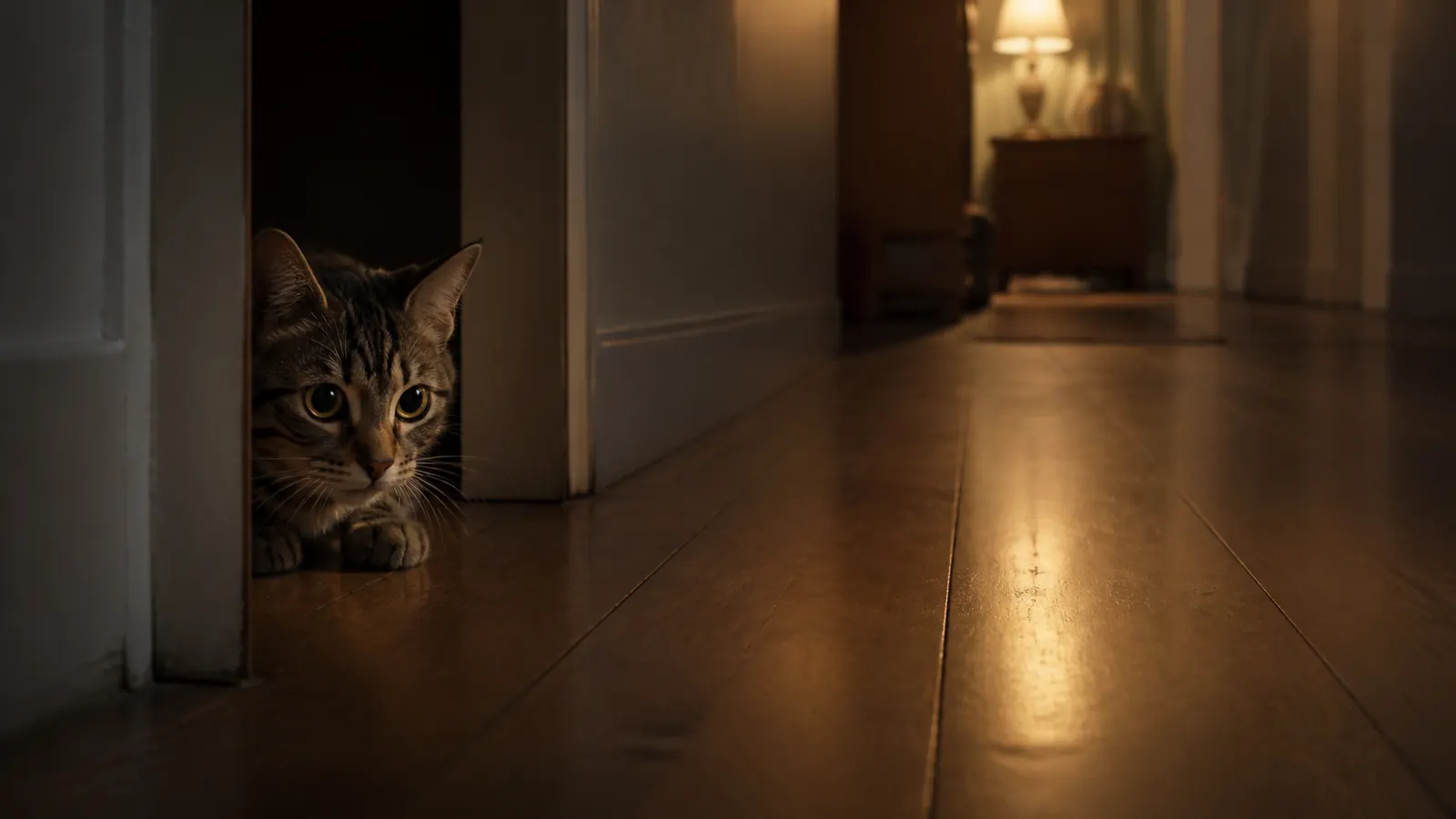
Behaviour that disappears is more informative than behaviour that appears, and purring is a good example. A cat that purred readily for years and has stopped is worth taking seriously, particularly alongside hiding, reduced grooming, or a change in appetite. Cats in ongoing discomfort withdraw from social behaviour before they show anything obvious.
Dental pain is one possible reason for changed eating, grooming or social contact. It does not always stop purring, so a purr cannot exclude a painful mouth.
Arthritis is the other frequent explanation in older cats. A cat that no longer jumps onto a lap has fewer opportunities to purr, and the change reads as aloofness rather than pain.
Stress is another possibility. A new cat, a new baby, building work, or a house move all reduce social behaviour for a period, and it returns as the cat settles.
- Dental pain
- May change eating or grooming even when the cat still purrs
- Arthritis
- Fewer laps means fewer chances to purr, and it reads as aloofness rather than pain
- Stress
- A new cat, a baby, building work or a move. Returns as the cat settles
- Watch alongside
- Hiding, reduced grooming, or a change in appetite
How loud, and why some cats are silent
Purr volume varies enormously between individuals, and there is nothing to read into it. Most domestic purring sits at a conversational level or below. A few cats are loud enough to be heard across a room, and a few produce a purr that can only be felt with a hand on the throat or the ribcage.
Body size does not predict it. Small cats are frequently the loudest, and large placid ones are often the quietest.
A cat that has always been quiet may be comfortable and sociable without an audible purr. Volume is no measure of affection: voluntary approach, relaxed posture, normal eating and the cat's own established behaviour say far more, and a new change matters more than a comparison with another cat.
If you want to check whether a quiet cat is purring at all, rest a fingertip lightly at the base of the throat while the cat is settled. The vibration is unmistakable even when the sound is not.
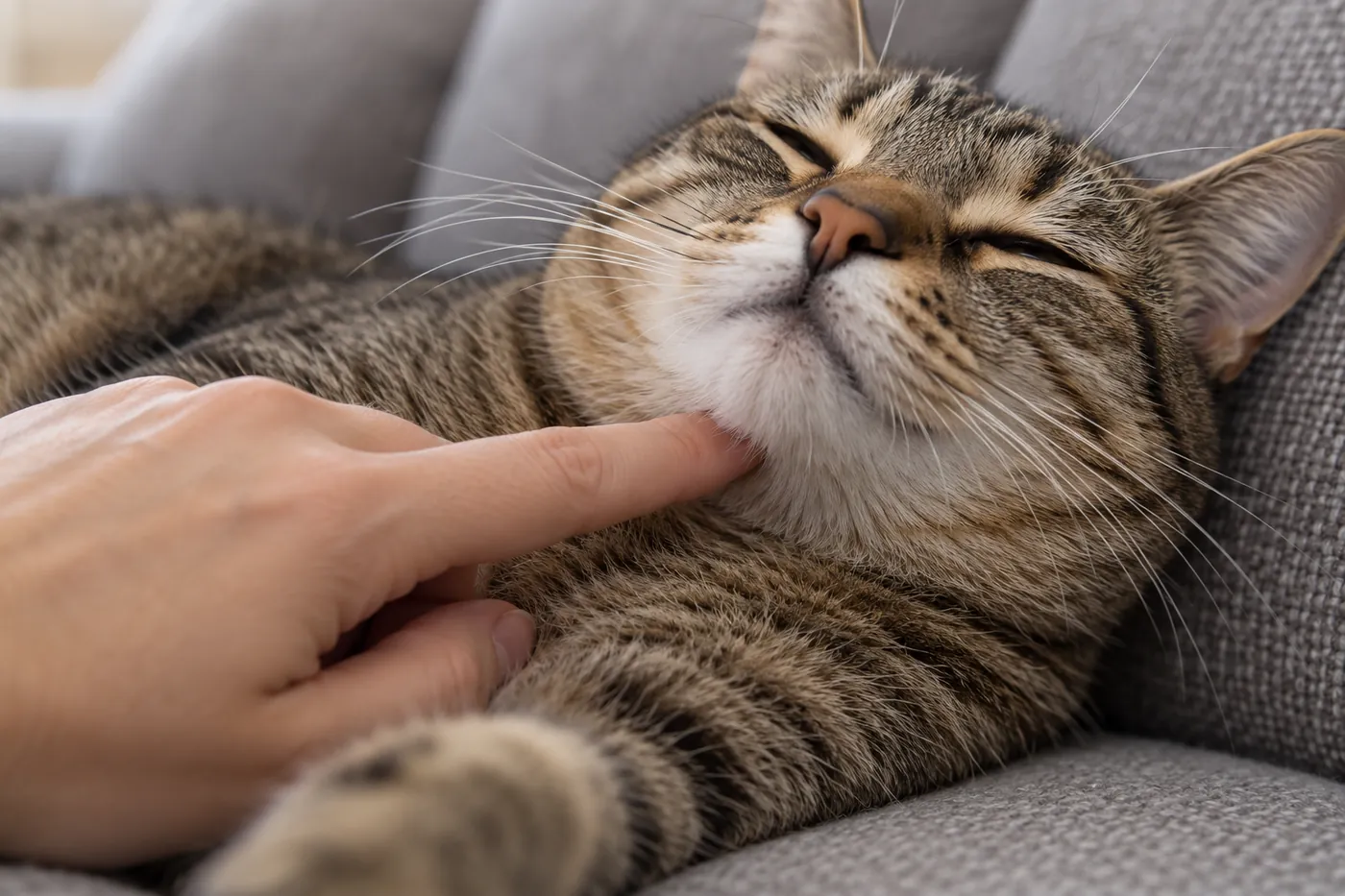
Reading it from the rest of the cat
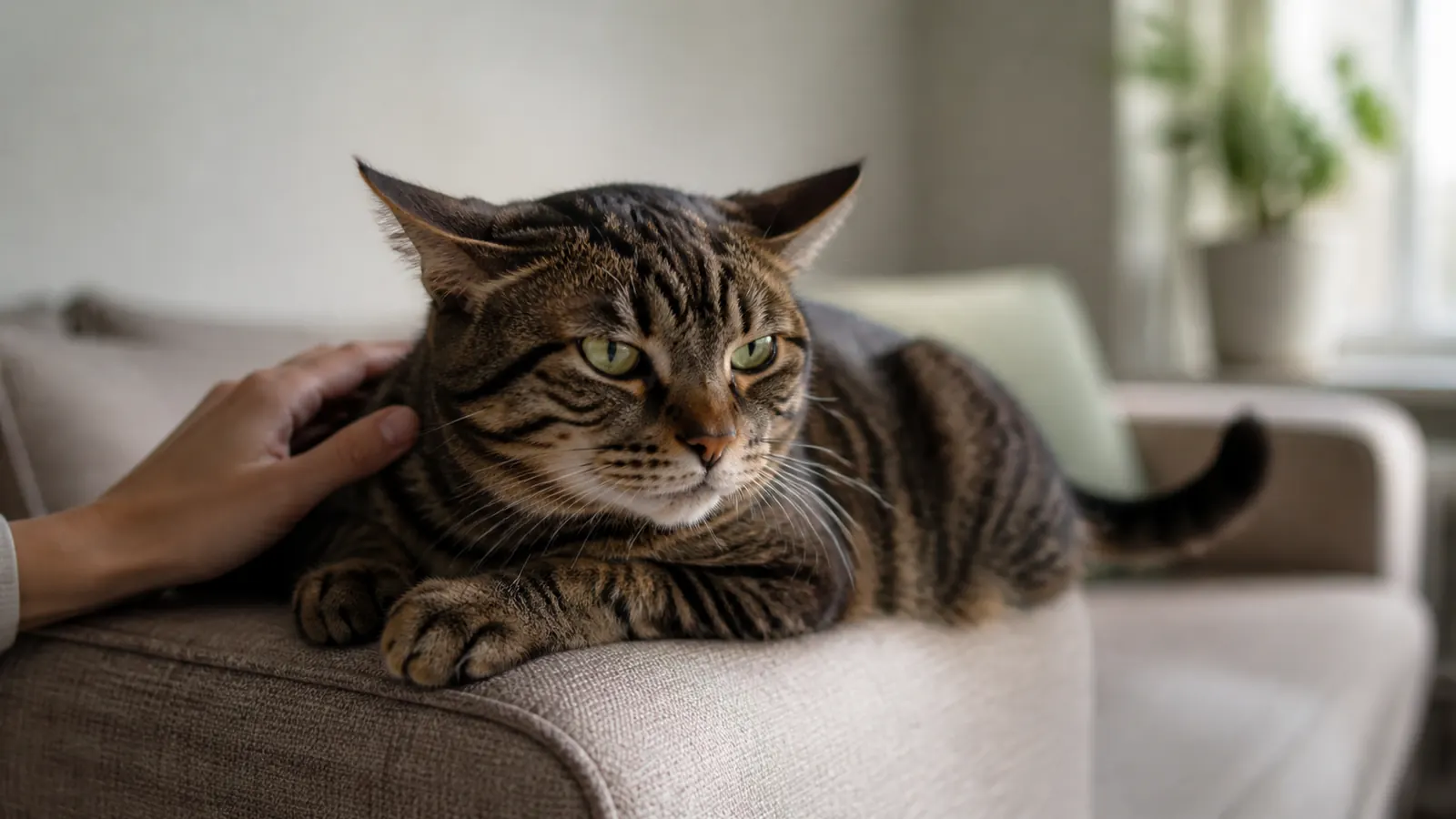
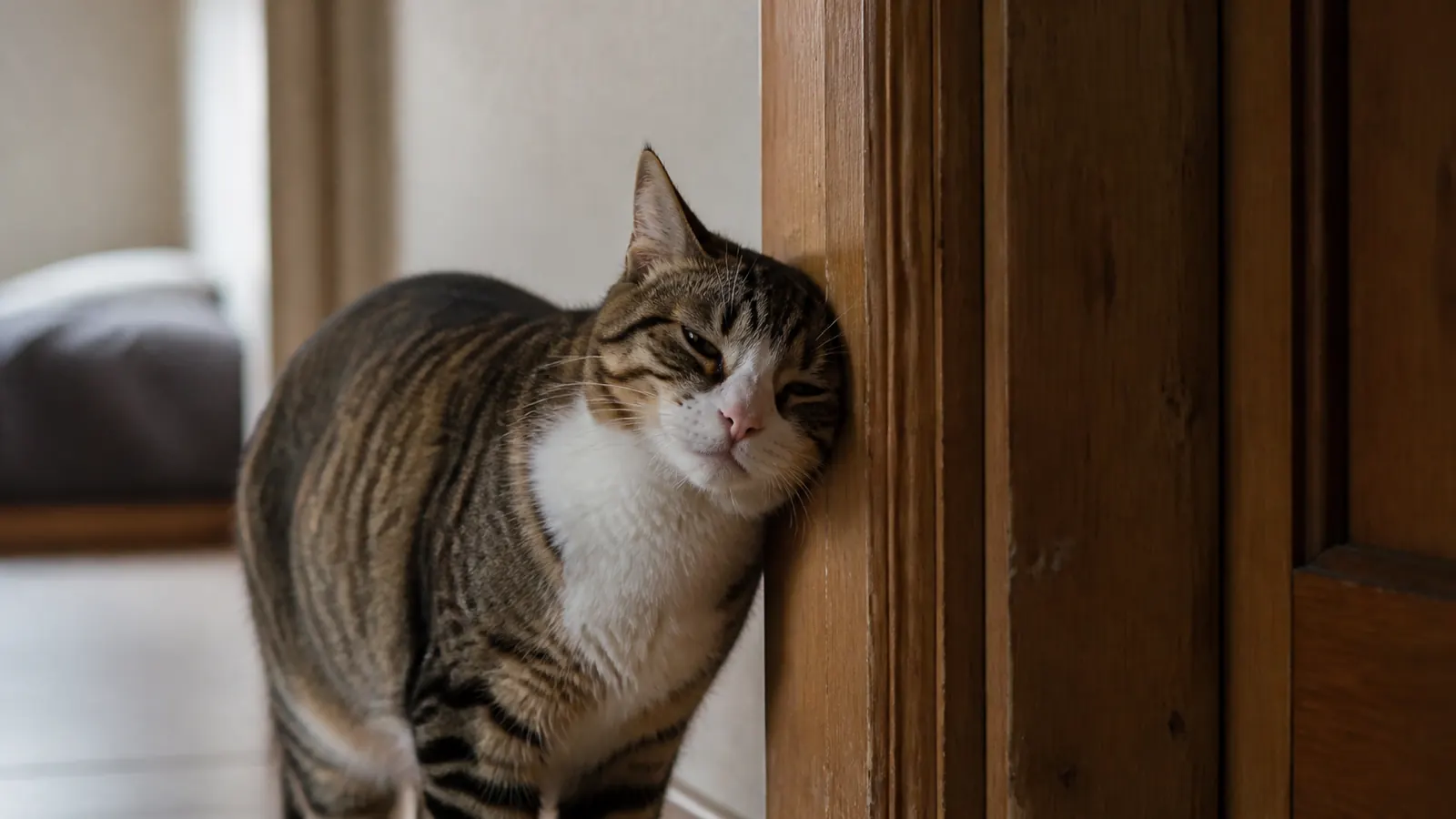
A loose body, soft eyes and voluntary contact are more consistent with comfort than a crouch, flattened ears or attempts to withdraw. None of these signs should be interpreted in isolation.
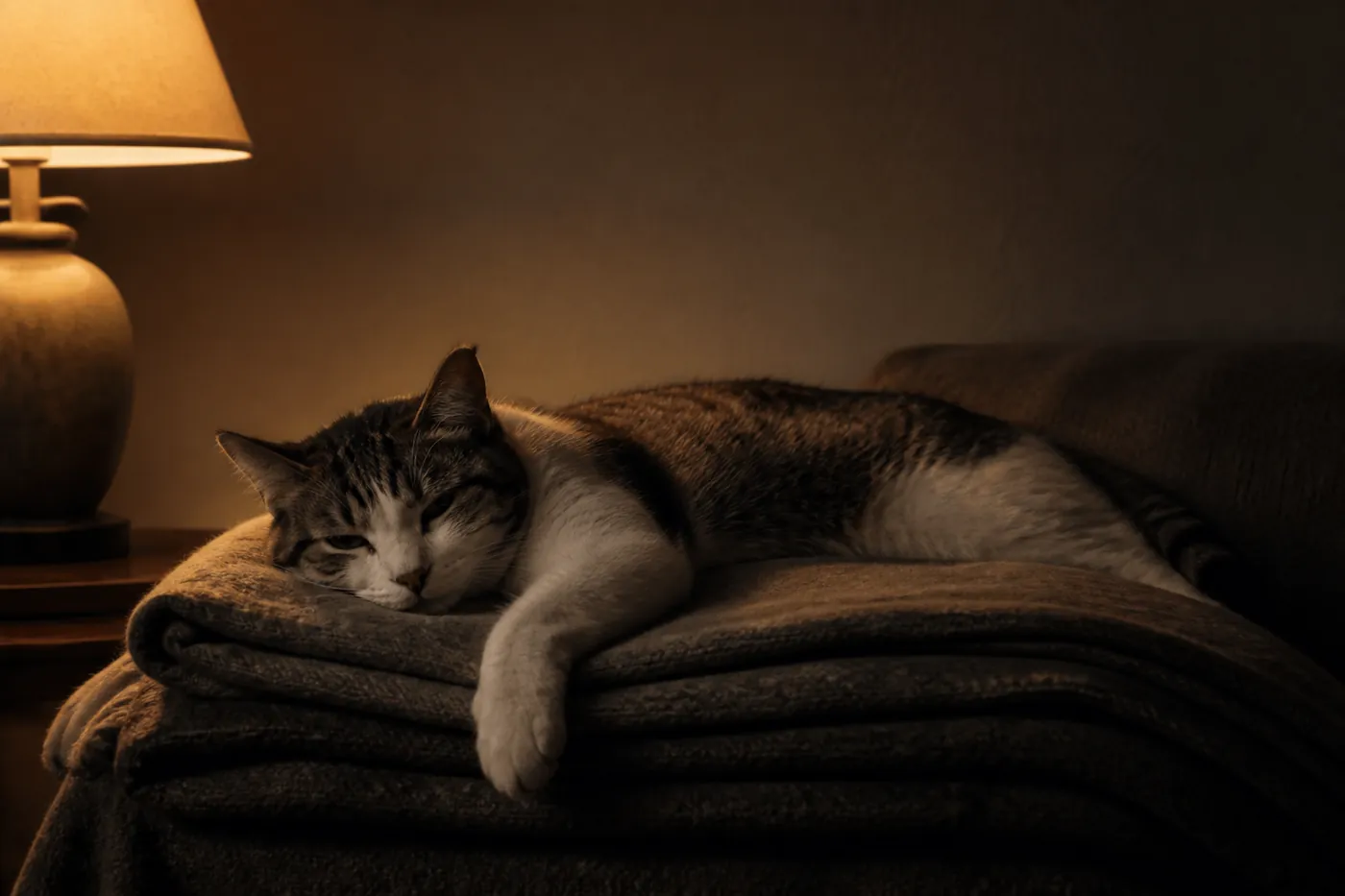
| Purring alongside | Useful response |
|---|---|
| Relaxed posture and voluntary contact | Continue only while the cat welcomes it |
| Crouching, hiding or moving away | Give space and consider what changed |
| Reduced eating, grooming or activity | Arrange veterinary assessment |
| Breathing effort or open mouth at rest | Seek emergency care |
Stop petting when the cat withdraws or becomes tense. Petting-related biting and kneading need the same attention to the whole cat, rather than a single sound.
The healing frequency claim, examined
The idea that purring heals appears everywhere, and it deserves a fair hearing rather than either repetition or dismissal. The observation behind it is real. Cat purrs fall roughly between 25 and 150 hertz, and low frequency vibration in that range has been shown in laboratory settings to influence bone density and tissue repair.
The gap is the step from that to a cat healing itself. Nobody has demonstrated that a purring cat delivers enough energy, for long enough, to its own skeleton to matter clinically. The supporting arguments are indirect. Cats do have a low rate of some bone problems compared with dogs, and there are many possible reasons for that besides purring. That leaves an interesting hypothesis, and an injured cat that is purring still needs a veterinarian.
Common Questions
Do all cats purr?
Almost all domestic cats do, though volume varies enormously and some purr so quietly you can only feel it. A cat that has never purred is not necessarily unwell.
Can a purring cat be in pain?
Yes. Purring occurs in some painful or stressful situations as well as relaxed ones, so the sound does not prove comfort. Consider posture, appetite, activity and breathing, and seek veterinary care for concerning changes.
Checked Against
Published 5 August 2026. Last updated .