Can Cats Drink Cow's Milk? Tolerance, Risks and Alternatives
Many adult cats develop digestive upset after dairy. Cow’s milk is unnecessary, and kittens that need milk require a proper kitten milk replacer.
Not poisonous, but there is a clear reason not to feed it.
Cow's milk is not a suitable routine drink for cats. Many adult cats digest lactose poorly and develop digestive upset after dairy.
Plain milk is not the same kind of poisoning hazard as chocolate, but the amount swallowed and the cat's health still matter.
Why milk can cause diarrhoea
Lactase breaks down the milk sugar lactose. Kittens need it while nursing, and many cats have less capacity to digest lactose after weaning.
Undigested sugar can draw water into the bowel and be fermented by gut bacteria, producing loose stools and gas.
Tolerance differs between individuals and portions. A cat that tolerates a lick has not demonstrated that a saucer or a daily serving will suit it. No teaspoon amount is safe for every cat, and digestive symptoms do not follow a fixed eight-to-twelve-hour schedule.
What to do after your cat drinks some
Remove the milk, keep fresh water available and continue the normal food routine unless your vet advises otherwise. Note the product and amount.
Plain cow's milk, chocolate milk and a caffeinated dessert are different exposures, so check the ingredients before treating the incident as simple lactose intolerance.
- Monitor appetite, activity, vomiting and stools.
- Call promptly if your cat seems weak, repeatedly vomits, will not eat, has blood in the stool or appears dehydrated.
- Contact your vet for diarrhoea in a young kitten or a frail cat rather than waiting for a fixed time limit.
- Ask for advice if an otherwise well adult's diarrhoea continues into the next day or recurs.
Do not give human anti-diarrhoea medicine. Milk-related upset may settle when the exposure stops, but other illnesses can begin at the same time.
Continuing symptoms need assessment rather than a confident diagnosis from the last thing your cat drank.
Intolerance and food allergy are different
Lactose intolerance concerns digestion of a sugar. A food allergy involves an immune response to food proteins and can cause skin or digestive signs.
Dairy contains both sugar and protein, so choosing lactose-reduced milk does not solve a diagnosed dairy-protein allergy.
You cannot reliably separate these problems by timing or stool appearance alone. Persistent itching, overgrooming or recurring digestive signs deserve a veterinary assessment; an elimination diet, when needed, must be planned and followed consistently, and repeatedly switching between dairy products can obscure the picture.
Cat milk and other dairy products
Lactose-reduced cat milk may be tolerated by a cat that cannot manage ordinary milk. It still provides calories and is generally a treat, not a complete diet or a required source of hydration. A cat on the label does not make a product essential; its stated purpose and feeding instructions say what it is for.
Goat's milk still contains lactose. Cream, yoghurt and cheese differ in lactose and fat, but none is needed in a balanced feline diet.
Higher tolerance of one product does not justify replacing complete food with dairy, and rich or unfamiliar food can upset digestion for reasons other than lactose.
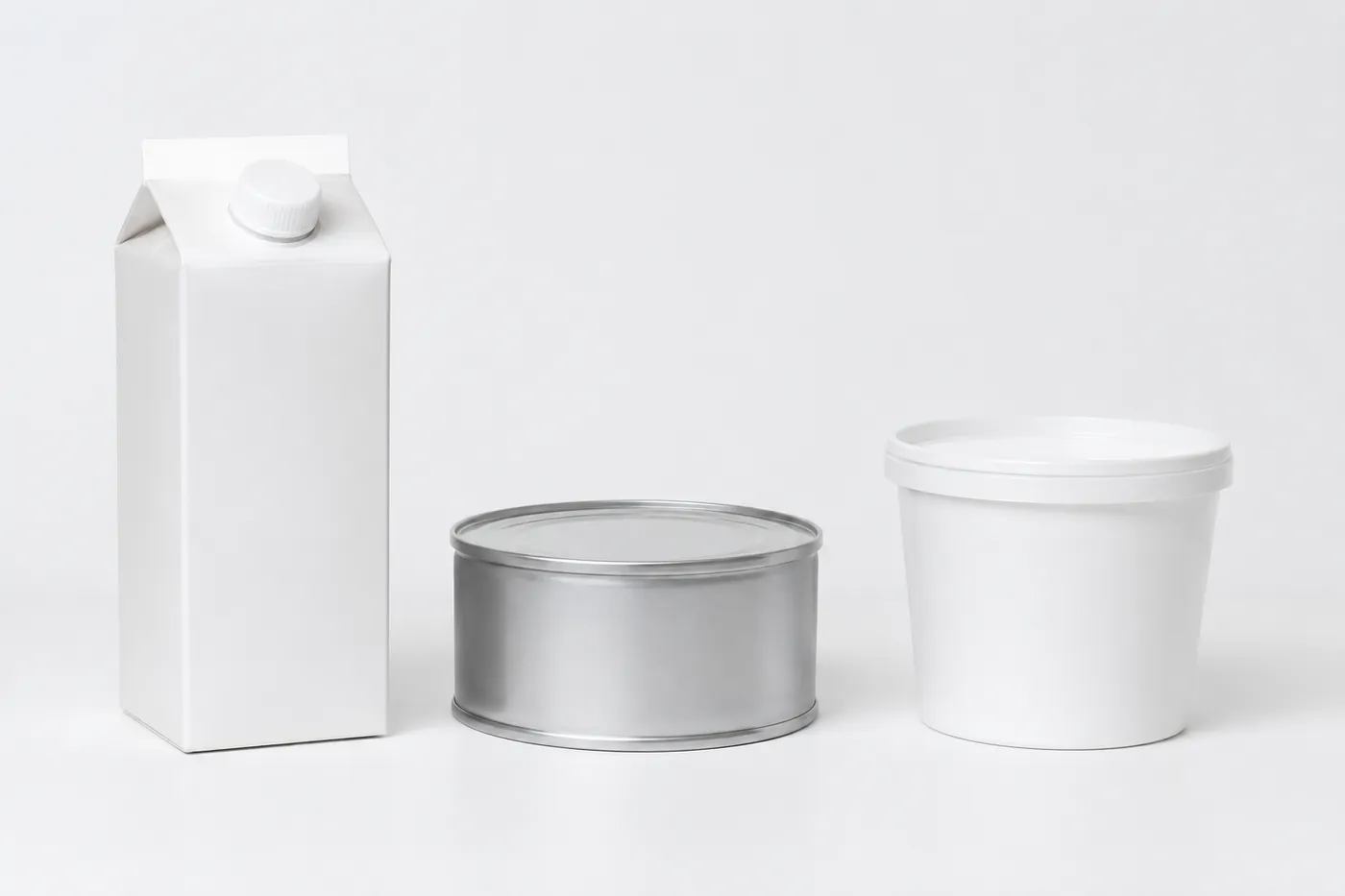
Any permitted treat counts within daily calories. Cats on a prescribed or elimination diet should only receive extras approved by the vet managing it.
Cheese raises the same portion and ingredient questions in a more concentrated form.
Plant drinks and ice cream
Almond, oat, soy and rice drinks avoid lactose, but they are not complete cat food and offer no reason to replace water. Plant protein is not inherently unusable by cats; the issue here is that a human beverage is not formulated to meet feline requirements. Sweeteners, flavourings and calorie content also vary by product.
Chocolate and coffee flavours create separate toxic exposures. Xylitol causes serious poisoning in dogs, but that dog-specific risk should not be described as established in cats; ASPCA toxicology guidance identifies gastrointestinal upset as the feline concern.
If your cat has swallowed an unfamiliar product, your vet can judge it from the ingredients, which the words sugar-free do not settle.
Ice cream and milky puddings add unnecessary ingredients and calories. They are poor treat choices regardless of whether a cat likes them.
What an orphaned kitten needs
A kitten that still requires milk needs its mother or an appropriate kitten milk replacer, made up exactly as instructed. Cow's milk has the wrong nutritional balance for that job.
An orphaned kitten also needs an age-appropriate feeding, warmth and toileting plan from a vet or experienced rescue.
The move to complete kitten food during weaning is gradual. A kitten that is weak, cold, not feeding or not gaining weight needs prompt help; do not wait for it to accept a different milk.
Helping your cat get enough water
Clean water belongs in accessible places your cat can use without competition. Some cats prefer a fountain, while others prefer a still bowl.
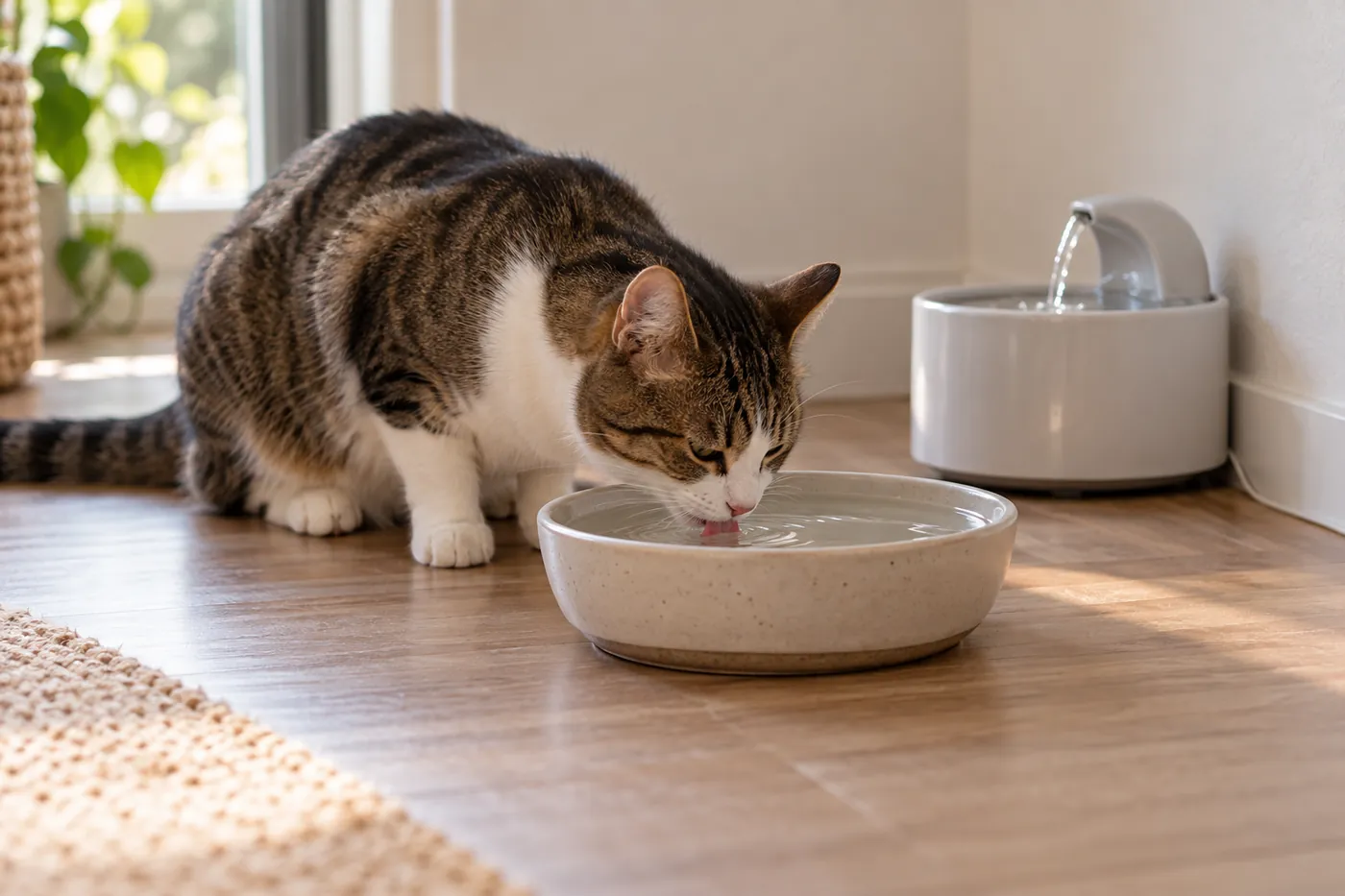
Wet food supplies water with the meal and can help increase total intake, provided it is nutritionally appropriate for the cat.
Milk is an unnecessary way to solve a drinking problem. A sustained increase in thirst needs investigation, and a cat that seems dehydrated needs veterinary advice. A flavoured drink does nothing about the reason behind either change.
Common Questions
My cat drinks milk and seems fine. Is it safe?
Some cats tolerate a little lactose, but tolerance of one serving does not establish a suitable daily amount. Water and a complete cat diet meet the need without dairy calories.
Is lactose-free cat milk necessary?
No. It may be tolerated as a small treat, but it still contributes calories and does not replace a complete diet or water.
Checked Against
Published 18 June 2026. Last updated .