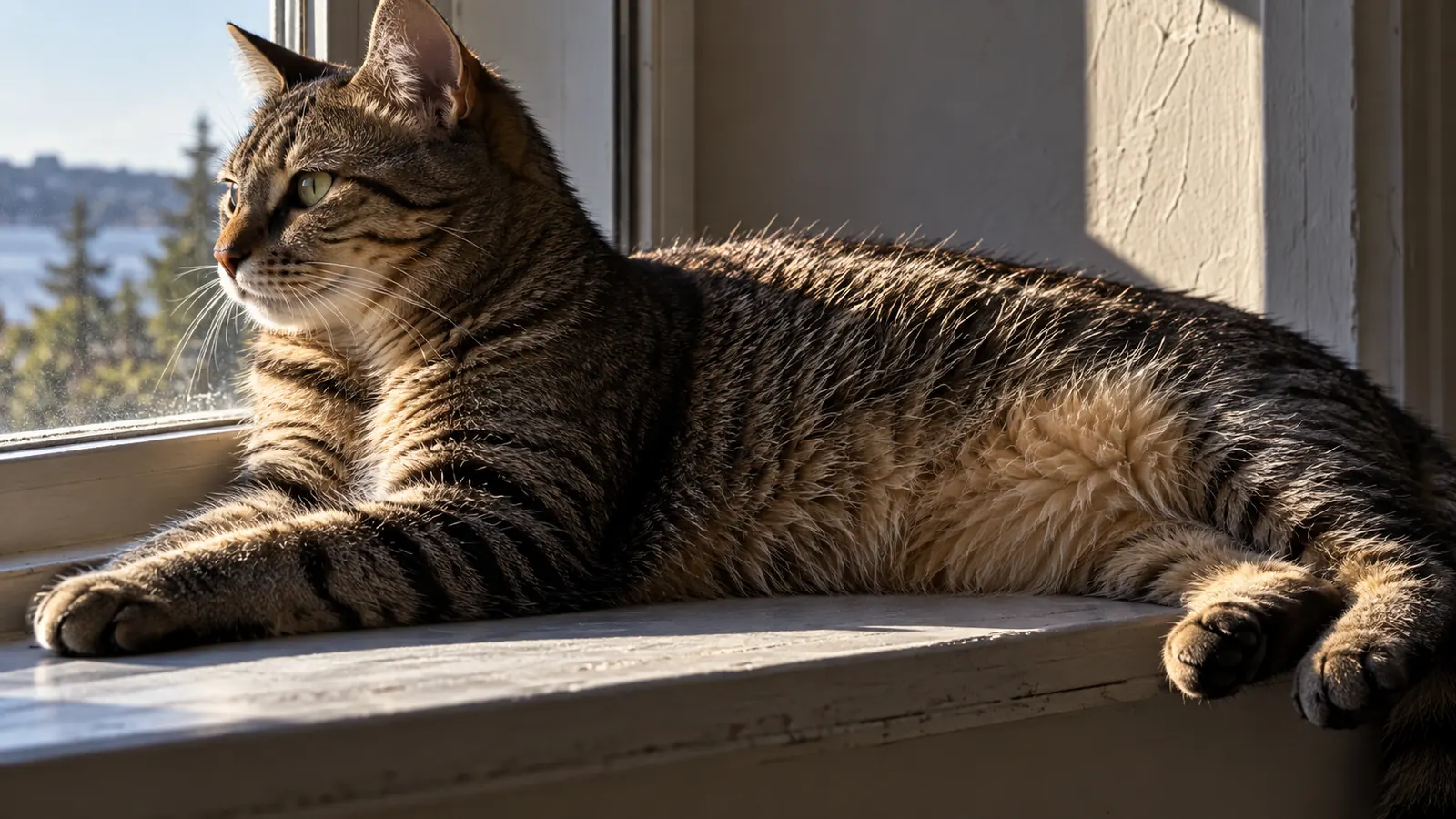
Cat Fear Periods: When a Kitten Turns Nervous
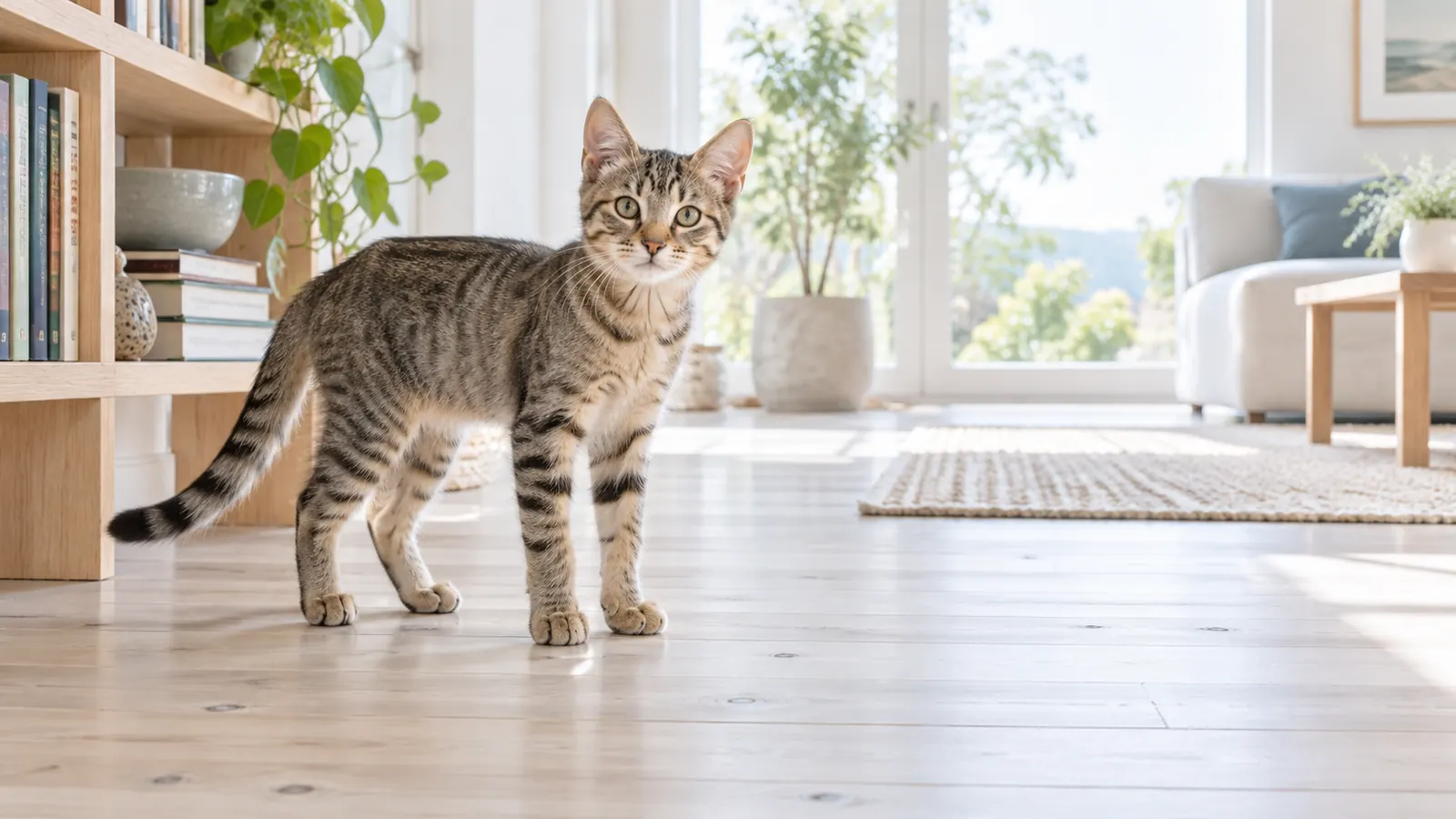
A kitten that becomes nervous needs its surroundings, recent experiences and health checked. Early socialisation matters, but sudden fear should not be dismissed as a predictable phase.
The socialisation window
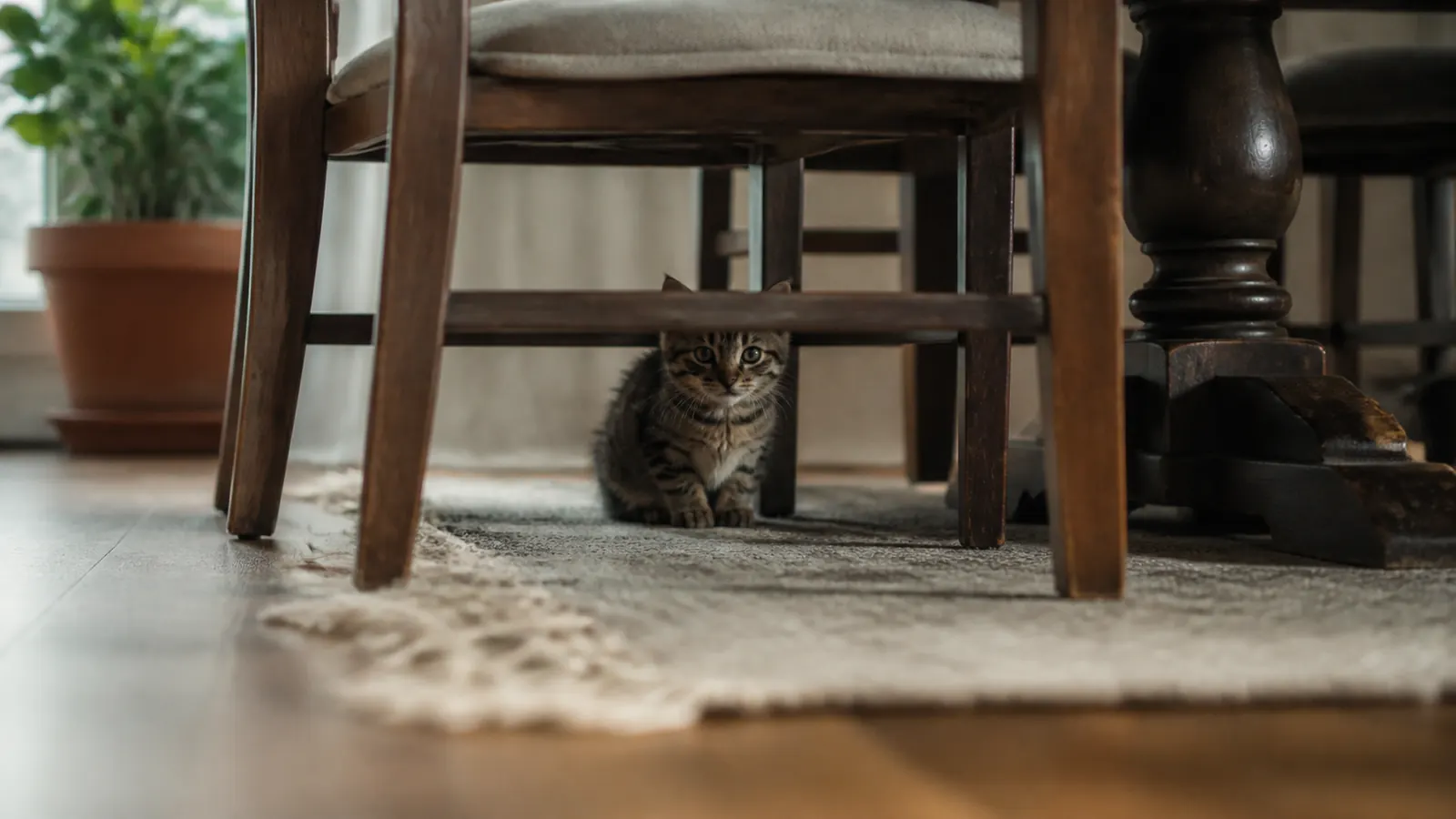
Kittens have an early sensitive period when positive contact with people can make later handling easier. FelineVMA describes this as roughly two to nine weeks, with individual variation.
It is an opportunity for gentle experiences, not a deadline after which learning stops.
The quality of contact matters. A kitten should be able to approach, retreat and recover without being chased, held still or overwhelmed.
Brief handling by calm people and manageable household sounds help it learn what to expect.
Much of this happens before adoption, so ask the breeder or rescue what the kitten has actually experienced. Continue at its own pace after it comes home.
A busy room by itself does not guarantee good socialisation.
What a fear period looks like
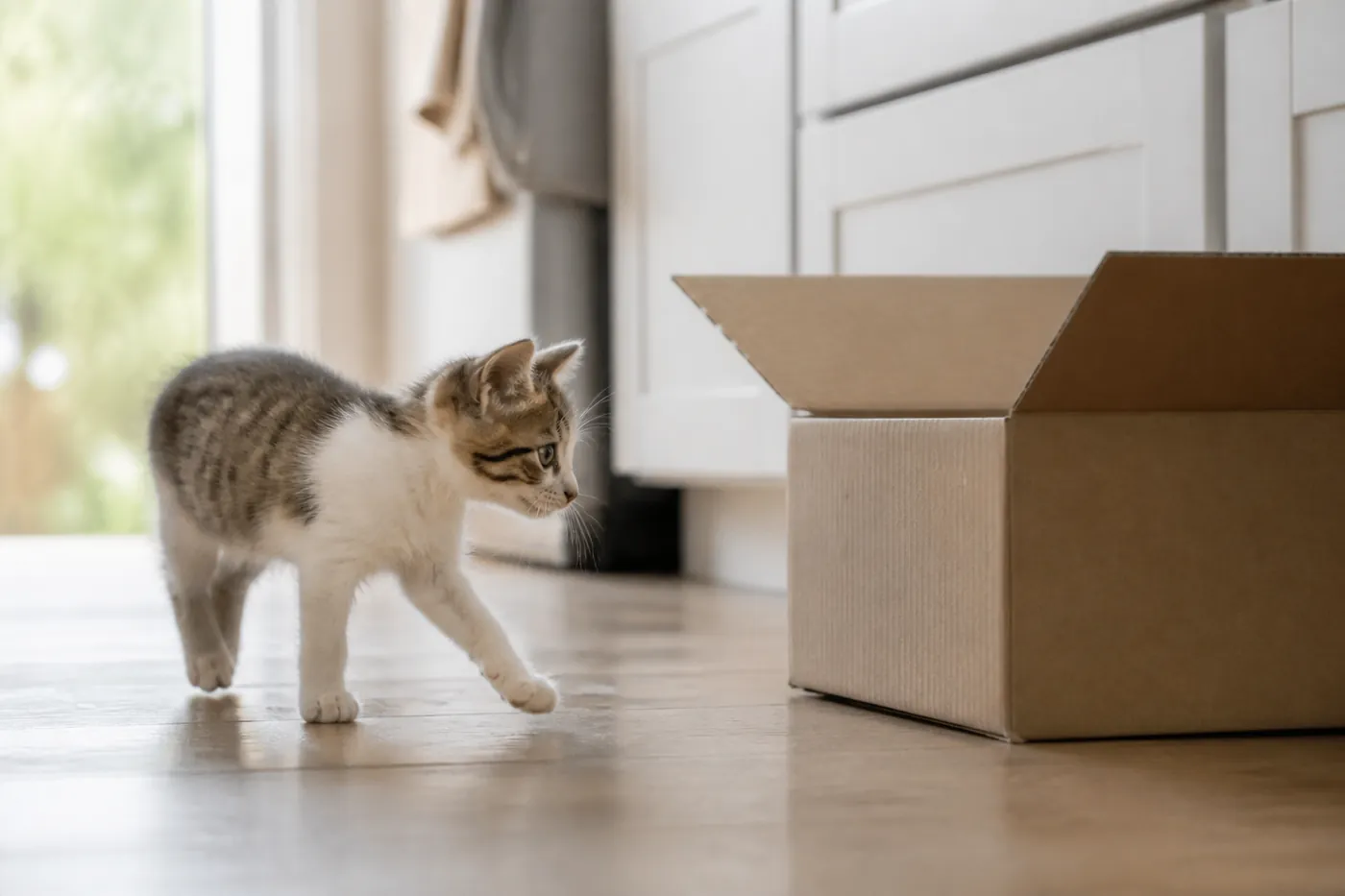
People sometimes use "fear period" to describe a kitten becoming more cautious. There is no reliable feline timetable that lets you explain new fear simply by saying a cat is four, six or twelve months old.
Look for a recent frightening event, a new person or animal, noise, changes in handling, and signs of pain. Even something familiar can become worrying after an unpleasant experience.
Record what happened before the change, which situations trigger it and how long your kitten takes to settle. A video from a distance can help your vet assess the behaviour without recreating the event.
Reading fear in a cat
Cats show fear differently from dogs, and the quietest version is the one most often missed.
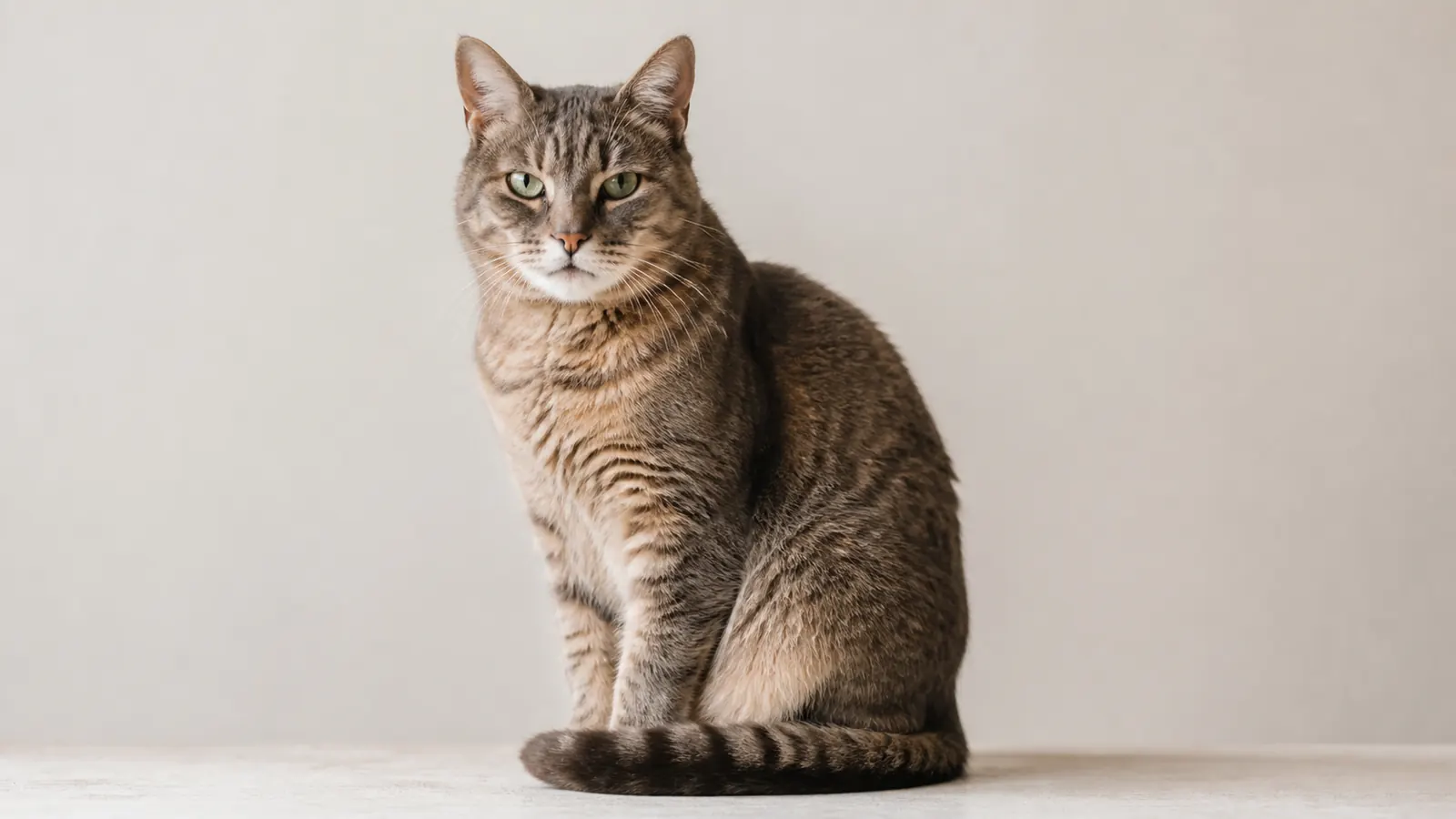
The obvious signs are a crouched body, flattened ears, dilated pupils, a tucked tail, and a cat pressed into a corner or under furniture. Hissing and swatting sit at the far end of the same scale.
The missed version is stillness. A cat that has gone completely motionless, with wide eyes and a tense body, is frozen rather than calm, and it is often described as being fine with something it is not fine with.
Over-grooming, appetite loss and prolonged hiding can accompany stress, but they also occur with illness. Do not use body language to rule out a medical cause.
| What you see | What to consider |
|---|---|
| Crouched, ears flat, pupils wide | Actively frightened |
| Completely still, wide eyed, tense | Frozen, not relaxed |
| Hissing, swatting, growling | Frightened and asking for distance |
| Hiding for hours, or in new places | Ongoing stress rather than a moment of fear |
| Over-grooming, or appetite loss | Stress or illness; arrange a veterinary assessment |
| Loose body and voluntary approach | More consistent with comfort; an exposed belly is not an invitation to touch |
The method that works on specific fears
Whatever the trigger, the approach is the same, and it has two halves that have to run together.
Desensitisation means presenting the frightening thing at a level low enough that the cat notices it and stays relaxed, then increasing it only as the cat stays comfortable. Distance, volume, and duration are the three dials.
Counter-conditioning means pairing that low-level exposure with something the cat wants, usually food, so the thing begins to predict something good rather than something bad.
Pair the manageable exposure with a reward your cat values. Food is one useful sign of comfort, but also watch posture and the ability to move away: eating does not prove that the cat feels safe.
The error that undoes it is going too fast. If the cat stops eating, stares, freezes, or leaves, the level was too high, and the next session starts further back rather than repeating it.
- Identify the exact trigger, and the distance or volume at which the cat still eats.
- Start there, and feed something high value while the trigger is present at that level.
- End the session while the cat is still relaxed, after a minute or two.
- Repeat daily, and increase the level only when the cat is entirely comfortable.
- Go back a step the moment the cat stops eating or freezes.
- Expect weeks rather than days, and accept that some triggers take months.

The specific fears that come up most
Common household triggers include appliances, visitors, children and travel equipment. Work on the one your cat actually fears.
The vacuum cleaner is loud, large, and moves unpredictably. Leave it standing in the room switched off for a few days, feed near it, then run it in another room with the door shut while the cat eats, before it is ever used near the cat.
Visitors should be told to ignore the cat entirely. Let the cat decide whether to approach.
Offer play only if the cat looks comfortable and has space to leave.
Children need concrete rules rather than general instructions: no chasing, no picking up, stroke the head only, and let the cat leave whenever it wants. A cat with a high shelf or a room behind a baby gate rarely needs to escalate.
The carrier and the car are the fears with the highest cost, since they decide whether a cat gets veterinary care. Leaving the carrier out as furniture and rewarding voluntary entry can help.
Practise lifting and short journeys only after the cat is comfortable with the earlier steps.
An accessible, secure carrier makes that practice easier.
- Start every introduction at a distance where the cat still eats
- Give the cat a route out of the room at all times
- Tell visitors to ignore the cat rather than to be gentle with it
- Keep the carrier out all year so it stops predicting anything
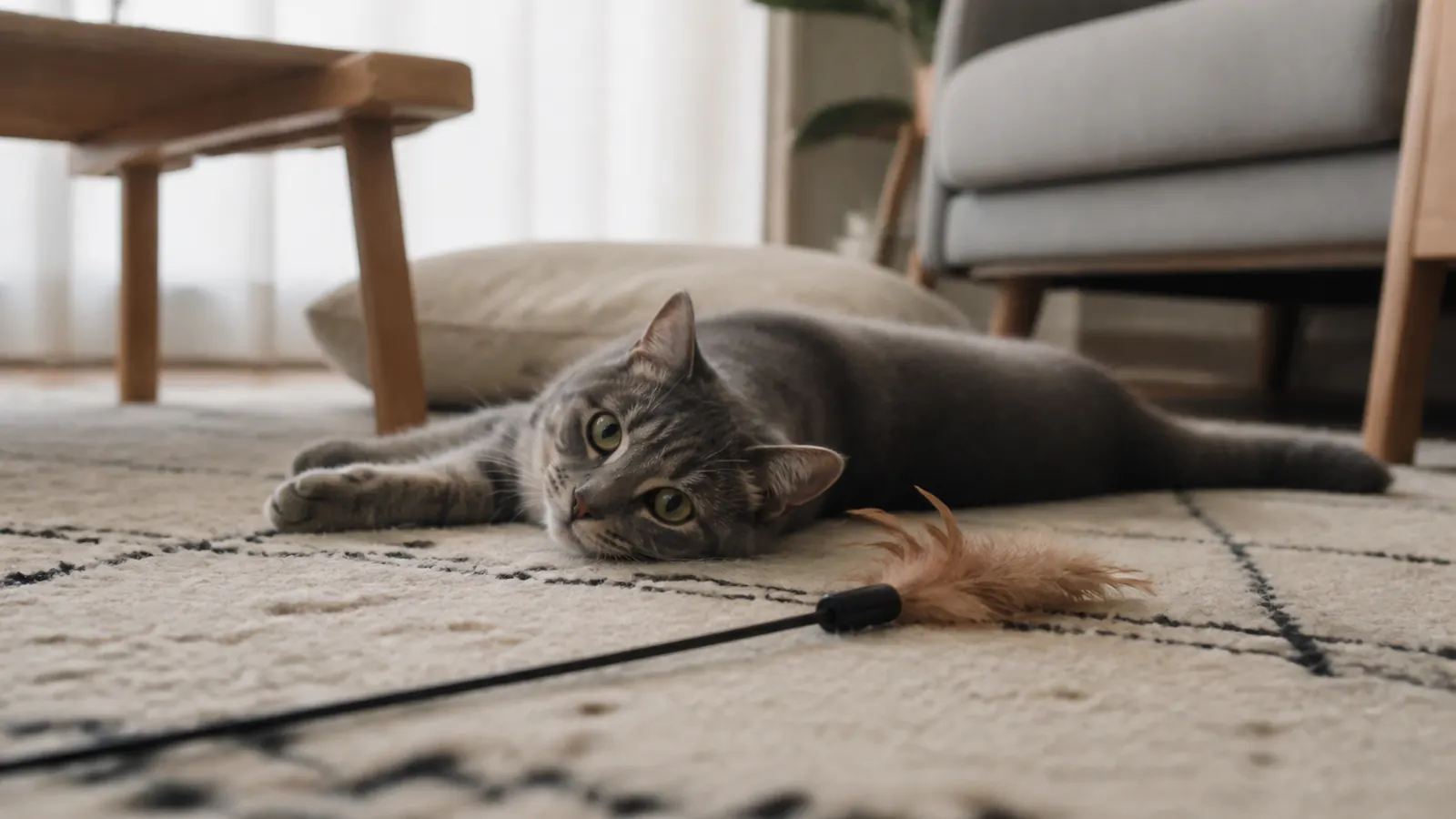
- Use a wand toy to interact without closing the distance
- Never corner or hold a frightened cat to prove something is harmless
What to do during a fear period
The instinct is to reassure, and the more useful move is to make the frightening thing predictable and optional.
- Do not force contact. Let the cat approach and give it a route out of every room.
- Keep the thing at a distance where the cat notices it but stays relaxed, then reduce that slowly.
- Pair the thing with food, at that distance, so it starts predicting something good.
- Keep routines identical: same feeding times, same furniture, same tray locations.
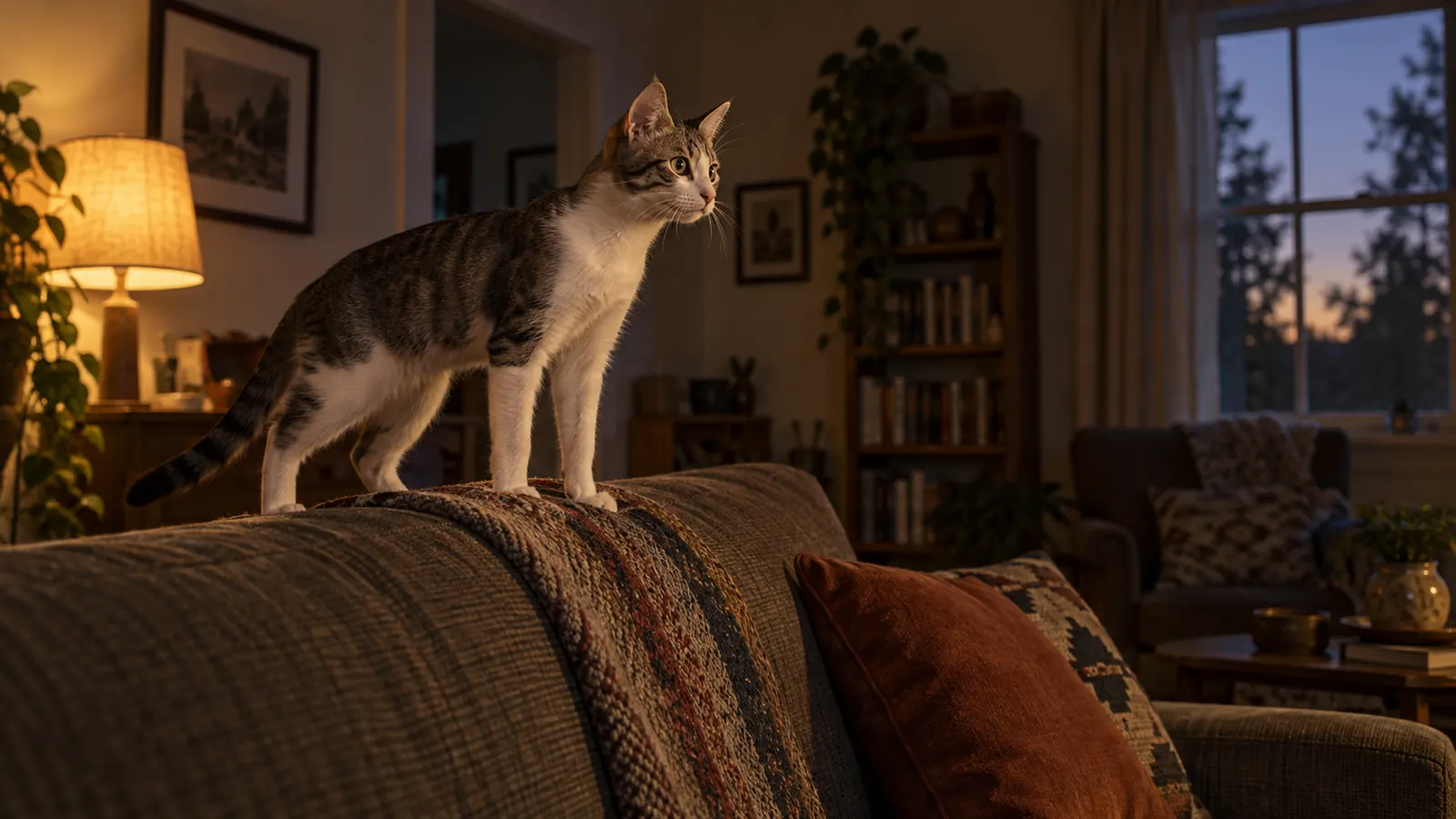
- Give a hiding place at height as well as one at floor level.

Comforting a frightened cat does not reinforce fear. Fear is an emotional state rather than a behaviour, and a cat that seeks you out should be allowed to.
What does make it worse is repeated forced exposure. A cat held near something it fears learns that the thing arrives with being trapped.
Socialising a cat whose window has closed
The sensitive period ends, and the capacity to change does not, which is worth saying to anyone who has taken on a nervous adult.
What changes is the pace. An adult cat learns that a person is safe through weeks of predictable, undemanding proximity rather than through a few good meetings.
The method is counter-intuitive: ignore the cat. Sit in the room, face away, read something aloud quietly, and let the cat approach on its own.
Avoid reaching towards a cat that withdraws from your hand.
Food rewards or play can support gradual introductions. Clicker training may help a cat comfortable with the sound, but a quiet reward can work too.
Do not lure a frightened cat closer than it is willing to remain.
- Sit in the same room on a schedule, face away from the cat, and do nothing else.
- Read aloud quietly, so your voice becomes ordinary background rather than an approach.
- Offer food at the distance the cat chooses, and reduce that distance only when it remains relaxed.
- Let every session end with the cat still choosing the distance.
- Use a wand toy once it will play, because that is interaction with the distance intact.
Give it somewhere to hide that you never reach into. A cat with a reliable refuge explores far more than one with nowhere to retreat to, which is why removing hiding places slows everything down.

When fear needs more than patience
Some cats are too frightened to learn, and recognising that saves months of a plan that cannot work.
Fear is also the commonest engine behind aggression in the house, so where a frightened cat has started lashing out the problem has moved on to what causes cats to fight.
Contact a vet promptly for a sudden behaviour change, reduced eating, altered toileting or signs of pain. Do not wait weeks for those changes to pass.
Persistent fear without those signs still deserves a tailored behaviour plan.
Start with a veterinary examination. Pain and illness, including a painful mouth or stiff joints, both present as fearfulness, and a cat that hurts cannot be trained out of avoiding the thing that hurt.
Where the cat is healthy, ask for a referral to a qualified behaviourist. Cats are not small dogs and the relevant qualifications are specific, so a referral through a vet is more reliable than a general trainer.
- Hiding for most of the day after several weeks in the home
- Not eating, or not using the tray, once medical causes are excluded
- Fear that is spreading to more triggers rather than fewer
- No approach at all after weeks of undemanding proximity
- A startle response that takes a long time to settle each time
Medication has a genuine place here. Anti-anxiety medication does not fix behaviour, and it lowers the baseline enough that a cat can start forming new associations, which is what the behaviour plan needs.
What to do before a kitten arrives
If you are choosing a kitten, the environment it was raised in matters more than almost anything else you can assess.
Ask to see the litter in its usual surroundings and discuss its handling and social contact. Ask how the kitten responded to household activity and whether it could retreat when it needed to.
Ask how many people have handled them, and whether they have met children, dogs, or a carrier.
Have the equipment standing in the room before the kitten arrives rather than buying it afterwards.
A tray it can turn around in and a post tall enough to stretch on are both things a kitten forms a preference about in its first weeks. Handling by several different people during the window matters more than handling by one.
Then keep it going. Carrier practice, gentle paw handling and calm visitors can continue beyond the early sensitive period, with the kitten choosing the pace.
Common Questions
When is a kitten's socialisation window?
FelineVMA describes a sensitive period at roughly two to nine weeks. Positive, manageable experiences help then, and cats can continue learning afterwards.
Why has my confident kitten become nervous?
Check for a frightening experience, changes at home, pain or illness. There is no reliable feline fear-period calendar that makes a sudden change safe to ignore.
Does comforting a frightened cat reinforce the fear?
No. Fear is an emotional state rather than a behaviour, and a cat that seeks you out should be allowed to. Forced exposure is what makes it worse.
Checked Against
Published 2 September 2026. Last updated .