How Do a Cat's Exercise Needs Change With Age?
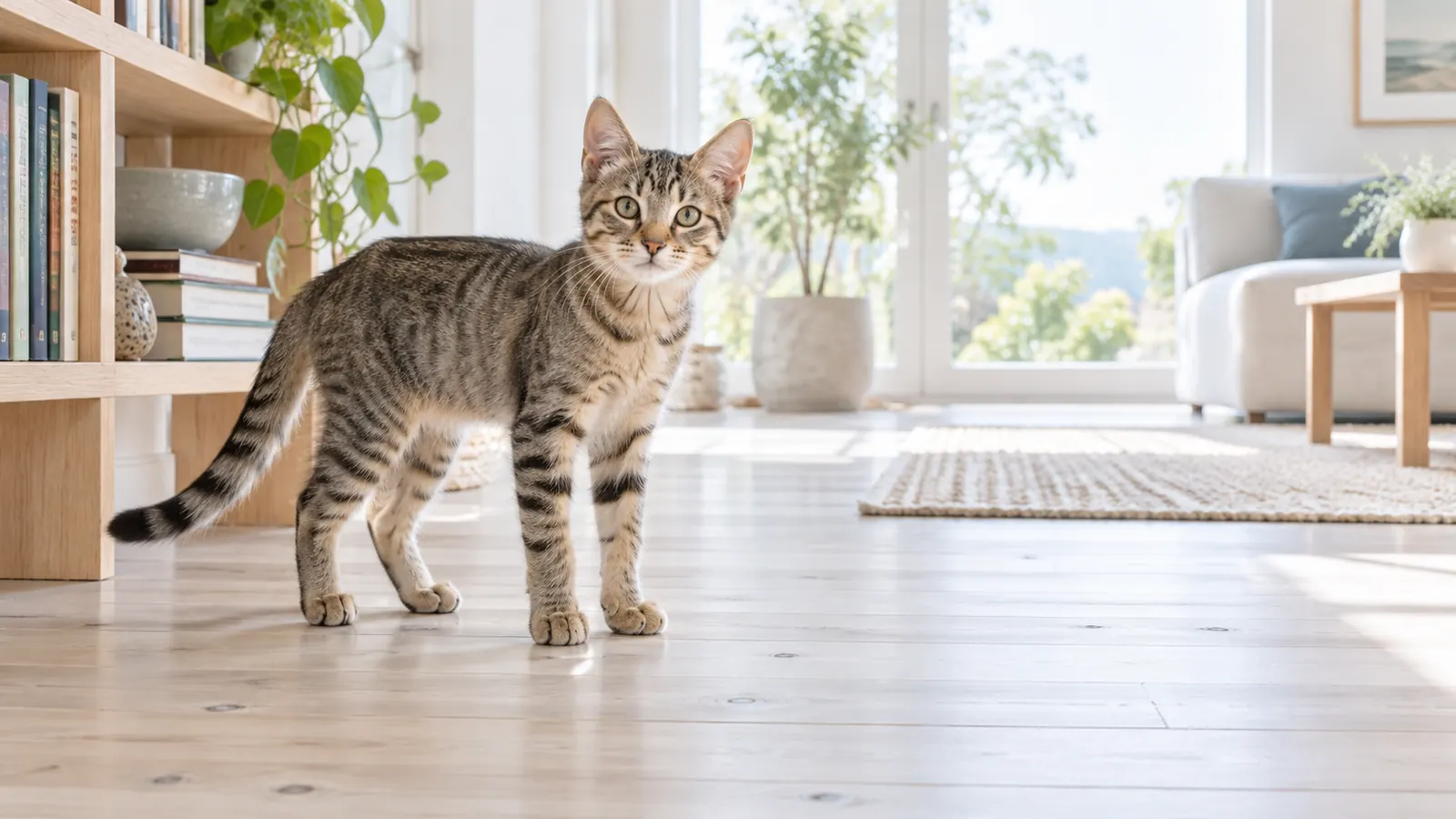
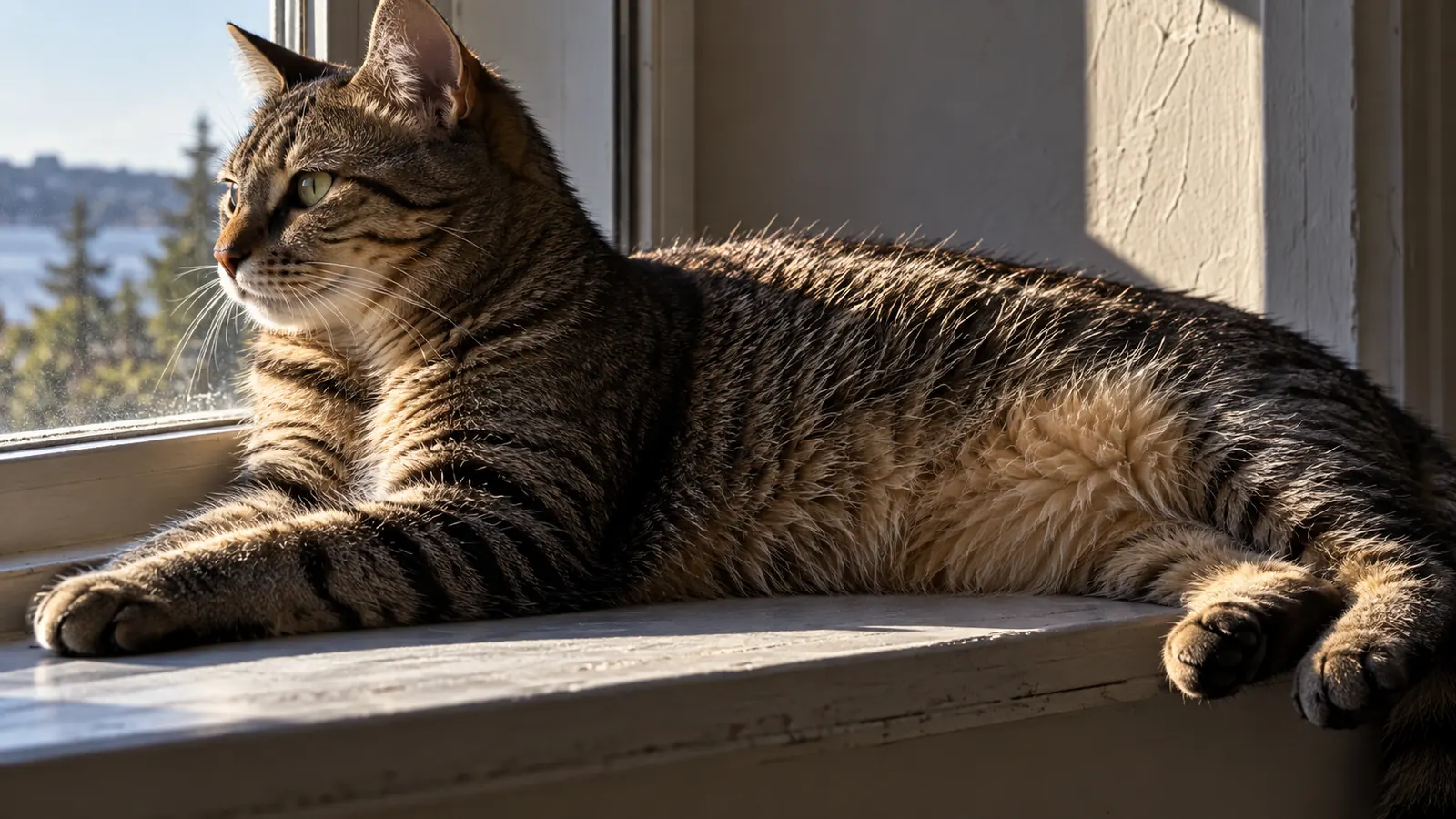
Cats of every age need daily chances to stalk, chase and pounce, with pauses whenever they want them. Age, health and interest change the pace and height of that play, and no fixed exercise total fits every cat.
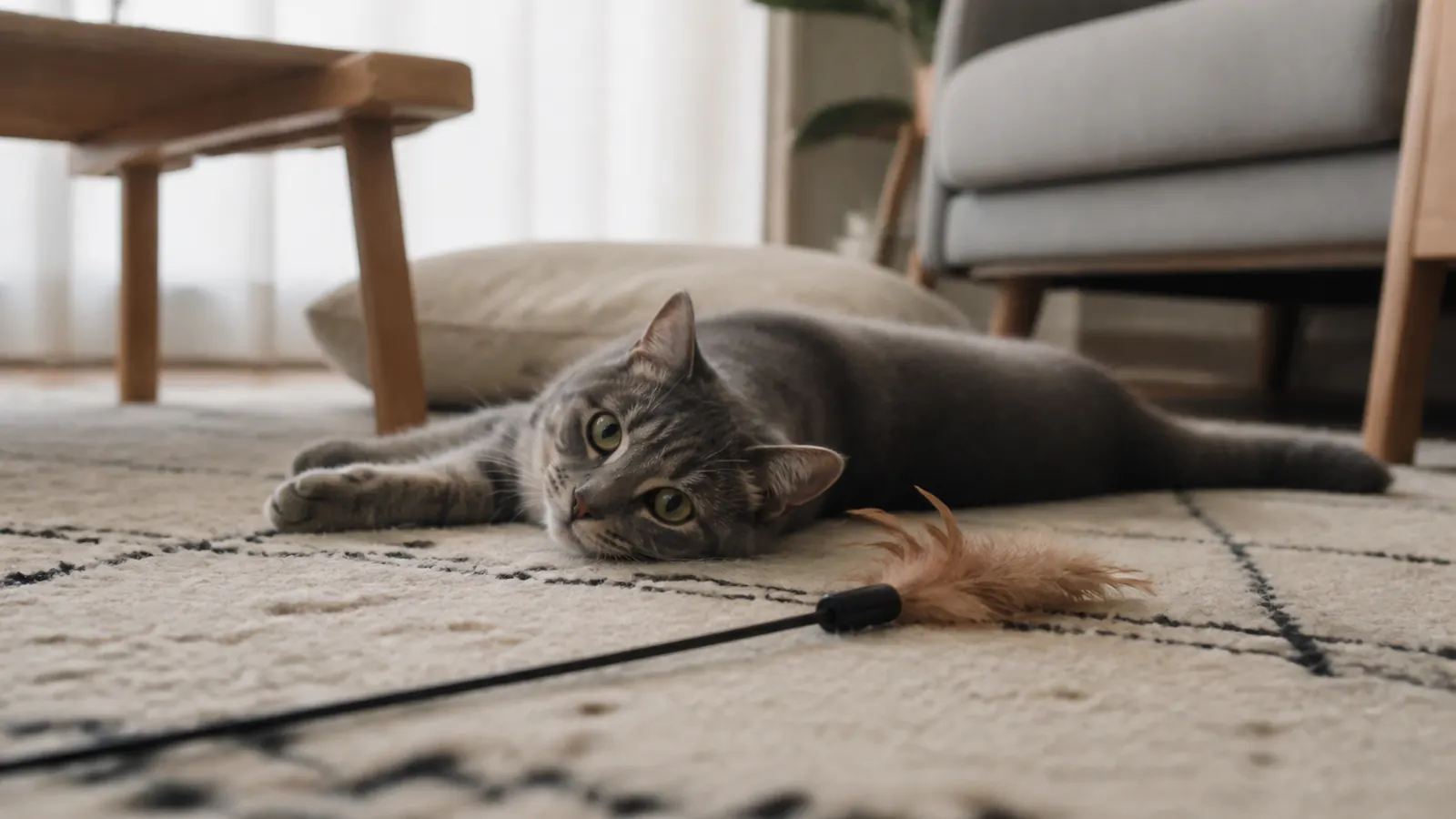
Cats do not exercise the way dogs do. They hunt in short, intense bursts and then sleep, and a routine that ignores that shape does not get used. Age shortens the burst and lengthens the recovery, while the need to hunt stays.
The shape of feline activity
A hunting cat works in seconds: it stalks, chases, pounces and then rests, and repeats that sequence across the day. Short interactive sessions spread through the day match that pattern. A few minutes is a useful starting trial, and after that the cat's interest and recovery set the length better than a clock does.
Peak activity is at dawn and dusk. A session timed just before those windows takes the edge off the behaviour that would otherwise arrive at five in the morning.
Letting the cat catch the toy now and then completes the hunt. Food at the end of a session makes a useful routine if it comes out of the daily allowance, though it does not guarantee sleep afterwards.
What changes with age
Kittens often alternate energetic play with rest and may need help keeping games gentle. Young adults may enjoy longer chases and climbing, while an older cat may prefer stalking and short pounces on the floor. Individual differences are large: age does not supply a medically validated number of minutes.
| Life stage | Useful adjustment | Watch for |
|---|---|---|
| Kitten | Frequent opportunities with easy catches and pauses | Frantic biting, fatigue or loss of interest |
| Adult | Mix interactive play, climbing and food puzzles | Weight gain, boredom or a change from its usual activity |
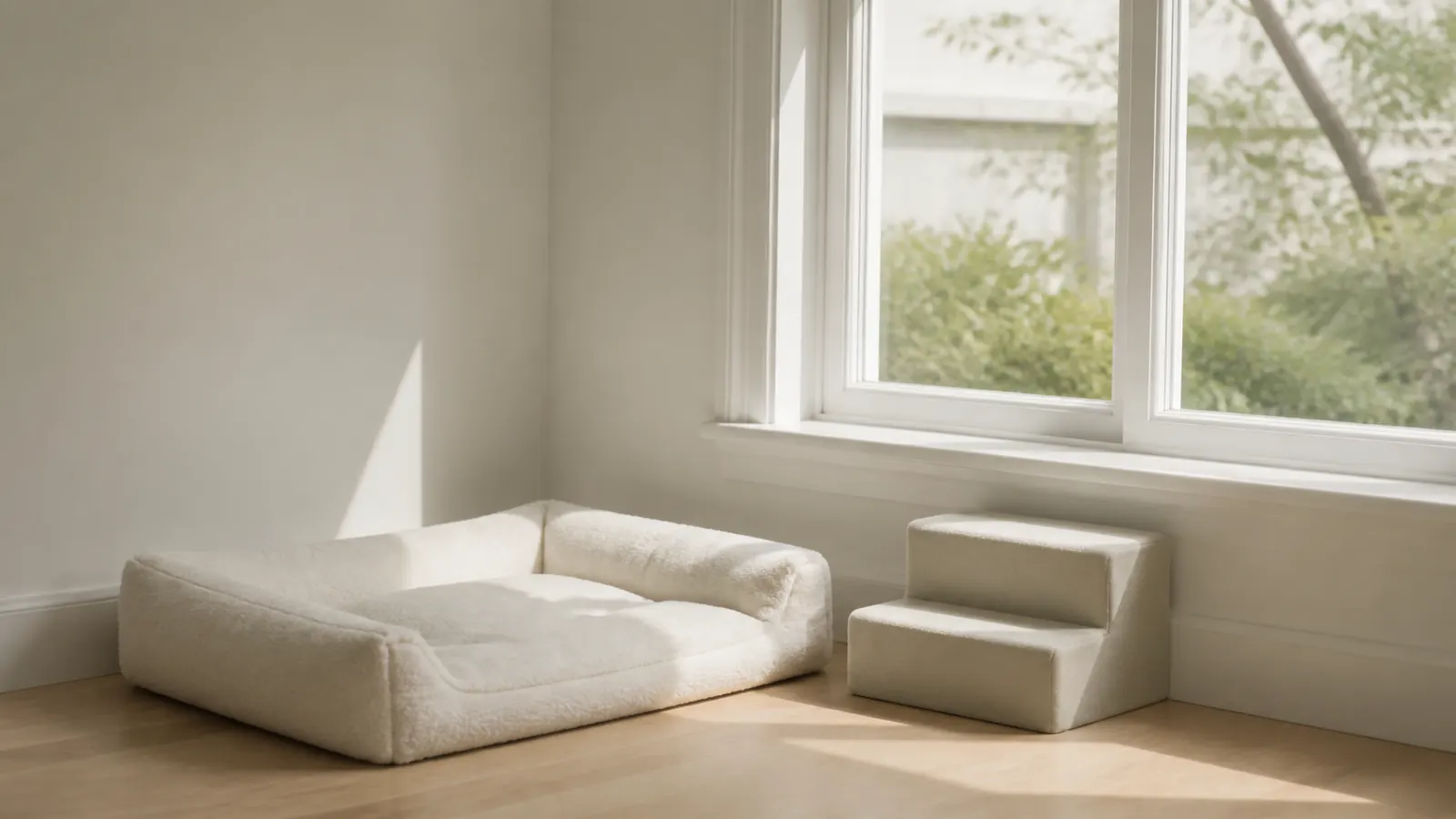
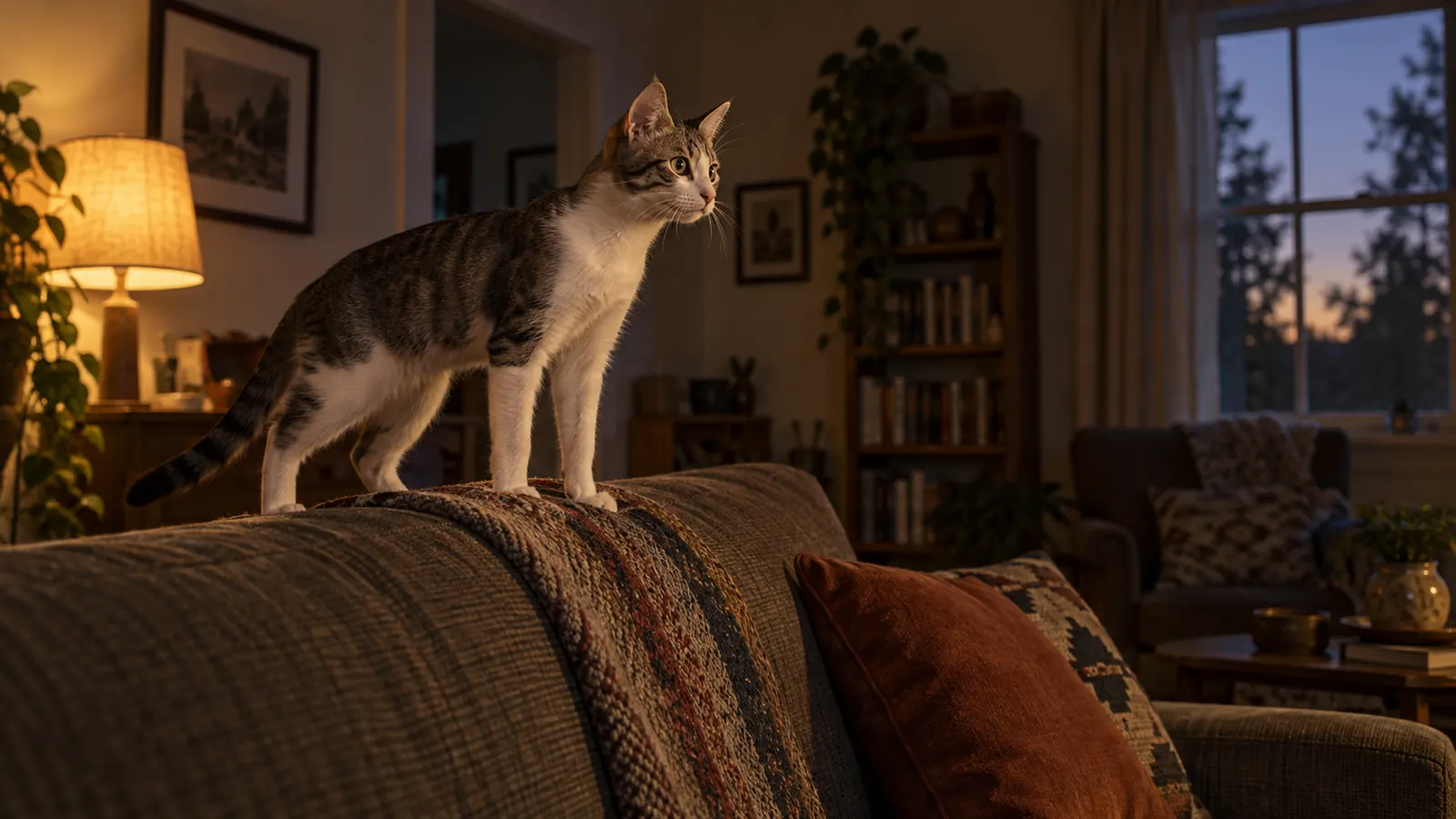
| Senior | Lower the toy and provide stable routes to perches | Reluctance to jump, stiffness or reduced grooming |
A cat that stops an activity it used to enjoy needs a health check, because pain and play often have to be managed together.
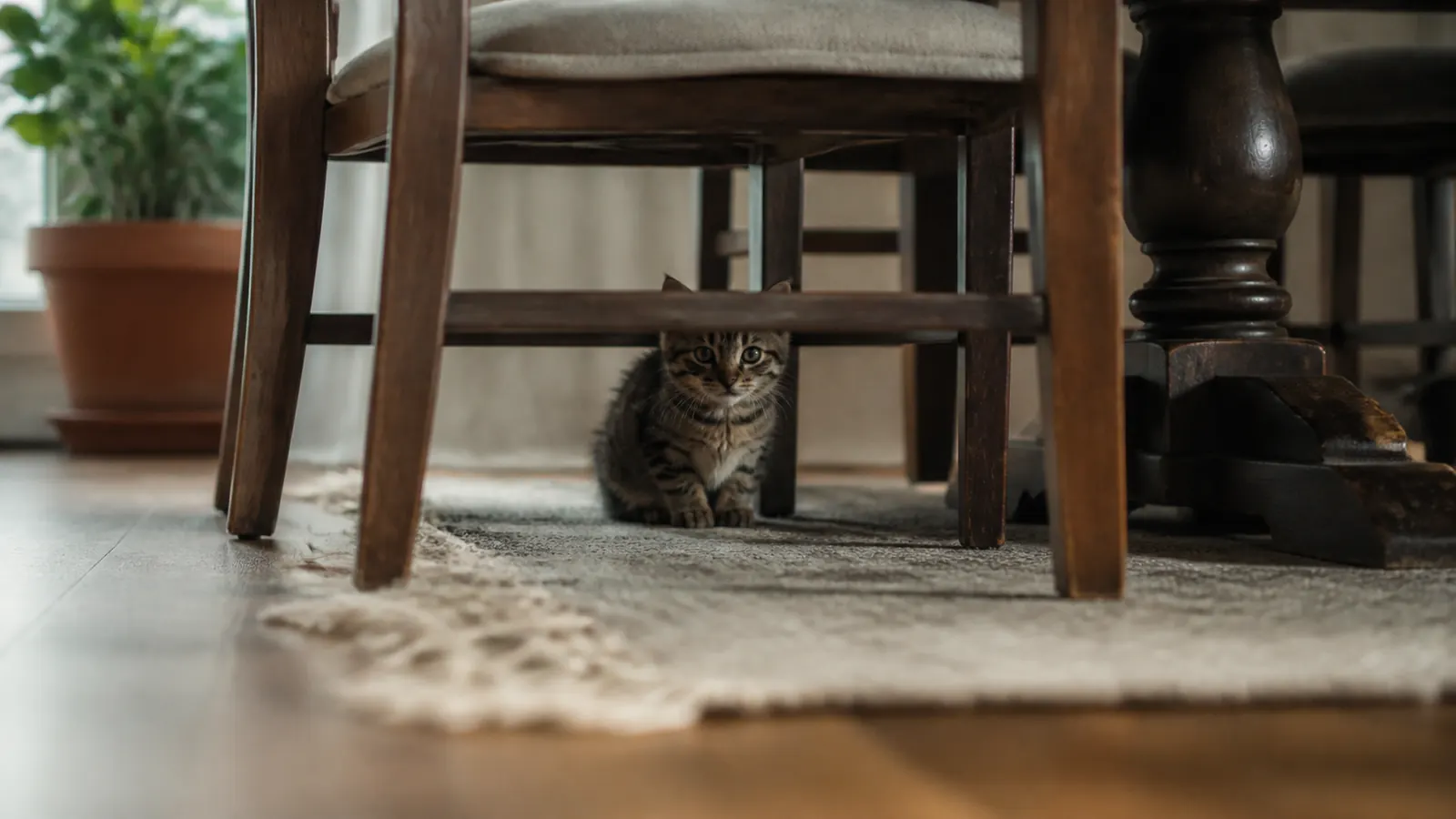
Kittens need play stopped before it turns frantic
During early socialisation, gentle play also teaches a kitten safe ways to interact. Short, frequent sessions that end before the play turns frantic work best, because overtired kittens bite harder and are less able to stop.
Never use hands or feet as toys. A kitten wrestling a hand becomes an adult ambushing an ankle, and that lesson is far easier not to teach than to undo.
Offering different toy types, textures and movements early helps you discover what the kitten enjoys.
Which toys actually work
Toy choice matters more than quantity, and most households own several that no cat has ever used.
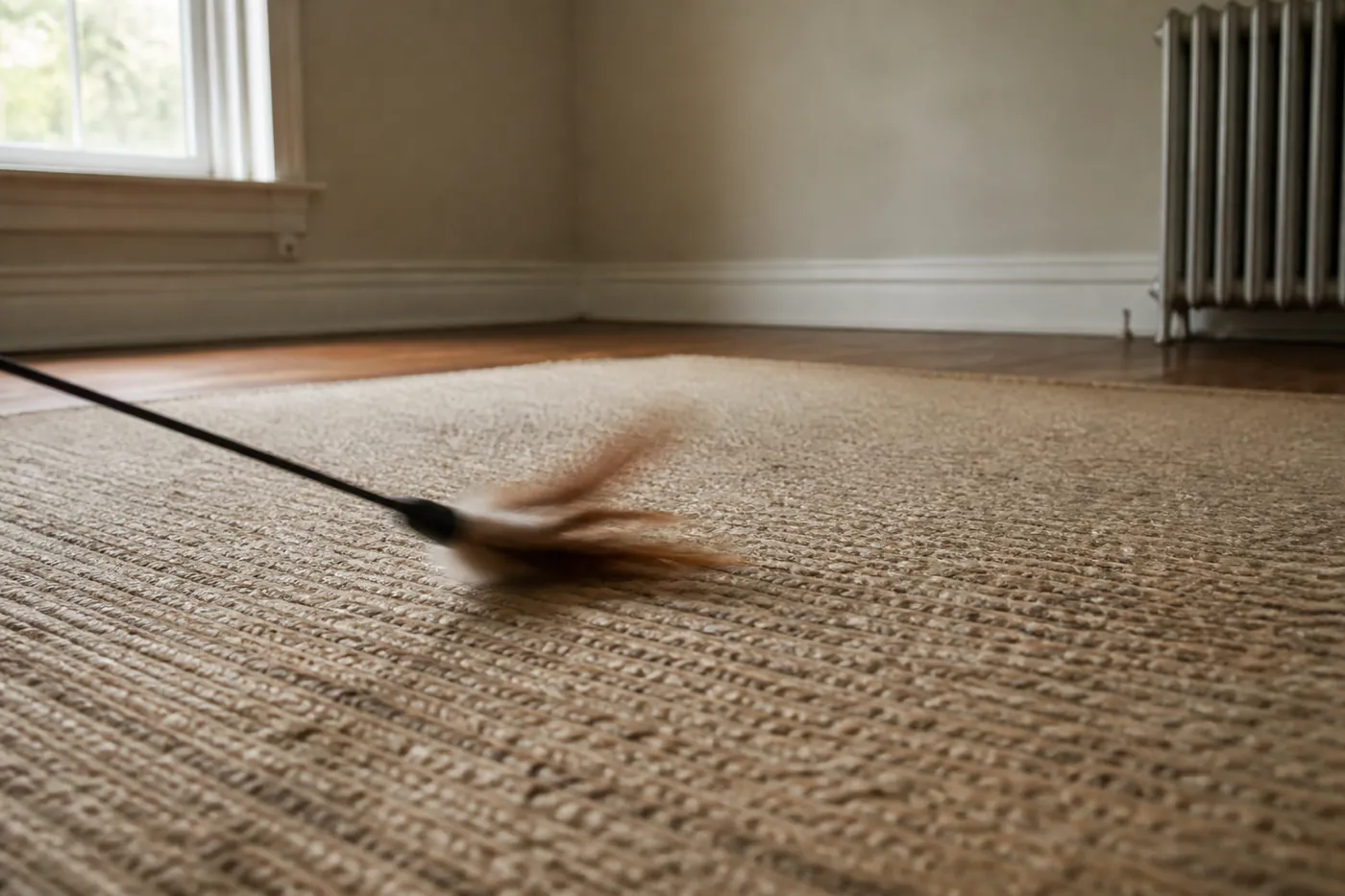
Wand toys are the single most useful category, because they let prey move away from the cat and keep hands out of the game. A feather, a fabric strip, or a mouse on a string all work, and the movement matters more than the object.
Small throwable toys suit cats that like to carry and retrieve, which is a surprising number of them. Crinkly balls and small mice get used most.
Puzzle feeders are the highest-value item for an indoor cat, since they turn a daily necessity into an activity. An easy one comes first, because a cat that fails at a puzzle abandons it rather than persisting.
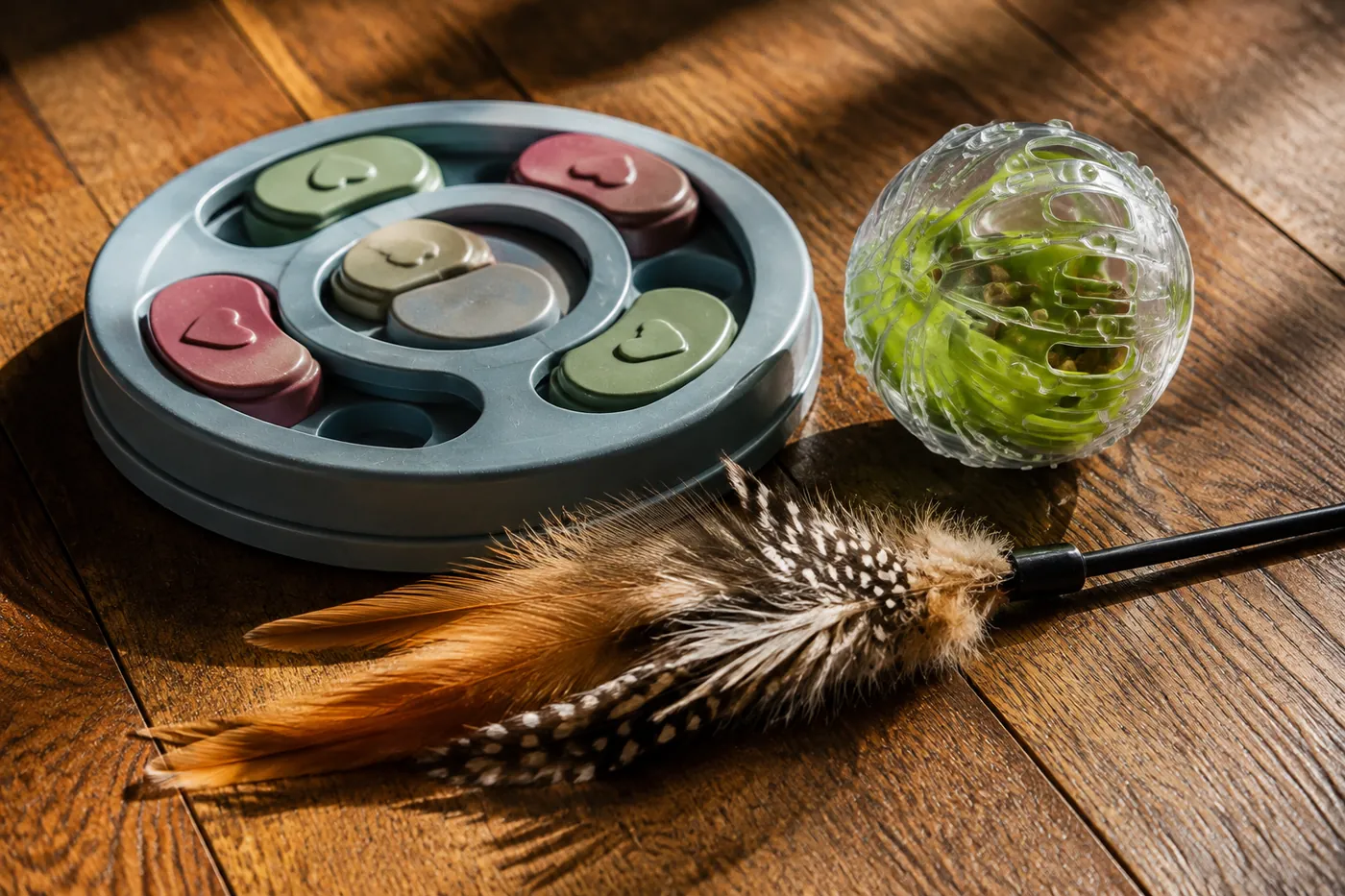
Cardboard boxes, paper bags with handles removed and large lightweight balls are inexpensive options. Supervise anything with string or detachable parts and put wand toys away after use.
| Toy | Best for | Note |
|---|---|---|
| Wand with feather or lure | Cats interested in moving prey | Keep it low or raise it according to mobility |
| Small throwable mice | Carrying and retrieving | Rotate them out of sight weekly |
| Puzzle feeder | Indoor adults, weight control | Start easy or the cat gives up |
| Treat ball | Slow feeding, mental work | Counts towards the daily calories |
| Cardboard box | All ages | Free, and reliably popular |
| Cat wheel | High-energy young cats | Expensive, and needs training into |
Overweight cats, and starting from a standstill
An overweight cat needs activity most and can do least of it, so the approach has to be different.
Play alone will not take the weight off. Most of it comes off on the calorie side, and play is there to protect the muscle while it does, which is why the two are prescribed together.
For a cat carrying extra weight, two or three minutes of a gentle game is a genuine session, ending while the cat is still comfortable and followed by rest before another attempt. Games stay at ground level, because jumping puts real load on joints already under strain and a heavy cat that lands badly can injure itself.
A cat that pants, breathes with its mouth open or takes a long time to settle afterwards has been asked for too much, and any of those is a reason to stop and seek veterinary advice. Open-mouthed breathing at rest needs a veterinarian promptly.
Playing with more than one cat
Multi-cat households usually end up under-playing every cat in them, and the reason is competition: the confident cat intercepts the toy and the other stops trying, which is how a household concludes that one cat likes play and the other does not.
Separate sessions solve it: one cat at a time in a closed room, with the others elsewhere, lets a quieter cat take part without competition. Two people with separate toys can help cats that are comfortable playing together, and the cat that backs off is the one that needs its own session.
Bonded cats that play-fight with each other are getting a genuine outlet from it, and that reduces what they need from you rather than removing it. Role swaps and pauses suggest the play is mutual, while persistent chasing, hiding or distress calls suggest it is not and need closer attention.
Signs the balance is wrong
A change in activity is useful information, but it is not a diagnosis of boredom. Night waking, weight change, over-grooming or biting may have medical or environmental causes, which is why food, play opportunities and any other recent changes are worth going through with a veterinarian.
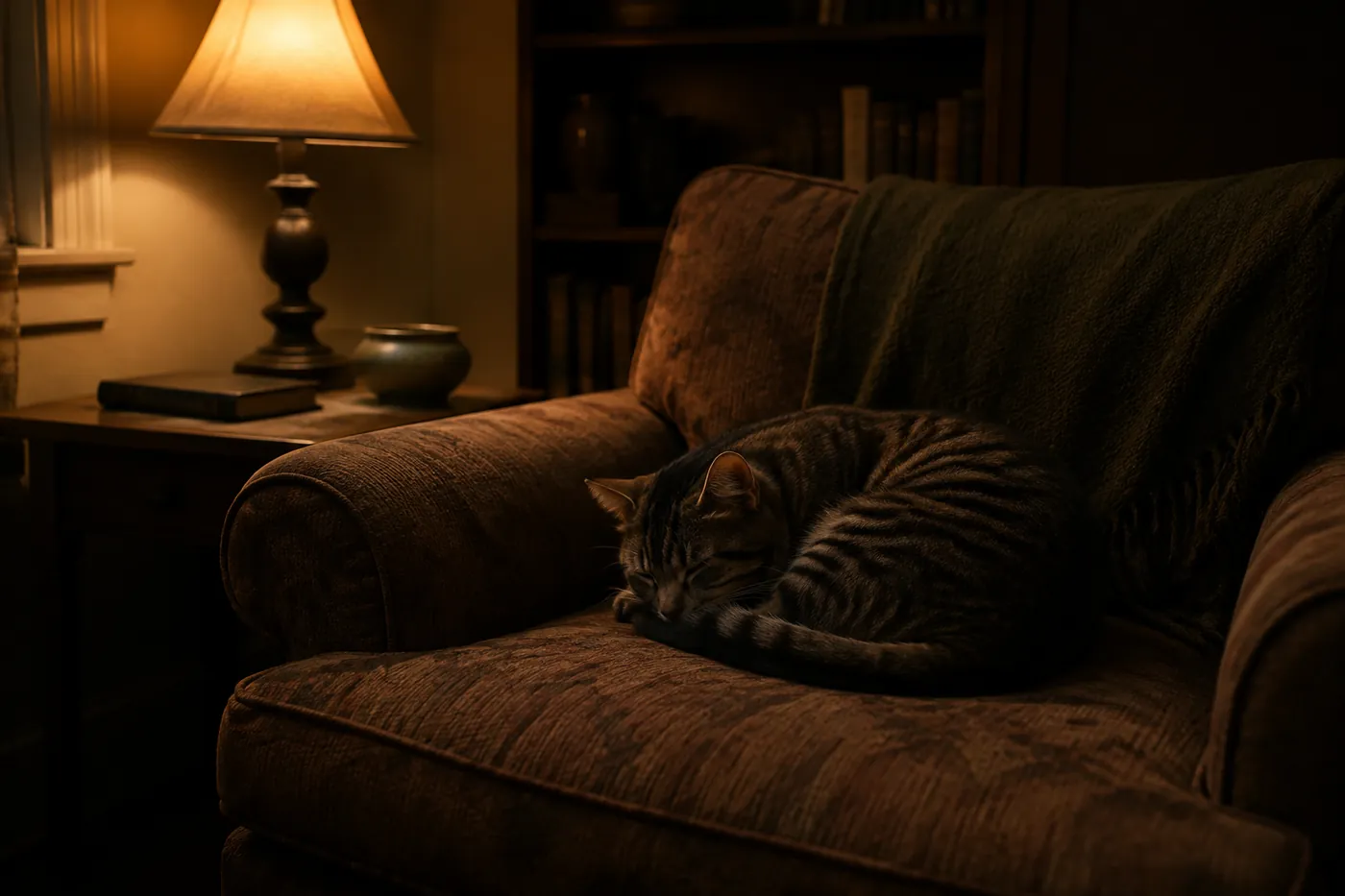
Stop if the cat pants, struggles to breathe, becomes weak or appears painful. Open-mouth breathing at rest or persistent breathing difficulty needs emergency veterinary care. Do not keep playing to build endurance.
Mild tiredness only means the session is over and the cat needs to recover. Stiffness afterwards or reluctance to repeat a previously comfortable game calls for an examination and a gentler plan.
Older cats still want it, lower down
The usual mistake with senior cats is stopping play altogether. Muscle loss accelerates when a cat stops moving, and a cat that has lost muscle finds moving harder still.
The sessions continue at ground level, with a toy dragged along the floor so the cat can pounce from a sit instead of a leap.
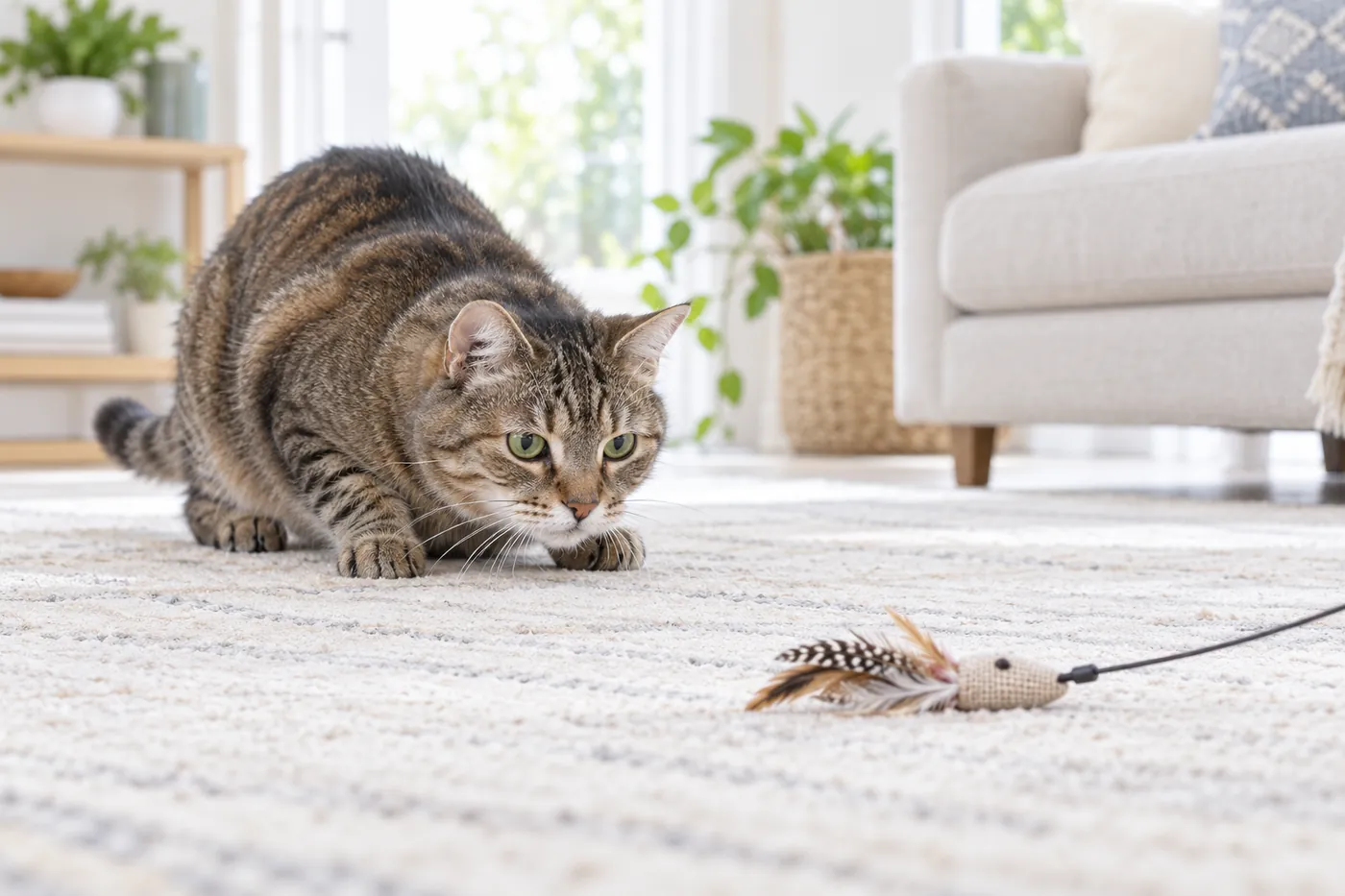
What the cat has stopped doing says more than what it still does. A cat that no longer jumps to a favourite spot is usually in pain rather than simply older, and that is treatable.
Common Questions
How much exercise does a cat need a day?
There is no single daily minute target for every cat. Short daily sessions with pauses for rest, adjusted to the cat's health, age and interest, suit most cats.
Why does my cat wake me at 5am?
Cats may be active around dawn, and learned feeding routines can also contribute. Predictable daytime and evening play and meals can help. A new pattern of night waking, especially with thirst, hunger or weight change, deserves a vet check.
Do older cats still need to play?
Yes, when they are comfortable and willing. Gentle floor-level games with pauses suit them. A loss of interest or difficulty moving calls for a health assessment, because pain is a common cause.
Checked Against
Published 2 September 2026. Last updated .