What Is Chronic Kidney Disease in Cats, and What Happens?
Chronic kidney disease is one of the most common diagnoses in older cats. It cannot be cured, and cats often live well with it for years once it is being managed.
Kidneys filter waste out of the blood and control how much water the body keeps. In chronic kidney disease that filtering capacity declines slowly and permanently.
The slowness is why it is so often caught late. A cat can lose a large share of kidney function before anything looks wrong.
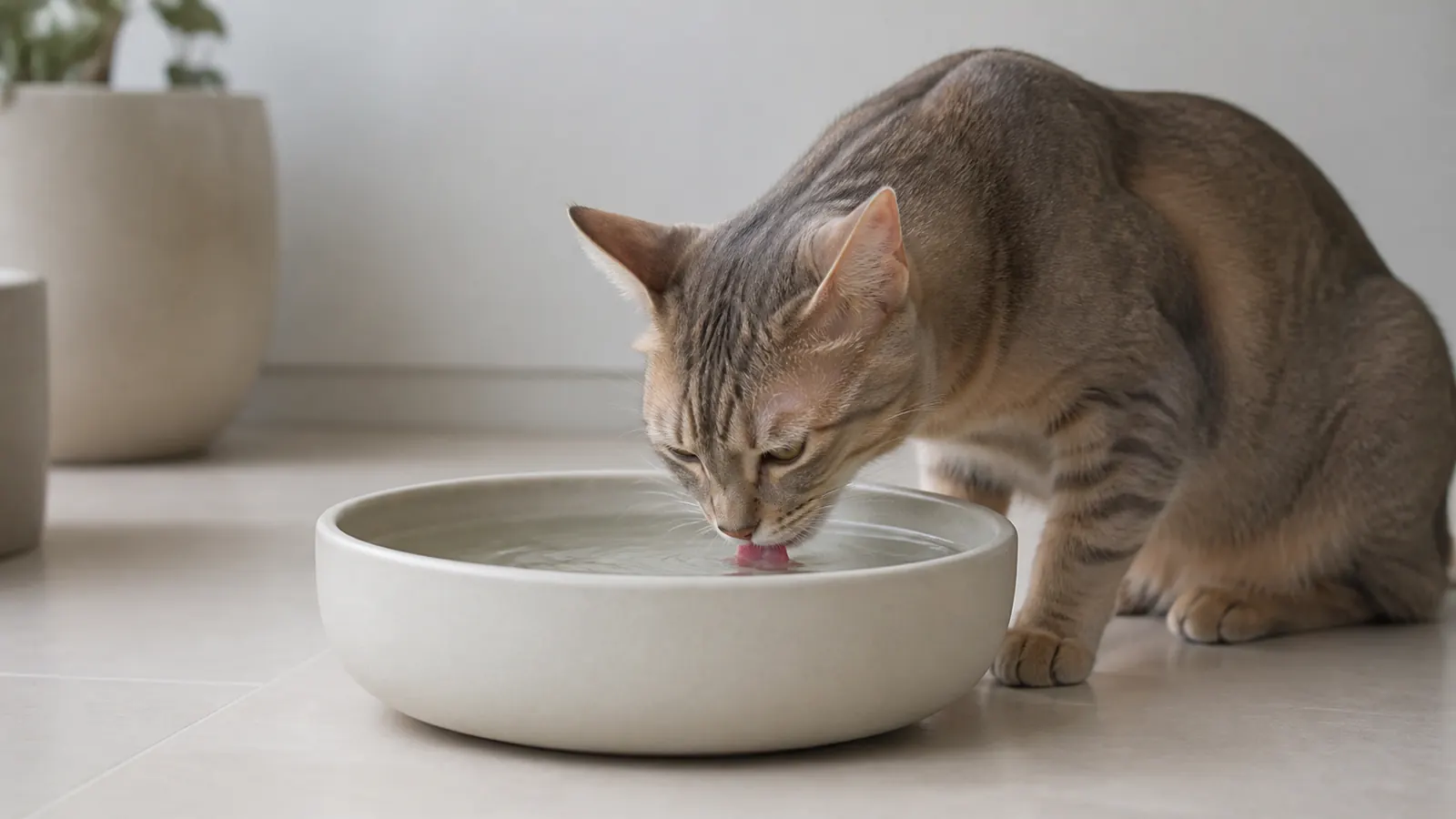
The first sign is usually drinking
Failing kidneys stop concentrating urine properly, so the cat passes more water and drinks more to keep up.
That means increased thirst and larger clumps in the tray are typically the earliest thing an owner notices, and measuring water intake can help while you arrange an appointment. Do not delay the call to collect measurements.
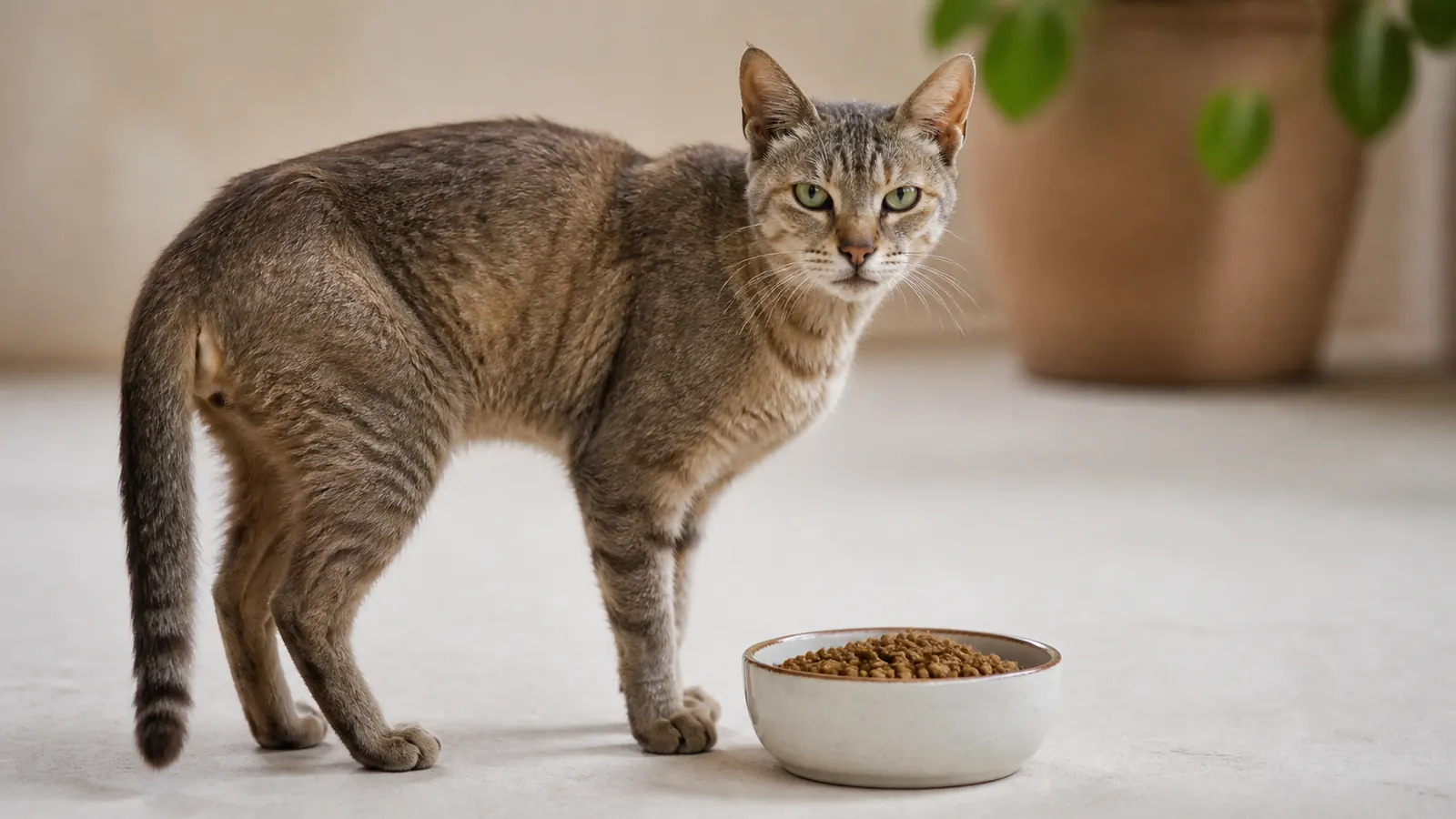
Weight loss usually follows, often with a coat that looks unkempt because grooming has become an effort.
Why kidneys fail in cats
In most cats no single cause is ever identified. The damage is scarring of the filtering tissue that accumulates over years, and by the time it is found the original insult is long past.
Some causes are identifiable. Polycystic kidney disease is inherited and appears in Persian cats and related breeds, and an earlier episode of acute injury from a toxin or an obstruction can leave permanent scarring behind.
High blood pressure both results from kidney disease and accelerates it, which is why it is measured rather than assumed.
Dental disease is worth mentioning because it is so often present alongside. Chronic infection in the mouth is thought to contribute, and it is treatable in its own right.
Age is the strongest association of all. The disease is common enough in cats past ten that screening bloods at annual visits are the ordinary way it gets caught.
How it is diagnosed and staged
Diagnosis is a blood test plus a urine test, because either one alone can mislead.
Blood work looks at creatinine and SDMA, a marker that tends to rise earlier than creatinine does. The urine test shows whether the kidneys are still concentrating.

Vets then stage the disease from 1 to 4 using the IRIS system, and the stage drives the treatment.
Staging is done on a stable, well-hydrated cat rather than during a crisis, because dehydration alone will push the numbers up and overstate the disease.
- SDMA
- A kidney-function marker interpreted with other findings
- Confirms concentrating ability
- Urine specific gravity
- Staging system
- IRIS stages 1 to 4
- Also checked
- Blood pressure and urine protein
- Monitoring interval
- Set by stage, treatment changes and the cat's response
Reading the results yourself
Owners are handed a printout of numbers and rarely told what any of them mean, which makes the whole condition harder to engage with than it needs to be.
Creatinine is a waste product the kidneys clear, and it rises as filtering capacity falls. It is the value the IRIS staging system is built on.
It is also affected by muscle mass, so a thin old cat can have a deceptively low reading.
SDMA can help identify reduced filtration, including in cats with low muscle mass. It is interpreted with creatinine, urine findings and repeat measurements, rather than used alone to diagnose disease.
Urine specific gravity measures how concentrated the urine is. A healthy cat concentrates strongly, and a kidney that has lost the ability to hold water back produces dilute urine.
This is why a urine sample is not optional.
Phosphate is one of the results that can change treatment. When it remains above the IRIS target for the cat's stage, dietary restriction and sometimes a prescribed binder are used to bring it down.
UPC, the urine protein to creatinine ratio, shows whether protein is leaking through. Protein loss speeds the decline and is treatable, which is why it is measured rather than assumed.
| Value | What it means | Why it is measured |
|---|---|---|
| Creatinine | Waste the kidneys clear | Sets the IRIS stage |
| SDMA | Rises earlier than creatinine | Catches the disease sooner |
| Urine specific gravity | How concentrated the urine is | Contributes to the workup; several diseases can cause dilute urine |
| Phosphate | Rises as filtering fails | Drives the diet and the binders |
| UPC | Protein leaking into urine | Predicts how fast it will progress |
| Blood pressure | Pressure across the filters | Untreated, it damages kidneys and eyes |
| Packed cell volume | Red blood cell share | Detects the anaemia of later stages |
A single set of results means much less than a series. Ask for the previous figures alongside the new ones, since the direction of travel is the actual finding.
Constipation, which catches almost everybody out
One complication turns up constantly in kidney cats and is rarely mentioned at diagnosis.
It also arrives disguised. A constipated cat strains in the tray and produces little, which is read as a urinary problem or as a cat refusing its tray rather than as the bowel.
A cat losing water through dilute urine is running at a permanent fluid deficit, and the gut is where the body takes that water back. The result is hard, dry, difficult stools, and it is uncomfortable enough to put a cat off its tray and off its food.
The signs are a cat straining in the tray, producing small hard pellets, or going several days without passing anything. Straining is easy to mistake for a urinary problem, and in a male cat that distinction matters urgently.
Left alone it worsens. A chronically distended colon stops moving properly, and at that point the problem needs veterinary management rather than a change of diet.
Management starts with finding out whether the cat is constipated, obstructed or dehydrated. Extra dietary water may help some cats, while fluids and laxatives need to follow the veterinary plan because kidney and heart disease change what is safe.
- Straining in the tray, or long visits with little produced
- Small, hard, dry stools rather than formed ones
- A clear change from the cat's normal stool pattern
- A cat that goes off its food alongside the straining
- Vomiting, which constipation can cause on its own
- Straining with little or no urine in any cat, which needs emergency care now
What the stages mean in practice
IRIS stages describe the severity of established CKD in a stable patient. Blood pressure and urine protein add information that can change treatment.
A stage is not a timetable, and a cat does not have to show a fixed list of symptoms at each stage.
Early disease may be found before obvious illness, whereas more advanced disease is more likely to bring poor appetite, weight loss and other complications. Some cats remain comfortable for years; others progress more quickly.
Repeated results, response to treatment and quality of life are more useful than predicting an exact lifespan from a single number.
What management looks like
There is no cure, so the goal is to slow progression and keep the cat comfortable.
A therapeutic renal diet is the single intervention with the strongest evidence behind it. These diets are lower in phosphorus and adjusted in protein.
Water intake matters more than usual, which is why many cats with kidney disease do better on wet food.
Blood pressure and urine protein are treated when they are raised, because both accelerate the damage.
The treatments that sit alongside the diet
Where diet alone does not hold phosphorus down, a binder mixed into food reduces how much is absorbed from the meal.
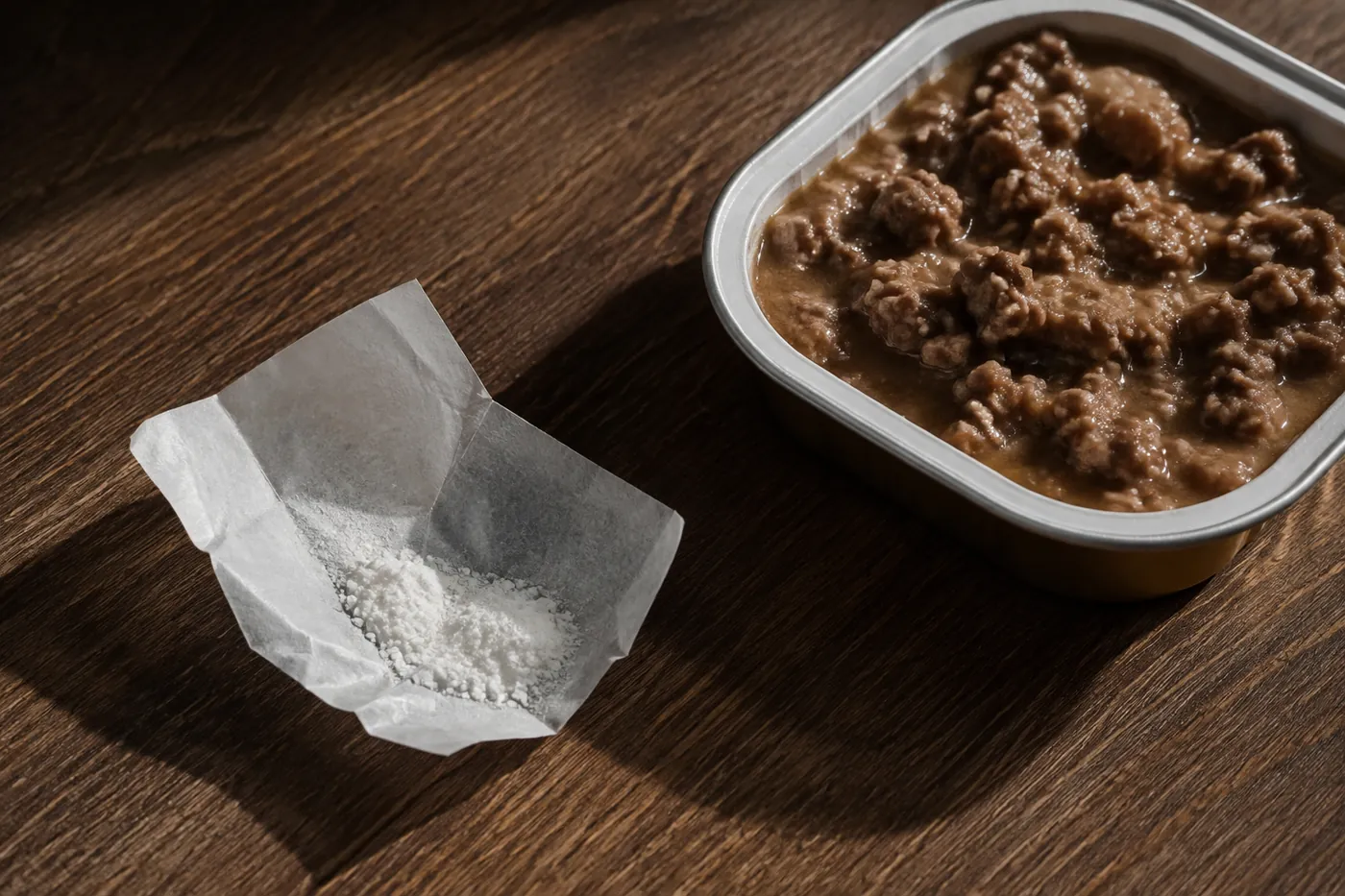
Some cats lose potassium through the failing kidneys and become weak, and a supplement corrects it. Muscle weakness can occur with low potassium, but other conditions also cause weakness.
A blood test guides supplementation.
Nausea is treated rather than tolerated. Anti-sickness medication and, where appropriate, an appetite stimulant exist because a cat that stops eating deteriorates quickly for reasons unrelated to the kidneys.
Fluids given under the skin are offered for some cats, often taught to owners to give at home. It suits a proportion of cats and distresses others, so it is a decision made per animal rather than a routine step.
Getting a cat with kidney disease to eat
Nausea, not fussiness, is usually what is behind a cat turning away from food, and it is treatable.
Waste products accumulating in the blood cause a persistent low-grade sickness, and some cats develop ulcers in the mouth on top of it. Approaching and turning away can suggest nausea, oral discomfort or dislike of the food; it is not diagnostic by itself.
Ask about anti-sickness medication before changing the food.
Water comes with the food in this disease rather than beside it, so the wet or dry decision carries more weight here than it does for a healthy cat.
Wet food can support water intake, but the priority is a suitable complete food the cat will eat. The vet may prescribe treatment for nausea or appetite, based on the cat's examination and other medicines.
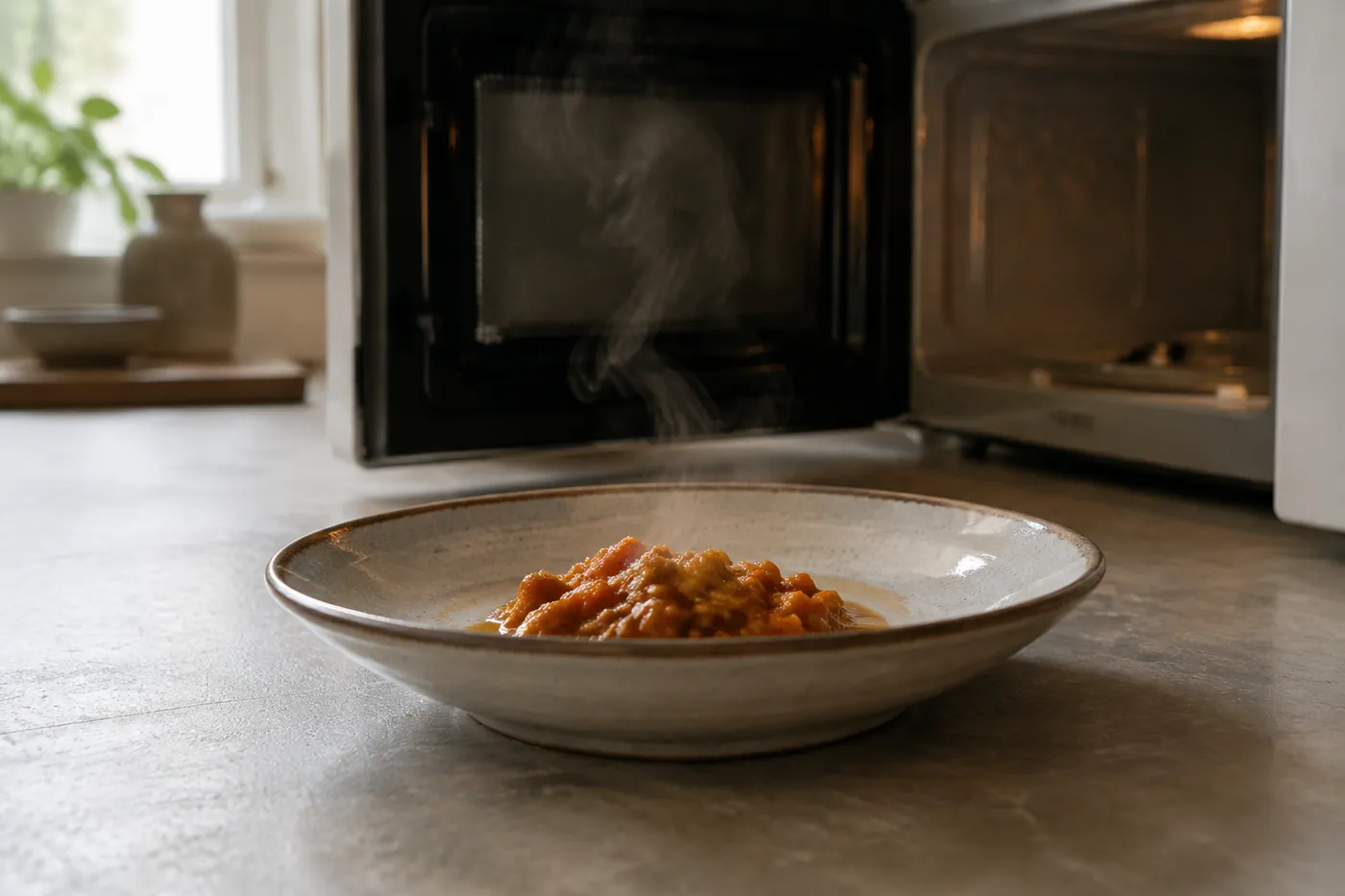
Gently warming food can lift the smell for some cats. Offering small fresh portions can also help, but a cat that approaches food and turns away may need treatment for nausea or pain rather than another flavour.
- Raise the nausea with the vet before assuming the cat dislikes the diet.
- Warm wet food slightly if the cat prefers it, and check that it is not hot.
- Offer small portions several times a day rather than one large bowl.
- Use wide, shallow dishes so whiskers stay clear of the sides.
- Introduce a renal diet at a pace that keeps the cat eating; some cats need several weeks.
- Never starve a cat into accepting a new food, because going without food causes liver damage.
If the cat will not accept a renal diet at all, a vet would rather it ate an ordinary food than nothing. Eating something beats eating the right thing.
Fluids given at home
Subcutaneous fluids are offered to many cats in the middle and later stages, and owners are often taught to give them.
The veterinary team teaches where and how to give the prescribed fluid, how much to give and when. The amount and frequency are individual, and changes in breathing or other signs of fluid overload require prompt advice.
It suits some cats and genuinely distresses others. A cat that becomes fearful of the person giving the fluids has lost something that matters, and stopping is a legitimate decision rather than a failure.
It is not a treatment to start on your own. Giving fluids to a cat with an underlying heart condition can cause fluid to build in the chest, which is why this begins with an examination and a prescription.
Anaemia, and the other complications
Healthy kidneys produce the hormone that tells the bone marrow to make red blood cells, and failing ones make less of it.
The result is a slow anaemia that appears in the later stages and explains a lot of the tiredness. Pale gums are the visible sign, and it is picked up on routine blood tests well before that.
There are treatments, including injections that replace the missing hormone, and they are used where the anaemia is contributing to how the cat feels.
High blood pressure is the other complication worth naming, because it damages the eyes as well as the kidneys. A cat that goes suddenly blind from a detached retina has usually had untreated hypertension for some time, and it is measurable at any consultation.
Living with it
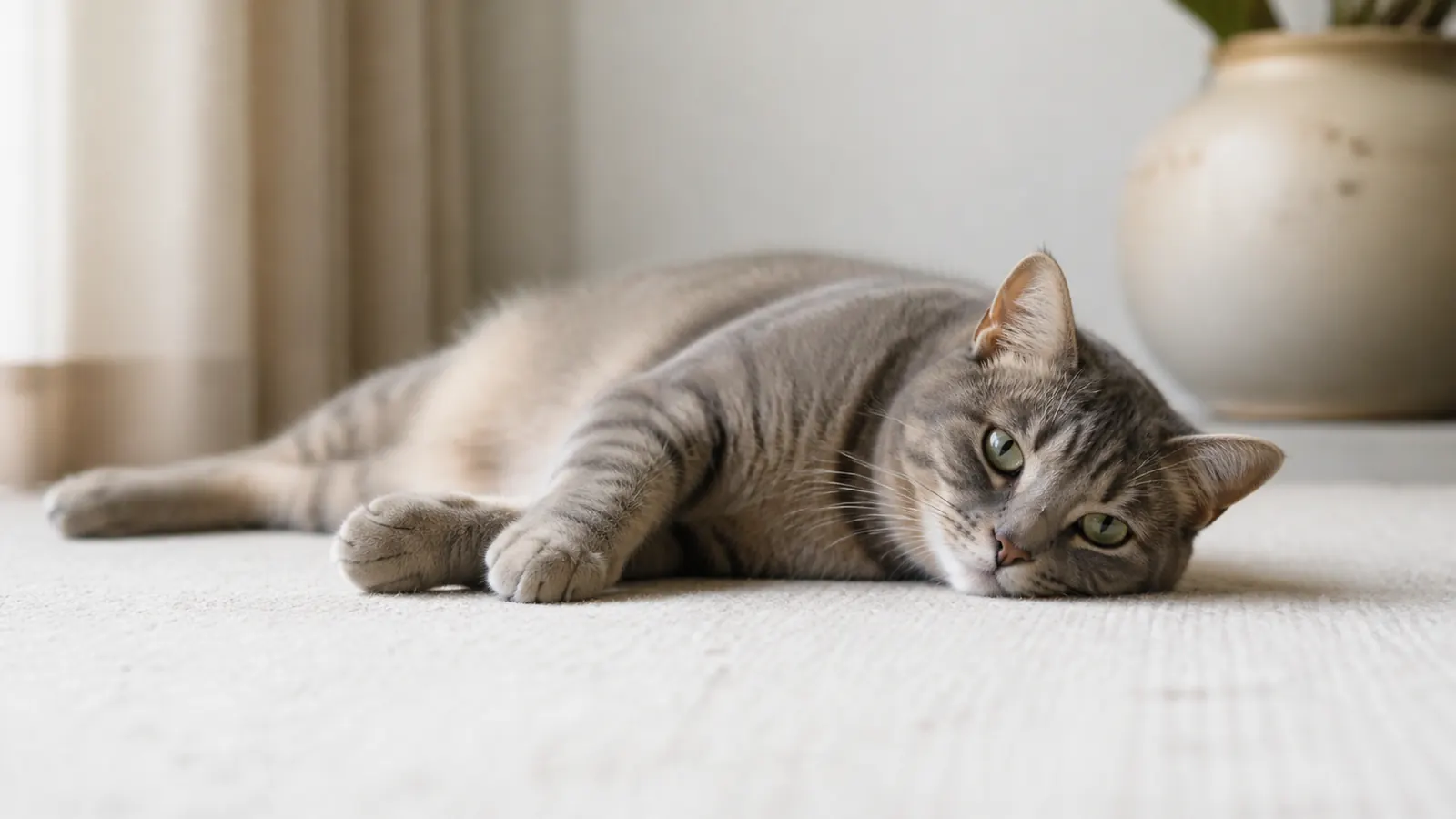
Most cats with early-stage disease feel well and behave normally.
Practical adjustments help: more water bowls, wet food, low-sided trays, and warm resting places, because older kidneys and older joints usually arrive together.
Watch appetite closely. A cat with kidney disease that stops eating needs to be seen quickly, because going without food quickly causes separate liver problems.
Weighing the cat at home between clinic rechecks can reveal a downward trend sooner. Ask the veterinary team how often to weigh, because a frail cat or one whose treatment is changing may need closer follow-up.
Kidney disease and an overactive thyroid frequently occur in the same older cat, and each affects how the other is treated.
Knowing when enough is enough
This is the part of the disease people find hardest to ask about, and it deserves a plain answer.
Kidney disease does not usually end suddenly. It ends with a cat that stops eating, stops grooming, hides, and no longer does the things it enjoyed, and that decline can be gradual enough to miss from inside it.
Keeping a simple written record helps more than memory does. Note each day whether the cat ate, whether it groomed, whether it sought company, and whether it seemed comfortable.
A veterinarian will discuss quality of life openly if asked, and most practices use a structured scale to make the conversation concrete rather than emotional. Asking early is not giving up, and it usually reduces the fear rather than adding to it.
Common Questions
How long can a cat live with chronic kidney disease?
It depends heavily on the stage at diagnosis. Cats found early and managed well often live for several more years, while cats diagnosed at an advanced stage have a shorter outlook. Your veterinarian can give a realistic picture once the cat is staged.
Is chronic kidney disease painful?
The disease itself is not usually described as painful, but it causes nausea, dehydration, and lethargy that make a cat feel unwell. Much of the treatment is aimed at those symptoms rather than at the kidneys.
Does a renal diet really make a difference?
Therapeutic renal diets have strong evidence in established CKD, but the recommendation depends on stage and laboratory results. The choice, timing and monitoring belong with the veterinarian managing the cat.
Checked Against
Published 4 August 2026. Last updated .