Can Cats Eat Cheese, or Is It Better Avoided?
Cheese is not usually classed as a cat poison, but it is still better avoided as a treat. Many cats digest dairy poorly, and cheese adds calories, fat and salt without supplying anything a complete cat food lacks.
Not poisonous, but there is a clear reason not to feed it.
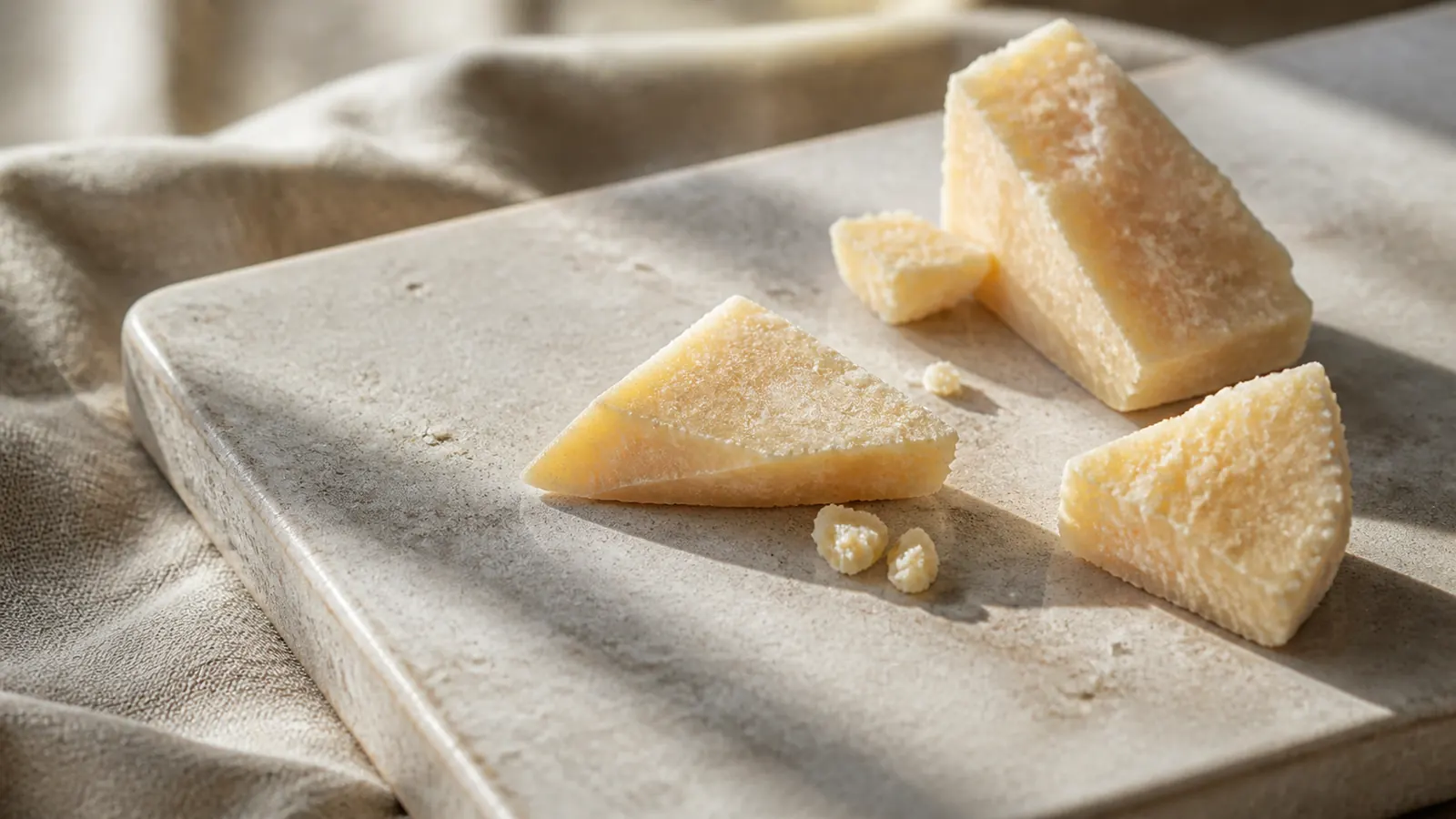
Veterinary nutrition guidance treats milk and dairy products as foods to avoid for cats. Many adult cats have too little lactase to digest lactose comfortably, so dairy can cause diarrhoea, vomiting, bloating or abdominal discomfort.
Cheese is therefore marked not recommended, even though a tiny bite of plain cheese is not usually the same emergency as chocolate, onion or garlic. A food can be non-poisonous and still be a poor treat.
Why can cheese upset a cat's stomach?
Lactase is the enzyme that breaks down the lactose in milk. Many cats produce less of it after weaning, and undigested lactose can draw water into the bowel and be fermented by gut bacteria. The result may be wind, bloating, loose stools, abdominal discomfort or vomiting. The reaction varies with the cat, the product and the amount, so a previous uneventful bite does not prove that a larger portion will be tolerated.
Undigested lactose is only part of the problem. Cheese also adds fat, salt and calories without making a complete cat food more nutritious.
Does a hard or lactose-free cheese change the answer?
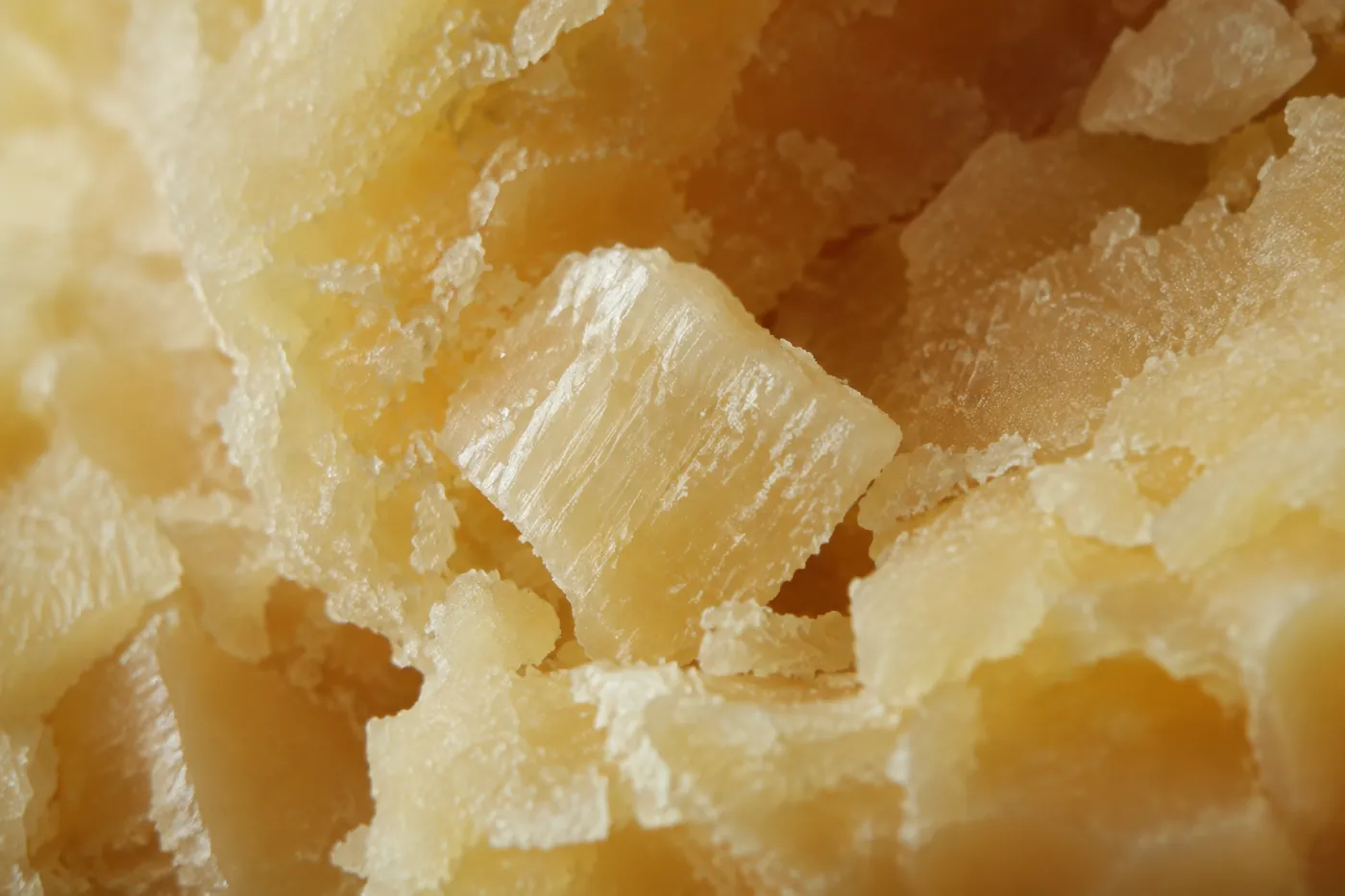
Some aged hard cheeses contain less lactose than milk or fresh cheese, while lactose-free products remove much of that particular sugar. Neither feature removes the calorie, fat and salt load. Product recipes also vary, so the name of a cheese cannot establish how much lactose or salt a cat would receive, and testing at home how much a cat tolerates gains nothing when a suitable cat treat avoids the uncertainty.
| Product | What changes | Practical decision |
|---|---|---|
| Plain hard cheese | May contain less lactose than fresh dairy | Still unnecessary and calorie-dense; do not make it a routine treat |
| Cottage or cream cheese | Moist, fresh dairy with a variable recipe | Avoid; digestive upset remains possible |
| Lactose-free cheese | Reduces lactose | Still carries fat, salt and calories |
| Processed cheese or cheese snack | May add salt, flavourings and other ingredients | Check the full label; do not offer it |
| Mouldy, blue or spoiled cheese | Adds uncertainty beyond ordinary dairy | Keep it away from the cat |
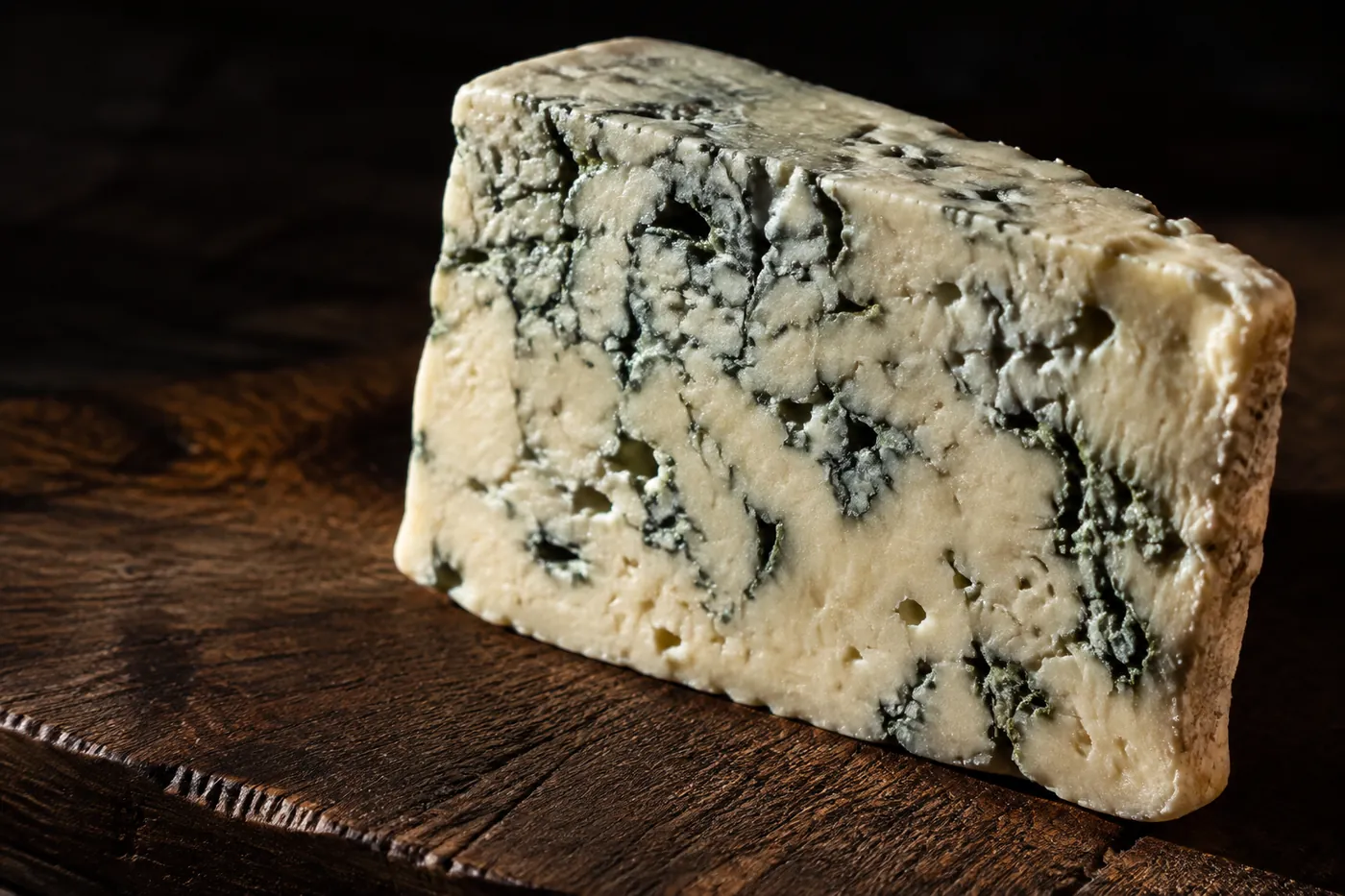
How does cheese fit within the treat allowance?
WSAVA advises that all treats together should provide no more than 10 percent of daily calories for an average healthy adult cat. That ceiling applies to suitable treats and leaves no reason to spend it on dairy. Cheese is calorie-dense, and a visually small piece can use a meaningful share of the day's extras. The daily calorie calculation and portion guide explain how treats fit around a complete diet.
- Daily role
- None; cats do not need cheese
- Main concern
- Digestive upset from dairy, plus avoidable calories, fat and salt
- Treat ceiling
- All suitable treats combined, no more than 10 percent of daily calories
- Better option
- A measured cat treat or a little plain cooked meat that fits the cat's diet
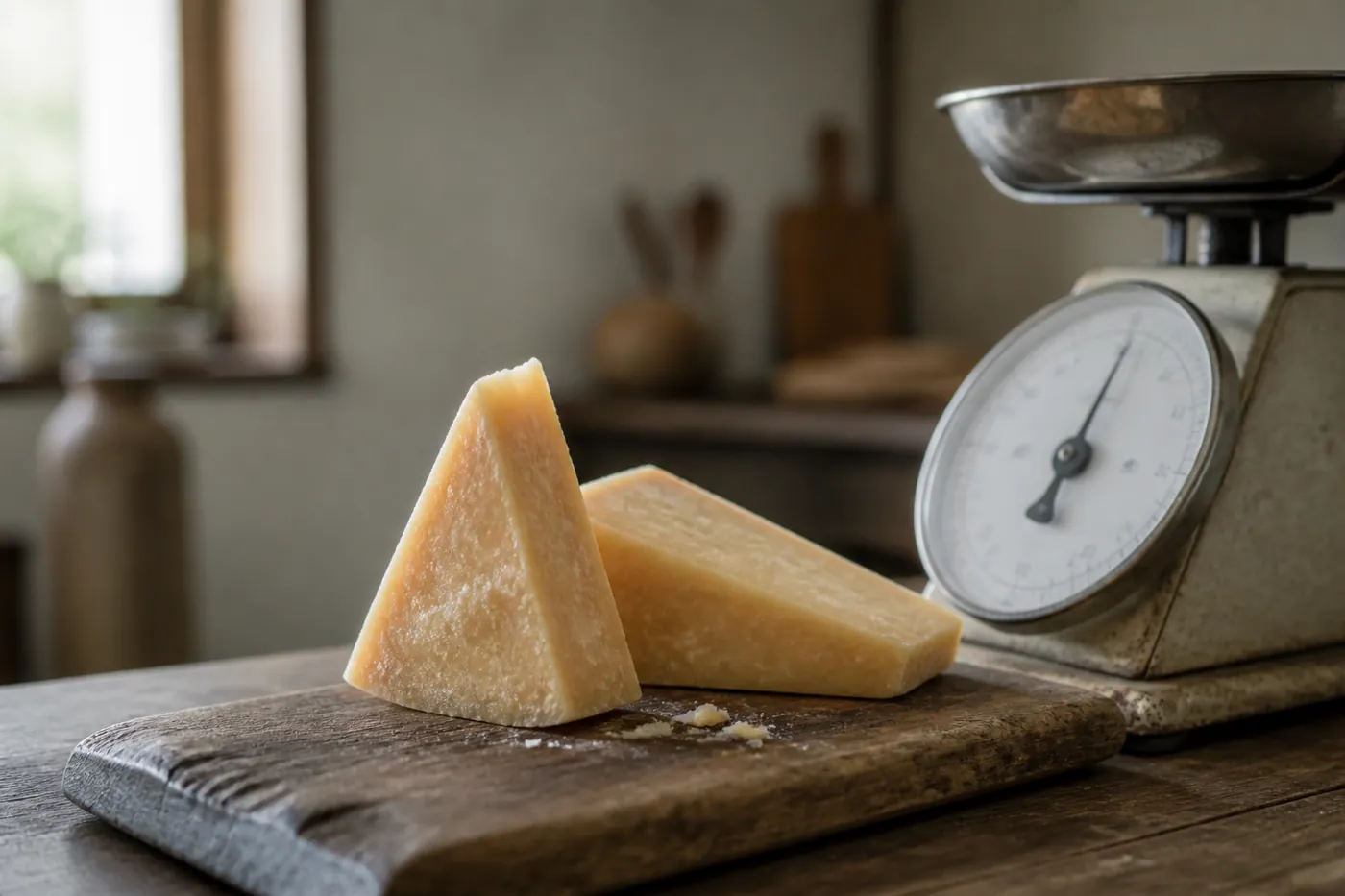
Which cats need an especially firm no?
Do not add cheese to a therapeutic or elimination diet unless the prescribing veterinarian specifically approves it. An unplanned ingredient can defeat a diet trial or change the nutrient intake the therapeutic food is meant to control.
Kittens need calories from a complete growth diet, while an overweight cat has little room for calorie-dense extras. Cats with kidney disease, heart disease, previous pancreatitis or recurring digestive signs need treats chosen for their individual plan. Chronic kidney disease can make phosphorus and sodium relevant to treatment. A general human-food snack should not be assumed to fit simply because the portion looks small.
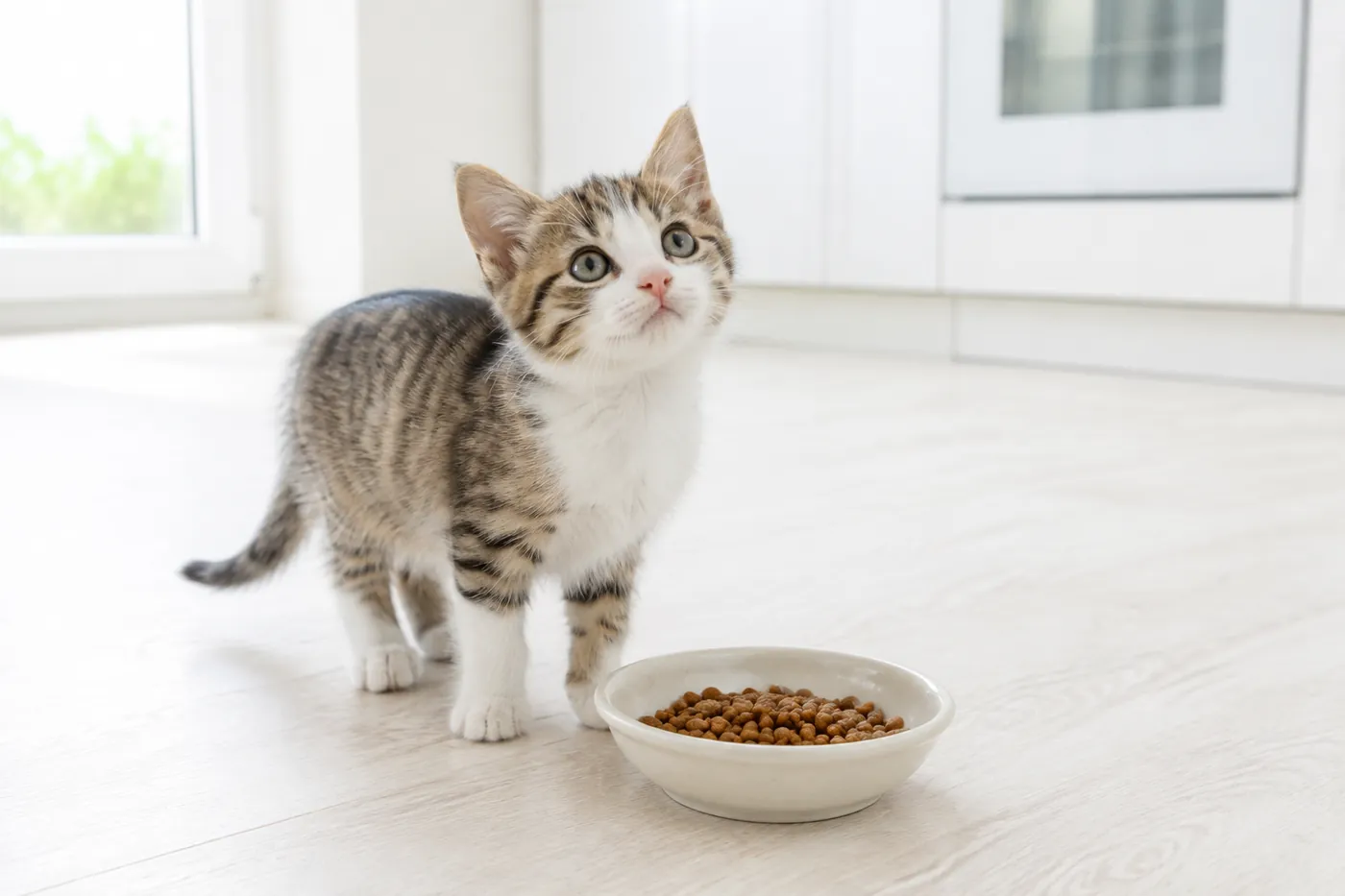
What should you do if your cat ate cheese?
First identify the product, approximate amount and time. Then read the ingredient list, because the added foods can matter more urgently than the cheese itself.
- Remove the remaining food and keep the packet or ingredient list.
- Check for onion, garlic, chives, leeks, chocolate, alcohol, raisins or xylitol.
- For a small bite of plain pasteurised cheese, monitor appetite, comfort, stools and vomiting.
- Call a veterinarian promptly for repeated vomiting, marked lethargy, pain, blood, reduced eating or a large amount.
- Contact a veterinarian or animal poison service now if a toxic added ingredient may have been eaten.
Do not induce vomiting or give a human remedy unless a veterinary professional directs you. A small plain bite and a seasoned cheese spread are different exposures, so the label is part of the answer.
Why do seasoned and plant-based cheeses need a label check?
Cheese spreads, snack products and plant-based alternatives may contain onion, garlic, chives or other flavourings. Onion and garlic can damage feline red blood cells, so a dairy-free label does not make a product cat-safe.
Plant-based cheeses may also be made largely from refined oils and can be calorie-dense. If the ingredient list is unclear, treat the exposure as unknown and ask a veterinarian or poison service rather than guessing from the front of the pack.
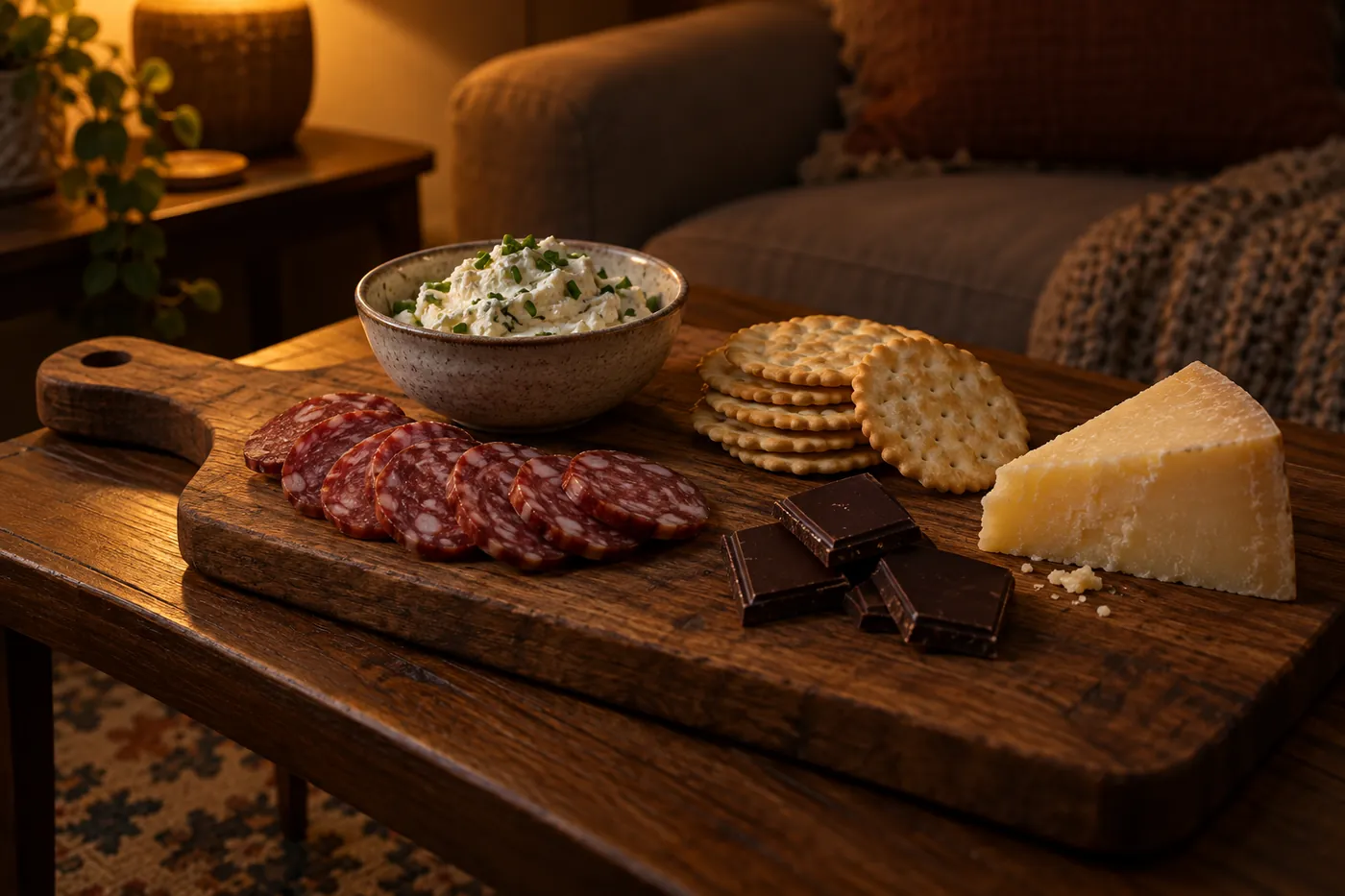
Can cheese be used to hide medicine?
Cheese can upset the stomach of a cat that is already unwell, and some medicines have food instructions that matter. The prescribing clinic can say which carrier is compatible with that exact medication and diet. A purpose-made pill pocket or a small amount of an approved familiar food may be easier to measure. Never crush or hide a tablet without checking, because some medicines must be swallowed whole or given away from food.
What signs need veterinary advice?
Mild dairy intolerance may cause wind, loose stools or a single episode of vomiting. Stop the cheese and keep water available; recurring signs deserve assessment because the food may not be the only cause.
Repeated vomiting, pain, blood, weakness, marked lethargy or reduced eating need prompt advice. The vomiting guide sets out how urgent each pattern is, and a product that contained a known toxic ingredient calls for a poison service immediately.
Common Questions
Is cheese toxic to cats?
Plain pasteurised cheese is not usually classed as a cat poison, but dairy can cause digestive upset and adds unnecessary calories, fat and salt. Check seasoned, mouldy or snack products for other ingredients and contact a veterinarian or poison service if the exposure is unclear.
My cat loves cheese and seems fine. Is that a problem?
A previous uneventful bite does not make cheese a useful routine treat. Veterinary nutrition guidance recommends avoiding dairy products, and a measured cat treat can fit the calorie allowance without the same uncertainty.
Is lactose-free cheese better?
It reduces one possible cause of digestive upset but does not remove the calories, fat or salt. It is still unnecessary, and any added flavourings must be checked separately.
Checked Against
Published 16 August 2026. Last updated .