Why Is My Cat Vomiting, and When Should I Worry?
Cats vomit more readily than most animals, which has made a lot of owners tolerant of it. Frequency is what separates a normal event from a sign worth acting on.
The first useful distinction is between vomiting and regurgitation, because they point at different parts of the body. Vomiting involves visible effort: the abdomen heaves and the cat retches. Regurgitation is passive, and food comes back up undigested and often tube-shaped.
Telling the two apart is the first job
Vomiting is an active reflex driven from the stomach or the intestines, and it is usually preceded by drooling, lip-licking, or restlessness.
Regurgitation has no warning and no effort. Food arrives back on the floor still in the shape of the oesophagus, often minutes after a meal and usually undigested.
That difference redirects the whole investigation. Regurgitation points at the oesophagus and at how the cat eats, while vomiting points at the stomach, the intestines, or something circulating in the blood.
Fast eating can contribute to regurgitation, but repeated episodes also warrant examination for oesophageal or other disease. A video may help the vet distinguish it from vomiting.
| Vomiting | Regurgitation | |
|---|---|---|
| Effort | Retching, heaving abdomen | None, it simply arrives |
| Warning | Drooling, lip-licking, restlessness | No warning at all |
| Timing | Any time after a meal | Usually minutes after eating |
| What comes up | Partly digested, often with bile | Undigested, tube-shaped |
| Points at | Stomach, intestines, or the blood | The oesophagus, or how the cat eats |
What counts as too often
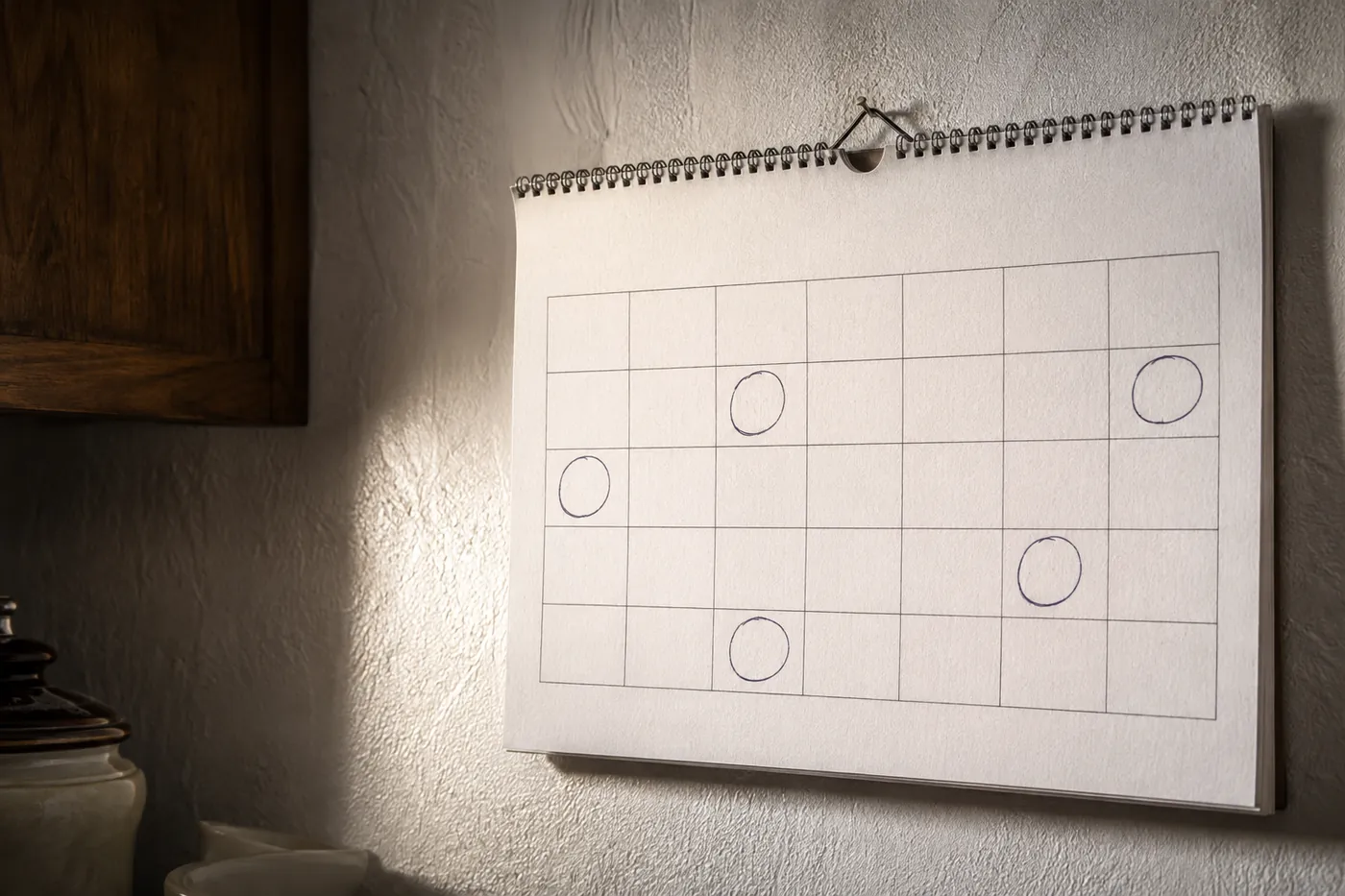
An occasional episode in an otherwise well cat can be benign, but frequency is only one part of the decision. Cornell advises prompt assessment when vomiting occurs more than once a week or comes with lethargy, weakness, reduced appetite, blood, thirst, urine changes or diarrhoea. The problem is that "common" has been stretched to cover cats vomiting weekly or more, which is not normal and is often the first sign of chronic intestinal disease. A written count shows which side of that line a cat is on far better than an impression does.
Frequent hairballs deserve the same scrutiny. Bringing one up regularly can mean the cat is over-grooming, or that the gut is not moving hair through as it should, rather than that the coat is simply long.
What the vomit itself tells you
Photograph the material if you can do so without delaying care. Colour and timing help describe an episode, but cannot diagnose the cause. Foam, bile and undigested food occur in several conditions. Yellow vomit is not proof that the cat simply needs a late meal, and food returned after eating is not proof it ate too fast.
Blood, including dark granular material, warrants prompt veterinary advice. What you see matters alongside the cat's behaviour, repeated episodes, pain, possible exposure and ability to keep water down.
Worms, and why kittens are different
Parasites are a common cause of vomiting in kittens and are often overlooked in adults.
Roundworms are the ones most often seen, and a kitten can bring up a visible worm that looks like a short piece of spaghetti. Kittens can acquire them through the mother's milk, so parasite testing and treatment should follow a veterinarian's age, product and local-risk plan. A heavy burden causes a pot-bellied appearance, poor growth, and diarrhoea alongside the vomiting. It is treatable and straightforward, and it is worth confirming rather than assuming.
Hunting and the parasite prevention in use are worth mentioning to the vet. Testing or treatment for parasites may form part of the workup, but should not postpone investigation of persistent vomiting.
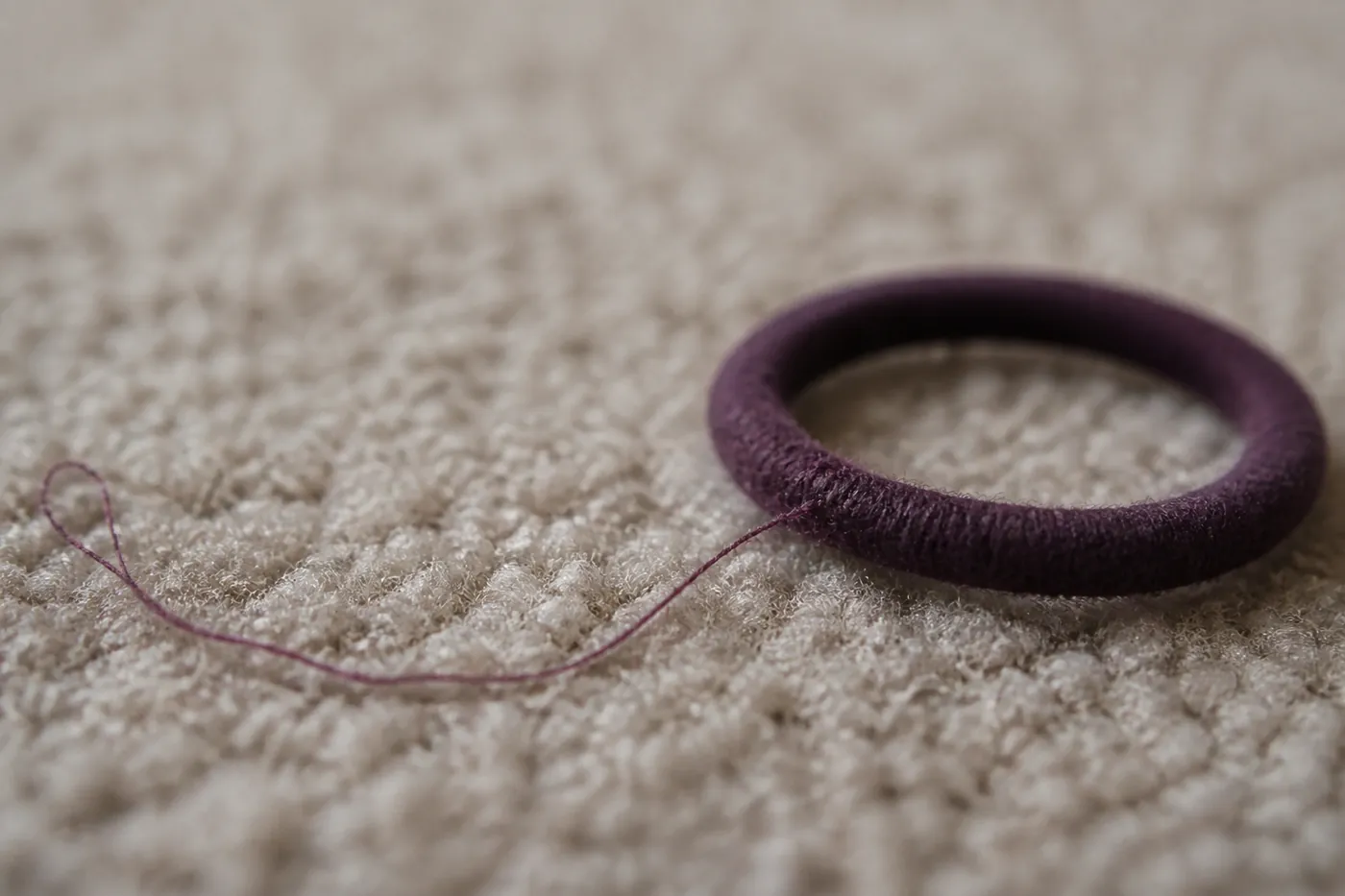
Kittens also swallow things. A vomiting kitten with a history of playing with string or hair ties is an urgent case rather than a routine one.
Possible causes
- Hairballs
- More likely in long-haired cats and during a moult
- Eating too fast
- Often regurgitation rather than true vomiting
- Dietary change
- An abrupt switch, or a food that does not suit
- Chronic enteropathy
- Inflammatory intestinal disease, a frequent cause of long-term vomiting
- Hyperthyroidism
- Common in older cats and often overlooked
- Kidney disease
- Nausea from accumulated waste products
- Foreign body
- String, hair ties, and cloth are classic in cats
- Toxins
- Plants, human medication, antifreeze
These are examples rather than a ranking of frequency or severity, and the history and examination decide which possibilities need investigation.
Two of them behave differently from everything else on the list. Poisonous houseplants and human painkillers produce vomiting as an early sign of damage happening elsewhere, so waiting to see whether it settles is the wrong response to them specifically.
Before the appointment
A small amount of preparation changes what a single consultation can achieve. Bring a written count of how often it has happened over the past month, and a note of whether it comes before or after food. Bring photographs, and bring the packaging of every food and treat the cat gets.
If a urine sample is possible, collect it that morning using non-absorbent litter. It saves a second visit and it is one of the two tests most likely to give an answer.
Where the cat has outdoor access or lives with other cats, say so. It changes what a vet considers plausible, from scavenging to a shared food bowl to a neighbour feeding the cat as well.
What the investigation actually involves
The vet starts with the history and examination, then chooses tests. Blood and urine tests can identify or raise suspicion of several diseases; they cannot rule out every cause.
Imaging comes next where bloods are unremarkable, and straight away where the history suggests an obstruction. Ultrasound is generally more useful than a plain radiograph for the intestinal wall, though a radiograph is faster where a swallowed object is suspected.
For some cats with chronic vomiting, a veterinarian may recommend a controlled diet trial after considering causes outside the gut. The chosen hydrolysed or novel-protein food has to be fed exclusively for the prescribed period, because treats and flavoured medicines can make the result uninterpretable.
Where signs persist and imaging shows a thickened intestine, biopsies distinguish inflammatory disease from a low-grade intestinal lymphoma. The two can look identical from the outside and are treated differently, which is why the distinction is worth making rather than assuming.
When it is urgent
Some patterns need same-day attention rather than monitoring, and each one below is urgent for a different reason.
Retching that produces nothing is the one most often misread as ordinary sickness. A cat bringing food up has a stomach that is emptying, while a cat straining repeatedly and producing nothing usually has one that cannot.
Blood changes what the vomiting is telling you rather than how much of it there is. Fresh red means bleeding close to the stomach, and dark coffee-coloured flecks mean blood that has already been sitting in acid.
String is the emergency that looks like the least serious. One end catches, usually under the tongue, and the gut then keeps trying to move the rest along. Because one end is anchored, the intestine pleats up along the thread like a curtain and the thread saws through the wall from the inside. That is why it needs surgery rather than time, and why it is the one obstruction that gets worse while the cat still looks stable.
Dehydration runs faster in a cat than most owners expect. Cats carry little spare fluid, and a vomiting cat is losing it at both ends of the equation.
If thread is hanging from the mouth or the back end, leave it exactly where it is. Pulling it can cut the intestine from the inside.
Hairballs, and what actually reduces them
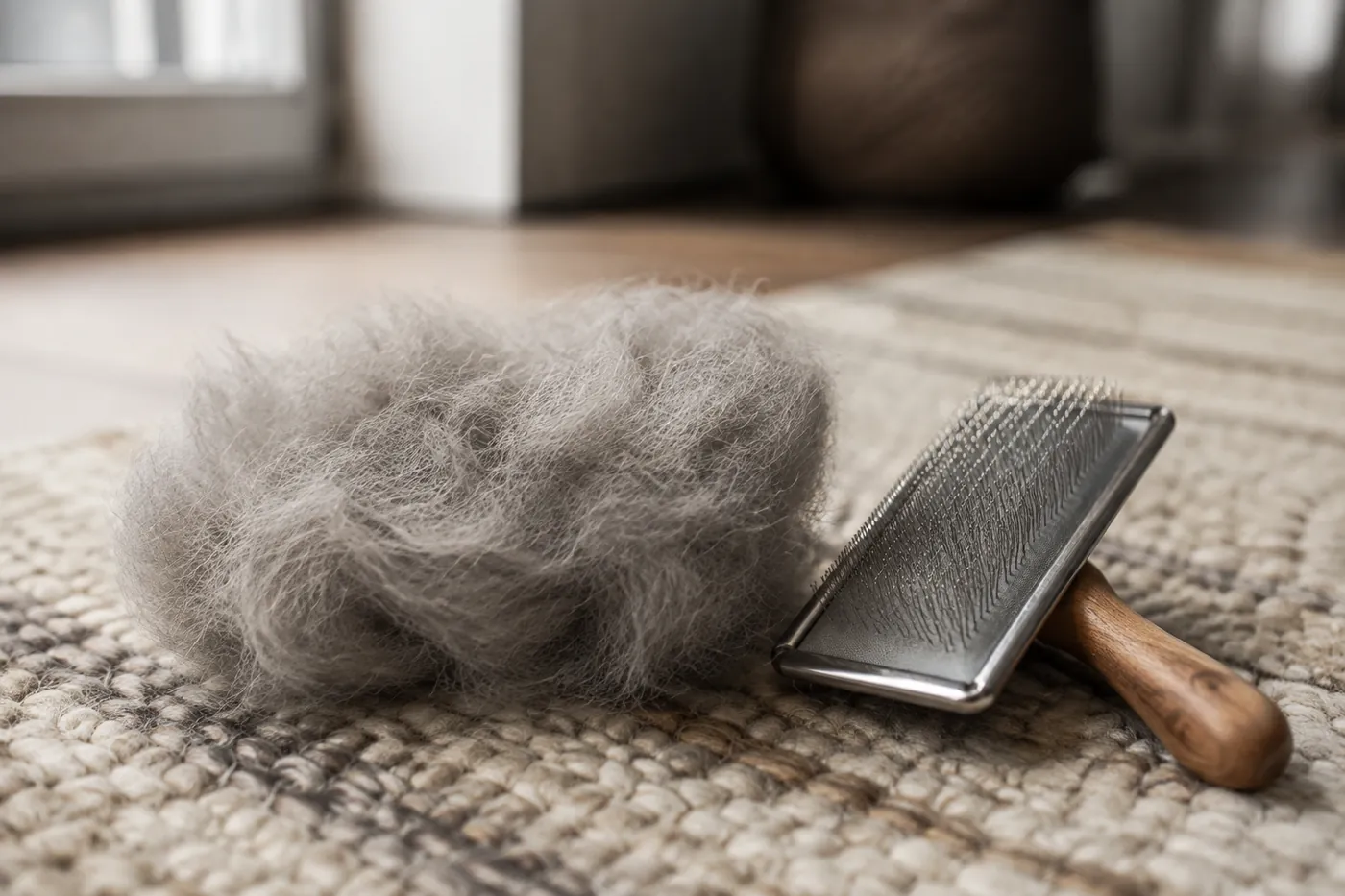
Cornell notes that an occasional hairball can occur without lasting trouble, including in long-haired cats. A weekly pattern, repeated unproductive retching or any change in appetite, energy or stools deserves veterinary assessment rather than being blamed on the coat.
Cats swallow hair while grooming and normally pass it through. A cat producing frequent hairballs is either swallowing more hair than usual or moving it through more slowly than usual.
Over-grooming is the first explanation to consider, and it is often driven by itching, pain, or stress rather than by vanity. A cat with fleas or a food sensitivity grooms far more than a comfortable one.
Slow gut movement is the second, and it is a genuine sign of intestinal disease rather than a hair problem. That is why frequent hairballs in an older cat earn a blood test rather than a tube of paste.
- Brush the cat regularly, which removes loose hair before it is swallowed.
- Check for fleas properly, since itching is the commonest driver of over-grooming.
- Look at whether the grooming is focused on one area, which suggests pain underneath.
- Use a hairball paste or a fibre-supplemented diet if a vet agrees it is appropriate.
- Book an appointment if hairballs arrive weekly, whatever the coat length.
What to do at home for a single mild episode
A single episode in an otherwise bright adult cat may be monitored if there is no suspected poison, foreign body or other warning sign. Call your practice if you are uncertain about the cat's age, condition or symptoms.
Keep water available and do not force food or fluids. Offer a small amount of the usual complete food once the cat is settled and interested, unless the vet gives different instructions. Do not impose a prolonged fast or withhold meals from a kitten or diabetic cat.
- Note the time, what came up and what the cat may have eaten.
- Watch for another episode, pain, lethargy or altered toileting.
- Keep water available without syringing it into the mouth.
- Offer small amounts of appropriate food when the cat is comfortable.
- Call if vomiting recurs or anything else changes; seek urgent help if water cannot stay down or warning signs appear.
Do not give human medicines or make repeated diet changes to suppress the symptom. Plain chicken is not a complete recovery diet and should not replace assessment of ongoing illness.
Common Questions
Are hairballs normal?
An occasional hairball is normal, particularly in long-haired cats. Frequent hairballs are worth mentioning to a vet, because chronic vomiting is often misattributed to hair when the real cause is intestinal.
Should I withhold food if my cat vomits?
Do not use a prolonged fast, especially for a kitten or diabetic cat. For a single mild episode, keep water available and ask your vet whether small normal meals or a specific feeding plan are appropriate.
My cat vomits right after eating. What does that suggest?
It may be vomiting or passive regurgitation; timing alone cannot distinguish the cause. Film an episode if safe and arrange an examination if it recurs.
Checked Against
Published 9 August 2026. Last updated .