
What Is a Tennessee Rex, and How Does Its Curl Gene Differ From Other Rex Breeds?
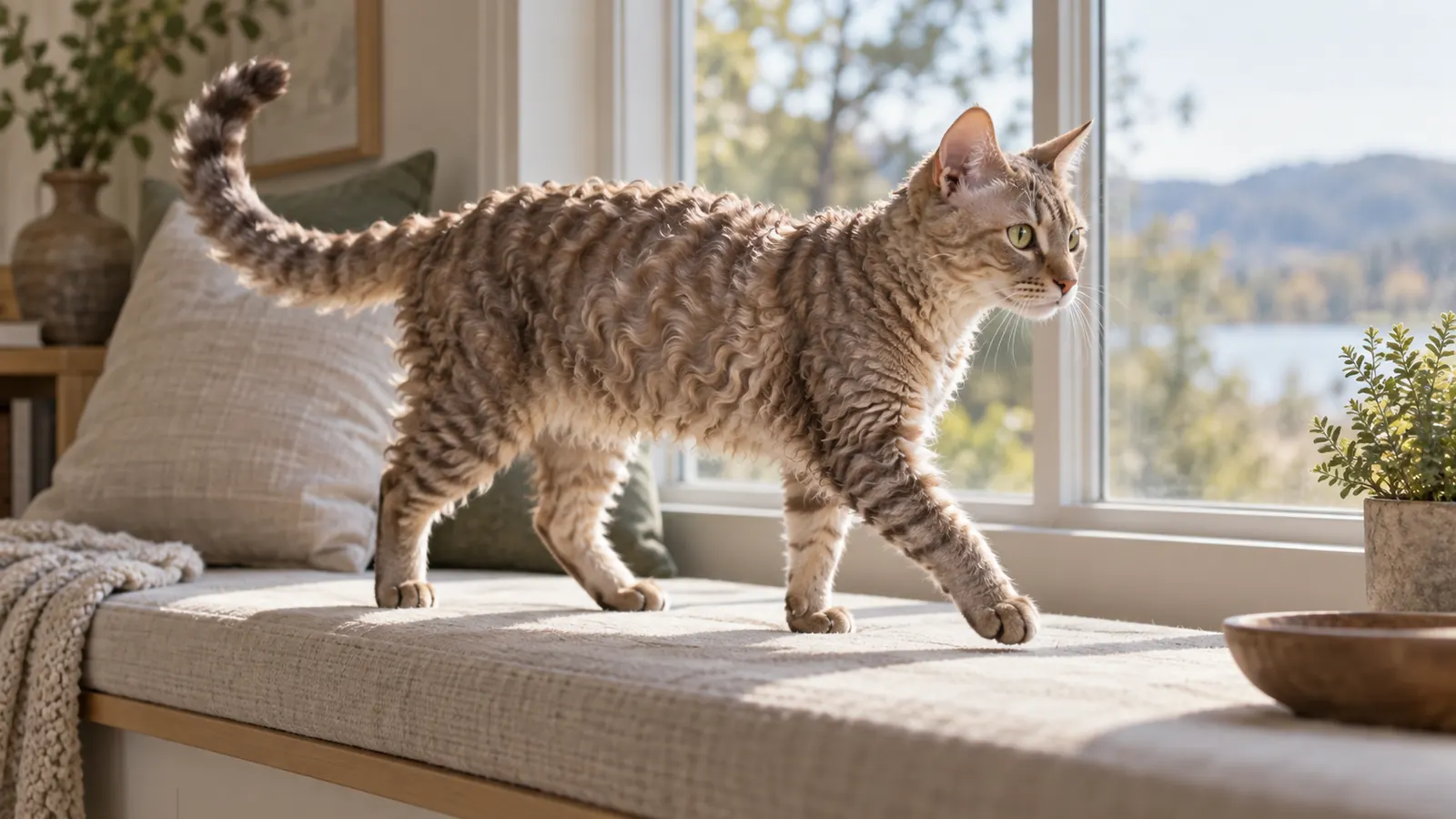
A Tennessee Rex is a domestic cat with a naturally occurring satin-textured curly coat discovered in Tennessee in 2004. Its founder's breeding found the curl to be recessive, and it is described as a new rex gene, although the gene itself has not been identified. The breed is still working toward championship status with TICA and has a very small population.
- Origin
- United States, from a natural mutation discovered in 2004 near Chattanooga, Tennessee, by Franklin Whittenburg
- Coat
- Curly, in shorthaired and longhaired forms, with a satin sheen that makes the hair sparkle in the light
- Size
- Medium, with a standard domestic body type
- Typical weight
- No breed-specific data; standard domestic cat range applies
- Life expectancy
- No breed-specific data exists
- Activity level
- Described as active and sociable, consistent with the domestic shorthair foundation
- Grooming
- Low to moderate; the satin curl needs gentle handling similar to other curly coats
- Suits
- Households that accept the breed's very early development stage and the evidence limitations that come with it
A Tennessee Rex is a curly-coated domestic cat whose mutation was discovered in 2004 when Franklin Whittenburg found curly-haired kittens in the litter of a semi-feral cat on his property near Chattanooga, Tennessee.
The curl is unusual. It carries a satin sheen that makes the hair sparkle in the light and deepens the coat colour, a quality no other rex breed is described as having.
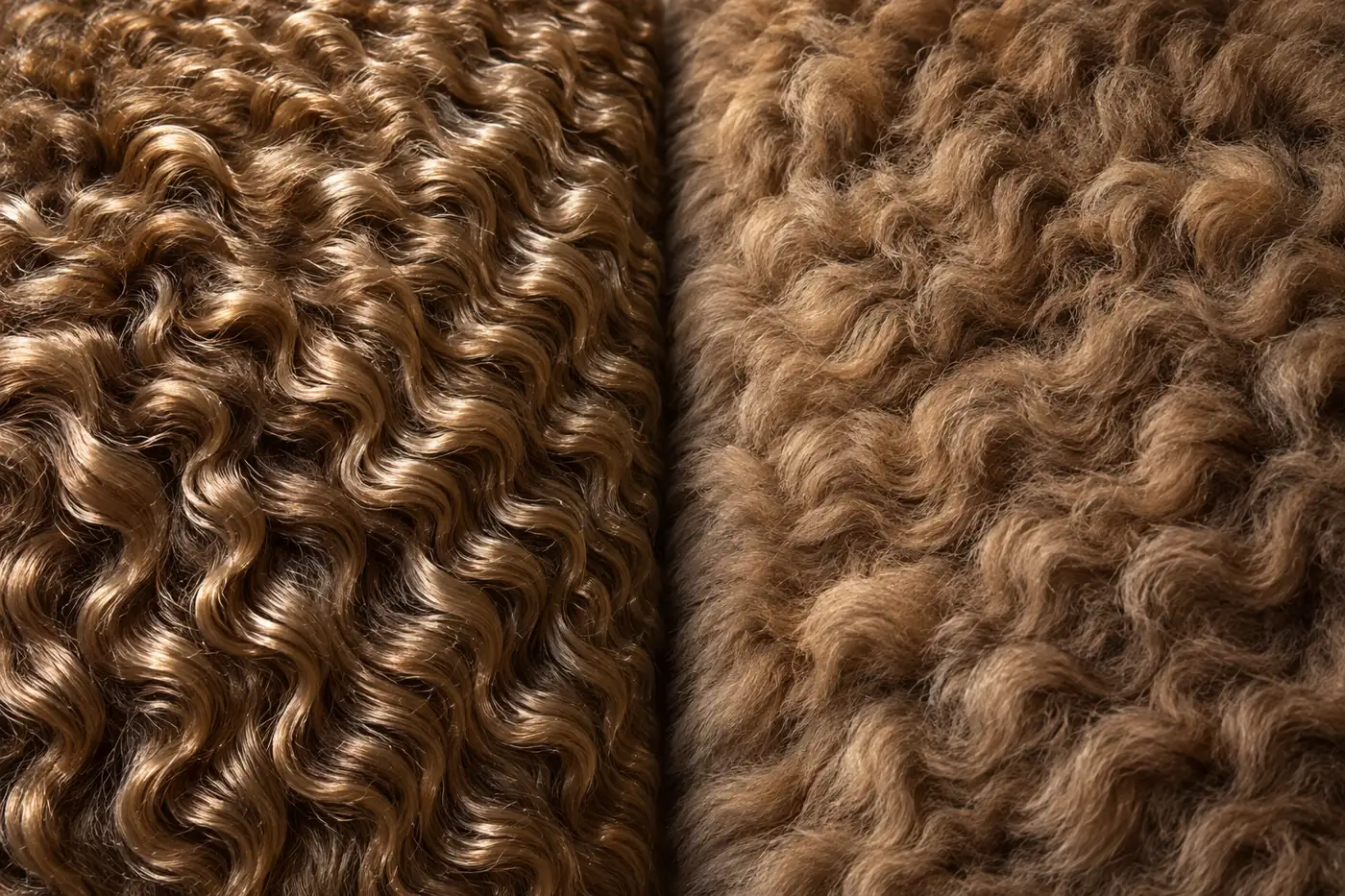
The founder's breeding showed the curl to be recessive, and it is described as a new gene separate from those behind the Cornish Rex, Devon Rex, Selkirk Rex and LaPerm, although the gene itself has not been identified.
How Does the Tennessee Rex Curl Differ From Other Rex Breeds?
Each established rex breed has its own curl variant, although two of them sit in the same gene:
| Breed | Gene | Inheritance | Curl character |
|---|---|---|---|
| Cornish Rex | LPAR6 | Recessive | Tight even waves, no guard hairs |
| Devon Rex | KRT71 | Recessive | Loose uneven waves, fragile coat |
| Selkirk Rex | KRT71, a different variant | Dominant | Plush loose waves or curls |
| LaPerm | Not confirmed by published research | Usually reported as dominant | Springy ringlets, sometimes wiry |
| Tennessee Rex | Not identified | Recessive, by the founder's breeding | Curls with a satin sheen |
No published genetic study has characterised the Tennessee Rex mutation. Test matings against Cornish and Devon Rex lines are the usual way to settle whether a curl is new: straight-coated kittens from such a cross show that the two curls come from different genes, which is how the Cornish and Devon Rex were first told apart. No results of such crosses have been published for the Tennessee Rex, so its separate status rests on the coat's appearance and the founder's breeding records.
What Registry Status Does the Breed Hold?
The Tennessee Rex is at a very early stage. TICA registers the breed, which is still working toward championship status.
CFA, FIFe and WCF do not list the breed. The breeding population is very small and concentrated among a handful of breeders.
- TICA
- Early registration stage
- CFA
- Not listed
- FIFe
- Not listed
- Origin
- Tennessee, United States, 2004
- Curl gene
- Recessive by breeding records, not yet identified
- Coat feature
- Satin sheen that makes the hair sparkle
- Population
- Very small, very few active breeders
The breed's early status means no championship standard to judge against, no formal temperament or health description from a registry, and very little recorded experience to draw on.
What Can You Actually Know About a Tennessee Rex?
Little beyond what the individual cat shows you, because the breed is too new and too small to have a track record.
The domestic shorthair foundation means the body type, size and temperament are broadly typical of a domestic cat. No breed-specific health condition has been reported, but the population is far too small and too recent for meaningful health data to exist.
The satin-curl coat comes in shorthaired and longhaired forms, and both need regular brushing to remove loose hair. Experience with other curly coats points to gentle tools, such as a wide-tooth comb or finger combing, so the curl is not pulled straight.
Shedding patterns have not been formally documented for this mutation. Other rex breeds vary widely in shedding, from the Cornish Rex's very light shed to the Selkirk Rex's moderate seasonal release.
Who Would Consider a Tennessee Rex?
The Tennessee Rex suits someone interested in a new natural mutation at its earliest stage, who accepts that almost nothing about adult size, temperament or health is established yet. Anyone who wants to know in advance what kind of cat they are getting is better served by an established rex breed, because its standard and health record describe what a kitten is likely to grow into.
- Registration documentation from the breeder confirming Tennessee Rex parentage
- The satin-sheen curl visually confirmed, distinct from other rex coat types
- The breeder can explain the mutation's early status and the limited evidence base honestly
- The individual cat's health and temperament assessed by a veterinarian and by direct observation
Common Questions
Is the Tennessee Rex related to other rex breeds?
It is described as a separate mutation. The founder's breeding found the curl recessive, but the gene has not been identified and no test crosses against the Cornish or Devon Rex have been published.
Is the Tennessee Rex recognised?
TICA registers it, and the breed is still working toward championship status. CFA, FIFe and WCF do not list it.
How rare is the Tennessee Rex?
Extremely rare. The breeding population is very small and concentrated among a handful of breeders in the United States.
What does the Tennessee Rex coat feel like?
The curls carry a satin sheen that makes the hair sparkle in the light and deepens the colour. No other rex breed is described as having it.
What health problems does the Tennessee Rex have?
None have been documented, but the population is too small and too recent for meaningful health data to exist.
Checked Against
- TICA: Current breeds and registration programme tica.org
- CFA: Current breeds (Tennessee Rex not listed) cfa.org
- Wisdom Panel: Tennessee Rex breed history and genetics wisdompanel.com
- Gandolfi et al.: To the root of the curl, a mutation that defines the Cornish Rex cat breed (PLOS ONE, 2013) journals.plos.org
- Gandolfi et al.: A splice variant in KRT71 is associated with curly coat phenotype of Selkirk Rex cats (Scientific Reports, 2013) pmc.ncbi.nlm.nih.gov
Published 17 September 2026. Last updated .





