Is Paracetamol Toxic to Cats? One Tablet Can Kill
Paracetamol, sold as acetaminophen or Tylenol, is the human medicine most likely to kill a cat. A single ordinary tablet can be a fatal dose, and the damage starts before the cat looks unwell.
Paracetamol, also called acetaminophen, is a common human medicine that must never be given to cats.
Cats are a different animal, chemically, and that ordinary safety does not carry across at all.
Why cats cannot clear it
The liver clears paracetamol by attaching it to another molecule so the body can excrete it, a process called glucuronidation.
Cats have very little of the enzyme family that does this work. The gene for one of the relevant enzymes is inactive in cats, which is a species-wide trait rather than a fault in an individual animal.
Dogs have more of that capacity, and people have far more again. The same tablet therefore meets three very different livers.
With the main route effectively closed, the drug is pushed down a secondary path that produces a toxic by-product the body cannot mop up fast enough.
How little it takes
There is no safe household dose of paracetamol for a cat. A tablet intended for a person can cause severe or fatal poisoning, and liquid and combination medicines can also contain it.
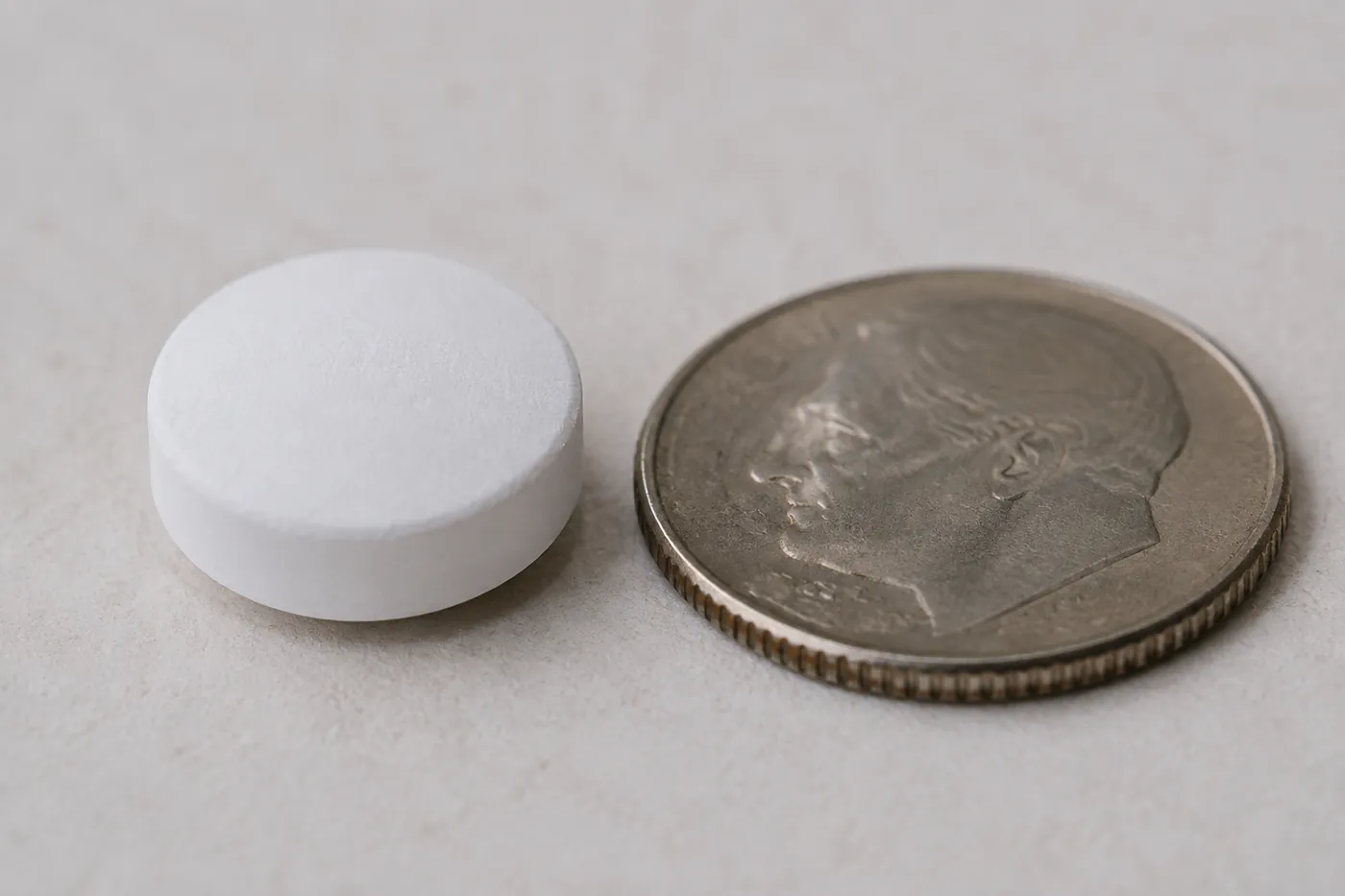
Call a veterinarian or animal poison service for any possible ingestion. Give the exact product, strength, estimated amount, time and cat's weight if known.
Those details help the professional plan treatment; do not use a dose calculation to decide whether to wait.
What the poison actually does
Two things happen, and the first is what usually kills.
The toxic by-product converts haemoglobin into methaemoglobin, which cannot carry oxygen. The blood is still circulating and it has stopped doing its job.
At the same time the drug injures liver cells directly, which is what causes trouble in the days that follow.
Red cells damaged in the process can also be removed from circulation afterwards, so a cat that survives the first crisis may still become anaemic later in the week.
- Primary damage
- Methaemoglobinaemia, so the blood cannot carry oxygen
- Secondary damage
- Direct injury to liver cells
- Later effect
- Damaged red cells are cleared, which can cause anaemia
- Onset
- Often within 1 to 4 hours
- Also toxic
- Ibuprofen, aspirin, naproxen, and most human painkillers
- Antidote
- Exists, and works best when given early
What it looks like
Signs may begin within hours, but they cannot confirm the cause at home. Seek help for a possible exposure before signs appear.
- Gums that look brown, grey, or muddy rather than pink
- Swelling of the face, the paws, or under the chin
- Fast or laboured breathing, or open-mouth breathing
- Drooling and vomiting
- Marked lethargy, weakness, or collapse
- Dark or discoloured urine
- Yellowing of the gums or the whites of the eyes, later on
Brown or grey gums, swelling or breathing difficulty are serious findings, but signs alone cannot identify the poison. Report any possible exposure immediately.
Laboured breathing and collapse are emergency signs in their own right, whatever caused them, and they mean the nearest open practice rather than a wait for an appointment.
Why the danger lasts longer than the first afternoon
Blood and liver effects can develop at different times. A cat that seems brighter may still need hospital monitoring and repeat blood tests for liver injury or anaemia.
The timing depends on the exposure and response to treatment. Follow the practice's recheck plan even if breathing, appetite or energy improves.
Do not use an apparently normal first evening to rule out poisoning.
What a vet can do, and why speed decides it
There is a real antidote. N-acetylcysteine restores the supply of the compound the liver has run out of, so the toxic by-product can be neutralised again.
Around it sits supportive treatment: oxygen, intravenous fluids, and monitoring of the blood and the liver.
If the ingestion is very recent and the cat is still well, a veterinarian may also act to limit how much of the dose is absorbed. That decision belongs in a clinic, not at a kitchen sink.
Both the amount and timing affect the outcome, together with the cat's condition. Early treatment gives the best chance, but no initial appearance guarantees recovery.
Once there is marked methaemoglobinaemia or established liver failure, the outlook is far more guarded, and some cats do not survive it.
What happens once you arrive
The team checks breathing and circulation, takes the exposure history and starts treatment as needed. Blood tests assess red-cell and liver effects; colour alone does not quantify the damage.
Treatment may include N-acetylcysteine, oxygen and carefully managed fluids. Some severely affected cats need a blood transfusion.
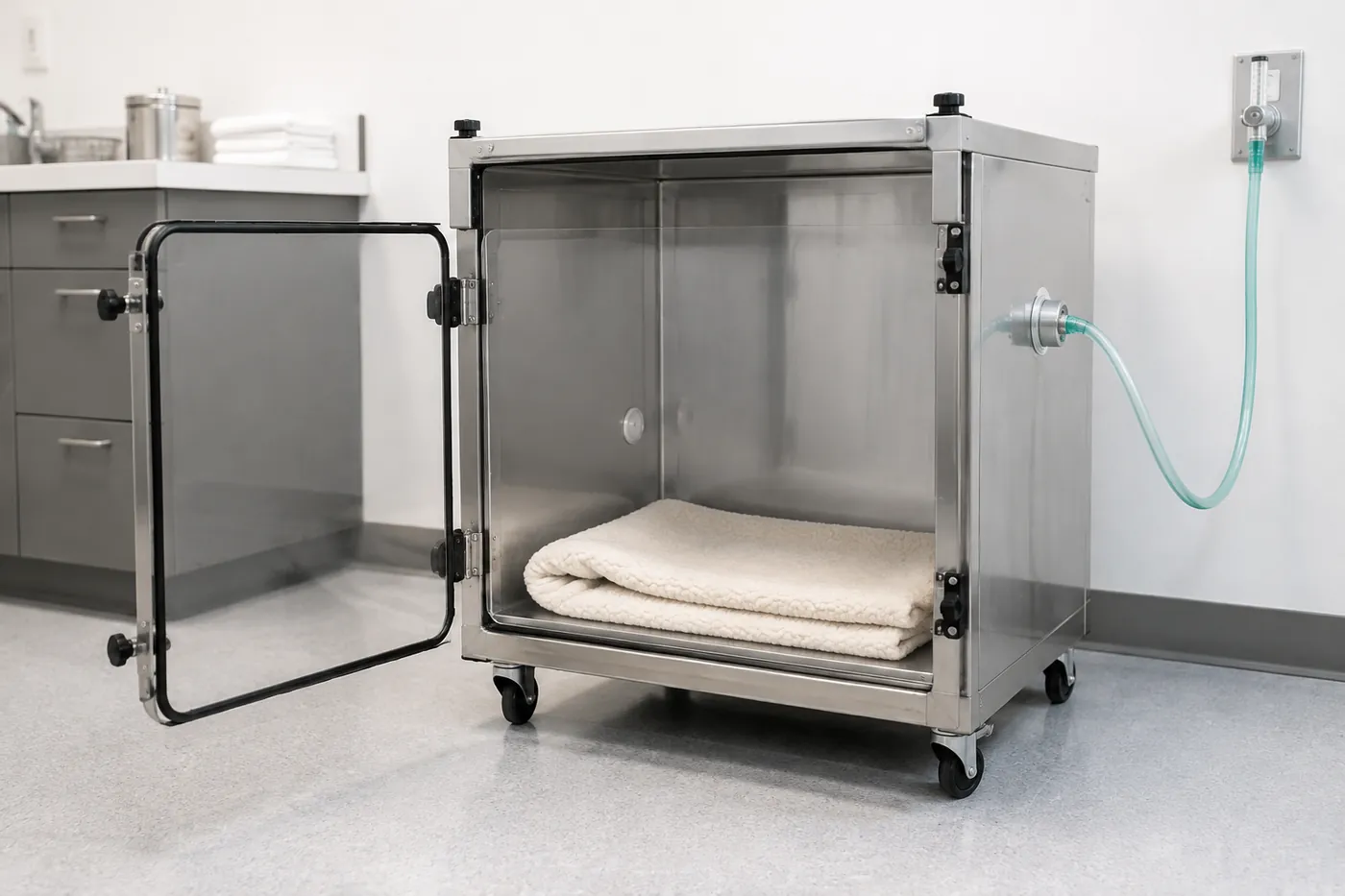
The team decides whether any procedure to reduce absorption is still useful and safe.
Hospital stay and repeat testing depend on the cat's condition. Ask what changes should trigger an immediate return after discharge and when blood tests are due.
What not to do while you are on your way
The instinct to help at home makes this poisoning worse more often than it helps.
Do not try to make the cat vomit. A cat that is already struggling to breathe or is drowsy can inhale what comes up, and the drug is absorbed quickly enough that the attempt rarely recovers much anyway.
Do not offer milk, salt, oil, or any home remedy. None of them bind the drug, and a cat that is fighting for oxygen does not need something else in its stomach.
Do not give a second medicine to counter the first. Do not give any other pain medicine without a veterinarian's direction.
Ibuprofen or an inappropriate aspirin dose can cause additional harm.
Do call ahead so the practice can prepare, and take the packaging with you. The strength, the number of tablets missing, the time it happened, and the cat's rough weight are the four facts that shape treatment.
Where the exposure comes from
Exposure can be deliberate or accidental.
Exposure can happen when an owner gives the medicine intending to relieve pain. It can be fatal even when given with good intentions.
The rest are tablets dropped on the floor, left in a handbag, or in a blister pack a cat has chewed.
A quieter route is the medicine that does not announce itself. Paracetamol is a component of many combination cold and flu remedies and of some prescription painkillers, so a sachet or a capsule can carry it under another name entirely.
Checking the ingredient list on anything spilled or chewed is worth doing before deciding a product was harmless.
The other human painkillers are no safer
Do not substitute ibuprofen, naproxen, aspirin or a human combination painkiller. Inappropriate doses can cause serious harm, including stomach, kidney or blood problems.
Aspirin has limited veterinary uses, but requires a specific prescription and dosing schedule.
Topical products and patches can also expose a cat through chewing, licking or contact with treated skin. Keep them inaccessible and discuss possible contact with the practice.
The painful condition still needs assessment. A vet can choose an appropriate treatment for the cat rather than transferring advice or a dose intended for a person or dog.
What can be given for pain instead
A vet can diagnose the cause of pain and prescribe a suitable treatment. Drug choice, formulation and monitoring depend on the condition, the cat's other medicines and kidney or liver function.
Authorised uses also differ between countries.
Do not reuse another animal's prescription or calculate a dose from a human packet. For ongoing mobility problems, home adaptations can support comfort alongside treatment, but should not replace assessment of pain.
Cats in a house with a dog
Households with both animals carry an extra route, because medicine prescribed for a dog is often left where a cat can reach it.
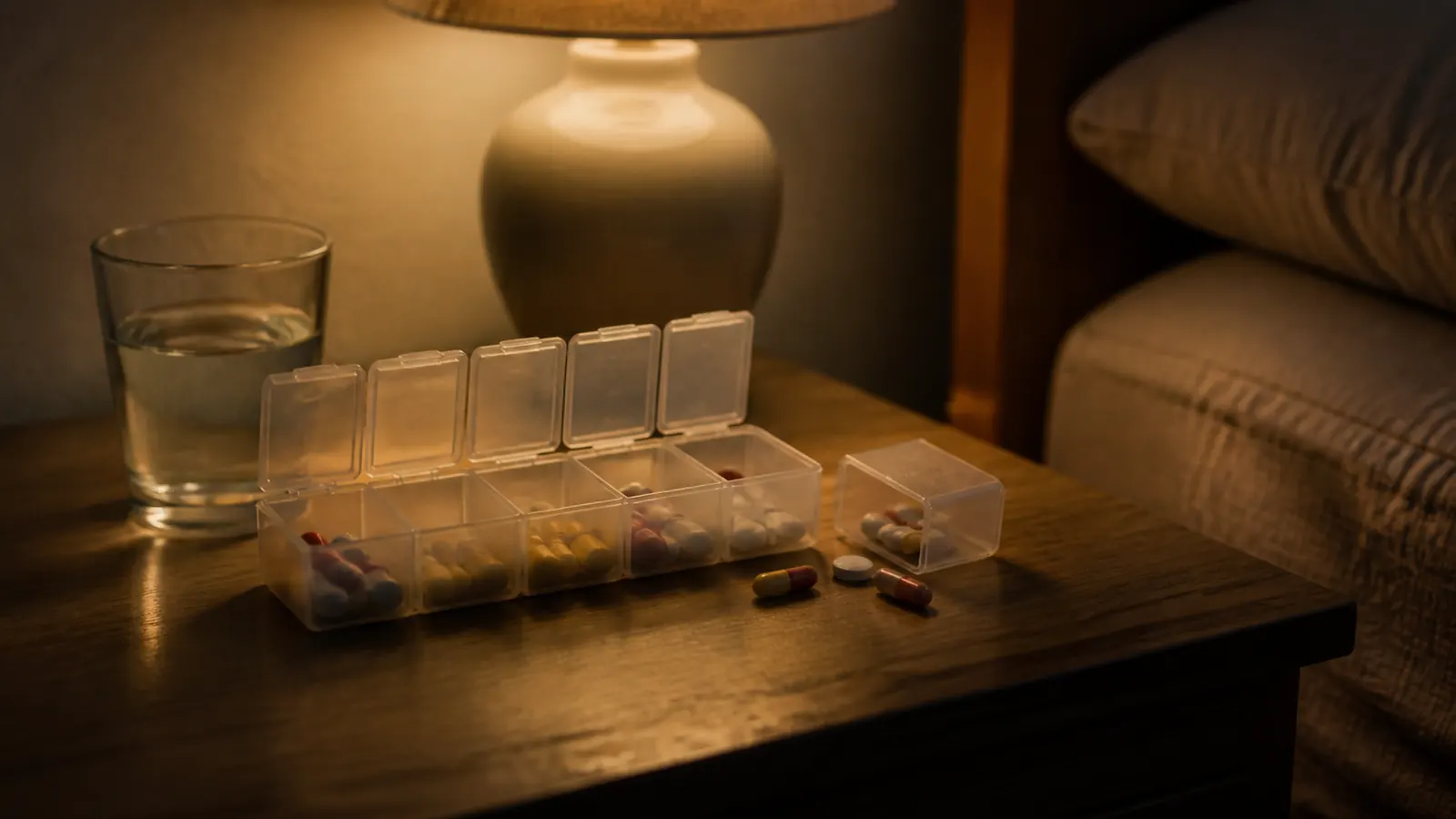
Several veterinary painkillers are safe at a dog's dose and dangerous at a cat's body weight, and antidepressant poisoning travels the same route from a bedside table, and a flavoured chewable tablet is designed to be attractive.
Never give a cat anything prescribed for a dog, and store the two animals' medicines separately so a tired hand at six in the morning cannot reach the wrong packet.
Reducing the risk at home
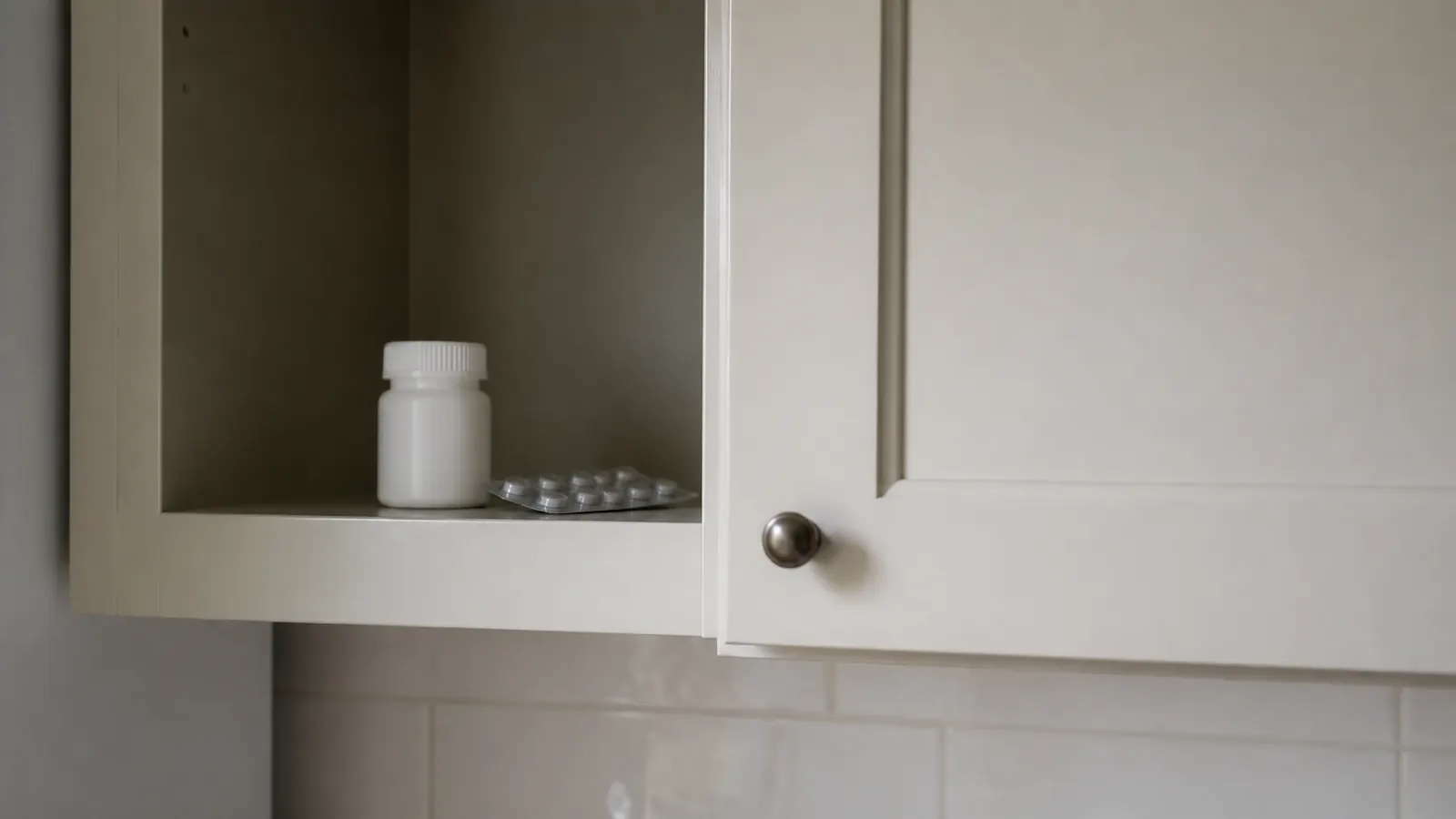
Store medicines in secure closed storage that the cat cannot open. Height alone is not protection, and a worktop, handbag or bedside table is accessible.
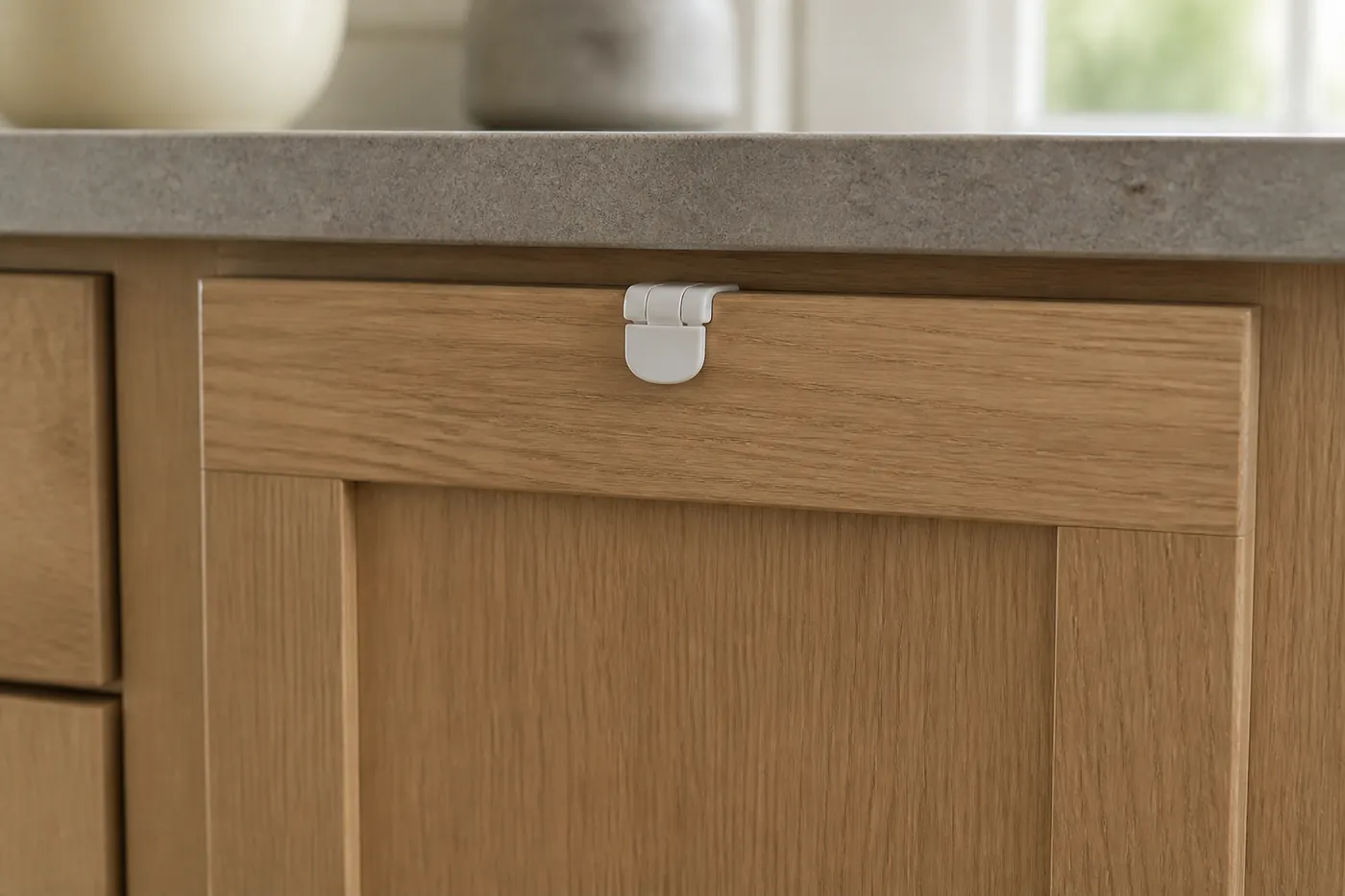
- Pick up dropped tablets immediately and check beneath furniture.
- Keep human and pet medicines in separate, clearly labelled containers.
- Check combination cold, flu and pain products for paracetamol or acetaminophen.
- Ask visitors to secure their bags and medicines.
- Keep your veterinary practice and emergency-service contact details accessible.
- Tell everyone who cares for the cat never to give a human painkiller without a veterinarian's specific instruction.
Common Questions
How much paracetamol is dangerous to a cat?
There is no safe amount. A single standard tablet can be a fatal dose for an average cat, which is why any known exposure is treated as an emergency rather than measured against a threshold.
Is there an antidote?
Yes. Veterinarians use N-acetylcysteine along with supportive care such as oxygen and fluids. It works best when it is given early, which is the reason not to wait for symptoms.
Can I give my cat ibuprofen or aspirin instead?
Do not substitute a human painkiller or choose a dose at home. Some medicines have specific veterinary uses, but inappropriate doses can cause serious harm. Ask a vet to assess the pain and prescribe suitable treatment.
My cat licked a tablet and seems fine. Should I still call?
Yes. Cats look normal in the early hours of this poisoning, and that is exactly the window in which treatment is most effective.
Checked Against
Published 1 September 2026. Last updated .