Which Houseplants Are Toxic to Cats, and Which Are Deadly?
Most houseplants a cat chews cause nothing worse than a stomach upset. A small number are genuinely dangerous, and lilies are severe enough to deserve their own rule.
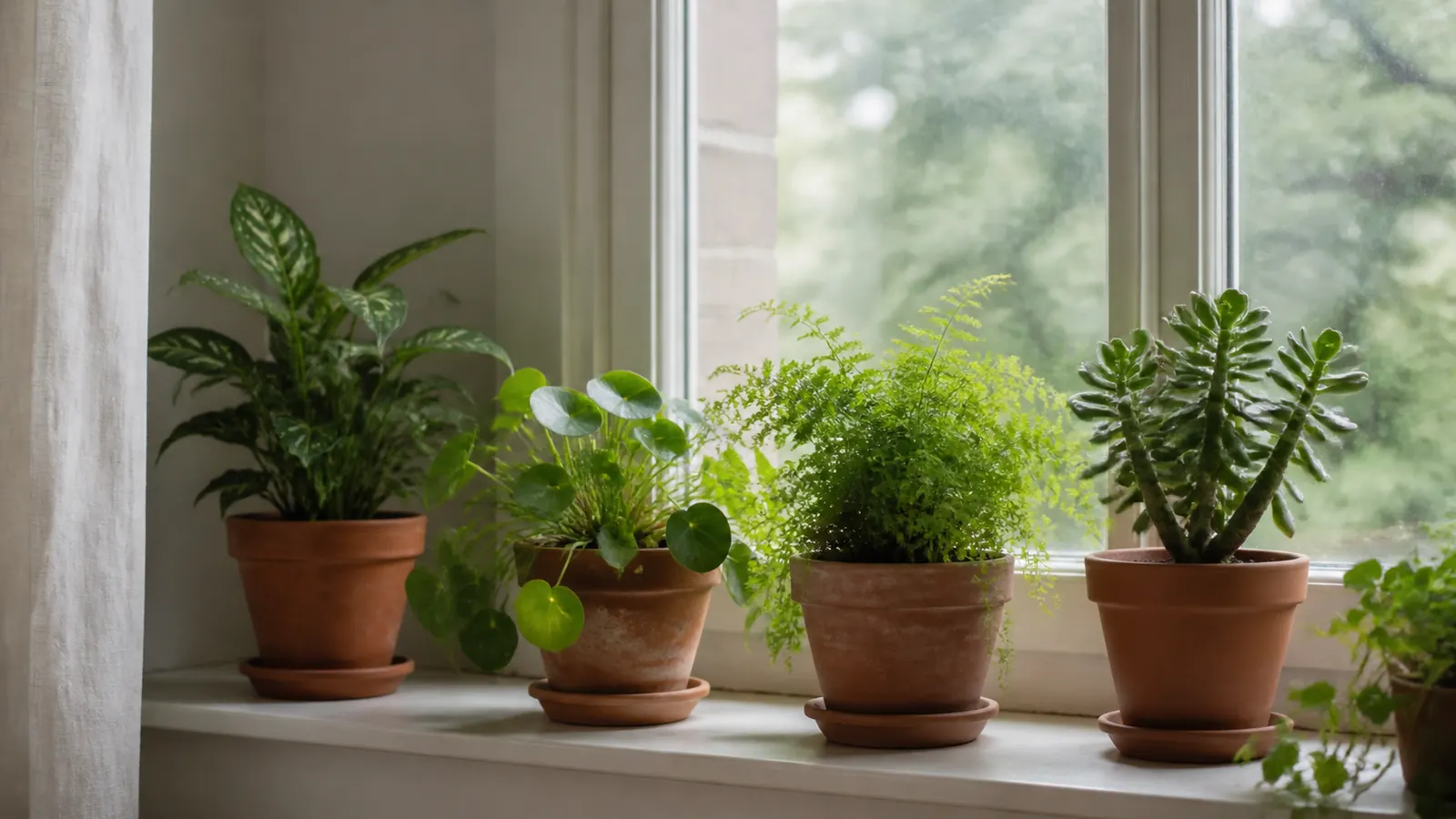
Cats may investigate or chew plants, so an indoor plant needs a safety check before it enters the home.
The risk is uneven: some plants cause drooling and vomiting, and a few cause organ failure.
Lilies are a separate category
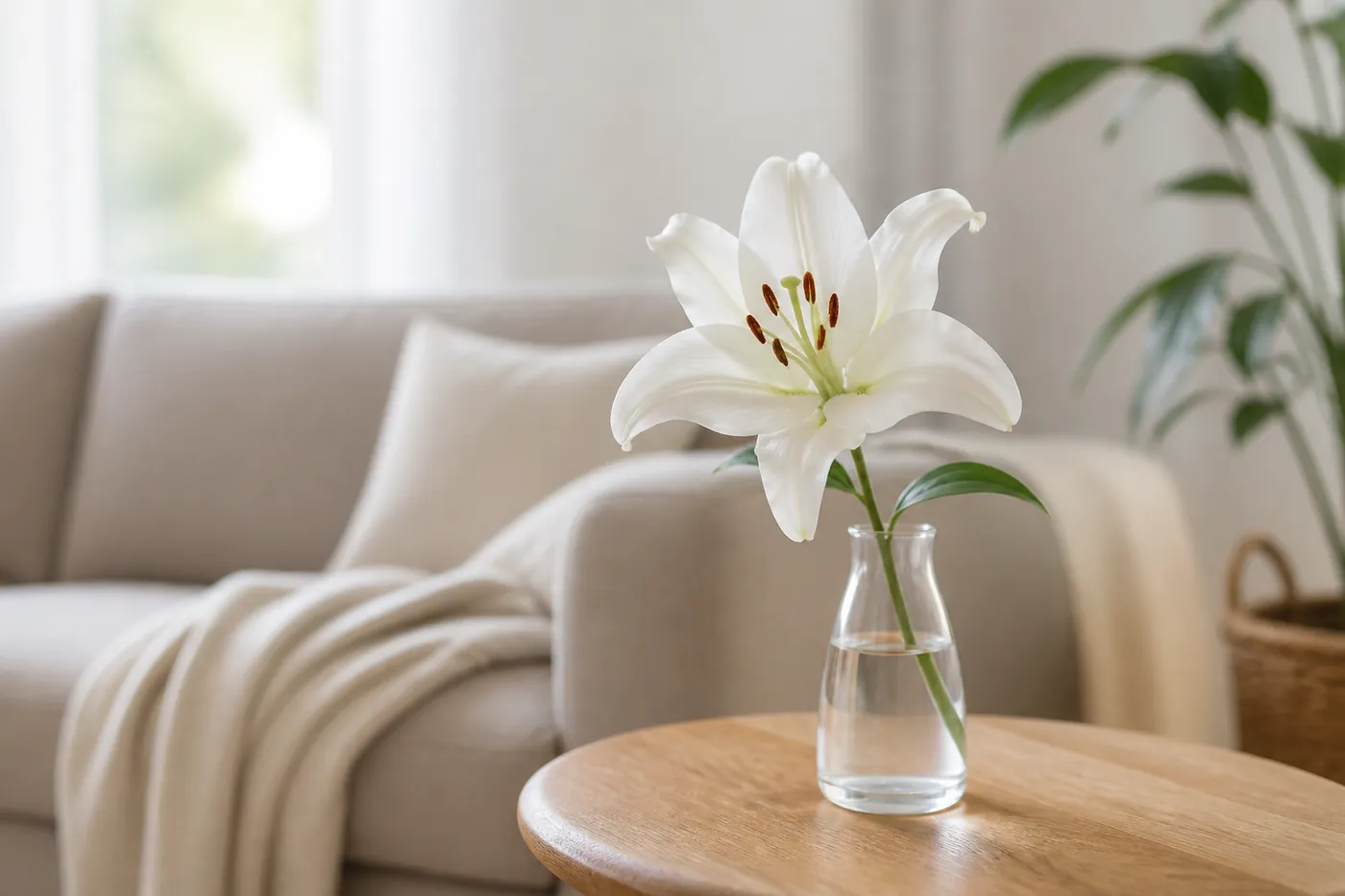
True lilies, meaning Lilium and Hemerocallis species, cause acute kidney failure in cats.
Every part is dangerous. The petals, leaves, stem, pollen, and even the water in the vase have all caused poisoning.
A cat that brushes past a lily and grooms pollen off its coat has ingested enough to matter.
This includes bouquets. Florist arrangements very often contain lilies, and it is worth asking for them to be left out.
Why lily poisoning catches people out
Early signs can include vomiting, drooling and reduced appetite within hours. A cat may appear to improve while kidney injury is developing, so improvement at home is not a reason to cancel care.
The FDA describes kidney damage developing within about 12 to 24 hours, with kidney failure possible over the following days. The timing varies and is not a countdown an owner should use to decide whether there is time to wait.
The veterinary team may limit absorption, provide carefully monitored fluids and check kidney function. Early treatment improves the chance of recovery; established kidney failure is much harder to treat.
Other plants worth knowing
| Plant | Effect | Severity |
|---|---|---|
| True lily and daylily | Acute kidney failure | Severe, emergency |
| Sago palm | Liver failure | Severe |
| Dieffenbachia, philodendron, pothos | Mouth pain, drooling, swelling | Moderate |
| Peace lily | Mouth irritation, not a true lily | Mild to moderate |
| Aloe vera | Vomiting, diarrhoea | Mild |
| Tulip and hyacinth bulbs | Digestive upset, worse if bulbs eaten | Moderate |
| Spider plant | Listed as non-toxic; eating plant material can still upset the stomach | Not a toxic-plant category |
Lily of the valley is worth naming separately because it affects the heart, which makes it a serious plant despite not being a Lilium.
Several common plants borrow the name without the danger. Peace lily, calla lily, and Peruvian lily are irritants rather than kidney poisons, which is why identifying the plant by its proper name matters more than recognising the word on a label.
Which houseplants are actually safe
The list of plants a cat can live alongside is longer than the warnings suggest, and it is worth having.
None of these is a food, and a cat that eats a large amount of any plant may still vomit. Safe here means it will not poison the cat.
| Plant | Notes |
|---|---|
| Spider plant | Mild upset if a lot is eaten, and cats find it attractive |
| Boston fern | Listed as non-toxic; confirm the exact species |
| Calathea and maranta | Safe, good broad leaved alternatives to philodendron |
| Areca and parlour palm | Safe, and not to be confused with sago palm |
| African violet | Safe, small, and flowers indoors |
| Peperomia | Safe, and there are dozens of varieties |
| Orchid, moth orchid | Safe, and a good replacement for cut lilies |
| Bamboo, true bamboo | Safe, unlike lucky bamboo which is a dracaena |
Buy by botanical name where you can. Nurseries label plants inconsistently, and the Latin name is the only thing that reliably identifies what you are bringing home.
The seasonal plants, and the poinsettia myth
Poinsettia has a worse reputation than it deserves. The milky sap irritates the mouth and can cause drooling and mild vomiting, and it is not the deadly plant it is described as.
The genuinely dangerous festive plant is the lily, which arrives in Christmas and Easter bouquets in quantity. Easter lilies are true lilies and carry the full kidney risk.
Mistletoe and holly berries cause vomiting and diarrhoea, and a large quantity of mistletoe can affect the heart. Amaryllis bulbs are toxic, and the bulb is the worst part.
Christmas trees are mostly a mechanical problem rather than a poisoning. The needles irritate the gut, the water in the stand can contain preservatives and bacteria, and tinsel is a linear foreign body that can require surgery.
Garden plants worth knowing
A cat with outdoor access meets a much wider range, and a few garden plants are worth naming.
Foxglove, oleander, and yew all affect the heart and are serious. Autumn crocus is severely toxic and is often confused with the harmless spring crocus.
Daffodil, tulip, and hyacinth bulbs are more toxic than their flowers, which makes autumn planting and stored bulbs the risk rather than the border in spring.
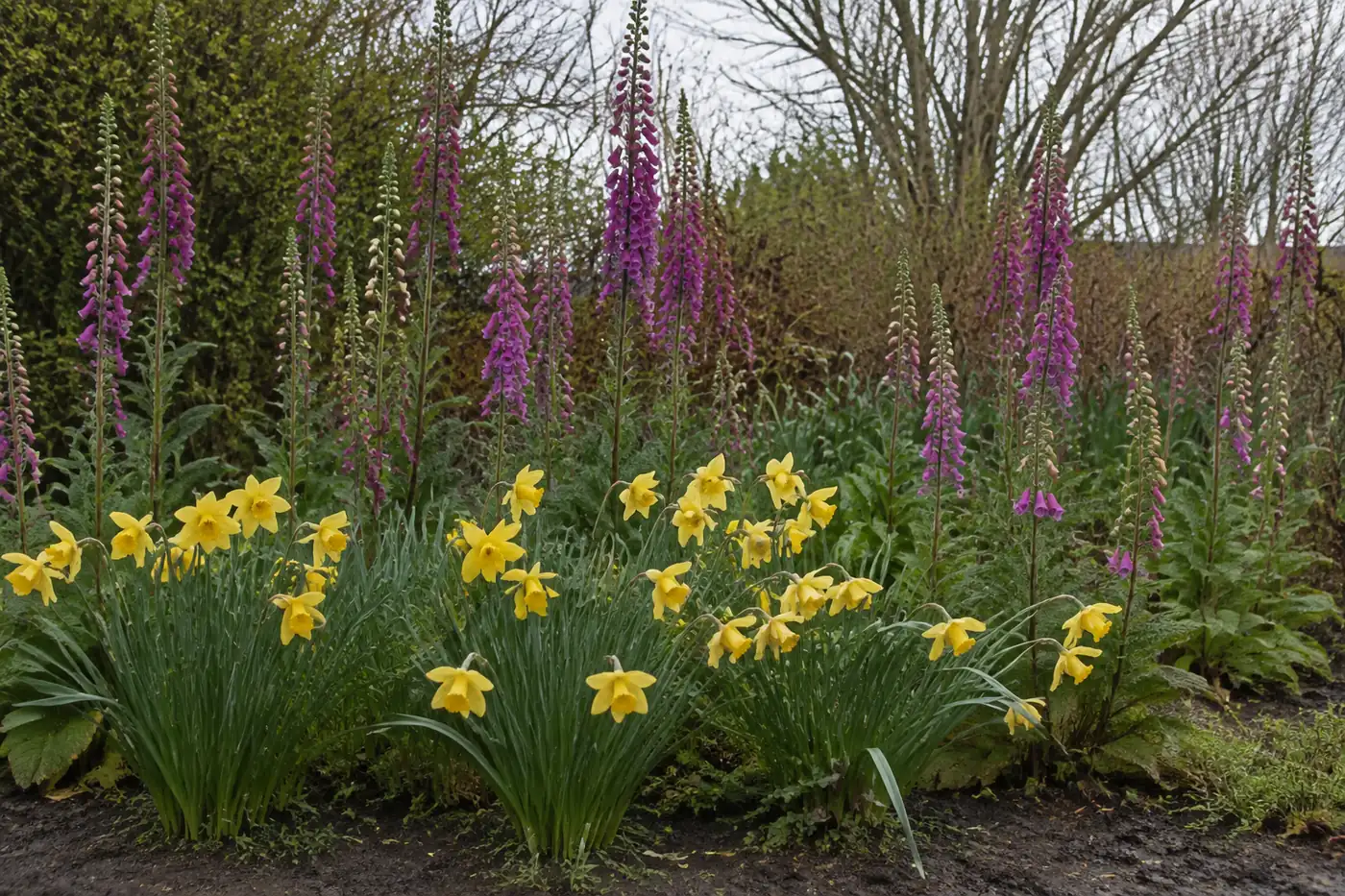
Azalea and rhododendron affect the heart and the gut, and cuttings brought indoors carry the same risk as the shrub outside.
Even a small exposure may matter, depending on the species and part eaten. Do not estimate safety from the amount alone.
Growing cat grass, and what else redirects chewing
Giving a cat something it is allowed to chew works better than defending every shelf in the house.
Cat grass is usually wheat, oat, or barley grass, grown from seed in a shallow pot. It takes about a week from sowing, and a rotation of two or three pots keeps a fresh one always available.
Grow it in a stable pot and avoid small loose stones that a cat might swallow. A cat that digs in the pot rather than eating the grass is telling you the soil is more interesting than the plant.
Cat grass does not make toxic plants safe to keep within reach. Avoid treating other herbs or concentrated plant products as automatically safe because cats seem interested in them.
- Sow wheat or oat seed thickly in a shallow, heavy pot of plain compost.
- Keep it damp and somewhere bright, and expect shoots within a few days.
- Offer it once it is about ten centimetres tall, which takes roughly a week.
- Start a second pot as soon as the first is offered, so there is never a gap.
- Replace a pot once it is chewed down or starts to yellow.
- Move the pot out of reach between supervised opportunities if the cat eats soil or digs excessively.
Provide suitable play and a scratching post as part of the home environment, while still preventing access to harmful plants.
Keeping a plant you are not willing to give up
Removing a dangerous plant is the safest option, especially for true lilies, daylilies and sago palms. Height is not a dependable barrier: cats can climb, and leaves, pollen or a tipped pot can fall.
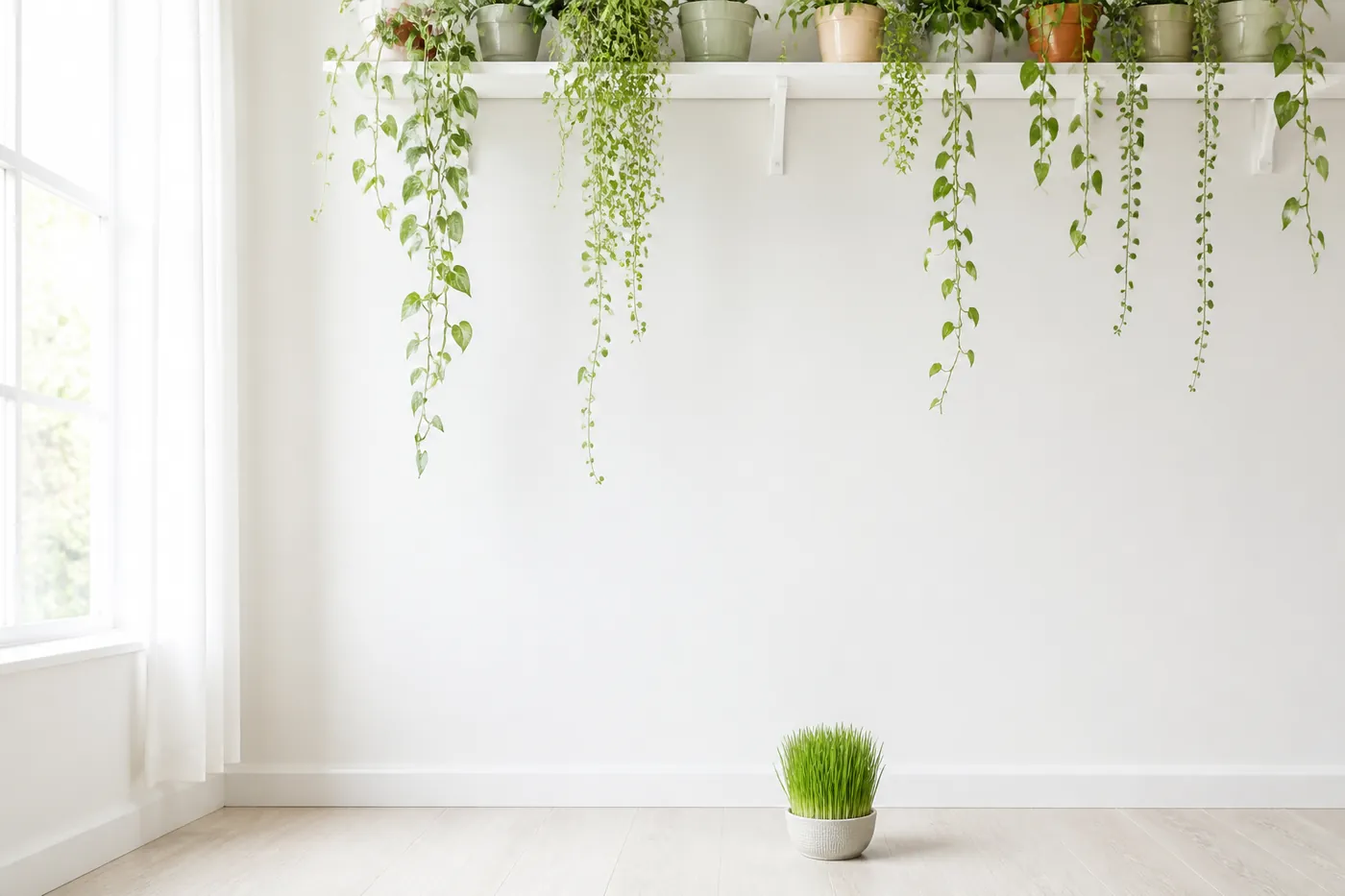
If you retain another potentially harmful plant, keep it in a securely closed room the cat cannot enter. Check that every household member can maintain that separation.
Clear fallen material without allowing access and keep vase water inaccessible.
Cat grass can provide something suitable to chew, but it does not prevent a cat from trying other plants. If secure separation cannot be maintained, replace the plant with an accurately identified non-toxic alternative.
Cut flowers, and what florists put in a bouquet
Bouquets are the commonest way a genuinely dangerous plant enters a house, because nobody chose the contents.
Lilies are the reason this matters, and they are a florist staple. Asking for a lily-free bouquet works, and it needs saying explicitly because the word covers several genera that a florist may not group together.
Several other common cut flowers are toxic. Tulips and hyacinths carry most of their toxin in the bulb but remain irritant as stems, daffodils cause vomiting and can affect the heart in quantity, and chrysanthemums are irritant and are in almost every mixed bunch.
Gypsophila, the filler in most bouquets, is mildly toxic. Eucalyptus, increasingly used as foliage, causes drooling and vomiting.
The vase water is the part people forget. It carries dissolved plant compounds, and with lilies it has caused poisoning on its own, so a cat drinking from a vase is an exposure.
- Ask explicitly for a bouquet with no lilies of any kind
- Keep an unchecked bouquet in a securely closed room the cat cannot enter
- Empty and rinse vase water rather than leaving it accessible
- Sweep up dropped petals, pollen, and leaves the same day
- Prevent grooming and call the vet immediately if lily pollen reaches the coat; follow their decontamination advice
- Treat a gift bouquet as unknown until you have looked through it
Fertiliser, pesticide, and what is on the plant
A non-toxic plant can still expose a cat to a harmful treatment. Read the exact pesticide or fertiliser label and prevent access during its stated exclusion period; rinsing a treated plant does not establish safety.
Slug pellets and other garden chemicals vary in active ingredient. Metaldehyde-containing products can cause serious poisoning, but not all pellets contain metaldehyde.
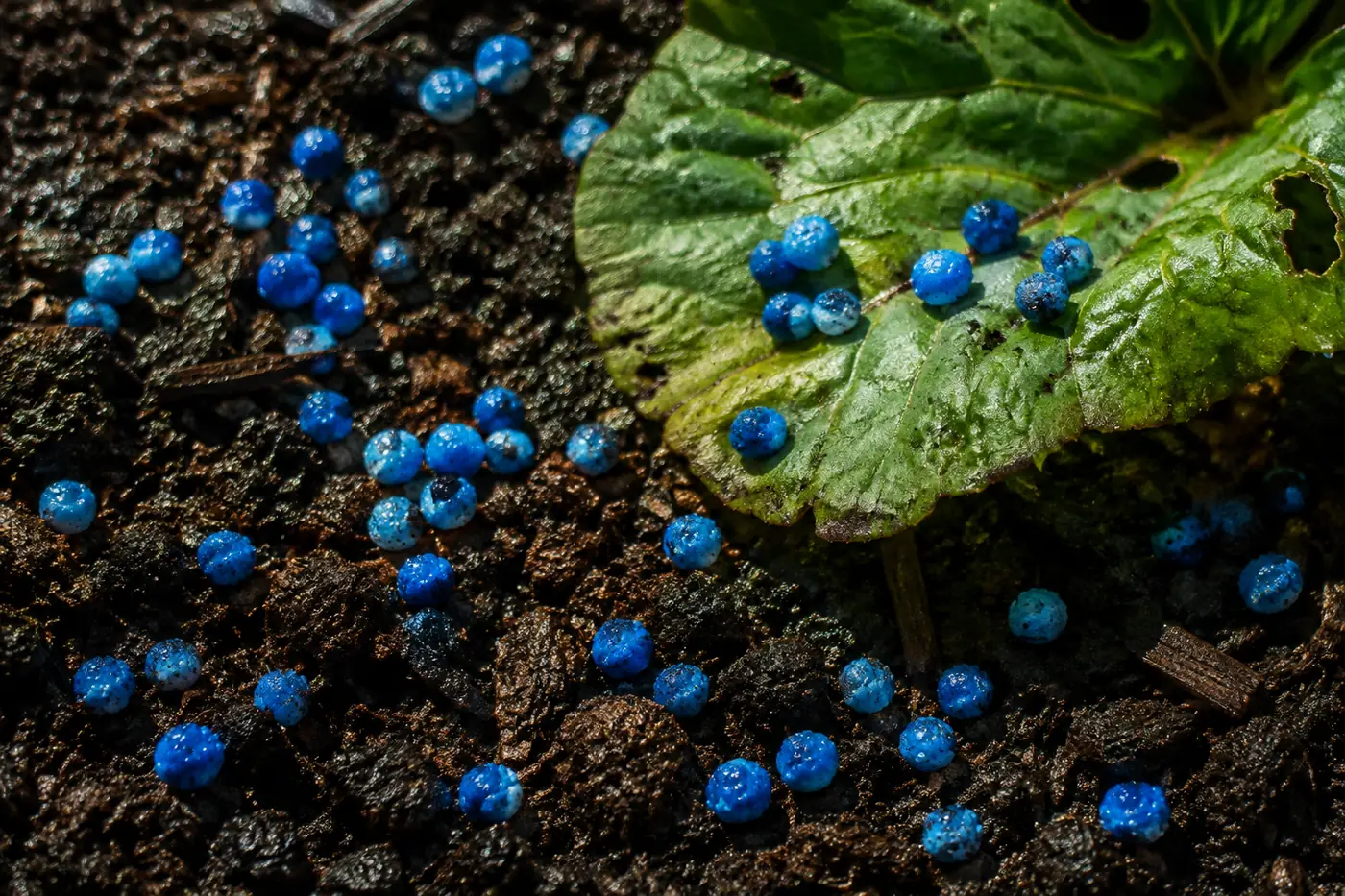
If exposure is possible, call with the packaging and do not identify the risk from colour alone.
Keep products and mixed solutions securely stored, and prevent drinking from watering cans or treated pots.
If a cat has chewed something
Move the cat away from the plant and call a vet or animal poison service. Take the label or photographs if available, including flowers and leaves, but do not delay the call to get a perfect identification.
Do not induce vomiting or pour water, milk or other liquids into the mouth. Ask the professional whether any mouth or coat cleaning is appropriate and safe for that exposure.
Lilium and Hemerocallis plants can cause kidney injury after very small exposures. Peace lilies and some other aroids chiefly cause mouth irritation, while lily of the valley affects the heart.
A common name or an apparently mild first symptom cannot safely distinguish them.
Breathing difficulty, collapse, seizures or severe mouth swelling needs emergency care regardless of the plant. Keep the cat quiet and follow the practice's transport advice.
Common Questions
Are peace lilies dangerous to cats?
Peace lilies are not the true lilies that cause kidney failure, but they can cause painful mouth irritation, drooling and swelling. Call for exposure advice, and seek emergency care for difficulty breathing or severe swelling.
My cat drank water from a vase with lilies in it. Does that count?
Yes. Lily pollen and plant material leach into the vase water, and drinking it has caused poisoning. Treat it as an exposure and call a vet immediately.
Is cat grass safe?
Wheat, oat or barley cat grass grown without harmful treatments can provide a suitable chewing option. It does not prevent toxic-plant exposure. Seek advice if chewing is excessive or followed by persistent vomiting.
Checked Against
Published 11 August 2026. Last updated .