Grain-Free Cat Diets: Facts, Claims, and Evidence
Grain-free food is not automatically healthier or lower in carbohydrate. Check nutritional adequacy, the full recipe and your cat’s individual needs.
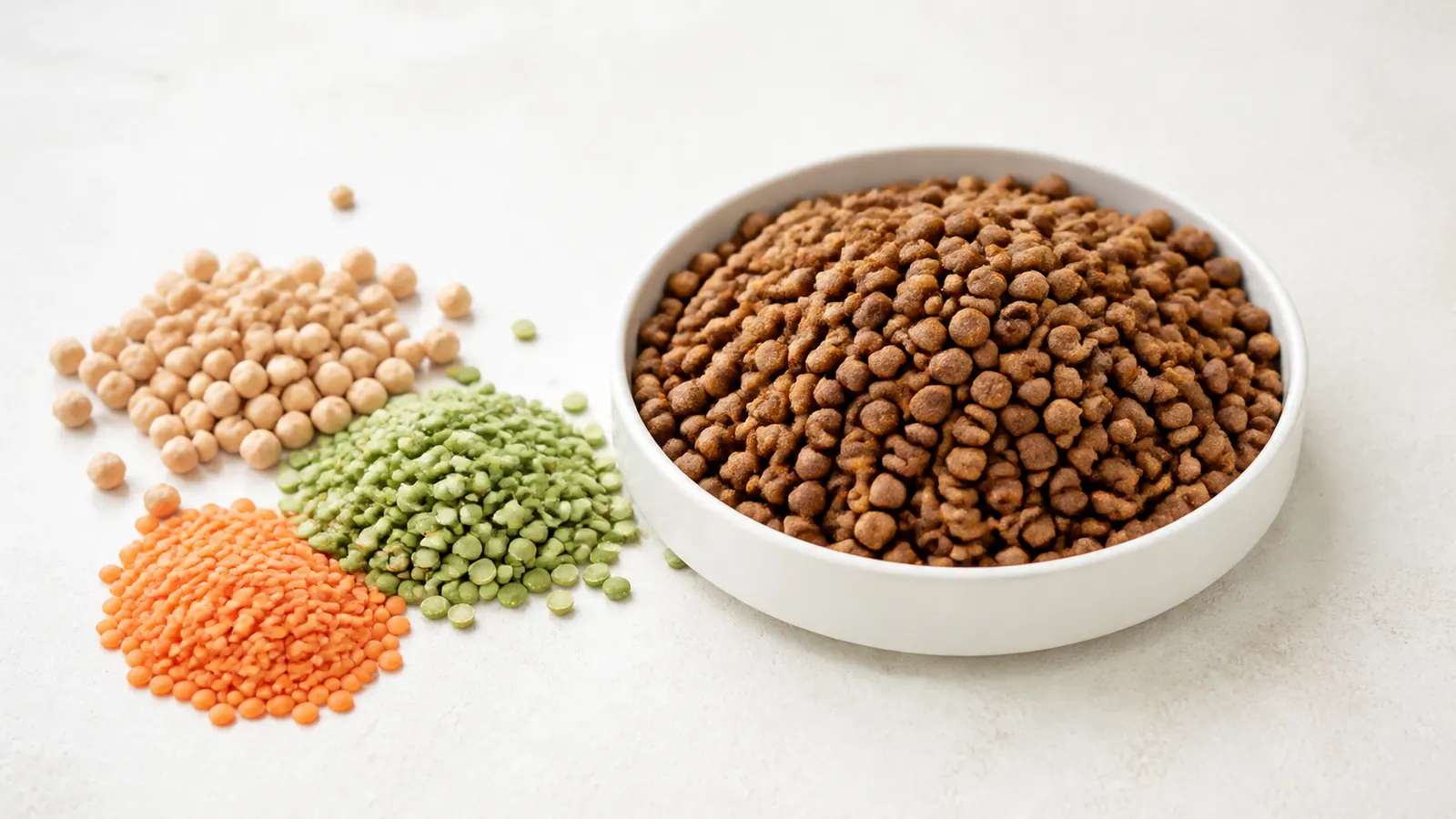
Grain-free is an ingredient description, not a promise of better nutrition. A healthy cat needs a complete diet suited to its life stage; removing grains does not automatically make a food lower in carbohydrate, more digestible or less likely to cause an allergy.
What replaces the grain matters
Grain-free foods omit ingredients such as wheat, rice and maize, but may contain peas, lentils, potatoes or other starch sources. Those ingredients also contribute nutrients, and the final recipe determines the food's composition.
Cats have specific requirements for protein and other nutrients, but that does not mean every plant ingredient is unusable. Properly processed ingredients can contribute to a complete formulation.
Conversely, an appealing list of meats does not prove that a food supplies every nutrient in the right amount.
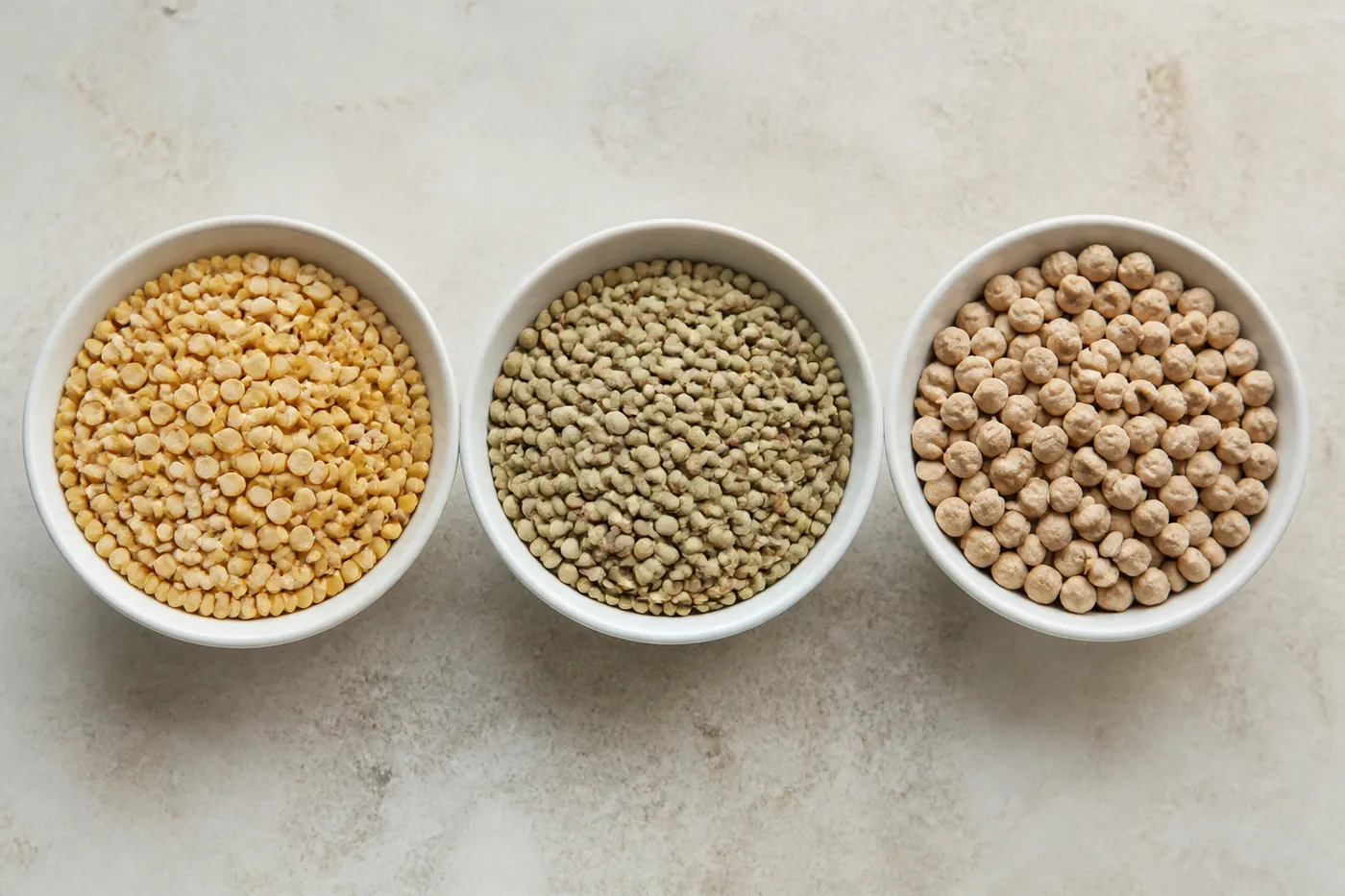
Compare the nutritional adequacy statement before front-of-bag claims. In the United States, look for a complete-and-balanced statement for the appropriate life stage and how it is substantiated.
A food intended only for intermittent or supplemental feeding is not an ordinary sole diet. Label wording varies by country, so ask the manufacturer when the product's intended role is unclear.
Grain-free does not mean low carbohydrate
A dry grain-free food can contain substantial starch, while a wet food containing some grain may have less carbohydrate. Moisture also makes the percentages on wet and dry labels look very different.
Do not choose a diet for a diabetic cat from the words grain-free alone.
For a meaningful comparison, ask the manufacturer for typical nutrient analysis and, when clinically relevant, carbohydrate as a share of calories. A guaranteed analysis often gives minimums or maximums rather than measured average values.
Subtracting those figures from 100 produces only a rough estimate, especially when ash is missing; it cannot establish a precise carbohydrate content.
If comparing a reported nutrient on a dry-matter basis, subtract moisture percentage from 100, divide the nutrient percentage by that dry-matter percentage, then multiply by 100. For example, 10% protein and 80% moisture gives 10 ÷ 20 × 100 = 50% protein on a dry-matter basis.
This corrects for water, but does not turn a guaranteed minimum into an exact measurement or evaluate overall diet quality.
Allergies need a controlled diet trial
Food reactions can involve proteins from animal or plant ingredients. Removing grain while keeping the ingredient responsible for a reaction will not solve it.
Itchy skin, ear problems or digestive signs also have many non-food causes.
A veterinarian can decide whether an elimination trial is appropriate and select a suitable veterinary diet or a professionally formulated alternative. The trial depends on controlling everything the cat eats, including treats and flavoured medication, then assessing the response and any planned food challenge.
Repeatedly changing supermarket foods makes that evidence harder to interpret.
Do not keep a cat on an incomplete homemade mixture while testing ingredients. The home-cooked diet guide explains why a limited ingredient list still needs a complete formulation.
What the heart-disease investigation does and does not show
The FDA has investigated reports of dilated cardiomyopathy in pets eating certain diets, many described as grain-free and containing pulses. The investigation primarily concerns dogs; it does not establish that every grain-free food causes heart disease or that a grain-containing food is automatically protective.
Ingredient associations alone cannot explain a complex diet-related problem. Discuss the specific food and your cat's health with your veterinarian if concerned.
Do not add taurine or other supplements to a complete diet on the assumption that they make an unassessed recipe safe.
Choose a food for the cat in front of you
Look for clear manufacturer contact details, qualified nutrition expertise, quality-control information and nutritional data beyond marketing phrases. Choose a complete product your cat will eat, whose calorie density and format fit its feeding plan.
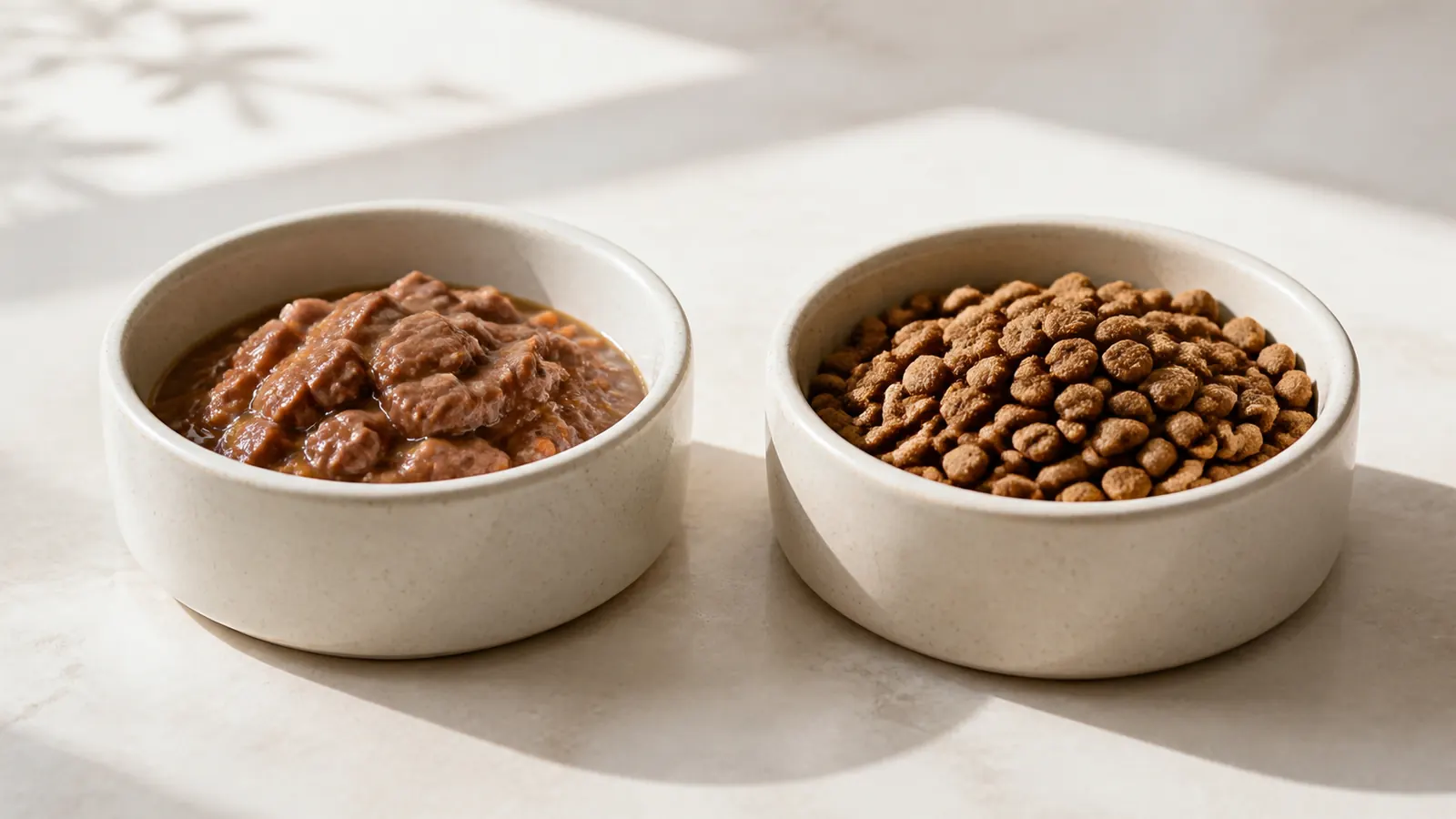
Compare wet and dry food for practical differences rather than treating grain status as the deciding factor.
If the cat is healthy and doing well, the absence or presence of grain alone is not a reason for an abrupt change. Introduce a replacement gradually as tolerated, monitor intake and do not let a cat go without food to force acceptance.
A cat receiving insulin needs a diet change coordinated with the veterinary team because carbohydrate intake can affect insulin needs. Do not change the dose yourself.
Cats with kidney disease or another condition also need the complete nutrient profile considered, not a single ingredient rule.
Common Questions
Is grain-free food lower in carbohydrate?
Not necessarily. Grains may be replaced by other starch sources. Ask for the exact product’s nutritional analysis rather than relying on the front label.
Does my itchy cat need grain-free food?
Itching has many causes, and a food reaction can involve animal or plant proteins. A veterinarian can arrange a controlled diet trial when appropriate.
Should I stop a grain-free food immediately?
Discuss concerns about the specific food with your veterinarian. Grain-free status alone does not establish harm, and abrupt changes or food refusal create other problems.
Checked Against
Published 2 September 2026. Last updated .