What Is a Suphalak, and How Does This Ancient Thai Breed Differ From the Burmese?
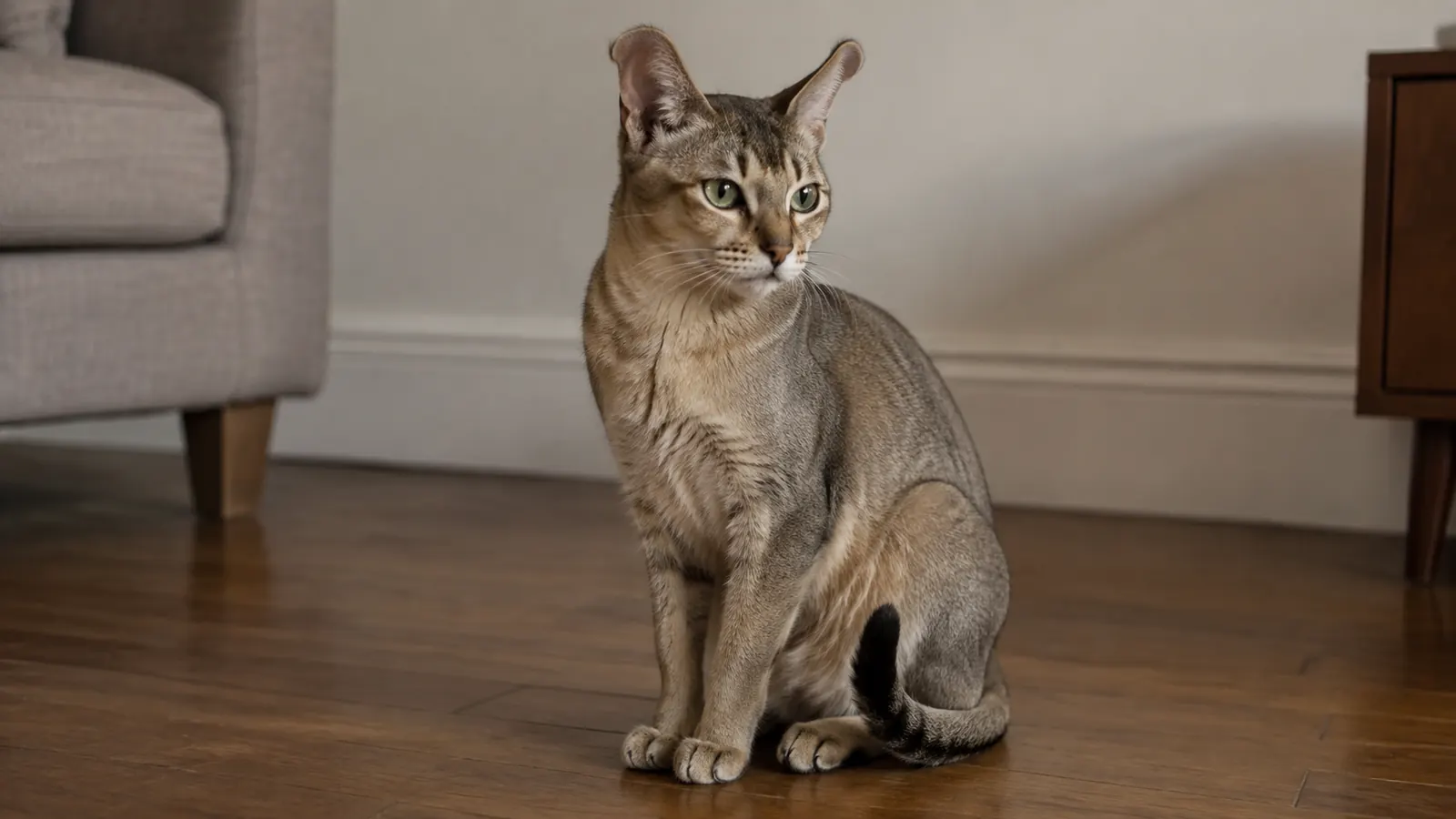
A Suphalak is a medium-sized, solid brown-to-copper cat documented in the Tamra Maew, Thailand's centuries-old cat-poetry manuscripts. It is extremely rare outside Thailand, and its registry recognition is recent and partial: the World Cat Federation recognised it in 2024, while CFA does not list it among its recognised breeds.
- Origin
- Thailand, described in the Tamra Maew cat manuscripts, traditionally traced to the Ayutthaya period
- Coat
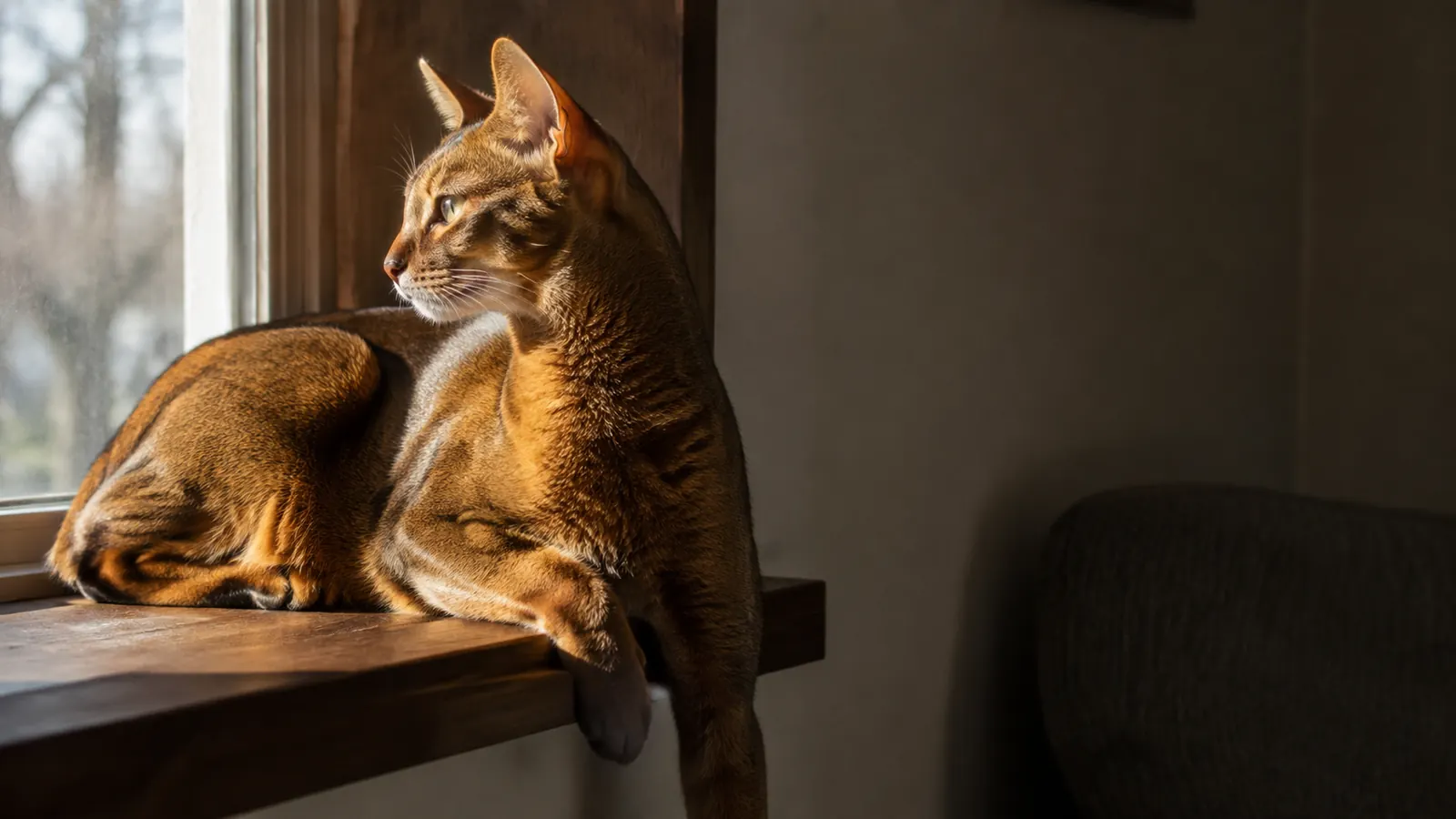
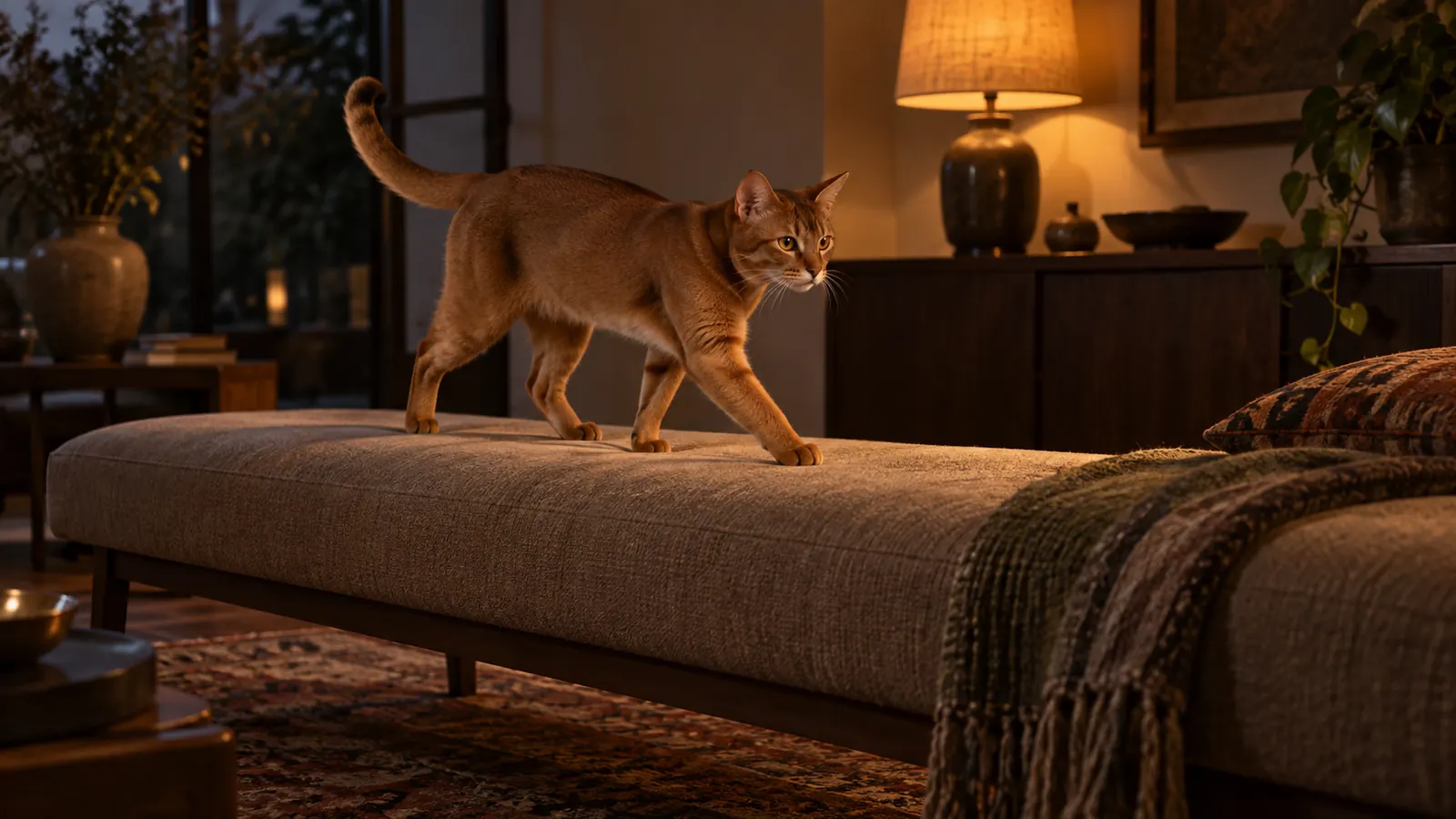
- Short, close-lying, smooth, in a solid warm brown to reddish copper
- Size
- Medium, muscular and well-proportioned
- Typical weight
- Not measured; no study or registry gives a Suphalak weight range
- Life expectancy
- Not measured; the 12 to 15 years sometimes quoted is borrowed from other Thai breeds
- Activity level
- Moderate to high; described as active, sociable and people-oriented
- Grooming
- Low; the short smooth coat needs minimal care
- Suits
- Households prepared for the rarity challenge and the social temperament typical of Thai-origin breeds
A Suphalak is a solid brown-to-copper cat from Thailand, documented in the Tamra Maew, a collection of cat-poetry manuscripts that describe and illustrate auspicious and inauspicious cats.
The manuscripts are traditionally traced to the Ayutthaya period, although every surviving copy dates from after 1782. Their verse for the Suphalak, also called Thong Daeng, meaning copper, describes a graceful cat with a coat the colour of glinting copper and eyes lit like shining rays. That colour is still the breed's defining trait: a solid reddish-brown copper coat with no points and no pattern.
How Does the Suphalak Differ From Other Thai and Brown Cats?
The confusion most worth clearing up is with the Burmese.
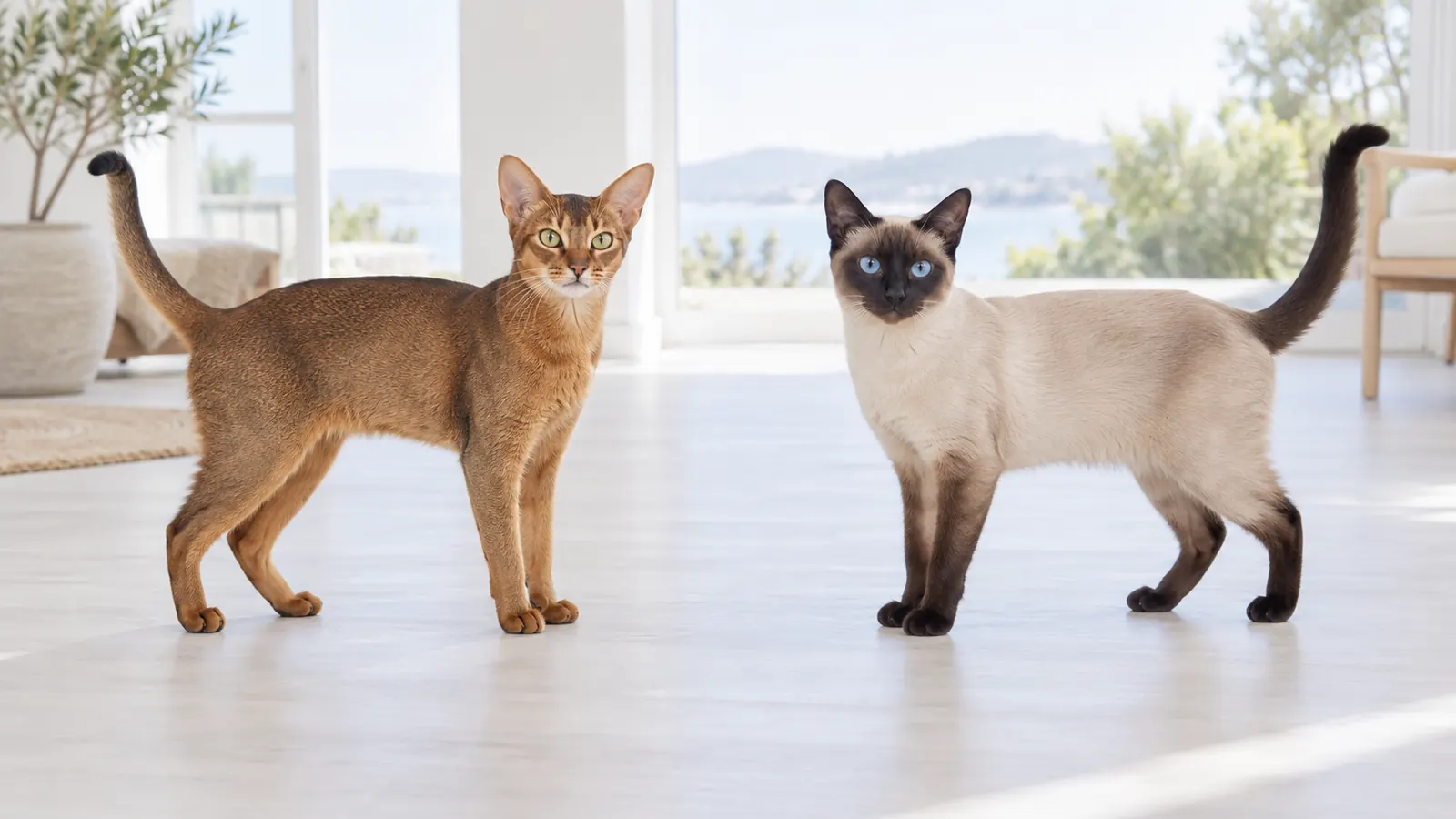
Both look like solid brown cats from Southeast Asia, but the colour is made differently. The Burmese carries two copies of the cb colour-restriction variant, which produces its warm sepia sable and leaves the face, ears, legs and tail slightly darker than the body. The Suphalak is meant to be one even, full colour with no darker points, so a brown cat whose face, ears and tail are clearly darker than its body is showing the Burmese pattern rather than the Suphalak one.
What exactly produces the Suphalak's copper tone has not been established in a published genetic study, so the visible difference in points is the practical test.
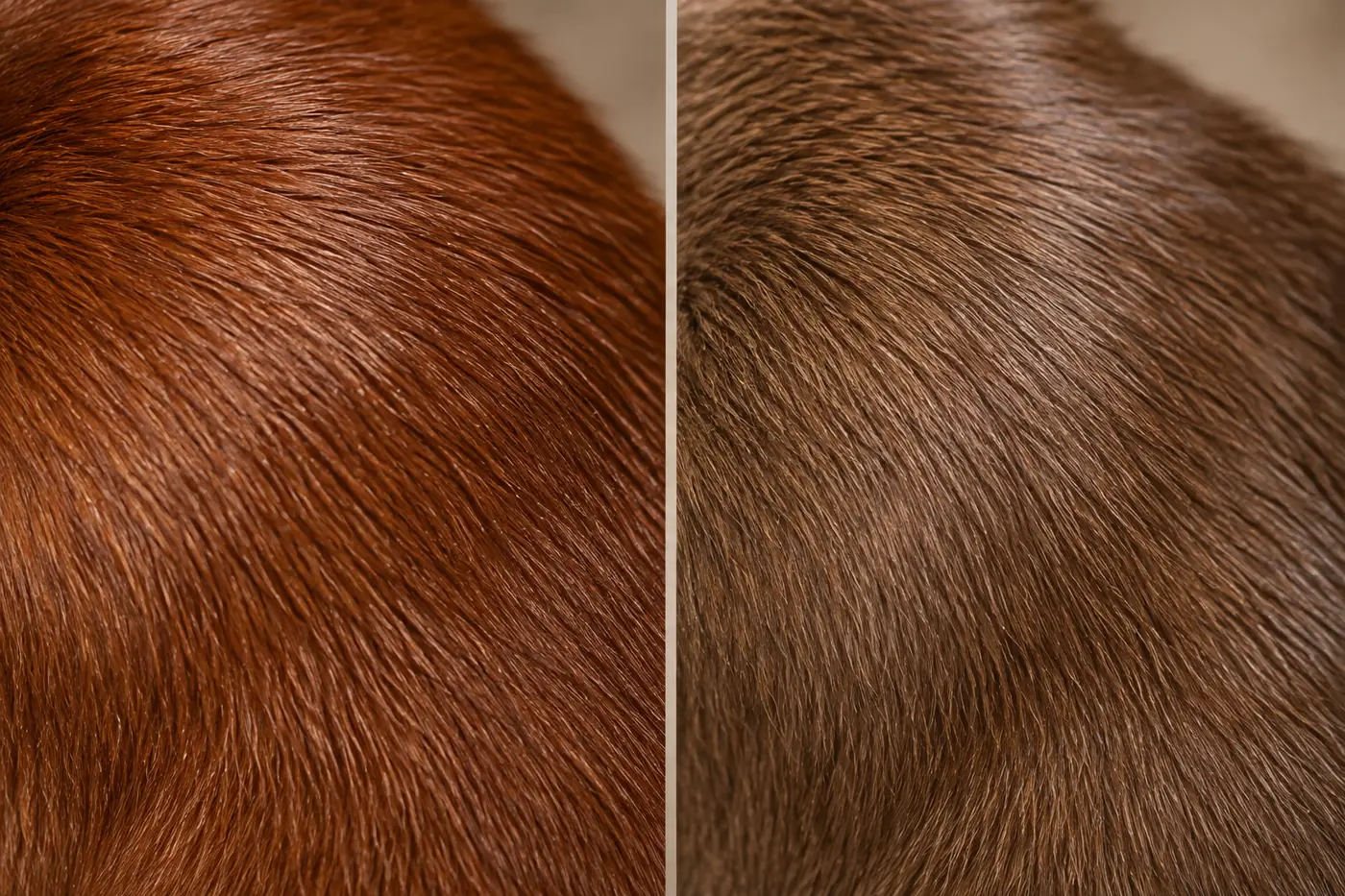
The Thai Cat (Wichianmat) is a different manuscript cat, with a pointed pattern and a moderate Siamese-type body. Both come from the same tradition, and the difference a reader can see is the pattern: points on the Thai Cat, one even colour on the Suphalak.
- WCF
- Recognised in 2024
- CFA
- Not listed among recognised breeds
- Origin
- Thailand, documented in the Tamra Maew manuscripts
- Colour
- Solid reddish-brown copper, no points or pattern
- Distinction from Burmese
- Even colour with no darker points; Burmese sable comes from the cb colour-restriction variant
- Distinction from Thai Cat
- Solid-coloured, not pointed
- Breeding population
- Extremely small worldwide
What Is the Suphalak Like to Live With?
Descriptions from Thai breeders and the small international community emphasise a sociable, people-oriented temperament consistent with other Thai-origin breeds.
The Suphalak is reported to bond closely with its household, seek interactive contact and tolerate handling well. These descriptions are plausible given the Siamese and Burmese temperament traditions in the same geographic gene pool, but no formal behaviour study exists, so the individual kitten and its parents are the only temperament evidence a buyer can observe.
The short, smooth coat needs almost no grooming. A weekly hand pass removes loose hair.
Shedding is light.
Activity level is moderate to high. The breed is athletic without being extreme, and interactive play suits it better than passive enrichment.
What Health Evidence Exists?
Almost none that is Suphalak-specific. The breeding population is too small for meaningful health data to exist.
No breed-specific genetic condition has been documented, but in a population this small that reflects how little has been studied rather than a clean record. The natural, unexaggerated body means no structural problem has been bred in, which is a real advantage, although it says nothing about inherited disease.
The 12 to 15 years sometimes quoted for lifespan is borrowed from other Thai breeds rather than measured in Suphalaks.
How Rare Is the Suphalak, and Can You Actually Find One?
Outside Thailand the Suphalak is extremely rare, and breed histories describe how hard it has been even for dedicated breeders to find cats to work with. Recognition is recent and partial: the World Cat Federation accepted the breed in 2024, while CFA does not list it, so a kitten's papers are worth checking against the registry that issued them.
Finding a Suphalak breeder requires searching within Thai breeding networks and a small number of international breeders who have imported foundation stock.
- A registration document naming both parents, from a registry you can contact
- An even copper-brown colour with no darker points on the face, ears, legs or tail
- The individual cat's temperament assessed during calm contact
- A breeder who can trace the line back to Thai Suphalak stock
A Havana Brown is also a solid chocolate-brown cat, and a sable Burmese can look close in poor light, so colour alone cannot identify a Suphalak. Documented descent from Thai Suphalak stock is what does.
Common Questions
Is a Suphalak the same as a Burmese?
No. The Burmese colour comes from the cb colour-restriction variant, which leaves slightly darker points, while the Suphalak is an even solid copper-brown. They are separate breeds with different histories.
How rare is the Suphalak?
Extremely rare. The breeding population is very small, and even dedicated breeders have struggled to find cats outside Thailand.
Is the Suphalak recognised?
Partly. The World Cat Federation recognised the Suphalak in 2024, but CFA does not list it among its recognised breeds.
What is the Tamra Maew?
Thai cat-poetry manuscripts that describe and illustrate auspicious and sometimes inauspicious cats, the Suphalak among them. They are traditionally traced to the Ayutthaya period, although every surviving copy dates from after 1782.
How big does a Suphalak get?
Breeders describe it as a medium-sized, muscular cat. No study or registry gives a Suphalak weight range, so an individual cat's body condition is the better guide.
Checked Against
- CFA: recognised breeds (Siamese to Turkish Van, no Suphalak) cfa.org
- Martin Clutterbuck: Auspicious Cats (Cabinet, issue 30, 2008) cabinetmagazine.org
- Tyrosinase mutations associated with Siamese and Burmese patterns in the domestic cat pubmed.ncbi.nlm.nih.gov
- The Nation: Thailand's Suphalak cat gets global recognition (2024) nationthailand.com
Published 17 September 2026. Last updated .