Are Antidepressants Toxic to Cats, and What Happens?
Call immediately if a cat may have reached an antidepressant. The exact drug, strength and release form determine the assessment.
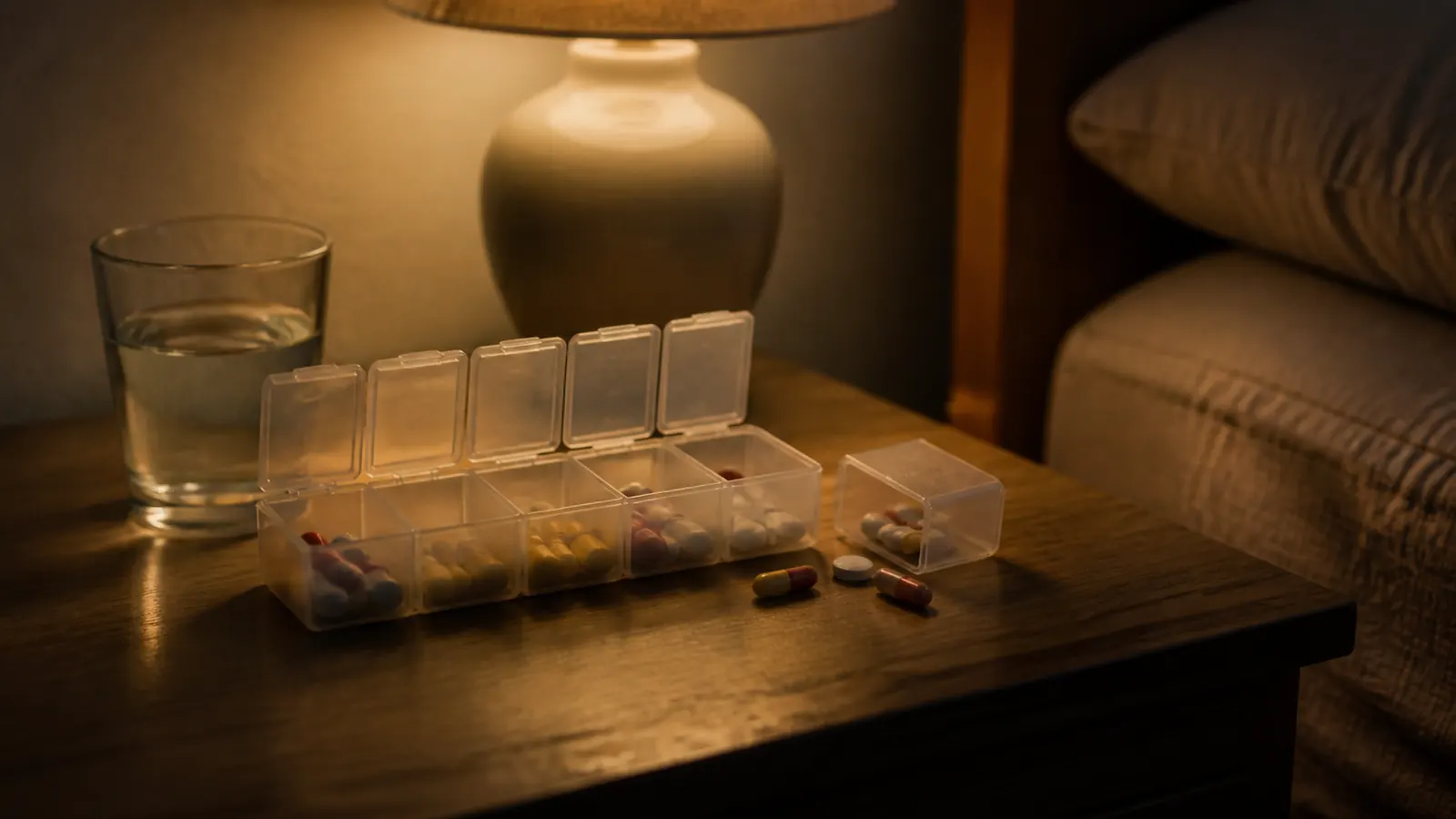
Human antidepressants can poison cats in overdose. Different drugs and formulations affect the nervous system, heart and other body functions differently.
The fact that a medicine is also prescribed to cats does not make an unprescribed human tablet safe.
The information that changes the assessment
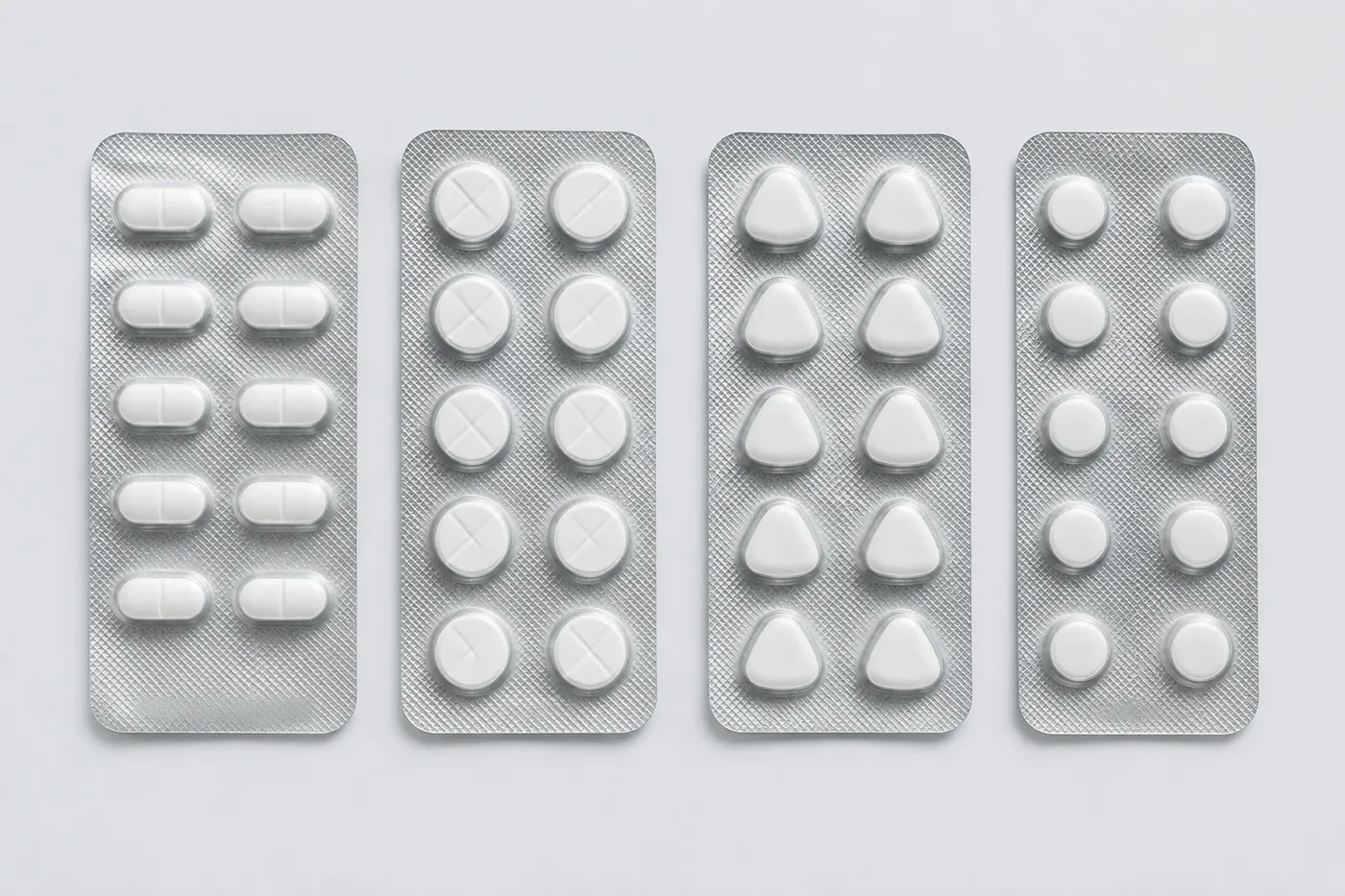
A tablet's appearance is not enough to identify it. Read or photograph the packaging and estimate the greatest amount that could be missing.
Report uncertainty rather than assuming a mouthed and dropped tablet delivered no drug.
- Drug
- Full generic or brand name from the packet
- Strength
- Milligrams per tablet, capsule or measured liquid volume
- Formulation
- Standard, extended-release, liquid or another form
- Exposure
- Possible quantity and the time, including uncertainty
- Cat
- Approximate weight, health conditions and all current medicines
Extended-release preparations can continue delivering drug after the cat initially appears well. Do not use a symptom-free interval to decide the exposure is over.
Chewing or crushing can alter release, but effects vary by formulation rather than every damaged capsule behaving identically to a liquid.
What can happen
Some antidepressants increase serotonin activity; overdose can produce serotonin syndrome, with agitation, tremors, abnormal temperature and cardiovascular effects. Other mechanisms matter too, including the heart-conduction effects of some tricyclic drugs.
Toxic effects are not limited to serotonin, and severe poisoning can injure organs.
| Drug group or example | Relevant concern |
|---|---|
| SSRIs such as fluoxetine or sertraline | Neurological and gastrointestinal effects; serotonin toxicity may occur |
| SNRIs such as venlafaxine | Potential serious toxicity, including after extended-release capsules |
| Tricyclics such as amitriptyline | Cardiac conduction effects as well as neurological signs |
| Mirtazapine | Used by vets at controlled doses; overdose can still cause marked adverse effects |
This table cannot supply a safe dose. The practice uses drug-specific information, the cat's condition and the whole exposure history.
A fixed fluoxetine threshold or a count of ordinary tablets should not be used as permission to watch at home.
Signs that need emergency attention
Vomiting, drooling, poor coordination, restlessness, dilated pupils, tremors or unusual vocalising can occur. Some cats become sedated instead.
A very quiet or floppy cat is not necessarily less affected than an agitated one.
Seizures, collapse, breathing difficulty, marked tremors or suspected overheating need immediate emergency care. Keep the cat in a quiet safe carrier and follow the practice's instructions.
Do not try to take an unsafe rectal temperature or cool with ice while postponing the journey.
What not to give at home
Do not induce vomiting, give charcoal or use a human sedative or antihistamine to counter the drug. Treatment that is appropriate in a clinic can be dangerous without an examination and monitoring.
A drowsy or unsteady cat can inhale material put into its mouth.
Do not change the cat's own medicines without speaking to the treating practice. Report everything it takes, including supplements and recent doses, because interactions can alter risk.
Keep other human medicines out of reach as well; the response to one exposure does not establish safety for another.
When the same medicine is prescribed to your cat
Vets sometimes prescribe antidepressant medicines for behavioural conditions or other indications. Mirtazapine, for example, is used to support appetite or manage unwanted weight loss, including an approved transdermal product applied to the ear.
Oral products may also be prescribed in an appropriate veterinary plan.
Use only the exact product, dose and schedule prescribed. Do not split or substitute household tablets by guesswork.
If a prescribed cat reaches an extra supply, tell the practice what it already received: the regular medicine is relevant history, not protection from overdose.
Treatment and recovery
A veterinarian may limit absorption when appropriate and treat the effects already present. Monitoring can include temperature, heart rhythm, neurological signs and laboratory tests.
Serotonin-blocking treatment, fluids or other medicines may be used according to the drug and findings.
Many promptly treated cats recover, but recovery time and possible complications vary. Extended-release exposure and severe signs may require longer observation.
Follow the discharge plan and report recurrent symptoms; do not assume every drug leaves no lasting effects or that every cat is ready to leave after one night.
Preventing another exposure
Take tablets where a dropped dose can be found immediately, check beneath nearby furniture and put packets away after use. Pill organisers and visitors' bags also need secure storage.
Keep the cat's medicines clearly labelled to reduce accidental substitutions or duplicate doses.
Common Questions
My cat swallowed one tablet. Can I wait?
Call immediately with the packet. One tablet can be significant, and the drug, strength, release form and cat’s weight determine the advice.
Is oral mirtazapine always wrong for a cat?
No. A vet may prescribe it appropriately. Do not substitute a human-strength tablet or alter the dose yourself.
What if my cat is sleepy?
Sedation can be a sign of poisoning. A quiet or floppy cat still needs urgent assessment after a possible exposure.
Checked Against
Published 2 September 2026. Last updated .